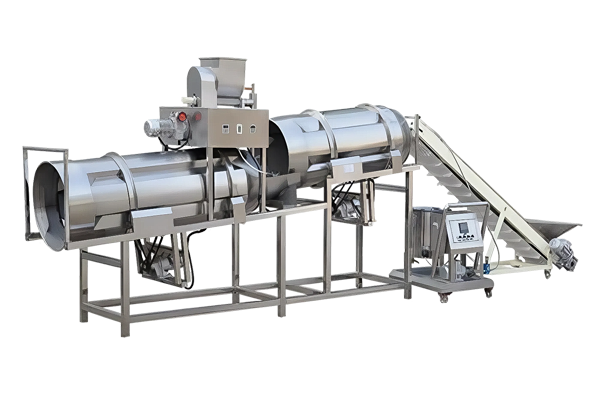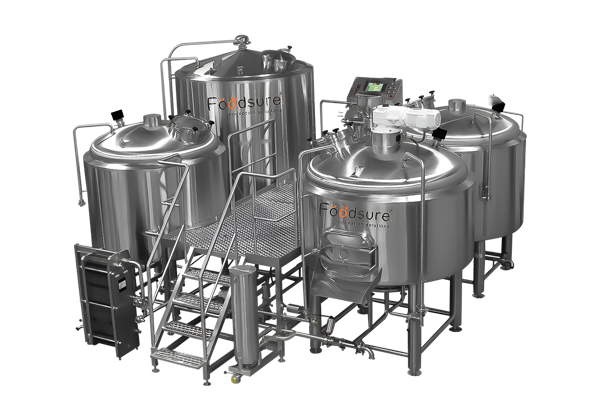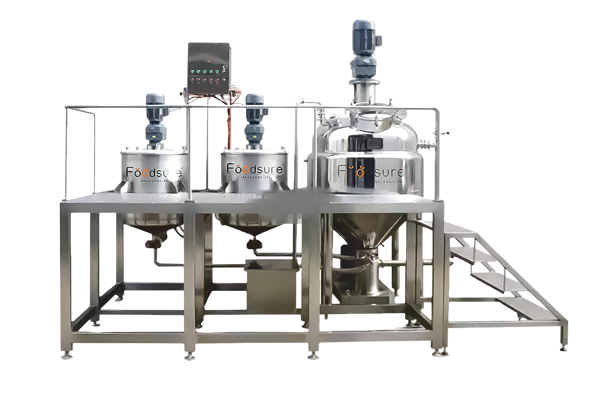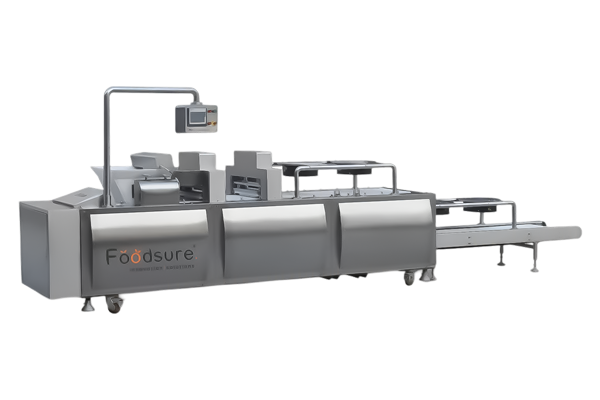
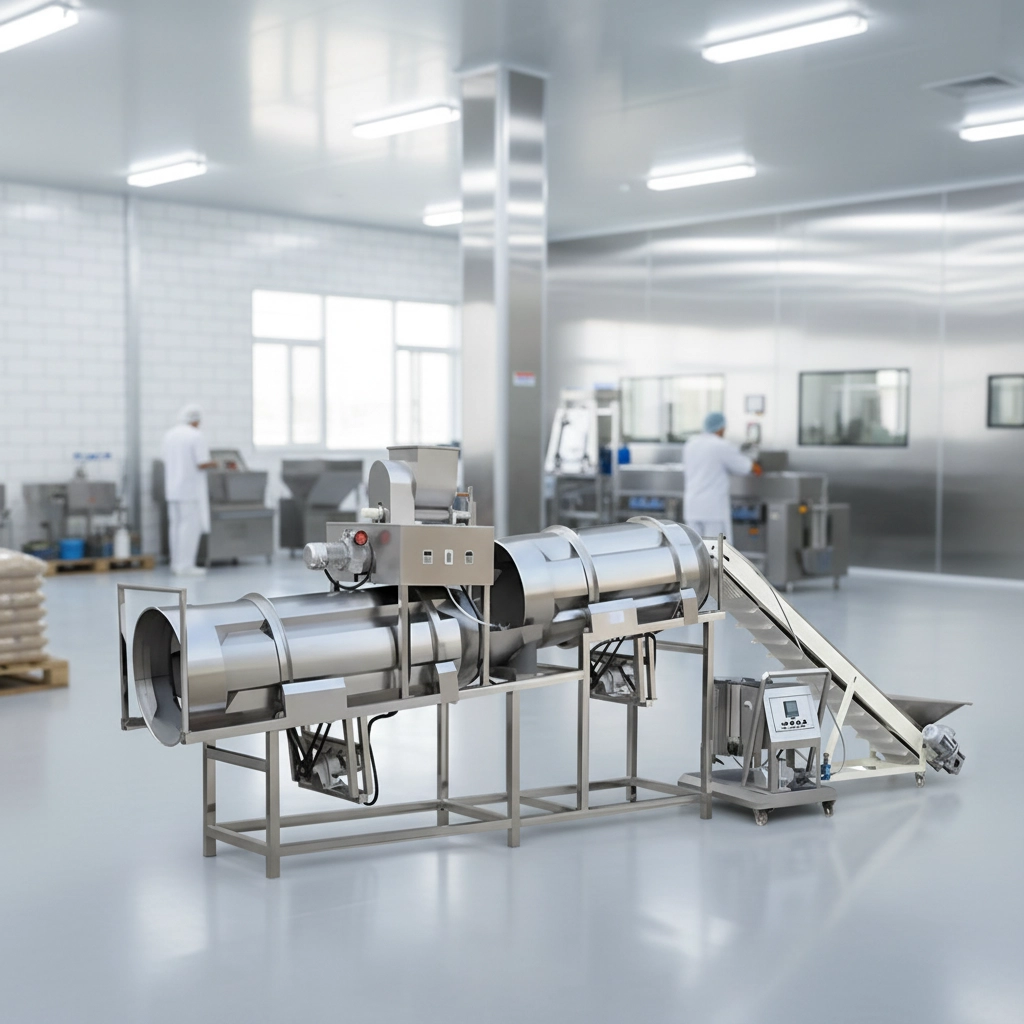
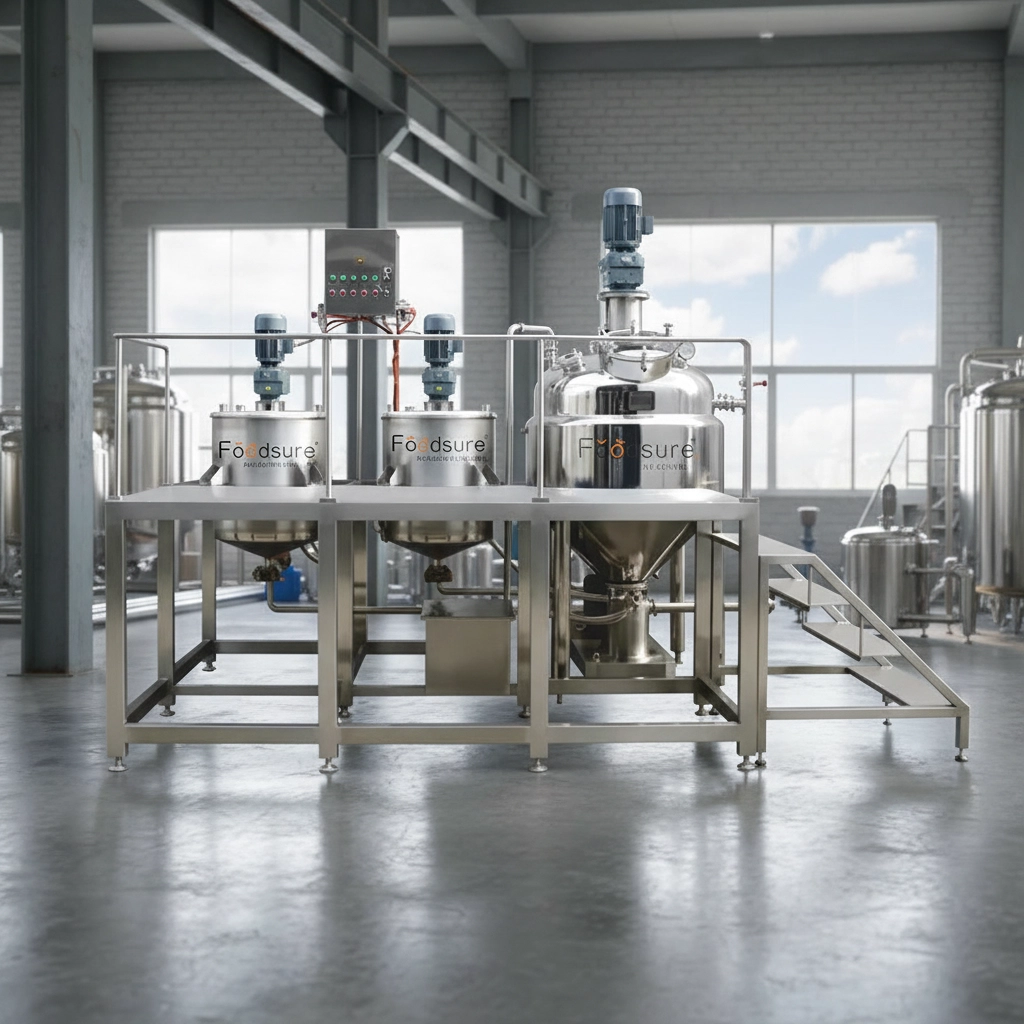
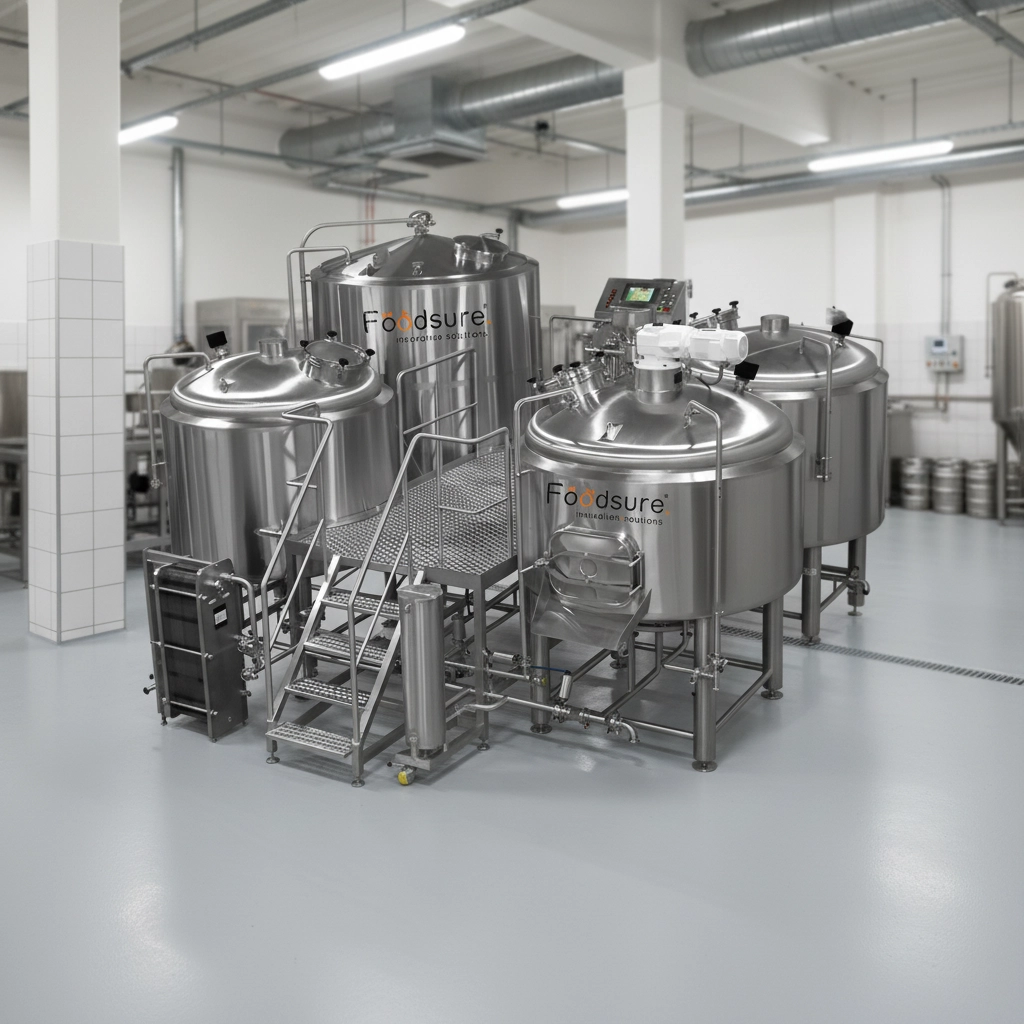
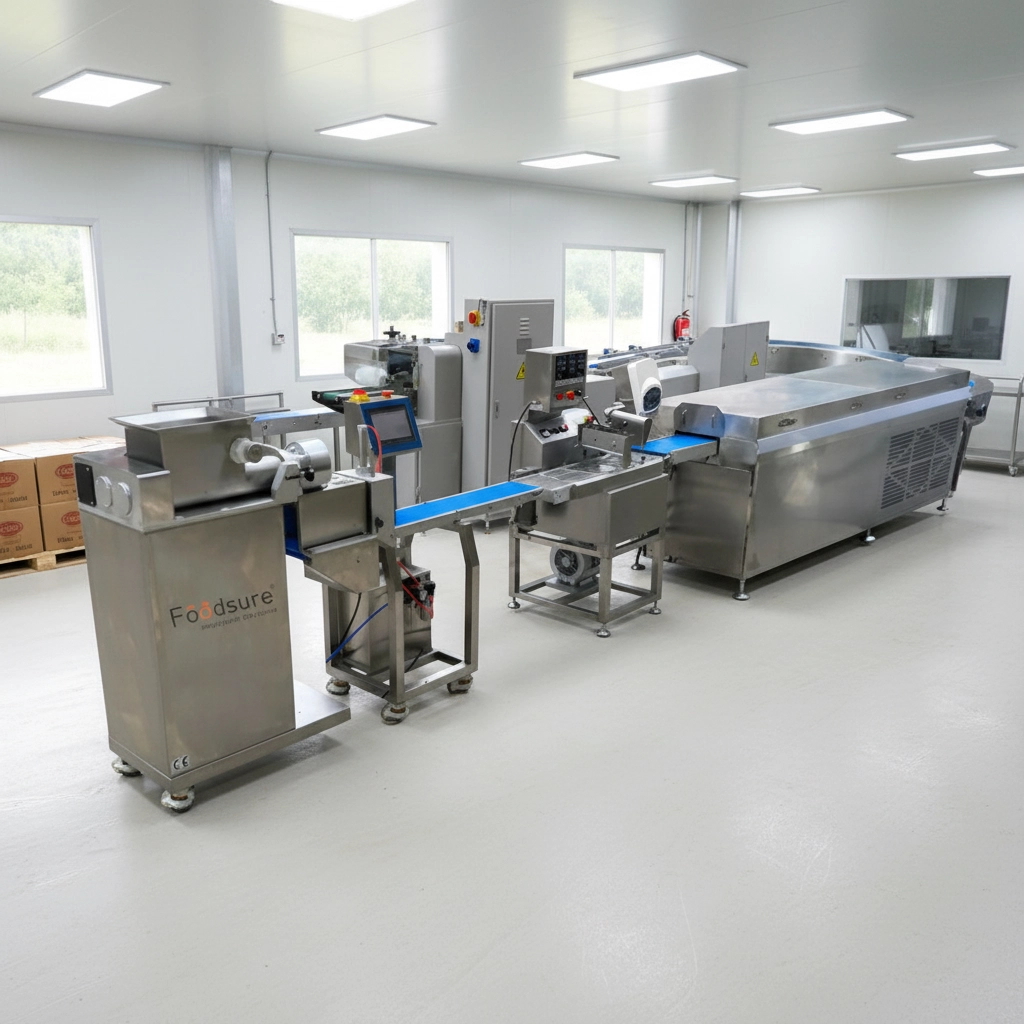
Everyone loves the taste of roasted makhana. But roasting not only makes it tasty but also keeps it fresh for longer. You can roast it by hand and with the help of a machine. In this blog, we will show you how both methods work, the common issues with roasting, and why machines are a better option for larger batches. Roast your makhana at home or with a machine, easy, quick, and tasty. Get that perfect crunch every time. How to Roast Makhana.
How to Roast Makhana at Home: Step-by-Step Guide
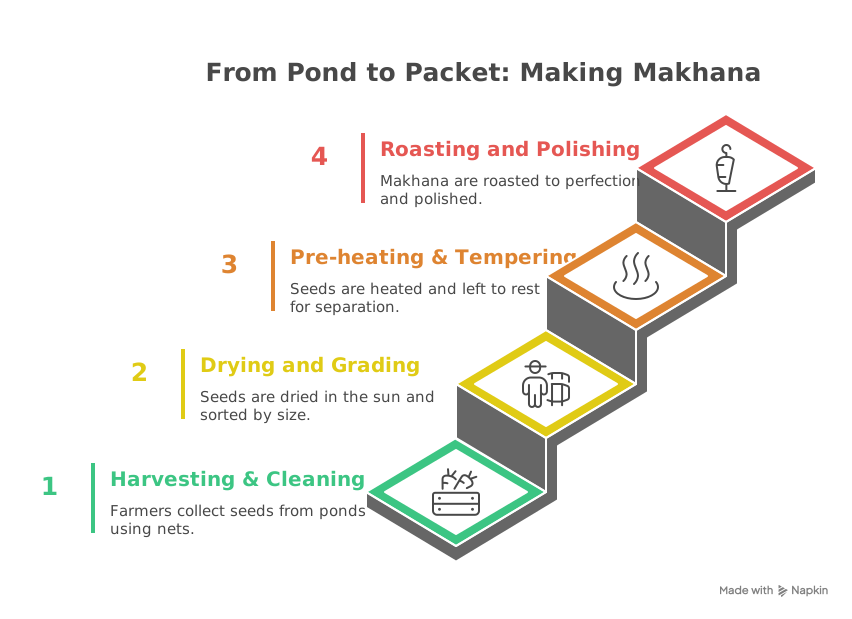
Want your makhana perfectly crunchy? As you know, roasting it at home is not that hard because it just takes a little attention, the right heat, and a simple steps. What this really means is that you can get a tasty snack without any mess.
Manual Dry Roasting
First, heat a pan with a thick base on low to medium heat. Then add the makhana to the pan and mix it constantly for 8 to 10 minutes to make sure that every piece of makhana is evenly roasted. Once the makhana is nearly roasted, sprinkle some salt and any spices you like to add for flavor. After that, continue mixing throughout the process to make sure every piece becomes evenly crispy and golden.
What Can Go Wrong with Manual Makhana Roasting
Inconsistent roasting: Here’s the thing about makhana roasting process by hand: it rarely comes out evenly. Some makhana pieces get burnt while others stay soft because the heat is not spread consistently.
Time-consuming: Roasting large amounts manually takes a lot of time and constant attention, which makes your production slow down and affects your market demand.
High labor requirement: Someone has to stir and watch the makhana the whole time. This is tiring and quickly adds up in manpower costs if you’re handling bigger batches.
Read More: From Manual To Modern: How Advanced Makhana Processing Machines Transform The Industry?
Ways Roasting Machines Solve Common Makhana Problems
Heat distribution: Even heat distribution means every single piece of makhana roasts the same way. No burnt bits, no undercooked ones. It’s consistent every time.
Faster Roasting: Faster roasting isn’t just about speed. It cuts down the hours you spend on manual roasting. Large batches get done in a fraction of the time, and you don’t have to babysit the process.
Labor Cost Reduction: Labor costs drop because the machine does most of the work. A couple of operators can manage what would normally take a whole team. Its efficiency you can see and measure.
Enhanced Safety: This machine has automatic temperature control and automatic shut-off, which keeps the heat where it belongs, away from people. You can run it without constantly worrying about accidents.
Scalability: This isn’t just for a small kitchen. You can go from 50 kg an hour to 1000 kg an hour depending on your needs. What this really means is your production can grow without rethinking the entire setup.
Read More: Top 5 Features Every Industrial Makhana Roasting Machine Should Have
Why a Makhana Roasting Machine Makes Sense for You
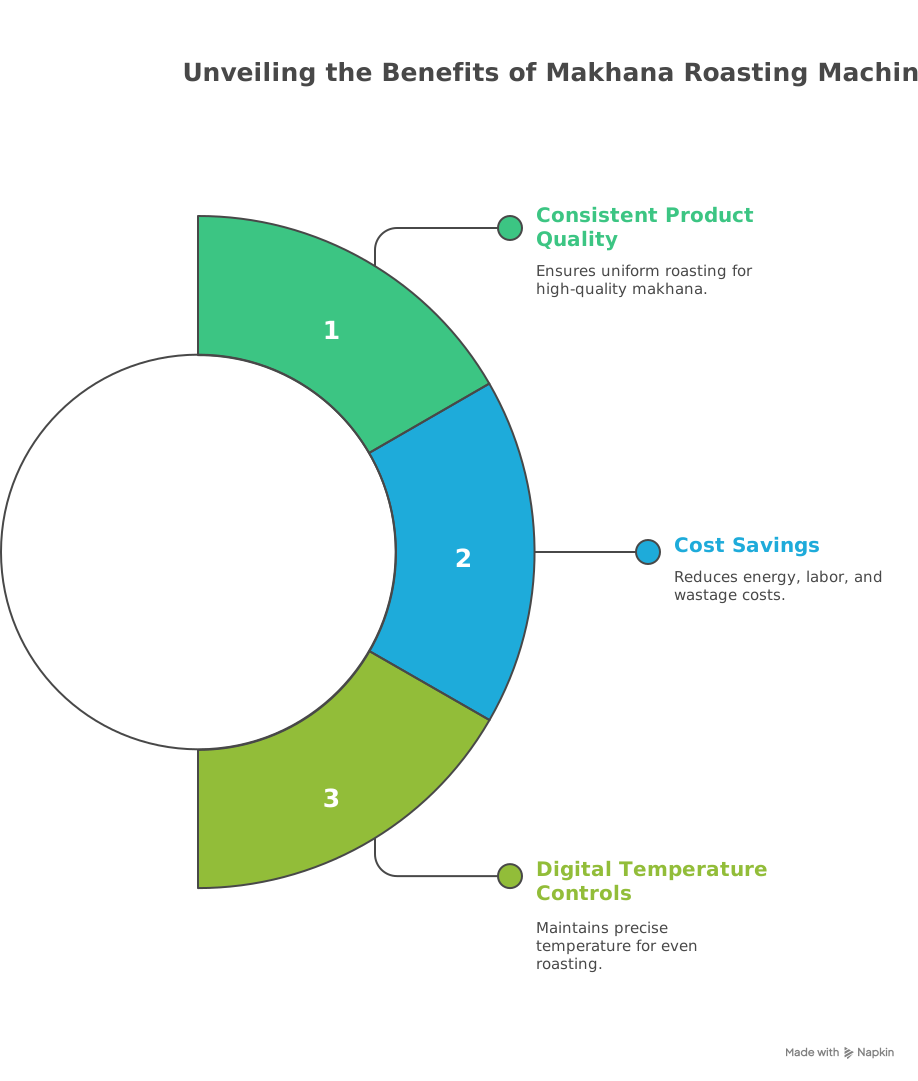
- The makhana machine delivers a consistent product and gives you better results, best roasted makhana every time, which makes your makhana meet commercial and export standards that make your brand demand in the market.
- If you are investing in a roasting machine that will help you save money over time because it uses energy efficiently, reduces labor costs, and reduces product wastage.
- This roasting makhana machine also has digital temperature controls that make sure every batch of makhana is evenly roasted, and keep your makhana batch consistent.
Final Thoughts and How to Get Started
A makhana roasting machine from Foodsure Machines changes that. It saves your time, reduces manual work, and delivers perfectly roasted makhana every single batch. You can produce more, maintain quality, and grow your business without constantly watching the pan. Take the next step and upgrade your roasting process with Foodsure Machines today.
Have a Question? We’re Here to Help!
Connect with us easily via call or email. We respond fast!
FAQ
Q1: How much protein is in makhana?
Ans: Here’s the thing: makhana is surprisingly high in protein. And it has about 100 grams, which gives you 9 grams of protein and makes it a healthy snack for you.
Q2: How much does a makhana processing machine cost?
Ans: A semi-automatic makhana machine can cost you up to ₹3 lakh and ₹15 lakh, which usually depends on the size and the type of machine you select for your production.
Q3: What budget do we need to know for makhana production?
Ans: What this really means is that even a small commercial setup can start around ₹5 lakh, which covers equipment, raw materials, and basic labor.
Q4. How long should you roast makhana?
Ans: About 5–7 minutes on medium heat until they turn crisp.
Q5. What flame is ideal for roasting makhana?
Ans: Medium flame to avoid burning and ensure even roasting.
Q6. How do you know makhana is perfectly roasted?
Ans: They become light, crunchy, and break easily when pressed.
Q7. Should makhana be washed before roasting?
Ans: No, they should be dry; washing makes them soggy.
Q8. Can you roast makhana without ghee or oil?
Ans: Yes, dry-roasting works perfectly.
Q9. How much ghee/oil is required for roasting makhana?
Ans: 1–2 teaspoons per 2 cups is enough.
Q10. Why does makhana turn chewy after roasting?
Ans: Because of low flame or under-roasting.
Q11. How to keep roasted makhana crunchy for long?
Ans: Store in an airtight container after cooling fully.
Q12. Can you roast makhana in bulk?
Ans: Yes, but roast in batches for uniform crispiness.