

The choice of raw materials is vital to the determination of the quality, taste, texture, nutrient content, and shelf life of protein bars. Though the finished product may seem easy to make, the process of making commercial protein bars requires careful selection of ingredients that work synergistically to achieve the desired effects.
The choice of the appropriate raw materials is important in order to ensure consistency in production, minimize manufacturing costs, and facilitate production. When combined with the right protein bar machine, carefully selected ingredients help manufacturers achieve better product consistency and efficient large-scale production. Whether you are dealing with proteins, binders, sugars, fats, or other ingredients, each of them will be responsible for a certain function. In this guide, we will discuss the most common types of raw materials used in protein bar manufacturing.
Why Raw Material Selection Matters in Protein Bar Manufacturing
The choice of components is a significant stage in making protein bars. The raw materials, which are used for the manufacture of protein bars, influence not only the nutrient content of the product but also its processability and stability.
Wrong ingredient choice may lead to problems such as:
- Crunchy texture
- Stickiness
- Short expiration period
- Separation of ingredients
- Uneven product quality
The balanced formulation of the recipe ensures that manufacturers have the desirable characteristics of protein bars.
Knowing the raw materials required for protein bar manufacturing aids the manufacturers in creating products that achieve nutritional standards while ensuring consistency in processing and making the process commercially feasible. The manufacturers have to analyze the essential ingredients for protein bar manufacturing in order to meet all the standards.
Understanding Raw Materials for Protein Bar Manufacturing
There are several major components involved in the manufacture of protein bars, which include protein, carbohydrate, binders, fat, flavoring agents, and functional ingredients. All components have their specific functions in the composition of the protein bar.
The role of protein components lies in providing the necessary nutritional value and protein proportion, while carbohydrates supply energy and influence the texture of the product. Binders make sure that all the components remain together within the bar.
Fats contribute to the texture, softness, and general mouth-feel of food, whereas flavoring compounds help improve taste and make it more acceptable to the consumers. The nutritional components, such as vitamins, minerals, fiber, and probiotics, can be incorporated into food to help give it added value in the marketplace.
The correct balance of these components in food is essential for achieving the desired nutritional profile, texture, and shelf life. This will provide for the stability of the final product.
Protein Sources Used in Protein Bar Production
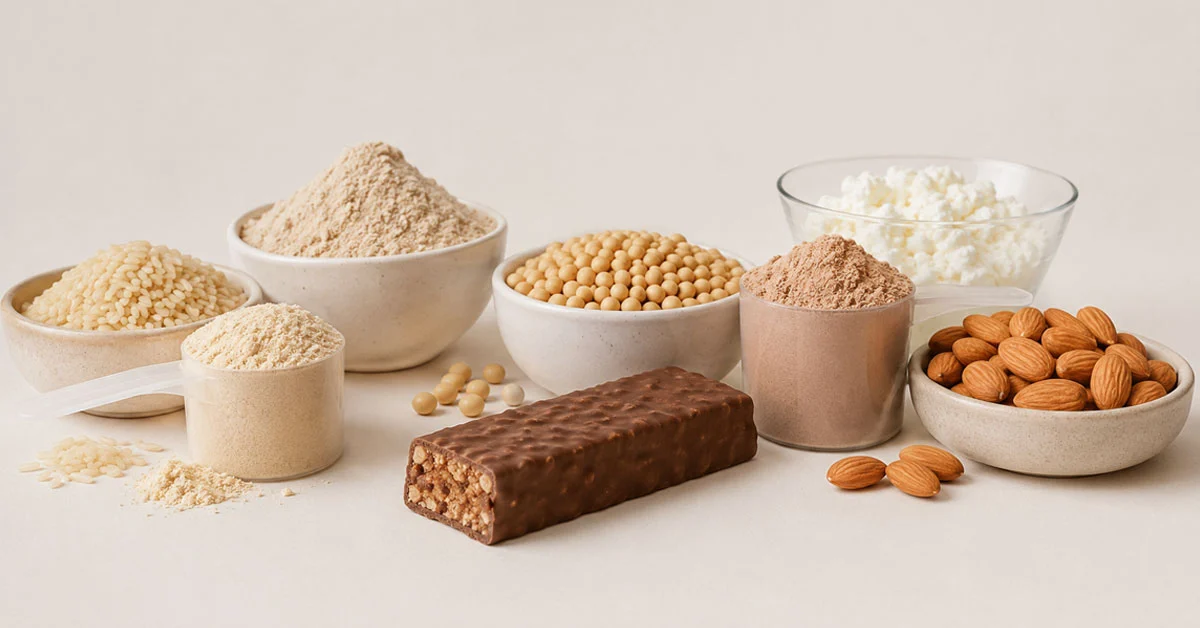
Protein forms the main functional component in most protein bars. The selection of the source of protein greatly affects texture, nutrient content, taste, and production performance.
As part of the overall protein bar ingredients list for production, manufacturers often use one or more of the following protein sources.
Whey Protein Concentrate
The application of whey protein concentrate is very popular due to its excellent amino acid profile and low cost. This protein is highly effective in obtaining high protein content, together with correct texture and processability. The reason why whey protein concentrate is widely used by many manufacturers is its excellent nutritional profile and moderate price. Besides, whey protein concentrate blends well with other substances, and therefore, it is an ideal substance for the production of various types of protein bars.
Whey Protein Isolate
Whey protein isolate has a high level of protein content, low levels of fats and carbohydrates. The product is mainly utilized in premium protein bars meant for the fitness and sports nutrition market segment. The purity of the product offers an opportunity to produce high-protein products with regulated calories.
Soy Protein
Despite being one of the first plant-based protein sources that were discovered, soy protein is still popular due to its high protein levels and low price.
Along with the availability of all essential amino acids, soy protein shows great functional properties in manufacturing and enables the development of affordable plant-based nutrition.
Pea Protein
One more source of plant-based protein that attracts the attention of consumers is pea protein. It demonstrates high functionality and enables the promotion of products under the clean label.
Manufacturers opt for pea protein since it is a source of plant-based protein that fits well into today’s food trend towards sustainability and plant-based nutrition.
Rice Protein
Rice protein is often mixed with other proteins obtained from plants to enhance their amino acid profile.
While rice protein itself does not necessarily contain all essential amino acids, mixing it with pea protein and other plant proteins aids in the creation of nutritious protein bars.
Carbohydrate Ingredients Used in Protein Bars
Carbohydrates contribute energy, texture, and structure to protein bars. They also help improve mouthfeel, product stability, and overall consumer acceptance. The choice of carbohydrate ingredients often depends on the target nutritional profile, desired texture, and intended market positioning of the product.
Oats
The use of oats is extremely common as they offer fiber, texture, and nutrients while maintaining an image of being natural products.
Along with providing additional nutrients, oats can provide a satisfying texture and make the eating experience better. They are popular in the production of meal replacement bars and protein snacks.
Rice Crisps
The inclusion of rice crisps allows creating a crunchy and improved texture of the product. They are usually used in protein bars and products related to sports nutrition.
The manufacturers usually use rice crisps to make products lighter and more appealing to customers. They help to avoid the dense and chewy bars.
Maltodextrin
Maltodextrin is used in the formulation of products as it plays a significant role in ensuring uniformity and energy content in the products.
It is often used in sports nutrition products because it offers carbohydrates while improving the bonding between the ingredients.
Dried Fruits
Some of the ingredients used include raisins, dates, cranberries, and figs. These provide sweetness, flavor, and nutrients.
The other roles played by dried fruits include providing fiber, natural sugars, and visual appearance in order to ensure that health-conscious and clean-label products are developed.
Cereals and Grains
Different kinds of grains are used to improve the formulation in terms of nutritional content and texture.
Grains like quinoa, millet, and brown rice allow manufacturers to differentiate their products and make them more nutritious.
Binding Agents and Syrups
Binders play a critical role in holding ingredients together and maintaining product structure. Without effective binding systems, protein bars may crumble, separate, or lose their desired texture during handling, storage, and transportation.
- Honey- Honey acts as a natural sweetener and binder, as well as providing flavor to the products. Many companies prefer using honey because it enables them to develop a formulation that does not contain artificial ingredients and improves the texture and flavor as well.
- Glucose Syrup- Glucose syrup contributes to improving the texture and ensuring the softness of the products. It is especially helpful in avoiding the development of hardness in the product.
- Corn Syrup- Corn syrup is often added to products to increase their binding efficacy and promote stability. The functionalities present in corn syrup assist in ensuring that the distribution of ingredients is improved and decrease the chances of product breakage.
- Date Paste- Date paste is naturally sweet and acts as a binder in clean-label products. Date paste has become very popular in high-end and health-conscious protein bars due to its binding nature and sweetness.
- Liquid Sweeteners- Several liquid sweeteners assist the manufacturer in providing particular flavor characteristics along with uniformity.
According to the needs of the formulation, these ingredients provide a contribution towards sweetness, texture control, moisture retention, and stability of the product.
Healthy Fats Used in Protein Bar Manufacturing
Fats contribute to texture, flavor, mouthfeel, and overall eating experience. In addition to improving product taste, fats help maintain softness, prevent excessive dryness, and support ingredient binding within the protein bar matrix. The type of fat selected can also influence nutritional value, shelf life, and consumer perception of the final product.
- Peanut Butter- Peanut butter is a source of protein, flavors, creaminess, and enhanced product binding qualities. This ingredient is among the most common sources of fat in protein bars since it offers an intense flavor and good texture. Peanut butter is also a good source of fats and protein and can be used for sports nutrition and energy products.
- Almond Butter- Almond butter is often used in premium protein bars due to its benefits and popularity. Almond butter is chosen by many companies when they develop premium and health-oriented products. This ingredient provides healthy fats, moderate nut flavor, and a smooth texture.
- Coconut Oil- Coconut oil assists in enhancing texture and aids in achieving the softness of the products. This oil is commonly used to keep bars from becoming too hard while in storage. Coconut oil also assists in mixing ingredients and may enhance the stability of the product, depending on the formulation being developed.
- Vegetable Oils- Some selected vegetable oils can be utilized to assist in processing and enhance product consistency. Such oils can aid in texture optimization, enhance ingredient distribution, and facilitate manufacturing processes.
- Nut Butter Blends- A few companies have started using a variety of nut butters in order to create distinct tastes and provide better nutrition. Mixes of peanut, almond, or cashew butter can enhance texture and help brand products distinguish themselves from the competition. Such mixes are frequently used in making quality protein bars.
- Sources of Fat Using Seeds- Sunflower seed butter or pumpkin seed butter are just a few ingredients that are often used when making protein bars that do not contain any allergens.
These alternatives provide healthy fats and functional benefits while allowing manufacturers to create products suitable for consumers with nut allergies or specific dietary preferences.
Functional Ingredients Added to Protein Bars
Many manufacturers include functional ingredients to increase product value and differentiate their offerings. These ingredients help brands target specific consumer needs such as sports performance, digestive health, immunity support, weight management, or overall wellness. Functional ingredients also allow manufacturers to create premium products with stronger market positioning.
- Vitamins- Vitamin enrichment assists in improving nutritional quality and facilitates the health positioning of the product. Popular vitamins used in products are Vitamin C, Vitamin D, Vitamin B complex, and Vitamin E. The vitamins facilitate the development of the product that improves energy metabolism and helps with immunity and general well-being.
- Minerals- Calcium, magnesium, and zinc are some of the minerals found in functional nutrition products. The minerals help in maintaining strong bones, muscle activity, and good well-being of consumers. Mineral enrichment is mostly done in sports nutrition products where consumers are looking for additional functionalities.
- Fiber- Fiber is an ingredient that improves digestive system health and assists in achieving nutritional goals for products. Oat fiber, chicory root fiber, and soluble corn fiber are examples of ingredients that are commonly used to promote satiety and gut health and to develop products favored by health-conscious consumers. Fiber may additionally improve the texture of the product and its stability.
- Probiotics- Probiotics are used to support the development of wellness products to promote gut health. As consumers become more aware of the importance of digestive wellness, probiotic strains are used to make products stand out in competitive markets.
- Adaptogens- Adaptogen ingredients have become widely popular in luxury goods intended for stress relief and general wellness. Ashwagandha, ginseng, and rhodiola are just a few of the many adaptogenic ingredients being incorporated into protein bars designed for consumers looking for functional foods for their mental well-being and stress relief.
Protein Bar Formulation and Raw Material Selection
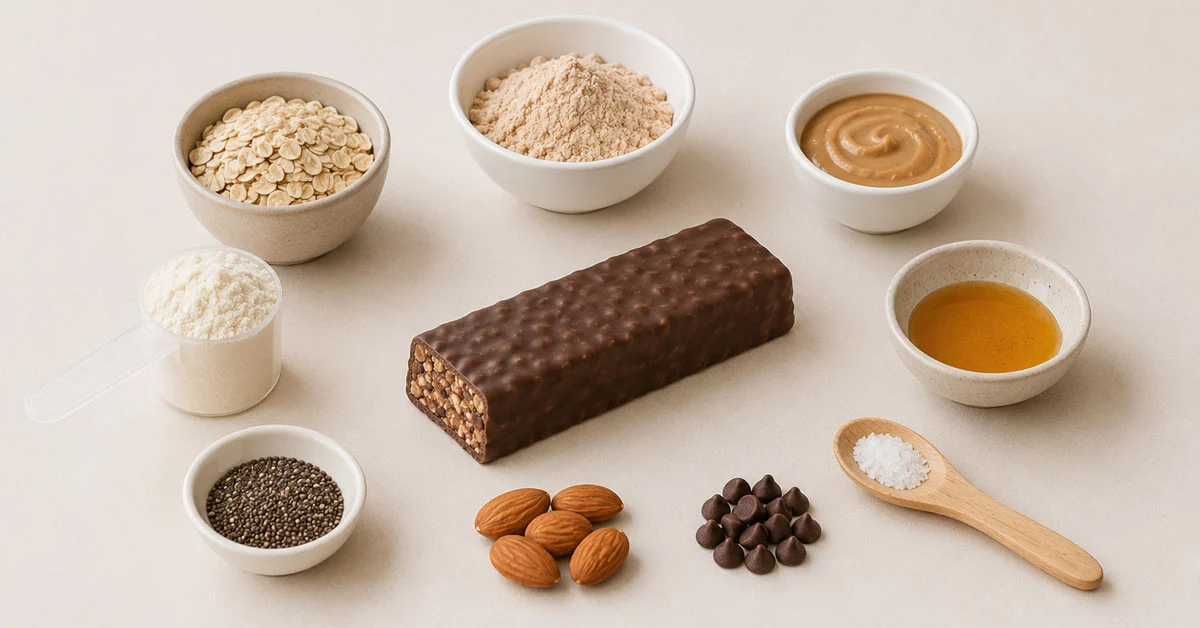
Successful protein bar formulation and raw material selection require balancing nutrition, functionality, processing performance, and cost considerations. Every ingredient decision affects not only product quality but also manufacturing efficiency, shelf life, and consumer acceptance.
- Target Consumer- The choice of ingredients will depend upon whether the product is designed for use by athletes, for the general public, for weight management, and so forth. For instance, sports nutrition bars may consider having high protein content, whereas meal replacement bars need to have a balance of protein, carbohydrate, and fat ingredients.
- Nutritional Objectives – Nutritional objectives, such as protein, calorie content, carbohydrate, and fat, need to be determined by the manufacturers before formulating their products.
- Shelf Life Stability Needs- Some ingredients prove to be more effective than others in ensuring product shelf life stability. Careful selection of appropriate ingredients is necessary to ensure that there are no problems like hardness, moisture movement, flavor, or texture change during storage
- Process Compatibility- The chosen ingredients should be compatible with the process used for manufacturing. Nutritionally superior ingredients could cause complications if they don’t mix and form bars effectively.
- Cost Optimization- A balance between the quality of ingredients and the cost of production enables businesses to stay competitive and profitable. The idea is to come up with a formula that provides adequate nutrition but does not substantially raise manufacturing costs.
Common Challenges in Raw Material Selection
Protein bar manufacturers often face ingredient-related challenges during product development and production. Understanding these challenges early can help reduce formulation issues and improve commercial success.
- Ingredient Compatibility- Some ingredients may not work well together, leading to texture and other problems. For instance, certain sources of proteins may behave differently when mixed with syrups or oils, thereby leading to difficulties in the formulation process.
- Texture Control- Ensuring that the texture is neither too hard nor sticky can be difficult, especially when working with a high protein content. This may require balancing the ingredients and processing techniques to ensure the right consistency.
- Moisture Management- Incorrect levels of moisture will impact the quality of the product in terms of shelf life and texture. Too much moisture may lead to spoilage, whereas too little moisture will make the bars very hard to chew after some time.
- Variation in Costs- The cost of raw materials is subject to variation based on market conditions and the supply of such raw materials. In particular, protein ingredients, nuts, dry fruits, and other specialized raw materials are highly affected by the cost variations.
- Shelf Life Stability- Choosing ingredients that can remain stable for an extended period is very important for success in the business market.
It becomes necessary for manufacturers to assess the performance of the ingredients during the entire life cycle of the products until the shelf-life period expires. Many challenges associated with the raw materials required for protein bar manufacturing can be minimized through proper supplier selection, testing, and formulation planning.
How Foodsure Machines Supports Protein Bar Manufacturers
Foodsure assists food manufacturers in developing efficient protein bar manufacturing processes that ensure product consistency, efficiency, and business growth.
With the help of an analysis of the formulation needs, production capacity, and required equipment, Foodsure assists businesses in finding solutions that meet their manufacturing goals.
Manufacturers wishing to learn about advanced Protein Bar Machine solutions can view our range of equipment that is tailor-made for producing protein bars commercially.
For any business wanting to know more about Foodsure’s capability of providing food processing solutions, please visit our About Us page.
Please Contact Us to get the best-suited equipment for your protein bar manufacturing project.
Ready to Develop High-Quality Protein Bars?
The selection of the appropriate ingredients is fundamental to successful protein bar manufacturing. Correct formulation and proper ingredient selection will contribute to the improvement of the quality of the product, manufacturing process, and customer satisfaction.
No matter whether you are introducing a new product or expanding your current business, ingredient evaluation may be highly beneficial for your business development.
Understanding the complete protein bar ingredients list for production helps manufacturers create products that balance nutrition, taste, texture, and commercial viability.
For more information about protein bar manufacturing services and equipment, you can contact us.
Conclusion
The process of selecting the appropriate raw material for protein bar production is key to ensuring the quality of the product, its nutritional value, the effectiveness of processing, and the successful marketing of the product. All the components used in the creation of protein bars have their own importance. Thus, through formulating an appropriate combination of ingredients, producers may come up with good protein bars. Selecting the right raw materials required for protein bar manufacturing is essential for achieving consistent quality, nutritional value, and long-term product stability.
Frequently Asked Questions
What are the most essential raw materials for protein bar manufacturing?
The essential ingredients include protein sources, carbohydrates, binding agents, healthy fats, flavors, and functional additives. These components together define the final nutritional composition, texture, storage life, and quality of the protein bars.
What is the best protein source for protein bars?
The choice of the best protein source depends on the targeted market segment and desired product properties. Whey protein is used for sports nutrition products, whereas plant proteins such as soy, pea, and rice are usually chosen for plant-based products.
Why is the selection of raw materials critical when making protein bars?
The selection of raw materials impacts product texture, flavor, nutritional content, shelf-life, and manufacturing process. Ingredient compatibility plays an important role in helping the manufacturer maintain product uniformity and ease the manufacturing process.
What raw materials contribute to extending the shelf-life of protein bars?
Ingredients such as binding agents, controlled moisture ingredients, stabilizers, and certain fats contribute to the increased shelf-life of the product. Ingredient selection is crucial for achieving balanced formulae in order to preserve quality.
How does the protein bar formula affect the quality of the product?
The protein bar formula is responsible for determining the nutritional content, texture, stability, flavor, and processing properties of the product.




