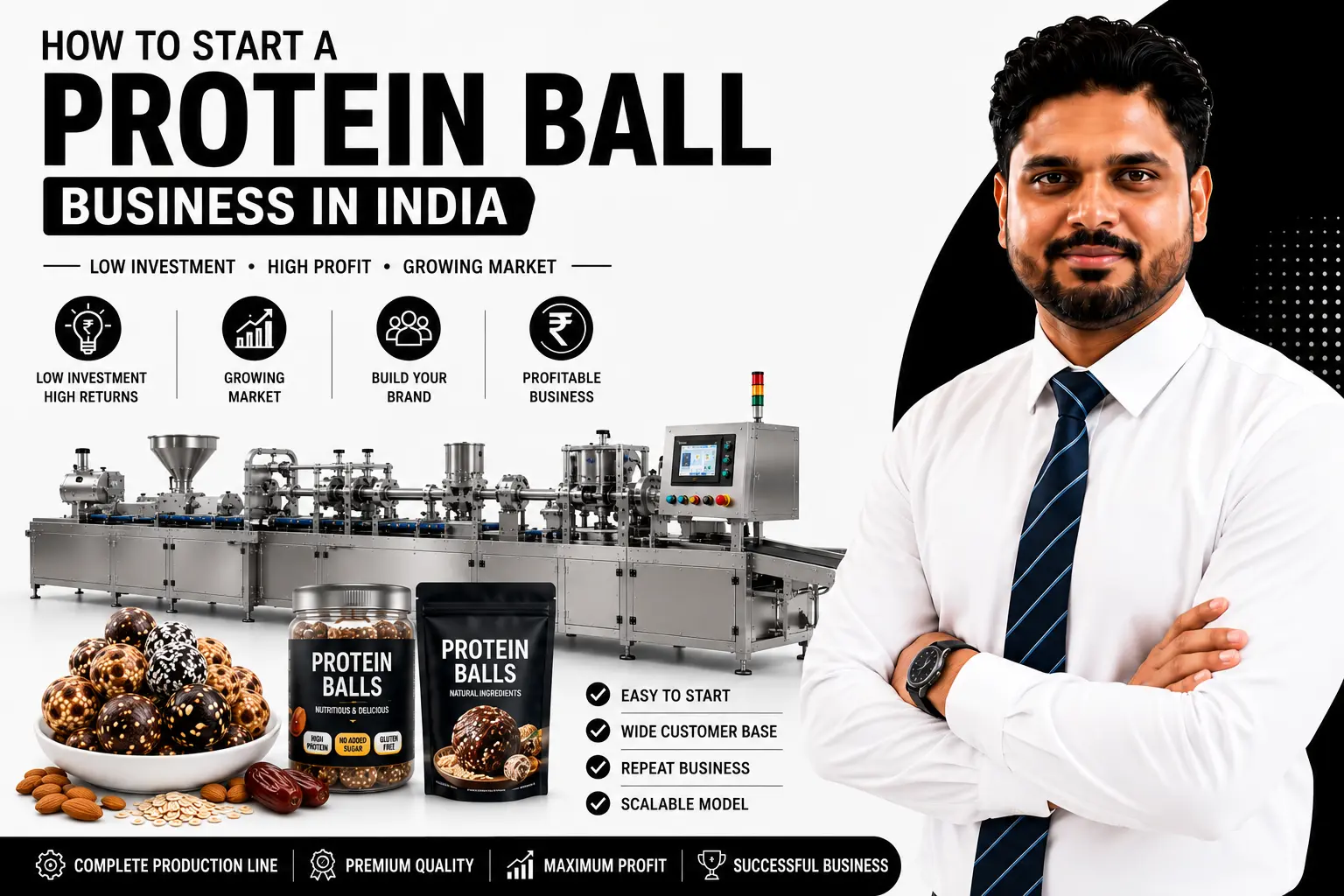
The Indian market for healthy snacks is growing at a tremendous rate. People are switching from traditional snacks to a diet that is healthy, easy to consume, and convenient. One of the categories that is making rounds is that of protein balls. Protein balls are travel-friendly, portion-controlled, protein-rich, and beneficial to fitness enthusiasts, working professionals, students and health conscious consumers.
They prove to be an excellent market for entrepreneurs looking for a product to venture into the healthy snack space with low entry barriers and high innovation opportunities.
How to Start a Protein Ball Business successfully depends on proper planning and market research. The Protein Ball Business India market is witnessing significant growth.
Protein balls are a growing category within the Healthy Snack Business sector.
Why Protein Balls Are Trending:
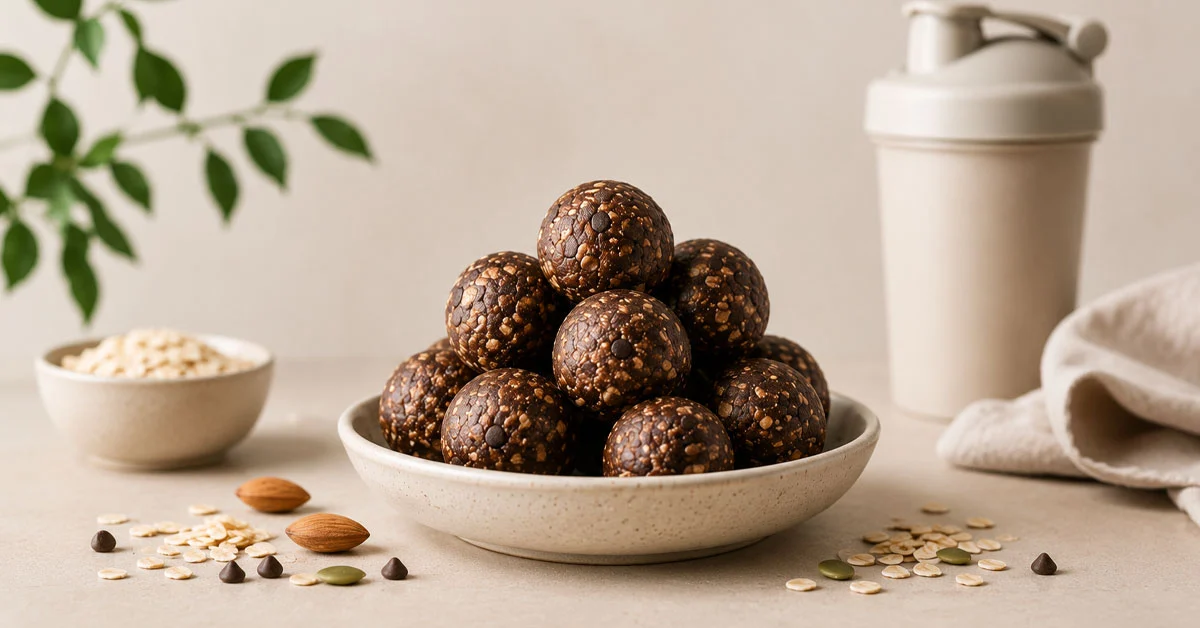
Today consumers want:
- High protein snacks
- Clean label products
- Convenient nutrition
- Functional foods
- Healthy alternatives to junk snacks
Protein Balls are ideal for the above demands. The most popular varieties available include:
- Date protein balls
- Plant protein balls
- Whey protein balls
- Nut based protein balls
- Functional protein balls
- Kids nutrition balls
- Sports nutrition balls
Read More :- protein bar manufacturing
Step 1: Defining Product Positioning
Entrepreneurs researching How to Start a Protein Ball Business should focus on product quality and branding. It is essential to determine your target customer before you develop the product. The common positionings available are:
Sports Nutrition
- High Protein
- Gym Users
- Active Lifestyle Consumers
Healthy Snacking
- Everyday Consumers
- Office Professionals
- Family Segment
Functional Nutrition
- Gut Health
- Energy
- Focus
- Beauty Nutrition
Kids Nutrition
- Better-for-you snacking
- School friendly products
A clear positioning will allow you to design a strong brand image.
Step 2: Protein Ball Recipe Formulation and Product Development
The recipe is the core of the protein ball business. The basic ingredients commonly include:
- Dates
- Almonds
- Cashews
- Oats
- Peanut Butter
- Whey Protein
- Plant Protein
- Cocoa Powder
- Seeds
- Chicory Fiber
The ideal protein ball should be:
Proper Protein Ball Recipe Formulation is critical for commercial success.
- Good to taste
- Well textured
- Long shelf life
- Nutrient-dense
- Commercially scalable
Most recipes designed at home may not work at a larger commercial scale. Validation on a pilot-scale is an extremely crucial step. Shelf-life stability should be considered during Protein Ball Recipe Formulation.
Step 3: Validating The Product Commercially
It’s vital to test the product on the following points before you launch it in the market.
These points are :
- Taste acceptance
- Texture stability
- Shelf life
- Packaging performance
- Production feasibility
Efficient Protein Ball Manufacturing requires consistent process control. A commercial validation can save a lot of money after a failed launch.
Step 4: Complying With Regulations
For any food product, a few regulations need to be followed. The most important points are:
- FSSAI license
- Ingredients validation
- Nutritional label creation
- Allergen declaration
- Packaging regulations
- Shelf life testing
Planned compliance before going into commercial production can prevent many issues.
Step 5: Choosing The Manufacturing Model
There are two main options you can choose from:
Contract manufacturing –
Many start-ups choose Protein Ball Contract Manufacturing for its relatively low capital outlay. For start-ups who have limited investment or expertise and would want to speed up their product launch or want to avoid any risks associated with production.
Own manufacturing facility –
It suits the established brands who want to get complete control of their production and also enjoy higher profit margins in the long run. Many brands start with contract manufacturing and later expand by opening their own facility.
Protein Ball Contract Manufacturing can assist brands in the quicker introduction of their products.
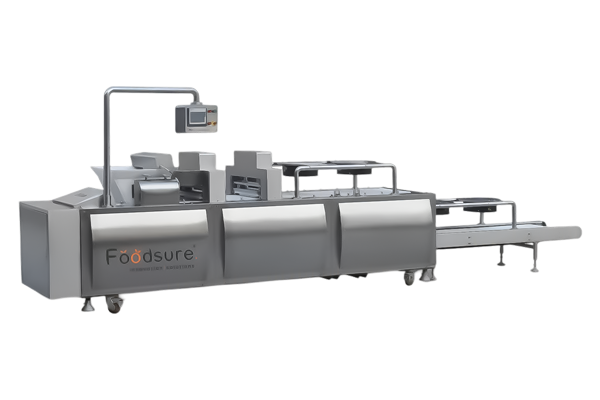
Step 6: Protein Ball Manufacturing Machinery
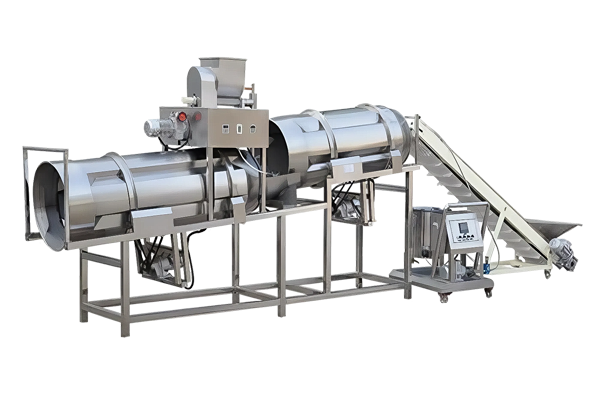
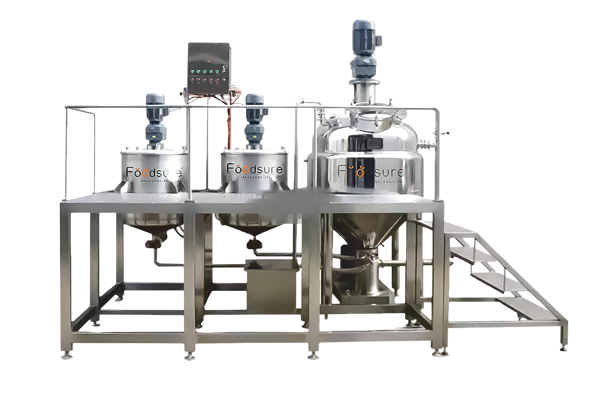
For commercial production, a business can invest in a variety of machines:
Processing equipment:
This includes a nut grinder, date paste preparation unit, ribbon blender, sigma mixer etc.
Forming equipment:
There are specifically developed protein ball forming machines.
Packaging equipment:
This may include a flow wrap machine, a pouch packaging machine with nitrogen flushing systems.
Quality control equipment:
Such as metal detectors, check weighers, moisture analyzer etc.
The machinery set up completely depends on the investment capacity and the projected production scale.
Protein Ball Manufacturing Process Flow Chart
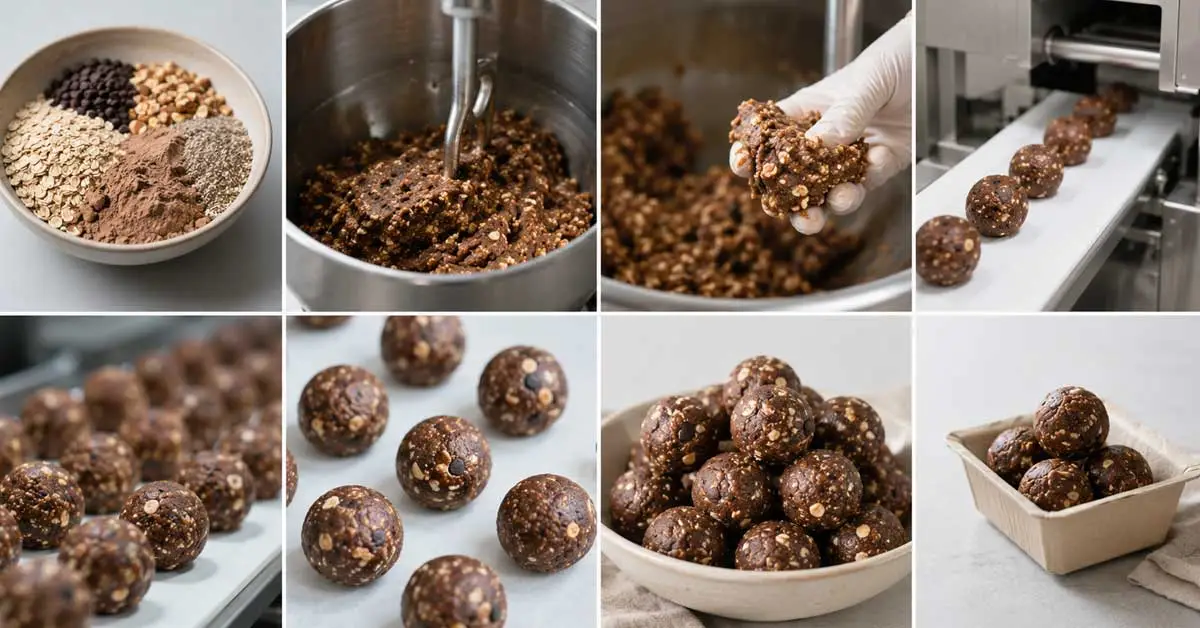
Technology plays an important role in commercial Protein Ball Manufacturing.
Step 7: Design Appealing Packaging
Consumers often decide whether to buy a product within seconds.
The packaging must communicate:
- Protein percentage
- Benefits
- Quality of Ingredients
- Story behind brand
Common package types are
- Single ball pack
- Pouch of multi packs
- Jar packaging
- Club pack
Packaging has a great influence in repeated purchasing
Step 8: Create a Great Brand
There’s more to a great Protein Ball business than a tasty product.
Focus on :
- brand goodwill
- logo design
- package design
- brand story
- web development
- marketplace appearance
People connect with a brand before they connect with a product. A strong product strategy is essential for success in the Healthy Snack Business market.
Step 9: Launch & Grow
Common sales channels for protein balls
- Amazon
- Flipkart
- D2C Website
- Gyms
- Nutrition stores
- Modern trade
- Corporate gifting
- Export markets
Most brands grow by starting with one product line and then growing.
Consumer Psychology
A consumer is not buying a protein ball for its protein value. A consumer is buying the protein ball because it offers
- Better health
- Convenience
- Weight management
- Fitness support
- Healthy snacking
The leading brands are the ones that leverage emotional buying triggers and design products to fit their customers’ needs.
Conclusion
The future of the Protein Ball Business India sector looks promising. Protein Balls have an emerging segment in healthy snacks and functional foods. It’s not about making the product. It’s about making a brand that meets real consumer requirements. Through accurate formulation, compliance, manufacturing partner, packaging designs and a successful launch strategy, a protein ball brand has the potential to become a large scale business venture.
Looking to Launch a Protein Ball Brand?
Foodsure Machines can help you with:
- Protein ball recipe formulation
- Selection of machinery
- Contract manufacturing support
- Packaging development
- FSSAI compliance
Support for commercial launch
Email- carrierfoodsure@gmail.com
FAQs
Is the protein ball business profitable in India?
Yes, the increasing market for healthy snacks and protein awareness provide great potential for the protein ball brands.
Can I start without a factory?
Yes, you can opt for contract manufacturing if you don’t have a factory.
What are the initial investments needed?
The investment needed depends on the formulation, packaging, model of manufacturing, and the marketing strategy.
Which protein source is the best?
You can choose from whey protein, pea protein, brown rice protein and blended protein systems.
What’s the biggest mistake startup companies make?
Failure to validate shelf life, package design, customer preference, and commercial production before launching a product.