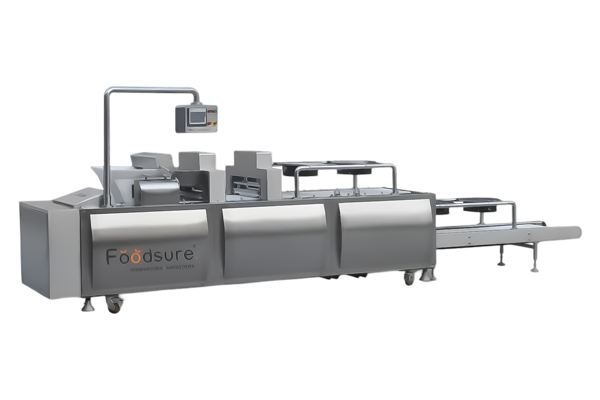

Textured Vegetable Protein (TVP) is fast gaining popularity as an economical source of plant protein. This capability to soak up flavors, meat-like texture, and suitability to be used in many food uses makes it ideal for both home and commercial food manufacturing.
For companies considering a TVP manufacturing business in Sri Lanka, there is an opportunity in terms of retail products, food services, packaged foods, and ingredients. Having the production capacity and the technology, companies can produce various types of TVP based on local requirements.
This guide will take you through all the major opportunities, production needs, product applications, investments, and considerations that need to be taken into account while considering setting up a TVP manufacturing plant in Sri Lanka.
Why TVP Manufacturing Is an Opportunity in Sri Lanka
The use of TVP offers an inexpensive option for plant proteins. TVP is versatile, meaning it can be used in various dishes without having to make significant modifications in its preparation.
In addition, there is a chance for TVP producers to sell their products in bulk to other food companies.
Growing Interest in Plant-Based Protein
Consumers are showing increased interest in finding affordable and easy-to-use alternative sources of protein. TVP can cater to such needs in the form of a readily available source of plant-based proteins.
Affordable Protein Alternative
Compared to many other sources of protein, TVP can be used to offer an affordable product for regular use to consumers.
Wide Food Applications
TVP can be used in soya chunks, soya nuggets, granules, mince-like products, fillings, and other food products. In this way, it can help companies cater to different customers from the same production line.
TVP Product Opportunities in Sri Lanka
It is not necessary for a TVP manufacturing in Sri Lanka to concentrate on only one type of product form. The manufacturers can choose various types depending on customer needs, food service needs, and distribution methods.
| TVP Product | Potential Application | Target Market |
|---|---|---|
| Soya Chunks | Curries & household meals | Retail consumers |
| Soya Nuggets | Packaged foods & foodservice | Retail & commercial buyers |
| TVP Granules | Mince-style preparations | Food manufacturers |
| TVP Mince | Fillings & processed foods | Foodservice |
| Custom TVP Shapes | Specialised food products | Private-label brands |
Product diversification can help manufacturers reduce dependence on a single product and explore different market segments as the business grows.
Major Business Opportunities for TVP Manufacturers
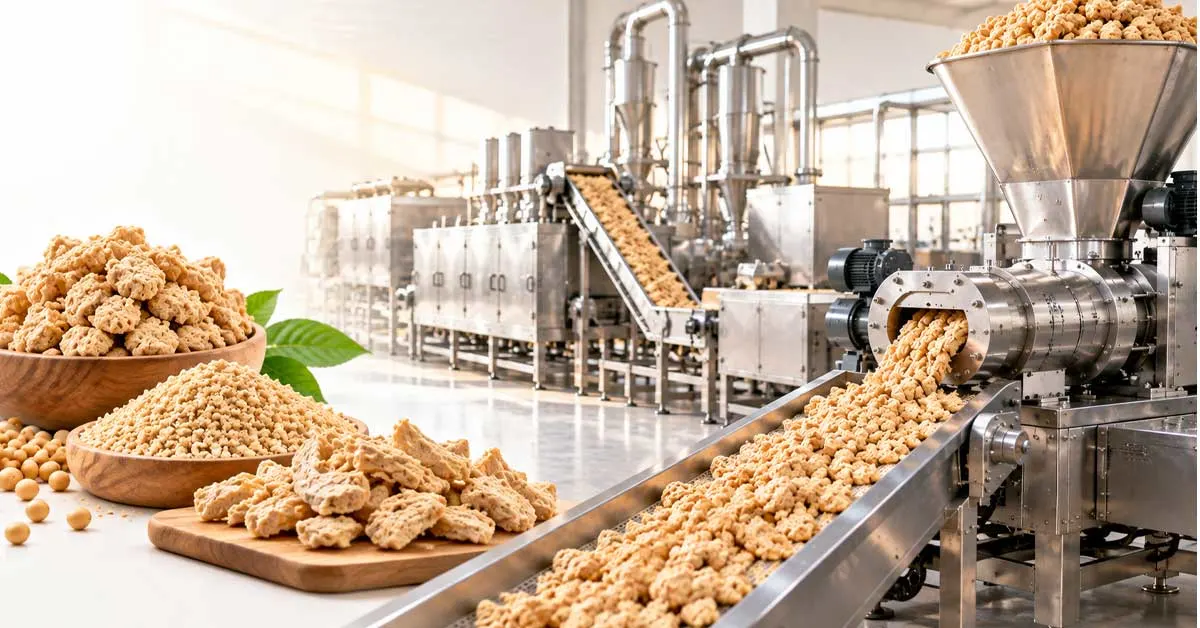
There may be multiple avenues to meet the demand for TVP, allowing manufacturers more freedom in terms of product positioning and distribution.
Retail TVP Products
Packaged TVP products may be available through supermarkets, groceries, wholesalers, and online retailers. Various pack sizes may be developed depending on the consumer’s individual or family needs.
Foodservice Supply
Foodservices such as restaurants, hotels, catering services, and institutional kitchens may also utilize TVP as an ingredient in preparing different dishes. The bulk packaging may provide an opportunity for reaching commercial clients with consistent requirements.
Ingredient Supply to Food Manufacturers
TVP can be used as an ingredient for manufacturing processed foods, ready-to-eat meals, snacks, and meat substitutes by other food producers. The B2B sales opportunity may be created this way.
Private-Label Manufacturing
Another opportunity is private labeling when TVP products are manufactured for brand owners without their own processing facilities of their own.
TVP Production Process in Sri Lanka
There are different stages in the TVP production in Sri Lanka, with extrusion being the main process used. Control of each of the stages is important to ensure the integrity of the product.
The exact configuration can vary according to product type, required capacity, moisture level, shape, and automation requirements.
Machinery Required for TVP Manufacturing
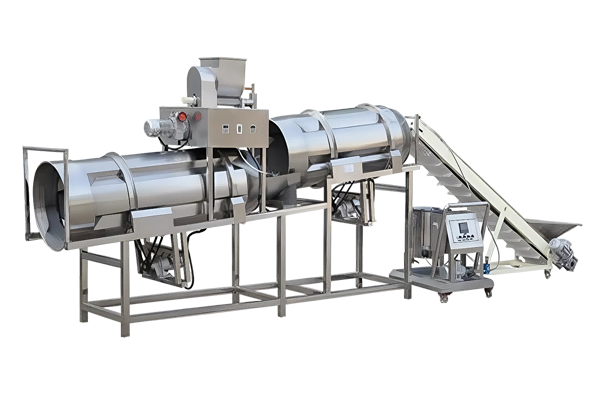
Depending on the output format desired, the necessary equipment will be selected according to the output capacity required. Appropriate integration of the system will lead to reduced manual intervention and increased efficiency of the production process.
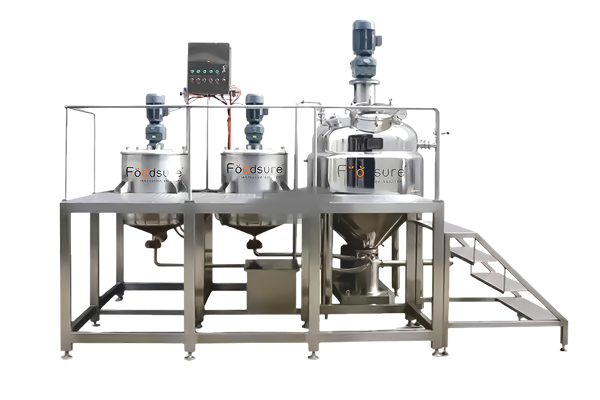
Mixing System
The raw materials have to be blended adequately before the extrusion process. This is achieved by the use of an appropriate blender which will ensure uniform blending of the ingredients in the batch.
TVP Extrusion System
The extruder is the main processing equipment that leads to the development of the necessary structure. It must be appropriately designed to match the intended output capacity.
Cutting and Shaping System
The output product can be cut and shaped appropriately after the extrusion process. This system ensures that there are consistent sizes of the product within batches of production.
Drying and Cooling System
The drying process ensures the necessary moisture levels are reached, while the cooling process makes the product ready for quality assurance and packaging.
Capacity Planning for a TVP Manufacturing Business
Choosing the appropriate capacity is one of the crucial tasks during the establishment of a TVP manufacturing plant in Sri Lanka. The machine must have the appropriate capacity to avoid any unnecessary investments.
Common production capacities may include:
| Capacity | Suitable For |
|---|---|
| 200 kg/hour | Small commercial manufacturers |
| 300 kg/hour | Growing businesses |
| 500 kg/hour | Medium to large manufacturers |
| 1000 kg/hour | Large-scale commercial production |
Capacity selection should consider current market demand, expected sales growth, working hours, product range, and future expansion plans.
Role of a Reliable Machinery Supplier
Selecting an appropriate machinery supplier will affect the efficiency and reliability of the TVP production line. Investors need to consider more aspects other than the machine quotation alone.
It is important to consult with an experienced Soya Badi machine supplier in Sri Lanka to know the appropriate machine configuration, capacity, installation, and technical support.
For businesses entering TVP Manufacturing in Sri Lanka, working with an experienced machinery supplier can simplify equipment selection, installation, commissioning, and technical support.
Factors That Influence TVP Manufacturing Business Success
Establishing a TVP manufacturing business in Sri Lanka will not be limited to acquiring the extrusion machine. The manufacturers must take into account their plans for the raw materials, product lines, production capacity, quality control, packaging, and distribution.
Raw Material Availability
Uniformity of quality of the raw materials is important for the production of uniform TVP. The manufacturer needs to assess the quality of the ingredients, their storage, and availability before starting mass production of the product.
Product Quality and Consistency
The products should be uniform in size, texture, moisture content, and appearance. Good control of extrusion, drying, and quality assurance by manufacturers will help ensure consistent performance of the product.
Packaging and Shelf Life
Good packaging is essential for protection against moisture and contamination during storage and shipment. Manufacturers need to choose the packaging system based on the nature of the product and shelf life requirements.
Distribution Network
An effective distribution system will help manufacturers reach out to the supermarkets, wholesalers, food service companies, and institutions. Development of several sales channels can minimize dependency on one customer segment.
Investment Considerations for TVP Manufacturing in Sri Lanka
The total investment required for TVP manufacturing in Sri Lanka depends on the capacity of production, machinery layout, automation, factory setup, utilities, drying facilities, and packaging needs.
Manufacturers need to focus on the total investment involved rather than just the price of the extruder.
Key investment sectors consist of:
- Machinery for processing
- Factory infrastructure
- Electricity and utilities
- Systems for drying and cooling
- Packaging machinery
- Installation and commissioning
- Maintenance and spare parts
The ability to scale up production operations may help companies control their initial investments and simultaneously increase their capacity with increased demand.
Choosing the Right TVP Manufacturing Capacity
Correct production capacity depends on the manufacturing company’s target market and expected volume of sales. Choosing a machine that is too small can prevent future growth, while an overly large plant can stay underutilized.
Small Commercial Production
Production of 200 kg per hour is appropriate for companies entering the market or producing for local customers. This capacity enables companies to build up their production without creating overly complicated setups at the start.
Growing Production
A 300–500 kg/hour plant can serve companies that have well-developed distribution channels and rising sales volume. These capacities offer more production, while still providing room for commercial expansion.
Large-Scale Manufacturing
A capacity of 1000 kg per hour can work for manufacturers who address large retail networks, foodservice production, private label production, and wider distribution.
Automation in TVP Production
Automation would enhance production control and reduce reliance on manual processes. In addition, as the level of production rises, automation would enable production companies to have consistent processing conditions.
Automated Material Handling
Automated feeding and material transfer would reduce manual handling processes between production phases. It would facilitate improved workflow and reduce unnecessary movement of products.
Process Monitoring
Advanced systems could utilize control panels and monitoring equipment to control the key production parameters. Improved process control would facilitate consistency in production.
Automated Packaging
Systems such as automated weighing and packaging would enhance the accuracy of packing and the speed of the production process.
Challenges in TVP Manufacturing
Even though TVP provides several business possibilities, producers need to be ready for some production and operation difficulties.
Maintaining Uniform Texture
Texture can vary depending on raw materials used or extrusion parameters. Appropriate process control and equipment can assist in achieving uniformity.
Moisture Management
Inaccurate drying can impact product stability and shelf-life. Appropriate drying and storage conditions can help to regulate the moisture content of products.
Production Cost Management
Electricity consumption, labor, cost of raw materials, packaging, and maintenance can impact overall production costs. Proper equipment and appropriate capacity management can assist in managing production costs.
Scaling Production
A production setup that is suitable for a small business might not be sufficient later when more products are required. It is necessary to plan for future capacity needs to avoid frequent equipment changes.
Why Product Diversification Matters for TVP Manufacturers
The manufacturer can expand business options by providing a variety of TVP products instead of being dependent on one product type. Various shapes, sizes, and textures can be created based on customer needs.
Manufacturers can provide regular soya chunks and nuggets for retail customers but also produce granules or special types of products for other food manufacturers and foodservice organizations.
Such an approach can benefit the TVP Manufacturing Plant in Sri Lanka by serving both B2C and B2B markets at once and expanding growth opportunities further.
Market Segments for TVP Products in Sri Lanka
TVP makers have the possibility to market their products to different customers as opposed to relying on one sole distribution channel.
Retail Market
The packaged TVP products can be made available through supermarkets, grocery outlets, wholesalers, and the internet. Packaging of different sizes can be done to cater to individual and family consumption.
Foodservice Market
Hospitals, hotels, catering firms, and food establishments can buy TVP in bulk. The bulk packing makes the product suitable for commercial uses.
Food Manufacturing Market
TVP can be used by food processors in the preparation of ready meals, snacks, fillings, and other manufactured foods.
How to Build a Successful TVP Manufacturing Business
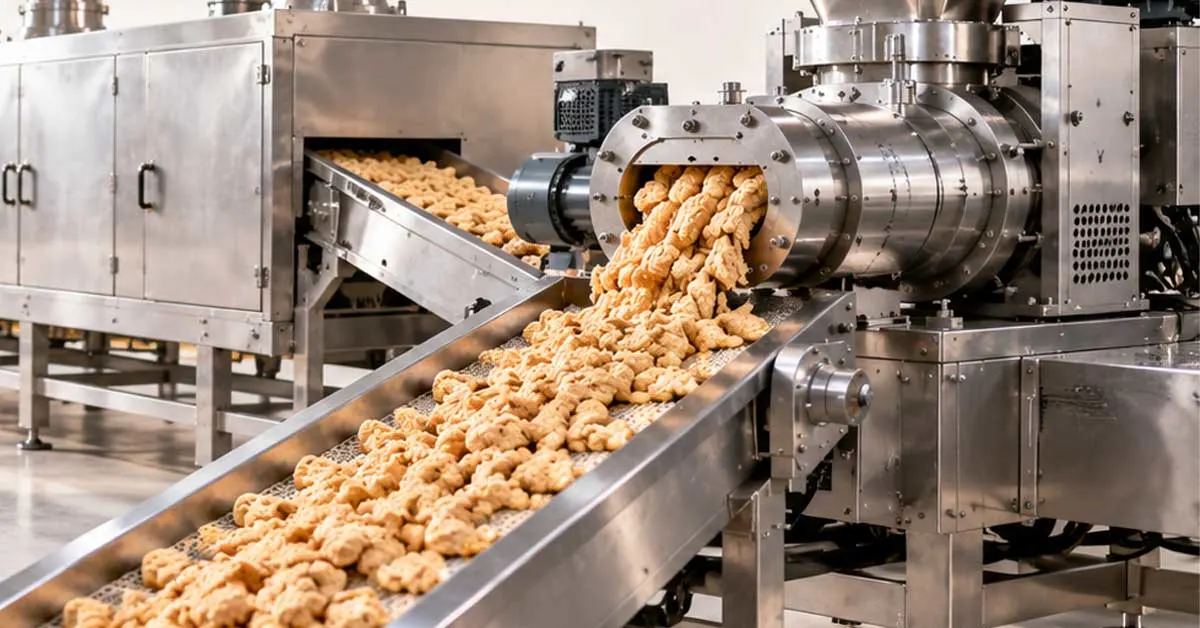
A successful TVP manufacturing business in Sri Lanka needs proper planning, starting from the selection of machinery to market distribution. The manufacturer should concentrate on quality, production, and scalability.
Start With the Right Product
Choose the TVP products that suit the local market conditions and target consumers. Using a limited set of products for the beginning might be easier in terms of manufacturing and stock management.
Choose Suitable Machinery
Choose equipment based on production capacity, product specifications, automation needs, and factory facilities. A proper Soya Badi Machine Supplier in Sri Lanka will provide the necessary advice regarding this matter.
Maintain Production Consistency
Standardised process, controlled extrusion, correct drying, and regular testing will ensure consistency in the manufacture of TVP products.
Develop Multiple Sales Channels
The use of retail, food service, wholesale, and business-to-business distribution channels may be considered as alternative options to reach out to more markets.
Future Growth Opportunities for TVP Manufacturing in Sri Lanka
TVP manufacturers can expand their business by exploring:
- New Product Formats: Design various TVP formats.
- Higher Production Capacity: Increase machine capacity as per the demand in the market.
- Automation: Adopt automation in production processes.
- Private Label Production: Produce TVP products under other food brand names.
- Diversified Products: Move from the manufacture of soya chunks and nuggets to specialized TVP products.
For long-term planning, manufacturers can also evaluate the Soya Badi Machine Price in Sri Lanka based on capacity, automation, and future production requirements.
Foodsure Machines for TVP Manufacturing
Foodsure Machines is capable of providing process systems for any manufacturing company that seeks to start or increase its production of TVP and Soya.
Support can involve the provision of equipment selection, production line planning, factory design and layout, installation, commissioning, training of operators, among others.
Manufacturing companies can present their production needs to determine the right system for their TVP Manufacturing Plant in Sri Lanka.
Conclusion
The increased demand for cheap and flexible sources of protein opens up great potential for TVP manufacturing in Sri Lanka. The manufacturers can target various markets, including the retail market, food service, wholesaling, and food processing, by using soya chunks, nuggets, granules, and customized TVP products.
The success lies in the choice of appropriate equipment, correct production capacity, consistency in quality control, and creating multiple sales channels. By making use of a scalable setup and proper production planning, a TVP manufacturing business in Sri Lanka can lay a solid base for future success.
Have a Question? Let’s Connect
Need expert guidance on food processing machines, production setup, or process optimization? Our team is ready to help you choose the right solution for your business.
Frequently Asked Questions
Is the manufacture of TVP a good business opportunity in Sri Lanka?
Yes, because TVP is useful in retail, foodservice, wholesale, and food manufacturing businesses. This will provide several revenue streams.
What capacity is appropriate for a new TVP manufacturer?
A capacity of 200 kg/hr is appropriate for small commercial enterprises, while 300, 500, and 1000 kg/hr capacities can suit higher demands.
What equipment is needed for making TVP?
Machinery like mixers, an extruder, a cutter, a dryer, a cooler, quality inspection, and packing systems can be used for this purpose.
How can TVP manufacturers save their production costs?
Cost-effective machinery, appropriate capacity, control of energy usage, minimal manual handling, and maintenance are some of the ways to manage the costs of production.
How do I select a supplier of Soyabadi Machines in Sri Lanka?
This can be done by comparing suppliers in relation to capacity, configuration, machine construction, installation services, spare parts, technical support, and after-sales services.