
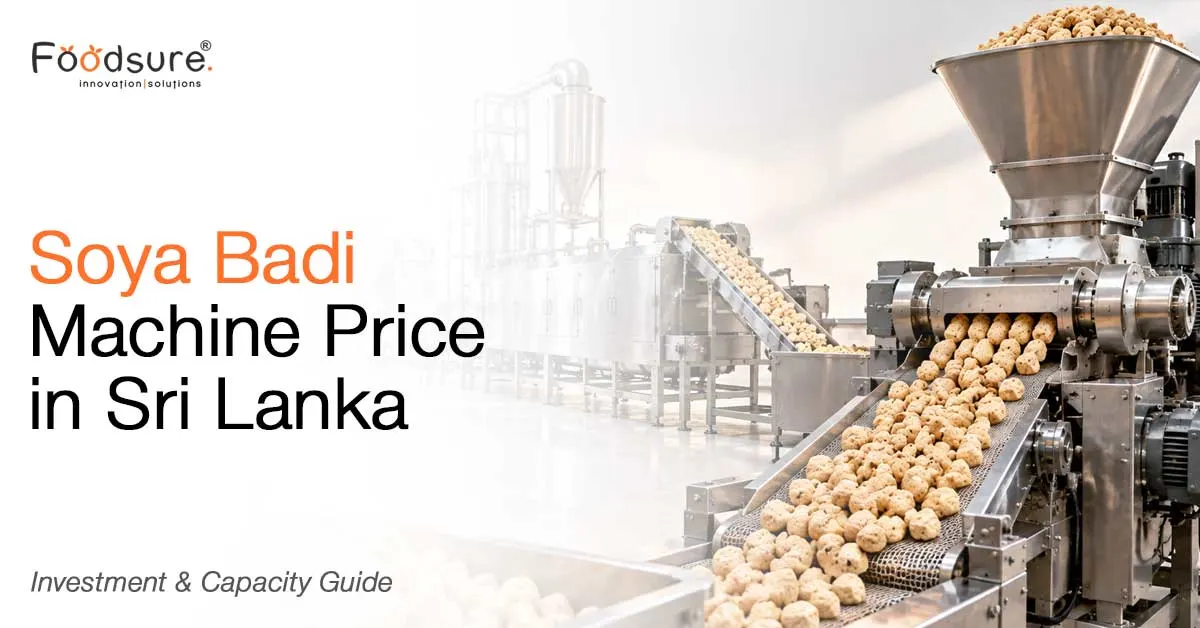
There are great prospects for producing soya badi in Sri Lanka as people require protein-filled food at affordable prices. Therefore, for businesses that wish to invest in such products, knowledge of the Soya Badi machine price in Sri Lanka will be beneficial before investing in it.
Nevertheless, the price of machines alone must not be taken into consideration, as other aspects like production capabilities, extrusion technology, automation, drying process, construction of the machinery, and expansion of the machine may also affect the investment.
This guide discusses some of the key factors affecting Soya Badi machine cost in Sri Lanka along with the production capacity of the machine.
Understanding Soya Badi Machine Investment in Sri Lanka
A system for manufacturing soyabadi will be much more than just acquiring an extruder. According to the production volume, manufacturers might need systems for preparation, mixing, extruding, cutting, drying, cooling, and packaging of the product.
Therefore, the cost of investment will depend on the type and volume of the production line that would be acquired by the company. A small-scale producer might have simple production lines, whereas a large producer might have complex and automated ones.
In addition, the Soya Badi Machine Price in Sri Lanka needs to be evaluated in view of operational expenses, labor force, energy costs, etc.
What Determines Soya Badi Machine Price in Sri Lanka?
Several technological and economic factors affect the end cost of the machinery. Knowledge about such factors is important to help buyers evaluate different machinery models.
Production Capacity
Capacity is one of the major considerations that affect investments. Machines with larger capacity need more powerful extrusion units, motors, and other processing machinery.
Level of Automation
Generally, manual and semi-automatic machines require less investment than fully automated production lines. However, automation minimizes labor costs and allows better production control.
Machine Construction
Construction from food-grade stainless steel makes the machine hygienic, durable, and easy to clean. The grade of materials used to construct food contact parts affects the cost of the whole machine.
Processing Configuration
Configuration varies depending on product specifications and requirements for production. Processes such as extrusion, cutting, drying, cooling, and packaging can be included in the configuration.
Soya Badi Production Line and Investment Planning
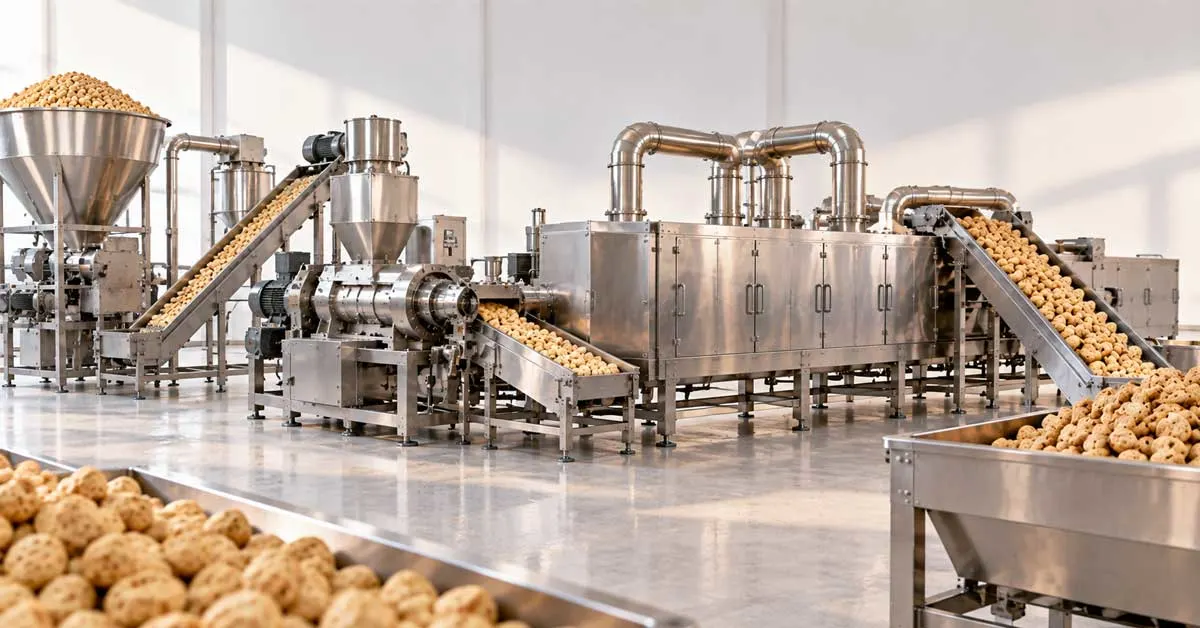
The commercial Soya Badi machine in Sri Lanka may constitute part of a processing system rather than work as a standalone machine. This is because integrating the various steps increases efficiency while reducing unnecessary manual intervention.
The exact configuration can be modified according to production capacity, product size, automation requirements, and available factory infrastructure.
Soya Badi Machine Cost in Sri Lanka: What Buyers Should Consider
The machine quotation is only one part of the total investment. Buyers should also consider:
- Transportation & Import Costs: These costs could have an impact on the final investment made.
- Installation & Commissioning: Installation and commissioning can have an impact on the total project cost.
- Utilities: These need to be considered well ahead of time.
- Packaging & Supporting Equipment: Drying, refrigeration, and packaging machinery could be included to increase the investment.
- Maintenance & Technical Support: This includes maintenance and technical service.
- Future Expansion: The capacity to expand production is an added advantage.
Organizations intending to import a Soya Badi machine in Sri Lanka must calculate the total installation cost to avoid any unpleasant surprises.
Factors Affecting the Total Soya Badi Machine Investment
The Soya Badi Machine Cost in Sri Lanka cannot be based simply on the cost of the machine itself alone. It is essential to consider the total requirements of the production process.
Supporting Equipment
Systems for mixing, cutting, drying, cooling, and packing may increase total expenditure on the equipment. A complete system will allow for better handling and flow of material.
Installation and Commissioning
Installation, testing, commissioning, and training personnel on how to use the machine should be taken into account when assessing the total project cost.
Utilities and Factory Infrastructure
The demand for electricity, water supply, ventilation, space at the plant, and other factors can affect the total investment into the project. It is necessary to consider these factors before purchasing the machine.
Maintenance and Spare Parts
Maintenance of the machine will ensure stable operation. Buyers should take into account spares and technical assistance from the seller.
Comparing Soya Badi Machine Investment by Capacity
Many factors decide the required capacity for the Soya Badi Machine in Sri Lanka. The following are some common options for capacity:
| Capacity | Suitable For |
|---|---|
| 200 kg/hour | Small-scale manufacturers |
| 300 kg/hour | Growing businesses |
| 500 kg/hour | Medium to large production |
| 1000 kg/hour | Large commercial manufacturers |
Higher-capacity machines require greater initial investment but can support larger production volumes and future business growth.
Role of Extrusion Technology in Soya Badi Production
Extrusion is the process step that gives soya badi its typical structure and texture. Extruder performance may affect product shape and consistency, speed, and quality.
When there is an intention to manufacture on a large scale, the use of appropriate extrusion technology becomes necessary.
Product Consistency
Extrusion control ensures that products have uniform size, texture, form, and density from batch to batch during manufacturing processes. Such uniformity is vital to manufacturers selling products in the retail and commercial sectors.
Production Efficiency
Efficient extrusion machines ensure continuous production without the need for any unnecessary intervention by the operators. This ensures high production efficiency and stability in the output.
Product Flexibility
The use of proper extrusion machines enables manufacturers to manufacture various forms of soya badi depending on their respective market needs.
Soya Badi Machine Import in Sri Lanka
In the case of companies that are importing machinery, it is recommended to take into consideration the investment beyond the cost quote given by the machinery supplier.
Before engaging in Soya Badi Machine import in Sri Lanka, buyers need to be fully aware of the technical details, machine capacity, construction material, equipment, delivery terms, installation requirements, and other aspects related to after-sales services.
Cooperating with an experienced machinery supplier will help to ensure better management of the project as well as minimize any additional costs.
How to Choose the Right Soya Badi Making Machine in Sri Lanka
The selection of a Soya Badi making machine in Sri Lanka should not be made purely on grounds of cost. The Soya Badi machine to be chosen needs to meet the required level of production.
Define Production Requirements
Make an assessment of the existing and expected demand and production capacity before determining the capacity of the machine.
Evaluate Machine Configuration
Assess the machine’s design requirements for extrusion, cutting, drying, cooling, and packaging based on the required product. This will enable you to keep your production process smooth.
Consider Future Expansion
Select a machine design that will be able to accommodate increasing production capacity with the growth of your business. This may prevent you from having to replace the machine sooner due to increased demand.
Check Technical Support
Evaluate the available technical assistance regarding the installation of the machine, operator training, spare parts, and post-sales support before purchase.
Operating Costs Beyond the Machine Price
Soya Badi Machine Price in Sri Lanka is just one element of the total investment that manufacturers must take into account. In addition to that, there are the running costs of production that must be taken into account.
Electricity and Utilities
Various processes such as extrusion, drying, cooling, etc. require electricity and utility charges. It can be managed through proper equipment.
Labour Requirements
The degree of automation determines the labour needs of a business. High automation reduces the need for manual labor.
Maintenance Costs
Maintenance, replacement parts, and service costs must all be considered in the long-term cost structure. Proper maintenance also ensures production continuity.
How to Plan Your Soya Badi Machine Investment
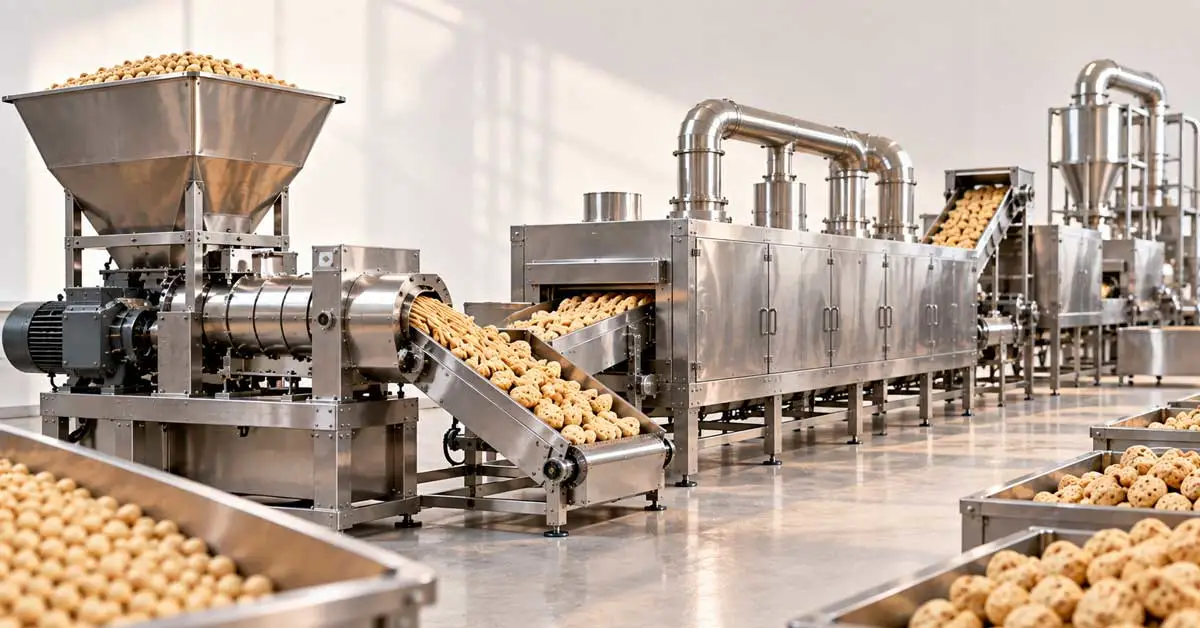
A practical investment plan should consider both current requirements and future production growth. Manufacturers can follow a simple approach before finalising their machinery.
This approach helps buyers avoid investing in equipment that is either too small for future demand or unnecessarily large for their current requirements.
Common Buying Mistakes to Avoid
Many manufacturers focus heavily on the quoted machine price and overlook other factors that can increase the total project cost.
Choosing Only by Price
The most affordable equipment might not always have the necessary capacity, durability, automation, and technical backup. Buyers should make decisions based on the value of the equipment and not price alone.
Ignoring Future Production
Selecting equipment based only on the present production needs may lead to capacity constraints in the future as the firm develops. Factoring in future production needs will assist to avoid upgrading machinery in the near future.
Overlooking Complete Project Costs
Transportation, installation, energy supply, packaging, spare parts, and commissioning will also contribute to the total cost of acquiring the machinery. It is advisable to factor these costs in advance when budgeting for the equipment.
Neglecting After-Sales Support
Technical services, spare parts, and maintenance services are needed for an efficient production process. Effective after-sales services can also assist in avoiding unforeseen breakdowns.
Foodsure Machines for Soya Badi Production in Sri Lanka
Foodsure Machines offers total processing solutions for manufacturers who are considering the manufacture of soya badi. Machines can be chosen based on the capacity needed, specifications of the product, degree of automation, and factory needs.
The assistance that can be offered includes selection of machines, planning of the production line, factory planning, installation, commissioning, and training of operators.
Manufacturers who wish to purchase a TVP Extruder Machine in Sri Lanka can benefit from choosing an integrated system.
Conclusion
Soya Badi Machine Price in Sri Lanka varies based on capacity, level of automation, type of machine, construction material, and further processing needs. Hence, buyers need to consider their total investment rather than just the machine quotation alone.
A wise choice of capacity and scalable equipment will ensure that manufacturers are able to keep their operating expenses low while setting the stage for expansion.
Have a Question? Let’s Connect
Need expert guidance on food processing machines, production setup, or process optimization? Our team is ready to help you choose the right solution for your business.
Frequently Asked Questions
What is the Soya Badi Machine Price in Sri Lanka?
The cost is affected by the capacity of the machine, level of automation, machine configuration, type of machine material used, and the additional machines needed to produce Soya Badi.
What capacity of Soya Badi Machine is recommended for a newcomer?
A new entrepreneur may consider about 100-200 kg per hour of production, whereas bigger enterprises need machines with greater capacity.
What factors determine Soya Badi Machine cost in Sri Lanka?
Several factors may determine the cost, such as capacity, level of automation, extrusion technology, stainless steel construction, drying systems, packing, installation, and technical support.
Do I need to have a TVP extruder for soya badi production?
Extrusion is the key process in the production of TVP and Soya Badi. Thus, a proper extruder is necessary to get the required structure of the products.
What factors should I consider when buying a Soya Badi Machine?
Buyers should evaluate machine specifications, capacity, delivery and import costs, installation, commissioning, spare parts, and after-sales technical support before finalising the purchase.




