However, the protein bar market of Nepal is in its developmental stage. Nevertheless, there is increased interest among the consumers for fitness, convenient nutrition, and healthy snacking.Therefore, there is a manufacturing challenge for the entrepreneur. It is not to make an assumption that the consumption of each protein bar in Nepal is an indication of high demand and that a bigger production facility will be required for manufacturing.According to 6Wresearch, the factors that have influenced the Nepal protein bars market include health awareness, fitness trends, increased interest in convenient nutrition, and increase in e-commerce sales. In addition, the report of the company has tracked the protein bars market through supermarkets, convenience stores, specialty stores, and e-commerce from 2025 to 2031.
So, if you’re considering a protein bar manufacturing business in Nepal, the opportunity is worth studying. But the factory should be built around actual demand, not only a market-size projection.
Is Nepal’s Protein Bar Market Actually Worth Entering?
There are indications that the category has potential for growth.
6Wresearch describes the protein bar category in Nepal as one that is growing due to increasing awareness of health issues, fitness activity, and rising demand for nutritious snack foods. The other market restraint identified is the high cost of protein bars relative to traditional snacks.
This last point is significant.
Protein bars sold in Nepal do not necessarily have to focus solely on their premium nature. It could be possible for a company making protein bars in Nepal to produce something that does not compete on price with imported products.
The challenge thus lies in the fact that it should not be presumed that Nepal has an endless supply of markets for protein bars.
Nepal’s Health and Fitness Food Market
Nepal has a relatively young population and an increasing focus on health and fitness, but the strongest evidence for a protein bar opportunity comes from category-specific research rather than broad demographic assumptions.
According to 6Wresearch, growing awareness of protein intake, active lifestyles and interest in healthier alternatives are among the factors supporting demand for protein bars in Nepal. The same research tracks online retail, supermarkets, hypermarkets and specialty stores as distribution channels for the category.
There are also broader changes in nutrition.
The WHO’s Nepal STEPS Survey found that overweight prevalence among adults aged 15–69 increased from 17.7% in 2013 to 20.0% in 2019, while obesity increased from 4.0% to 4.3% over the same period. These figures do not prove protein bar demand on their own, but they do show why nutrition, healthier eating and convenient food formats are becoming relevant areas for food businesses.
For a manufacturer, the takeaway is fairly simple: protein bars should be positioned as a convenient food product rather than assuming every customer is a bodybuilder or serious athlete.
Who Is Buying Protein Bars in Nepal?
The potential customer base can be divided into a few practical groups.
Trekkers and outdoor consumers
Nepal’s trekking and adventure tourism industry creates a natural use case for shelf-stable, portable foods. Protein bars can fit into this segment because they are easy to carry and consume without preparation.
The product, however, still needs to match the customer’s expectations around taste, calories, texture and price.
Gym and fitness consumers
Gym users are one of the most obvious audiences for a protein bar brand.
This segment is already familiar with protein powders, supplements and sports nutrition products. A bar gives them a more convenient format for consumption before or after training.
Urban working consumers
This is a broader audience.
A protein bar does not have to be sold only as a sports supplement. It can also be positioned as a convenient snack for professionals, students and consumers who want a higher-protein alternative to conventional packaged snacks.
That is where product formulation becomes important. A bar designed only for bodybuilding may have limited mass-market appeal. A product with good taste, manageable sweetness and a sensible protein claim can target a wider consumer group.
Import Dependency and the Local Manufacturing Opportunity
The Nepal protein bar market includes both domestic and imported products, and 6Wresearch specifically tracks imports and exports as part of its Nepal protein bar market analysis. It also identifies high prices as one of the restraints affecting the category.
That gives local manufacturers something to work with.
A domestic producer can potentially reduce some of the costs associated with importing finished products while developing flavours, pack sizes and formulations specifically for Nepal.
But it would be inaccurate to say that Nepal has no local protein bar manufacturing. The market research itself tracks multiple companies and competitive activity. The more defensible statement is that local manufacturing remains a developing part of the category, leaving room for new brands that can compete on product quality, price, distribution and positioning.
Kathmandu, Pokhara and Other Potential Markets
A new brand does not need nationwide distribution on day one.Kathmandu is an obvious starting point because it has a concentrated urban consumer base, gyms, modern retail, specialty food stores and a large digitally connected audience.Pokhara is another relevant market because of its tourism and outdoor activity ecosystem. Other urban centres can be considered as distribution expands. Digital channels also make a small launch more practical than it used to be.
DataReportal’s Digital 2026 report estimates that Nepal had 16.6 million internet users at the end of 2025, representing 56% internet penetration. It also recorded 14.8 million social media user identities, equal to 50% of the population.
That gives a new protein bar brand several ways to test demand before committing to a large retail rollout.
What Licenses and Registrations Do You Need to Manufacture Protein Bars in Nepal?
Food manufacturing in Nepal requires more than simply registering a company.
The exact approvals depend on the structure, location, scale and product, so entrepreneurs should verify the requirements with the relevant authorities before beginning construction or production.
The major areas to address include:
- Company registration
- PAN and applicable tax registrations
- Industry registration
- Food industry licensing and approvals through DFTQC
- Product and labelling compliance
- Local business permissions where applicable
- Trademark protection
Company Registration and PAN/VAT
The Office of Company Registrar provides the official process and fee structure for company incorporation in Nepal. Its published fee schedule shows that private limited company registration fees vary according to authorised capital.
Company registration can be handled through the government’s CAMIS online system.
After incorporation, the business also needs to address its tax registrations with the Inland Revenue Department, including PAN and VAT where applicable.
Rather than relying on a fixed VAT threshold copied from an old article, check the current Inland Revenue Department rules before registration because tax thresholds and requirements can change.
Food Manufacturing License from DFTQC
For a protein bar manufacturing business, DFTQC is one of the key regulatory authorities.
The Department of Food Technology and Quality Control operates the Nepal Food and Feed Industry Licensing System, or NeFFILS. The system is specifically designed to facilitate the process of obtaining recommendations for establishing food and feed industries and permissions required before products are taken to market.
This means food entrepreneurs should plan DFTQC requirements from the beginning instead of treating them as something to handle after the factory has been built.
DFTQC also continues to conduct inspections and monitoring of food businesses, including food recall and compliance activities.
Food Labelling and Product Compliance
Your packaging needs to be developed around the applicable Nepalese food labelling and safety requirements.
This becomes particularly important when making claims such as:
- High protein
- Source of protein
- No added sugar
- High fibre
- Gluten-free
- Fortified
- Specific protein content
Do not print a nutritional or health claim simply because the formulation was designed to achieve it. The final product should be tested and the claim should be checked against the applicable regulatory requirements.
For a new protein bar manufacturing business, it is much easier to build compliance into formulation and packaging from the start than redesigning labels after production has begun.
How Much Does It Cost to Start a Protein Bar Manufacturing Unit in Nepal?
There is no single investment figure for a protein bar manufacturing plant.
The cost depends on:
- Production capacity
- Level of automation
- Number of SKUs
- Packaging format
- Factory size
- Ingredient system
- Cooling requirements
- Cutting and forming equipment
- Packaging equipment
- Quality-control setup
- Imported machinery and logistics
- Installation and commissioning
For this reason, a new manufacturer should ask for a project-specific quotation rather than using a generic machinery figure as the final project budget.
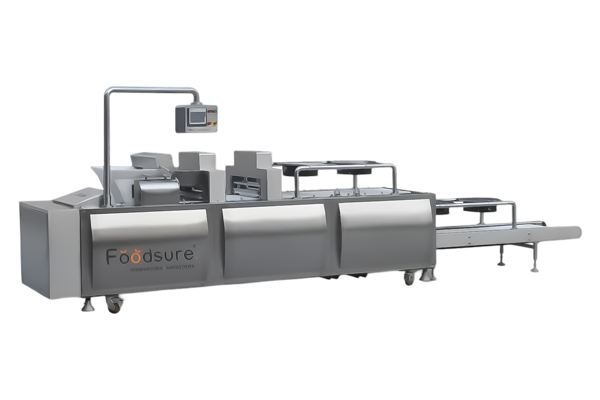
Foodsure’s published machinery information shows that its bar processing systems are available across different capacities and configurations. Its broader energy bar and functional bar equipment pages also show that machine specifications can vary significantly by capacity and design.
For example, Foodsure currently publishes a functional bar manufacturing configuration with a listed price of ₹25 lakh for an 80–100 kg/hour system, while other configurations are offered at different capacities.
For a Nepal project, the Indian equipment price should not be treated as the final landed cost. Freight, taxes, customs, installation and other import-related expenses need to be calculated separately.
What Machinery Do You Need for Protein Bar Production?
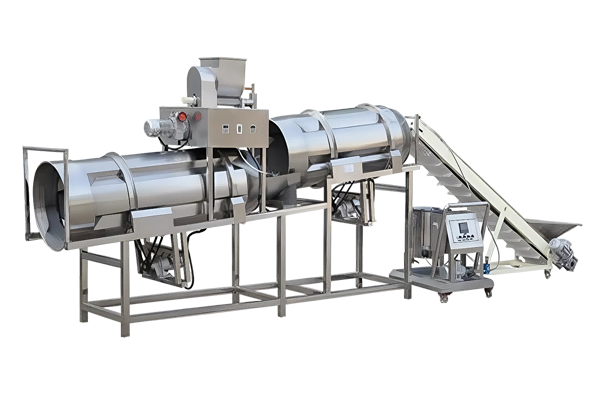
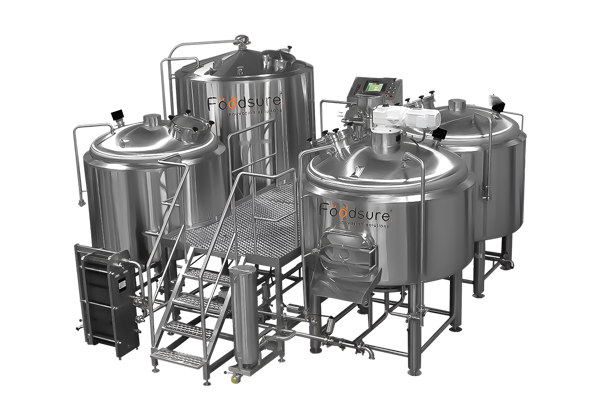
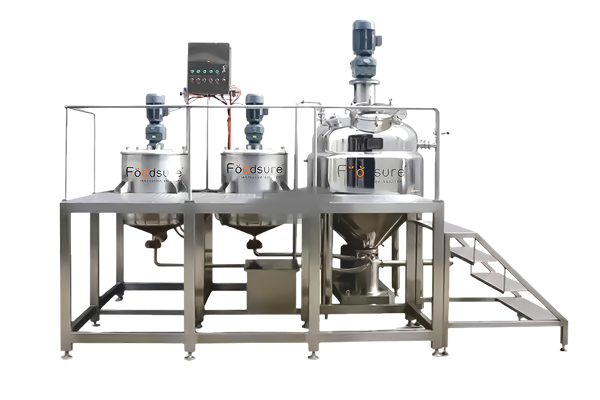
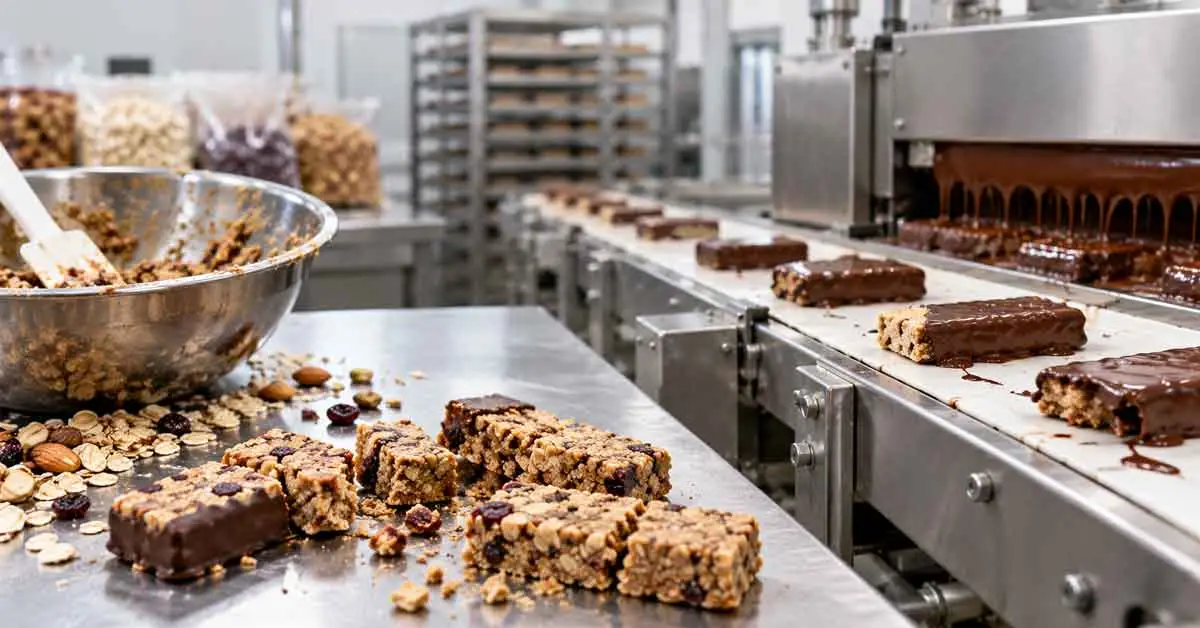
A basic protein bar production line generally involves several stages.
1. Mixing
The mixer combines the protein ingredients with binders, sweeteners, nuts, flavours and other ingredients.
The goal is a uniform mass that can be processed consistently.
2. Forming or Extrusion
An extruder or forming system converts the mixture into a continuous shape or slab.
This is one of the most important stages because bar dimensions and consistency affect both product appearance and weight control.
3. Cooling or Setting
Depending on the formulation, the formed product may need controlled cooling or setting before cutting and packaging.
This is especially important for bars that are soft, sticky or temperature-sensitive.
4. Cutting
The formed slab is cut into individual bars.
Consistent cutting helps maintain more predictable piece weight and reduces unnecessary product variation.
5. Packaging
The finished bars are individually wrapped or packed using a suitable packaging system.
Packaging needs to protect the product from moisture, oxygen, contamination and physical damage while also providing space for the required product information.
Foodsure’s published equipment range includes energy and protein bar processing systems, with capacities extending from smaller setups to larger industrial configurations.
Additional equipment such as metal detectors, checkweighers, coating systems or specialised packaging equipment can be added depending on the formulation and scale.
Manual vs Semi-Automatic vs Fully Automatic Lines
The right machine capacity depends on demand.
A business testing two or three SKUs does not necessarily need the same equipment as an established brand supplying supermarkets.
Foodsure publishes bar manufacturing configurations ranging from around 50 kg/hour through larger 100 kg/hour and 200 kg/hour systems, with differences in power consumption, floor area and automation depending on the configuration.
One published Foodsure functional bar configuration lists:
These figures are supplier specifications for a particular equipment configuration, not universal industry standards. The actual requirement for a Nepalese factory can change depending on layout, formulation, utilities and the final line design.
For comparison, Foodsure’s published oat and muesli bar specifications show a different configuration with 50 kg/hour at 12 kW and 800 sq ft, 100 kg/hour at 26–27 kW and 3,500 sq ft, and 200 kg/hour at 60 kW and 5,500 sq ft.
That difference itself is worth noticing. Machine capacity should never be evaluated from kg/hour alone.
What Capacity Should a New Nepalese Manufacturer Start With?
For a startup, the better question is not:
How big a machine can I afford?
It is:
How much product can I realistically sell?
A smaller semi-automatic or lower-capacity line can be useful for testing a few SKUs through gyms, specialty stores and online sales. Once repeat orders become predictable, the business can move toward higher automation.
Foodsure itself states that smaller-scale protein bar businesses can use semi-automatic equipment or mixture extrusion systems, while larger operations can move toward automated production.
This approach also reduces the risk of buying a large protein bar manufacturing plant before the brand has established distribution.
Where Do You Source Raw Materials in Nepal?
A protein bar formulation can use a mix of domestic and imported ingredients.
Potential local ingredients include:
- Nuts
- Honey
- Millets
- Buckwheat
- Oats
- Seeds
- Dried fruits
- Peanuts
- Natural flavour ingredients
The exact ingredient basket depends on the formulation.
For a Nepal-focused brand, local ingredients can also become part of the product story. A bar using Himalayan grains, nuts or honey can be positioned differently from a standard sports-nutrition product built around imported ingredients.
However, manufacturers should avoid making a 100% locally sourced claim unless every relevant ingredient and processing input can genuinely support that statement.
Importing Whey Protein and Specialty Ingredients

Whey protein and other specialised functional ingredients may need to be imported depending on availability, specifications and supplier relationships.
This creates an important purchasing consideration.
Ingredient sourcing should not be decided only by the lowest price per kilogram. Manufacturers also need to evaluate:
- Protein concentration
- Solubility
- Taste
- Microbiological specifications
- Heavy-metal limits where relevant
- Batch consistency
- Certificate of analysis
- Shelf life
- Import requirements
- Supplier reliability
For a protein bar brand, ingredient consistency matters because even a small change in protein powder or binder characteristics can affect texture and processing.
Cost and Quality Trade-offs Between Local and Imported Inputs
A practical Nepalese protein bar formulation may be a combination of local and imported inputs.
For example, the business could source selected grains, nuts or honey domestically while importing specialised protein ingredients where necessary.
Packaging should also be evaluated locally where suitable suppliers are available. Local sourcing can reduce lead times and simplify replenishment, although the final packaging material still needs to meet the required food-contact and barrier specifications.
The goal isn’t necessarily to make the entire bar from Nepalese ingredients.
The goal is to build a formulation that gives the brand a meaningful local identity while maintaining the nutritional, sensory and technical performance expected from a commercial protein bar.
Step-by-Step Process to Set Up a Protein Bar Manufacturing Business
A practical setup process can look like this:
Step 1: Research the market
Identify your target consumer before buying machinery.
Decide whether you are building for:
- Gym and sports nutrition
- Trekking and outdoor use
- General healthy snacking
- Children and family nutrition
- High-protein convenience food
- Premium functional nutrition
Step 2: Develop the formulation
Create the first few formulations and test their texture, taste, nutritional profile and shelf-life behaviour.
Do not finalise the machinery before understanding the product. A soft protein bar, coated bar and crunchy energy bar can require different processing approaches.
Step 3: Register the business
Complete the applicable company, tax and industry registrations.
The Office of Company Registrar provides the official company registration system and fee structure, while the Department of Industry publishes requirements for industry registration.
Step 4: Select the factory
The factory should be selected around the actual production process.
Consider:
- Raw-material receiving
- Ingredient storage
- Mixing
- Forming
- Cooling
- Cutting
- Packaging
- Finished-goods storage
- Staff movement
- Cleaning
- Utilities
- Waste management
Step 5: Select the protein bar machine
Get quotations based on the actual formulation and required capacity.
Ask the supplier about:
- Capacity
- Power requirement
- Floor space
- Contact material
- Automation
- Installation
- Operator training
- Spare parts
- Warranty
- After-sales support
- Packaging integration
Foodsure publishes food-grade SS304 contact construction on several of its bar processing systems, along with Delta PLC and HMI controls on selected models.
Step 6: Complete food licensing
Use the applicable DFTQC process and NeFFILS system for the food industry approval requirements.
Step 7: Run pilot production
Before a commercial launch, run the formulation on the actual equipment.
This is where you identify problems such as:
- Sticky dough
- Uneven extrusion
- Cracking
- Poor cutting
- Weight variation
- Packaging leakage
- Texture changes during storage
Step 8: Launch through controlled channels
Start with channels where you can collect feedback quickly.
Gyms, specialty stores, trekking outlets and D2C channels can help a new brand understand which flavour, price point and pack size performs best.
Once repeat demand is established, modern retail can become part of the expansion plan.
How Do You Price and Distribute Protein Bars in Nepal?
Pricing should be calculated from the complete cost structure rather than copied from an imported product.
Your calculation should include:
6Wresearch identifies high protein bar prices compared with traditional snacks as one of the restraints in Nepal’s market.
That means affordability can be an important part of product positioning.
However, lower price should not come from cutting protein content, compromising food safety or using unsuitable packaging. The better approach is to optimise formulation, production efficiency, pack size and distribution.
Retail Distribution
Potential channels include:
- Supermarkets and hypermarkets
- Convenience stores
- Specialty health stores
- Gyms
- Trekking and outdoor stores
- Online marketplaces
- Direct-to-consumer websites
- Social commerce
6Wresearch specifically identifies supermarkets, convenience stores, specialty stores and online stores among the relevant distribution channels for protein bars in Nepal.
D2C and Social Media
Digital channels can be useful for a new brand because they allow faster testing of consumer response.
Nepal’s 2026 digital data shows 16.6 million internet users and 14.8 million social media user identities, providing a sizeable digital audience for food and nutrition brands.
The first goal should be learning what consumers respond to, not simply spending more on advertising.
Building Trust With Nepalese Consumers
Protein bars are a product where consumers often look closely at the label.
They want to know:
- How much protein does it contain?
- How many calories?
- What sweetener is used?
- Is it vegetarian?
- Does it contain allergens?
- How long is the shelf life?
- Where was it manufactured?
- What ingredients are used?
That makes transparent labelling and consistent product quality important parts of the brand.
A Nepalese protein bar can also have a stronger local identity by using ingredients or flavours that consumers recognise rather than simply copying an international sports nutrition product.
Common Mistakes First-Time Protein Bar Manufacturers Make
Buying too much machinery too early
The biggest machine is not automatically the right machine.
A startup should match capacity with realistic sales projections. Published supplier specifications show that increasing capacity can also increase power and floor-space requirements significantly.
Launching too many SKUs
Starting with five or six flavours may look impressive, but it makes formulation, inventory, packaging and compliance more complicated.
Two or three strong products can be easier to manage during the first stage.
Ignoring shelf life
A protein bar may look fine when it leaves the production line and still develop texture, flavour or stability problems later.
Shelf-life testing should therefore be part of product development rather than something added after launch.
Choosing packaging only for appearance
A good-looking wrapper is not enough.
The packaging needs to provide the required barrier properties for the formulation and protect the bar during transportation and storage.
Treating compliance as a final step
DFTQC operates inspection, monitoring and food licensing systems, so compliance needs to be considered throughout the manufacturing process.
Using a generic machine specification
Two machines with the same nominal capacity can have very different power requirements, footprints and processing capabilities.
Always request a detailed technical quotation based on your actual product.
Conclusion
Starting a protein bar manufacturing business in Nepal is not simply a matter of buying a protein bar machine nepal and putting a product on the shelf.
The business needs three things to work together: a product consumers actually want, a manufacturing setup that matches the expected demand and a regulatory process that is handled from the beginning.
The Nepal protein bar market is showing signs of development. Research points to health awareness, fitness trends, online retail and demand for convenient nutrition as important market drivers, while pricing remains one of the challenges for the category.
For a new manufacturer, that makes a controlled launch more practical than immediately building a large protein bar manufacturing plant.
Start with the formulation. Validate the product. Understand the customer. Then select the right protein bar production line based on actual demand.
Foodsure Machines works with different bar-processing configurations, including protein and energy bar systems, and publishes options across multiple production capacities.
If you are planning a protein bar manufacturing business in Nepal, the right machinery setup should be evaluated alongside your formulation, factory layout, capacity requirement and future expansion plans rather than as a standalone purchase.
Have a Question? Let’s Connect
Need expert guidance on food processing machines, production setup, or process optimization? Our team is ready to help you choose the right solution for your business.
FAQs
Is protein bar manufacturing profitable in Nepal?
Protein bar manufacturing can be commercially viable, but profitability depends on formulation cost, selling price, production efficiency, distribution margins, packaging and sales volume. 6Wresearch identifies both growing demand drivers and high prices as important market factors in Nepal.
What license is required to manufacture protein bars in Nepal?
A manufacturer needs to complete the applicable company, tax and industry registrations and meet food manufacturing requirements administered through DFTQC. The NeFFILS platform is used for food and feed industry licensing processes.
How much investment is needed to start a small protein bar unit?
There is no universal investment figure because machinery capacity, automation, factory size, formulation and packaging can change the project cost considerably. Equipment suppliers publish different configurations for smaller and larger production capacities.
Can I import protein bar machinery into Nepal?
Yes. Machinery can be sourced internationally, including from manufacturers in India. The final landed cost should include the equipment price, freight, applicable customs and taxes, installation and other import-related costs.
What machinery is required for protein bar production?
A typical production setup may include a mixer, forming or extrusion system, cooling or setting equipment, cutting equipment and packaging machinery. Additional equipment such as checkweighers, metal detectors and coating systems can be added depending on the product and production scale.
What is the shelf life of a protein bar?
There is no fixed shelf-life period for every protein bar. It depends on formulation, water activity, ingredients, processing, packaging and storage conditions. The final shelf life should be established through product-specific stability and shelf-life testing.