The market for protein snacks in India is seeing tremendous growth with consumers increasingly seeking out easy-to-consume protein products. For entrepreneurs in Noida, the demand for protein bars in India creates the opportunity to venture into the protein bars industry. Quality product manufacture requires appropriate equipment, planning, and maintaining consistency.
Protein bar manufacturing machines and equipment help businesses to make their manufacturing process easier and efficient by streamlining the manufacturing process phases, from blending through shaping to packaging. Equipment selection is influenced by a number of factors including formulation, quantity and level of automation.
This blog highlights what differentiates the leading protein bar brands, the factors to be considered while choosing equipment and the setup required to manufacture your own brand.
Why Invest in the Protein Bar Business?
Leading brands compete on taste, ingredient quality, and protein content, and each bar must match its label every time. That calls for consistent shape, texture, size, and composition.
Manual production becomes difficult as demand grows. Recipes vary from batch to batch, output stays limited, and quality is harder to control. Buying the right protein bar machine can solve their problems.
Key benefits include:
Production efficiency: A planned setup can support growth from startup to large-scale manufacturing.
Standardised product sizes: Bars from top brands range from 35 g to 67 g, and a machine keeps each bar close to its target size.
Effective process control: Reliable blend preparation keeps the recipe the same from one batch to the next.
Efficient handling: Crispy protein bar snacks and soft bars need different handling, and the right equipment suits each.
Flexible production: A setup can support high-protein, low-sugar, and clean-label recipes.
Coordinated processes: Blending, forming, and packing work as one planned workflow rather than separate tasks.
The right equipment depends on formulation, expected production volume, available space, and automation level.
What Are the Top Protein Bar Brands in India?
The top protein bar brands in India are those that stand out on taste, ingredient quality, protein content, customer comments, and value as a quick snack. Brands such as RiteBite, The Whole Truth, SuperYou, Yoga Bar, FitFeast, MuscleBlaze, Phab, Proathlix, Mojo Bar, and Eat Anytime are often placed in this group.
Protein bar brands differ in what they offer. RiteBite uses jowar and other millets in a crispy wafer, and The Whole Truth builds on a clean-label recipe with date-based sweeteners. SuperYou uses bio-fermented yeast protein, Phab offers a zero-sugar bar, Proathlix adds Spirulina and Ashwagandha, and Eat Anytime uses ragi.
Protein content across these bars runs from 10 g to 21 g, and approximate prices run from ₹50 to ₹150. These differences shape protein bar market growth, since each format serves a different need, from post-workout recovery to an office snack.
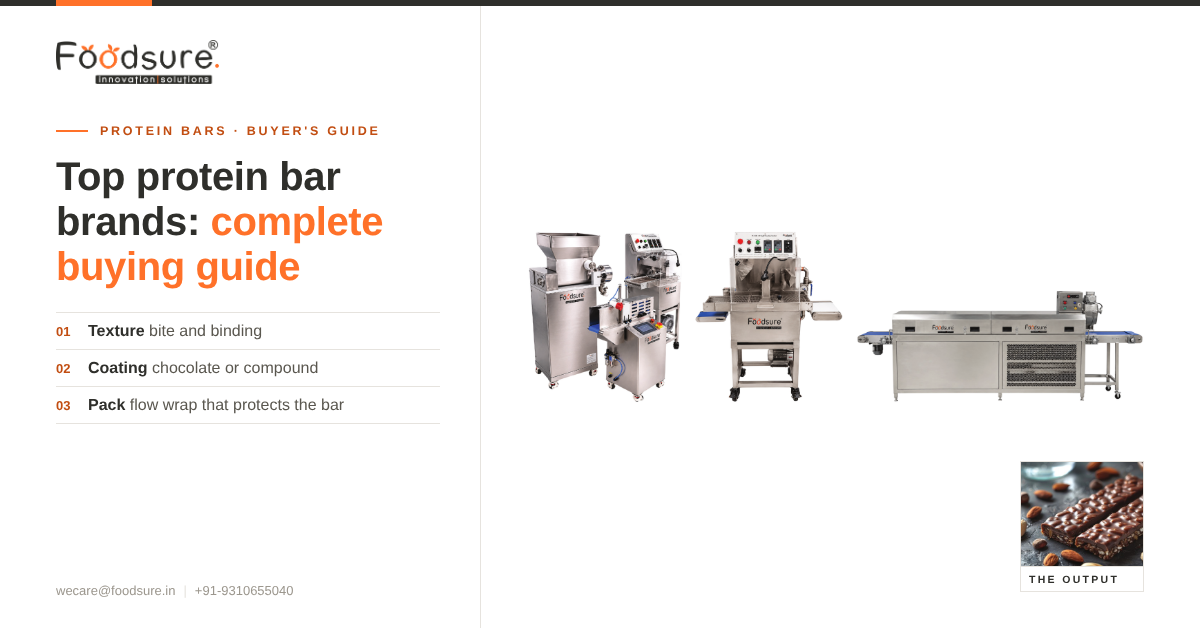
A typical manufacturing workflow is:
Blend Preparation → Forming → Cutting → Packaging
Not every product needs the same processing sequence. A crispy wafer and a soft, chewy bar follow different routes, so machinery should be selected according to the intended product.
Essential Equipment for a Protein Bar Production Line
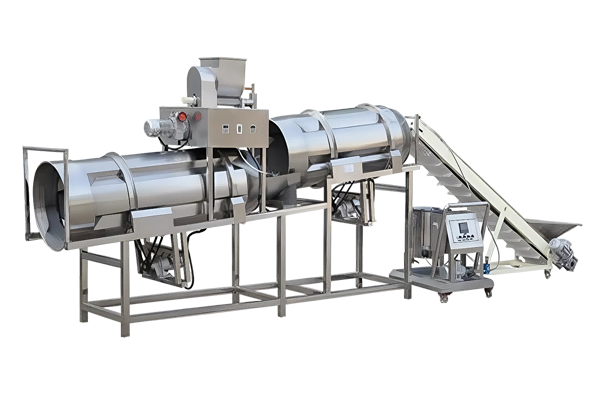
A commercial setup may include several machines working together. The exact combination depends on formulation, capacity, and product specifications.
1. Mixing Equipment
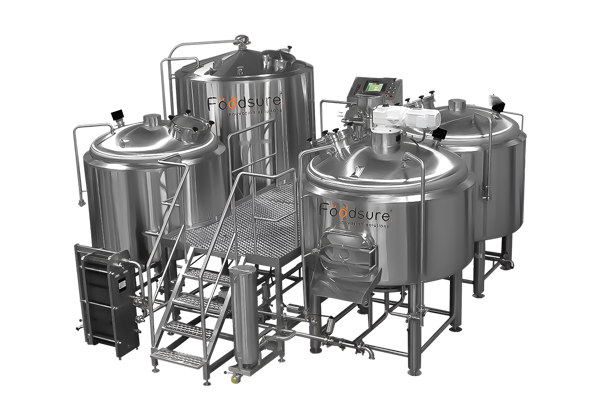
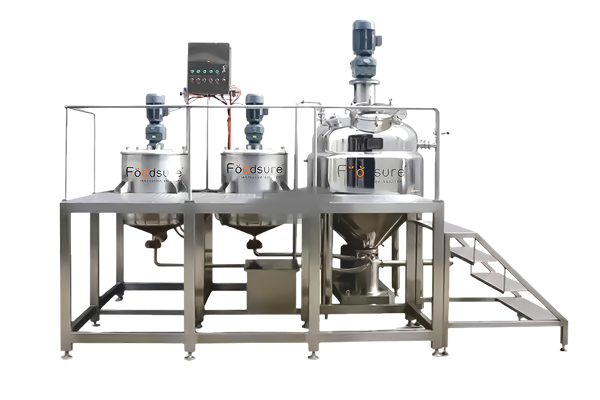
Blend preparation is where the recipe is made, whether it is a clean-label date-based mix, a millet-based mix, or a low-sugar formula. Selection depends on the ingredients and the batch size.
2. Extruder
An extruder pushes the prepared blend through a die to create a defined bar shape. It suits soft and chewy bars, and the choice depends on how dense or sticky the formulation is.
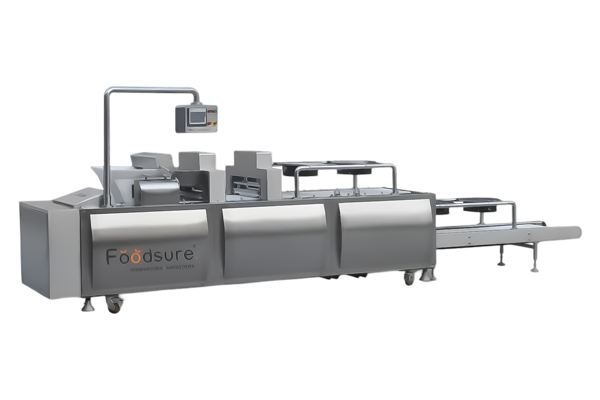
3. Forming and Cutting Machine
Forming and cutting set the size and weight of each bar. For a brand entering the protein bar industry, accurate cutting matters, because bars on the market range from 35 g to 67 g.
4. Cooling and Coating Equipment
Cooling helps bars hold their shape before packing. If your recipe uses a coating, plan this stage along with line speed and bar size.
5. Packaging Equipment
Packaging machines pack finished bars for storage and dispatch. Packaging capacity should match upstream production so the line does not slow down at the final stage.
Automatic vs Semi-Automatic Protein Bar Production
The choice depends on production requirements, workforce availability, and investment priorities.
| Factor | Semi-Automatic Setup | Automatic Setup |
|---|---|---|
| Operation | Some stages are handled by operators | Stages run in a controlled, connected sequence |
| Production volume | Suited to limited or early-stage output | Suited to regular, larger output |
| Labour | Needs more manual involvement | Needs less manual involvement |
| Flexibility | Easy to adjust for small recipe trials | Suited to steady runs of established products |
| Integration | Machines often work as separate units | Stages work together as one line |
| Expansion | Equipment can be added step by step | Planned for scale from the start |
A small business may begin semi-automatic, while a manufacturer with regular commercial orders may consider a fully integrated line. Decide based on realistic demand, not automation level alone.
How to Choose the Right Setup to Compete With Top Protein Bar Brands
Start with your product, then match the machinery to it.
Production Capacity
Estimate how many bars you plan to sell and how fast demand may grow. Choose a setup that covers your first year and allows expansion.
Product Formulation
A crispy wafer, a chewy date-based bar, and a low-sugar bar all behave differently. Confirm the machine suits your recipe before you commit.
Bar/Product Dimensions and Weight
Decide your target bar size and weight, since bars in the market range from 35 g to 67 g. Check that the machine can hold that size consistently.
Level of Automation
Choose between semi-automatic and automatic setups based on volume, labour, and budget. Pick what your demand supports.
Available Space and Utilities
Check floor area, power supply, and room for raw material storage. Plan the layout so materials move in one direction.
Maintenance and Technical Support
Ask about installation, training, spare parts, and service. Good support keeps the line running.
Protein Bar Production Setup: What Affects the Investment?
The price depends on the machine configuration and your production requirements. Two brands with different recipes and volumes will need different setups.
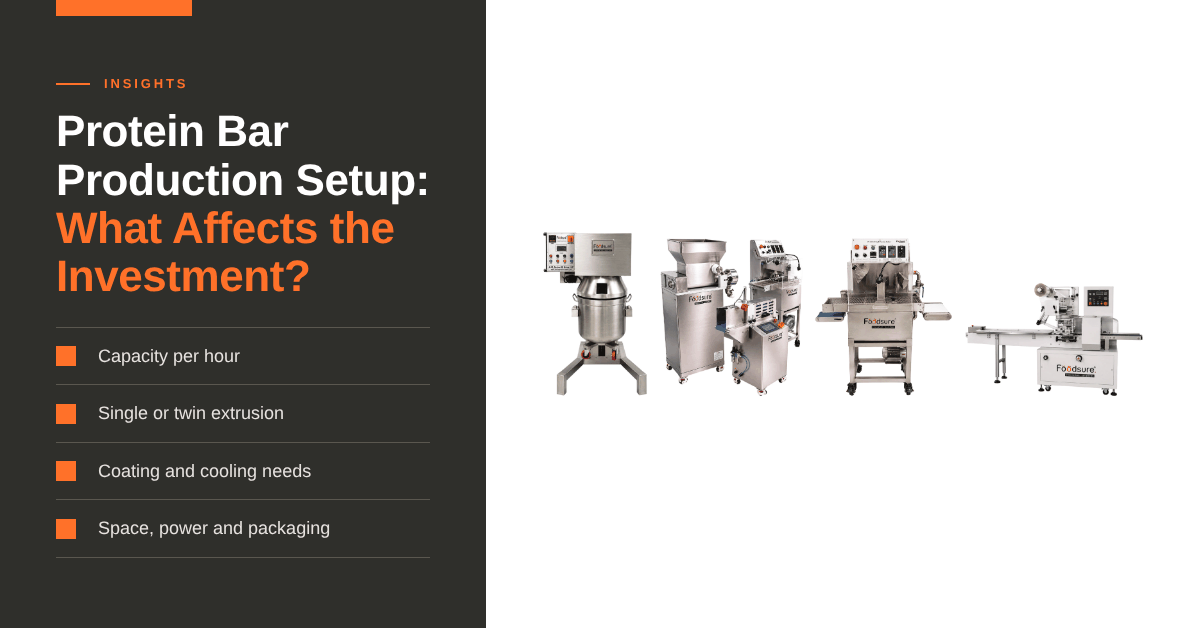
Assess the complete equipment scope and operating requirements, not just the purchase price. Retail prices of top brands range from about ₹50 to ₹150 per bar, so plan your costs against the price point you want to hold.
Important factors include:
- Capacity and automation
- Mixing, forming, extrusion, and cutting setup
- Cooling, coating, and packing equipment
- Installation and commissioning
- Electricity and infrastructure
- Cleaning, maintenance, and spares
- Training and technical assistance
When requesting a machine quote, share your intended product, target output, bar dimensions, and required level of automation. This helps the supplier recommend the right configuration.
Your overall plant setup cost also covers the facility, utilities, storage, packaging, and other infrastructure beyond the machinery.
How to Start a Protein Bar Brand in Noida
Starting a brand involves both commercial planning and manufacturing preparation.
Step 1: Define Your Product
Decide the format and the claim, such as a crispy wafer, a dessert-style bar, or a low-sugar bar. Protein content among leading bars ranges from 10 g to 21 g.
Step 2: Research the Market
Study how top brands position themselves, from millet-based and clean-label to zero-sugar and recovery-focused. Review pricing and the buyers they target, such as gym-goers, office workers, and students.
Step 3: Plan the Manufacturing Setup
Plan the flow from blend preparation to packing, and size the setup for your first output. Choose equipment that can grow from startup to large-scale manufacturing.
Step 4: Address Compliance Requirements
Arrange FSSAI licensing and follow food safety practices. Make sure labeling standards are met, including accurate protein and weight claims.
Step 5: Select Machinery and Test the Process
Shortlist machines that suit your formulation and bar size, then run trials with your recipe. Check texture, weight, and shape before scaling up.
Step 6: Plan Packaging and Distribution
Choose packaging that protects the bar and suits your sales channels. Decide how stock will move to gyms, offices, and online buyers.
Small-Scale Protein Bar Production for Startups in Noida
A small-scale setup suits entrepreneurs who want to start with limited production and expand as demand develops. It allows you to test your recipe and your market before a larger investment.
The startup automatic machine should be selected by required output, product range, and automation level. Keep the first setup focused on one or two products.
Before investing, consider:
- Expected first-time production quantity
- Variety of products
- Dimensions and weight needed
- Available space and labour
- Compatibility with the formula
- Prospects for future equipment addition
Start with an appropriately sized setup, and add equipment as your orders grow.
Why Choose Foodsure for Protein Bar Machinery?
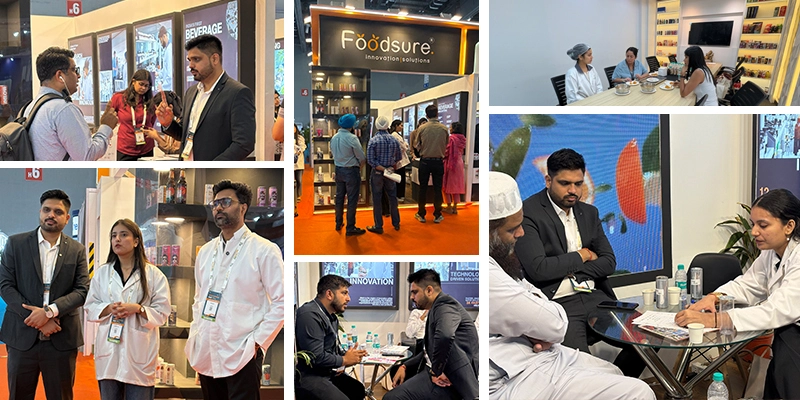
Foodsure Machines supplies food processing machinery and brings 13+ years of experience in helping businesses grow with better food machines. Its range includes protein bar and energy bar machines, among other equipment.
The team can help analyse your production needs, machinery layout, automation, and the integration of processing stages. Its solutions cover protein bar blend preparation, crispy and soft bars, and low-sugar and clean recipes, from startup to large-scale production.
Before ordering, confirm the equipment scope, installation, training, and support. If you are planning to launch a protein bar brand, you can discuss your manufacturing goals with Foodsure Machines.
Conclusion
The top protein bar brands in India are moving toward better ingredients, higher protein content, and clean labels. If you plan to enter this space, evaluate product specifications, capacity, automation, infrastructure, and technical support together.
Whether you work with a machine supplier on a small setup or an integrated line depends on your demand and growth plans. Start with what your orders realistically need.
A well-planned setup supports an organised workflow and consistent commercial production.
Frequently Asked Questions
1.How to start a protein bar brand?
Define your product, research the protein bar market, plan the manufacturing setup, arrange FSSAI licensing, and test your recipe on suitable machinery.
2.What sets the top protein bar brands apart?
They stand out on taste, ingredient quality, protein content, and clear labels, with formats such as millet-based, zero-sugar, and clean-label bars.
3.Is there a protein bar business opportunity in India?
Protein bar demand in India is rising as consumers look for convenient high-protein foods, which supports new brands with differentiated products.
4.What should I ask a protein bar machine supplier?
Ask about suitability for your formulation, bar size, capacity, installation, training, and service support.
5.Can I buy a complete protein bar production line?
Yes. A production line can cover blend preparation, forming, cutting, and packaging, or you can start with a smaller setup and expand.