The wrong choice of a soya chunk manufacturing plant will lead to production delays, which will result in higher expenses and loss of profit margins. The soya badi making machine price in India ranges from ₹50,000 to ₹5 lakh, but the real challenge for businesses comes from selecting the appropriate equipment that meets their production requirement,d budget constraints, and future development needs. This purchase functions as a business choice that will determine your production output and product uniformity, and your monetary gains starting from the first day.
The complete understanding of the actual soya badi making machine and its driving factors, and proper capacity selection will help you save expenses and time and avoid expensive errors, whether you start with a small business or build a full commercial operation. This blog provides complete information through its straightforward and practical presentation, which allows you to make a single investment decision that functions as an effective investment.
Soya Badi Making Machine Price in India: Quick Investment Snapshot
- The snapshot establishes a strong foundation, but the actual soya chunk plant cost in India depends on specific requirements and material choices. A basic unit often features a Mild Steel frame, which is affordable for tight budgets but prone to corrosion over time.
- Serious entrepreneurs typically choose a mid-range soy chunks production line because it provides Food Grade SS 304 contact parts together with high-torque motors that support continuous production.
| Setup Type | Capacity (kg/hr) | Machine Only Price | Total Startup Cost* | Key Hardware Included |
|---|---|---|---|---|
| Startup / Micro | 10–30 kg | ₹50,000 – ₹1.2L | ₹1.5L – ₹2 Lakh | Basic Extruder + Manual Cutter |
| Small Commercial | 50–100 kg | ₹1.8L – ₹3.5L | ₹4.5L – ₹6 Lakh | Extruder + Mixer + Tray Dryer |
| Industrial / Auto | 150–400 kg | ₹4.5L – ₹15L+ | ₹18L – ₹35 Lakh | Full Plant + Conveyor + Auto Packer |
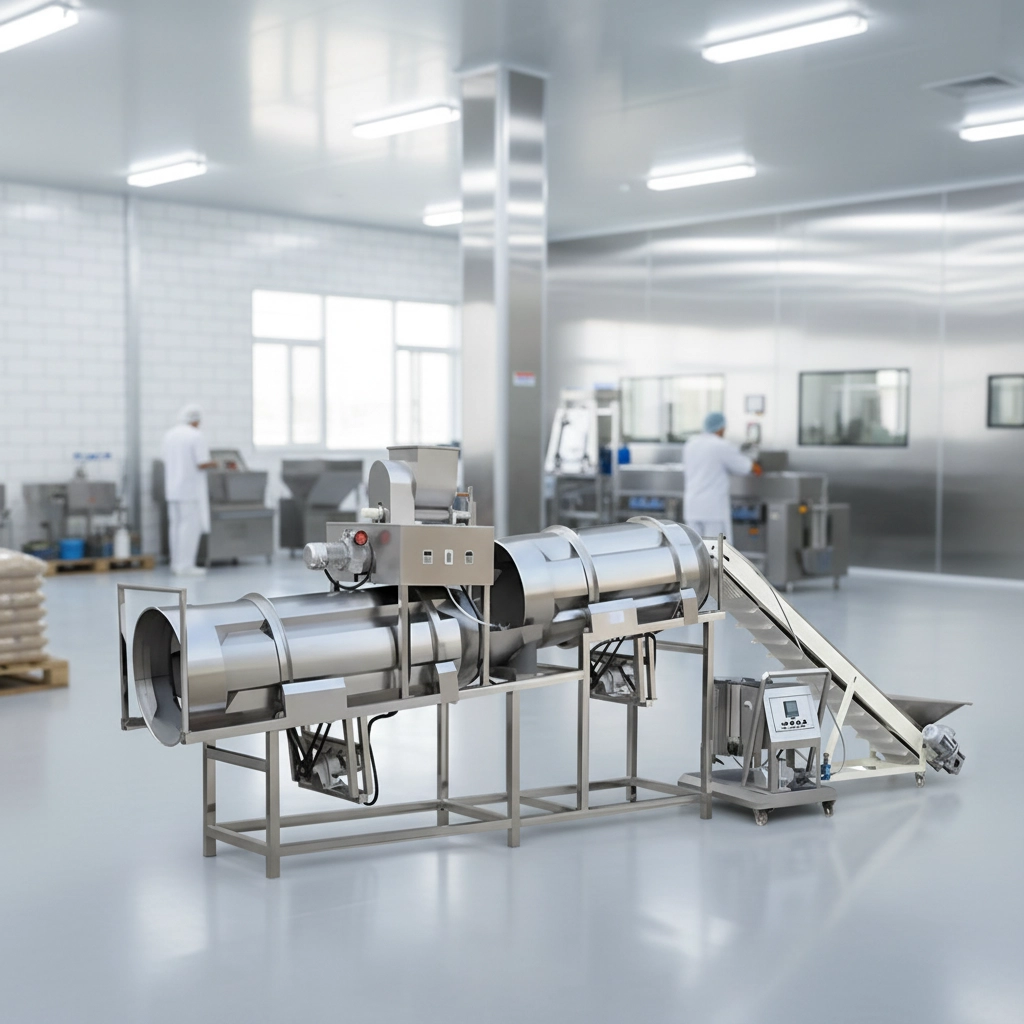
- A soya chunk manufacturing plant operates within a complete system, which requires you to allocate funds for a ribbon blender and a multi-layer dryer that will maintain proper moisture levels in the badis.
- This quality tier investment guarantees users consistent Textured Vegetable Protein (TVP) texture and density, which serves essential functions in professional retail packaging and brand development.
Soya Badi Making Machine Explained: What It Actually Does & Why It Matters
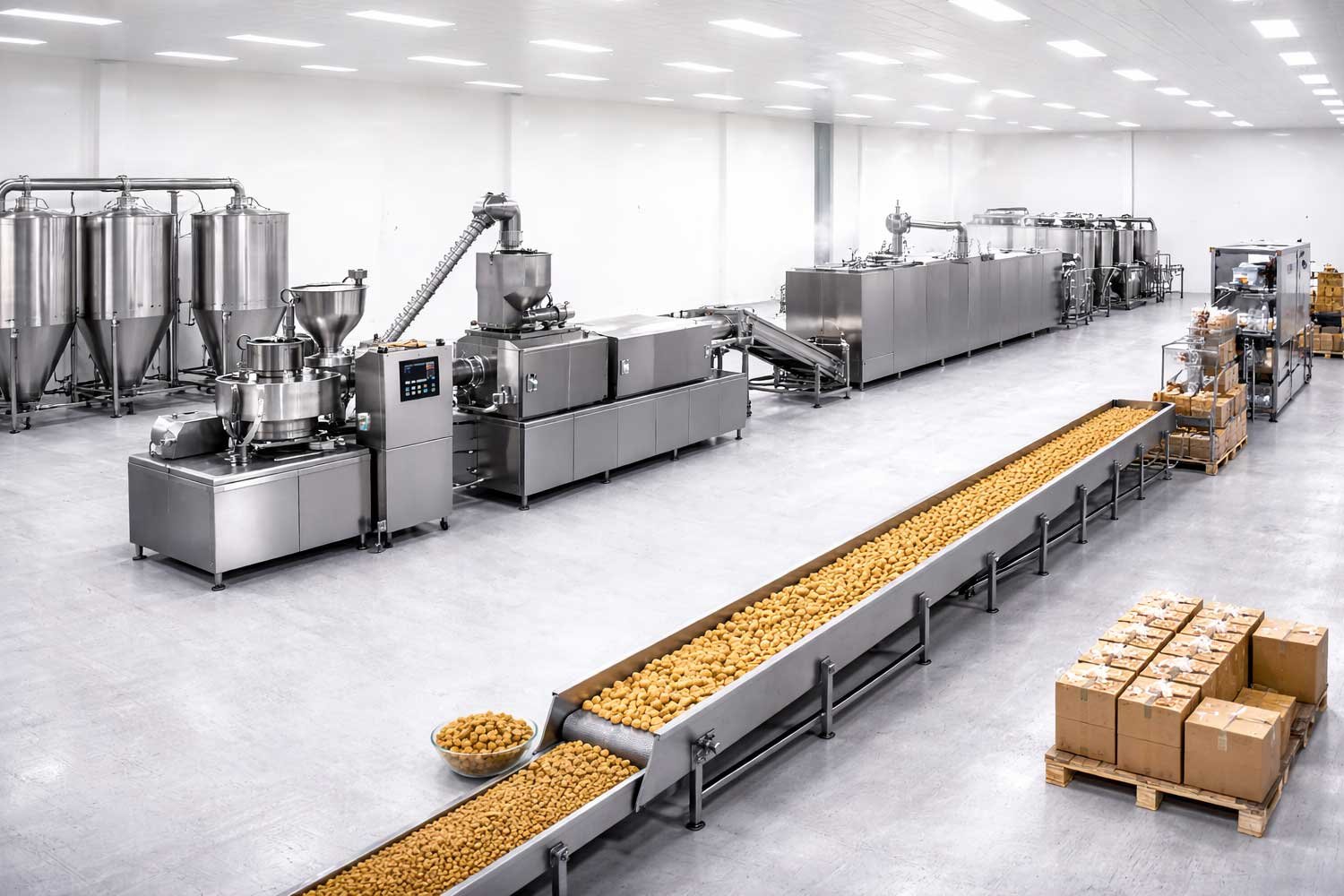
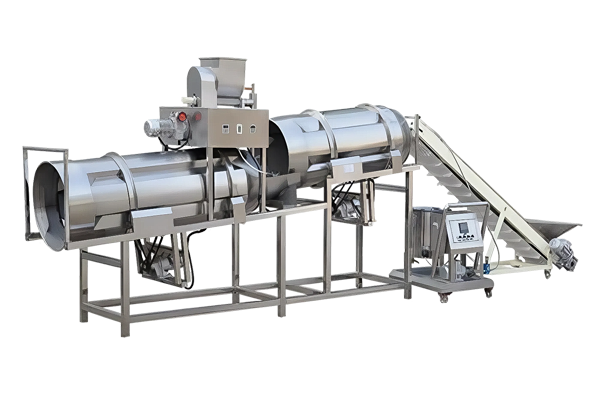
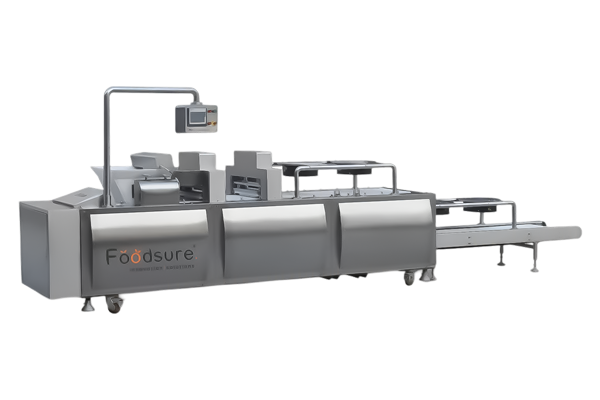
The essential soy chunks production line in a contemporary meat-alternative facility operates using a soya chunk making machine. The machine uses high-shear extrusion technology to convert defatted soy flour, which results from oil extraction, into nutritious fiber-based products that scientists call Textured Vegetable Protein (TVP).
The 3-Step Transformation
- Thermal Cooking: The machine applies intense heat and pressure to the soy dough, breaking down plant proteins and realigning them into a “meaty” fiber structure.
- Expansion & Shaping: The material exits the high-pressure barrel through a specialized die, which causes it to expand while turning into nuggets or chunks.
- Dehydration: The fresh chunks are passed through a dryer to remove moisture, extending shelf life to over a year without preservatives.
Versatility: The same soya nugget making machine can produce varied sizes, from tiny granules for soya keema to large chunks, simply by swapping the die-head. This flexibility allows manufacturers to cater to different market segments with a single capital investment.
Soya Badi Making Machine Price: ₹50K to ₹5L Investment Guide
Discover complete cost breakdown including machine price, setup cost, raw materials, and profit potential to start your soya badi business.
Soya Badi Making Machine Price Tier Breakdown: Find Your Budget Range
Your business plan requires you to choose between different price levels for the soya chunk making machine. The year 2026 marks a period when entry-level products and industrial products have become more distinct because of new food safety standards and automation requirements.
Price Tier Breakdown (Where Do You Fit?)
1. Entry-Level Startup (₹50K – ₹1.5L)
- Machine: Manual/mini single-screw extruder.
- Capacity: 10–30 kg/hr.
- Best for: The best solution for home-based businesses, research and development activities, and testing of localized market demand.
Reality: The investment cost remains low, but the requirement for manual work increases. Most mini soya chunk plant in this bracket use Mild Steel (MS), which requires frequent cleaning to prevent rust. Your work will involve manual cutting and sun-drying, which presents challenges during the rainy season.
2. Semi-Automatic Commercial Setup (₹1.5L – ₹3.5L)
- Machine: Commercial soya chunks production machine.
- Capacity: 50-100kg/hr.
- Best for: The solution operates effectively through its optimal capacity, which matches the needs of small factories and their regional Kifana distribution systems.
Why this works:
- Balanced ROI: It generates sufficient power to support two to three workers and cover all electricity expenses.
- Quality: SS 304 contact parts, which constitute a mandatory requirement for FSSAI compliance that will take effect in 2026.
- Versatility: Standard soy flour to create nuggets that meet “market-grade” quality requirements.
3. Fully Automated Micro Manufacturing Plant (₹3.5L – ₹5L)
- Machine: Automated Extrusion Line with Built-in Cooling Feed
- Capacity: 100 – 200 kg/hour
- Target audience: New brands interested in E-commerce or Bulk Wholesale.
What you get:
- Digital Controls: PLC-Panels for temperature and torque measuring
- Consistent Density: Texture of Each “Badi” Due to Automatic Feeding (Controlled by Level Sensors).
- Labor Efficiency: One Operator Controls an Entirely Automated Process of Extrusion.
Note for 2026: In addition to the extruder, be aware that a 12-month shelf life requires industrial drying. If you are entering into the growth phase of your company, we encourage you to invest in a Twin-Screw system (₹8L+) to achieve the meaty texture that high-end consumers are demanding.
Soya Chunk Plant Cost in India vs Features: What Actually Changes?
The price of a soya badi machine must be assessed through its three main components, which include torque, durability, and compliance. The 2026 market will experience a product transformation because customers will now demand better quality Textured Vegetable Protein (TVP) products, which will drive up production costs for businesses.
Technical Comparison (What Actually Changes with Price)
| Feature | Small Scale | Commercial | Automatic |
|---|---|---|---|
| Power | 2–5 HP | 7.5–10 HP | 15–25 HP |
| Output | 20 kg/hr | 80 kg/hr | 150+ kg/hr |
| Material | MS (Mild Steel) | Partial SS (Stainless) | Full SS 304 |
| Product | Basic Badi | Uniform Nuggets | Multi-shape TVP |
Key insight: Price increases mainly due to:
- Motor Power: The high-HP motors work to prevent machine jamming when soy dough reaches its high-viscosity state.
- Automation: Integrated variable frequency drives (VFD) systems enable you to control both badi size and fluffiness characteristics.
- Material Quality: SS 304 metal remains non-reactive, while MS (Mild Steel) generates metallic flavors, which result in FSSAI compliance violations.
Real Investment: Soya Badi Making Machine Price & Complete Setup Cost
The extruder may be the engine of your organisation; without the other sections of your company, it cannot function.
- Machine: 60% – 70% of your Total Investment.
- Core Machine: ₹1.5L-₹3L (The Extruder alone)
Supporting Equipment:
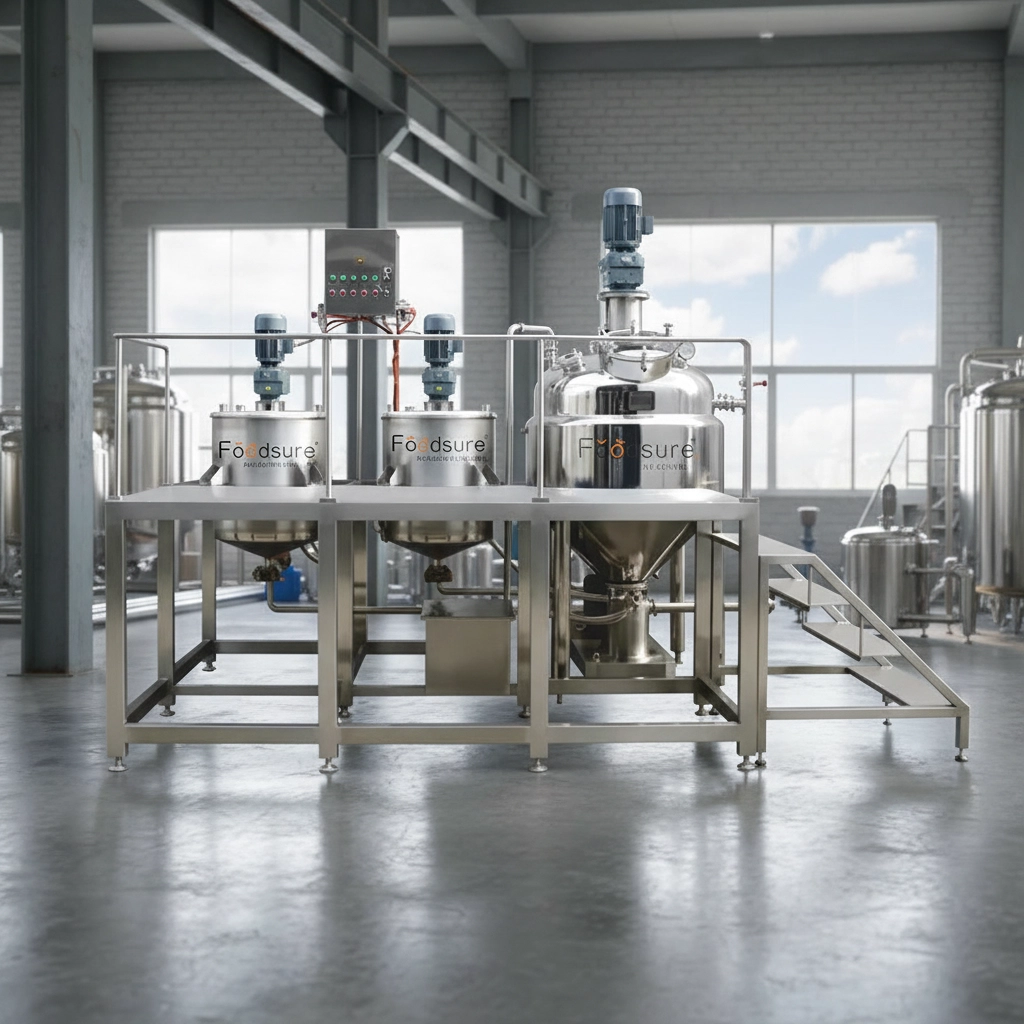
- Ribbon Mixer (₹30K) – Extremely Important for getting a consistent hydration of soy flour, while mixing manually – mixing in a manual way will lead to hard lumps of soy.
- Continuous Dryer (₹50K-₹80K) – In 2026, the number one factor affecting shelf life is moisture control. Without a proper, professional dryer, you are going to grow mould on your product in a matter of weeks.
- Packaging (₹20K-₹40K) – Semi-automatic sealers with nitrogen flushing have now become the norm in order to maintain freshness.
Working Capital
- Raw Material Required to Start – At least 1-2 tons of defatted Soy Flour.
- Infrastructure – 3 Phase Industrial electricity connection along with over 500 sq. ft. of space.
- Licensing – FSSAI, GST, Udyam.
Total Investment
- ₹3.5L – ₹4.5L (perfect commercial environment)
- This total setup concept helps to make sure you will not be left with a machine that you cannot operate. By investing in the entire ecosystem of equipment right from the start, you greatly lower your cost-per-kg by reducing waste and manual labour.
Hidden Costs in Soya Badi Making Machine Price That Kill Your Profit
A business requires more than just measuring the soya badi production machine costs. Your startup expenses will increase because operational friction creates additional costs that you failed to predict.
Hidden Costs That Kill Profit
The extruder receives primary coverage from most blogs, yet there exist unidentified costs that will reduce your starting capital.
- 3-Phase Electricity Setup (₹10K–₹30K): Commercial soya chunks manufacturing machines require stable industrial power. Domestic meters will trip, and getting a commercial load sanctioned involves security deposits and wiring costs.
- Extra Dies for Shapes (₹10K–₹30K): To stay competitive, you need variety. The specialised dies, which create mini chunks and soya granules, require production costs because of their specialised design.
- Installation & Commissioning (₹5K–₹15K): The first-week expenses include freight costs, machine leveling, and staff training on extrusion temperature settings.
- Dryer Mismatch: This is a silent profit killer. The production line will remain inactive because the soya nugget making machine produces 100kg/hr while the dryer processes only 40kg/hr.
Biggest Mistake: Buying a high-capacity machine but a weak dryer. The badis become unusable after wetting because they will begin to decay. The drying capacity must match the extruder output to prevent production disruptions.
Soya Badi Making Machine Price & ROI Breakdown: Why This Business Works
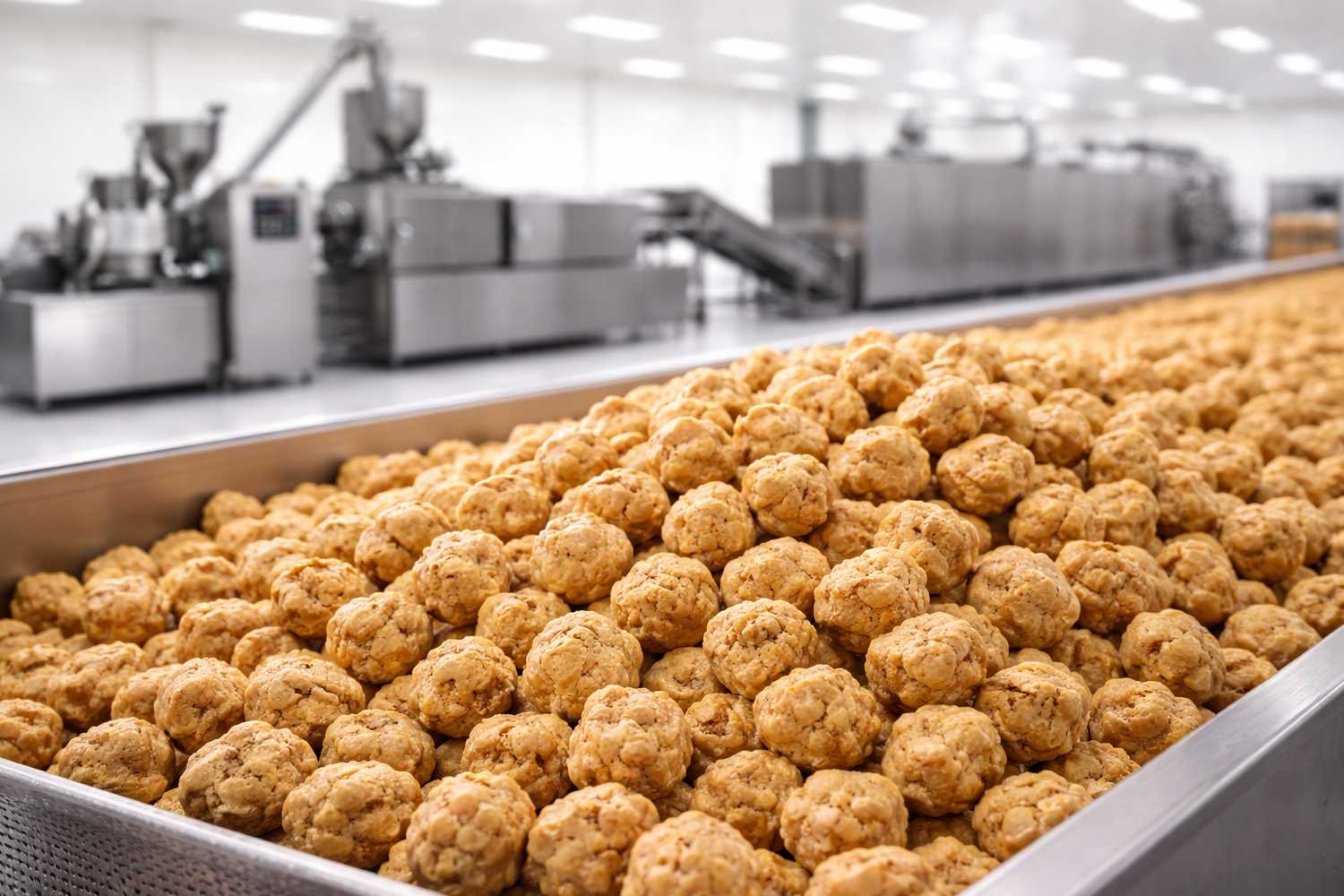
Textured Vegetable Protein (TVP) is a very profitable venture, as the raw ingredient, soya bean meal, is a by-product of the oil extraction process, thus making it affordable to make, while providing an affordable, staple source of protein on the market.
- Raw materials cost (defatted soy flour/DOC) – ₹45-₹55/kg
- Production costs (labour, electricity, and packaging) – ₹65-₹70/kg
- Wholesale selling price – ₹90-₹110/kg
- Profit margins- 20%-30% per kg
To calculate example figures:
- Machine Investments – ₹1.5 – ₹3 lakh
- Output capacity – 80kg/hr
- Daily production(8hr) – 500-600 kg/day
- Daily revenue – ₹45,000-₹60,000
To get your daily net profit, you must subtract all of your business expenses from your revenue. This gives us a daily profit of ₹12,000-₹18,000.
Payback period = 6-12 months (realistic):
Unlike many other industries, the high level of consumption of soya in the Indian market leads to a rapid cash-to-cash cycle; once you establish a steady supply chain to the local wholesale market, your initial investment in the soya badi machine can be recovered within one year of operation.
How to Select the Right Soya Badi Making Machine Price Range for Your Setup
The process of selecting an appropriate soya badi production machine requires you to evaluate your existing financial resources against your anticipated business expansion needs for 2026. The practice of spending money on unnecessary features carries equal danger to the practice of selecting inferior equipment that fails to pass FSSAI assessments.
How to Choose the Right Machine (Don’t Overspend)
1. Match Machine to Market
You need to establish your distribution plan first before you start researching soya badi machine costs.
- Local Supply: A 50 kg/hr machine meets your needs when you sell loose chunks to local mandis and small kirana stores. The system enables the production of fresh goods each day while maintaining low inventory expenses.
- Wholesale/Branding: Your business needs a capacity range between 100 and 150 kg for distribution to supermarket chains and distributors. The scale of this operation requires both automatic packaging equipment and specially designed branded pouches.
2. Check Power Availability
The food processing industry considers power supply as an important but unnoticed operational limit.
- Below 40 kg/hr: The mini extruders that operate below 40 kg/hr capacity use single-phase (220V) power, which makes them appropriate for use in residential homes and small workshop facilities.
- Above 40 kg/hr: A professional soya chunks manufacturing machine needs a 3-phase industrial power supply as its minimum requirement. You should evaluate your local grid capacity prior to your purchase decision because a new transformer will cost the same as your machine purchase.
3. Always Choose SS 304
The use of Food Grade SS 304 material becomes mandatory in 2026.
- Compliance: FSSAI regulations and ISO 22000 international standards require all food-contact surfaces to use stainless steel materials for compliance purposes.
- Longevity: Mild Steel (MS) seems more affordable to use, but its actual costs become higher because the material develops rust from extrusion steel,m which causes metal contamination and equipment breakdowns within two years.
4. Balance Extruder + Dryer
One of the biggest industry mistakes exists when companies purchase a high-speed soya nugget making machine and then use it with a small tray dryer. The badis will develop mold in the packet if you cannot achieve a moisture level below 7% during drying. The dryer should have a capacity that equals 1.2 times the extruder production rate to prevent production delays from occurring.
5. Ask Before Buying
The final payment must remain withheld until a live FAT (Factory Acceptance Test) occurs.
- Demo Run: The machine requires testing with your specific soy flour blend in order to check whether the texture meets requirements.
- Warranty: The motor and VFD (Variable Frequency Drive) need to have a minimum 1-year replacement warranty protection.
- Spare Availability: The manufacturer should provide information about whether they maintain screws and barrels as spare parts because these components will need replacement during equipment operation.
Conclusion
There is a lot of variation in price when buying soya badi machines. The most important factor in defining your success remains the machine’s capacity and quality. At Foodsure Machines, we’ll help you make a well-informed choice and find the best soya badi making machine in terms of efficiency based on your company’s goals.
We guarantee that our soya badi making machine options have a proper balance between their ability to perform well, be durable, and provide good returns on investment for your soya badi manufacturing business. With our knowledge, you’ll do more than just purchase equipment; you’ll build a scalable, profitable operation. Make smart choices when selecting equipment to invest in so that you can confidently ramp up your production over time!
Soya Badi Making Machine Price: ₹50K to ₹5L Guide
Get complete cost details, machine info, and profit insights to start your business.
FAQ
What is the soya badi making machine price in India for small business?
A small business looking for a soya badi making machine in India will find a price that begins at around ₹50k and climbs based on both the machine’s capabilities and how it is automated.
What is the price of an automatic soya chunks making machine in India?
An automatic soya chunk making machine will retail for between ₹2 to ₹5 lakh, with a significant range because of variations in quantity produced and the features offered.
What is the total soya badi plant setup cost in India?
Capital required to set up a soya badi production facility in India may range from ₹1 lakh to ₹8 lakh, including equipment, raw materials, and some basic construction.
Which is the best soya chunks making machine for beginners?
The semi-automated type of soya chunk manufacturing machines is well-suited for new business entrepreneurs, as they offer an appropriate mix of low purchase price, volume of production, and ease of use.
Where can I buy a soya badi making machine for commercial use?
You may purchase your soya badi making machine from reputable suppliers that provide installation, extensive training, and service after the sale.