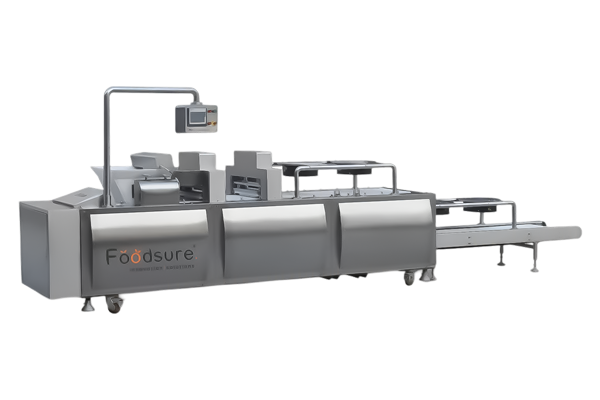
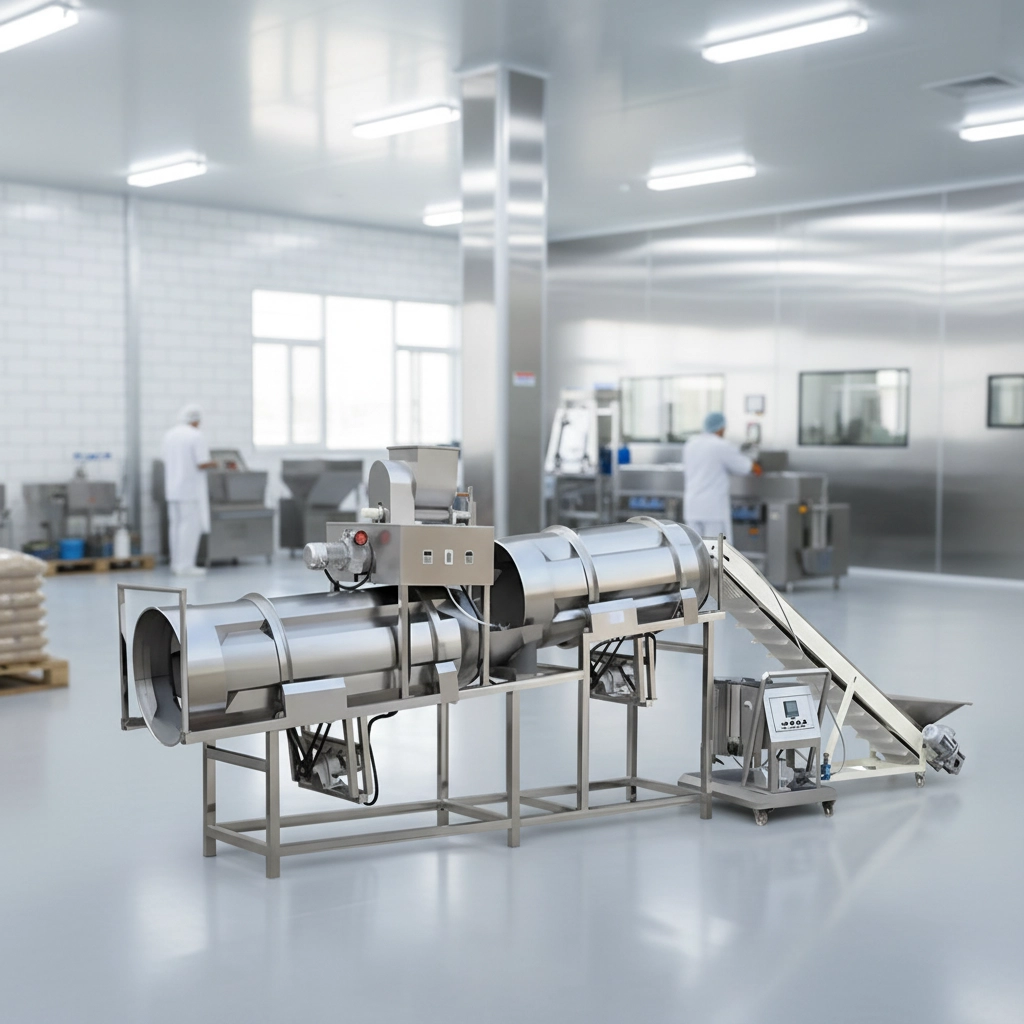
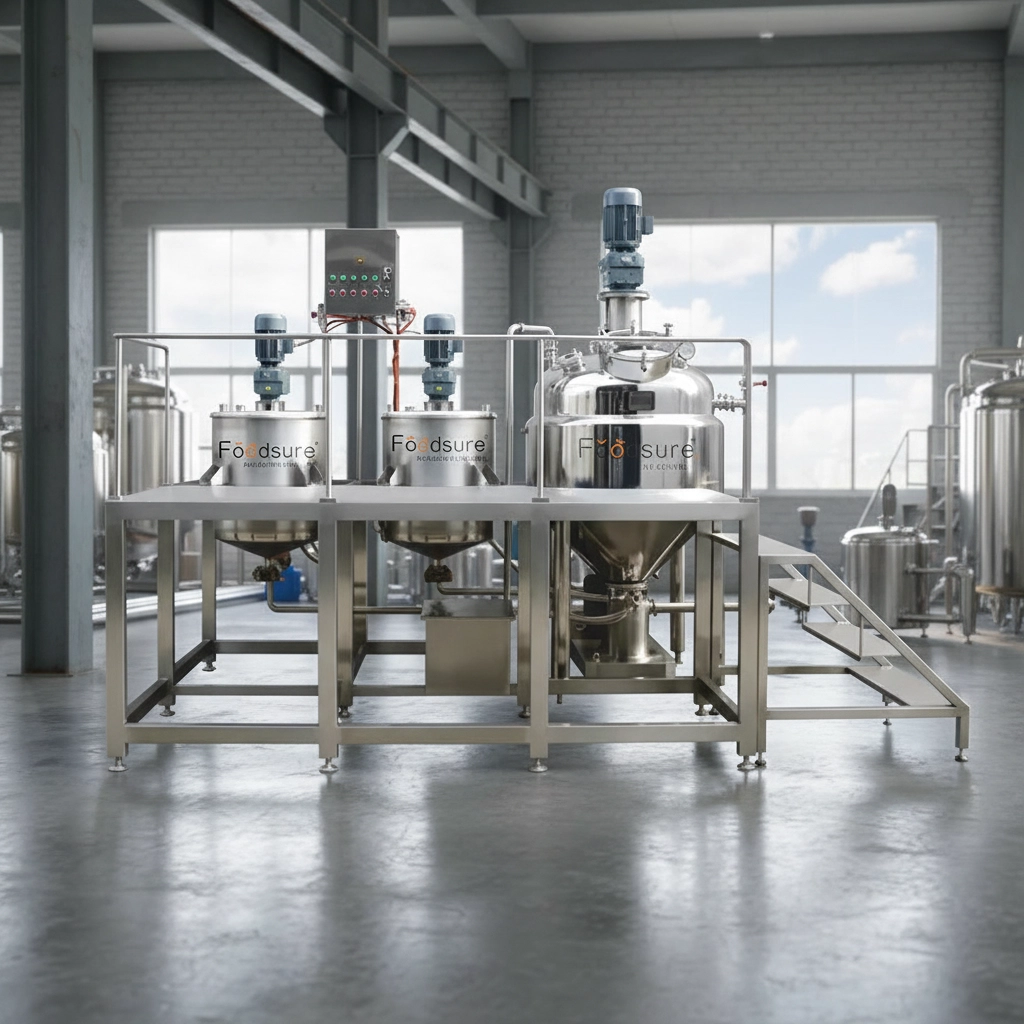
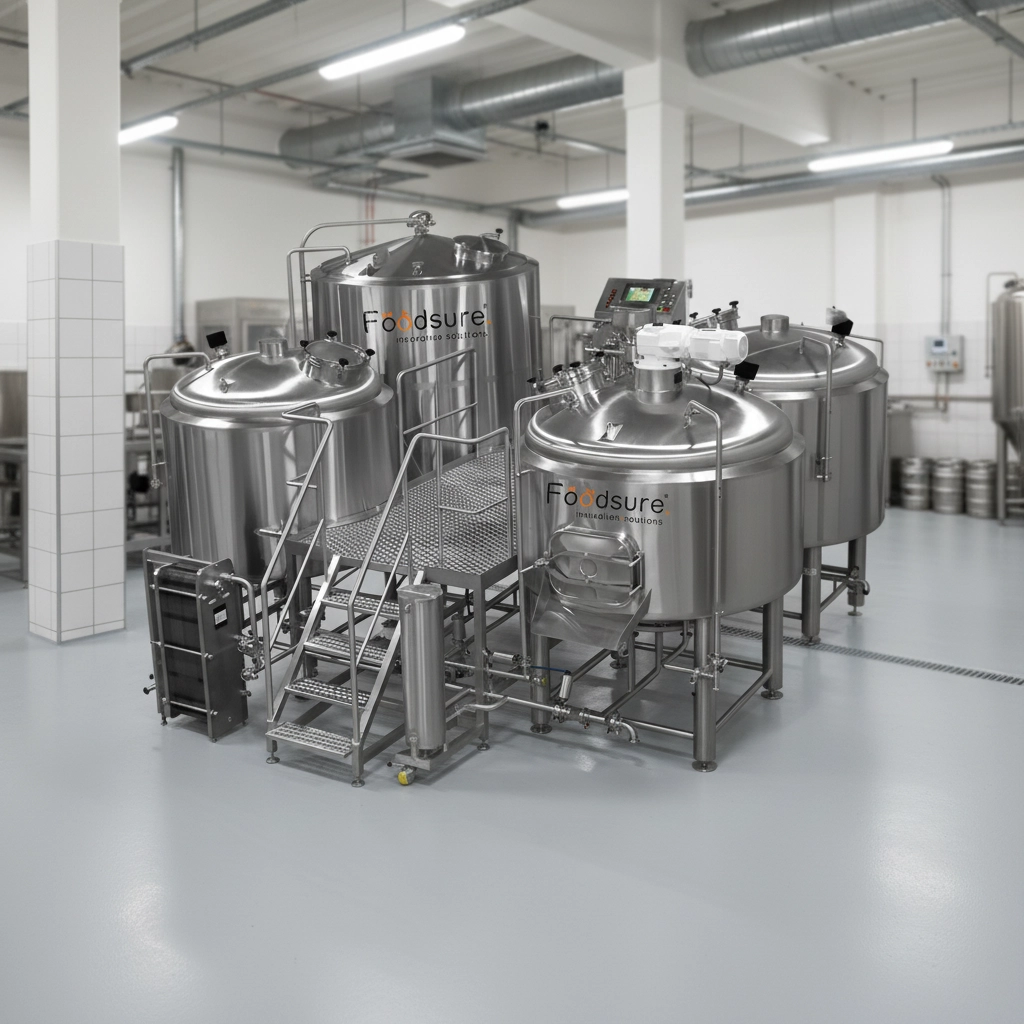
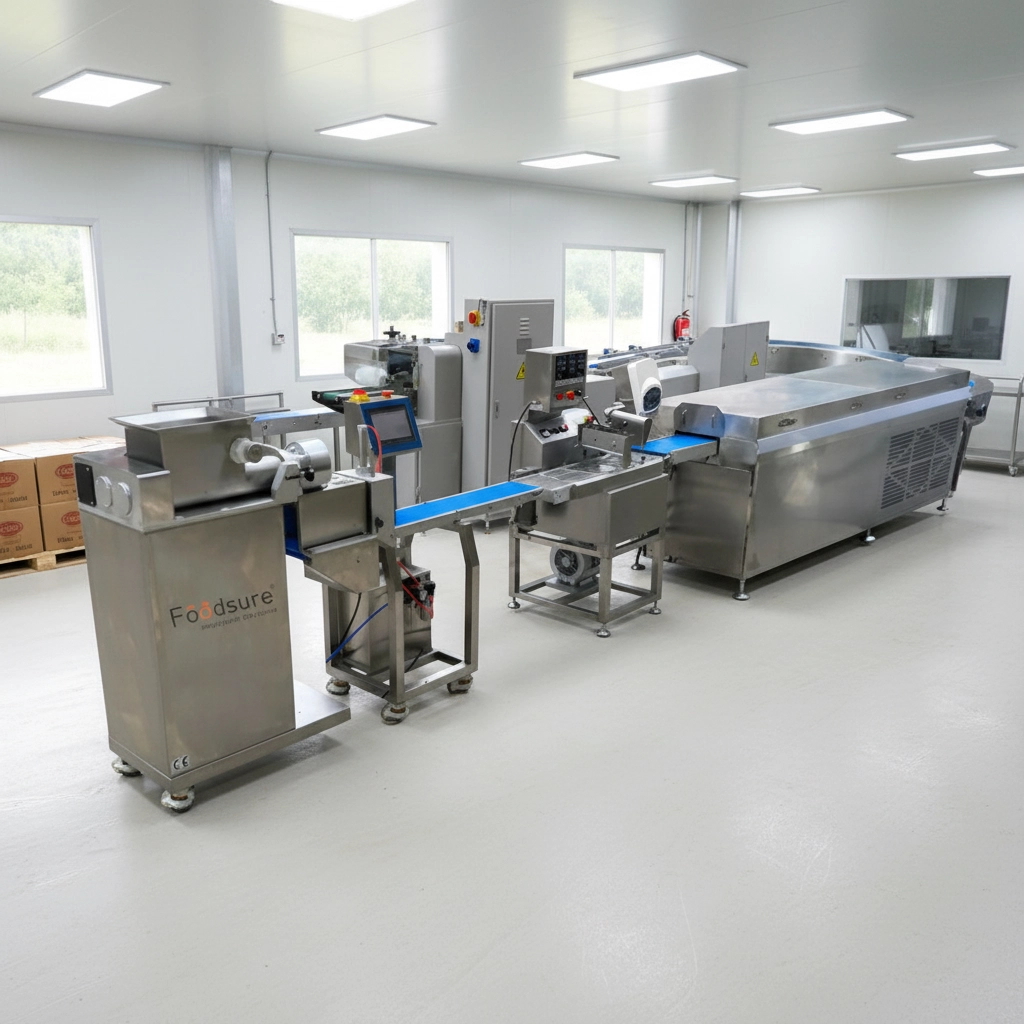
The market expansion of Textured Vegetable Protein (TVP) requires companies to evaluate Soya Badi Making Machine investments by assessing production efficiency, operating costs, and estimating future returns. The process of determining the soya chunk making machine price in India requires assessment of three factors, which include the equipment’s production capacity, degree of automation, and power usage. This blog provides a detailed breakdown of the automatic soya processing machine price, including ROI, along with complete setup costs and performance benchmarks for 2026.
The entire process of selecting a profitable investment option requires evaluating entry-level machines and automated industrial lines.
Soya Badi Making Machine Price in India (2026): Startup to Industrial Cost Analysis
The price of soya chunk production equipment in India depends on three factors, which are capacity, automation, and equipment durability.
Entry-Level (Startup Machines)
- Capacity – 30-60kg/hr.
- Price – ₹1.5 Lakh to ₹3.5 Lakh.
- Best for: small businesses, trial production.
Technical Insight: The equipment uses Single-Screw Extrusion as its main technology. The system offers affordable pricing but needs operators to check moisture content throughout the process. The equipment serves local markets that require an inexpensive soya chunk production system that startups can use to validate their business model without accumulating substantial financial obligations.
Commercial Machines (Mid-Scale Production)
- Capacity: 80-150kg/hr.
- Price: ₹5 Lakh to ₹12 Lakh.
- Best for: semi/fully, better consistency.
Technical Insight: This system incorporates Twin-Screw technology along with induction heating. The commercial soya badi machine price includes a dedicated electric dryer, which is vital for achieving a moisture content below 10%, which ensures a one-year shelf life. This investment area delivers the best returns.
Industrial Plants (High Output)
- Capacity- 300-500 kg/hr.
- Price- ₹25-₹40 Lakh+.
- Features: PLC automation, continuous production.
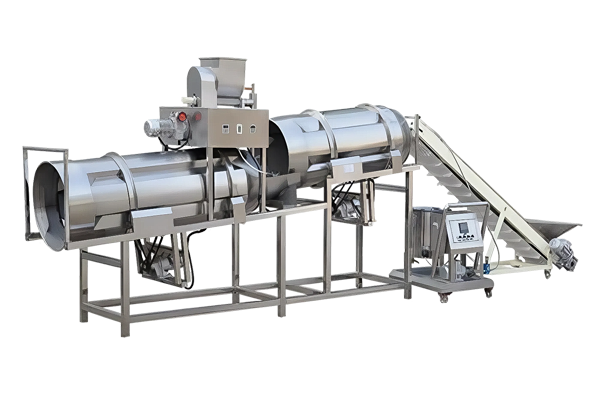
Technical Insight: The pricing for soy protein chunk machines includes all necessary equipment, including its complete installation. The system uses PLC touchscreens to enable recipe management, which lets users switch between nuggets, granules, and chunks with instant accessibility. The industrial soya nugget machine price includes components that meet food safety standards.
Soya Badi Making Machine Price: What Actually Impacts Cost & Performance?
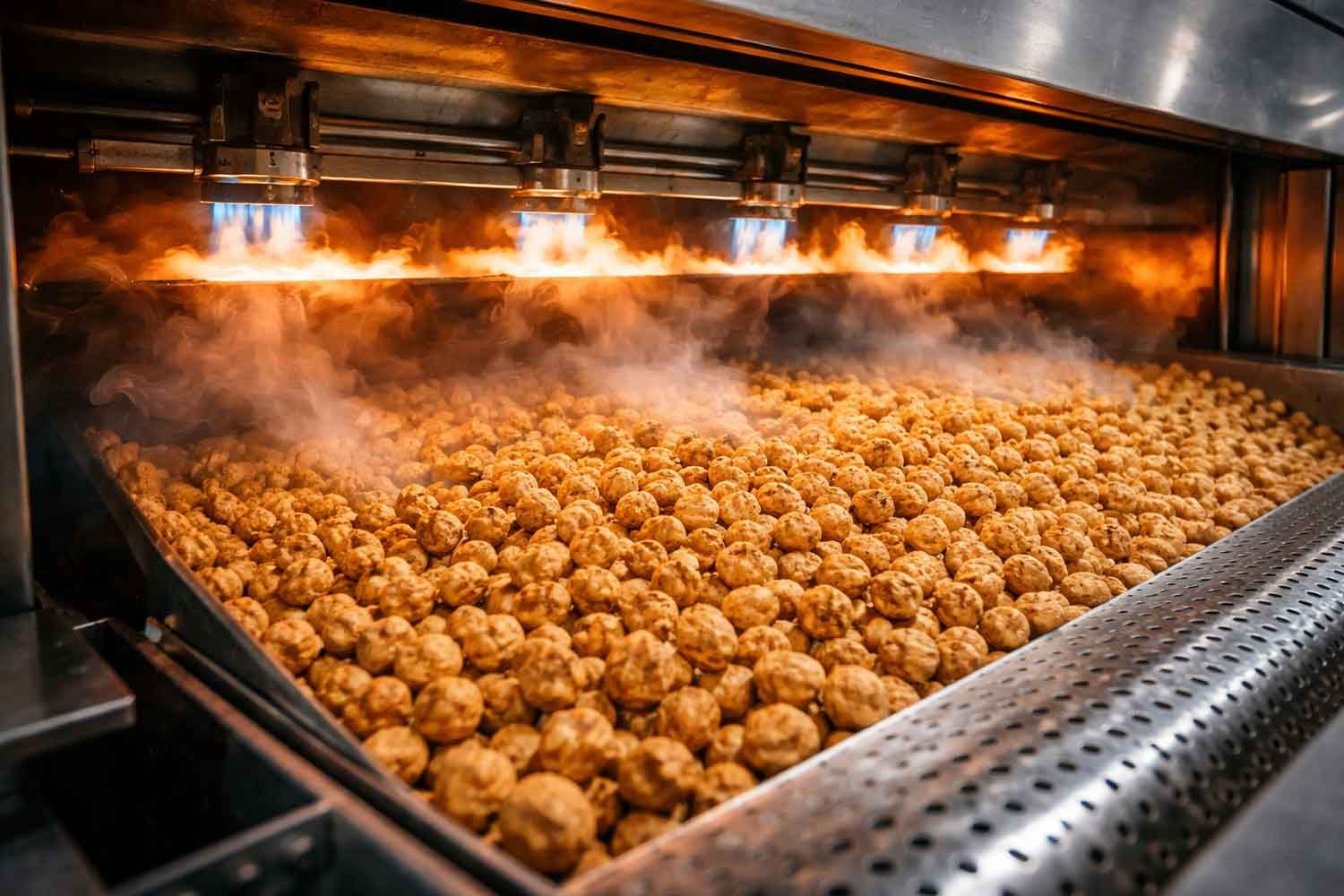
The same product exists in different machines, which have distinct pricing structures that determine their value.
Key Cost Drivers:
Extruder Type
- Single Screw: Lower cost, basic output. The loose quality products will use these machines throughout 2026. These machines do not possess the necessary force to handle premium fiber materials.
- Twin Screw: Higher cost, superior texture. The technology requires between 40 and 60 percent of the complete plant expenditure. The system uses “High-PDI” (Protein Dispersibility Index) processing to create a meat-like texture, which allows them to charge a retail price premium of ₹20-30 per kilogram.
Motor & Power Consumption
The current pricing models for modern automatic soya chunk machines now include both Induction Heating and VFD (Variable Frequency Drives) systems. The initial expense increases by 10%, yet the system generates an 18% decrease in energy costs, which allows the cost increase to recover its value during the first operational year.
Build Material
SS304/SS316 Food Grade: Higher price, longer life. Export-quality badis require non-corrosive stainless steel contact parts because the FSSAI and FSSC 22000 standards will become effective in 2026. The cheaper mild steel option will lead to rust contamination problems and needs frequent equipment stops.
Automation Level
- Manual: Cheap, but labor-intensive.
- Semi-automatic: Balanced. It operates with pneumatic cutters and basic dryer systems.
- Fully automatic: The system needs a major investment because it uses advanced technology to operate, which includes IoT torque sensors and PLC touchscreen displays. The smart systems use IoT technology to stop soy flour from burning, which results in a 5-7% reduction of waste for each production batch.
The Core of Your Plant: Soya Badi Making Machine and Soy Chunks Extruder
Your investment costs are mainly determined by the price that you must pay for the soy chunks extruder machine. A high-quality extruder ensures:
Proper Protein Texturization
- High-tier extruders operate with an L/D Ratio (Length to Diameter) which requires a specific value of 18:1 or 24:1. This process subjects soya flour to proper shear stress, which enables its globular protein bonds to break and convert into fiber structures.
- Cheap extruders often use shorter barrel designs, which create spongy materials that lack fibers and dissolve quickly when boiled.
Porous, Meat-like Structure
- The price of a soy chunk extruder machine includes the precision of the die-head assembly. In 2026, premium machines use cutting technology where the blade rotates at high RPMs against the die. This technology produces an ideal internal capillary structure, which enables the chunk to absorb three times its weight in water, a main product feature that attracts customers.
Uniform Size and Density
- The current version of industrial soya nugget machine pricing packages includes advanced energy-efficient cooling and heating systems, which operate through insulated temperature control zones. This allows for temperature control.
- The badi changes its dark color when the dough reaches excessive temperatures. The automatic sensors determine water injection rates through their capabilities to measure current water density levels, which need to stay within a 160-200 grams per liter range.
Buying Tip for 2026:
The comparison of soy chunks extruder machine price quotes requires buyers to request details about the Screw Material used in the machine. The steel needs to have “38CrMoAlA” nitrided steel. The addition of this component to the initial soya chunks machine expense protects all metal surfaces from contact, which enables your machine to maintain its operational pressure throughout six months of continuous product manufacturing.
Soya Badi Making Machine Plant Setup Cost in India
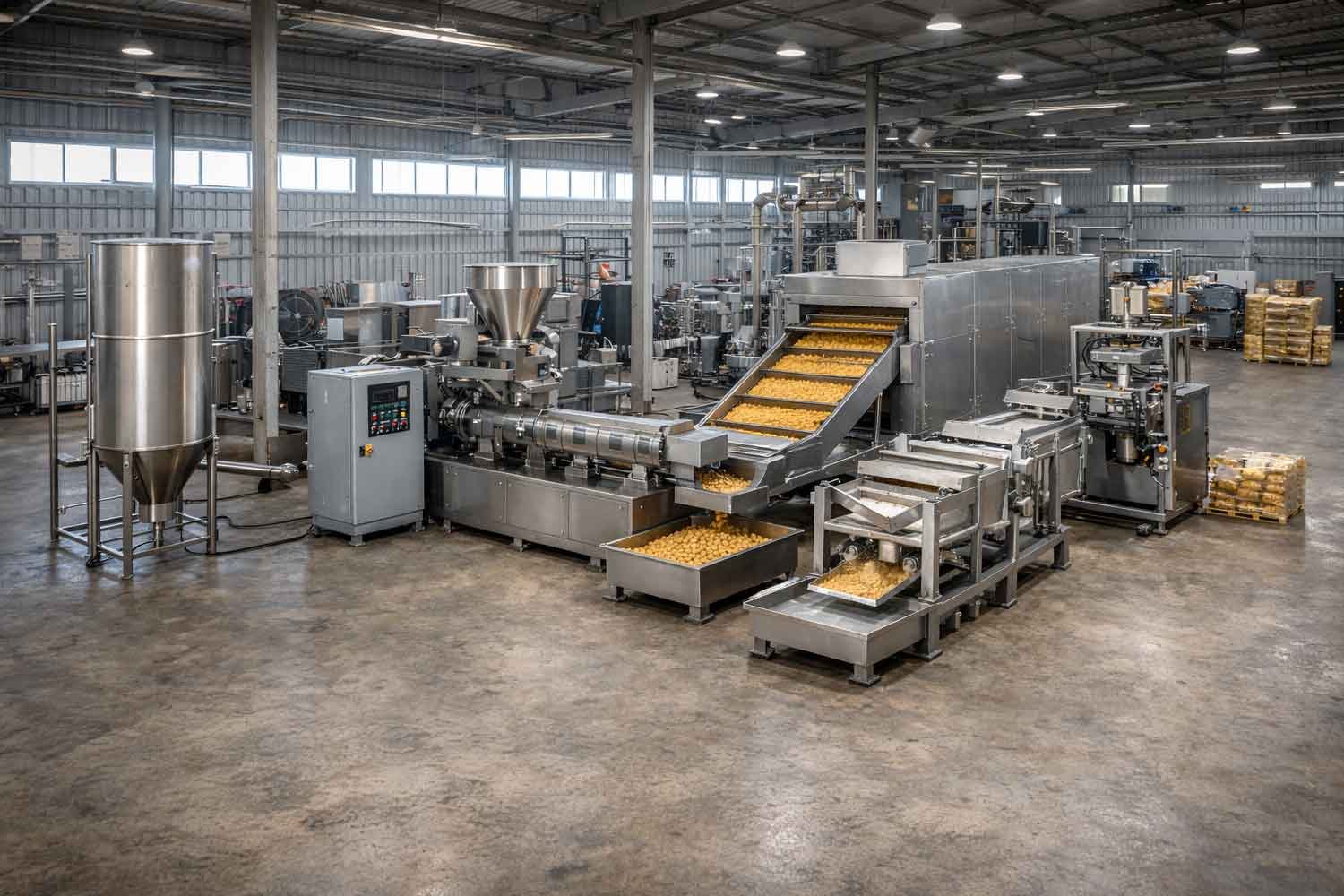
Your investment is not just the machine. Your business needs to establish hygiene standards that your processing operations must maintain at all times to build a trustworthy brand for regional distributors.
Typical Cost Breakdown:
- Machinery (Extruder + Dryer): ₹5 – ₹25 Lakh
This investment represents your main capital expenditure. Mid-tier plants, which process between 100 and 200 kilograms per hour, typically spend between ₹12 and ₹18 Lakh on Twin-Screw systems to achieve export-grade texture and improved protein retention in 2026.
- Installation & Training: ₹50,000 – ₹2 Lakh
Modern automatic soya processing machine price packages usually include commissioning. However, specialized training for PLC operation and “recipe setting” (adjusting expansion for different chunk sizes) is a critical added value.
- Factory Space (1000–2000 sq. ft.)
You need a dedicated “Food Zone.” Industrial hubs in Indore and Noida offer rental prices that range from ₹20,000 to ₹50,000 per month, based on power load capacity, which typically falls between 40 and 75 kW.
- Raw Material (Defatted Soy Flour)
You need to maintain working capital for 2 to 3 tons of DSF. The current market price for high-PDI defatted flour in 2026 remains between ₹45 and ₹60 per kg.
- Labor & Utilities
Electricity constitutes a significant portion of variable expenses. Your production costs will decrease by approximately ₹2 for every kilogram of product when you use VFD-enabled motors in your production facility during 2026.
Industry Note: For those looking to minimize the soya chunks plant setup cost, check for MSME subsidies. The PMFME scheme currently enables Indian states to provide food processing businesses with capital subsidies that range from 25 percent to 35 percent of their equipment expenses.
Soya Badi Making Machine ROI Analysis: When Does Your Investment Pay Back
Intelligent buyers direct their attention toward this location. The secret to achieving rapid payback rests in the ability to convert one kilogram of flour into almost one kilogram of final badi product.
| Component | Annual Projection (Approx.) | Notes |
|---|---|---|
| Total Capital Investment | ₹18,00,000 | Includes Machine, Setup, and Licenses |
| Monthly Production Output | 20,000 kg | Based on 100 kg/hr × 8 hrs × 25 days |
| Cost of Production (per kg) | ₹65 | Raw material, power, labor, & packing |
| Avg. Wholesale Selling Price | ₹95 | Conservative estimate for bulk supply |
| Net Profit per kg | ₹30 | After all operational expenses |
| Monthly Net Profit | ₹6,00,000 | (20,000 kg × ₹30 profit) |
| Annual Net Profit | ₹72,00,000 | Assuming 12 months of operation |
| Payback Period | ~3 – 4 Months | (Technical Break-even: 12–18 Months) |
- Average Production: 100 kg/hr
Your monthly output reaches 20,000 kg when you operate 25 days each month with two 8-hour shifts. The 2026 extruders achieve their peak operational status because they operate 98% of the time, which results in very little “dead-time” that occurs during equipment cleaning.
- Selling Price: ₹90–₹140/kg
Unbranded bulk sales sit at the lower end, while “fortified” or specialized shapes (mini-chunks or granules) command a premium in retail packaging.
- Raw Material Cost: ₹45–₹60/kg
Direct procurement from oil mills in Madhya Pradesh and Maharashtra eliminates the need for middlemen, which results in decreased soya badi manufacturing plant operational expenses.
How to Choose the Right Soya Badi Making Machine Manufacturer in India
The buyer needs to confirm that their supplier base shows food engineering capabilities instead of trading abilities.
Strategic Selection Criteria:
- ISO & FSSC Compliance: The manufacturer needs to deliver Material Test Certificates (MTC), which confirm SS304/316 material specifications. The use of contact parts made from non-food-grade Mild Steel will create significant regulatory problems in 2026, according to existing regulations.
- FAT vs. SAT: A Factory Acceptance Test (FAT) should always be required because it serves as a mandatory test. The final payment should be delayed until they operate the machine at their facility by using your specific soya flour.
- After-Sales Service & Spares: The company needs to prove that they have both PLC programmers and spare screw elements in stock. The industrial soya nugget machine, which operates at 100 kg/h,r will cost you over ₹50,000 in revenue losses after 24 hours of downtime.
- On-Site Training: The soya chunks machine cost should include 3–5 days of technician training to help your staff master temperature zones and torque management to prevent flour burning.
Conclusion
Selecting the price when selecting a Soya Badi Making Machine, it’s also about getting long-term results, producing a high, consistent quality of the product, and having a reasonable ROI. If you have a start-up or are increasing capacity from semi-automatic to completely automatic, you will benefit from concentrating on three areas: Capacity, build quality of the machine, and supplier support. A properly chosen machine can provide you with payback in just a few months while at the same time ensuring continual production.
Foodsure Machines provides advanced, efficient, and modern solutions for food manufacturers looking to grow their business. We provide assistance from start to finish in building a profitable and scalable soya processing plant.
BULK PRODUCTION READY
Scale Your Soya Badi Production with Industrial-Grade Machines
Get high-capacity, durable, and efficient machines designed for consistent output and large-scale production.
FAQ
Q1. What is the soya badi making machine price in India for small business setup?
Cost varies based on automation and capacity and ranges from ₹1.5 lakh to ₹3.5 lakh typically.
Q2. What is the fully automatic soya chunk making machine price for 100 kg per hour production?
The base price of a fully automatic machine rated at 100 kg/hr usually falls in the range of ₹8 lakh to ₹15 lakh.
Q3. What is the total soya badi manufacturing plant setup cost in India with machinery?
Complete system installation with equipment will range from ₹8 lakh to ₹35 lakh, depending on the scope of work and equipment being installed.
Q4. Where can I buy a soy chunk extruder machine in India with installation and training?
Equipment can be purchased from reputable manufacturers who offer installation, training, and after-sales support.
Q5. Which is the best soya badi making machine manufacturer in India with price transparency?
Reputable manufacturers like Foodsure Machines provide clear pricing, a trial period option, and full installation support.