
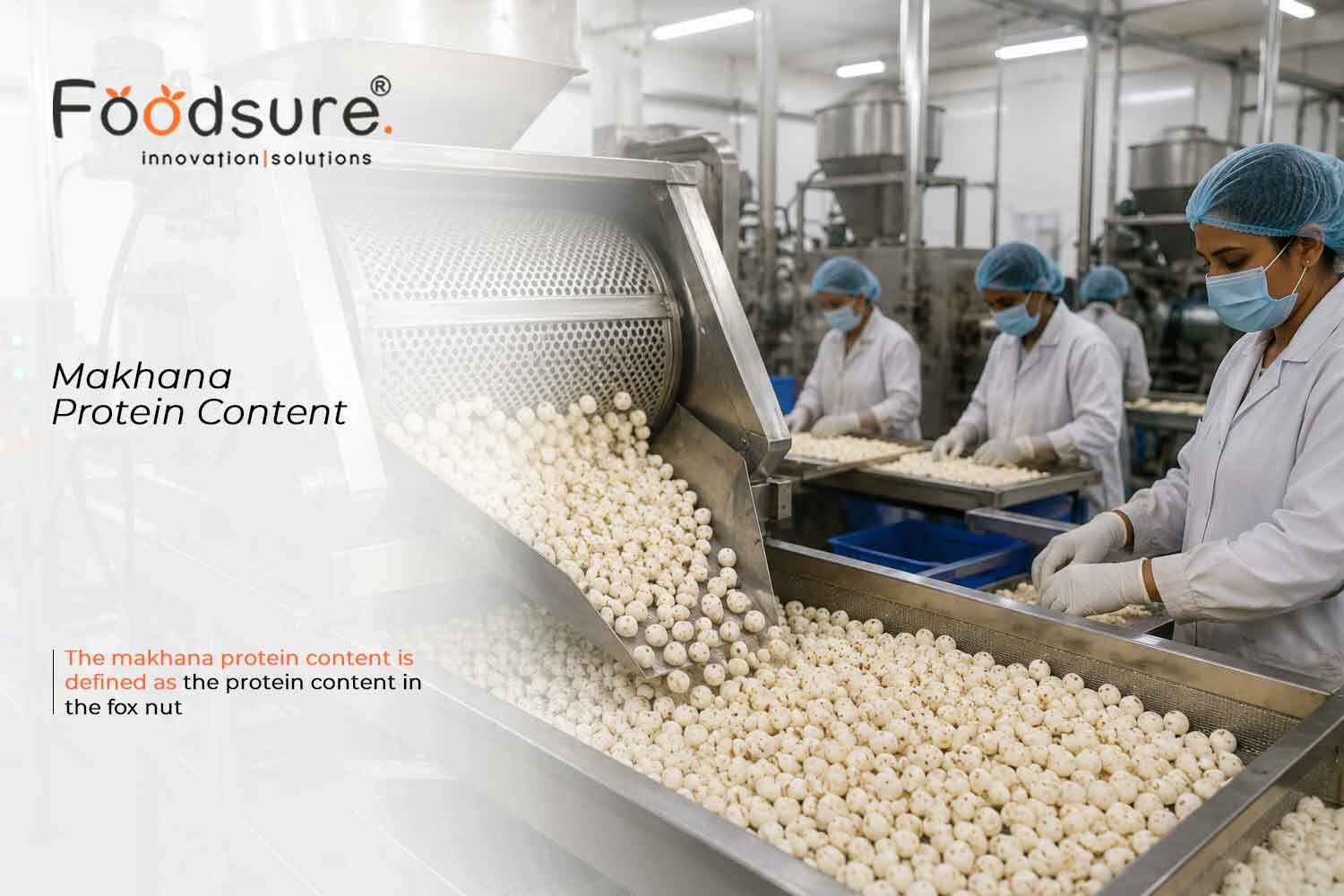
Makhana, also known as fox nuts or gorgon nuts, has become a popular snack among people looking for nutritious food options. Makhana is usually roasted and eaten as a snack, while the food industry is also making use of this item in several products. The nutritional component of makhana that has gained importance is the protein content of this product. Knowing makhana’s protein content can help people and businesses make better decisions about consuming this food.
Though makhana cannot be termed a high-protein food compared to legumes, dairy products, eggs, or soy, it can still provide some protein in one’s diet.
What Is Makhana?
Makhana refers to the edible seed that is extracted from the Euryale ferox plant, an aquatic plant grown in some parts of India, especially Bihar. The seeds are processed to create the popular white and crunchy makhana seeds.
The popular snack is often enjoyed when roasted and may be garnished with flavorings like salt and spices. The light and versatile nature of the product has made it a favorite among many people.
Among consumers, the nutritional content of the snack is one of the reasons why it has become a favorite.
Makhana Protein Content: How Much Protein Does It Have?
The exact makhana protein content can vary depending on the product, processing method, and nutritional database used. In general, raw or dried makhana provides a moderate amount of protein per 100 grams.
A commonly referenced nutritional value for dried makhana is approximately 9–10 grams of protein per 100 grams. However, packaged products can show different values depending on their formulation, added ingredients, moisture content, and processing.
It implies that despite being an important source of protein, makhana cannot always be considered a prime source of protein for someone. Instead, it is possible to have a diversified diet that can incorporate some other protein sources as well.
Read More :- makhana farming in india
Protein in Makhana Per 100g
When comparing nutritional information, makhana protein per 100g is a useful reference point because it provides a standard basis for comparison between foods.
The protein content of 100 grams of dried makhana depends on its source and quality and is usually estimated at 9-10 grams.
One should consult the food label to make sure that the right quantity of protein is contained in the purchased makhana package since the nutritional value may vary depending on the raw material used and the way the product was processed.
In any case, the portion of protein included in one’s ordinary snack would be less than the indicated quantity for 100 grams of food since people eat much less than 100 grams of makhana.
What Is the Protein in Makhana?
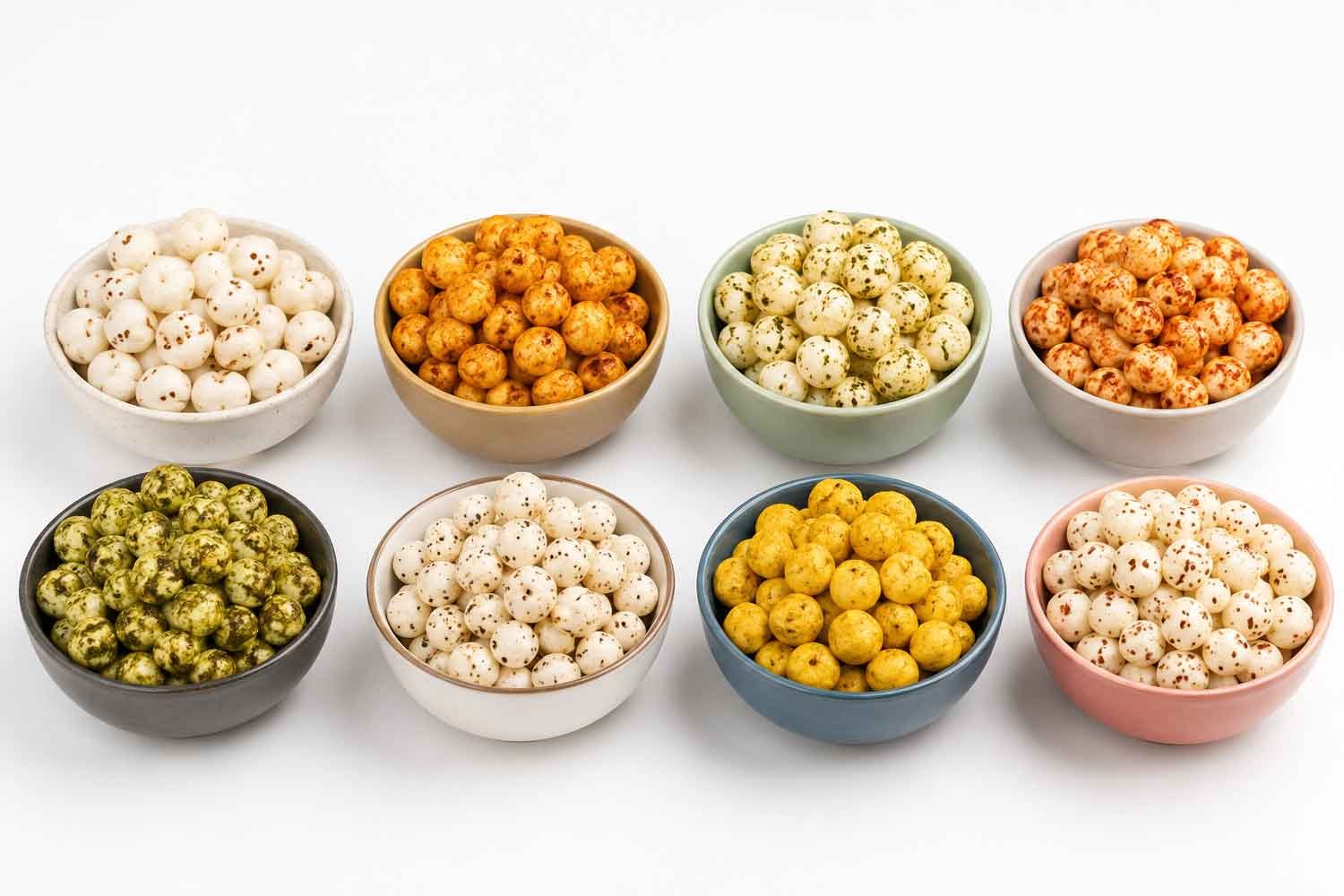
The protein in makhana is one of several nutrients present in the seed. Makhana also contains carbohydrates and minerals and is naturally low in fat compared with many fried snack alternatives.
Nutritionally, it is appropriate for use in various kinds of diets. The nutritional content of any makhana snack prepared depends on the processing done and ingredients used in the process.
For instance, the nutritional content of the roasted form of makhana may differ from that of an overly seasoned or oil-coated variety. This is why it is important to differentiate between the nutritional content of makhana itself and a makhana snack.
Read More :- makhana packaging machine
Nutritional Value of Makhana
The nutritional value of makhana extends beyond its protein content. Makhana provides carbohydrates for energy and contains minerals such as magnesium, phosphorus, potassium, and calcium in varying amounts.
In addition, the ingredient is naturally gluten-free; therefore, it is safe for individuals who do not use ingredients with gluten. Some of the nutritional contents of dried makhana are:
- Protein
- Carbohydrates
- Dietary fiber
- Minerals
- Low amount of fat
The nutritional contents may vary based on the type of raw material used and the processing methods.
Is Makhana a High-Protein Food?
Makhana can help in obtaining protein, but it does not belong to the category of high-protein food items when compared with some of the high-protein foods.
Food items like soybeans, lentils, dairy products, eggs, fish, meat, and protein-rich seeds can provide much higher amounts of protein than what you get from makhana. Makhana is a food item that is more of a nutritious snack than being a protein food.
For those individuals who want more protein, roasted makhana can be combined with some other food items that are high in protein.
Does Roasting Affect Makhana Protein Content?
Roasting will have an effect on the general nutritional profile of the food item, though depending on variables like temperature, time taken, and water loss.
In the case of makhana, roasting causes water content to be lost and thus makes the item lighter. Nutritional content is often calculated on a basis of 100 grams; hence, water content affects the concentration of the nutrients. For a commercial producer, controlled roasting is necessary to maintain product quality. The right processing conditions should be chosen based on the product requirement.
How Serving Size Changes Protein Intake
The protein content present in makhana is determined by the amount of makhana one consumes. If dried makhana has about 9 to 10 grams of protein in every 100 grams, then a 30-gram makhana will contain about 2.7 to 3 grams of protein.
This makes serving size important when evaluating makhana protein content. Looking only at the 100-gram nutritional value may give a different impression from the amount actually consumed as a typical snack.
Makhana as a Roasted Snack
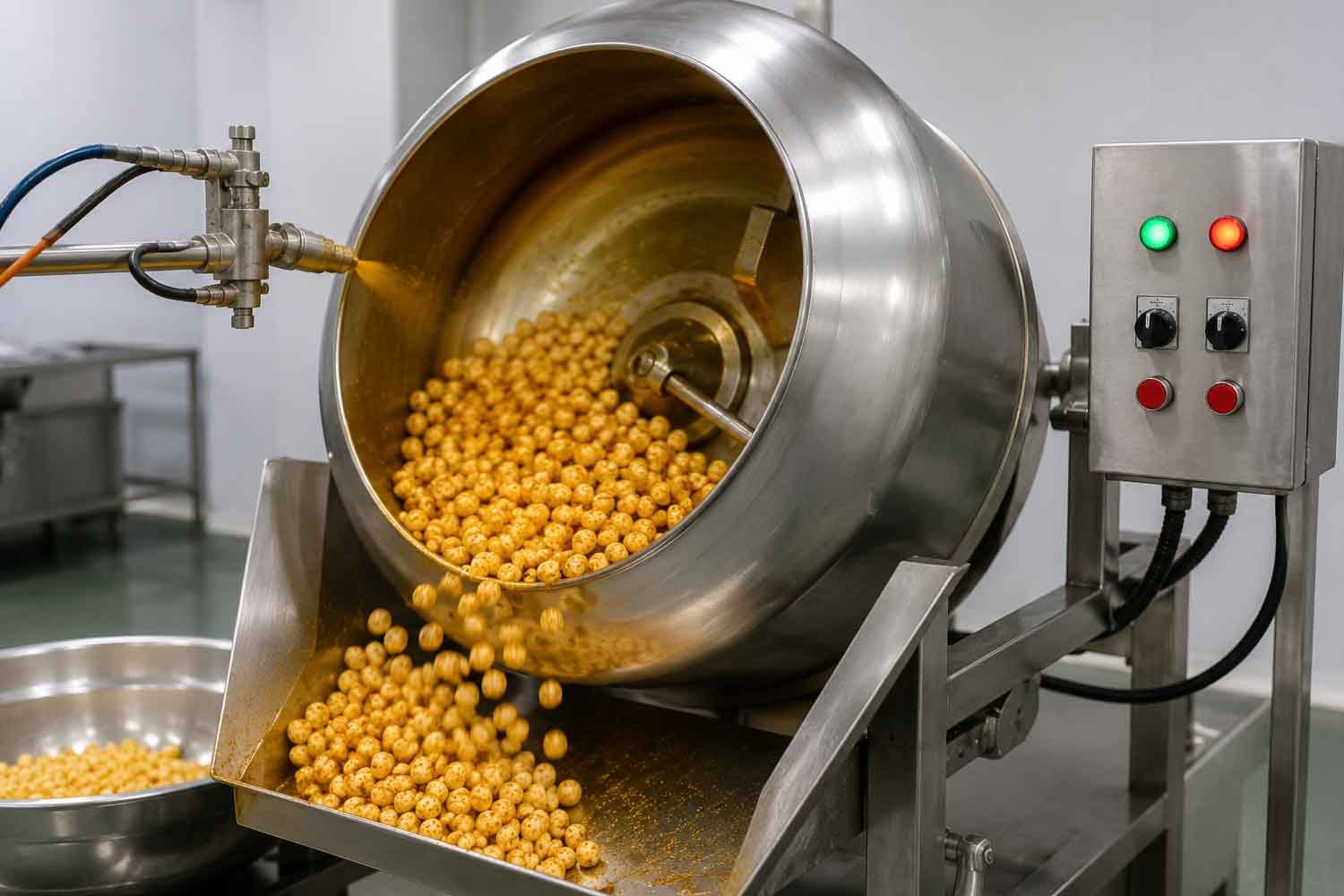
One of the most popular forms of consuming makhana is roasted makhana. In comparison to fried snacking products, the regular form of roasted makhana can offer a healthier snack, especially when done using minimal amounts of oil.
Makhana can be produced in plain, salted, spiced, or flavored forms. The ingredients that go into the process of roasting and seasoning can vary the final nutritional content of the product.
It is vital to have consistency in the production process for commercial products in order to maintain their quality.
Businesses producing roasted makhana at scale can use a suitable makhana machine to improve processing consistency, reduce repetitive manual operations, and handle larger production volumes.
Factors That Can Affect Makhana Nutritional Value
The nutritional value of makhana can vary depending on several factors, including:
Raw Material Quality
Nutritional content may change based on the quality and attributes of the raw makhana that is processed.
Moisture Content
Changes in moisture can affect nutrient concentration when values are calculated per 100 grams.
Processing Method
Roasting, seasoning, and coating, among other processing methods, can affect the nutritional value of food products.
Added Ingredients
Oil, salt, spices, sweeteners, or other ingredients can change the nutritional composition of the finished product.
Portion Size
The amount consumed determines the actual quantity of protein and other nutrients obtained from the snack.
These factors should be considered when comparing nutritional information across different makhana products.
Makhana Protein Content vs Other Snack Foods
Comparison between Makhana and other snack products has been drawn on the basis of their nutritional content. But the comparison can be done taking into account more than just protein content.
This is because one food product might have higher protein content than another, but at the same time it might have higher amounts of fat, sodium, or calories.
Therefore, makhana protein content should be considered alongside factors such as calories, carbohydrates, fat, fibre, minerals, serving size, and added ingredients.
This broader comparison gives consumers a more realistic understanding of the role makhana can play in a balanced diet.
How Food Manufacturers Can Promote Makhana-Based Products
Growing interest in healthy snacking has opened up the potential for the development of various types of products made from makhana. Roasted, flavored, spiced, and portion-controlled products are possible to cater to the various tastes of consumers.
But all claims of nutrition must always be based on an analysis of the product and relevant food-labeling rules. It cannot be assumed that a product would be “high protein” merely because it contains some amount of protein.
Why Roasting and Packaging Matter
However, nutritional value is not the only consideration in creating a makhana snack that works. Roasting influences both texture and flavor, while packaging assists in protecting the end product when stored and transported.
Packaging plays an especially vital role in retaining texture since contact with moisture may influence the texture of roasted makhana. It is therefore essential for manufacturers to take into account processing and packaging when creating commercial products.
Businesses should also understand Why Roasted Makhana Shelf Life Drops when moisture, oxygen, packaging quality, or storage conditions are not properly controlled.
Conclusion
Understanding makhana protein content provides useful context for consumers and food manufacturers interested in this increasingly popular snack. Makhana offers moderate protein along with carbohydrates, fibre, and minerals, making it a versatile addition to a balanced diet.
The protein in makhana and makhana protein per 100g can vary depending on moisture, processing, and product formulation. For manufacturers, maintaining controlled roasting, seasoning, and packaging processes is important for producing consistent commercial products while communicating nutritional information accurately.
Have a Question? Let’s Connect
Need expert guidance on food processing machines, production setup, or process optimization? Our team is ready to help you choose the right solution for your business.
Frequently Asked Questions
How much protein does makhana contain per 100g?
Dried makhana commonly provides around 9–10 grams of protein per 100 grams, although the exact value can vary by product and source. Packaged products may show different values because of processing and added ingredients.
Is makhana a good source of protein?
Makhana provides a moderate amount of protein but is not generally considered a high-protein food. It can contribute to daily protein intake when included as part of a balanced diet containing other protein-rich foods.
What is the protein in makhana?
The protein in makhana is one component of its overall nutritional profile. It also provides carbohydrates, fibre, and minerals, with exact values varying according to the product and processing conditions.
Does roasting increase the protein content of makhana?
Roasting primarily changes moisture and texture rather than turning makhana into a concentrated protein food. Since nutritional values are often measured per 100 grams, moisture loss can influence the calculated concentration of nutrients.
What is the nutritional value of makhana?
The nutritional value of makhana includes protein, carbohydrates, fibre, and various minerals. Its final nutritional profile depends on the raw material, processing method, serving size, and ingredients added during preparation.




