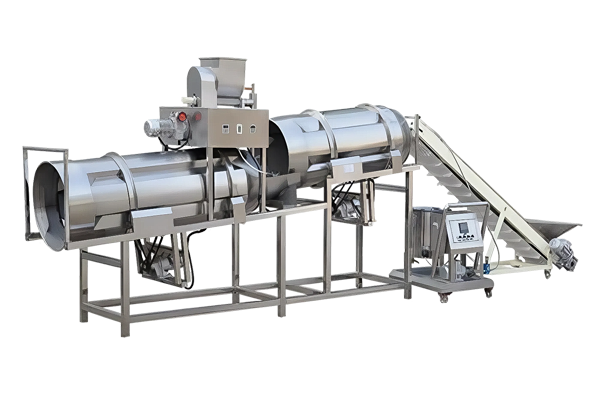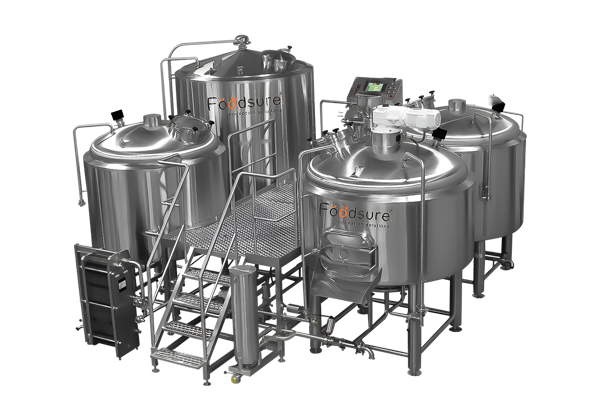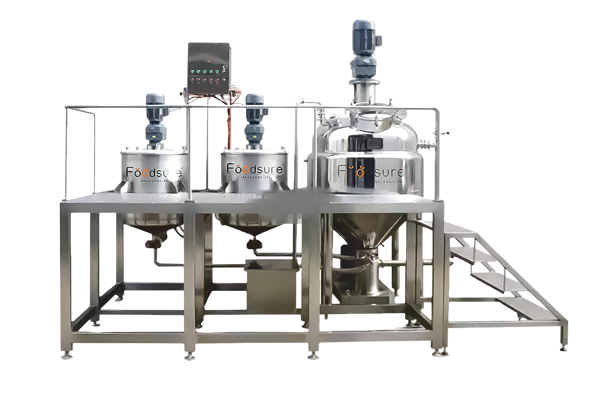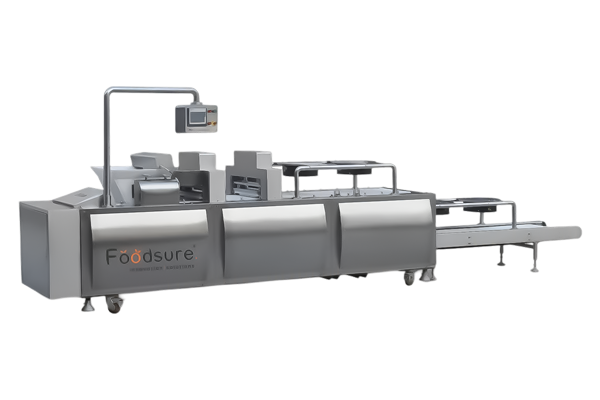
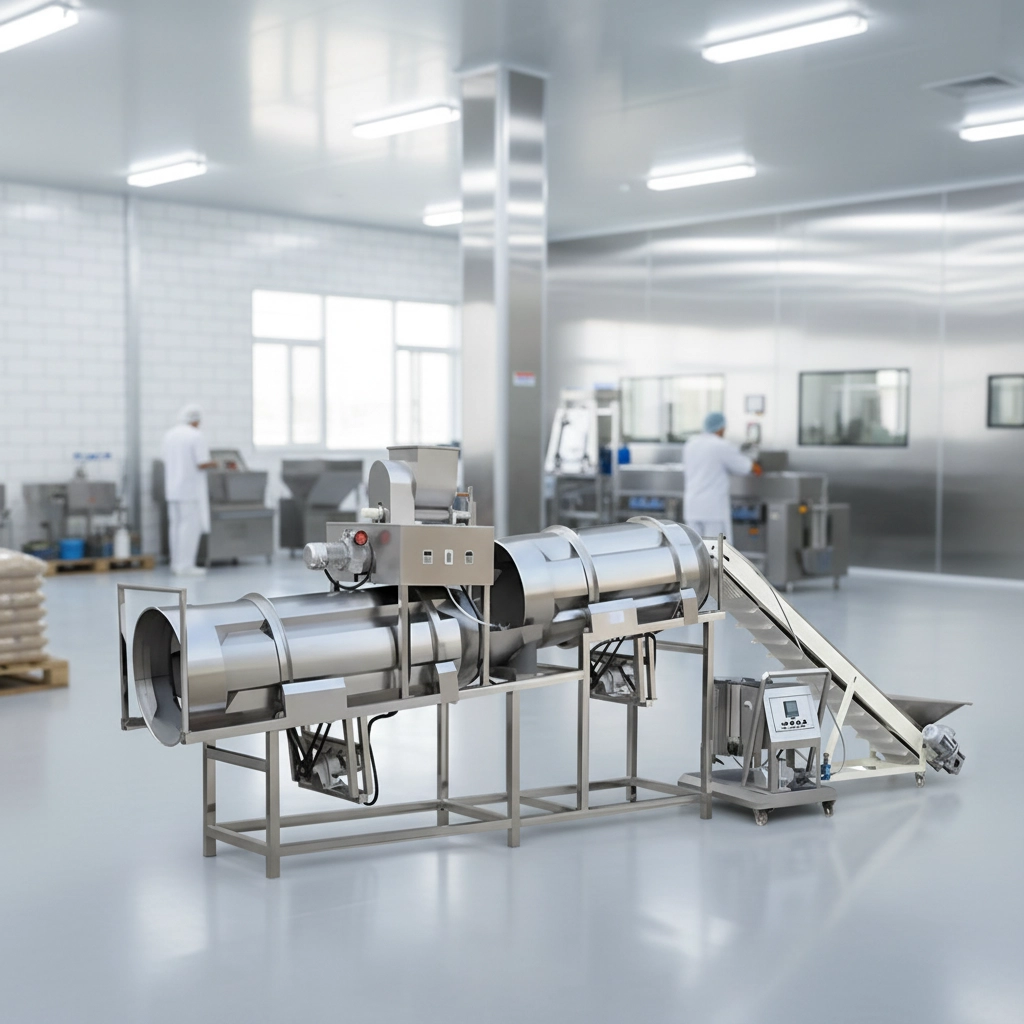
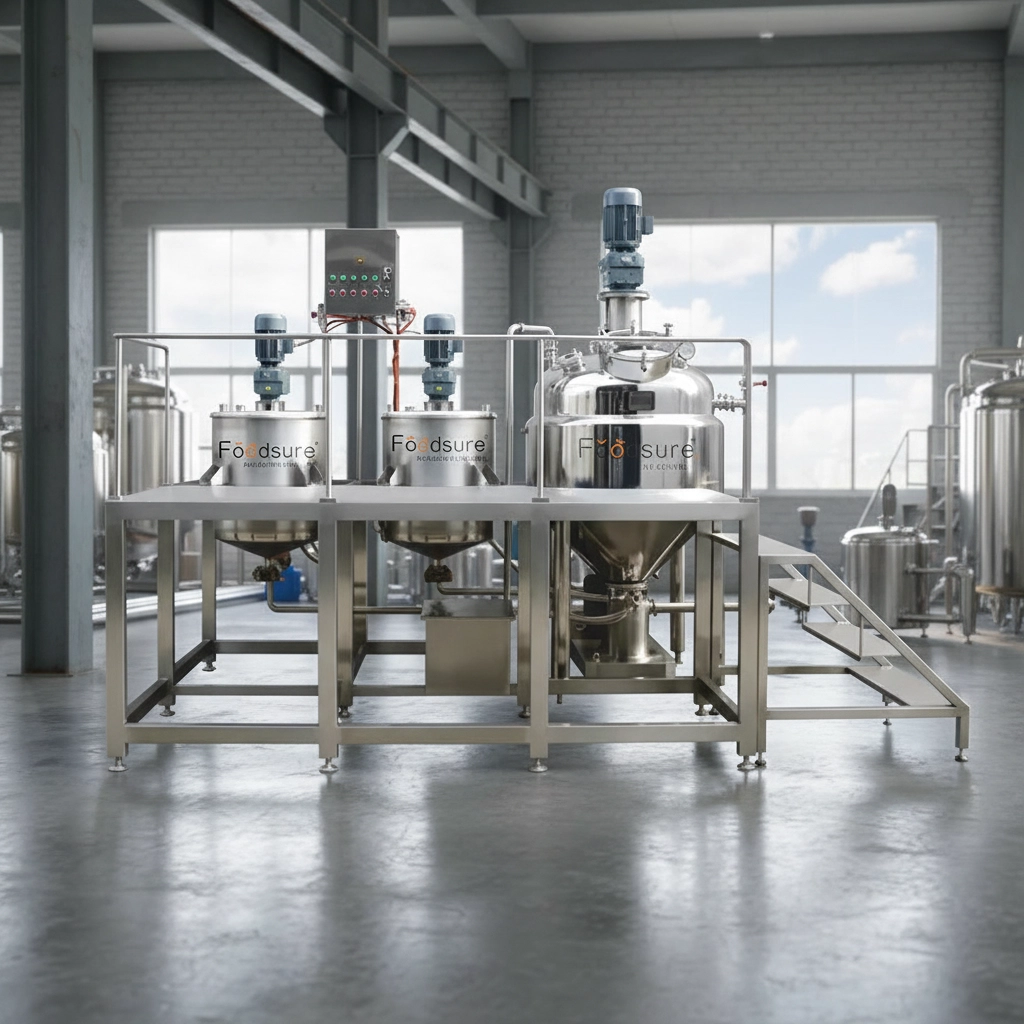
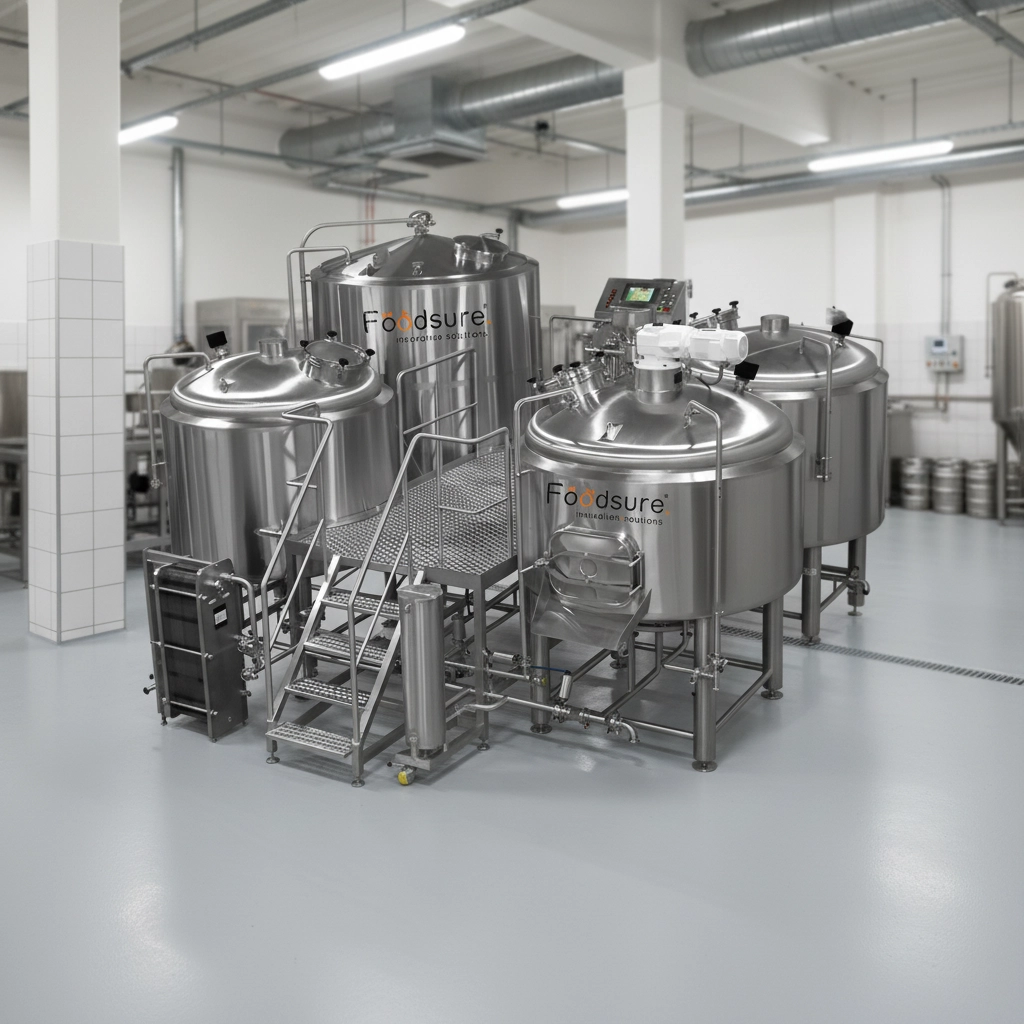
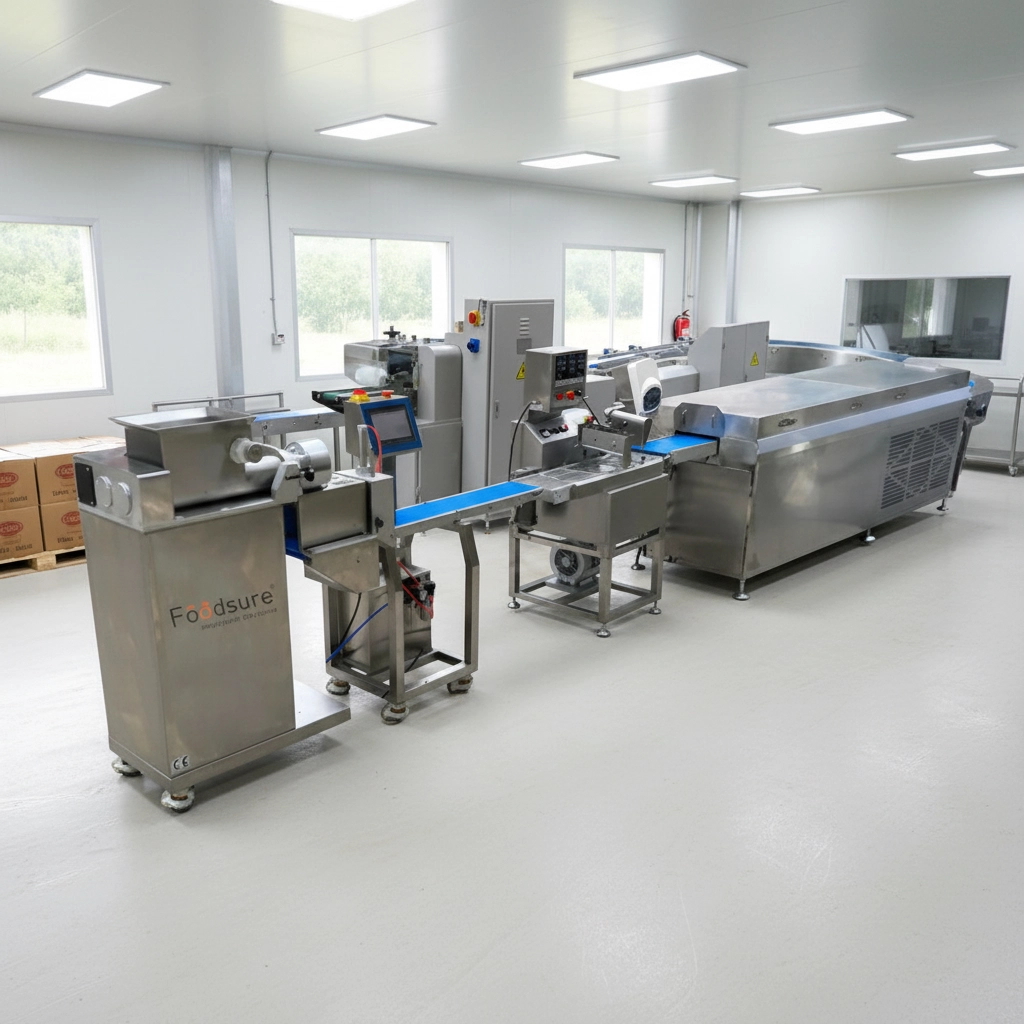

Despite the ongoing transformation of the makhana sector in India, numerous businesses continue to be hindered by the inefficiencies of conventional processing methods. Despite increasing market demand, founders frequently encounter thin margins due to high labour attrition, significant breakage rates, and inconsistent roasting quality. Transitioning to a fully automatic roasted makhana machine is a strategic necessity, rather than an optional upgrade, in order to accomplish sustainable growth.
The entire production cycle is streamlined, guaranteeing uniform quality and lower costs, which are essential for competing in the premium snack market of today, when startups implement a high-performance makhana manufacturing machine.
Why Most Makhana Startups Struggle in Year 1 Without a Fully Automatic Roasted Makhana Machine
The first year of operations serves as a crucial period that tests whether businesses succeed or fail because their actual operational activities conflict with their intended expansion plans.
Common Challenges Faced by New Brands
A successful makhana brand requires more than a winning recipe because it needs to establish a solid manufacturing framework. New founders often encounter these critical makhana processing problems:

- Low output from semi-automatic or manual machines: The system produces low output because semi-automatic and manual machines operate at capacity limits that range between 15-18kg/hrs. The system cannot produce 250-300kg/day because it uses a traditional setup, which requires batch breaks and industrial makhana roasting machine heating to produce its maximum output.
- Inconsistent roasting and quality issues: The manual heating process creates inconsistent roasting results that lead to quality faults because some kernels become burnt while others stay wet. This process leads to high product rejection rates, which range between 8-12%.
- High labour requirements and dependency on skilled workers: The system requires many workers who need specialised skills to perform their job. The Commercial makhana roasting machine depends on judgment, which operators use to manage flame control and stirring. This practice makes the system vulnerable to human mistakes and problems created by staff members who leave their positions.
How a Fully Automatic Roasted Makhana Machine for Startups Solves Production Challenges
The development of a fully automatic roasted makhana machine that controls heating and production volume through digital technology solves the main production obstacles that arise from manual work.
Increased Production & Consistency
The shift from manual to automation is primarily a leap in precision and volume. The automatic makhana processing machine provides businesses with operational capabilities that exceed manual roasting limitations.

- Massive Throughput: The roasted makhana processing machine can operate at different production levels, which range from 50-200kg/hrs depending on your specific model. The machines enable you to meet large retail orders that your manual setups cannot manage.
- Precision Roasting: The automatic makhana roasting machine for startups achieves uniform heat distribution, which makes all kernels reach the same crunch factor. The system eliminates the soft centre issue that occurs in manual batches.
- Waste Mitigation: The system uses automated sensors to detect overheating, which helps to decrease charred wastage while producing more premium-grade makhana products.
Reduced Labour & Maintenance
Startup founders face greater challenges from labour management than they do from sales management. The automatic makhana roasting machine for startups that operates automatically eliminates all operational challenges from your shop floor management.

- Minimal Staffing: Your company can save money because one operator can handle all work on a line, which normally needs 4-6 workers. This process leads to significant payroll savings and fewer problems related to human resources.
- Designed for Uptime: The automatic makhana roasting machine for startups provides maintenance through United States food safety regulations because its metal parts are made of food-grade stainless steel. The system allows for easy cleaning because its design includes simple access panels.
- Operational Safety: The use of enclosed heating systems in operational environments creates fewer workplace injury hazards than traditional open-flame manual roasting methods.
Quick ROI for Startups
The total cost savings from operating a makhana business drive the Return on Investment (ROI) for this enterprise. The makhana production machine maximises while maintaining low variable expenses, which include labour costs and material waste.
| Feature | Manual / Semi-Auto Setup | Fully Automatic Machine |
|---|---|---|
| Daily Production (8 hrs) | 120 kg | 800 kg (at 100 kg/hr) |
| Labour Required | 5–6 Workers | 1 Operator |
| Wastage Rate | 8% – 12% | < 2% |
| Monthly Labour Cost | ₹75,000 – ₹90,000 | ₹15,000 – ₹20,000 |
| Consistency / Rejection | Variable / High | Standardised / Low |
| Estimated Break-Even | 18–24 Months | 8–12 Months |
Calculation Note: The machine costs will be recovered during its first operational year when it operates at 70% capacity because the higher initial capital expenses will result in savings from reduced labour requirements and increased recovery of raw materials, which become waste.
Is a Fully Automatic Roasted Makhana Machine Worth the Investment for Your Startup?
The decision to invest in a high capacity makhana roasting machine represents a critical point that establishes the boundary between local businesses and national brand development.
- The semi-automatic system requires an investment between ₹2-₹5 Lakh, while the makhana roasting machine price used by startups costs between ₹8-₹15 Lakh for its mid-range models, which operate at 50-100 kg/hrs.
- Investment extends beyond hardware because you acquire brand reputation through your roasting process, which delivers the premium crunch customers expect to enhance their buying experience.
Example ROI Comparison: Semi-Automatic vs Fully Automatic Setup
| Factor | Semi-Automatic Setup | Fully Automatic Makhana Machine | Business Impact |
|---|---|---|---|
| Machine Capacity | 35–40 kg/hour | 120 kg/hour | 3× higher production potential per shift |
| Daily Output (8 hrs) | 280–320 kg | 960 kg | Higher stock availability for distributors & retailers |
| Labor Required | 5 workers | 2 workers | 3 salaries saved every month |
| Monthly Labor Cost (₹12k/worker) | ₹60,000 | ₹24,000 | ₹36,000 monthly savings |
| Roasting Consistency | Batch variation common | Uniform automated control | Premium quality → better market pricing |
| Product Wastage | 5–7% | 1–2% | Higher sellable yield per batch |
| Avg. Selling Price/kg | ₹260 | ₹280 (premium quality) | Better margins due to consistent roasting |
| Monthly Production (26 days) | 8,000 kg | 24,960 kg | 3× revenue opportunity |
| Estimated Monthly Revenue | ₹20.8 lakh | ₹69.8 lakh | Massive top-line growth potential |
| Machine Cost | ₹4–6 lakh | ₹12–18 lakh | Higher upfront, but scalable asset |
| Estimated Payback Period | 18–24 months | 8–12 months | Faster ROI due to output + labour savings |
Conclusion
The fully automatic roasted makhana machine functions as more than equipment because it serves as a strategic growth element for serious startups. The company achieves easier expansion through its three improvements, which include increased output, enhanced product quality, and reduced workforce expenses. Foodsure Machines provides startup-friendly solutions to assist your business development needs. The first step of your project should begin with a discussion between you and our specialists. Talk to our experts today to get started.
FAQ
What is a fully automatic roasted makhana machine used for?
Utilisation of a fully automatic machine results in increasing the consistency of the production and decreasing processing times.
Is an automatic makhana roasting machine for startups a good investment?
The automatic makhana roasting machine, designed for startups, enables businesses to achieve better operational efficiency while producing higher-quality products and generating profits at a faster rate.
What is the makhana roasting machine price for commercial use?
The cost of commercial makhana roasting machines depends on their capacity and level of automated features, which results in higher prices for high-capacity roasting machines.
How is an industrial makhana roasting machine different from a small setup?
Industrial makhana roasting machines are great because they deliver a great deal in terms of output; they are made to last, and can be used on a continuous basis instead of their smaller manual counterparts.
Can a roasted makhana processing machine handle full production?
The roasted makhana processing machine and the automatic makhana processing machine both provide efficient handling of roasting and consistency control, and large-scale makhana production.