India’s food processing sector is no longer just an industrial category. It has become one of the fastest growing engines of the Indian economy. The Indian food processing market reached US$ 354.5 billion in 2024 and will touch US$ 700 billion by 2030.
Read more :- food processing machine
Challenges in Running a Food Processing Unit and How to Overcome Them
The shortage or irregular supply of raw materials is the first problem that any entrepreneur faces when he decides to start his business venture.
This may seem unbelievable, but working capital is where many food processing units face an invisible challenge. You must pay for raw materials upfront but collect money after 45 to 90 days from your distributors and retailers.
What Is a Food Processing Unit Setup? (Meaning and Definition)
- The micro unit is defined by its investment in plant and machinery not exceeding Rs. 1 crore, while its turnover does not exceed Rs. 5 crore.
- A small unit involves an investment in the range of Rs. 1 crore to Rs. 10 crore, while its turnover is up to Rs. 50 crore.
- A medium unit involves an investment ranging from Rs. 10 crore to Rs. 50 crore, and its turnover exceeds Rs. 250 crore.
Unit Operations in Food Processing
- The processes of cleaning and sorting eliminate any foreign particles from the produce and make sure that only suitable produce is processed. This helps prevent contamination further down the line.
- Grading is done to separate produce according to its size, weight, or color. This step is essential to achieve homogeneity of the finished product, which impacts its packing and appearance.
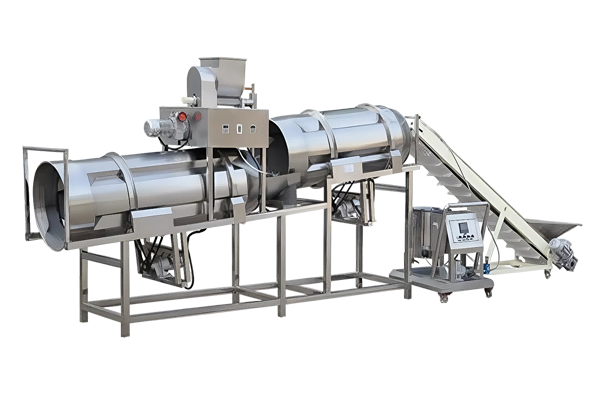
- Cutting, slicing, and grinding of produce to the desired size and shape. In this case, equipment choice will dictate whether you require an operator or can automate this process entirely.
How to Set Up a Food Processing Unit in India
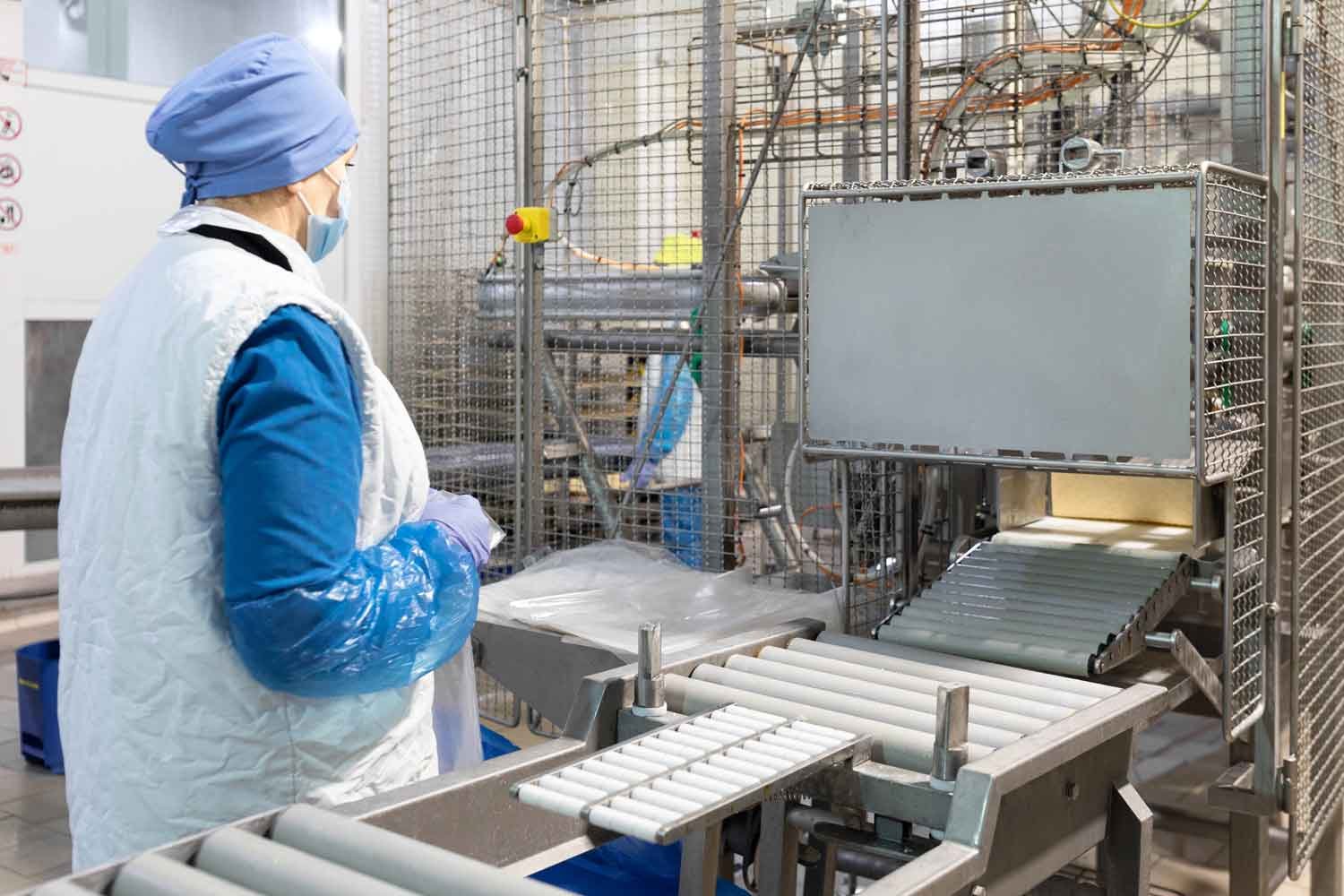
The establishment of a food processing plant involves an organized approach from a legal, physical, and operational perspective. Below is a step by step guide.
Step 1: Determine the product line and production scale.
Establish the type of product that will be processed, its intended market, and the annual output that will be achieved in the initial year of operation.
Step 2: Site Selection and Facilities.
The selected site should not be close to residential areas and should be near the source of raw materials. Power supply should be constant, with provisions for alternative sources in case of outages. Water facilities should be adequate and drainage systems adhering to relevant regulations.
Step 3: Obtain all required licences and registrations.
- FSSAI License and Registration (compulsory for any food business operator)
- Udyam Registration (to be eligible for MSME facilities)
- GST Registration (compulsory beyond a certain threshold)
- Pollution Control Board NOC (in case of units producing effluents or emissions)
- Trade license from local municipal or panchayat body
- Factory License under Factories Act (in case more than ten workers are employed using power)
Step 4: Machinery and equipment planning.
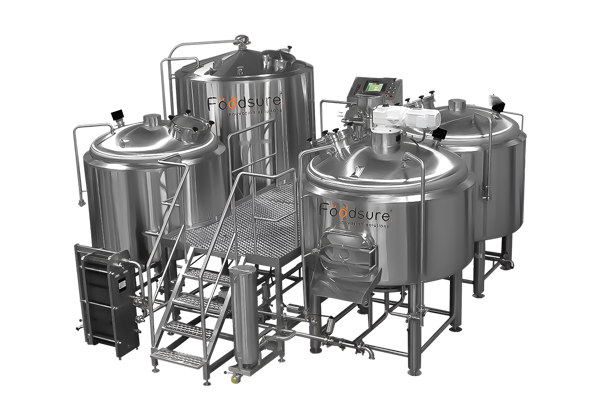
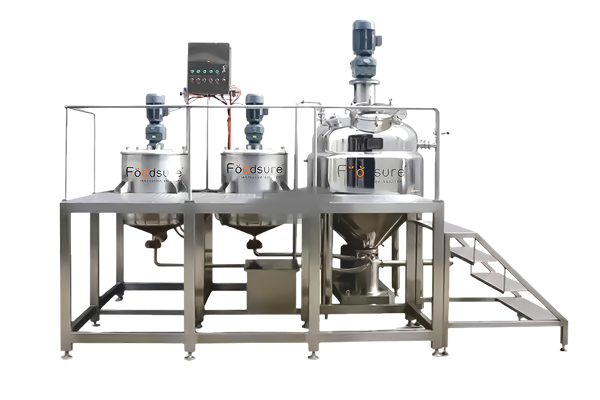
Identify source machinery as per the unit operation process chart. Always obtain at least three quotations, and ensure that the equipment supplier will provide installation, calibration, and after sales services.
Step 5: Manpower and raw material procurement.
Identify manpower needs prior to starting the unit operation. You will need manpower like operators, quality checkers, stores personnel, etc. For procuring the raw material, enter into an agreement with farmers or FPOs.
Cost of Setting Up a Food Processing Unit
| Scale | Estimated Investment | Key Cost Heads | DPR Required? |
|---|---|---|---|
| Micro Unit | Up to Rs. 25 lakh | Machinery, packaging, FSSAI, working capital | Yes (basic) |
| Small Unit | Rs. 25 lakh to Rs. 5 crore | Land or lease, equipment, utilities, compliance | Yes |
| Medium Unit | Rs. 5 crore to Rs. 25 crore | Civil work, cold storage, automation, staff | Yes, detailed DPR required |
| Large Unit | Above Rs. 25 crore | Full infrastructure, ETP, R&D, logistics hub | Mandatory |
Food and Agro Processing Units in India
- Despite being used interchangeably, there is a distinction between the two concepts in respect of their focus and application.
- The major areas of agro processing in India include pulses milling, oilseed crushing and refining, spice grinding and grading. This group of sectors is particularly significant in view of post harvest losses amounting to 15 to 18% each year for horticulture produce alone.
- All flagship programmes of the MoFPI, PMFME, and PMKSY in particular, offer subsidies to agro processing related food processing plants.
Government Support for Food Processing Units: Schemes, Subsidies and Loans
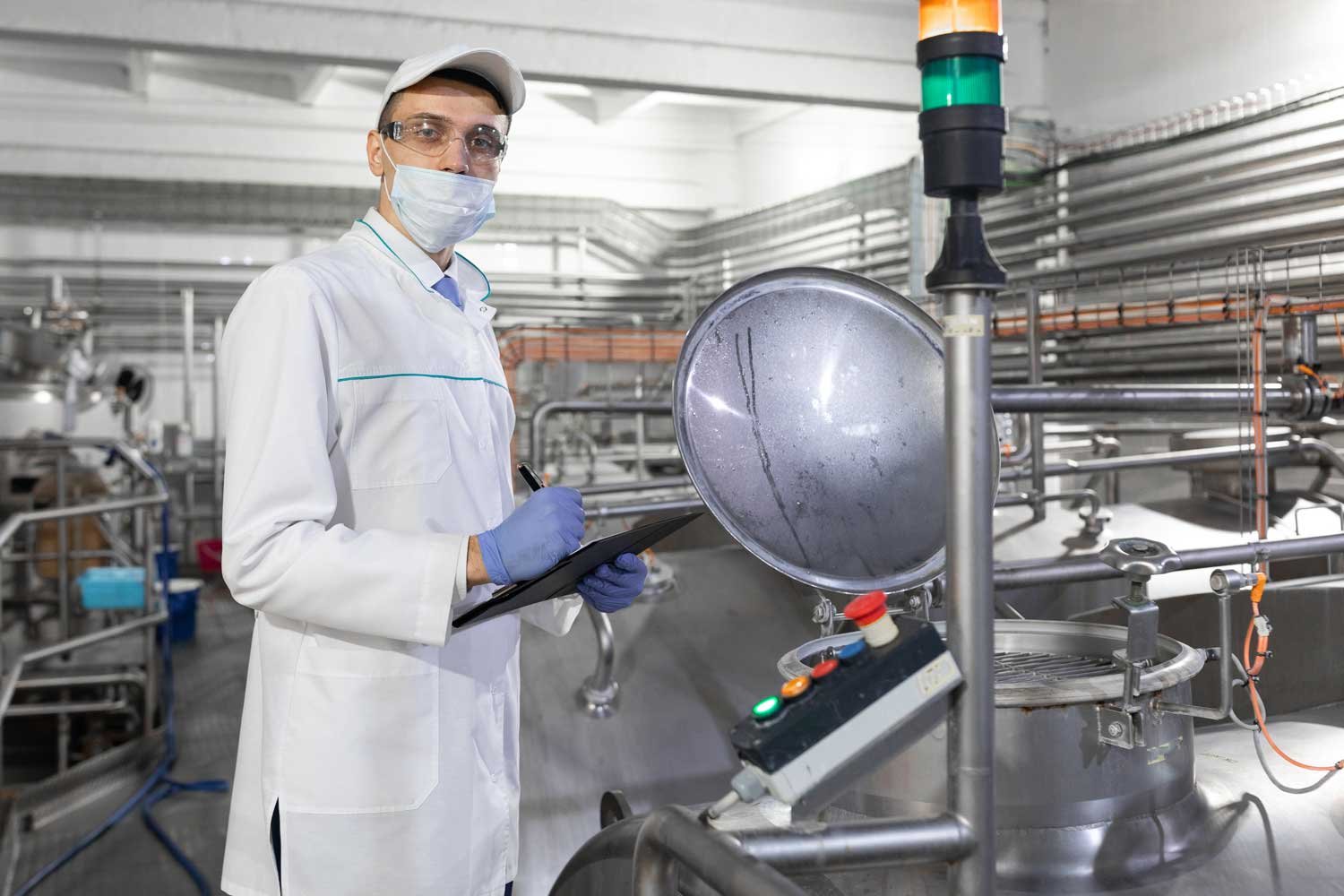
The Indian Government has taken many measures over the past ten years for developing the food processing industry as one of its policies. There are several schemes both at the central and state levels.
Government Schemes for Food Processing Units
PMFME Scheme (PM Formalisation of Micro Food Enterprises):
Under the Aatmanirbhar Bharat program, PMFME provides financial assistance for credit linked subsidy to existing micro food processing units up to Rs. 10 lakh per unit (35% of the total project cost). Till January 2024, more than 72,000 units have availed of the benefits provided by this scheme.
PLISFPI (Production Linked Incentive Scheme for Food Processing Industries):
PLISFPI, with a total investment of Rs. 10,900 crore, encourages large scale manufacturing by offering production linked incentives of 4% to 10% on additional sales from the base year. The scheme focuses on innovative food products, organic food products, and brands looking for international recognition.
Mega Food Parks Scheme: This scheme will help in building shared infrastructure facilities for food processing with grants of up to Rs. 50 crores per food processing park. The approved food parks offer shared infrastructure facilities like testing laboratories, cold storages, packing units, and effluent treatment plants that can be used by individual units.
Cold Chain and Value Addition Infrastructure Scheme: This scheme offers financial support up to 35 percent of the project cost for establishing cold storages, pre-cooling units, IQF, and blast freezing units that are essential for perishable food processing units.
Food Processing Unit Subsidy: What You Can Claim
There are three major types of subsidies offered to food processing units. The capital subsidy lowers the initial expenditure on machinery. The interest subsidy decreases the rate of interest over the tenure of the loan. A technology subsidy can be claimed by the units that use certified quality systems and clean technology.
- The state government subsidy under the food processing unit subsidy schemes varies from 15% to 40% of the capital investment.
- The procedure involves submitting the DPR to the portal or state nodal agency and getting the sanction letter to start work.
| Scheme | Subsidy & Benefit | Implementing Body |
|---|---|---|
| PMFME | Up to Rs. 10 lakh credit-linked subsidy (35% of project cost) | MoFPI or State Nodal Agency |
| PLISFPI | 4% to 10% incentive on incremental sales | MoFPI |
| Mega Food Parks | Up to Rs. 50 crore grant per park | MoFPI |
| Cold Chain Scheme | Up to 35% grant on eligible project cost | MoFPI or NABARD |
| State Schemes | Varies by state, including capital and interest subsidies | State MSME or Industries Department |
Loan for Food Processing Unit: Financing Options
It is as essential to secure the proper loan as it is to prepare an effective business plan. Various forms of financial tools are available in India for various levels of enterprises.
- Direct financing options include bank term loans and non bank financial corporation financing. Most scheduled commercial banks such as SBI, Bank of Baroda, and Punjab National Bank provide special loan schemes for MSMEs and food processing units. Non bank financial corporations offer quicker disbursement and less stringent conditions for collaterals although at relatively higher interest rates.
- The Credit Guarantee Fund Trust for Micro and Small Enterprises (CGTMSE) offers credit guarantee coverage without requiring any collaterals worth up to Rs. 5 crore for eligible MSMEs. This tool has enabled entrepreneurs of food processing units to secure bank loans without offering adequate fixed assets as collaterals.
- Subsidy based loan schemes are also prevalent wherein the entrepreneur secures a loan from a bank supplemented by a subsidy. Under this scheme, the sanctioned loan amount is disbursed to the enterprise from the bank. Once the project is completed, the subsidy amount will be released to the enterprise.
Conclusion
The establishment of a food processing plant in India is now easier than ever before. With an effective strategy, government support schemes, and sufficient funding in place, your food processing plant can be operational sooner than you imagine. With the right machinery and technical guidance from Foodsure Machines, entrepreneurs can streamline the setup process and build a successful food manufacturing business with confidence.
Contact us at wecare@foodsure.in
Frequently Asked Questions (FAQs)
1. What is the minimum investment to start a food processing unit?
Micro unit food processing can be commenced with a starting capital ranging between Rs. 5 lakhs to Rs. 25 lakhs, depending on the category of products being produced.
2. Is there any profit in food processing in India?
Yes, if it is set up keeping in mind the market segment, a food processing plant is capable of producing net profits of 12% to 30% based on the nature of the product being processed.
3. Which subsidy scheme should be used for the food processing industry?
For micro plants, PMFME is one of the easiest subsidy schemes to avail because of the credit based subsidy of Rs. 10 lakh and the individual entrepreneur, S.H.G., FPO eligible criterion. For other large scale plants, PLISFPI, PMKSY schemes are the best alternatives.
4. How much time will it take to receive subsidy approval?
Time required by the respective state government departments to sanction the subsidies may vary. Sanctioning the subsidies through the PMFME may take anywhere between 60 to 120 days from the filing to the final sanction of the scheme on the condition that DPR and other necessary papers are flawless.
5. Can we obtain both a loan and subsidy for a food processing plant?
Yes, in fact, almost all subsidy schemes are credit based schemes. So before availing any subsidy scheme, the loan has to be obtained and the subsidy amount will be credited towards the outstanding loan.