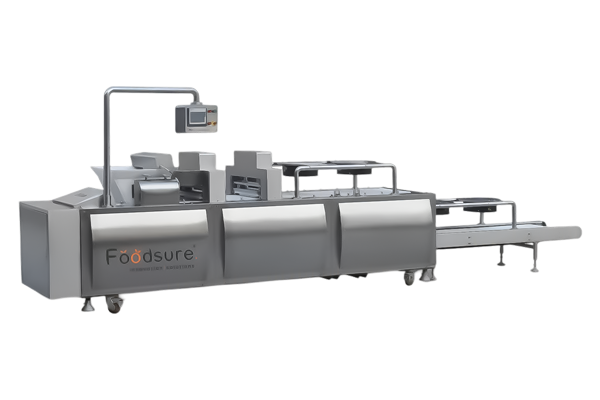
India is also undergoing a food and industrial revolution and is quickly becoming the food bowl of the world. As the domestic food market is projected to be valued at an astounding amount by the wrap-up of 2026, it is no longer a luxury to get manual labor replaced by advanced forms of automation, but a survival strategy. The need for a high-quality food processing machine is on the rise in all corners of the country, in rural start-ups or urban conglomerates.
Nonetheless, this boom has also come with a major challenge: a dilemma of choice. The manufacturing environment of India is congested, and huge industrial centers of Ahmedabad, Coimbatore, and Rajkot provide thousands of opportunities. Many of these machines appear similar to the naked eye, but they are vastly different in terms of performance.
The process of finding the right food processing machine has not started with a price tag, but with a profound exploration of compliance and ROI in the long run.
Is This Machine Compliant with FSSAI and Global Hygiene Standards?
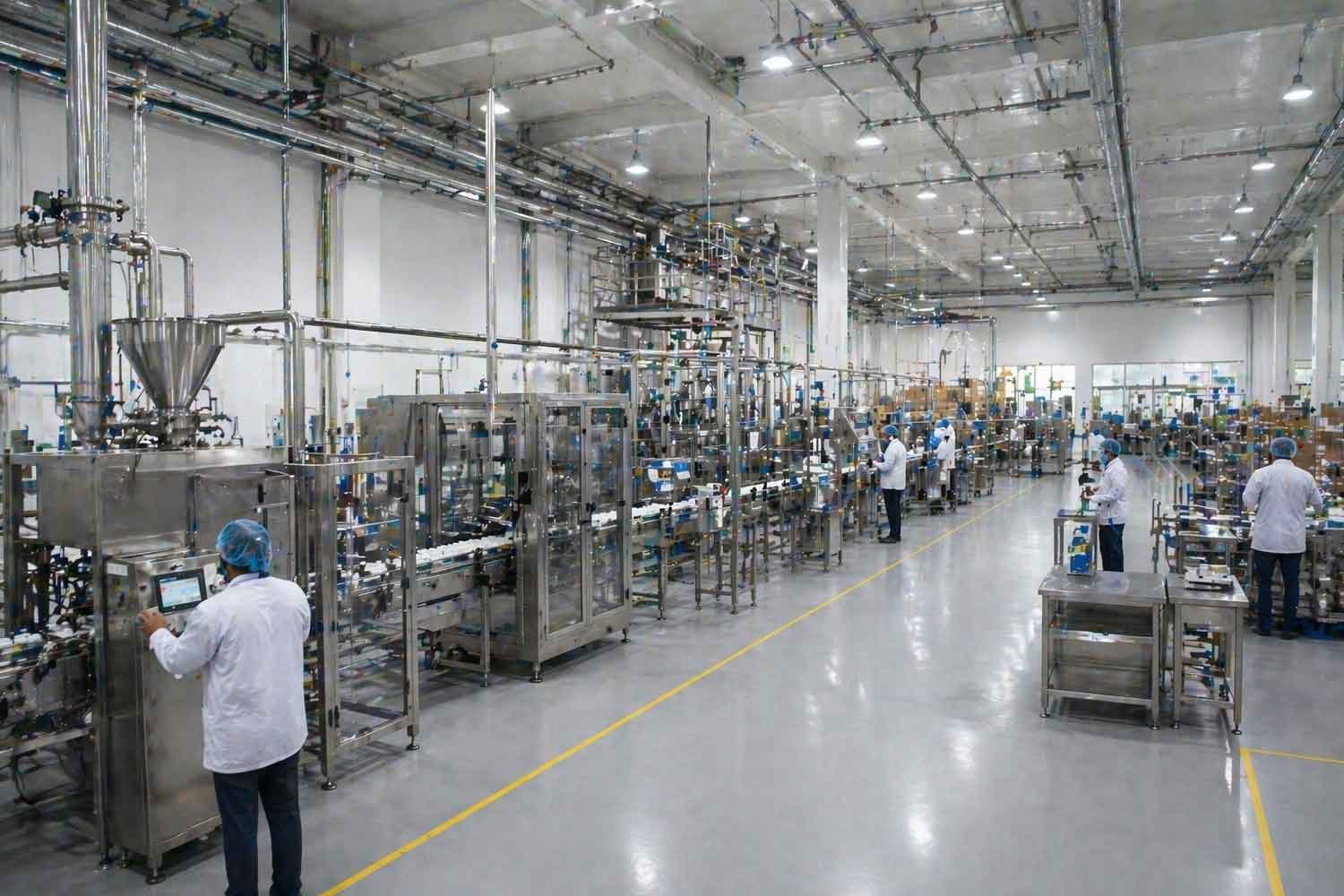
Is this machine in line with FSSAI and international hygiene standards? A food processing companies in the food industry is practically useless if it fails to pass through a safety audit. Whether your equipment is leaking contaminants or is hosting bacteria, your whole production run and your brand image might be ruined in the night.
The “Why” Behind Compliance
Authorities such as the FSSAI (Food Safety and Standards Authority of India) have stringent requirements when it comes to food contact surfaces. Machinery that does not comply may result in huge fines or the closure of plants.
Material Matters: SS304 vs. SS316
When you are talking with a food processing machines manufacturers, insist on knowing about the metallurgy.
- SS304: The most common food application standard with great corrosion resistance.
- SS316: It is required in high-salinity or high-acid items (such as pickles or citrus juices) because it has molybdenum to prevent pitting.
Design for Cleaning (CIP)
A contemporary food processing equipment ought to have Clean-in-Place (CIP) features. This enables you to wash the inside parts without taking the whole unit apart, and helps you save on time, so that cross-contamination cannot occur physically.
Key Categories of Food Processing Machines in India
The knowledge of the location of your needs in the production cycle is critical in selecting the appropriate food processing companies.
- Semi-Automatic Processing Machines: These are the workhorses of the first stage, which are concerned with cleaning, sorting, and grading raw materials. It can be a vibratory screen or an ultrasonic washer, but in any case, such equipment makes sure that only the best produce is put through the line.
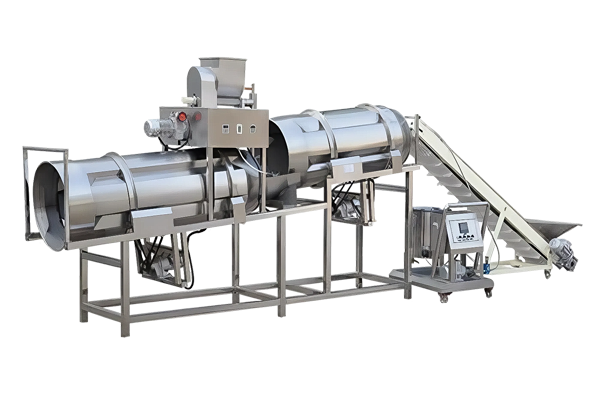
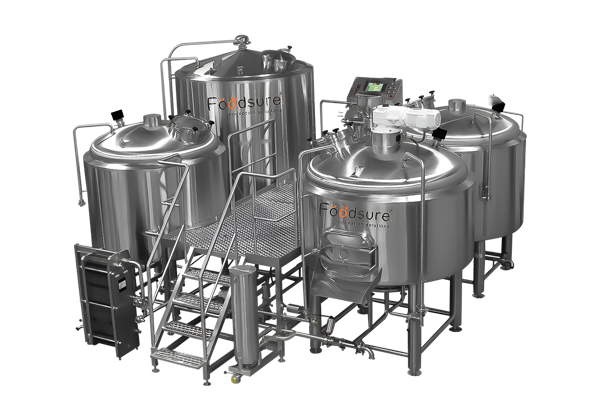
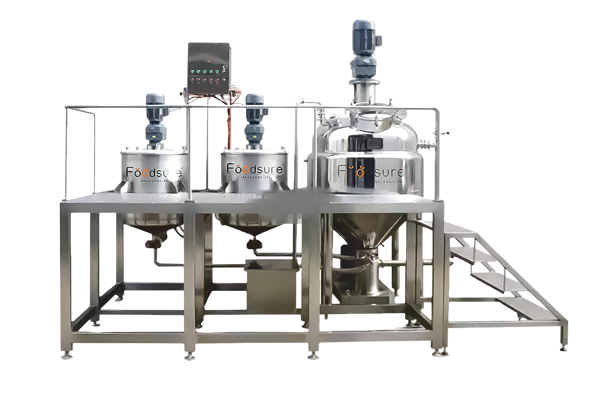
- Fully Automatic Processing Machines: It is here that transformation takes place. This category includes high-shear mixers, industrial grinders, and precision cookers. The quality, taste, and texture of your end product are directly related to the efficiency of your food processing machine at this stage.
- Packaging Solutions: Processing is not complete until the product is sealed. Your food processing equipment needs to effectively connect to the downstream food packaging machine, be it vacuum sealing, pouch filling, or bottling, in order to keep the line of hygiene intact.
Technical Specifications to Verify
These are the three pillars that you should look at before signing a contract:
- Capacity of the production: Make sure that the food processing companies are capable of serving your immediate needs, but have the capacity to expand. Is it possible to make it jump between 50kg/hr and 500kg/hr and still retain accuracy?
- Energy Efficiency: As the Indian India increases the electricity charges to industries, power consumption is a silent killer of profits. Find machines that have high-efficiency motors and VFDs (Variable Frequency Drives).
- Automation Level: Choose between semi-automatic and fully automatic. Though the fully automatic food processing machine is more expensive to purchase initially, the labor cost saved and human error minimized, the ROI is sometimes faster.
Why Local After-Sales Support is Non-Negotiable
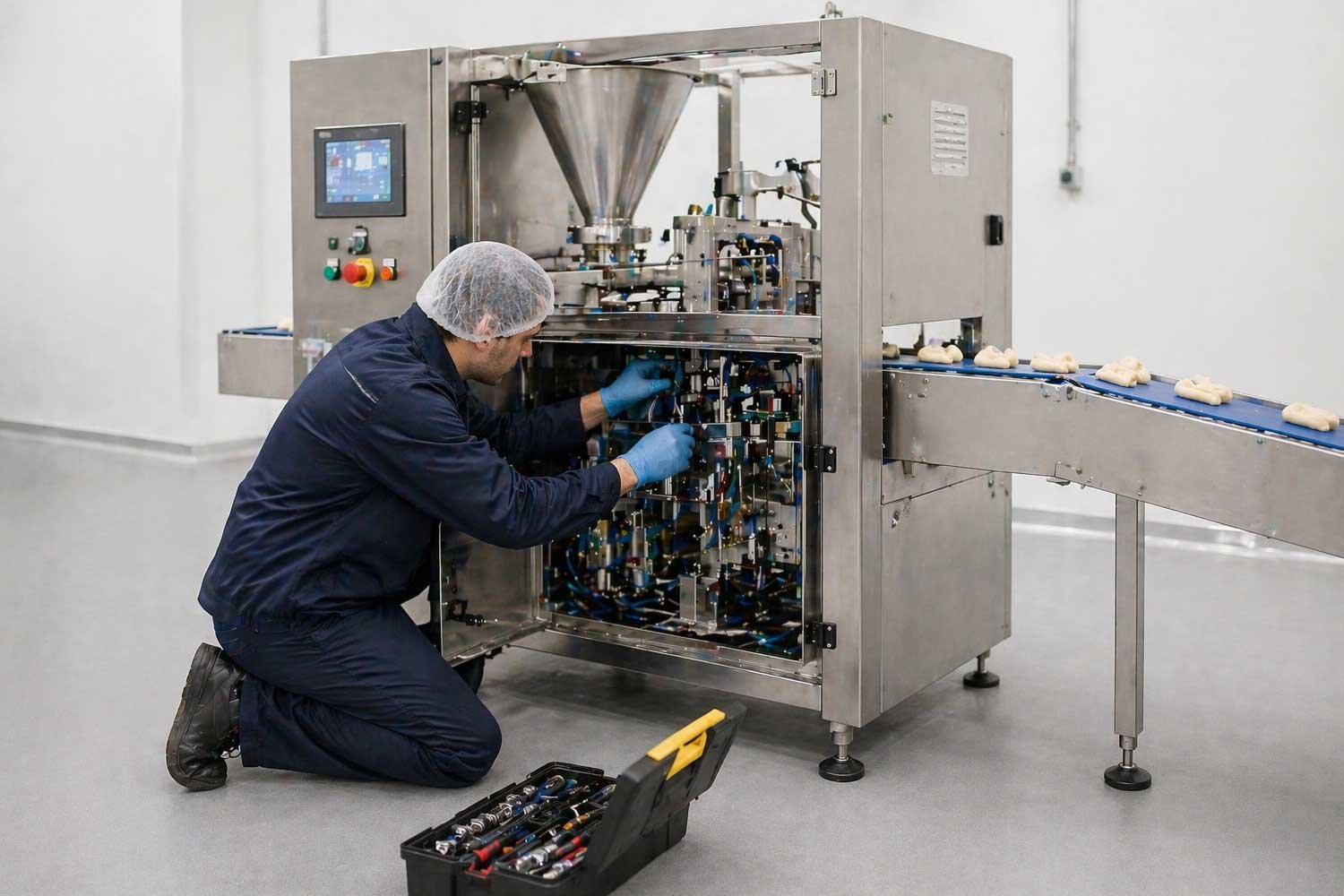
The purchase is just the start in the Indian manufacturing environment. The invisible price of a food processing machine can usually be seen in the times of peak season, such as Diwali or the harvest months. When your machine fails, and the manufacturer is not responsive, then each hour of lost time is a direct blow to your bottom line.
Another dealbreaker is Spare Parts Availability. You need to make sure that the manufacturer has a standardized Bill of Materials (BOM). When the components are proprietary and require weeks to deliver, then your assembly line is a time bomb. Moreover, on-site training is crucial. Your shop-floor employees should be informed of the peculiarities of the food processing machine to avoid the damage caused by an operator error.
Comparing Indian vs. Imported Food Processing Machines
Whereas the European or Chinese machines are widespread, there is an Indian food processing machine that has a unique edge: Customization. Local manufacturers are familiar with the local conditions of the Indian environment, including voltage variations, extreme humidity, and the abrasiveness of the local spices and grains. A regional recipe may often be adapted to a custom-made Indian food processing machine, unlike an imported off-the-shelf unit.
The Checklist: 5 Additional Questions for Your Manufacturer
In addition to the first compliance query, you can have the following checklist when visiting the factory:
- Will you give a demonstration or trial with my particular raw material?
- How long do you think it will take to deliver and install?
- Is the food processing machine fully warranted with parts and labor warranty?
- Is the software/PLC easy to use and available in local languages?
- Total Cost of Ownership (TCO) in five years (including maintenance)?
Conclusion
The stakes of selecting a food processing machines manufacturers in India are high, and it cannot be done by simply looking at a catalogue. Moving past being a buyer and becoming a strategic investor, you ask about compliance first, verify technical specs, and make sure it has local support.
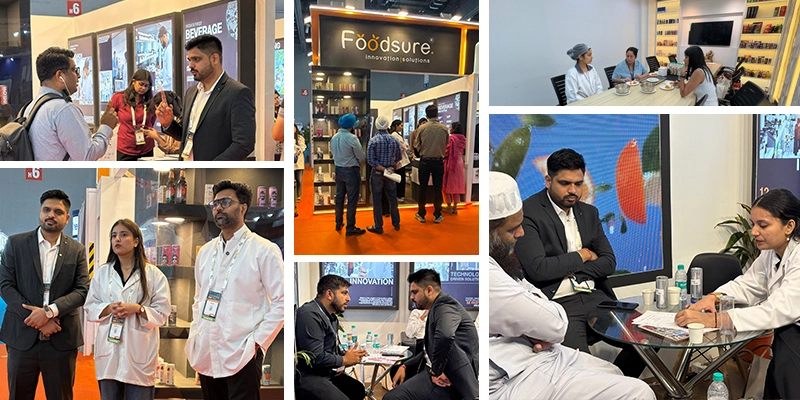
In a market defined by quality, your machinery is your most loyal ally. Foodsure Machines provides the technical expertise and robust support needed to turn your industrial goals into a market-leading reality. Do the due diligence today to reap the rewards tomorrow.
Ready to engineer your brand’s success?
Get a personalized machinery roadmap and expert consultation from Foodsure Machines to launch, scale, and grow with confidence.
FAQs
1. What is the question of greatest importance?
Is it FSSAI approved, and is it of SS304/SS316 steel? The food processing machine has safety compliance as the number one priority.
2. Which one is best, semi-auto or fully automatic?
Semi-automatic is suitable for start-ups on a tight budget. High-speed scaling and uniform quality are demanded to be fully automatic.
3. Does it have operator training?
Yes, you should train your employees to avoid any damage and guarantee that the food processing machine will be fully functional.
4. What is the standard delivery time for the machine?
In India, the average lead time is 15 to 45 days. Always verify the installation time before payment.
5. What can I do to check machine durability?
Request an actual demonstration and inquire whether the manufacturer has a standardized bill of materials to make it easy to replace the spare parts.