
Defects in the tomato ketchup production in industrial processes have close associations with the performance of machines and process control. The process of modern ketchup production is made up of connected machines, including a pulper, steam jacketed kettle, homogenizer, and filler machine. Small changes in the temperature, pressure, and mixing process can cause problems such as separation, viscosity variation, micro-organisms, and color variation. Product quality in processing depends on the precision in controlling every phase of production. This means that without efficient machines and quality control measures, defects might cause inefficiencies in production.
This blog will focus on explaining the various flaws that may occur during the production process of tomato ketchup, the reasons behind such flaws, and how they can be solved in industries. This blog will help food manufacturers comprehend quality control problems in ketchup production.
Read More :- tomato ketchup machine price in india
Why Quality Control is Important in Ketchup Manufacturing
Quality control issues in ketchup manufacturing must be resolved since this will lead to the production of products that are safe, consistent, and of good quality. This is because any slight change in the production process parameters will affect the quality of the final product.
- Ensures a uniform taste, texture, and color of the products
- Prevents contamination and proliferation of microorganisms
- Increases the product shelf-life and stability
- Decreases batch rejection and loss of production
- Ensures food safety requirements are met
Common Defects in Tomato Ketchup Production
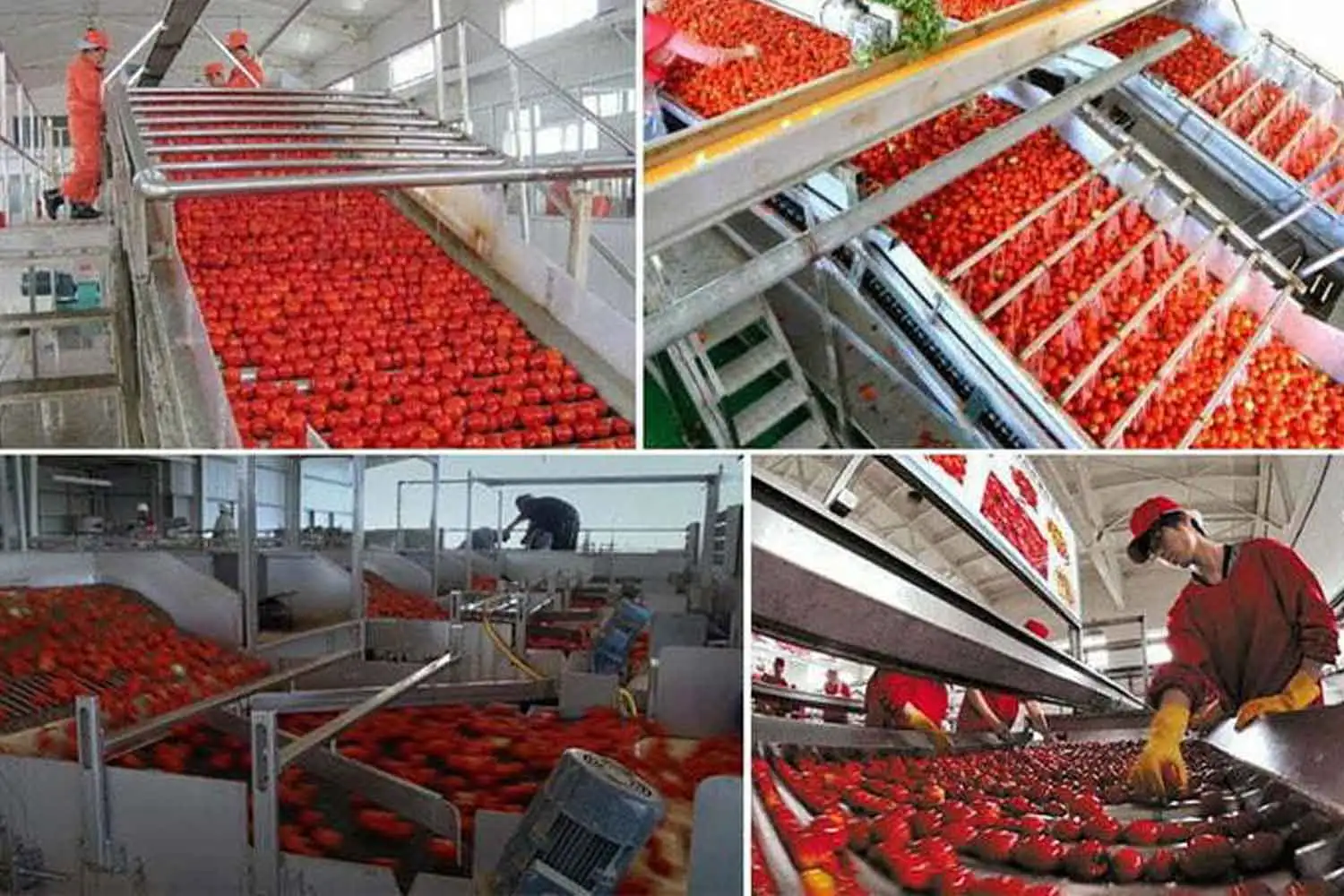
Several defects in tomato ketchup production may occur due to improper processing. Defects in processing may be associated with poor temperature regulation, improper proportion of ingredients, malfunctioning equipment, and poor sanitation during manufacturing. Small deviations from the processing specifications may cause significant changes in the properties of the finished product, such as its texture, flavor, color, and shelf life.
- Separation (syneresis): Separation of water due to insufficient solid content or improper emulsification
- Variance in viscosity: Varying thickness resulting from improper concentration
- Foul taste: Improper use of raw materials or microbial contamination
- Discoloration: Overheating or oxidation of the product
- Microbial contamination: Contamination or inadequate sealing
- Settling: Sediment formation due to improper homogenization
Causes of Ketchup Spoilage and Defects
To ensure that causes of ketchup spoilage and defects can be addressed and prevented, it is necessary to understand their causes. The majority of defects occur due to flaws at the stage of selecting the raw materials, process control, and machine efficiency. Addressing these problems in advance will help to ensure better production results.
- Poor quality or overly ripe tomatoes
- Incorrect heating time and temperature
- Insufficient homogenization
- Inadequate cleanliness during processing
- Unsuitable pH level and preservative amount
- Inappropriate packaging and closure
Read More:- Tomato sauce machine
Tomato Ketchup Manufacturing Problems and Solutions
| Problem | Cause | Solution |
|---|---|---|
| Separation | Low solid content | Improve concentration and stabilizers |
| Thin consistency | Insufficient cooking | Increase evaporation time |
| Microbial spoilage | Poor hygiene | Improve sanitation and sealing |
| Off taste | Low-quality tomatoes | Use better raw materials |
| Color change | Overheating | Control processing temperature |
Quality Control Issues in Ketchup Manufacturing
Common quality control issues in ketchup manufacturing may frequently be associated with the inefficient manufacturing process and the inability to control the parameters precisely. In order to produce a consistent product, all the machinery should be working in tandem with each other; besides, there should be a reliable system to monitor these processes. Any changes in temperature, mixing, or proportion of ingredients will affect the quality of the end product.
- Inefficient monitoring of temperature during cooking
- Improper pH levels for preservative effects
- Ineffective mixing or inconsistent batches
- Inefficient machinery or worn-out parts
- No monitoring systems
How to Improve Ketchup Quality in Production
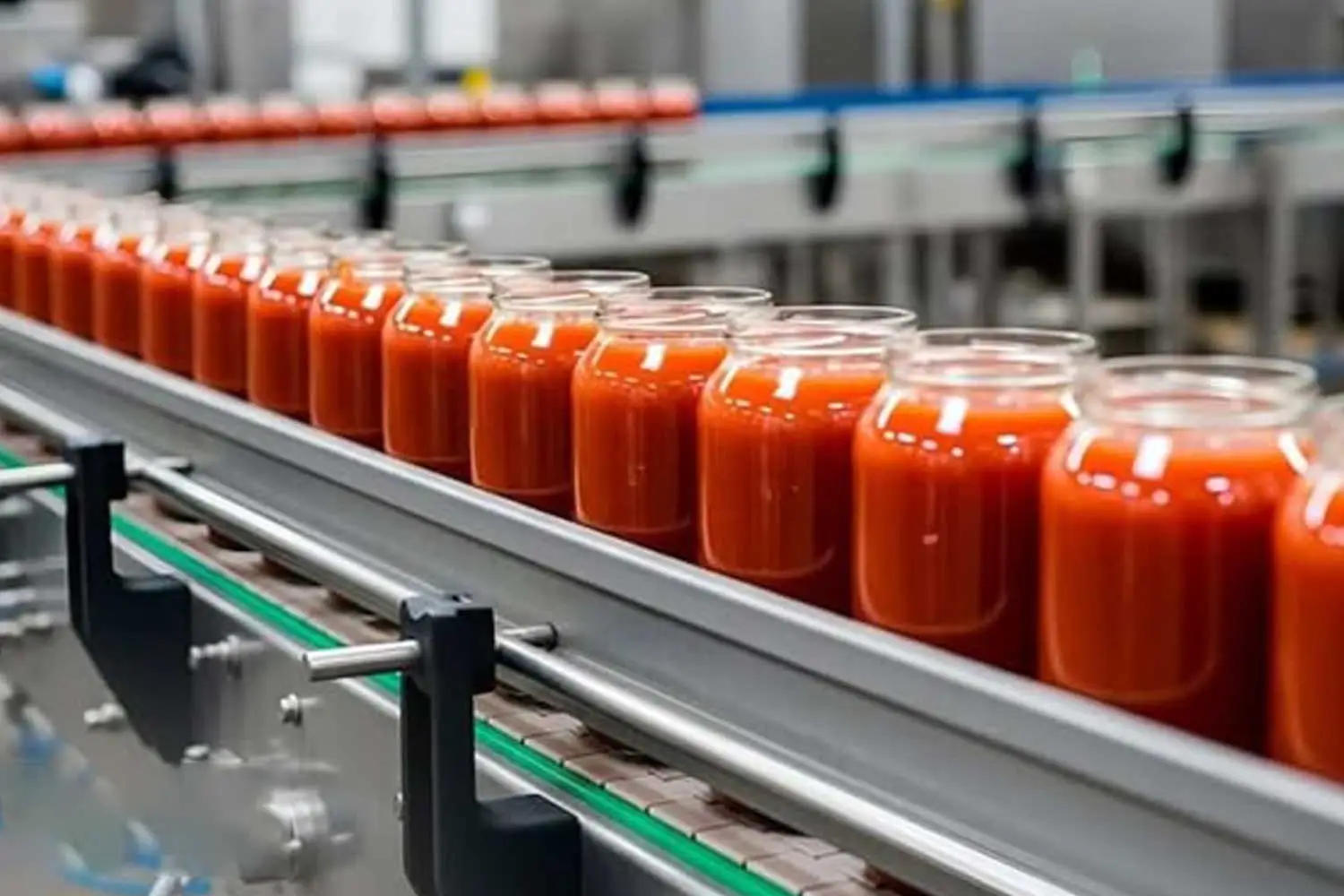
Steps to improve the quality of ketchup during manufacturing include both optimizing the production process and using efficient machines. Good quality control will be achieved by controlling various parameters in the manufacturing process, right from the raw materials used in the manufacture to the time of packaging.
- Use high-quality tomatoes and ingredients
- Controlled cooking and concentration
- Efficient homogenization for consistency in texture
- Good hygiene during production
- Checking pH, viscosity, and temperature
- Efficient packaging and sealing systems
Role of Processing Machinery in Reducing Defects
Advanced equipment is vital in ensuring reduced defects and improved consistency in ketchup production. With respect to tomato ketchup production, advanced equipment is necessary in regulating temperature, pressure, stirring/mixing, and flow rate processes, which determine the quality of the product. Machinery will be efficient in reducing defects in tomato ketchup production, as well as handling problems associated with quality control in the process of ketchup manufacturing. Furthermore, machinery will help in eliminating the causes of spoilage in ketchup. Automated equipment reduces human errors and ensures that the process remains consistent, while advanced heating systems guarantee proper cooking during ketchup manufacturing. Homogenizers are important in ensuring that the products have a good texture and are stable. This is because they prevent separation and sedimentation, which are among the problems in tomato ketchup manufacturing. Process lines facilitate efficient production, while food-grade equipment ensures cleanliness and improves quality.
Build High-Quality Ketchup Production with Foodsure Machines
There are various obstacles encountered by many firms when it comes to the tomato ketchup manufacturing process. These include poor quality, wastage, and inefficient manual labor, among others. Foodsure Machines offer state-of-the-art, integrated machines that will assist in minimizing the amount of defects in tomato ketchup production. These are geared towards automation and efficiency.
- Automated process systems guarantee uniform quality of output in all batches.
- Integrated manufacturing facilities increase efficiency and optimize workflow.
- Sanitary machines make food processing more hygienic and safe.
- Flexibility allows for either small-scale or large-scale manufacturing capacity.
- Fewer defects and an extended shelf life of the end product.
- Precise systems assist in controlling pH levels, temperature, and viscosity.
Reducing Defects in Tomato Ketchup Production
In order to effectively manage defects associated with the production of tomato ketchup, a combination of using appropriate raw materials, proper processing, and sophisticated machines is necessary. Defects could be easily managed by finding their causes and employing adequate methods to address them. With stiff competition in the food processing sector, companies that embrace technology, effective machines, and quality control measures are bound to prosper in the future.
FAQs
What are the typical flaws during the production of tomato ketchup?
Flaws consist of separation, irregular viscosity, flavor alteration, color variability, microbial corruption, and sedimentation. They often emerge owing to inadequate processing management and inefficient machinery operation.
What are the primary factors leading to tomato ketchup spoilage and defects?
Factors that cause spoilage and defects include low-grade raw materials, improper cooking, contamination, wrong pH balance, and inadequate packaging. Poor hygiene and inadequate process control also result in these issues.
What are the significant quality control problems in ketchup manufacturing?
Quality control issues are associated with temperature instability, imbalanced pH levels, non-uniform mixing, and batch variations. Machinery inefficiency and inadequate monitoring systems impact the quality of products.
How to enhance tomato ketchup quality in production?
The quality of tomato ketchup can be enhanced through the use of high-quality raw materials, proper processing conditions, and hygiene maintenance. It is also important to monitor pH levels, viscosity, and temperature.
What are the typical manufacturing problems of tomato ketchup and their solutions?




