
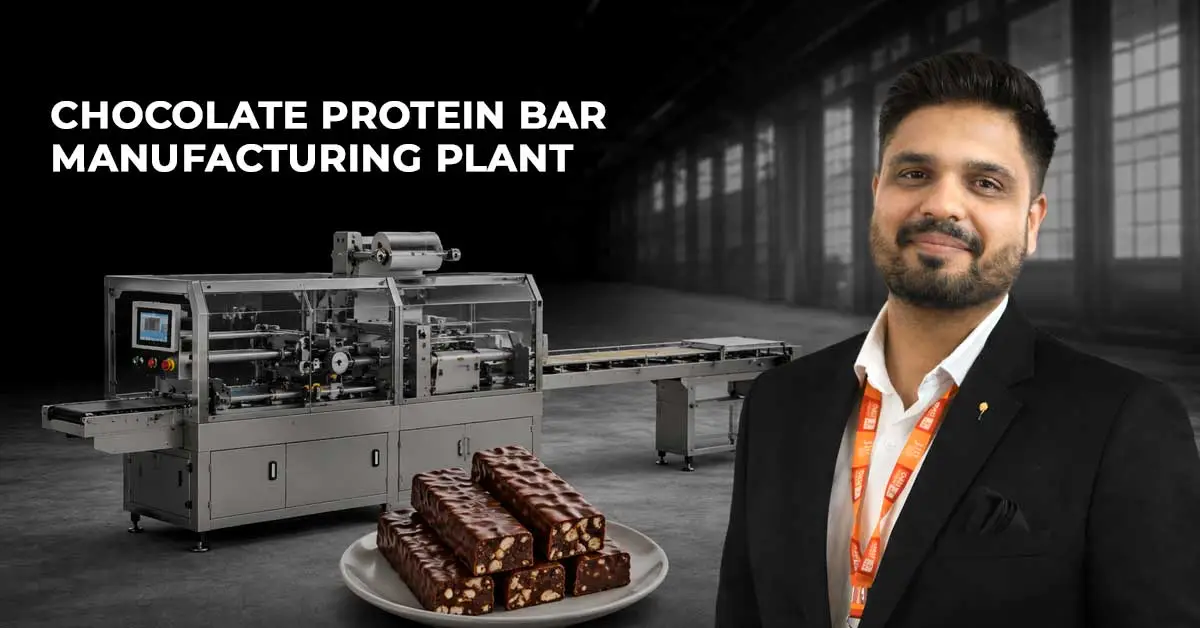
Demand for protein bars is increasing fast in India due to increase in health consciousness and sports nutrition as well as on-the-go snacking needs. If you are planning to set up a chocolate protein bar plant then you will need to learn about machinery, raw materials, utilities and all other requirements for producing a bar with its chocolate layer.
By setting up an appropriate Chocolate Protein Bar Manufacturing plant, an entrepreneur can serve the needs of rising demand for healthy and convenient food nutrition products in India.
A critical decision faced by manufacturers is about the type of chocolate that should be used in protein bars, compound chocolate or real chocolate, as this impacts the taste of the bars as well as their shelf life, cost of production, and consumer preference.
Let us cover all requirements needed for setting up a chocolate protein bar plant in India in detail.
Read More :- protein bar machine
Market For Chocolate Protein Bars
Protein bars are popular functional foods among:
- Health-conscious and fit individuals
- Athletes
- Working individuals
- Those focused on weight management
- The new generation of health-conscious millennials (the young generation)
The Indian market for protein snacks is growing and hence new manufacturing businesses and private labels would also bloom in India.
Plant Capacity and Space Requirement
The required area depends on the desired production capacity.
| Capacity | Area Required |
|---|---|
| 100–200 kg/day | 2,000–3,000 sq. ft. |
| 500 kg/day | 4,000–6,000 sq. ft. |
| 1 Ton/day | 8,000–10,000 sq. ft. |
| 2 Tons/day+ | 12,000+ sq. ft. |
Depending on the production capacity per day and the automation level of the plant, the requirements in terms of infrastructure for a Chocolate Protein Bar Manufacturing Plant may differ.
Recommended Sections
- Raw Material Ware House
- Mixing Room
- Bar forming Section
- Chocolate Coating Section
- Cooling Section
- Packing section
- Finished goods Ware house
- Quality control Lab
- Utility Room
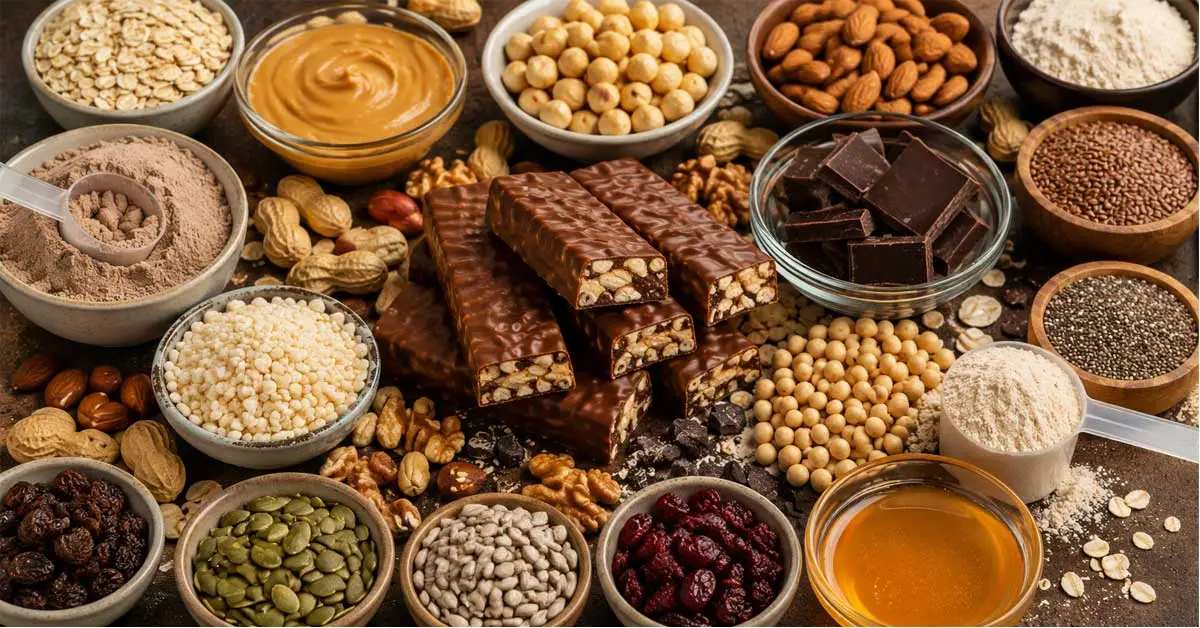
Familiarity with the types of ingredients used in protein bar making are significant for product formulation.
Sources of Protein
- Whey protein concentrate(WPC)
- Whey protein isolate(WPI)
- Soy protein
- Pea protein
- Rice protein
Binding Agents
- Honey
- Liquid glucose
- Maltitol syrup
- Chicory fiber syrup
Fillers and Functional Ingredients
- Oats
- Nuts
- Seeds
- Dry fruit
- Cocoa powder
- Vitamins and minerals
Chocolate Coating Ingredients
- Compound chocolate
- Real chocolate
- Cocoa butter
- Cocoa solids
Read more :- low cost protein bar machine
Types of ingredients have an impact on the flavors and nutrition and also its shelf life.
What About Compound Chocolate Vs Real Chocolate For Protein Bars?
This is one of the most frequent questions that manufacturers receive.
Compound vs Real Chocolate
| Parameter | Compound | Real |
|---|---|---|
| Fat Source | Vegetable Fat | Cocoa Butter |
| Cost | Lower | Higher |
| Tempering | No | Yes |
| Shelf Stability | Excellent | Moderate |
| Processing Ease | Easy | Complex |
| Premium Position | Moderate | High |
The distinction between compound chocolate and real chocolate mainly differs in fat content and how they can be processed.
Which Chocolate Is The Right Choice For Protein Bars?
The answer will depend on who you want to sell your product to.
- Low cost brands opt for compound chocolate.
- High quality nutritional bars utilize real chocolate.
- Export-centric brands use premium couverture.
As producers, decisions as to what kind of chocolate should be used for protein bars will come down to price point, quality, and how efficient the bars can be produced.
Start-up manufacturers have opted for compound coatings for they are more convenient and cheaper to produce.
Chocolate Protein Bar Manufacturing Process
Understanding the Protein Bar Manufacturing Process is essential for achieving consistent product quality and production efficiency. A typical protein bar manufacturing process has the following sequence:
The Production Process of Protein bars consists of the following stages: measuring of ingredients, mixing, forming, coating, cooling and packaging.
This method of producing protein bars will maintain uniformity of the bars, and will optimize the productivity.
Equipment For A Chocolate Protein Bar Production Plant
A fully automated Chocolate Protein Bar Production Line can significantly improve productivity while reducing manual labor requirements.
Below is a standard list of machinery commonly implemented in an integrated plant facility:
| Machine | Function |
|---|---|
| Ribbon Blender | Ingredient mixing |
| Sigma Mixer | Dough preparation |
| Protein Bar Extruder | Bar formation |
| Slab Cutter | Cutting bars into required sizes |
| Chocolate Enrober | Chocolate coating |
| Cooling Tunnel | Chocolate setting |
| Metal Detector | Quality inspection |
| Flow Wrap Machine | Individual packing |
| Batch Coding Machine | Date and batch printing |
| Cartoning Machine | Secondary packaging |
A modern production line automates the entire protein bar manufacturing process, reducing labor costs and increasing productivity.
The special machinery needed for each step of the protein bar manufacturing process will help ensure uniformity and minimize the waste of the protein bar product.
Raw Material Requirement
Typical raw materials include:
- Whey protein
- Plant proteins
- Oats
- Almonds
- Peanuts
- Cocoa powder
- Chocolate coating
- Fiber syrups
- Sweeteners
- Flavoring agents
- Emulsifiers
- Packaging films
The selection of different kinds of raw material used in manufacturing protein bars is determined by the nutritional profile desired
Utility Requirements
Power Consumption
| Plant | Load |
|---|---|
| Small Plant | 30–50 kW |
| Medium Plant | 60–100 kW |
| Large Plant | 100–250 kW |
Water Required:
- 1000-5000L/ day: mostly for washing/ sanitation
Compressed Air:
- Required for pneumatic packaging processes
HVAC Needs:
- Controlled environment with regards to temperature. Controlled with regard to humidity.
Estimated Utility Expenses in India
| Utility | Monthly Cost |
|---|---|
| Electricity | ₹50,000 – ₹3,00,000 |
| Water | ₹5,000 – ₹20,000 |
| Labor | ₹1,50,000 – ₹10,00,000 |
| Maintenance | ₹25,000 – ₹2,00,000 |
| Packaging Material | Variable |
The actual costs are based on volume of production and automation of operations.
Licenses and Certifications Needed
The following licenses are required before production can commence:
- FSSAI License
- GST Registration
- Factory License
- Trade License
- Pollution NOC (if applicable)
- Fire Safety Approval
- HACCP Certification
- GMP Certification
- ISO 22000 Certification
Quality Control
Regular testing should be conducted by the manufacturer on:
- Protein content
- Moisture content
- Microbial load
- Quality of the chocolate coating
- Weight of the bar
- Shelf life (compound chocolate and real chocolate will differ in terms of shelf-life testing)
Effective monitoring at every stage of the Protein Bar Production Process enables the manufacturer to produce an efficient and safe product.
Foodsure Machines Chocolate Protein Bar Installation Services
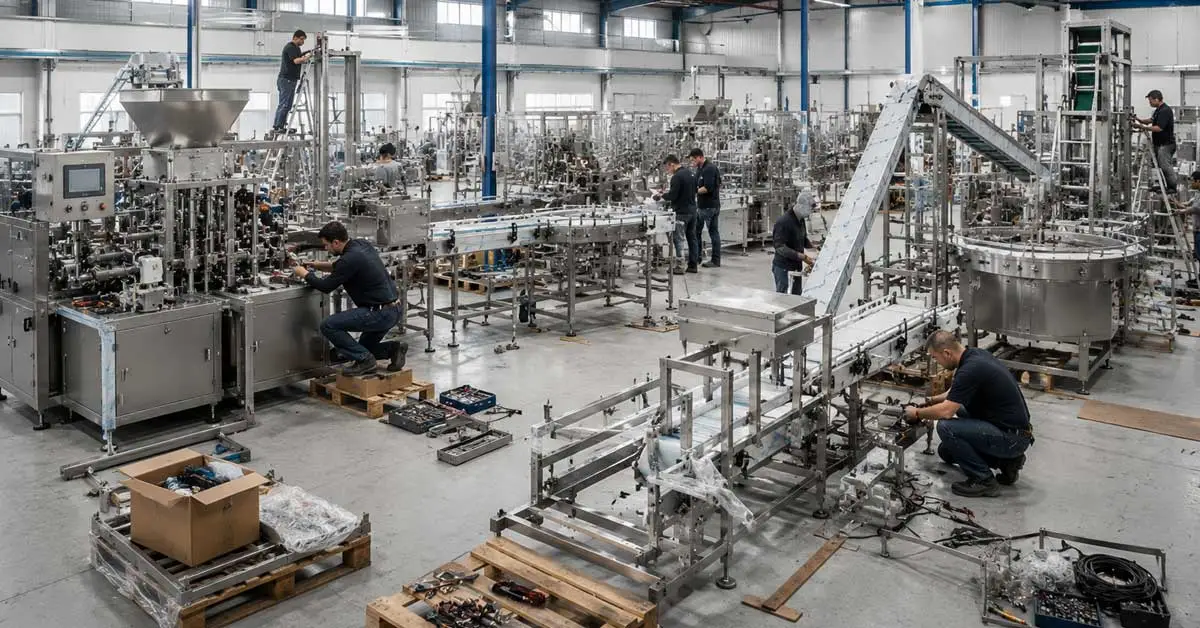
Foodsure Machines offers and installs full Choco Protein Bar Production Line solutions throughout India. Foodsure Machines assist manufacturers in optimizing the Protein Bar Manufacturing Process through the correct selection of machinery and the design of the plant.
Services Offered:
- Project consultation
- Plant layout planning
- Machinery selection
- Complete installation
- Production line commissioning
- Training of staff
- Trial production
- Quality optimization
- Maintenance support
- After sales service
Foodsure machines guide manufacturers through selecting which type of chocolate is the right choice for the protein bars while designing efficient protein bar production lines.
Other Foodsure Machines services:
- Energy bar production lines
- Nutrition bar manufacturing plants
- Snack bar processing solutions
- Food processing plant setup
- Turnkey food manufacturing projects
- Packaging line integration
- Production capacity expansion projects
- Automation upgrading of production lines
In addition, the company also applied to upgrade the current systems of the Chocolate Protein Bar Production Line to increase production capabilities.
Foodsure Machines helps optimizing the process, ensuring the right kind of ingredients are used for protein bars.
Conclusion:
A chocolate protein bar plant in India necessitates a sound project plan, correct machinery, quality ingredients and adequate utility systems. The purpose of the Protein Bar Production Process design is to make sure the product quality is stable, efficiency increased and profit is higher. The differentiation between compound chocolate and real chocolate for protein bars is crucial when planning the product formulation and determining testing protocols. Building a state-of-the-art Chocolate Protein Bar Manufacturing Plant could give long-term benefits for investment as the sports nutrition sector is growing fast.
Frequently Asked Questions (FAQs)
1.What is the difference between compound chocolate and real chocolate?
Compound chocolate is made with vegetable oil whereas real chocolate contains cocoa butter. Real chocolate has a better texture and taste profile.
2.Which type of chocolate should I use for my protein bars?
The type of chocolate is dependent upon your target market and pricing strategy as well as the positioning strategy of your product.
3.What are the main kinds of ingredients used in protein bars?
Typical ingredients used in protein bar formulations are protein powders, binding agents, cereals, nuts, sweeteners, fibers, and chocolate coatings.
4.How much area would be required for a protein bar manufacturing plant?
A small commercial protein bar production plant will need at least 2000-3000 sq. Ft., and larger facilities will require >10,000 sq. Ft.
5.What machines are essential for producing protein bars?
Ribbon mixers, extruders, cutters, chocolate enrobers, cooling tunnels, and packaging machines are essential for producing protein bars.




