

As a part of the nutrition and health industry, one of the fastest selling product types has been the protein bar. Consumers often find that protein bars are one of the most versatile and most efficient food products as they give them the needed energy boost and at the same time fulfill multiple nutritional demands and dietary considerations.
Amidst all the other factors concerned with protein bar manufacturing, deciding which one is the finest protein for protein bar production is perhaps one of the most prominent product development choices a food enterprise may undertake.
In essence, the correct protein selection will have an influence on: Taste. Texture. Nutrition. Stability and shelf life.
Production process
What Protein Is The Best for Protein Bar Production?
Key reasons for selecting protein Selecting specific protein varieties for use in protein bar products comes from a number of considerations.
1) Nutritional Value
The amino acid profile offered by various proteins will contribute differently to muscle growth and the nutritional benefit they offer to users. This makes the selection process essential for ensuring the finished bar delivers the anticipated nutritional value.
2) Texture and Mouthfeel
Some protein types will lead to a denser, chewier product, while others contribute a softer consistency.
When testing flavors and textures, producers have found that some protein choices lead to a much higher rate of acceptance.
3) Shelf Life Stability
Protein sources interact differently with various ingredients to create their eventual chemical makeup. The type of protein chosen will have an impact on how the product’s shelf life holds up to various storage environments, ensuring an adequate product shelf life.
4) Consumer Preferences
Each flight of protein bar customers comes to bars with several hopes, diets and nutritional objectives. While sportsmen lean towards whey, vegan consumers may need particular plant-based alternatives, which shapes buying choices.
Types of Protein Bars and Their Protein Requirements
Different protein bars need different proteins. Comprehending product differentiations assists identifying the best protein for protein bar manufacturing.
| Type of Protein Bar | Main Purpose | Common Protein Sources |
|---|---|---|
| Sports Protein Bars | Muscle recovery | Whey Protein, Milk Protein |
| Meal Replacement Bars | Balanced nutrition | Whey, Soy, Pea Protein |
| Vegan Protein Bars | Plant-based nutrition | Pea Protein, Rice Protein |
| Weight Management Bars | High protein, fewer calories | Whey Isolate, Pea Protein |
| Keto Protein Bars | Low-carb nutrition | Whey Protein, Collagen |
| Kids’ Protein Bars | Healthy snacks | Milk Protein, Whey Protein |
This table represents the chief categories of protein bars ready to sell in the marketplaces . Sports bars generally utilise whey protein due to its swift absorption. Vegan bars depend on plant-based ingredients such as pea and rice protein. Meal substitution bars often have a mixture of multiple proteins for balanced nutritional value. Weight management and keto bars emphasize maximum protein with particular dietary goals. Comprehending bar types aid producers select the best protein for protein bar manufacturing.
Protein Sources Used in Protein Bar Production
Many protein sources used in protein bar production are accessible today. Each source provides various nutritional and functional advantages.
Popular Protein Sources –
| Protein Source | Benefits | Common Applications |
|---|---|---|
| Whey Protein | Complete protein, smooth texture | Sports bars |
| Soy Protein | Affordable, plant-based | Meal replacement bars |
| Pea Protein | Vegan-friendly | Vegan bars |
| Rice Protein | Easy digestion | Plant-based bars |
| Milk Protein | Balanced amino acids | Premium bars |
| Egg Protein | High nutritional value | Specialty bars |
Explanation –
The table displays the most general protein sources used in protein bar production. Whey protein is still one of the most well known alternatives due to its nutritional profile. Plant proteins are flourishing in demand because of their vegan and allergy-friendly trends. Milk and egg proteins provide the best amino acid values. Most producers blend proteins to boost the outcome. The final choice depends on product objectives and customer requirements.
Whey Protein vs Plant Protein for Protein Bars
One of the most general production focused probes is whey protein vs plant protein for protein bars.
Whey Protein vs Plant Protein Comparison
| Feature | Whey Protein | Plant Protein |
|---|---|---|
| Source | Dairy | Plants |
| Digestibility | Very High | Moderate to High |
| Texture | Smooth | Slightly Dense |
| Taste | Mild | Earthy |
| Complete Protein | Yes | Depends on blend |
| Vegan Friendly | No | Yes |
This condemnation discusses the differentiation amidst whey protein vs plant protein for protein bars. Whey protein provides a buttery texture and complete amino acid profile. Plant proteins assist vegan and dairy-free products. Some plant proteins may need blending to achieve full nutritional value. Cost and consumer preference often impact the final choice. Both alternatives can aid successful protein bar solutions..
How To Choose Protein For Protein Bar Manufacturing
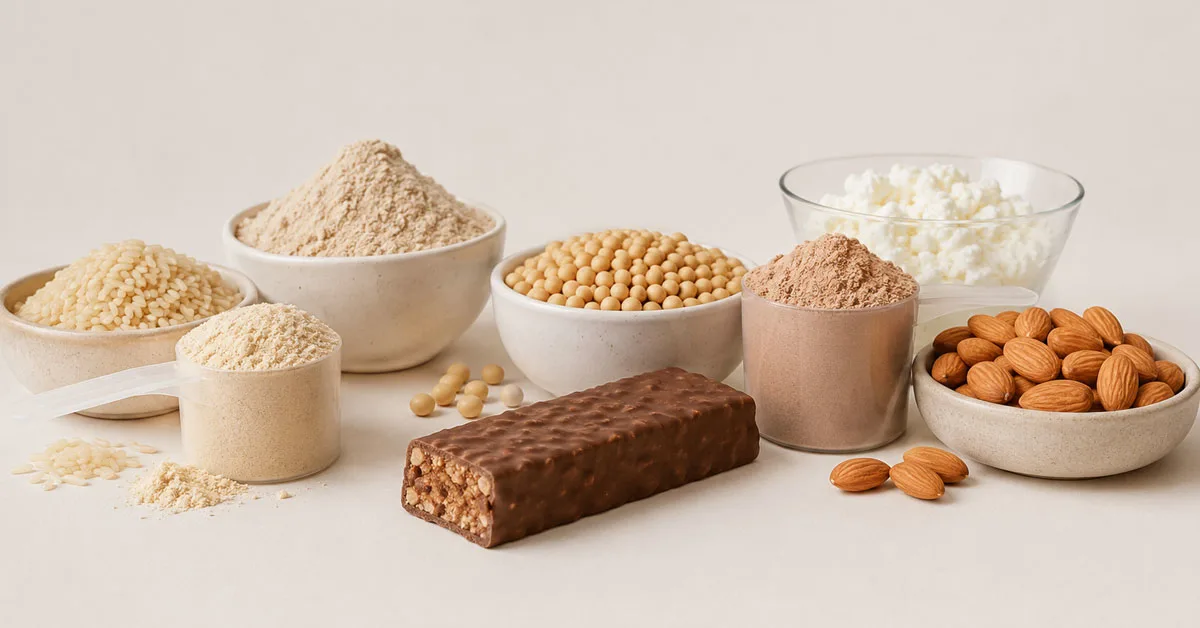
Selecting the appropriate protein for protein bar manufacturing may not be so easy at first glance, but upon careful consideration you know, there are some key considerations to keep in mind: – Important considerations are:
Target market:
The protein selected should cater to the tastes of target market customers. In athletes market whey is a favoured preference whereas; for a vegan segment of the market, the protein selected should be plant-based to improve chances of market success.
Nutritional requirement:
Product developers need to figure out how much protein and what amino acid profile they’d want in the protein bar. The different properties each kind of protein presents, may not all fit the end objectives.
Production performance:
Protein needs to be effective in terms of mixing as well as shaping. Incompatibilities between ingredient properties can cause manufacturing obstacles, testing prior to large quantity production is essential.
Cost factor:
Cost of ingredients impacts on the pricing and then profitability of the final product, therefore companies need to be judicious.
Best Ingredients for High Protein Bar Formulation
The best ingredients for high protein bar formulation contain more than protein wholly. Moreover composition improves texture, flavor, and stability.
| Ingredient | Function |
|---|---|
| Protein Powder | Main protein source |
| Oats | Texture and fiber |
| Nuts | Healthy fats |
| Dates | Natural sweetness |
| Cocoa Powder | Flavor enhancement |
| Fiber Syrup | Binding ingredient |
Explanation –
These are few of the best ingredients for high protein bar formulation. Protein powders offer the chief nutritional profile. Oats and fiber add structure and texture. Nuts enhance taste while adding healthy fats. Dates provide organic fructose without immoderate sugar. Cocoa boosts flavor and consumer hunger. Together, these compositions make balanced and delightful protein bars.
Protein Bar Manufacturing Process
The determined protein must move through a structured production procedure.
Flow Chart: Protein Bar Production Flow
Explanation
The procedure enunciates with finalising the best protein for protein bar manufacturing. Compositions are evaluated to assure quality grade and compatibility. Formula advancement develops the final recipe. Mixing together all composition into a consistent blend. A protein bar machine creates the combination into bars. Fully prepared bars are cooled and packed for distribution.
Function of protein bar machines
The manufacturers are able to achieve higher levels of production and more even quality of protein bars with automated machines. Advantages of Protein Bar Machine
High Throughput-
Machines produce large numbers of bars at a rapid pace to keep up with the demands of the market, making your production more efficient.
Product Quality-
Machines can produce bars of consistent size and weight, ensuring brand reputation and higher customer satisfaction.
Less Need for Labour-
Reducing your need for human assistance in each step of bar production, which translates to fewer labour expenses and better overall employee performance.
Better Process Control-
Advanced equipment permits particular control during production. Better control boosts product uniformity and decreases manufacturing mistakes. This assists long-term flourishing.
Protein Bar Making Machine Price
The protein bar making machine price varies as per equipment size, automation grade, and production specifications.
Protein Bar Making Machine Price Range
| Machine Type | Estimated Price Range |
|---|---|
| Small Scale Machine | $5,000–$15,000 |
| Semi-Automatic Machine | $15,000–$40,000 |
| Fully Automatic Machine | $40,000–$150,000+ |
The protein bar making machine price varies importantly depending on manufacturing necessities. Small-scale plants are prevalent for new firms. Semi-automatic hardware provides advanced efficiency for growing enterprises. Fully automatic machinery aids in large-scale operations. Machinery selection must align with production objectives. Investing wisely assists maximize long-term returns.
Choosing Reliable Protein Bar Machine Manufacturers
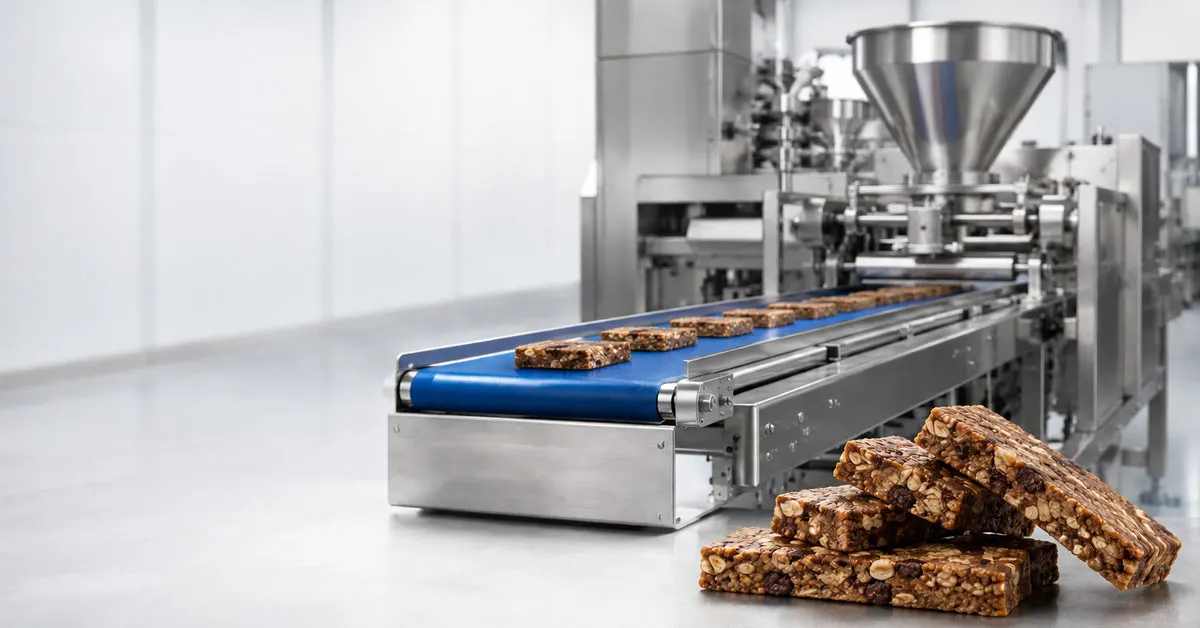
Operating with expertise protein bar machine manufacturers aids assuring smooth buttery production operations.
Flow Chart: Equipment Selection Process
Explanation –
The machinery selection procedure begins by identifying manufacturing objectives. Firms contrast several machinery alternatives and suppliers. Reliable protein bar machine manufacturers offer trial and technical assistance. Machinery performance must be tested prior buying. Setting up and training assure successful operation. Following this procedure aids firms in creating informed decisions.
Foodsure Machines and Their Services
Foodsure Machines offers highly developed formulations for protein bar producers. The enterprises provide trustworthy protein bar machine hardware for new firms and big producers. Their machinery assists in efficient and uniform manufacturing. Foodsure Machines supports customers choosing equipment based on manufacturing requirements. They offer set ups and commissioning service offerings. Technical tutoring is available for machine workers . Preventive repair services aid in reducing downtime. The company offers modified manufacturing remedies. Ongoing technical assistance boosts operational execution. Their whole offerings aid firms attain efficient protein bar production..
Conclusion
Choosing the right protein to develop into a protein bar protein is an important decision that influences consumer experience and business success. Every protein used to make a protein bar comes with distinct nutritional and functional characteristics. Whey protein versus plant protein for protein bar recipes can steer you in the right direction and teach you how to select protein for protein bar manufacturing so you get more business results.
Top ingredients for the best protein bar formulation deliver the right flavor and texture.
The equipment and supplies also play an important role. Manufacturers that choose wisely will discover new and improved protein bars that fulfill market and company goals.
FAQs
1. What is the best protein to use for a protein bar?
The best type of protein to make a protein bar depends on the intended use and audience of your product. Because of its comprehensive amino acid composition, whey protein is frequently utilized by sports nutrition companies, and plant-based options are frequently sought for products that are plant-based or avoid all allergens.
2. What proteins are frequently utilized to create protein bars?
The most common proteins utilized in the production of protein bars include milk protein, soy protein, egg protein, whey protein, pea protein, and rice protein. Most manufacturers use a blend of these proteins to optimize nutritional profiles, textures, digestibility, and general product performance.
3. Which one is superior: whey protein or plant protein?
It will be entirely dependent on consumer desires, whether it makes greater sense to include whey protein or plant protein in the development of a protein bar. They both provide complete proteins with a uniform consistency. Plant-derived protein choices also facilitate the creation of products that are vegan and free of dairy for increased market reach.
4. What processes do producers employ when they are developing protein bars?
In order to grasp how to choose which protein for protein bar development entails a careful assessment of nutritional values, textures, flavours, expenses, shelf-lives, user preferences, and manufacturing techniques. Different versions can be experimented with to find out what will yield the greatest results.
5. What are the best components for putting together bars with significant protein?
When manufacturing high-protein bars, a selection of the following components are among the most excellent: Protein powders, oatmeal, dates, nut extracts, cocoa powder, and fiber syrup. All of these come together to supply the ideal nutritional, flavour, and textural benefits for a variety of different applications.




