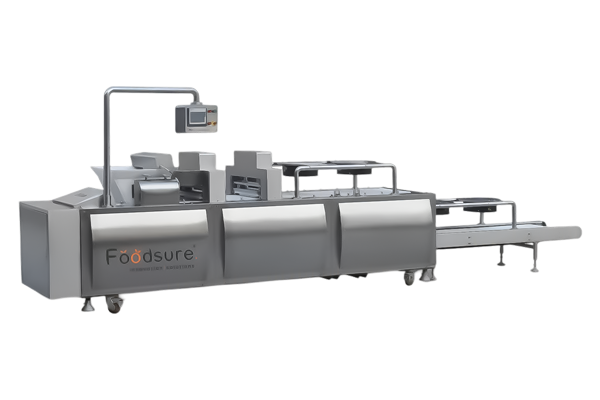

The narrow space of a spice unit traps one entrepreneur who watches four workers grind turmeric by hand. The business generates ₹8 lakhs in monthly revenue but reaches only ₹1 lakh in profits, so the physical labour creates more fatigue than the financial situation. The “founder’s trap” prevents him from managing his business because he works too much. When a salesman promises that an automated food machines will triple output and deliver “instant” profits, the pitch sounds like a rescue boat.
However, most people choose to skip the mathematical calculations while they disregard the distance between their location and service centres, and they fail to see the concealed expenses associated with infrastructure. The investment of ₹15 lakhs based on hope instead of data leads to a severe reality check. The first 3-month delay develops into an expensive essential course that teaches people about food manufacturing automation.
The Reality of Food Automation in India: What Actually Happened
Automated food machines demand more than a “plug-and-play” solution. Founders fail to grasp the complete operational challenges that will emerge during their first three months. The battle with that challenge has two elements, which emerge as follows:
- Delayed Timelines: The vendor requires two days for setup, yet actual installation work requires three weeks because of electrical and floor levelling problems.
- The Learning Curve: It requires one month for operators to learn how to operate the complicated food processing equipment through supervised training sessions.
- Efficiency Gaps: You will likely hit only 60% efficiency initially while burning through a maintenance budget you hadn’t planned for.
- The Turning Point: The organisation will achieve major benefits after its “teething” period because it will decrease waste from 18% to 4% and increase revenue three times.
The Real cost of automated food machines in India

The vendors provide you with a quotation of ₹22 lakhs, which they treat as a standard price. The actual expenses of automated food machines in India become visible through their concealed infrastructure elements.
4 Critical Mistakes to Avoid with Your Automated Food Machines
Business expansion through food production automation proves to be a dangerous business decision. To ensure the investment pays off, one must look past the sales brochures and focus on these four common operational traps.
MISTAKE #1: The Showroom Trap
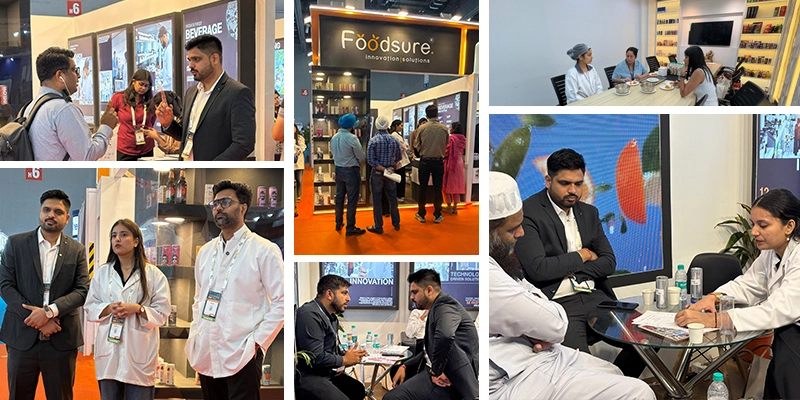
- The Error: Many founders make the mistake of approving a purchase after seeing a “perfect” demo at a trade show or vendor showroom. Vendors create demo materials using their best raw materials, which reflect only the actual materials they need for regular production.
- The Solution: Never finalise a deal based on a controlled demo. Insist on a factory-level trial using your actual product—whether it’s sticky dough, abrasive spices, or high-viscosity liquids. If the vendor is confident, they should allow a 1-month rental or a paid trial period. The testing process requires testing actual clogging conditions while running food processing equipment at maximum production limits to determine its ability to function properly under testing conditions.
MISTAKE #2: The Operator Skill Gap
- The Error: People wrongly believe that automated systems require no human labour to operate them. The use of general labour to operate PLC-based food processing equipment will create equipment operational problems. The calibration process and cleaning activities require precise execution to prevent equipment damage.
- The Solution: Treat the operator as a specialised technician. The organisation needs to allocate budget funds to cover training and certification programs that manufacturers provide. A certified operator functions as an advanced machine operator who can identify machine problems by using sound detection methods, and he can perform machine maintenance and fix basic sensor problems. The investment creates a machine lifespan extension of two to three years while it maintains consistent output quality throughout its operation.
MISTAKE #3: The Distance Dilemma
- The Error: It is tempting to buy from a brand 500km away just to save ₹2 lakhs on the initial purchase price. The food automation India market measures the actual expense of equipment through its operational breakdown periods. When a critical sensor fails on a Friday evening, a distant service centre becomes a liability.
- The Solution: The company needs to establish a 50km distance as its primary service area. The local presence of “critical-fail” spare parts must be confirmed before the contract signing process begins. A two-day production halt for a ₹500 part can easily lead to ₹25,000+ in lost sales and missed delivery deadlines. Local support is the insurance policy for your production line.
MISTAKE #4: The ROI Fantasy
- The Error: Falling for the “6-month payback” promise is a frequent strategic blunder. The “fantasy” ROI fails to consider all expenses, which include electricity upgrade costs, together with waste generated during the calibration phase and the operational slowdown that occurs when employees take time to learn the new system.
- The Solution: Adopt a conservative 18–24 month payback timeline. The financial model needs to apply this formula to calculate actual financial results:
- Total Investment * Monthly Added Profit = Payback Months
- Total Investment must include all costs which cover the machine price, together with shipping and installation expenses and three months of required spare parts. The organisation should extend its ROI period because this method ensures uninterrupted cash flow during critical transition times.
Should You Automate? The Decision Framework

The issue is not a question of prestige, whether to use a manual vs automated food production setup, but a question of unit economics. When the money is not worth the debt or the cash reserves are not sufficient to meet the costs that are concealed, the investment can soon turn into a liability. Audit the business preparedness using the following benchmarks and checklists.
The Revenue Benchmark Checklist
Look at the balance sheet before looking at machines. Revenue dictates what kind of scale a business can, in fact, maintain:
- Below 8 Lakhs: Manual Operations Only. At this point, the margins are typically too low to cover automated food machines depreciation and interest. Concentrate on mastering the recipe and establishing brand power.
- ₹8-15 Lakhs: The Hybrid Pivot. Only the most intensive bottleneck, usually packaging, is automated. Retaining the preparation manual and automating the end-of-line makes it possible to gain more speed without huge capital risk.
- ₹15 Lakhs or more: The Automation Greenlight. At this scale, handwork is the bottleneck in quality and consistency. To stay competitive, a shift to an automatic food production machine is needed.
The Go Signal Checklist: Operations are Ready to Scale
When the three pillars below are established, automation will probably be successful and will deliver a high ROI:
- Predictability of Orders: The business has predictable, regular monthly orders. Machines are good for repetitive, long-running production cycles.
- Financial Resilience: There is a capital buffer of a minimum of 35% of the sticker price of the machine. This will make sure that there is no cash flow crisis due to installation and electrical upgrades, or due to the learning curve.
- Formula Standardisation: There is locking of the product recipe. It is not varying every month depending on the prices of ingredients or seasonal variations. Automated lines must be highly consistent to operate without easy downtime.
Stop Signal Checklist: Capital Safety Risk
In case any of the conditions are fulfilled, investing in food automation in India may be a strategic mistake:
- High Seasonality: The business is dependent on bursts of business and non-busy months. A machine that is not active still has maintenance expenses and is taking up valuable factory space.
- Logistical Isolation: The closest approved service centre is more than 100km away. A 48-hour lag in fixing a small sensor can cause spoiled batches and loss of retail shelf space in the food industry.
- Unproven Product-Market Fit: The product is under test with the consumers. Once automated equipment is installed, it is notoriously hard to retool it to accommodate other shapes, sizes or ingredients.
Conclusion
The transition to automated food machines represents an essential milestone for businesses that want to expand their operations. The decision requires organisations to use data for evaluation instead of making their choice under pressure. The transition from manual food production to automated systems requires comprehensive knowledge about your business expenses and operational assistance needs. When the timing is right, the jump to food manufacturing automation can transform a struggling unit into a high-growth powerhouse.
Foodsure Machines provides specialised automatic food production systems for the Indian market, which customers can explore without any uncertainty. Your investment needs to be optimised through our process to achieve sustainable success.
Frequently Asked Questions
Is an automated food machine worth it for small food business?
Only when you earn more than 15 lakhs a month and when your product recipes are totally standardised to automate food in India, is it worth it.
How many automated food machines are in India?
Automated food machines in India tend to cost more to install and train, which requires India to budget 35-40% higher than the price shown by the vendor.
What is the net effect of a food processing machine on the total profit margins?
The right food processing machine can see your profit per unit double as raw material wastage is cut by half, from 18 % to a 4 % wastage.
What is the largest risk of automation in food manufacturing?
The largest threat is the Distance Dilemma, in which purchasing an automatic food production machine without a local service centre will cause expensive downtime.
What are the considerations when deciding between a manual and automated food production system?
Use a manual system when you are earning below ₹8 lakhs; otherwise, begin a hybrid shift to automated food machines to cushion your cash flow.