Quick answer: To make ketchup in Bangladesh, you need a processing line (washing, pulping, cooking, mixing and filling), a steady supply of tomatoes or tomato paste, a BSTI certification mark for ketchup, and BFSA registration for your factory. Pick a machine size based on orders you already have, then grow from there.
Bangladesh grows a lot of tomatoes, but farmers often get a bad price at harvest. At the same time, shops and restaurants keep selling more ketchup. A processing unit sits right between these two facts.
This guide is for anyone planning to buy a tomato ketchup machine in Bangladesh, whether you are a new business or an existing food factory adding a new line. It covers market numbers, how the machines work, the rules you must follow, and how a mayonnaise line can fit in later.
Is ketchup a good business in Bangladesh?
Yes, demand is steady and there is room for new local brands. Ketchup is already the most popular table sauce in the country, and restaurants use more of it every year. Growth in volume is slow, though, so winners compete on price, taste and trust.
Here is what the numbers say:
- Statista estimates the Bangladesh tomato ketchup market at about €0.55 billion in 2024, with each person eating around 1.6 kg a year. It expects volume growth of only 0.8% in 2025.
- The US Department of Agriculture reported that condiment and sauce imports into Bangladesh grew 66% in five years to about $25 million in 2021. It also noted that, according to Euromonitor, ketchup is the most popular table sauce, with mayonnaise growing behind it.
- Euromonitor’s November 2025 report on cooking ingredients in Bangladesh describes moderate growth in sauces, dips and condiments, helped by more brands and more product choice.
- The food service market was valued at nearly $3.8 billion in 2024 and is expected to almost double by 2029, according to a Dhaka Tribune feature. A study quoted in the same paper found that 68.1% of college-going youth eat fast food at least once a week.
- P&S Intelligence projects that Bangladesh’s quick service restaurant market will reach about $2.65 billion by 2030, growing 7.1% a year from 2024.
More burgers, fries and rolls means more ketchup sachets and bulk packs. That is good news for a local maker who can supply restaurants at a steady price.
One more point on competition. A 2018 Financial Express report said imports made up around 30% of the market and that PRAN-RFL held close to 40% share. PRAN has since said it can make 18,000 tonnes of sauce a year. So you will not win by being “another ketchup.” You win with a clear buyer, such as a restaurant chain, a local retail brand or a private label.
Why do tomatoes go to waste while ketchup makers buy paste?
Because Bangladesh has plenty of tomatoes at harvest but very little processing and storage. When the crop comes in, prices crash. A few months later, prices jump. A ketchup unit turns the cheap, surplus tomatoes into a product that lasts.
Some facts that show the gap:
- A Bangladesh Journal of Agricultural Research study put tomato production at about 469,000 tonnes from around 31,000 hectares.
- The FAO says around 40% of tomatoes are lost after harvest in Bangladesh, and that the country still relies on imports to meet demand. Its Hand-in-Hand plan includes a paste unit of 10,000 tonnes a year.
- FreshPlaza reported that in a glut, farm-gate prices fell to Tk 4 to 5 per kg while city shops sold at Tk 35 to 40. Some farmers left tomatoes in the field or fed them to cattle.
- Yet in May 2026, bdnews24 reported tomatoes at Tk 80 per kg, because supply drops in the off-season.
- The same FreshPlaza piece said Rajshahi’s winter tomato trade alone brings in about Tk 100 crore (US$9.1 million) a year.
So you have two choices for raw material.
- Buy fresh tomatoes in season and make pulp. Big players do this. PRAN, for example, begins collecting and pulping tomatoes around the end of January, according to Dhaka Tribune, and stores the paste using an aseptic system. It has said it works with about 10,000 contract farmers in districts like Rajshahi, Natore, Pabna and Chapai Nawabganj.
- Buy tomato paste. TomatoNews noted that Bangladesh used to import tomato pulp to make sauces and ketchup. If you import paste, Bangladesh Customs asks for documents such as a certificate of origin, commercial invoice, a fit-for-human-consumption certificate and a radioactivity certificate, according to Tridge.
Many small units start with paste, because it keeps the line running all year. Then they add their own pulping when volumes grow.
What does a tomato ketchup machine line include?
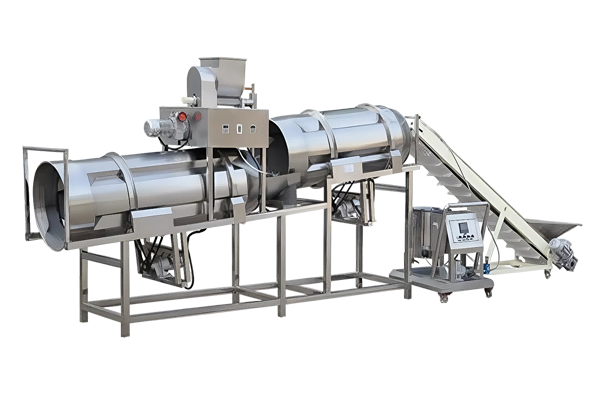
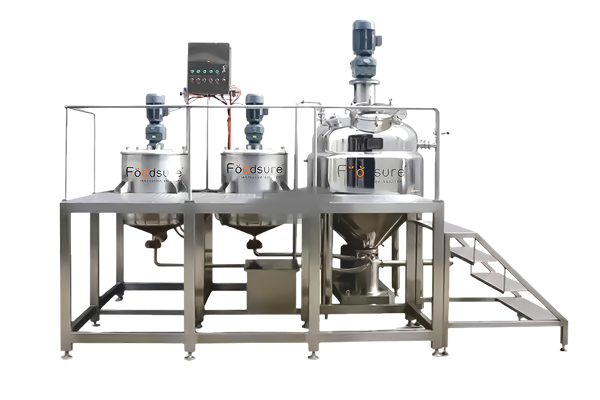
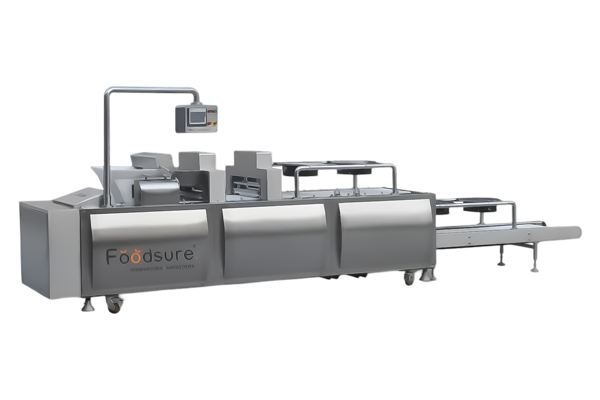
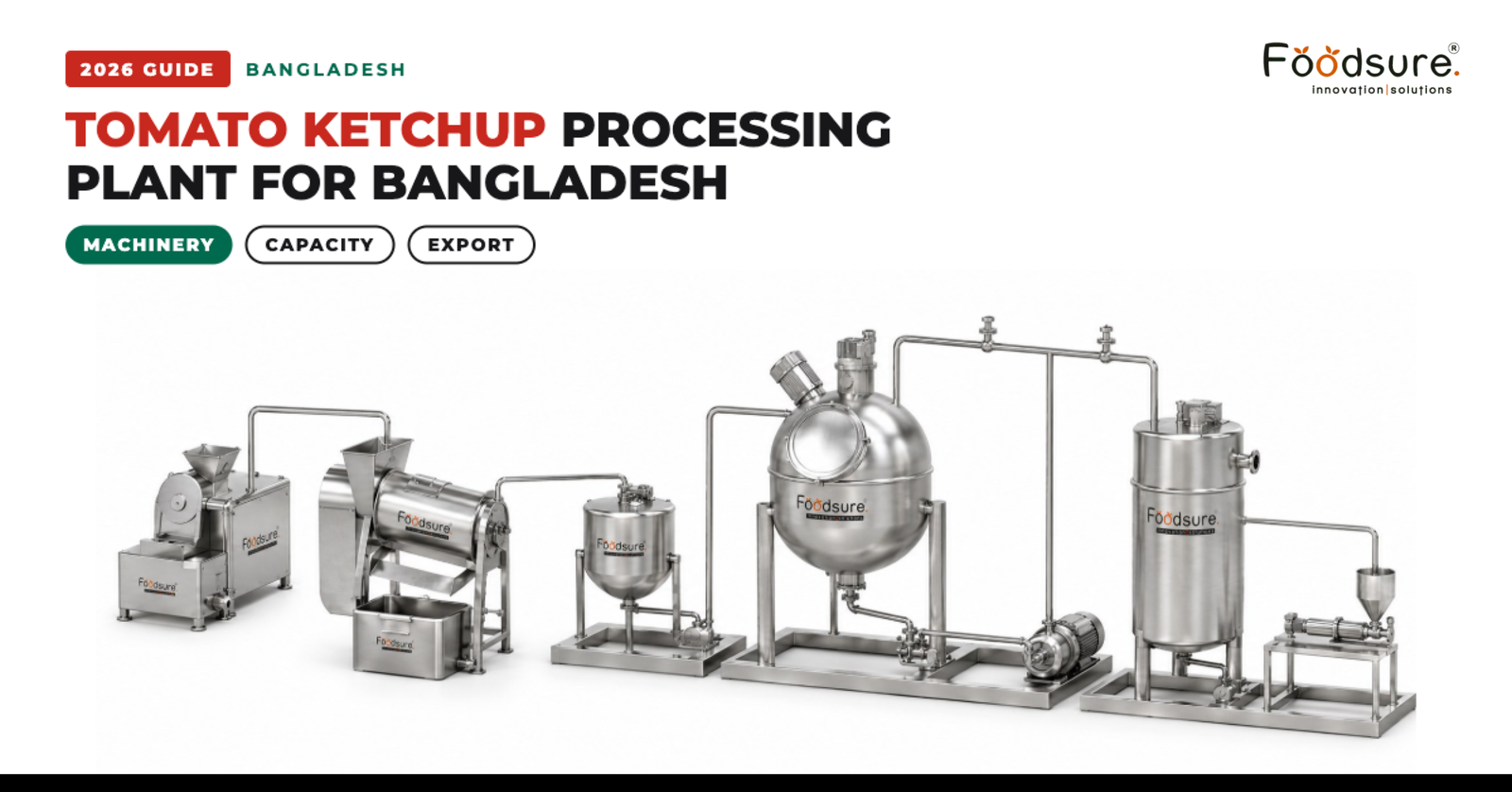
A full tomato ketchup machine line takes tomatoes or paste and turns them into filled, sealed bottles or pouches. The main stages are washing, pulping, cooking, mixing, filling and cooling. You can buy the whole line or only the stages you do not have yet.
| Stage | What the machine does | Why it matters |
| Washing and sorting | Removes dirt and bad tomatoes | Dirt and rot spoil the batch and shorten shelf life |
| Crushing and hot break | Heats and crushes tomatoes | Gives a thicker, better-coloured ketchup |
| Pulping and finishing | Separates skin and seeds from pulp | Smooth texture, no bits |
| Cooking and concentration | Removes water until the ketchup is thick | Sets the thickness and taste |
| Mixing | Blends sugar, vinegar, salt and spices | Keeps every batch the same |
| Filling and capping | Fills hot product into bottles or pouches | Hot filling helps the product stay safe on the shelf |
| Cooling and labelling | Cools packs, adds batch code and label | Batch codes are needed for tracking and BSTI checks |
Two buying tips:
- Tomatoes and vinegar are acidic. All parts that touch the product should be food-grade stainless steel. Ask your supplier which parts are SS304 and which are SS316.
- Ask for hot-fill or pouch-fill options. Restaurants buy 1 kg to 5 kg packs, while shops want small bottles and sachets. A line that can switch between both gives you more buyers.
How do you pick the right machine size?
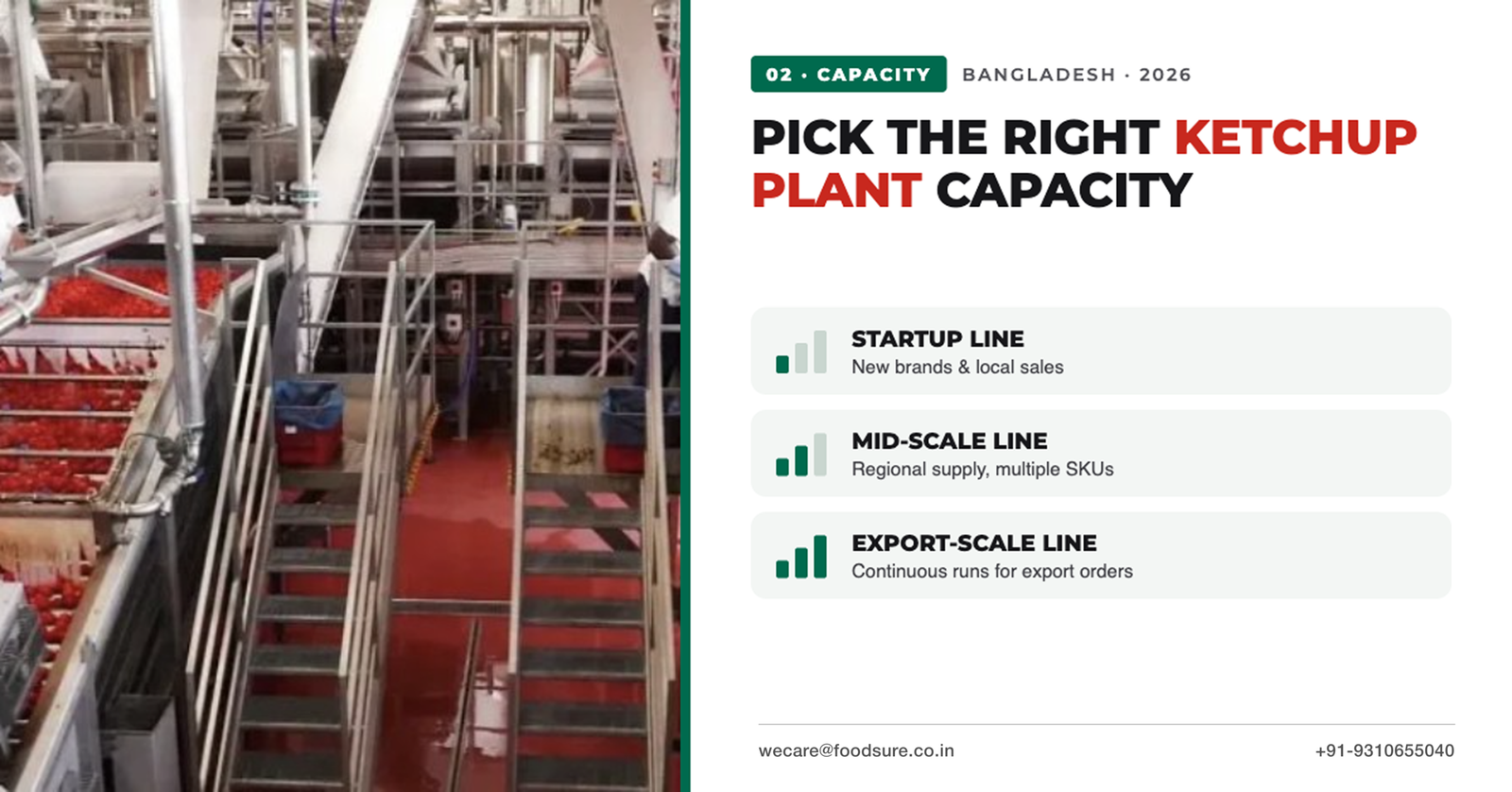
Pick the size from orders you can actually get, not from the biggest machine on offer. Add a little room to grow, and plan for a line that can run all year using paste when fresh tomatoes are not available.
| Your situation | What to look for | Capacity (kg/hr) |
| New brand, testing the market | Compact line, paste-based, hand-fed filling | 100-200 Kg |
| Selling to shops and a few restaurants | Semi-automatic line with a filler and capper | 500-1000 Kg |
| Supplying chains and distributors | Automatic line with pulping, vacuum cooking and batch coding | 2000 Kg |
Common mistake: buying for the peak tomato month. If the line runs at 30% to 40% of its ability for the rest of the year, your cost per bottle goes up. Size for your normal month, and use paste to fill the gaps.
What approvals do you need to sell ketchup in Bangladesh?
You need BSTI certification for the ketchup itself, BFSA registration for your food business, and the usual trade licence and factory papers. Buyers like restaurant chains and exporters may also ask for HACCP or halal papers, although these are buyer requirements and not a general rule.
| Approval | Who gives it | What it covers |
| BSTI Certification Mark | Bangladesh Standards and Testing Institution | Tomato ketchup (BDS 530:2002) and tomato paste (BDS 517:2015) are both listed under the BSTI mandatory scheme, according to ChemLinked’s Bangladesh food regulation guide |
| BFSA registration | Bangladesh Food Safety Authority | Under the Safe Food (Registration and Licensing) Regulations, 2026, published on 16 July 2026, packaged food manufacturers need to register. Registrations are valid for three years, according to Bangladesh Monitor |
| Trade licence, factory and fire licence | City corporation, factory office, Fire Service | Basic permits to run a factory, as listed by DHL’s Bangladesh trade guide |
| HACCP, halal | Certification bodies | Often asked by big buyers. Tridge notes that halal and clear ingredient labels are expected in this Muslim-majority market |
Worth knowing: Bangladesh Monitor reported that business groups say the new BFSA rules add cost and paperwork. BFSA officials said enforcement would first focus on large industrial producers. Do not take that as a reason to wait. Start your BSTI and BFSA applications while you are buying the machine, not after it arrives.
Also, BSTI’s own list of mandatory products has grown. OGR Legal’s BSTI page lists 273 products under mandatory certification as of 2023, so check the current list before launch.
What decides the cost of a ketchup plant?
The cost depends on four things: capacity, how automatic the line is, the packing format, and whether you add your own pulping. A paste-based, semi-automatic line costs far less than a full tomato-to-bottle line.
On the running side, your biggest costs are:
- Raw material. As shown above, tomato prices swing from Tk 4 to 5 per kg at the farm in a glut to Tk 80 per kg in the off-season. Paste and seasonal buying help you smooth this out.
- Packaging. Bottles, caps, pouches and cartons add up fast.
- Compliance. BSTI fees, lab tests and BFSA registration.
- Idle time. A line that runs at 70% to 80% of its ability gives a much lower cost per bottle than one that runs at 40%.
Get a few firm orders or letters of intent before you add capacity. It protects your margin more than any machine feature.
Should you add a mayonnaise machine?
It can make sense once your ketchup line is running well, because mayonnaise sells to the same buyers. Restaurants, fast food outlets and shops that buy ketchup usually buy mayonnaise too. But it is a different product with its own machine and its own rules.
What the data shows:
- Tridge describes Bangladesh as an import-dependent mayonnaise market, with some local production in Dhaka and Chattogram.
- The USDA said mayonnaise is a growing table sauce in Bangladesh, after ketchup.
- Tridge also warns that oil, egg and packaging prices can move quickly, and that mayonnaise must match BSTI’s mayonnaise standard and BFSA’s rules on claims and labels.
- A press report from Fair Food & Lifestyle, which distributes imported sauces, said Alfa Mayonnaise is among the most sold brands in the country. That tells you buyers already trust a few big names, so quality and price must be strong from day one.
Mayonnaise is an oil and egg emulsion. It needs its own mixer, and its own cleaning routine. Start with ketchup, build your customer list, and add mayonnaise when you have steady restaurant buyers.
Can you sell ketchup outside Bangladesh?
Yes, but treat it as a second step. First, get your quality and paperwork right at home. PRAN already ships sauce and ketchup to Malaysia, the UAE, the USA, Italy and Sweden, according to a company press release carried by Jagonews24.
Export of processed food is growing. The Export Promotion Bureau showed processed food exports up 11.69% in January 2025, as reported by Jagonews24. The Financial Express reported agro and processed food exports of $964.34 million in FY2024.
Export buyers usually ask for batch records, lab reports and food safety audits. If you keep batch codes and test reports from your first day, you will be ready when the first export enquiry comes.
What mistakes should you avoid?
- Buying machines before checking tomato or paste supply. Know where your raw material will come from in every month of the year.
- Ignoring BSTI and BFSA until the plant is built. Start the papers early.
- Choosing the biggest line. A smaller line that is always busy earns more than a big line that sits idle.
- No batch codes. Restaurants and exporters ask for them, and so do inspectors.
- Skipping trial batches. Run small batches first, check taste, thickness and shelf life, and get feedback from two or three buyers.
- Forgetting operator training. A new line needs trained people. Ask your supplier for training and a service plan.
Why buy from Foodsure Machines?
Foodsure Machines is a food processing machine manufacturer based in Noida, India, and supplies customers across South Asia and the Gulf. Our range includes tomato ketchup and mayonnaise machines. If you also need help with the recipe, our sister company Foodsure Labs works on food formulation.
Tell us your target daily output, your pack sizes and whether you will use fresh tomatoes or paste. We will suggest a line that fits, and quote only the stages you actually need.
Key takeaways
- Ketchup is the most popular table sauce in Bangladesh, but volume growth is slow, so quality, price and a clear buyer matter most.
- Around 40% of tomatoes are lost after harvest, and farm prices can fall to Tk 4 to 5 per kg in a glut. Processing turns that waste into a product that lasts.
- A full line covers washing, pulping, cooking, mixing, filling and cooling. You can buy the whole line or only the missing stages.
- Ketchup (BDS 530:2002) falls under BSTI’s mandatory scheme, and packaged food makers need BFSA registration under the 2026 rules.
- Size the machine for your normal month, not the peak tomato month, and use paste to keep the line running.
- Add mayonnaise after ketchup is stable, since both sell to restaurants and shops.
FAQs
Which machines do I need to start making tomato ketchup?
You need a washer, a pulper, a cooking unit, a mixing tank, a filling and capping machine, and a cooling and labelling setup. If you use tomato paste, you can skip the washer and pulper at the start and add them later.
Is BSTI certification compulsory for tomato ketchup in Bangladesh?
Yes. ChemLinked lists tomato ketchup (BDS 530:2002) among the products under BSTI’s mandatory Certification Mark scheme. This means you need the BSTI mark before selling. Check the latest BSTI list before launch, because it changes.
Do I need BFSA registration for a ketchup factory?
Yes. The Safe Food (Registration and Licensing) Regulations, 2026 came into force on 16 July 2026. Packaged food manufacturers need to register with BFSA, and registrations are valid for three years, according to Bangladesh Monitor.
Can I run a ketchup line all year if tomatoes are seasonal?
Yes, by using tomato paste or pulp when fresh tomatoes are not available. Large makers like PRAN pulp tomatoes during the season and store the paste. Smaller units can buy paste and keep the line running year-round.
Can one plant make both ketchup and mayonnaise?
Yes, but each needs its own machine. Mayonnaise is an oil and egg emulsion and needs separate mixing and cleaning steps. Many units run both in one building because they sell to the same restaurants and shops.
How much does a tomato ketchup machine cost in Bangladesh?
It depends on capacity, automation, pack format and whether you add pulping. A paste-based semi-automatic line costs less than a full tomato-to-bottle line. Share your daily output and pack sizes with Foodsure Machines to get a quote for your case.
Can I export ketchup made in Bangladesh?
Yes. PRAN ships ketchup to Malaysia, the UAE, the USA, Italy and Sweden. Export buyers usually ask for batch records, lab reports and food safety audits, so keep those ready from your first production run.