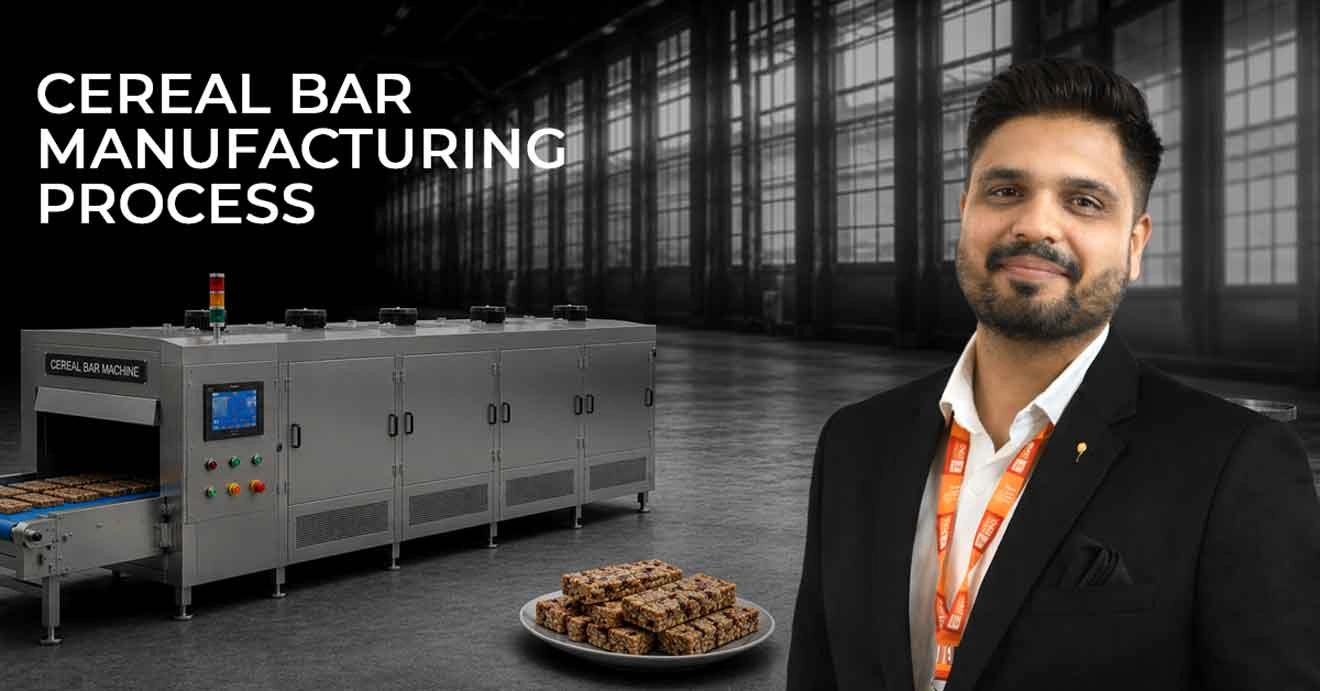
One of the biggest snack product categories within the global food industry is the cereal bar manufacturing process. Their long shelf-life, healthy and convenient characteristics have made them a popular product with strong market demand. With growing customer preference towards healthy snacks over conventional ones, there is a tremendous demand for cereal bars with cereals, oats, grains, nuts, seeds and dried fruits, driving the food manufacturers to focus more on commercial cereal bar production for retail, fitness and private labeling purposes.
To fulfill the market demand, producers need an efficient cereal bar manufacturing line supported by the appropriate cereal bar making machine and manufacturing equipment.
The production process of cereal bars is important in order to produce a product with the same quality and production efficiency and eventually generate profit. This article has covered cereal bar production processes, machinery needed and market demands as well as effective strategies for cereal bar manufacturing and marketing on a commercial level.
Read More:- protein bar chocolate coating problems
Market for cereal bars
The demand for cereal bars has grown immensely because:
- Consumer health awareness is rising
- Consumers prefer healthy snacks over junks
- Growth of health and fitness culture
- Increasing accessibility through retail stores and e-commerce
- Demand for convenient meal replacement
Commercial cereal bar manufacturing offers opportunities for startups, private-label brands, and large-scale food manufacturers.
Raw Materials Required
The quality of raw materials determines the taste, texture, nutritional content and shelf life of a cereal bar. It is important that manufacturers are able to get ingredients from dependable suppliers, enabling quality consistency between batches.
Depending on whether the product is being targeted as a ‘healthy snack’, ‘breakfast bar’ or ‘functional nutrition bar’, ingredients may vary. Adequate storage and handling procedures for raw materials are equally as vital in maintaining the quality of the food and ensuring its safety from contamination. The quality of the ingredients can help producers to achieve a superior product.
| Raw Material | Purpose |
|---|---|
| Oats | Base ingredient |
| Corn Flakes | Crunch and texture |
| Rice Crisps | Lightness and volume |
| Honey or Syrup | Binding agent |
| Nuts | Nutrition and taste |
| Seeds | Added health benefits |
| Dried Fruits | Natural sweetness |
| Chocolate Chips (Optional) | Flavor enhancement |
| Protein Ingredients (Optional) | Functional nutrition |
Read More :- protein ball manufacturing process
Cereal Bar Manufacturing Process Flow Chart
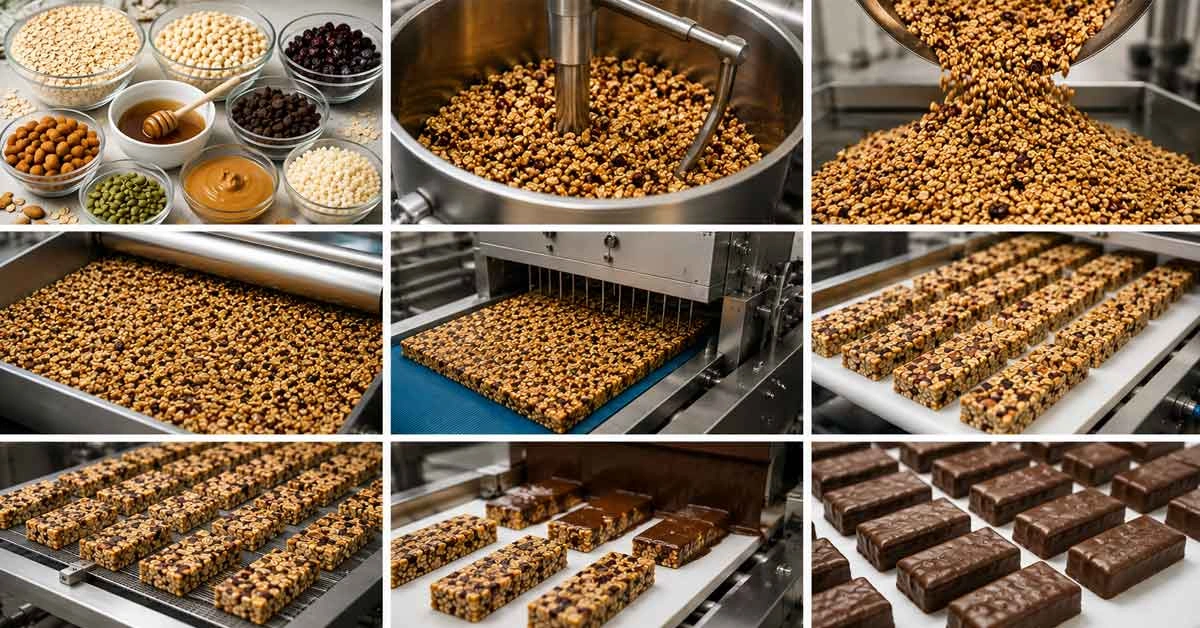
The manufacturing of commercial cereal bars is a defined workflow that is utilized in order to establish a standardized, efficient and safe food product. Every part of the workflow is important in achieving the final desired consistency, shape and nutrition in the finished product.
Contemporary manufacturers utilize automatic cereal bar production machines in order to achieve a reduction in manual labor, thereby improving productivity. A production line that is efficient will aid in achieving less waste, while still yielding a consistent product. It is important for anyone trying to begin, or expand, a commercial cereal bar manufacturing operation to have knowledge of each step involved in manufacturing them.
Cereal Bar Step by Step Manufacturing Process
Step 1: Ingredient selection
- Select good quality cereals and grains.
- Source permitted sweeteners and binders.
- Select dried nuts, seeds and dried fruit.
- Check ingredient safety and quality.
- Store raw ingredients appropriately.
Step 2: Weighing of ingredients and preparation
- Weigh ingredients according to recipe.
- Mix dry ingredients and wet ingredients separately.
- Chop dried fruit or nuts if necessary.
- Sieve ingredients to remove unwanted solids.
- Sort the weighed ingredients for easy access.
Step 3: Mixing and blending of ingredients
- Add dry ingredients to the mixer.
- Prepare binding syrup separately.
- Slowly add syrup to the mixture during the mixing process.
- Mix until mixture becomes one uniform substance.
- Check mixing time and temperature.
Step 4: Syrup making
- Heat sweeteners to specified temperature.
- Achieve desired syrup viscosity.
- Stir ingredients continuously to avoid scorching.
- Add any flavours or functionality ingredients.
- Add syrup at the stage of mixing ingredients.
Step 5: sheet formation
- Transfer mixture onto the forming conveyor.
- Distribute ingredients to form a slab.
- Check thickness by using a roller.
- Ensure consistent composition of the slab.
- Prepare slab for compression.
Step 6: Rolling and compression of product
- Feed slab through compression rollers.
- Control pressure to desired setting.
- Enhance the bonding between ingredients.
- Adjust the dimensions if required.
- Maintain consistency of the product.
Step 7: Cooling
- Transfer slab into the cooling tunnel.
- Cool products to the required temperature.
- Increase the structural integrity of the product.
- Prevent products being damaged while handled.
- Prepare products for cutting.
Step 8: Cutting and portioning
- Set the product bar dimensions.
- Cut the bars with automated blades.
- Ensure consistent product weight is maintained.
- Minimize wastage during production.
- Check dimensions of the cut product bars.
Step 9: Packaging
- Seal products within food approved wrappers.
- Ensure sealed products prevent contaminants getting in.
- Print product identification and batch information.
- Display nutritional content.
- Ready products for dispatch to the customer.
Step 10: Quality and inspection
- Confirm the weight and dimensions of the products.
- Perform moisture content test.
- Verify that the packaging has not been tampered with.
- Carry out food safety checks.
- Authorize that products are good for dispatch.
Machines Required for Commercial Cereal Bar Production
| Machine | Function |
|---|---|
| Ingredient Mixer | Blending raw materials |
| Syrup Cooker | Binder preparation |
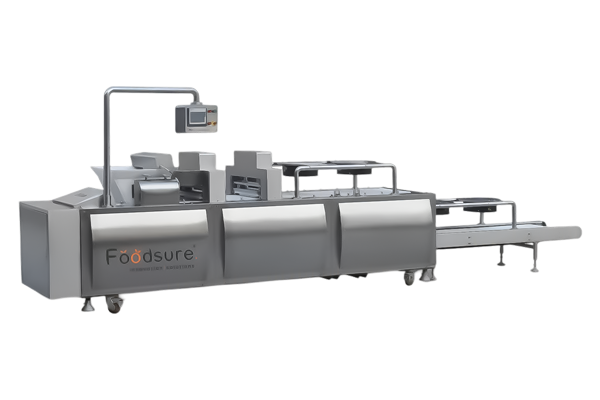
| Cereal Bar Making Machine | Forming and shaping |
| Roller System | Compression |
| Cooling Conveyor | Product stabilization |
| Cutting Machine | Portioning |
| Packaging Machine | Final packing |
Read more :- energy ball production
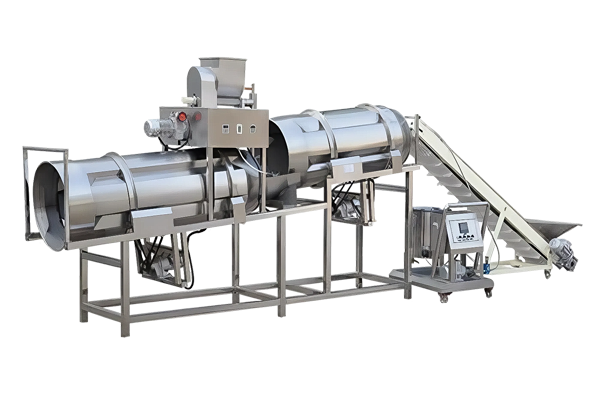
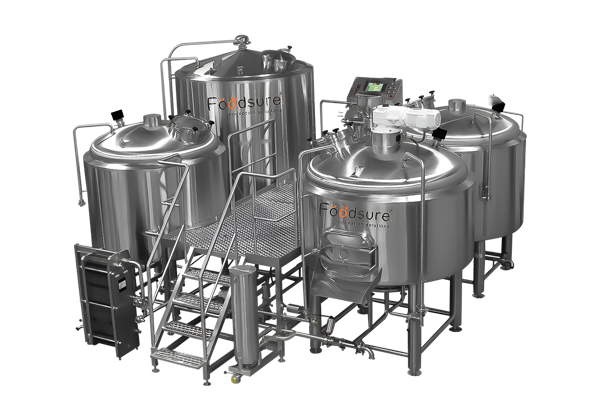
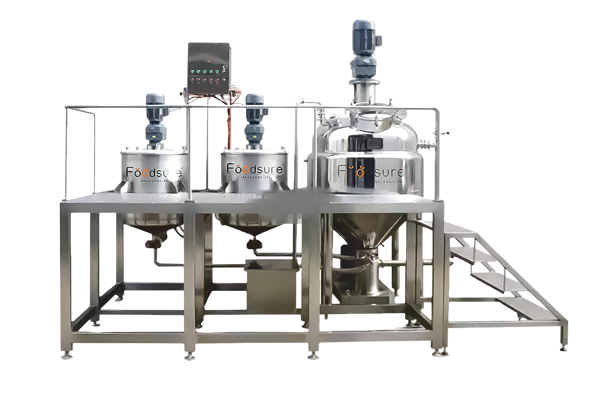
Present-day factories use cereal bar manufacturing equipment for a faster and less wasteful process as well as a more consistent product.
Benefits of a Cereal Bar Machine
Purchasing a cereal bar making machine is an investment that commercial producers make to receive:
- Fast production rate
- Uniform bar dimensions
- Lower labor expenses
- High product consistency
- Greater capacity to expand production
Typically, production facilities utilize cereal bar manufacturing equipment in conjunction with cereal bar making machines in order to maximize large-scale output. Additional units of cereal bar manufacturing equipment may be added as businesses increase in size. An automated cereal bar making machine helps improve sanitation and overall efficiency of the operation.
Expansion to other product types
The expansion of a manufacturer’s production line into new types of bars is achieved with a:
- Protein bar machine
- Energy bar machine
A protein bar machine enables producers to manufacture protein bars utilizing much of the same production infrastructure. Adding an energy bar machine to a cereal bar production line can be accomplished with minimal changes. Some manufacturers combine a protein bar machine, an energy bar machine, and a cereal bar making machine in a single production facility in order to have maximum versatility. Much cereal bar manufacturing equipment will also work with a protein bar machine or energy bar machine. Sports nutrition companies are likely to produce and sell energy bars and protein bars along with cereal bars, and the appropriate machines.
How to market cereal bars on a commercial scale
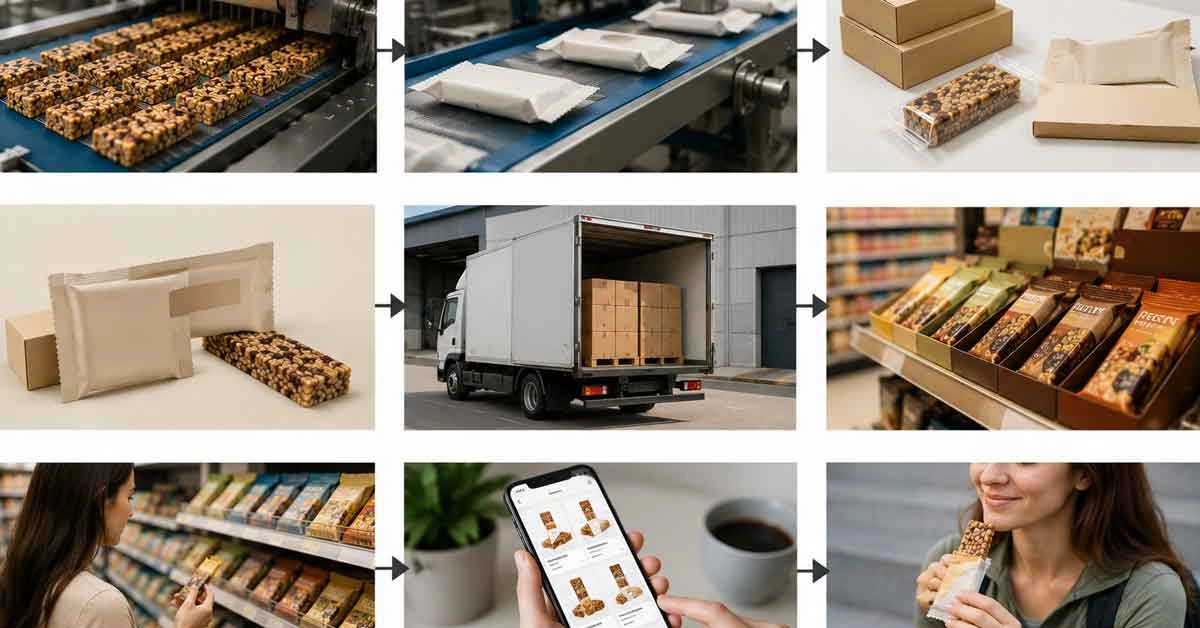
Online marketing
- Create a dedicated web site
- Use a marketplace to sell cereal bars
- Create a social media strategy
- Work with fitness influencers
Offline marketing
- Sell your cereal bars to supermarkets
- Partner with gyms and fitness centers
- Work with health food stores
- Participate in food exhibitions
Tips for Branding
- Focus on the nutritional value of your bars
- Use appealing packaging
- Offer a variety of flavors
- Emphasize clean-label ingredients
How Foodsure Machines can help
Foodsure Machines offers a variety of services to cereal bar manufacturers:
- FSSAI Licensing and Registration
- Food Product Approval Support
- Nutritional Label Compliance
- Food Testing Assistance
- Factory Setup Guidance
- Regulatory Documentation
- Product Compliance Consulting
- End-to-End Food Business Support
Whether you are building a new cereal bar production plant from the ground up or expanding by integrating a protein bar machine, an energy bar machine, and modern cereal bar manufacturing equipment, Foodsure will guide you through the complex regulatory process.
Conclusion
When creating cereal bars in a commercial setting, producers are likely to use cereal bar making equipment alongside advanced cereal bar manufacturing equipment, in conjunction with careful selection of ingredients and meticulous formulation, production, cooling, cutting, and packaging processes. Many cereal bar producers are interested in developing sports nutrition products such as protein bars and energy bars and therefore also buy protein bar machine systems and energy bar machine systems. Quality marketing and an eye toward the nutritional benefits of your bars will ensure sustained success in this market.
Frequently Asked Questions
1.What process is used in manufacturing cereal bars?
There is ingredient preparation, mixing, forming, cooling, cutting, packing and checking.
2.Which machine is used in cereal bar production?
The machine used in cereal bar production to shape and press it, is the cereal bar maker.
3.Which machines and tools would be needed in cereal bar making equipment?
Mixers, syrup cookers, rollers, cooling conveyors, cutters and packing machines are all needed.
4.Can a cereal bar factory also produce protein bars?
Yes, a protein bar machine may be equipped within a cereal bar factory.
5.Which methods are suitable to promote cereal bars in the market?
Supermarkets, e-commerce, gyms, health clubs, and internet publicity etc.