Protein Bar Shelf Life is extremely important in commercial products, as it directly impacts the quality, safety, stock levels and profitability. With the right formulation, protein bars typically have a shelf life from 6-18 months depending on the ingredients, manufacture and packaging used.
In this article, we will be exploring the three major components that affect protein bar shelf life-ingredients, machinery, and packaging.
What is Protein Bar Shelf Life?
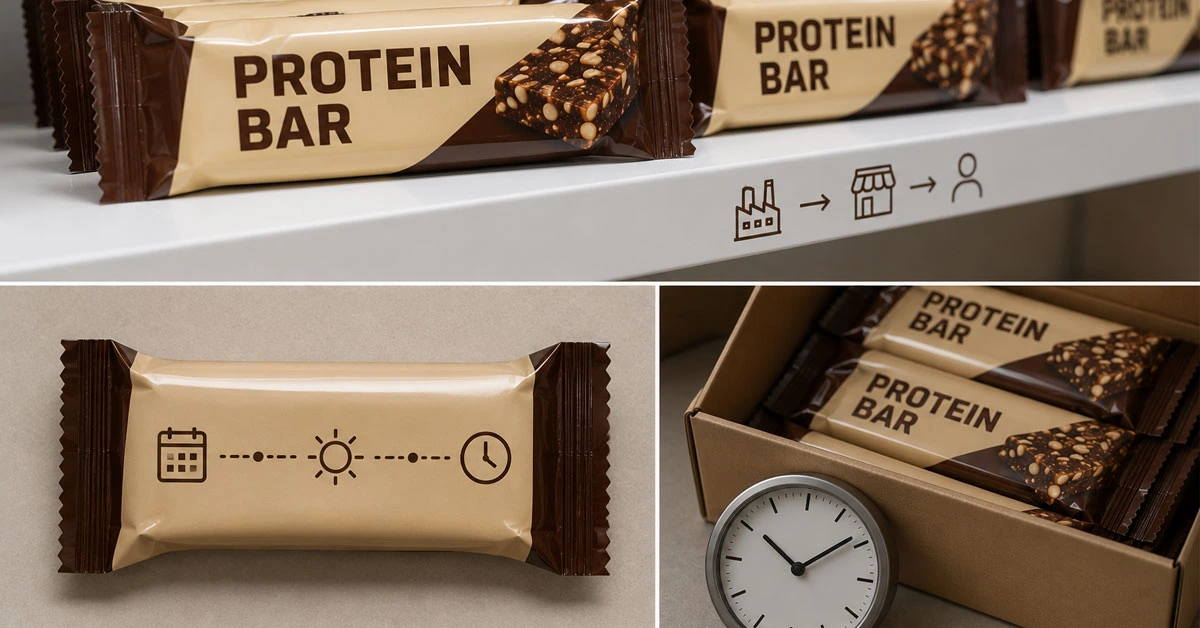
Shelf life is the period in which a protein bar will retain its safety, nutrient content, texture, flavor and physical appearance at the specified storage temperatures.
Read More :- top protein bar brands
Factors that affect shelf life:
- Moisture content
- Water activity
- Fat rancidity
- Protein integrity
- Packaging barrier characteristics
- Manufacturing cleanliness
- Temperature
Shelf-Life Flow Chart
The effect of ingredients on the shelf life of a protein bar
The ingredients are responsible for product stability. Poor choice of ingredients could cause the product to harden, turn rancid, or suffer from micro-organism contamination and lose its flavour profile.
Key Ingredient Categories
| Ingredient Type | Shelf-Life Impact |
|---|---|
| Protein Powders | Texture Stability |
| Syrups & Binders | Moisture Retention |
| Nuts & Seeds | Oxidation Risk |
| Fats & Oils | Rancidity Potential |
| Fibers | Water Binding |
| Preservatives | Microbial Control |
Water Activity and Shelf Stability
Water Activity (a w) is arguably the most critical technical factor which influences Protein Bar Shelf Life.
| Water Activity (aw) | Stability Level |
|---|---|
| < 0.60 | Microbiologically Stable |
| 0.60–0.75 | Limited Microbial Growth |
| > 0.75 | Higher Spoilage Risk |
The majority of protein bars available for purchase are produced within an aw range of:
Recommended Range
- 0.45 – 0.65 aw
This level helps keep microbes to a minimum without affecting the product’s texture.
Ingredients Used to Increase Shelf Life
Some manufacturers choose ingredients for their stability.
Frequent shelf life extenders
- Glycerine
- Soluble corn fiber
- Tapioca syrup
- Natural antioxidants
- Mixed tocopherols
- Rosemary extract
Advantages
- Moisture control
- Reduced hardening
- Improved texture
- Oxidation protection
- Increased stability
Fat Oxidation and Control of Rancidity
Bars that incorporate nuts, seeds, peanut butter or vegetable oils may become prone to fat oxidation.
Oxidation Indicators
| Parameter | Typical Target |
|---|---|
| Peroxide Value | <10 meq/kg |
| Oxygen Exposure | Minimized |
| Storage Temperature | Below 25°C |
Extend Shelf life by:
- Using antioxidant systems
- Minimizing oxygen exposure
- Employing high barrier packaging
- Warehouse temperature control
- Protein Bar Manufacturing Process & shelf life
Protein Bar manufacturing process is an important contributor to stability.
A lack of controls can result in variability in moisture levels and the introduction of contamination.
Manufacturing Flow Chart
All the processes must be verified so that the product will be stable for long.
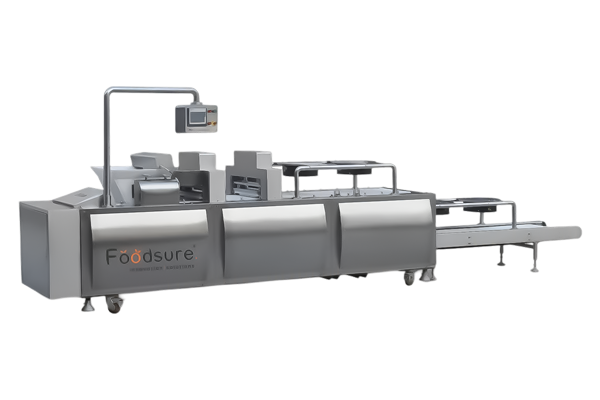
Role of machinery in product shelf-life enhancement
Production machinery is responsible for consistent product and the control over contamination.
Key Equipment Used –
| Equipment | Purpose |
|---|---|
| Mixer | Uniform Ingredient Blending |
| Protein Bar Machine | Automated Bar Production |
| Forming System | Consistent Shaping |
| Cooling Tunnel | Product Stabilization |
| Cutter | Uniform Sizing |
| Packaging Equipment | Product Protection |
Correct setting of Protein Bar machine means stable density and uniform distribution of moisture, making the bar quality stable and can have a longer life.
Critical Machine Parameters
Important Process Controls
| Parameter | Typical Range |
|---|---|
| Mixing Temperature | 25–45°C |
| Product Moisture | 5–15% |
| Cooling Temperature | 10–20°C |
| Room Humidity | <50% RH |
Ensuring the stability of these parameters increases consistency of shelf life.
Importance of Protein Bar Packaging
Protein Bar Packaging is one of the most crucial elements determining the shelf life of the bar post-formulation.
The packaging of bars protects them from:
- Oxygen
- Moisture
- Light
- Contamination
- Physical damage
Packaging Protection Flow
Basic Types of Packaging Materials
Advanced barrier materials
| Material | Oxygen Barrier | Moisture Barrier |
|---|---|---|
| Metallized Film | Excellent | Excellent |
| Aluminum Foil Laminate | Excellent | Excellent |
| Multi-Layer Films | Very Good | Very Good |
| Polyethylene | Moderate | Good |
For commercial protein bars high-barrier laminates are applied for better protection of the product.
Function of a Protein Bar Packaging Machine
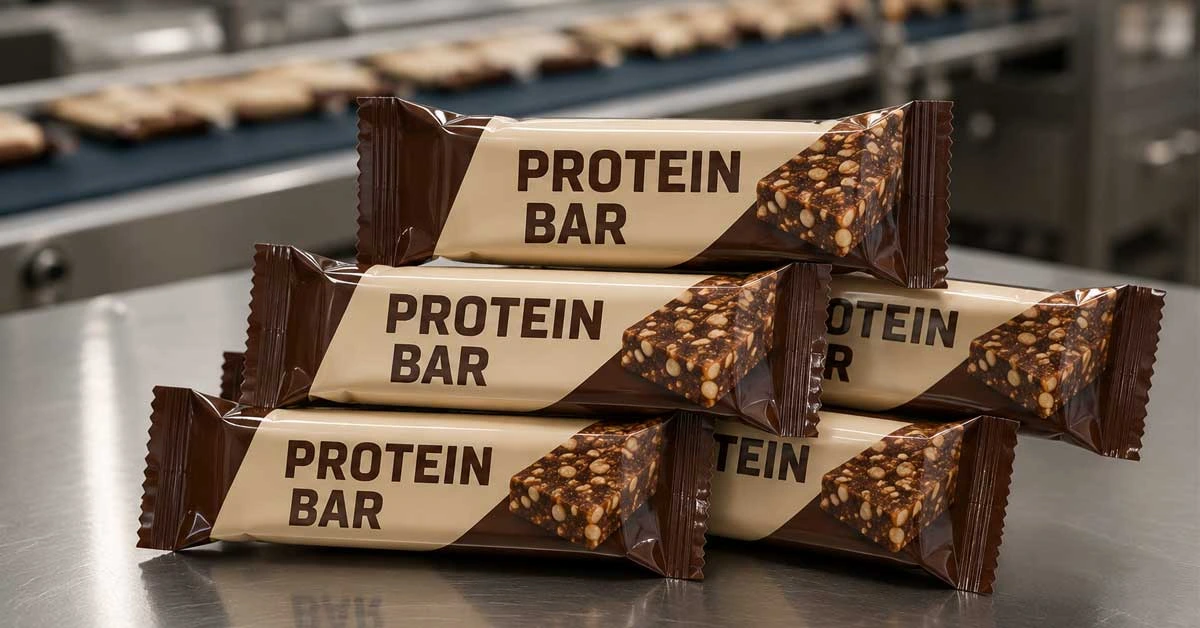
A high-tech Protein Bar Packaging Machine ensures the maximum shelf life of the protein bar product via appropriate sealing and adequate protection of the product:
Benefits:
- Homogenous sealing Quality,
- less Oxygen ingress,
- increase in packaging speed,
- better hygiene controls,
- reduced rate of product rejection
Packaging Workflow
Proper packaging machine performance directly impacts product shelf stability.
Shelf-Life testing procedures
To support the claims on the shelf-life of a Protein Bar, manufacturers conduct testing
Common Tests –
| Test | Purpose |
|---|---|
| Water Activity | Microbial Stability |
| Moisture Analysis | Texture Control |
| Microbiological Testing | Safety Verification |
| Oxidation Testing | Fat Stability |
| Sensory Evaluation | Consumer Acceptance |
| Packaging Integrity Test | Seal Validation |
These can be used to ascertain the exact expiration date:
Suggested Storage Conditions
Best practices for storage
- Storage temp is below 25 C
- Keep away from direct light
- Keep out of direct moisture
- Implement a FIFO system (First in/First Out)
- Keep packaging free of damage
Storage Impact Table
| Storage Condition | Shelf-Life Impact |
|---|---|
| Cool & Dry | Extended |
| High Heat | Reduced |
| High Humidity | Reduced |
| Oxygen Exposure | Reduced |
Protein Bar Shelf Life Optimization Best Practices
Checklist
- Use low moisture ingredients
- Maintain Water Activity below 0.65
- Use antioxidants when needed
- Validate Protein Bar Manufacturing Process
- Use a trustworthy Protein Bar Machine
- Use efficient high-barrier Protein Bar Packaging
- Use an efficient Protein Bar Packaging Machine
- Test Protein Bar shelf-life regularly
- Control store conditions
Conclusion
The Protein Bar Shelf life is determined by an integrated factor: ingredient composition, process control, the efficiency of the machine, and the quality of the packaging material, which collectively affect the longevity of the product. Optimization of the Protein Bar Manufacturing Process with robust production equipment, and superior Protein Bar Packaging quality helps prolong protein bar shelf life and guarantee product quality.
FAQ
What is the general shelf life for a protein bar?
Most commercial protein bars can last anywhere from 6-18 months.
What is the most important factor that contributes to protein bar shelf life?
The major factors that influence the protein bar shelf life include the water activity, ingredients quality and stability, packaging quality, and storage conditions.
Why does the water activity level impact protein bar shelf life?
Water activity affects stability of the texture and inhibits the growth of microorganisms.
Can the packaging influence protein bar shelf life?
Yes, high-barrier packaging can considerably reduce the risk of exposure to moisture and oxygen in the atmosphere.
What kind of machine is utilized to wrap protein bars?
A Protein Bar Packaging Machine is used for the wrapping, sealing and protection of protein bars.