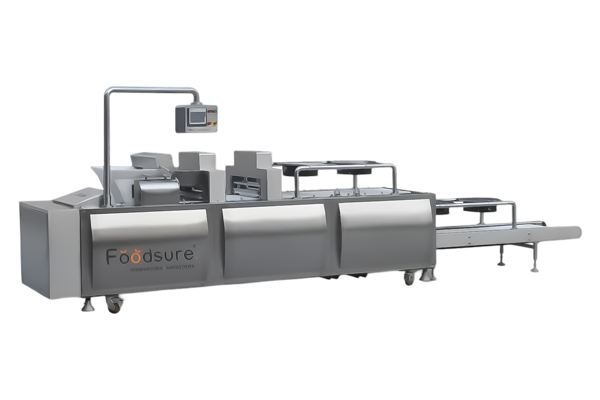

India is the second-largest food producer in the world, and the Indian food processing industry is growing rapidly. However, less than 10% of the produce is processed, and this presents an incredible opportunity. If you’re keen on establishing yourself in the Indian food processing industry, our detailed guide on how to start a food processing business in India 2026 is all you need to make a success of your venture. We’ve compiled all the information you need about legal procedures, plant setup, funding options, sales channels.
Why the Food Processing Industry in India Is Growing
There has been a tremendous increase in India’s food processing sector as a result of changing consumer lifestyles, with considerable support from the food ecosystem. There is a large, scalable opportunity for entrepreneurs of all sizes, from local small-scale operations to automated large-scale commercial facilities.
The growth drivers and high-demand segments that are contributing include:
-
- Socio-economic Shift: With the remarkable growth in urbanisation, there has been a tremendous growth in the working population, and a focus on convenience has increased the consumption of packaged and ready-to-eat food products.
- Digital Penetration: The growth of e-commerce and convenience e-commerce platforms has significantly expanded marketplace access and helped to simplify logistics.
- Government Support: There are numerous government programs and incentives supporting growth in the food processing sector, making it easy to establish businesses.
- Diverse and increasingly high-demand categories include:
- Packaged & Ready-to-Eat Foods and Frozen Foods.
- Snacks, namkeen, and baked goods.
- Sauces, mayonnaise, and spice processing.
- Dairy Products, Makhana, and Health-Focused Protein Foods.
Choose the Right Food Processing Business Model
Before how to start a food processing business in India, choosing the appropriate model of operation is essential. This choice will determine how much capital you need, your risk exposure, and your operations on a day-to-day basis.
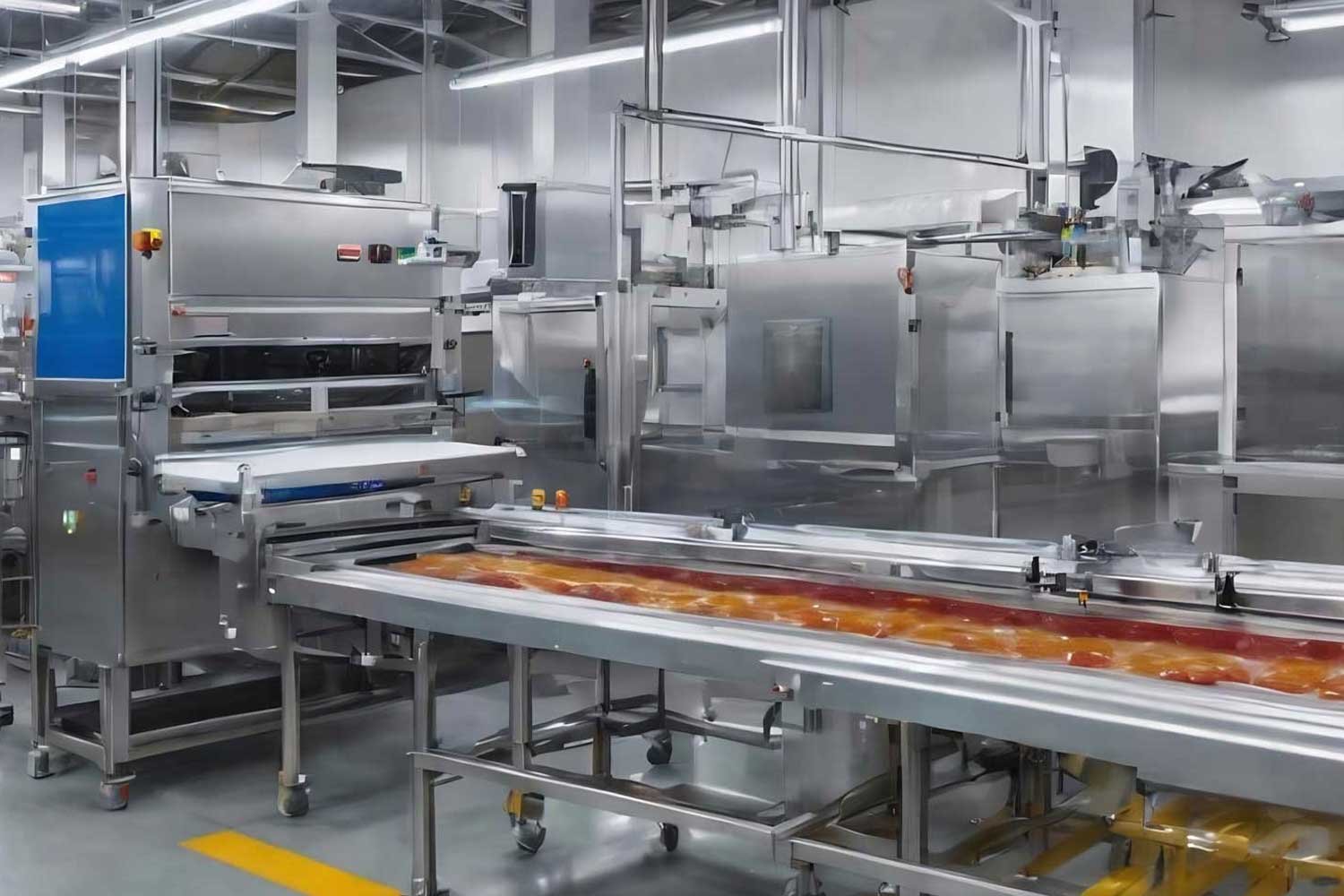
Typically, there are three main types of business models:
Small-Scale Processing Unit
- Ideal for: Start-ups, rural entrepreneurs, farmer-producer organisations (FPOs) and self-help groups (SHGs).
- Primary advantage: Minimal start-up cost to gain total and hands-on control over its product quality and recipes.
Contract Manufacturing
- Ideal for: Brands interested in maximising their marketing and scaling quickly without investing too heavily in assets.
- Primary advantage: No need for costly machinery investment; thus, quicker time-to-market and focus on branding, distribution, and sales.
Full Manufacturing Setup
- Ideal for: Well-funded ventures; large, established commercial brands; and businesses that produce products for export.
- Primary advantage: Complete and total control of the entire production line, supply chain, and proprietary technology, allowing businesses to scale over time.
Step by Step Food Processing Business Setup India
In the process of how to start a food processing business in India, you will need to take a thorough and systematic approach to ensure that you navigate the different aspects of operating a successful food processing facility. These aspects include understanding the market dynamics in your area of operation as well as operational needs and legal requirements. Below is a step by step guideline for establishing a food processing business in India:
Read More food processing plant setup india
Step 1 – Choose the Product Category
- Impact on Operations: The product you choose will directly affect all areas of your operation, including machinery, overall investment, required licenses, type of packaging, and ultimately your profit margin.
- Selection Criteria: When choosing your product, remember to look at factors associated with having repeat business, the availability of raw materials on a regional basis, the longevity of your products, and the ease of distribution.
- High-Potential Examples: Spice processing, mayonnaise production, snack food manufacturing, flour milling, cold-pressed oil manufacturing, and beverage processing.
Step 2 – Market Research
- How to Conduct Research: Conduct a thorough analysis of your competitors, price trends, packaging standards at the regional level, changes in consumer demand, and locations of empty retail shelf space.
- Identify Opportunities: Many opportunities exist for direct-to-consumer sales through online and other forms of commerce. Search for these types of opportunities in quick commerce and other online marketplaces.
- Reduce Risk: Completing this research phase in a systematic manner and basing your decisions on solid data will greatly reduce your operational risk and form the basis of a very profitable business plan.
Step 3: Create a Comprehensive Business Plan
- Operational Blueprint: Identify in detail the following important components of your business are desired product category, intended marketing personas, and realistic daily or monthly production capabilities.
- Financial Elements: Provide full disclosure of both fixed costs (equipment) and variable expenses (labour, raw materials, packaging, and monthly utility bills).
- Growth Projections: Provide a clear and realistic timeline for your break-even point and your goals for increasing profit margins over time.
Step 4: Register Your Business Structure
- Legal Framework: There are four legal frameworks: sole proprietorship, partnership firm, limited liability partnership (LLP), and private limited company.
- Recommendation for Startups: If you are an entrepreneur looking to secure outside financing, build a reputation for your brand, or grow your business in the future, using an LLP or private limited company will provide the greatest level of legal protection and credibility.
Step 5: Obtain MSME Registration
- Udyam Portal: Register your business formally as a Micro, Small, or Medium Enterprise (MSME) through the Government of India’s online Udyam Registration portal.
- Financial Leverage: Unlocks several key ecosystem benefits, including central and state government subsidies, lower-interest bank loans, specialized machinery assistance programs, and unique tax benefits.
Licenses Required for Food Processing Business India
There are regulations that surround food processing industries in India. The main licenses and authorizations are as follows:
- FSSAI License – All food business operators are required to obtain this license in order for them to comply with food safety, hygiene, and quality guidelines.
- GST Registration – This allows each food business operator to be compliant with tax collection, apply for input tax credits against the goods sold to them, and to perform business across state lines.
- Local and Factory Clearances – Municipal authorities will issue the operator with trade licenses. An operator also requires the province to issue them a factory license in order for the business to manufacture products in a factory and a fire safety NOC for workplace safety.
- Environmental and Trade Approvals – The Pollution Control Board issues the operator with approvals for discharges and any industrial compliance, and if the operator wishes to export or import products internationally, they require an Import Export Code (IEC).
Read More :- food processing machine
Machinery & Food Processing and Packaging Requirements
The most important milestones from a food recipe to a commercially viable product are the selection of the appropriate machinery and the design of an appropriate facility. Your product quality, safety, and shelf life are directly determined by efficient processing and packaging systems. The following is a list of key equipment and facility needs:
Core Processing Equipment
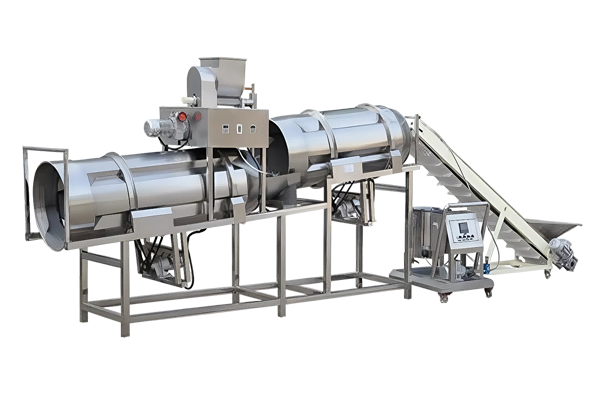
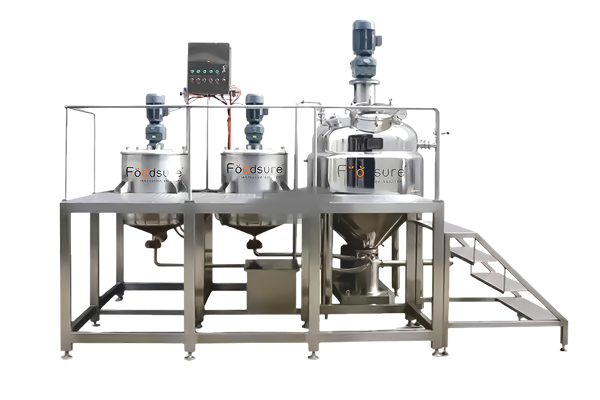
- Mixing & Uniformity: Mixers and blenders are essential to ensuring uniform ingredient distribution, crucial in taste profiling and regulatory nutrition labeling.
- Size Reduction: Pulverizers and grinders are used to reduce raw materials to a very specific particle size for spices, flour, and pastes.
- Thermal & Texture Processing: Industrial roasters, cooking kettles, and homogenizers change the state of the products, while sophisticated extruders are used to form and texture products such as snacks and health bars.
Advanced Packaging Equipment
- Primary Packaging: Automated filling and pouch packaging machines (multi-head weighers and flow-wrap lines) tightly close products and protect against contamination.
- Specialized Preservation: Vacuum packing machines and nitrogen-flushing systems get the air out, significantly increasing the shelf life of products without adding preservatives.
- Finishing Lines: Automated bottle capping machines and precision labeling machines provide tamper-evident caps and clean labeling on retail shelves.
Why Machinery Partner Selection Matters
- Operational Output: Use of high-quality equipment results in faster production rates, maximum utilization of labour and minimal product loss.
- Sanitary Design: Industrial-grade machinery has contact surfaces that are food safe, such as SS304 or SS316 stainless steel, which help to prevent the growth of bacteria and make it easy to clean.
- Financial Sustainability: Reputable food processing manufacturers can help lower maintenance expenses and unforeseen factory downtime in the long run.
Infrastructure & Facility Setup
- Compliance Framework: With commercial-scale operations, it is essential to work with specialised contractors that are cognizant of FDA and FSSAI sanitary design standards.
- Workflow Design: Factories are linear and unidirectional “raw-to-retail.”
- Environmental Control: Advanced facilities combine humidity control, ventilation, and heavy-duty floor drainage to ensure that the processing environment is sterile.
Investment & Profit Planning
A detailed breakdown of capital commitments for all levels of operation is shown with maximum numerical data, limited text, and total cost allocations to the highest revenue-generating sectors.
| Business Scale | Capital Floor (Min) | Capital Ceiling (Max) | Primary Equipment Profile |
|---|---|---|---|
| Home-Based | ₹50,000 | ₹300,000 | Manual / Domestic |
| Small-Scale | ₹500,000 | ₹2,000,000 | Semi-Automated |
| Medium-Plant | ₹2,500,000 | ₹100,000,000 | Fully Automated Lines |
| Large-Industrial | ₹200,000,000 | Unlimited | Multi-Line Smart Factory |
Common Mistakes New Food Businesses Make
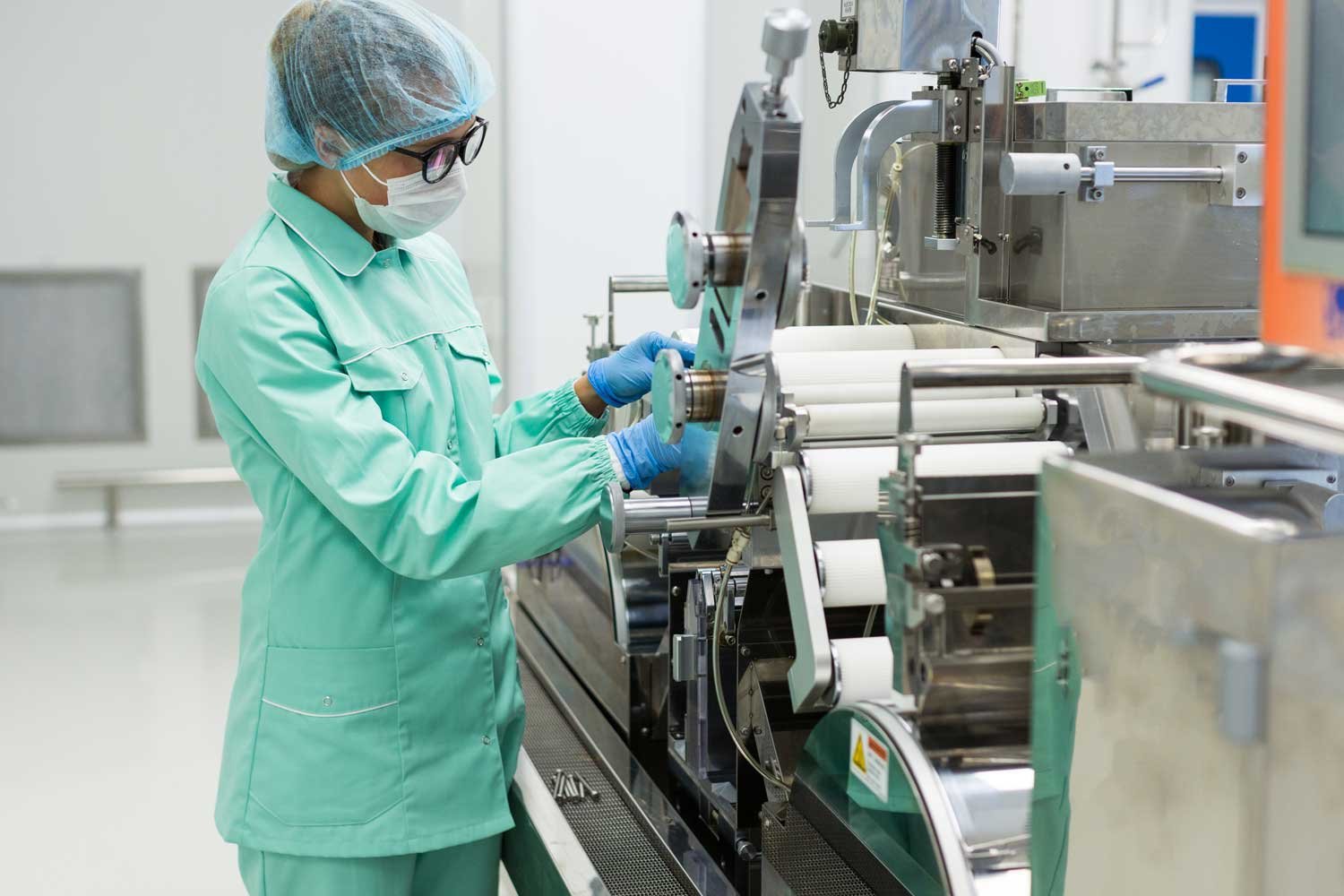
Due to significant, avoidable mistakes that can happen when starting up a food-related business in India, many new food businesses fail due to avoidable mistakes. The common mistakes new food businesses make include:
- Poor Product/Market Fit: Picking products with inadequate demand or using the wrong price structure.
- Low-Quality Infrastructure: Using low-cost equipment that does not enable you to meet food safety and hygiene standards and using poor-quality packaging materials.
- Insufficient Operational Controls: Failing to have shelves professionally tested that can help to determine your products’ shelf lives and relying on an inadequate inventory management system.
- Regulatory Delays: Delay FSSAI licensing or environmental license approvals.
Conclusion
How to start a food processing business in India goes beyond just choosing a product; it involves understanding the process. Market research, licensing, machinery, factory planning, branding, and efficient production systems are key to success. From a small farm business to a snack factory to a major automation factory, it is critical to have a roadmap for building a business that will work for the long haul.
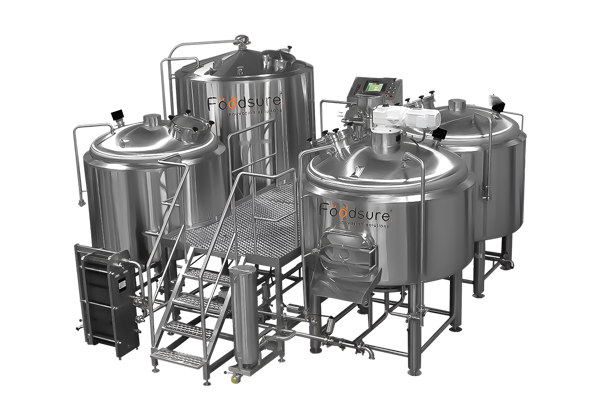
We at Foodsure Machines provide premium food processing and food packaging solutions for startups, small scale food processing business plan India (SMEs), and industrial manufacturers. Whether you are looking at project planning or automation support, we offer a reliable machinery solution, offering you efficiency, hygiene, and production consistency in growing your food brands in India.
How to start a food processing business in india 🚀
How to start a food processing business in India & setup support in India.
Frequently Asked Questions
What is the minimum investment required to start a food processing business in India?
The unit starts from ₹50,000 to ₹3 lakh, depending on the type of product category.
Is MSME registration mandatory for food businesses?
No, but the MSME registration for a food processing business in India has many financial benefits.
Which licenses are mandatory for food manufacturing?
FSSAI, GST, Trade License, and Factory License are some of the basic licenses required.
Which food products are most profitable in India?
There could be good profit margins for snacks, sauces, spices, dairy products, etc.
How important is food processing and packaging machinery?