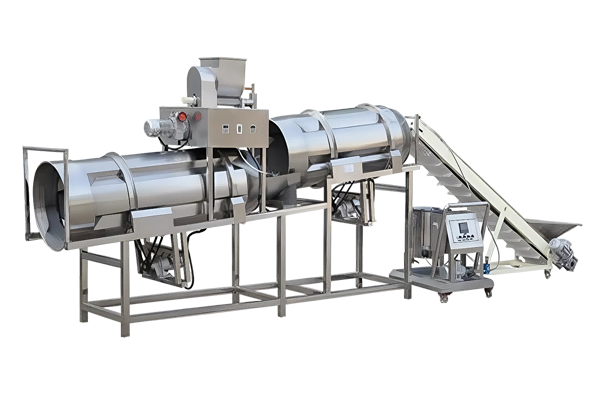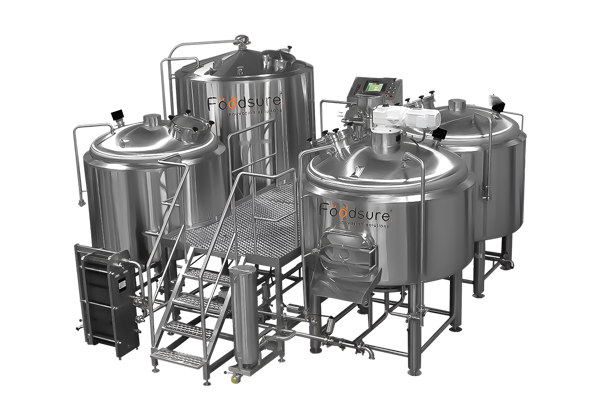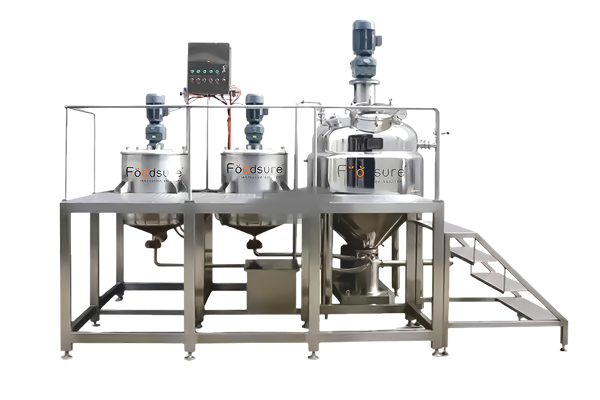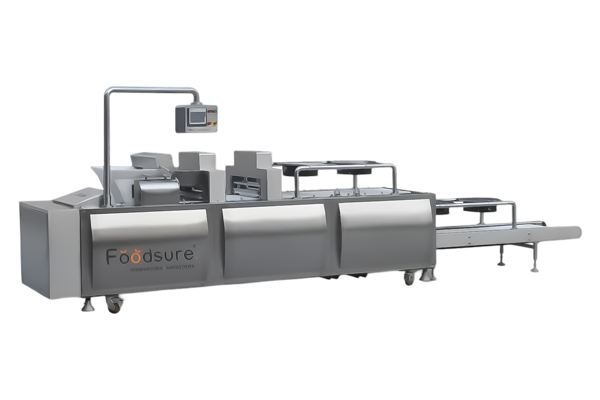
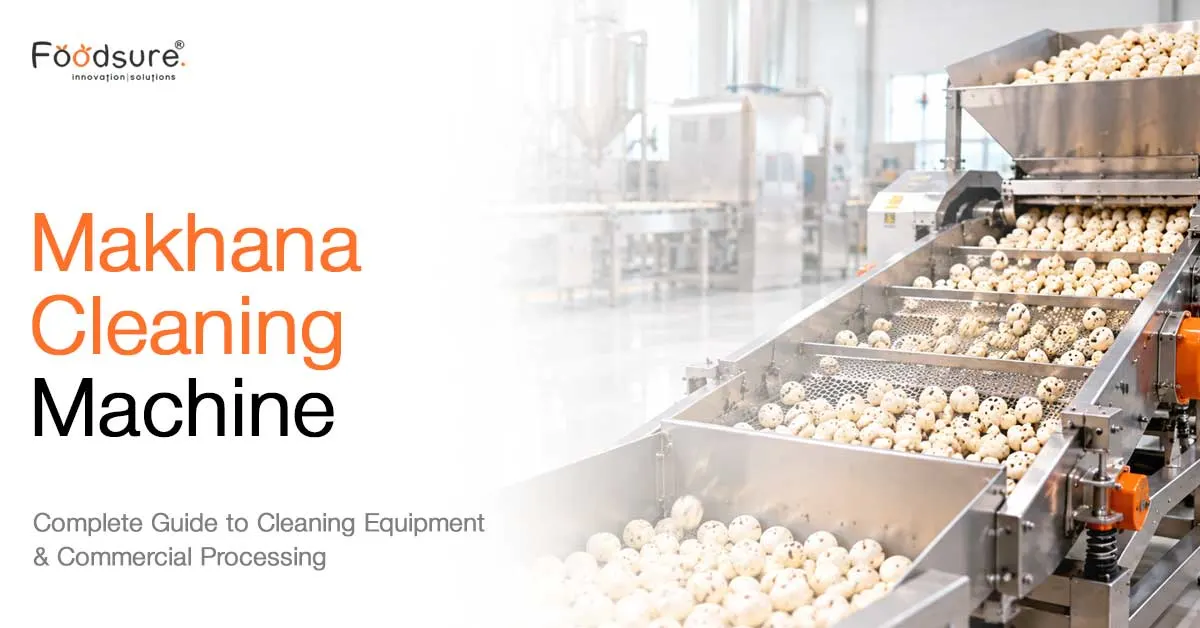
The process of making makhana begins well before roasting, flavoring, and packaging. After being harvested, the seeds of makhana might have dust, soil particles, bits of the plant itself, and other undesired matter. Hence, cleaning is an essential stage in ensuring the quality of the raw material.
The design of a makhana cleaning machine is aimed at improving the cleaning process through automation of the sorting process. For commercial production of makhana, appropriate cleaning equipment will be useful in handling large amounts of raw makhana.
What Is a Makhana Cleaning Machine?
A makhana cleaning machine is food-processing equipment used to remove impurities and unwanted materials from raw makhana before subsequent processing stages.
The cleaning process may involve activities like screening, sieving, air separation, or even regulated movement of materials depending on the design of the machinery. The design is influenced by the state of the raw materials, capacity, and degree of automation.
In smaller-scale processing plants, simpler cleaning systems might do, but bigger plants might need integrated machinery that can handle continuous production.
Why Is Makhana Cleaning Important?
There can be a variety of extraneous matter in raw makhana after harvesting, transporting, and storage. Cleaning facilitates preparation of the material for further processing.
Important benefits of proper cleaning include:
- Removal of visible impurities
- Better raw material consistency
- Reduced manual sorting
- Improved hygiene
- More efficient downstream processing
- Better handling of larger production volumes
Cleaning is particularly important when makhana is being prepared for commercial roasting, flavouring, or packaging.
How Does a Makhana Cleaning Machine Work?
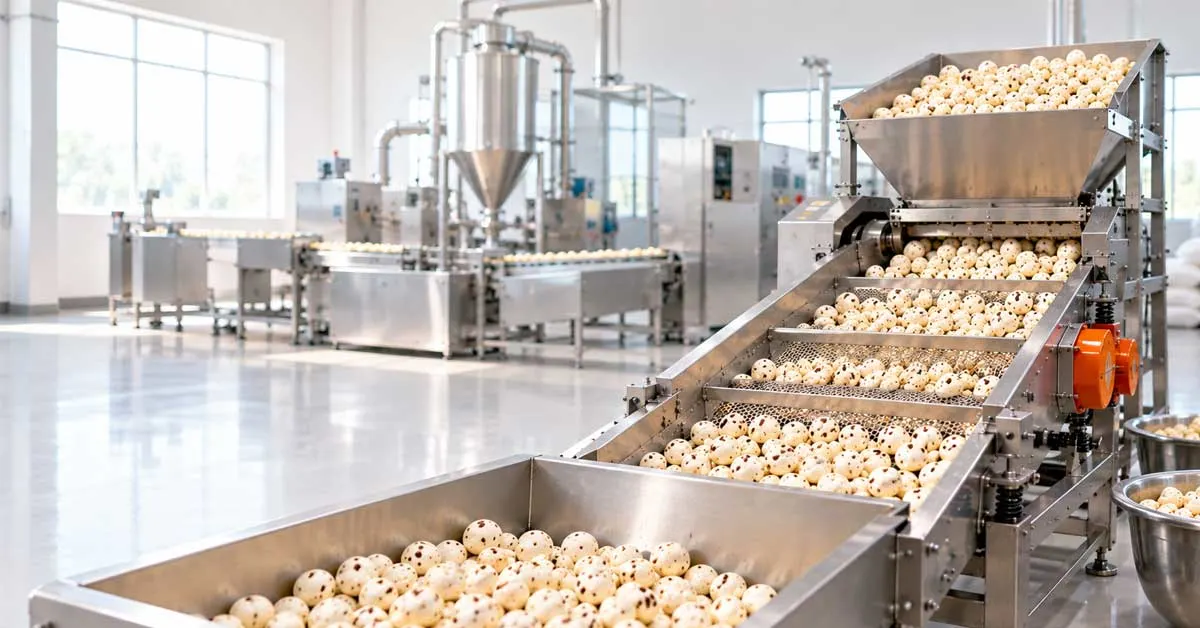
The working principle of a makhana cleaning machine depends on its design and separation mechanism. In a typical system, raw makhana is fed into the machine through an inlet.
The material then passes through one or more cleaning stages where unwanted particles are separated based on characteristics such as size, weight, or air resistance.
A simplified cleaning flow is:
The cleaned material can then be transferred for drying, grading, roasting, or other processing operations.
Key Features of Makhana Cleaning Equipment
Modern makhana cleaning equipment can be configured according to the production requirements of the processing facility.
1. Efficient Impurity Removal
Separation is an essential role played by cleaning machines. If the separation process is successful, there will be less need for manual cleaning.
2. Controlled Material Handling
Controlled feeding and moving will enable the consistent flow of the raw materials in the cleaning process.
3. Reduced Manual Labour
Automation reduces repetitive manual sorting and allows workers to focus on monitoring and other production activities.
4. Hygienic Construction
The food-processing equipment needs to use appropriate materials that can withstand cleaning on a routine basis.
5. Easy Operation
A practical machine should allow operators to monitor feeding, cleaning, discharge, and basic operating parameters without unnecessary complexity.
Fox Nut Cleaning Machine for Commercial Processing
A fox nut cleaning machine serves the same basic purpose as a makhana cleaning system, with the terminology often varying depending on the market or region.
Such machinery can be used by commercial processors for preparation before any other process. It is especially necessary to clean efficiently where the processing plant handles huge amounts of raw fox nuts.
The machine selection should consider:
- Condition of raw material
- Capacity of processing
- Kind of contaminants
- Floor area available
- Cleaning method
- Availability of labor
- Compatibility with other equipment
Choosing equipment based only on capacity may not be sufficient. The cleaning method should also be compatible with the physical characteristics of the raw makhana.
Automatic Makhana Cleaner vs Manual Cleaning
Traditional cleaning usually requires a lot of sorting and inspection work. Although this method may suffice for smaller volumes of products, the labor needs will certainly be greater as more products are produced.
An automatic makhana cleaner provides a more organised approach to the cleaning stage by mechanically handling the raw material and separating impurities.
| Factor | Manual Cleaning | Automatic Cleaning |
|---|---|---|
| Labour requirement | High | Lower |
| Processing volume | Limited | Higher |
| Cleaning consistency | Depends on operator | More controlled |
| Material handling | Manual | Mechanised |
| Scalability | Limited | Better suited to commercial production |
| Process integration | Difficult | Easier |
Automation doesn’t remove the necessity of operators’ supervision. The machine’s proper operation and compliance of the cleaned product with necessary quality criteria can be achieved only through regular monitoring.
Where Does Cleaning Fit in the Makhana Processing Line?
Cleaning is usually one of the first steps in post-harvest processing. The commercial line may be arranged based on the state of the raw material and the final product specifications.
A typical sequence may include:
Not every processing facility will require all these stages. The final configuration depends on whether the business sells cleaned raw material, roasted makhana, flavoured snacks, or packaged products.
Makhana Cleaning and Drying
Cleaning and drying are two processes that can be distinct from each other but related to one another. Cleaning is about getting rid of waste materials, while drying controls moisture.
Businesses handling larger volumes may integrate a makhana dryer machine after cleaning to create a more organised post-harvest workflow.
The sequence is to be arranged depending on the state of the raw material and further processing needs.
Benefits of Using a Makhana Cleaning Machine
A commercial cleaning system can provide several operational benefits.
1. Better Cleaning Consistency
Mechanical cleaning provides a more controlled process compared with completely manual sorting.
2. Higher Processing Capacity
The ability to process large volumes of raw materials makes machines more ideal in processing plants.
3. Lower Manual Work
Automation reduces repetitive sorting and handling activities, which can help manage labour requirements.
4. Improved Hygiene
Minimizing any unnecessary manual handling can result in better processing provided the machinery is well-maintained and run.
5. Better Production Flow
A dedicated cleaning process ensures that the raw material is systematically transferred for drying, sorting, and roasting, among others.
How to Choose the Right Makhana Cleaning Machine
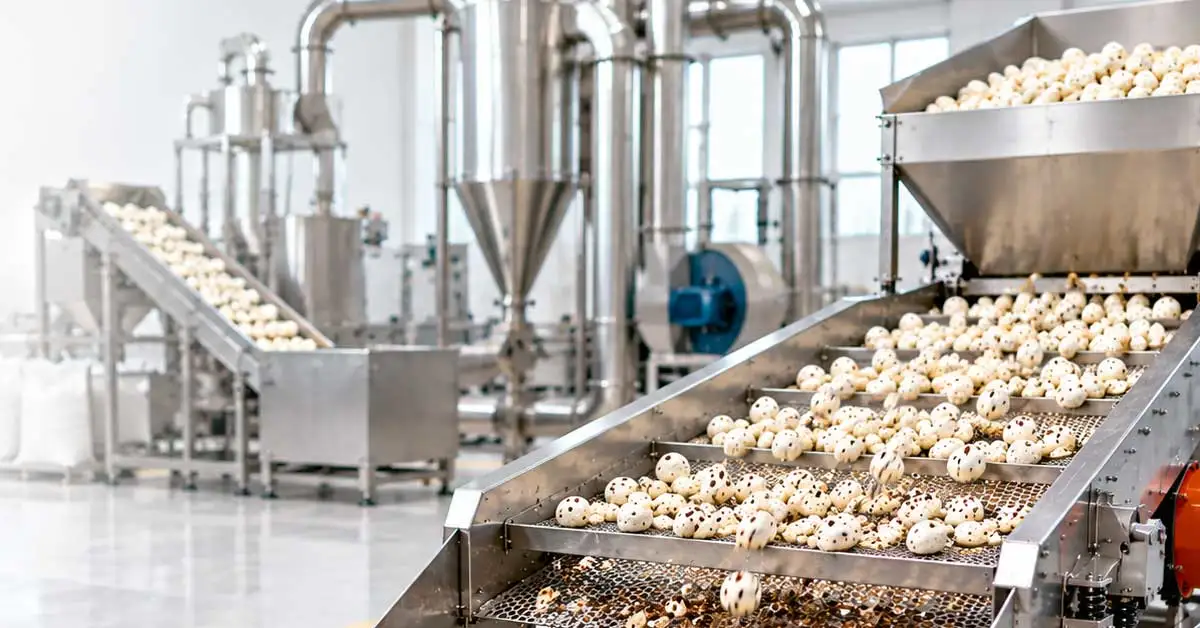
Choosing the right equipment involves more than just looking at the price of the machines. The machine must fit the needs of the business.
Production Capacity
Work out the volume of makhana that must be processed within an hour. The capacity chosen may be too high or low in comparison to the required value.
Type of Raw Material
It is important to take into consideration such factors as the size, state, moisture content, and kind of impurities contained in the material.
Machine Construction
For food-processing applications, hygienic construction and suitable food-contact materials are important considerations.
Space Availability
Measure the available installation area and consider the machine’s feeding, discharge, and maintenance space.
Integration
When there is an existing processing plant for drying, grading, roasting, and/or packaging, the cleaning equipment will fit in naturally within the production process flow.
Maintenance
Choose a system that allows routine inspection, cleaning, and maintenance without unnecessarily complicated procedures.
Cleaning Machine Maintenance
Maintenance is very crucial when it comes to maintaining the reliability of machines. There should be strict adherence to the manufacturer’s advice concerning the maintenance schedule.
Basic maintenance practices may include:
- Cleaning the machine after production
- Removing accumulated dust and material
- Checking screens and sieves
- Inspecting moving components
- Checking fasteners and connections
- Monitoring unusual noise or vibration
- Keeping feeding and discharge areas clear
Cleaning schedules should also account for product changeovers and the overall hygiene requirements of the facility.
Hygiene and Food Safety Considerations
As makhana will eventually be used as a food item, hygiene must be taken into account at all stages of processing.
The cleaning machine should be easily accessible for regular cleaning. The contact areas for the product should be cleaned, and the buildup of material should not be permitted to stay inside the machine for long periods of time.
It is important that the operators also keep good cleaning practices and inspection records.
Who Should Invest in a Makhana Cleaning Machine?
A makhana cleaning machine can be useful for businesses that are moving beyond small-scale manual processing.
It may be considered by:
- Makhana processors
- Raw makhana aggregators
- Roasted makhana manufacturers
- Packaged snack producers
- Food-processing units
- Makhana processing plants
- Businesses expanding production capacity
If it is a smaller business, then for a smaller quantity, manual cleaning may still be effective. However, with increasing production quantity, machine cleaning becomes more appropriate.
Role of a Reliable Machine Manufacturer
The importance of the supplier cannot be ignored while purchasing processing machines for food. Businesses need to consider technical support, construction of the machine, customization capabilities, installation support, and after-sales service along with the machine.
Collaborating with an experienced makhana machine manufacturer will also enable businesses to understand how cleaning machines can be incorporated with other parts of the processing line.
Before making any purchase, buyers should inform about the nature of their raw material, capacity needs, available space, and subsequent processing needs.
Conclusion
A makhana cleaning machine provides an organised and efficient approach to one of the most important early stages of commercial makhana processing. By mechanically removing impurities and reducing repetitive manual handling, cleaning equipment can support better raw material preparation and smoother production flow.
The proper choice of the system depends on the properties of the raw material, capacity requirements, machine construction, space, maintenance, and integration with other machinery.
In case businesses plan to scale up the process of making makhana, buying proper equipment for cleaning will make the production more systematic and prepare the raw material for drying, grading, roasting, flavoring, and packing.
Have a Question? Let’s Connect
Need expert guidance on food processing machines, production setup, or process optimization? Our team is ready to help you choose the right solution for your business.
Frequently Asked Questions
What is a makhana cleaning machine used for?
A makhana cleaning machine is used to remove dust, plant residues, and other unwanted impurities from raw makhana before further processing.
How does a fox nut cleaning machine work?
A fox nut cleaning machine may use screening, sieving, air separation, or other mechanical separation methods to remove unwanted materials from raw fox nuts.
Is an automatic makhana cleaner suitable for large-scale production?
Yes. An automatic makhana cleaner can help commercial processors handle larger quantities of raw material while reducing repetitive manual cleaning work.
Should cleaning be done before drying?
It will depend on the state of the raw material and the whole process system. Cleaning is done in many processing plants as one of the initial processes prior to drying or further processing.
What should I consider before buying makhana cleaning equipment?
Factors to consider include the necessary capacity, condition of the feedstock, type of contaminant, machine construction, available space, maintenance requirements, degree of automation, and how well the machine will fit into the overall production line.