Consumers of protein foods are no longer only athletes and bodybuilders. In Nepal, an increasing number of consumers are demanding healthier snacking options that will go well with their hectic schedules as well as provide nutritional value. Consumers, including students, office workers, trekkers, gym enthusiasts, and families, are increasingly interested in products that will not only be healthy but also convenient to use.
It means that there is now great potential for businesses that are willing to join the food manufacturing industry and produce healthy products. You can consider producing a wide range of products from protein bars and roasted legumes to granola clusters, millet snacks, etc. There is always room for a new brand in the healthy product market of Nepal.
Nepal’s strategic position in between India and China, growing retail sector, as well as increasing interest in the consumption of locally produced foods create favorable conditions for establishing a food processing business in Nepal.
In this guide, we tell you everything about setting up a high protein snack manufacturing business in Nepal.
For entrepreneurs evaluating this opportunity, a High Protein Snack Manufacturing Business can be developed around products that match local consumer preferences, available ingredients, and realistic production capacity.
Why Nepal Is Becoming a Strong Market for High Protein Snacks
Nepal is experiencing a greater need for nutritious and easy-to-carry foods owing to the process of urbanization, increase in the awareness of fitness, increase in supermarket shopping, and the consumers’ interest in eating healthier. All these aspects generate a lot of opportunities for makers of high protein snacks.
A number of elements is responsible for such growth in the market.
A High Protein Snack Manufacturing Business in Nepal can target multiple consumer segments instead of depending only on fitness-focused customers.
Changing Consumers’ Preferences
Consumers are becoming much more label conscious. People do not make their purchasing decisions on the basis of the price alone; instead, they take into consideration the following aspects of the product:
- Protein content
- Sugar
- Naturalness
- Fiber
- Clean labels
- Functional health properties
The change can be particularly noted in young consumers who live in Kathmandu, Pokhara, Lalitpur, Biratnagar, and other urban areas.
For a High Protein Snack Manufacturing Business, understanding these changing preferences can help determine product formulation, packaging, pricing, and positioning.
The Fitness Culture is Growing
There is an ever-increasing number of fitness centers, sports clubs, yoga centers, and other wellness centers over the recent years. The rising demand for nutritious products is connected with people’s growing concern about healthy lifestyle.
The main groups of consumers are the following:
- People from gyms
- Runners
- Cyclists
- Hikers
- Students
- Working people
- Concerned parents
These audiences actively seek snacks that are portable, nutritious, and convenient.
Growth of Modern Retail
Nepal’s retail landscape has evolved rapidly.
Consumers can now purchase packaged snacks from:
- Supermarkets
- Convenience stores
- Pharmacies
- Gyms
- Specialty nutrition stores
- Online marketplaces
- Quick commerce platforms
This wider availability makes it easier for emerging food brands to reach customers.
For a High Protein Snack Manufacturing Business in Nepal, these channels can provide multiple routes to market, from direct online sales to supermarket distribution.
What Are High Protein Snacks?
High protein snacks are ready-to-eat or minimally processed foods designed to provide a higher amount of protein than conventional snack products.
Unlike traditional chips or sugary snacks, these products combine nutrition with convenience.
Common categories include:
Manufacturers often enhance nutritional value using ingredients such as:
- Whey protein concentrate
- Milk protein
- Soy protein isolate
- Pea protein
- Brown rice protein
- Pumpkin seeds
- Chia seeds
- Flaxseeds
- Almonds
- Cashews
- Lentils
- Chickpeas
- Quinoa
Developing products with balanced nutrition and consistent taste can help brands compete effectively in Nepal’s growing healthy snack market.
Choosing the Right Product Category
One of the biggest mistakes first-time entrepreneurs make is launching too many products at once. Instead, begin with one or two carefully developed products that solve a specific consumer need.
Here are some of the most promising categories.
Protein Bars
Protein bars remain one of the fastest-growing healthy snack categories worldwide.
They appeal to:
- Fitness enthusiasts
- Office workers
- Students
- Travellers
- Outdoor adventure groups
They aso offer strong branding opportunities because manufacturers can introduce multiple flavours using a single production line.
Popular flavours include:
- Chocolate
- Coffee
- Peanut butter
- Coconut
- Mixed berries
- Dark chocolate almond
- Honey oats
When Planning a High Protein Snack Manufacturing Business, protein bars can be considered where the target market supports convenient, portion-controlled products.
Roasted Protein Snacks
Roasted legumes require comparatively simple processing while offering excellent nutritional value.
Popular options include:
- Roasted chickpeas
- Roasted soybeans
- Roasted peanuts
- Mixed pulses
These products generally require lower investment than complex protein bars.
Granola and Breakfast Clusters
Breakfast products are becoming increasingly popular among urban consumers.
Manufacturers can produce:
- Protein granola
- Muesli
- Oat clusters
- Seed mixes
- Breakfast cereals
Many brands successfully position these products as breakfast as well as healthy snacking options.
Millet-Based Snacks
Nepal has a rich tradition of consuming millets.
Modern processing allows manufacturers to transform traditional grains into value-added products such as:
- Millet bites
- Protein crisps
- Energy clusters
- Baked snacks
Combining local ingredients with modern food processing technology can create products that appeal to both domestic and export markets.
Understanding Your Target Customers

Every successful food brand begins with a clear understanding of its customers. Instead of creating products for everyone, define your primary audience first.
Fitness Consumers
This segment typically looks for:
- High protein
- Low sugar
- Convenient packaging
- Functional ingredients
Premium pricing is often acceptable if nutritional value is clearly communicated.
Busy Professionals
Office workers prefer snacks that are:
- Easy to carry
- Filling
- Ready to eat
- Suitable for work breaks
Packaging size and shelf life play an important role for this audience.
Students
Students generally balance nutrition with affordability.
Products targeted at this segment should offer:
- Attractive flavours
- Affordable pricing
- Convenient packaging
- Good nutritional value
Families
Parents increasingly seek healthier alternatives for children.
They often prioritise:
- Natural ingredients
- Reduced sugar
- Familiar flavours
- Safe manufacturing practices
Building trust through transparent labelling and consistent quality becomes especially important for this audience.
Conducting Market Research Before You Invest
Market research helps validate product demand, understand competitors, identify pricing opportunities, and reduce investment risk before launching production.
Many businesses fail because they invest in machinery before understanding customer preferences.
A structured market study should include the following areas.
Study Existing Brands
Visit supermarkets, health stores, and online marketplaces to identify:
- Product varieties
- Packaging styles
- Price ranges
- Serving sizes
- Ingredient claims
- Protein content
- Shelf placement
Understanding what already exists helps you identify gaps in the market.
For anyone planning a High Protein Snack Manufacturing Business in Nepal, this research can also reveal differences between imported products and locally manufactured alternatives.
Identify Consumer Pain Points
Interview potential customers and ask questions such as:
- Which healthy snacks do you buy most often?
- What do you dislike about current products?
- Would you pay more for locally manufactured protein snacks?
- Which flavours do you prefer?
- What price feels reasonable?
These insights can shape both product development and branding.
Evaluate Competitors
Study local, regional, and imported brands.
Compare:
- Product quality
- Ingredients
- Packaging
- Nutrition claims
- Marketing strategies
- Distribution channels
Rather than copying competitors, look for unmet customer needs that your brand can address.
Selecting the Right Business Model
Not every entrepreneur starts with a large manufacturing facility. Choosing the right model depends on your investment capacity, long-term goals, and production requirements.
Small-Scale Manufacturing
Ideal for startups that want to validate product-market fit before expanding.
Typical characteristics include:
- Lower initial investment
- Limited product range
- Regional distribution
- Easier operational management
This model is suitable for entrepreneurs entering the market for the first time.
Medium-Scale Manufacturing
Businesses experiencing consistent demand often expand to increase production capacity.
Benefits include:
- Improved production efficiency
- Better economies of scale
- Wider product portfolio
- Supply to supermarkets and distributors
- Stronger brand presence across Nepal
A High Protein Snack Manufacturing Business at this stage may benefit from semi-automatic or automated systems that can accommodate increasing production volumes.
Large-Scale Manufacturing
Large facilities generally focus on supplying:
- National retail chains
- Institutional buyers
- Export markets
- Private label brands
- International distributors
These operations require advanced automation, strict quality systems, and higher production capacities.
Choosing the Right Location for Your Manufacturing Unit
The location of your factory affects production costs, distribution efficiency, workforce availability, and future expansion. While rental costs matter, they shouldn’t be the only deciding factor.
When evaluating potential sites, consider:
- Easy access to highways and transportation networks
- Reliable electricity and water supply
- Availability of skilled and semi-skilled labour
- Proximity to raw material suppliers
- Distance from your primary markets
- Room for future expansion
Industrial areas around Kathmandu Valley, Biratnagar, Butwal, Bharatpur, Pokhara, and Hetauda are often preferred because they provide better infrastructure and logistics.
For a High Protein Snack Manufacturing Business in Nepal, selecting a location with reliable utilities and access to transportation can influence both production and distribution costs.
Raw Materials You’ll Need
The quality of your raw materials directly impacts taste, nutritional value, shelf life, and consumer trust. Working with reliable suppliers ensures consistency from one production batch to another.
Depending on your product, common ingredients include:
How High Protein Snacks Are Manufactured

High protein snack manufacturing involves ingredient preparation, mixing, forming, baking or roasting (if required), cooling, packaging, and quality inspection. Every step must follow strict food safety standards to maintain product consistency.
Although the exact process differs depending on the product, the overall workflow remains similar.
Step 1. Product Development
Every successful snack starts with formulation.
During this stage, manufacturers determine:
- Protein percentage
- Texture
- Sweetness
- Moisture level
- Shelf life
- Nutritional profile
- Ingredient compatibility
Several trial batches are usually produced before the final recipe is approved.
A well-planned High Protein Snack Manufacturing Business should connect product formulation with the capabilities of the intended production line.
Step 2. Ingredient Preparation
Raw materials are inspected before production begins.
This includes checking:
- Moisture content
- Freshness
- Particle size
- Foreign matter
- Batch identification
Ingredients are then weighed according to the approved formulation.
Consistency at this stage prevents variations later in production.
Step 3. Mixing
This is one of the most critical stages.
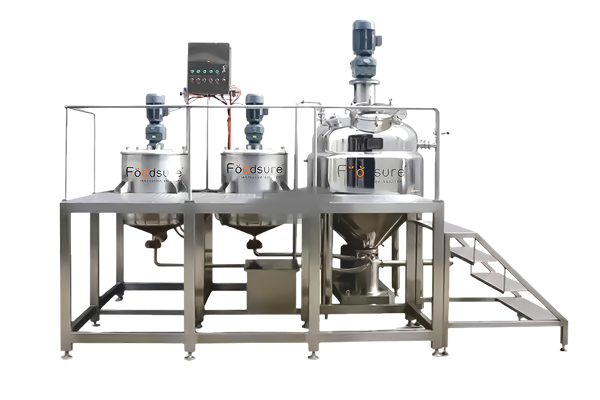
Protein powders, grains, seeds, binders, flavours, and other ingredients must be mixed uniformly to ensure every product delivers the same taste and nutritional value.
Modern industrial mixers help eliminate:
- Uneven ingredient distribution
- Product inconsistency
- Manual errors
- Excessive mixing time
Step 4. Forming
The mixture is shaped according to the desired product.
Depending on the product, this may involve:
- Bar forming
- Sheet forming
- Extrusion
- Depositing
- Moulding
Automated systems improve consistency while increasing production capacity.
Step 5. Baking, Roasting, or Drying
Some products require thermal processing.
Examples include:
- Roasted chickpeas
- Millet crisps
- Granola
- Seed clusters
Controlled temperature ensures:
- Proper texture
- Food safety
- Moisture reduction
- Longer shelf life
Not every high protein snack requires baking. Some protein bars, for example, are manufactured using cold-process technology.
Step 6. Cooling
Products must cool before packaging.
Proper cooling prevents:
- Condensation
- Packaging damage
- Texture changes
- Reduced shelf life
Cooling systems also improve production efficiency.
Step 7. Packaging
Packaging serves more than just appearance.
It protects products from:
- Moisture
- Oxygen
- Light
- Contamination
Good packaging also communicates:
- Nutritional information
- Ingredients
- Manufacturing details
- Expiry date
- Brand identity
Many manufacturers use flow-wrap or pillow-pack packaging for individual snack packs.
Step 8. Quality Inspection
Before products leave the factory, quality checks verify:
- Weight accuracy
- Appearance
- Texture
- Packaging integrity
- Labelling
- Batch coding
Routine testing helps reduce product recalls and maintain customer confidence.
Machinery Required for High Protein Snack Manufacturing
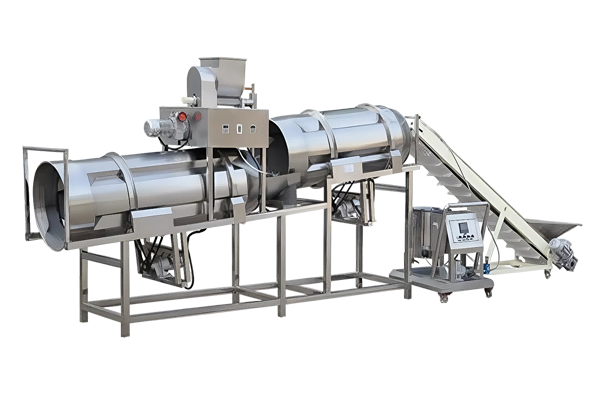
The machinery required depends on the type of snack you plan to manufacture. However, most production lines include equipment for mixing, forming, thermal processing (if required), cooling, and packaging.
Below is a typical production setup.
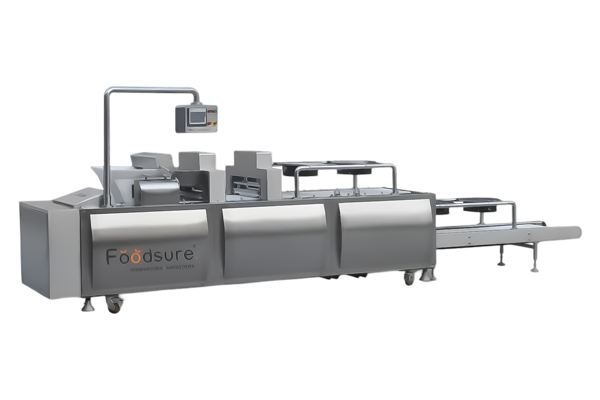
Businesses planning to manufacture protein bars or nutrition bars often invest in automated production lines that combine mixing, forming, cutting, cooling, and packaging into a streamlined workflow. While the initial investment is higher, automation significantly improves consistency, production speed, and labour efficiency.
Entrepreneurs comparing equipment for a High Protein Snack Manufacturing Business in Nepal can evaluate machinery according to product type, desired capacity, factory space, automation level, and future expansion plans.
For businesses looking for suitable equipment, the High Protein Snack Machine Nepal option can be evaluated based on the specific snack category and required production capacity.
How Much Investment Is Required?
The total investment depends on several factors, including:
- Factory size
- Production capacity
- Level of automation
- Product range
- Packaging requirements
- Utility infrastructure
Your budget should typically cover:
- Manufacturing equipment
- Factory setup
- Utility installation
- Product development
- Raw material inventory
- Packaging materials
- Licensing and registrations
- Employee salaries
- Marketing
- Working capital
Rather than purchasing oversized equipment immediately, many successful manufacturers begin with a capacity that matches projected demand and expand as sales increase.
For a High Protein Snack Manufacturing Business, matching machinery capacity with expected sales can help avoid unnecessary capital expenditure during the initial stage.
Food Safety and Regulatory Requirements in Nepal
Food businesses must comply with Nepal’s food regulations before commercial production begins.
Although specific requirements may vary depending on the product category and business structure, manufacturers generally need to address the following:
Business Registration
Before starting food manufacturing operations in Nepal, businesses must register with the appropriate government authority. The registration process depends on the business structure, whether it is a private limited company, partnership, or another legal entity.
Food manufacturers should ensure that their business registration documents, ownership details, and operational information are properly maintained. Completing the registration process establishes the legal foundation for manufacturing activities and supports further licensing and regulatory approvals.
Businesses should also review applicable tax registration requirements and ensure compliance with local commercial regulations before commencing production.
Food Business Approval
Food manufacturing businesses in Nepal must obtain the necessary approvals and licences required for their specific operations. The applicable requirements may vary depending on the type of food products manufactured, production capacity, facility location, and business structure.
Manufacturers should identify the relevant food safety authorities and complete the required application and documentation processes. These may include business registration documents, facility details, product information, and other supporting records, depending on the approval being sought.
Obtaining the appropriate food business approvals helps manufacturers establish regulatory compliance and prepare their facilities for commercial production. Businesses should also remain updated on applicable food safety standards, inspection requirements, and licence renewal obligations to maintain compliance throughout their operations.
Product Labelling
Labels should accurately display:
- Product name
- Ingredient list
- Allergen information
- Net weight
- Nutritional information
- Manufacturing date
- Best-before or expiry date
- Batch number
- Manufacturer details
Clear and compliant labelling helps build consumer trust while supporting regulatory compliance.
Good Manufacturing Practices (GMP)
Every production facility should follow Good Manufacturing Practices to minimise contamination risks and maintain product quality.
This includes:
- Personal hygiene protocols
- Equipment sanitation
- Pest control
- Cleaning schedules
- Raw material storage
- Process documentation
Many growing food businesses also adopt internationally recognised food safety systems such as HACCP or ISO 22000 to strengthen quality management and improve opportunities in export markets.
Common Mistakes First-Time Manufacturers Make
Many startups face avoidable setbacks because they rush into production without proper planning.
Some of the most common mistakes include:
- Launching too many product variants at once
- Choosing machinery based only on price
- Ignoring shelf-life testing
- Inconsistent ingredient sourcing
- Weak quality control processes
- Underestimating packaging costs
- Delaying regulatory compliance
- Spending heavily on production before validating market demand
Starting with a focused product range, testing the market, and scaling gradually often leads to more sustainable growth.
How Much Profit Can a High Protein Snack Business Generate?
Profitability depends on several factors rather than just production volume.
Key variables include:
- Raw material costs
- Packaging expenses
- Manufacturing efficiency
- Distribution costs
- Brand positioning
- Marketing investment
- Retail margins
Businesses that invest in automation often reduce production costs over time through:
- Lower labour requirements
- Better ingredient utilisation
- Reduced product wastage
- Faster production cycles
- Consistent product quality
Higher operational efficiency can improve long-term profitability and make scaling easier.
For a High Protein Snack Manufacturing Business in Nepal, profitability should be evaluated through actual production costs, selling prices, distribution margins, capacity utilisation, and market demand rather than production volume alone.
Manual vs Semi-Automatic vs Fully Automatic Manufacturing
For businesses planning long-term growth, investing in scalable equipment often provides better returns over time.
Why Choose Foodsure Machines?
Launching a high protein snack manufacturing business requires more than standalone equipment. It requires a production partner who understands food processing, automation, product consistency, and long-term scalability.
Foodsure Machines designs and manufactures complete food processing solutions tailored to different production capacities. From ingredient mixing and product forming to automated packaging, each system is engineered to improve efficiency, reduce wastage, and maintain consistent product quality.
Whether you’re introducing your first protein snack or expanding an established manufacturing facility, our team can help you build a production line that matches your recipe, capacity goals, and future growth plans.
For entrepreneurs planning a High Protein Snack Manufacturing Business, selecting equipment that can support current requirements while allowing future expansion can be an important part of production planning.
Talk to Foodsure Machines today to discuss your project and find the right equipment for your high protein snack manufacturing business in Nepal.
Conclusion
Nepal’s healthy snack industry is moving beyond niche health stores into mainstream retail. Consumers are actively searching for products that combine convenience, nutrition, and great taste, creating new opportunities for entrepreneurs who are ready to invest in food manufacturing.
Success, however, depends on more than choosing the right recipe. It requires thoughtful product development, dependable ingredient sourcing, efficient manufacturing systems, strong quality control, and a clear understanding of customer needs.
Starting with a scalable production setup allows manufacturers to expand as demand grows without compromising consistency. Businesses that prioritise food safety, operational efficiency, and continuous innovation are better positioned to compete in Nepal’s evolving packaged food market.
Whether your goal is to supply supermarkets, fitness centres, cafés, or international buyers, investing in the right manufacturing strategy today can lay the foundation for a sustainable and profitable business tomorrow.
A well-planned High Protein Snack Manufacturing Business in Nepal can bring together product development, efficient machinery, quality control, and appropriate market positioning to build a scalable food manufacturing operation.
For entrepreneurs who want a structured starting point, the Protein Snack Business Guide can also be used as an interlink to provide additional information about planning, manufacturing, and scaling a protein snack venture.
Have a Question? Let’s Connect
Need expert guidance on food processing machines, production setup, or process optimization? Our team is ready to help you choose the right solution for your business.
Frequently Asked Questions
How much investment is needed to start a high protein snack manufacturing business in Nepal?
The investment depends on production capacity, machinery, factory size, product range, and automation level. Entrepreneurs should prepare a detailed business plan before estimating capital requirements.For a High Protein Snack Manufacturing Business in Nepal, the investment calculation should account for machinery, factory infrastructure, utilities, raw materials, packaging, licensing, labour, marketing, and working capital.
Which high protein snacks have the highest demand?
Some of the fastest-growing categories include:
- Protein bars
- Roasted chickpeas
- Roasted soy snacks
- Granola
- Trail mixes
- Millet-based protein snacks
- Seed mixes
Demand varies depending on consumer preferences and regional markets.
Which machinery is required?
A typical production line may include:
- Industrial mixer
- Forming equipment
- Extruder (if applicable)
- Baking or roasting system
- Cooling conveyor
- Packaging machine
- Metal detector
- Coding machine
The exact machinery depends on the products you plan to manufacture.
How long does it take to start production?
Timelines vary depending on factory construction, machinery installation, product development, approvals, and staff training. Businesses with proper planning generally reach commercial production much faster.
Is exporting possible?
Yes. Manufacturers that comply with international food safety standards and meet importing country requirements can explore export opportunities.