Many food companies in the Middle East are trying out plant-based proteins as they react to changes in consumer behavior, increasing demands for convenience products, and also the need for alternative sources of proteins. Foods that include soy, textured vegetable protein, peas, and other plant-based ingredients are being used in various categories of products in retailing, food services, and processed foods.
This presents a great business opportunity in plant-based Protein Bar Manufacturing Middle East, especially for firms that wish to produce proteins locally. By utilizing proper processing technology and manufacturing facilities, the manufacturers will be able to cater to local and regional markets.
This blog highlights the factors behind the growth of Plant-Based Protein Bar Manufacturing in the Middle East, product options, production considerations, among others.
Why Plant-Based Protein Bar Manufacturing Is Growing in the Middle East
There are several reasons why the plant Protein Bar industry is gaining ground in the food market of the Middle East region. More and more companies are looking for alternatives to conventional Protein Bar and discovering options that are cost-effective, convenient, and flexible.
Increasing Consumer Appetite for Alternatives to Meat
Consumers are becoming more attracted to alternative sources of food for a variety of reasons, such as personal preferences and convenience. This is increasing the appetite of food producers to make plant-based food available in all food sectors, including supermarkets, restaurants, foodservice, and packaged food.
Need for Economical Protein Bar Sources
Food companies and consumers must think about cost-effectiveness. Plant proteins, such as soy, could be an affordable source for creating products rich in Protein Bar content for food companies. It becomes clear that Plant-Based Protein Bar Production in Middle East will be economically justified and scalable.
Increasing Number of Convenient Food Products
Convenient foods, such as ready-to-cook food, frozen products, snacks, and Protein Bar foods, are gaining popularity in contemporary food markets. There are numerous ways to use plant-based proteins in such products.
Major Drivers Behind the Plant-Based Protein Bar Industry in the Middle East
Expansion in the industry is not based on one particular trend. The increase in consumer demand, food industry expansion, product innovation, and manufacturing possibilities are prompting investment in the production of plant-based protein.
Diversification of the Food Industry
There is diversification of the products offered by food manufacturers to cut dependence on certain products. There are opportunities in plant-based proteins to offer new products utilizing scalable processing technologies.
Expansion of Foodservice Sector
Restaurants, hotels, caterers, and institutional food service businesses are key markets for plant-based Protein Bar products. These companies can be supplied by manufacturers through bulk and B2B channels.
Product Innovation
Modern processing technology enables the manufacturer to utilize plant-based proteins for the creation of products of various shapes and textures and various applications of the product.
Manufacturing Opportunities in the Region
Local production will allow for product development based on the demands of the regional market. Local production can offer opportunities for private label manufacturing and B2B ingredient supply.
Plant-Based Protein Bar Products With Commercial Potential
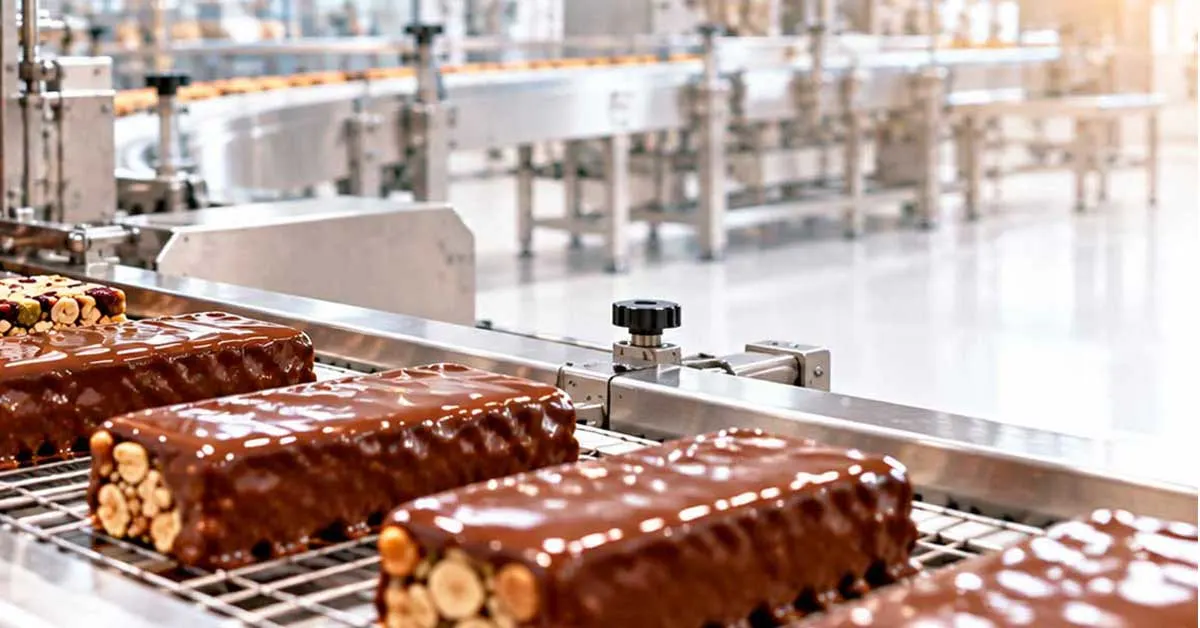
The growth of the plant-based Protein Bar industry in Middle East markets is creating opportunities across several product categories.
| Product Category | Common Applications | Potential Market |
|---|---|---|
| Soya Chunks | Curries and meals | Retail & foodservice |
| Soya Nuggets | Ready meals and snacks | Retail & B2B |
| TVP Granules | Fillings and processed foods | Food manufacturers |
| Plant Protein Bar Mince | Burgers and fillings | Foodservice |
| Protein-Based Snacks | Convenient foods | Retail & fitness |
| Custom TVP Products | Specialised applications | Private-label brands |
Product diversification allows manufacturers to target multiple customer segments instead of depending on a single product category.
Role of Soy in Plant-Based Protein Bar Manufacturing
Soy continues to be a vital source for making plant-based proteins due to the ability to convert it into various forms, which may then be used for various applications in foods.
Using the ingredients made from soy, manufacturers can make textured vegetable protein, soya chunks, nuggets, granules, among others, based on their intended market segment.
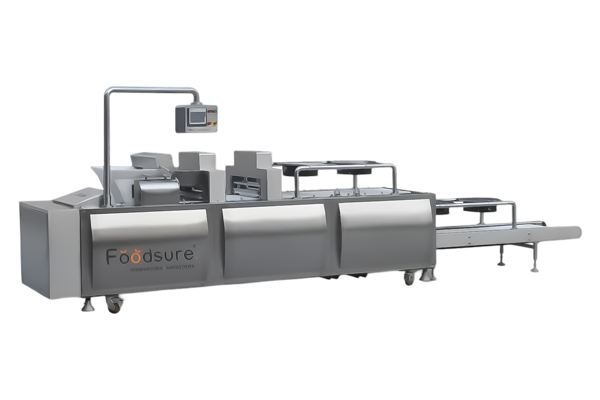
For those who want to undertake large-scale production, there is a Soy Protein Bar processing plant in Middle East that can help with the processing and manufacturing process, which can be customized based on the capacity, product line, and automation, among others.
Key Markets for Plant-Based Protein Bar Products
The plant-based Protein Bar producers can have a number of markets in the region according to their products and distribution strategy.
Retail Market
The plant-based Protein Bar products could be distributed to supermarkets, grocery stores, wholesalers, and even online retailers. The products will be available in different pack sizes to cater to individual as well as family requirements.
Foodservice Market
Restaurants, hotels, caterers, and institutional kitchens can purchase the plant-based proteins in bulk. This will ensure regular sales from the business-to-business market.
Food Manufacturing Market
The food processors can use TVP as an ingredient in ready meals, snacks, fillings, and meat alternatives. This would provide opportunities for manufacturers to supply food manufacturing businesses.
Private Label Market
The manufacturers can manufacture the plant-based Protein Bar products for companies that wish to start a line of such products but do not want to establish a production facility.
Plant-Based Protein Bar Production Process
The exact Plant-Based Protein Bar Production in Middle East process depends on the raw material and final product, but a typical textured soy-Protein Barproduction line may include several stages.
The equipment configuration can be adjusted according to product specifications, production capacity, moisture requirements, and automation level.
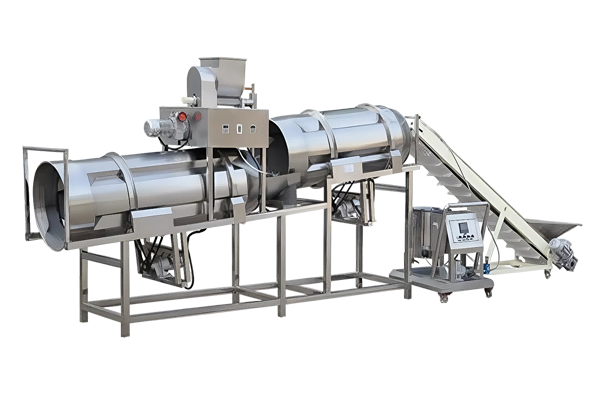
Machinery Required for Plant-Based Protein Bar Manufacturing
A commercial production line entails the use of coordinated machinery rather than the use of a single machine.
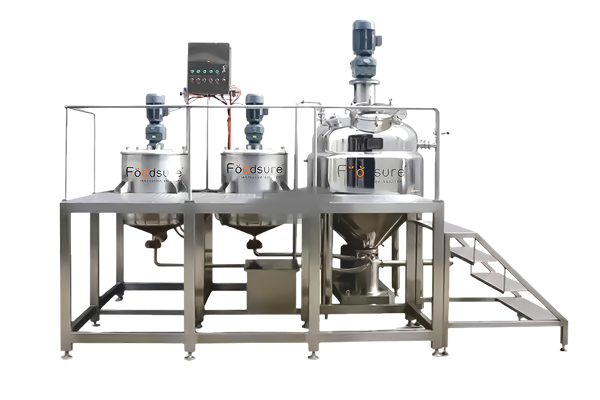
Mixing system
The mixing system is responsible for preparing and distributing the ingredients uniformly before entering the actual processing stage.
Extrusion system
The extrusion system gives the products the necessary texture for making TVP, soya chunks, and nuggets.
Cutting and shaping system
The equipment defines the ultimate size and shape of the product to be manufactured.
Drying and cooling system
Drying helps regulate the final moisture content of the product, while cooling serves to stabilize the product before quality testing and packaging.
Packaging system
Packaging is important in protecting the plant Protein Bar products from moisture and contamination.
Factors Supporting Plant-Based Protein Bar Manufacturing Growth in the Middle East
There are numerous business and manufacturing reasons why there has been an increase in Plant-Based Protein Bar Manufacturing in the Middle East region. There is not only a need to cater to the demands of consumers but also to manufacture products that are easily available in various market segments.
Availability of Processing Technology
Modern extrusion and food processing technology make it possible to manufacture different forms of plant proteins with a uniform texture, size, and quality. It increases the feasibility of commercialization for businesses entering this industry.
Flexibility of Product Development
Plant Protein Bar can be used to manufacture different forms such as chunks, nuggets, granules, minced form, and even customized forms. It will give manufacturers flexibility to change their product range as per their needs.
Increasing B2B Opportunities
Plant proteins can be used by food manufacturers, restaurants, hotels, catering services, and institutional buyers. This will offer opportunities beyond direct sales to consumers.
Opportunity for Local Manufacturing
Businesses can manufacture locally, cater to regional requirements, and build their own brand and distribution channels.
Business Opportunities in Plant-Based Protein Bar Manufacturing
The growing Plant-Based Protein Bar Industry in Middle East also presents business opportunities to start-ups and existing food manufacturers.
Retail Protein Bar Products
The packaged soya chunks, nuggets, granules and other plant-based products can be manufactured for sale at retail outlets like supermarkets, grocery stores, wholesale and online retailers.
Food Service Supply
Bulk quantities of plant-protein-based products can be sold to hotels, restaurants, caterers and institutional kitchens.
Food Ingredients
Plant proteins including TVP can be supplied as ingredients to food manufacturers for producing ready meals, fillings, snacks, burgers and other processed food products.
Private Label Manufacturing
Businesses can manufacture products of plant Protein Bar for private labels. This enables the manufacturer to use their manufacturing facility for manufacturing products for more than one brand.
Automation in Plant-Based Protein Bar Manufacturing
Automation could lead to more efficient production and reduced need for manual interventions as production volumes grow.
Automation of Material Handling
Automatic feeding and transportation systems would help reduce manual handling of raw materials and end products during the production process.
Process Control Systems
Control boards and process control systems can assist in handling production processes and maintaining consistency in production.
Automatic Packaging
Automatic weighing and packaging systems can result in improved quality of packaging and minimize reliance on labour during large-scale production.
Quality Control in Plant-Based Protein Bar Production
The ability to deliver consistent quality is crucial to manufacturers servicing their retail and B2B customers. Quality of the raw material, extrusion processes, drying, and packaging need to be controlled during manufacturing.
Some of the quality checks that can be included are:
- Checking raw material quality
- Weighing the ingredients
- Controlling the extrusion process
- Controlling product size and texture
- Controlling moisture
- Checking the packaging
A uniform quality system will enable manufacturers to have consistent products and fewer batch rejections.
Investment Considerations for Plant-Based Protein Bar Manufacturing
The cost of Plant-Based Protein Bar Manufacturing Middle East will be dependent on capacity, machinery, automation, infrastructure, utilities, and packaging needs. Companies should factor in the total cost of the project and not just the cost of the extruder.
Investment zones could include:
- Processing machines
- Mixers and extruders
- Dryers and coolers
- Packaging machines
- Plant facilities
- Electrical and utility arrangement
- Installation and commissioning
- Maintenance and spare parts
The right planning would allow companies to control their initial investment and keep the manufacturing system open for future growth.
Challenges in Plant-Based Protein Bar Manufacturing
Even though there are some opportunities in Plant-Based Protein Bar Manufacturing in the Middle East, some problems may be faced during the manufacturing process that have to be dealt with by the manufacturer.
Consistency in the Product
There may be some changes in the characteristics of the product because of variations in raw materials, extrusion process, drying, and handling. Consistency in the processing and quality control will assist in maintaining consistency in the output.
Proper Management of Raw Materials
Manufacturers must have an adequate and constant supply of appropriate proteins and must store them properly. The consistency of the raw material is very important for consistent production.
Controlling Manufacturing Costs
Costs of electricity, labor, packaging, maintenance, and raw materials may affect the manufacturing cost. Adequate capacity and appropriate equipment will assist in controlling the costs of manufacturing.
Scaling up the Production
Small-scale production may not be able to meet the increasing demand of the consumer market. This should be considered while planning Plant-Based Protein Bar Production in Middle East operations.
How Manufacturers Can Build a Successful Plant-Based Protein Bar Business
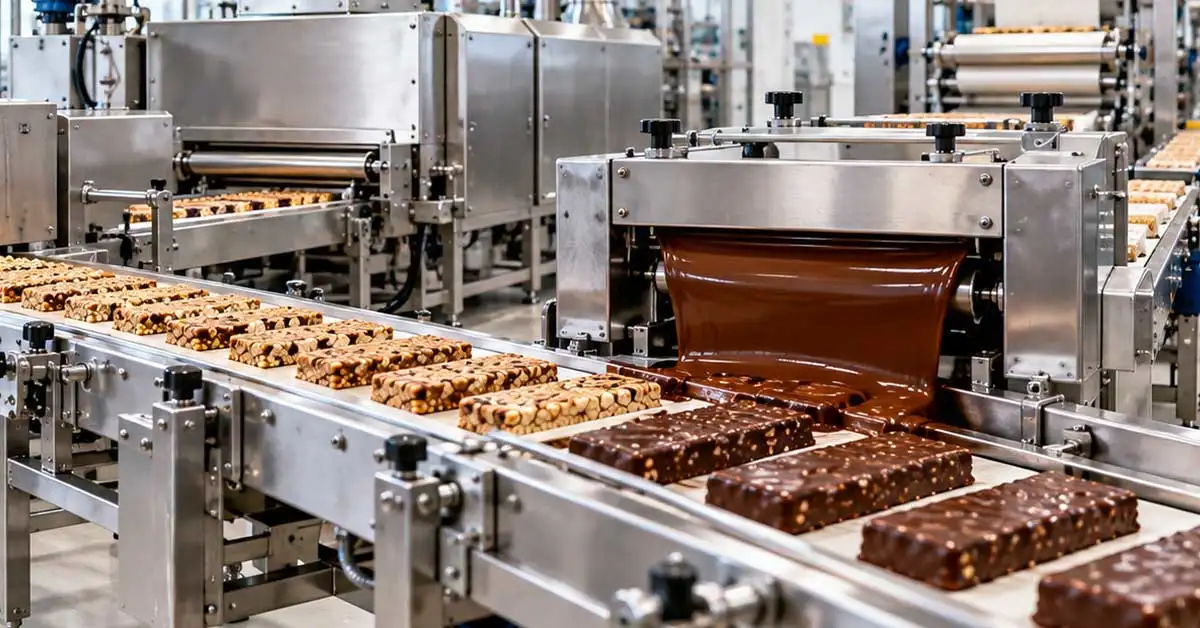
A profitable plant-based Protein Bar business needs more than buying machinery; manufacturers need to create a coherent product strategy that matches their equipment, production capability, quality control, and distribution channels.
Select the Right Product
Companies can start with products that are appropriate for their target audience, such as soya chunks, soya nuggets, granules, or any other form of textured soya proteins.
Choose Suitable Equipment
Equipment should be chosen depending on the specification of the product, output required, degree of automation, and facility setup.
Develop Multiple Sales Channels
Using various routes to market helps companies avoid being too dependent on just one customer base.
Plan for Future Expansion
A scalable production process enables businesses to expand production and diversify the range of products in the future.
Why a Soy Protein Bar Processing Plant Can Be a Strategic Investment
For companies engaged in the production of soy-based products, a Soy Protein Bar processing plant in Middle East will help them establish a proper production facility that does not require using independent equipment for each step involved in the process.
A comprehensive system will incorporate preparation of raw materials, mixing, extruding, cutting, drying, cooling, and packing of product. It will assist in improving production efficiency and managing capacity and quality of production.
It will help in the production of textured soy Protein Bar products, enabling companies to cater to retail, food service, and the food processing industry from the same production facility.
Foodsure Machines for Plant-Based Protein Bar Manufacturing
Foodsure Machines offers processing solutions to those companies that wish to go into plant-based Protein Bar Manufacturing in the Middle East. The equipment can be customized as per the product, capacity, level of automation required, plant configuration, and plans for expansion.
The services could include the selection of machines, line planning, plant configuration, manufacture of equipment, installation & commissioning, operator training, technical support, and post-sale services.
Companies intending to set up a Soy Protein Bar processing plant in Middle East can discuss their production needs in order to have an appropriate processing configuration.
Conclusion
This rising interest in affordable and convenient sources of Protein Bar opens up new possibilities for Plant-Based Protein Bar Manufacturing in Middle East. Products like soya chunks, nuggets, granules, and custom TVP can be manufactured to cater to markets in retail, foodservice, food processing, and private labeling segments.
By having adequate machinery, a proper manufacturing process, capacity planning, and multiple routes to market, companies can develop scalable operations. With the continued growth of the Plant-based Protein Bar industry in Middle East, companies with efficient manufacturing systems can adapt to market demands.
Have a Question? Let’s Connect
Need expert guidance on food processing machines, production setup, or process optimization? Our team is ready to help you choose the right solution for your business.
Frequently Asked Questions
Why is there a rise in the plant-based Protein Bar processing industry in the Middle East?
Increasing consumer demand for alternative proteins, affordable food items, convenience foods, and diversified products creates various new opportunities for manufacturers.
Which products can be produced from plant proteins?
The range of plant Protein Bar Manufacturing includes production of soya chunks, nuggets, TVP granules, mince-type products, Protein Bar snacks, customized textured Protein Bar products, etc.
What machinery would you need for plant-based Protein Bar Manufacturing?
Plant-based Protein Bar processing requires various kinds of machinery, including mixing, extrusion, cutting, drying, cooling, quality control, packaging, etc.
Which capacity is recommended for new manufacturers?
Commercial capacities are usually around 200 kg/hour, 300 kg/hour, 500 kg/hour, and 1000 kg/hour. The exact capacity would depend on the expected demand and potential growth.
Can you install a Soy Protein Bar Processing Plant in Middle East?
Yes, a Soy Protein Bar Processing Plant in Middle East will be appropriate for your business.