

India’s protein food market is projected to reach more than ₹80,000 crore by 2027 because the middle class expands, health awareness increases, and the vegetarian population shows a strong preference for plant-based protein sources. The growing market has established soy-based food processing as an essential industry segment, which enables manufacturers to produce cost-effective products with scalable production methods and high nutritional value compared to animal proteins. Soya chunks have become one of the most important vegetarian protein foods that Indian households, food service chains, and packaged food brands choose to consume.
The quality of soya chunks varies from one product to another. The final product quality which includes texture and protein retention and moisture content and shelf stability depends on three factors: the grade of defatted soy flour used, the extrusion temperature and pressure parameters, and the post-processing quality controls applied during manufacturing. Food businesses need to understand production variables together with quality auditors and importers to evaluate soya chunks brands beyond their initial claims.
Analysing the Surge: Soya Chunk Market Drivers in India
1. Rising Vegetarian Protein Demand
- Search for Complete Proteins: Soya chunks are unique in that they contain all 9 essential amino acids, which they do not have to provide from other plant sources. Being a top choice for vegans in India, this is a healthy protein food option.
- Superior Nutrient Density: Studies show that soybeans have a protein content of 36 to 56% dry weight. Provides much higher protein content than conventional legumes and pulses.
2. Explosive Fitness Industry Growth
- Market Scale: By 2025, the fitness and supplement market will likely be valued at 24.4 billion. The more people join a gym, the more high-protein food is in demand.
- The Whey Alternative: Soya chunks are an affordable option for athletes who are recovering from a workout or event and need something to supplement their energy needs without the high cost of imported whey products.
3. The Most Affordable Protein Source
- Inflation Resilience: Soya is a stable, low-cost food item in the Indian household that is not as prone to fluctuations as meat and dairy.
Top 10 Best Soya Chunks Brands in India (2026)
1. Nutrela Soya Chunks
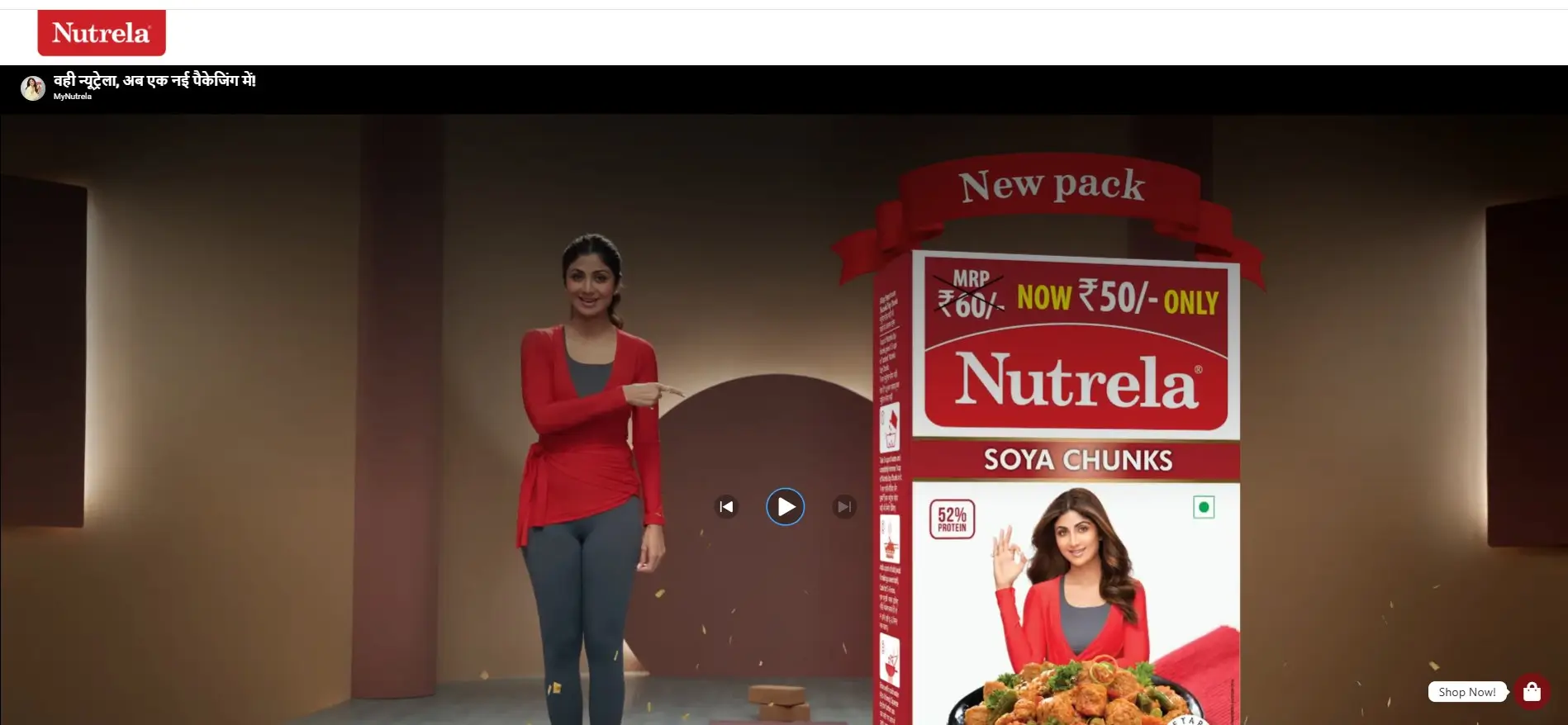
Nutrela is one of the best soya chunks brands in India and is loved by fitness buffs, vegetarians, and families seeking nutritious protein sources at an affordable price. Its dependability on product quality and huge distribution network have fostered high levels of trust within the Indian soy-protein market.
Protein Quality
- Contains approximately 52–53% protein
- An excellent protein source of plant origin.
- Low Fat and Diets.
- The essential amino acids are found naturally in soy protein.
Texture Performance
- Cooks up enough water to moisten the contents
- Has a soft and meat-like consistency
- Holds spices/gravy well.
- Ideal for curries, pulao, biryani, and snacks.
Manufacturing Consistency
Commercial soya chunks brands on a large scale help to ensure that all batches of soy have uniform chunk size, texture, and moisture content. Cooking performance and texture quality are enhanced by standardised extrusion processing.
Packaging Quality
- Hygienically sealed packaging.
- Also comes in a variety of pack sizes.
- Good shelf-life protection.
- Retail and domestic storage appropriate.
Best For
- Gym diets.
- High-protein vegetarian meals.
- Daily household cooking.
- Commercial kitchens.
Pros
- High protein content.
- Strong market reputation.
- Easily available all over India.
- Reliable texture consistency.
Cons
- Will have a slight soy flavour after boiling.
- There are only a few premium product variations available.
2. Fortune Soya Chunks
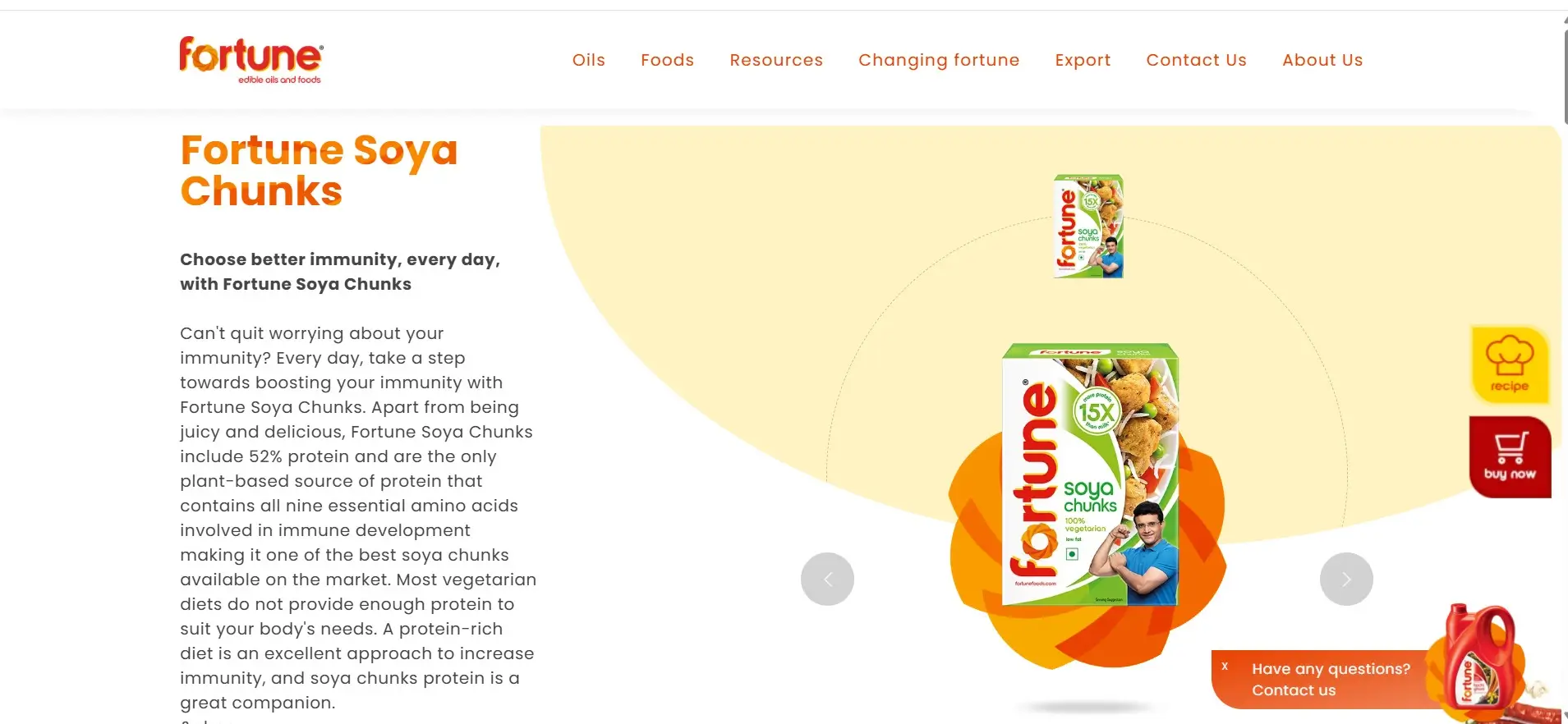
Fortune has diversified into the health food sector with soya chunks, which are loaded with protein, for those who seek to eat healthy. The Soya Chunks Brands is all about hygiene, nutritional positioning, and trusted food processing.
Protein Quality
- Around 52% protein content
- A good protein source for vegetarians.
- Ideal for muscle building and balanced diets.
- Low-fat nutritional profile
Texture Performance
- The cooked texture will be soft to the bite. Once soaked and cooked, the texture will be soft.
- Displays structure in curries and gravies
- Absorbs good flavor
Manufacturing Consistency
There are commercial-scale production and controlled processing systems to ensure stable texture and product consistency.
Packaging Quality
- Machine-sealed hygienic packs.
- Moisture-protected packaging.
- Good shelf stability.
Best For
- Fitness-focused consumers.
- Healthy meal preparation.
- Protein-rich daily diets.
Pros
- Trusted FMCG brand.
- Consistent product quality.
- Hygienic packaging standards.
- Reliable cooking performance.
Cons
- Slightly premium pricing.
- Limited speciality variants.
3. Patanjali Soya Chunks
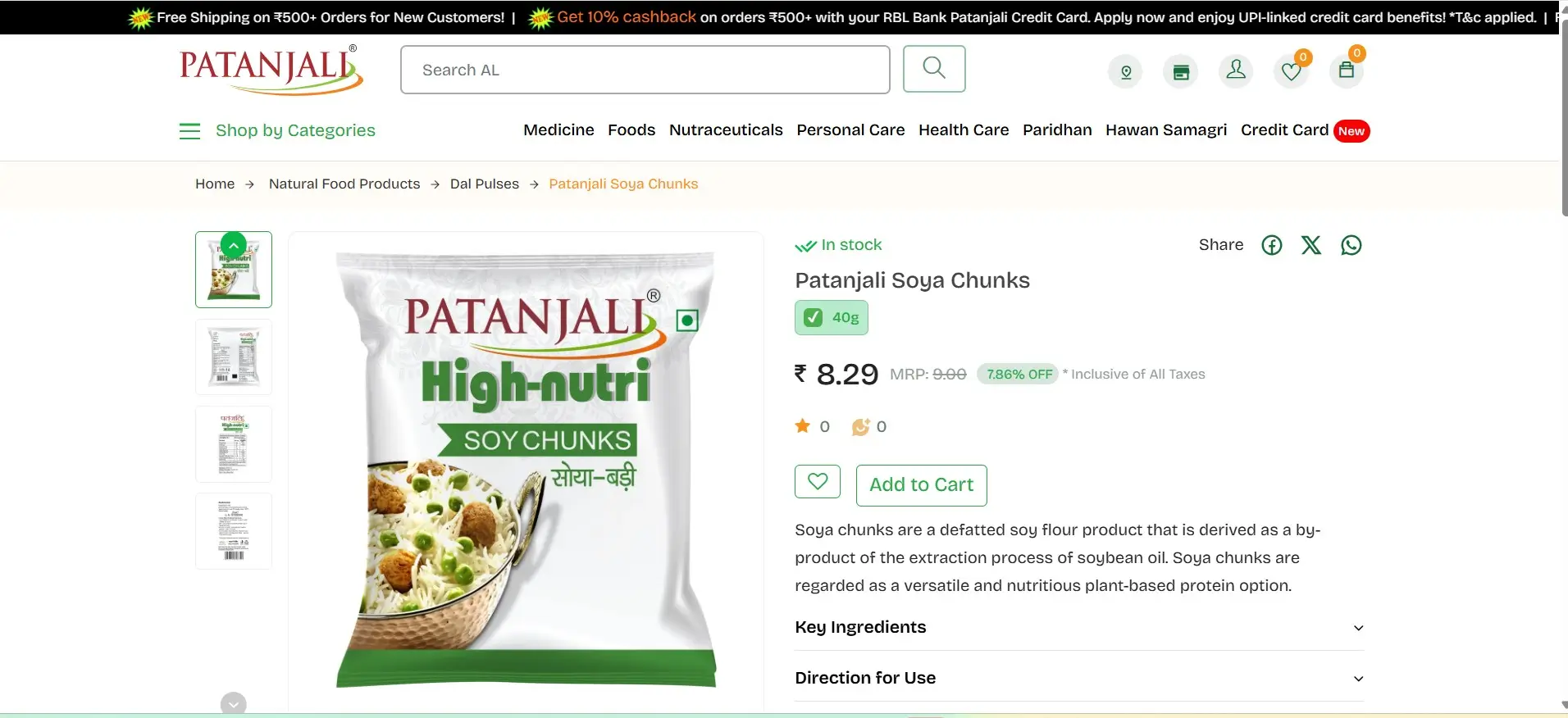
Patanjali Soya Chunks are in demand among consumers who are interested in low-cost vegetarian protein products. The Soya Chunks Brands offers good availability in both the urban and rural markets in India.
Protein Quality
- A good source of plant protein.
- Low-fat food option
- Ideal for a vegan lifestyle.
Texture Performance
- Becomes soft rapidly after cooking at a boiling temperature.
- Easy to prepare and digest.
- Ideal for Indian cuisine recipes.
Manufacturing Consistency
In large-scale food processing, the acceptable texture and consistency of the products are maintained.
Packaging Quality
- Secure retail packaging.
- Ideal for everyday use in the home.
- Easily available in local markets.
Best For
- Budget-conscious consumers.
- Daily family meals.
- Beginner protein diets.
Pros
- Affordable pricing.
- Wide market availability.
- Ideal for daily use in the kitchen.
Cons
- Basic packaging appearance.
- The texture may vary slightly from batch to batch.
4. Urban Platter Soya Chunks
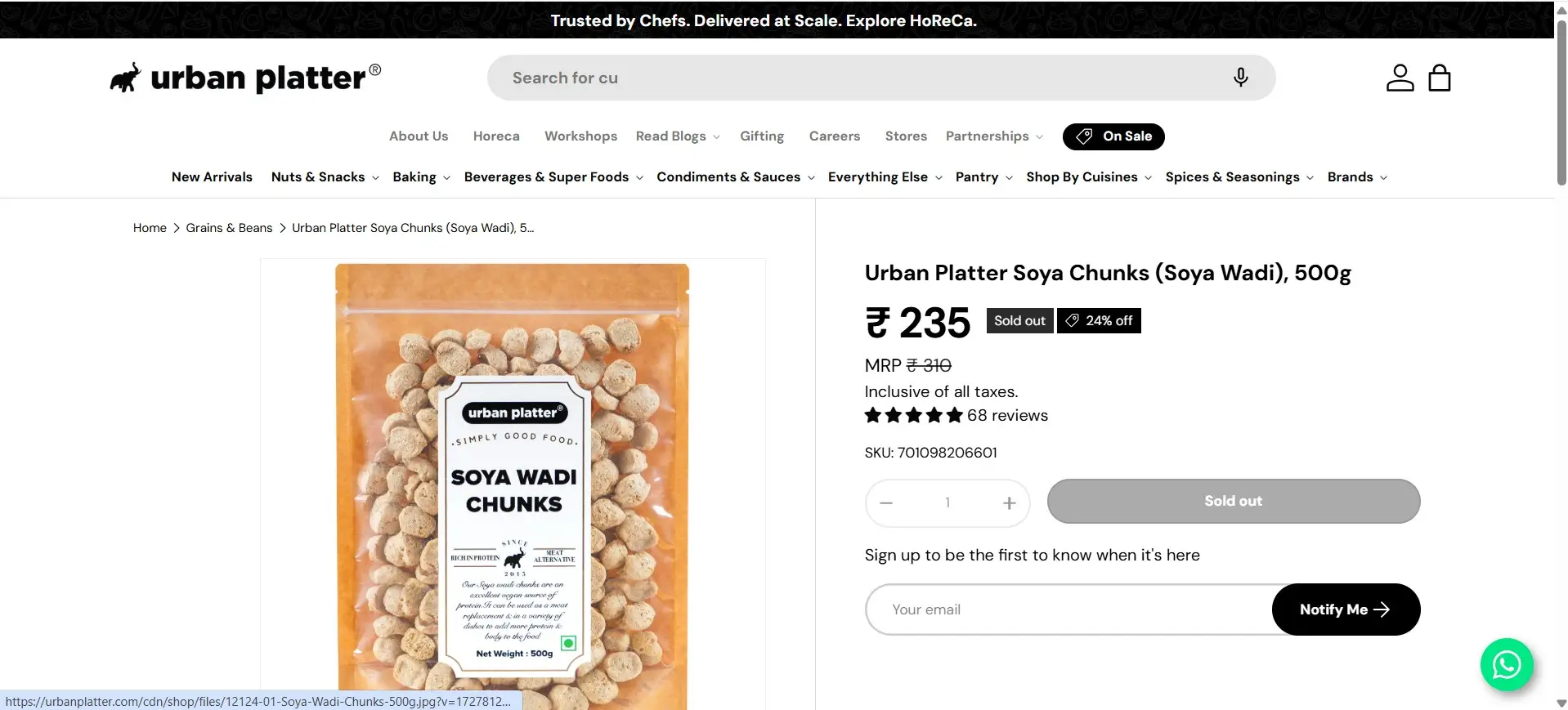
Premium and speciality food products are Urban Platter’s speciality. It is a popular choice for people who want to eat gourmet-style or health-conscious food, thanks to its soya chunks.
Protein Quality
- High protein in the plant or human diet.
- Ideal for healthy and vegan eating.
- Balanced nutritional positioning.
Texture Performance
- Sturdy and high-quality finish on the cooked product.
- Ideal for fusing dishes and stir-frying.
- Maintains shape effectively
Manufacturing Consistency
The controlled sourcing and organised food processing standards help to ensure uniformity of texture and consistency of products.
Packaging Quality
- Premium resealable packaging.
- Better freshness retention.
- Attractive retail presentation.
Best For
- Premium consumers.
- Vegan diets.
- Gourmet cooking applications.
Pros
- Premium texture quality
- Strong packaging standards
- Health-focused branding
Cons
- Higher pricing
- Limited offline availability
5. Saffola Soya Chunks
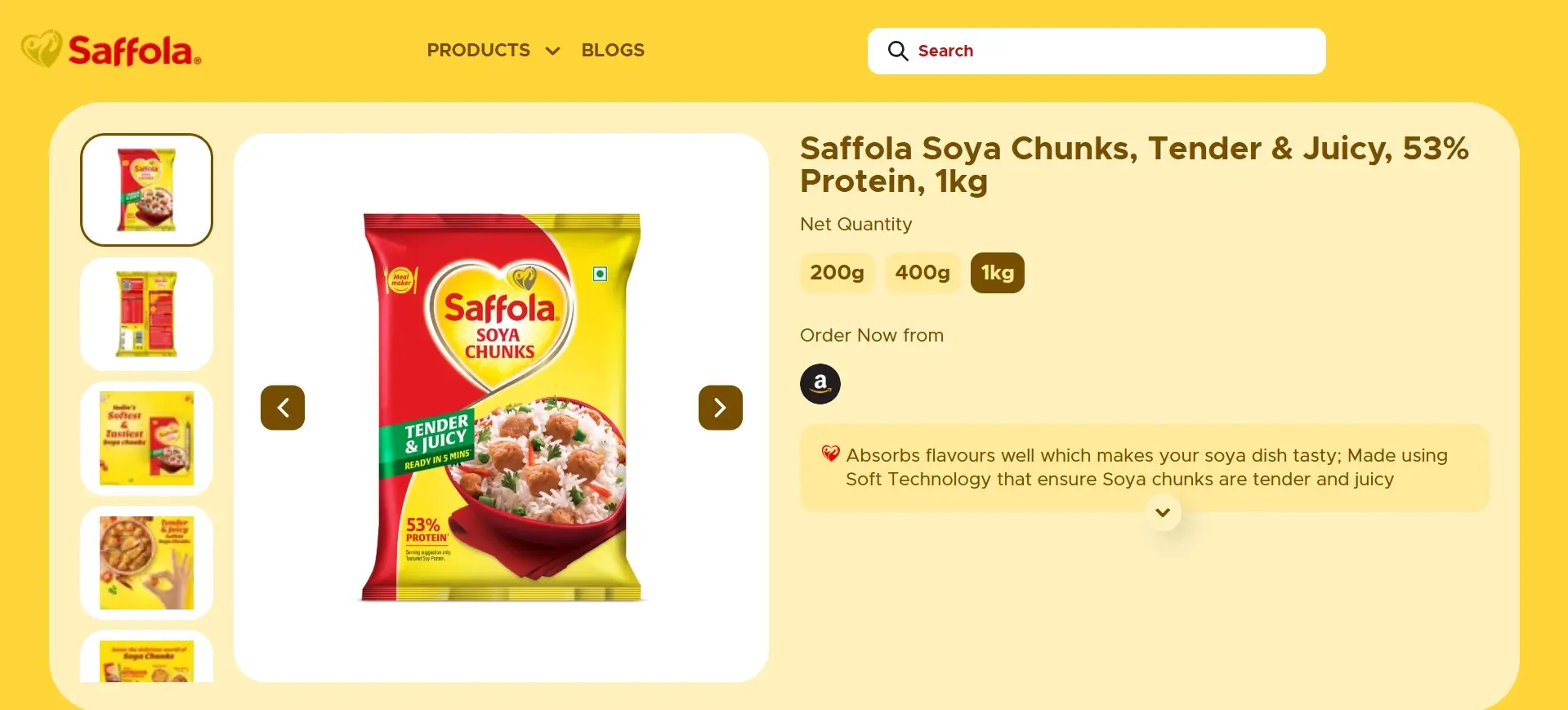
Saffola has jumped into the protein-rich foods market with products geared towards the urban population with a need for balanced and healthy nutrition.
Protein Quality
- The food option is vegetarian and rich in protein.
- Low-fat nutritional profile
- Ideal for healthy eating.
Texture Performance
- Favourable chewiness after cooking.
- Absorbs flavors effectively.
- Ideal for use in Indian dishes and snacks.
Manufacturing Consistency
Processes in organised FMCG processing systems facilitate maintaining hygiene standards and product quality.
Packaging Quality
- Modern consumer-friendly packaging.
- Good shelf-life management.
- Hygienically sealed packs.
Best For
- Urban consumers.
- Weight management diets.
- Healthy lifestyle meal plans.
Pros
- Trusted health-focused brand
- Reliable product consistency
- Good nutritional positioning
Cons
- For some areas, a higher premium is charged.
- Fewer packaging variants
6. Rajdhani Soya Chunks
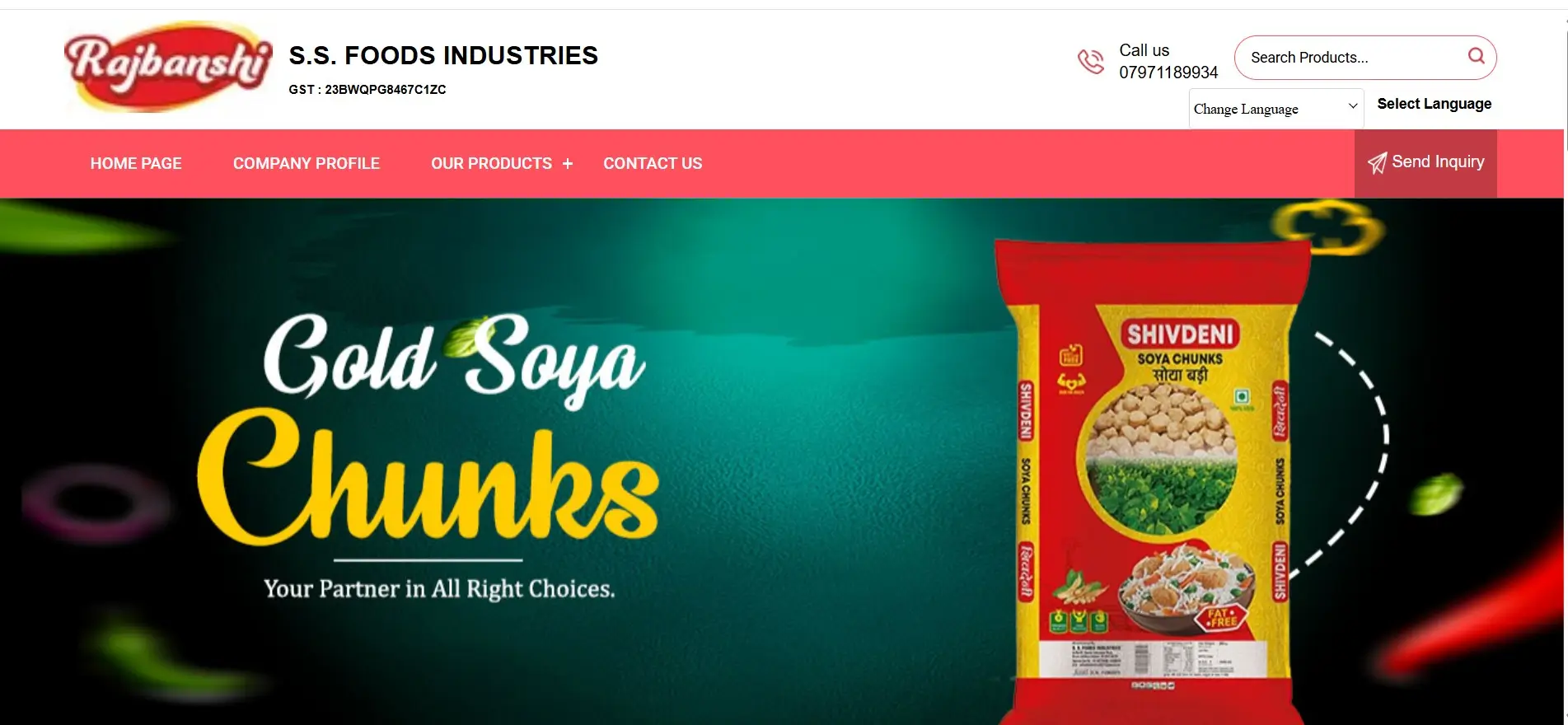
Rajdhani is a popular Indian food company that sells pulses, grains, and protein products. Its soya chunks are frequently used in daily cooking and low-cost protein diets.
Protein Quality
- Good protein concentration.
- Can be used for everyday vegetarian meals.
- Low-fat protein option.
Texture Performance
- The boiled product has a soft texture.
- Perfect for curries and pulao
- Good gravy absorption
Manufacturing Consistency
Commercial processing by standards helps to maintain cooking consistency and stability of the products.
Packaging Quality
- Functional retail packaging.
- Excellent moisture resistance.
Best For
- Family meals.
- Budget-conscious households.
- Daily cooking.
Pros
- Affordable pricing
- Good cooking performance
- Trusted grocery brand
Cons
- Limited premium positioning
- Basic packaging design
7. 24 Mantra Organic Soya Chunks

24 Mantra Organic takes the route of organic food products and aims to cater to the customers who prefer cleaner and less processed food.
Protein Quality
- Soy protein-based organic source of protein.
- Ideal for clean-eating diets.
- Good nutritional value
Texture Performance
- Soft when cooked
- Desirable water-absorbing properties
Manufacturing Consistency
The controlled organic sourcing and food processing standards ensure the purity-driven production quality.
Packaging Quality
- Secure eco-conscious packaging
- Better freshness management
Best For
- Organic food consumers
- Natural diet plans
- Health-focused lifestyles
Pros
- Organic positioning.
- Cleaner ingredient perception.
- Strong health appeal.
Cons
- Higher price range.
- Rise in prices due to low supply in smaller markets.
8. Healthy Master Soya Chunks
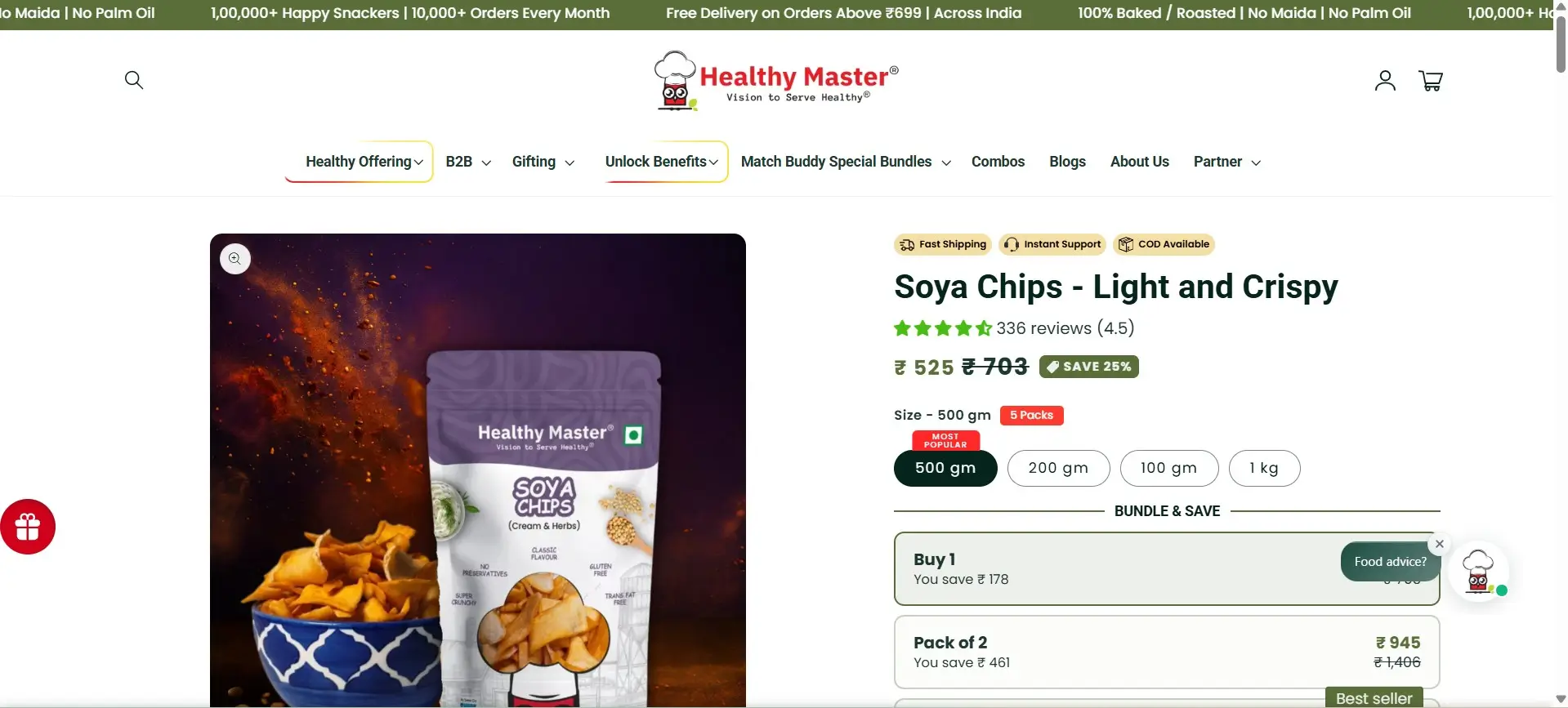
Healthy Master is a Soya Chunks Brands of nutrition-based food products, developed to satisfy the nutritional requirements of all people who are interested in pursuing a balanced and protein-rich diet.
Protein Quality
- The plants have a good protein content.
- Vegetarian meals are suitable.
- Balanced nutritional profile.
Texture Performance
- The culinary term for this is tender or soft after cooking.
- Perfect for everyday recipes in India
Manufacturing Consistency
Good practices in food processing and hygiene ensure product uniformity.
Packaging Quality
- Modern retail packaging.
- Good shelf-life protection.
Best For
- Healthy eating plans
- Daily household cooking
- Protein-rich meals
Pros
- Health-focused branding
- Hygienic packaging
- Good cooking usability
Cons
- Reduce the visibility of mainstream markets.
- Limited distribution network.
9. PMark Products Soya Chunks
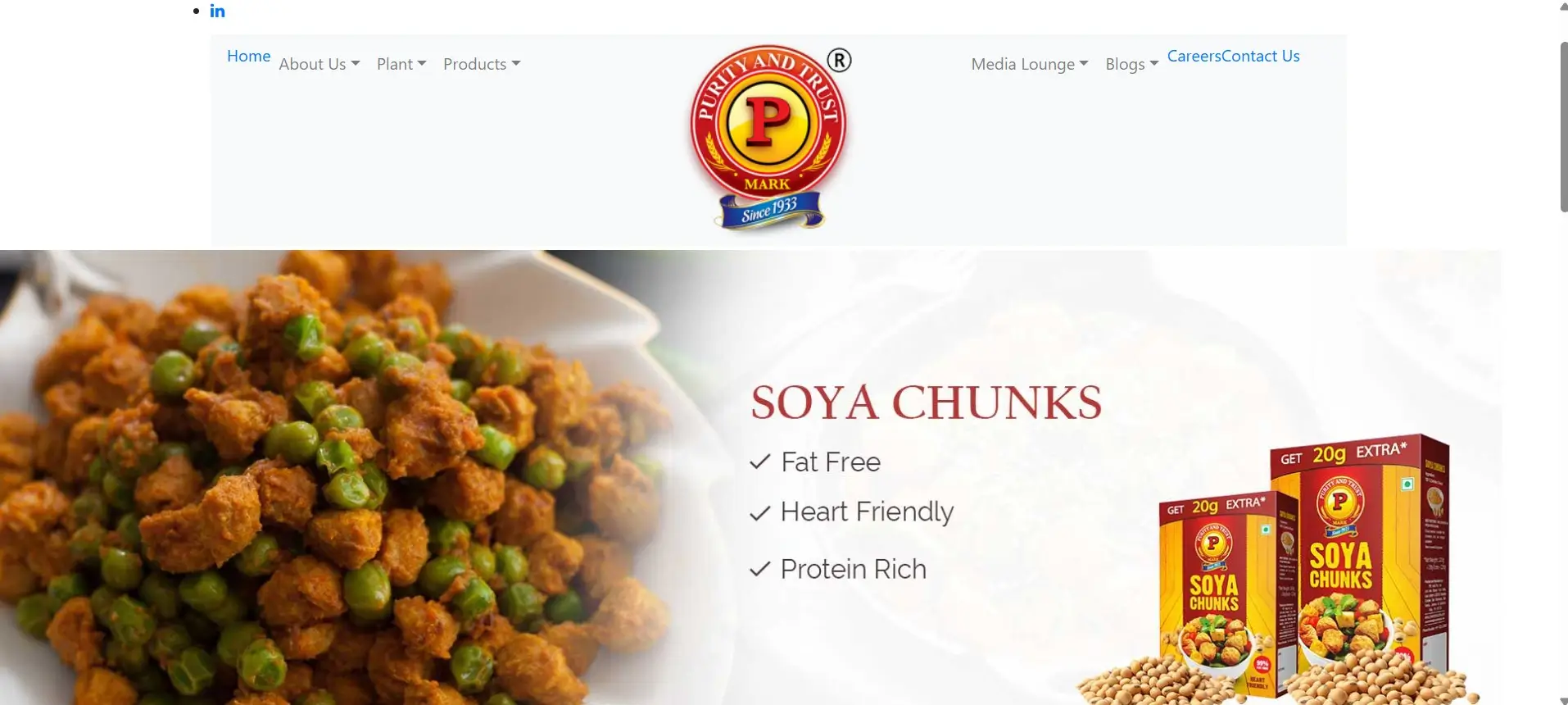
PMark targets those seeking soy protein foods, with a focus on soy-based nutrition products.
Protein Quality
- A high level of soy protein.
- Ideal for bodybuilding and protein-rich diets.
- Low-fat nutritional option.
Texture Performance
- Remains firm when cooked to a decent degree.
- A good ability to absorb spice.
Manufacturing Consistency
Soy-based processing processes help to increase the consistency and texture quality of the products.
Packaging Quality
- Operational packaging and bulk packaging.
- Storing and distributing appropriate materials
Best For
- Protein supplementation.
- Soy-focused vegetarian diets.
- Commercial food usage.
Pros
- The majority of the focus on soy products was on their specialized uses.
- Good protein value.
- Ideal for mass applications.
Cons
- Limited mainstream recognition.
- Lower retail availability.
10. BB Popular Soya Chunks
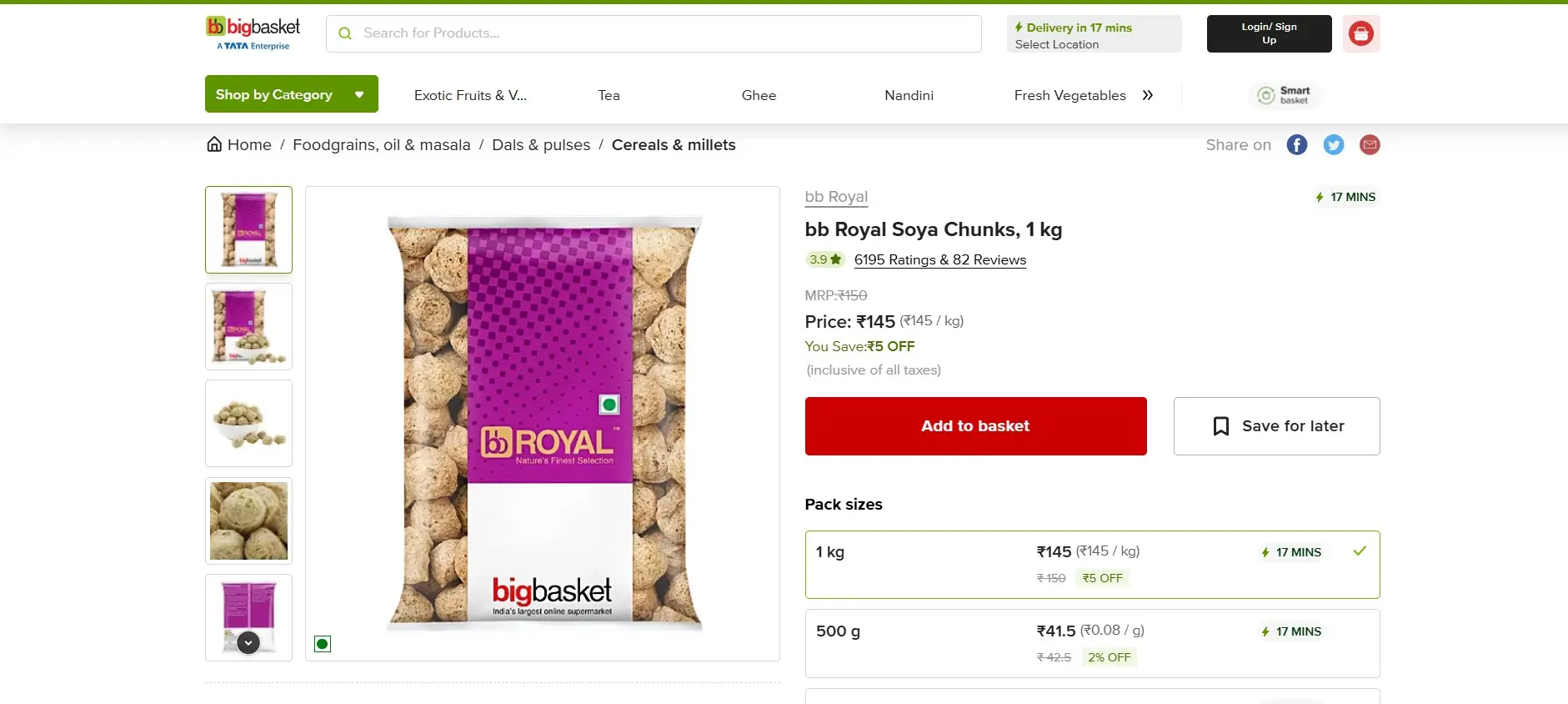
BB Popular offers budget-friendly private-label soy chunks, geared towards the masses for daily use and online grocery orders.
Protein Quality
- A good protein digestibility for daily nutritional requirements
- It’s perfect for everyday vegetarian meals.
Texture Performance
- Moderate texture quality.
- A great addition to curries and to mixed dishes.
Manufacturing Consistency
- Private label commercial-scale production aids in quality consistency for value brand consumers.
Packaging Quality
- Use of practical packaging for online grocery delivery.
- Basic moisture protection.
Best For
- Budget households
- Bulk grocery shopping
- Everyday cooking
Pros
- Affordable pricing.
- Easy online availability.
- Good value for money.
Cons
- Less premium positioning.
- Medium level of texture when compared to high-quality brands.
Which Soya Chunks Are Best for Different Needs?
The best soya chunks selection requires you to assess your health objectives and cooking methods and financial limitations. High protein content serves as the main requirement for athletes who follow intense gym training while families need food items that deliver both reasonable pricing and steady quality throughout their daily dining routines. The soya chunks best brand selection results in products that deliver complete amino acid profiles together with fast water absorption properties and a texture that resembles meat.
The Production Process of Soya Chunks: The Industrial Process
From the beginning of production (the bean) to the end (the bowl), the production of how soya chunks are made is a highly technical process involving eight separate steps focused around an extrusion process:
- Preparation of Raw Material: Defatted soya flour (high-protein) is mixed with water and steam until they are all mixed together.
- Conditioning. The mixed material is conditioned by preheating it to a temperature range of 65ºC – 100ºC to ensure uniform hydration.
- Core Transformation (Extrusion): Soya chunks are produced using twin-screw extruders that apply heat and pressure (30 – 50 bar) to the material in order to realign the protein into a fibrous or “meat-like” structure.
- Drying and Cooling: After the soya chunks are formed, they are dried and cooled to remove moisture and allow for maximum product shelf life (12 months) by reducing the level of moisture to below 7%. Drying and cooling of soya chunks is accomplished in multiple stages using industrial-type dryers.
Branded vs Non Branded Soya Chunks – Which Is Better?
Non branded soya chunks may be widely available in local markets but do not provide a higher risk of failure as compared to non branded soya chunks, primarily due to the moisture content of non-branded soya and generally inconsistent protein concentration in non-branded soya processed outside of India.
In contrast, the best-branded soyas in India utilize commercially automated soya brand facilities, and as a result, soya’s produced in those facilities meet the following three criteria (out of approximately 20 general quality standards established in India):
- Proteins Have Greater Integrity: Soya brands have consistently greater protein concentration (52%) than non-branded soya.
- Proteins Are Safe To Consume: Brand soy is produced in accordance with the Hygiene Codes of the Food Safety and Standards Authority of India (FSSAI) for food safety purposes.
- Proteins Have Greater Quality of Texture: Brand soya provides a consistent “spongy” texture through perfect expansion.
Soya Chunks Manufacturing Business in India
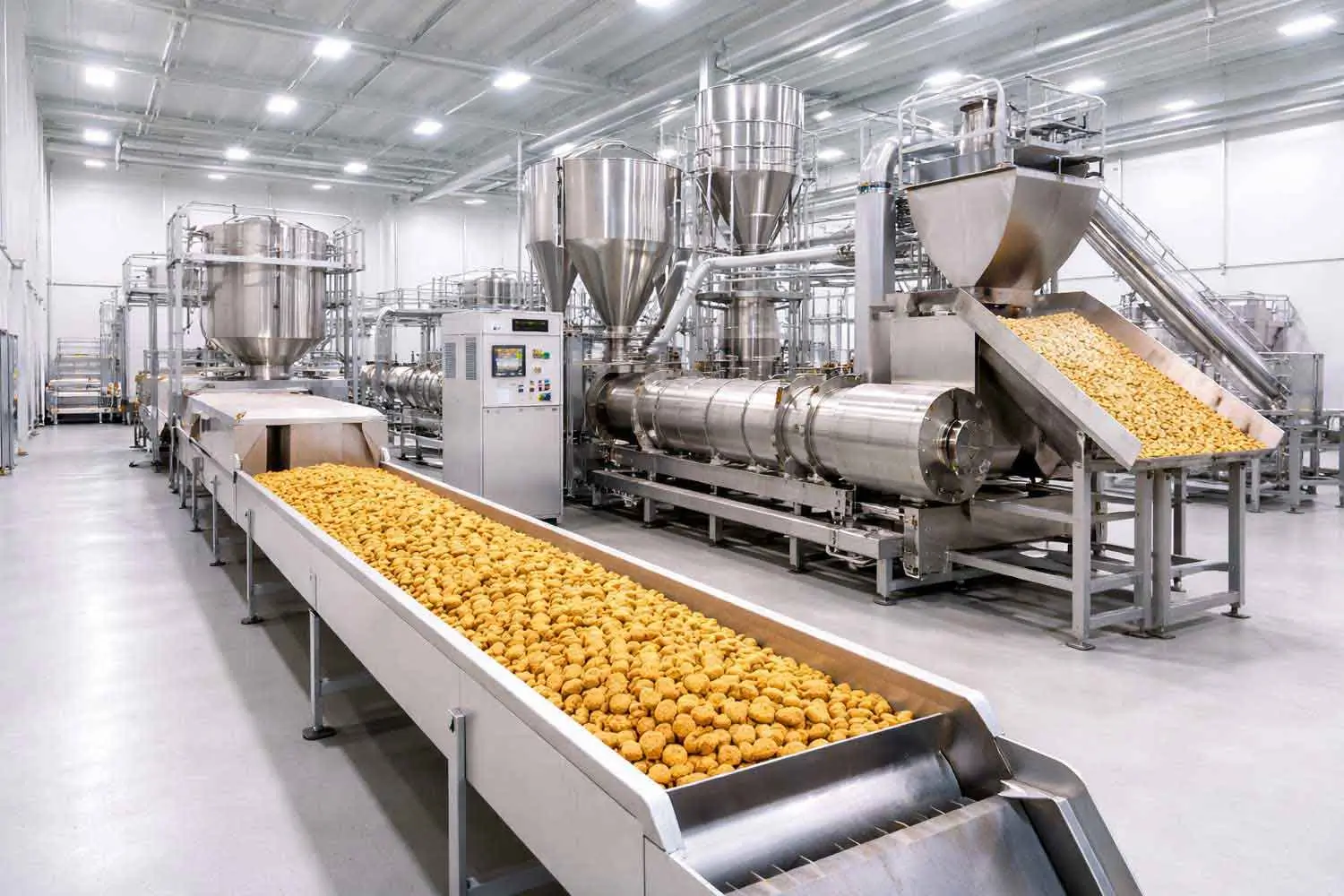
The soya chunks manufacturing business will experience its peak growth period during 2026 because the investment will return approximately 38 percent.
- Setup Cost: A modern soya chunk plant requires an investment between ₹16L – ₹27L which depends on the facility’s automation capabilities.
- Technology Choice: Successful plants use twin-screw soy processing technology because it produces export-quality texture that premium global buyers require.
- Revenue Drivers: The industry purchases its raw materials, defatted soy flour, at a price range of ₹35-₹50/kg while selling finished chunks at prices between ₹100-₹150/kg, which results in strong gross profit margins.
- Expert Insight: The choice of a soya chunk plant partner who understands the “Raw-to-Retail” workflow enables factories to maintain consistent texture and nutrient retention, which separates successful operations from their competing soya brands.
Launch Your Food Brand
Machinery setup, production support & expert guidance — all in one place.
Conclusion
The selection of appropriate soya chunks brands requires assessment of their protein quality and their ability to maintain consistent texture and their production methods and their product packaging safety. The best soya chunks brands in India offer products that range from premium to affordable because more people want to eat healthy plant-based protein. The evaluation of soya chunk quality requires two factors branded products provide better consistency than non branded soya chunks and the user must know the production methods of soya chunks.
The Indian protein food market growth creates new opportunities for the soya chunks manufacturing sector and the development of modern soya chunk production facilities, which generate growth for the food processing industry. Foodsure Machines provides advanced food processing technologies to support the expanding industry, which needs efficient and reliable methods for producing soy products.
FAQ
Q1. Which are the best soya chunks brands in India?
Nutrela and Fortune and Saffola and Urban Platter represent the top soya chunks brands in India through their exceptional product quality and high protein content.
Q2.Why do consumers prefer branded soya chunks over non branded soya chunks?
Branded products usually provide better hygiene and packaging quality and texture consistency and safer food processing standards.
Q3. How are soya chunks made in modern food processing plants?
Commercial soya chunk plants produce soya chunks through extrusion processing of defatted soy flour.
Q4. Is the soya chunks manufacturing business growing in India?
The soya chunks manufacturing operation shows growth because more people want budget-friendly vegetarian protein options.
Q5. Which soya chunks are best for bodybuilding and fitness diets?
Bodybuilders and fitness enthusiasts choose Nutrela and Fortune as their main high-protein soya chunks brands for meal prep.




