In India, the functional foods industry is booming, with protein bars leading the charge. The global protein bar market is set to hit USD 14.26 billion by 2024, and India’s market alone is worth over USD 860 million. If you’re ready to seize this opportunity, this guide will show you everything you need to know—from recipe creation to choosing the right equipment and ensuring compliance.
Why Start a Protein Bar Business India Now?
The functional foods industry is expanding in India, and protein bar industry are at the forefront. The global protein bar market is anticipated to reach over USD 14.26 billion by 2024. The protein bar market size in India was USD 863.9 million in 2024 (Statista) and is growing, with health-conscious urban consumers leading the growth.
This is your cue, as this is the time to enter this market. If you have considered protein bars, go for it. Whether as a sole proprietor or a food start-up, you could reasonably enter this space for much less than you ever thought you could if you put in the effort.
Craft the Right Recipe to Start a Protein Bar Company
Before you get into designing your label or consider any marketing, get a product to sell.
Protein Options:
- Whey: A high biological value protein has a branding history with strength training.
- Plant: Pea protein, soy protein, rice protein, or plant proteins would play into the vegan markets.
- Novel: Chickpea protein, lentil protein, or protein from your region could add value to your offering.
Nutrition Goals:
- Protein – Each bar to contain between 12 and 20 g (industry tastings).
- Calories – 180-250 kcal that fit with a fitness/snacking lifestyle.
- Sugar – < 7-10 g (preferably organic sweetener).
Shelf life & stability:
3-4 months on bars, or having stabilisers, could mean 9-12 months shelf life. Package matters too. Pairing between shelf life and brand aesthetic.
How to Choose the Right Protein Bar Machine for Your Business
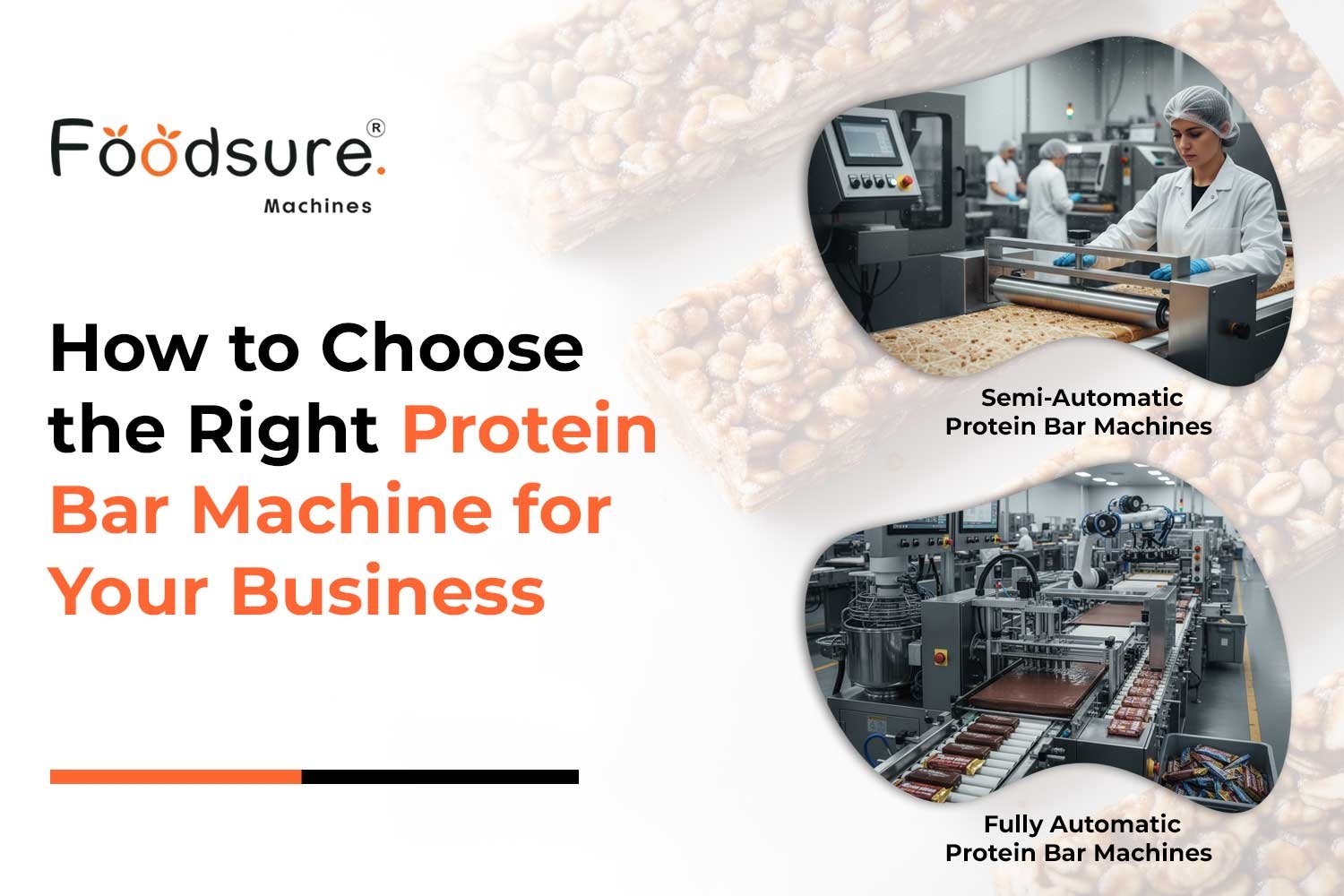
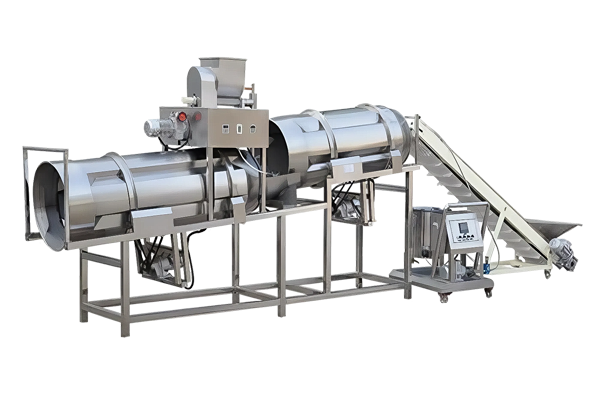
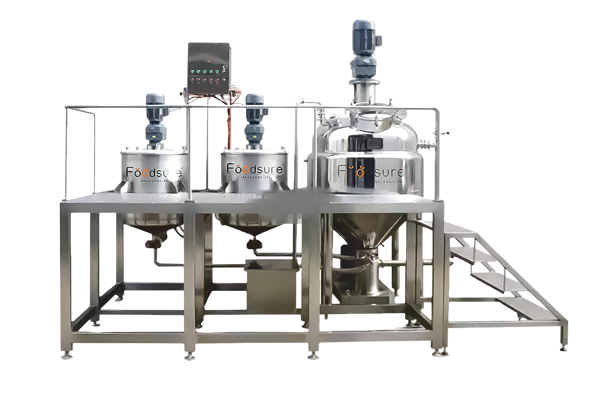
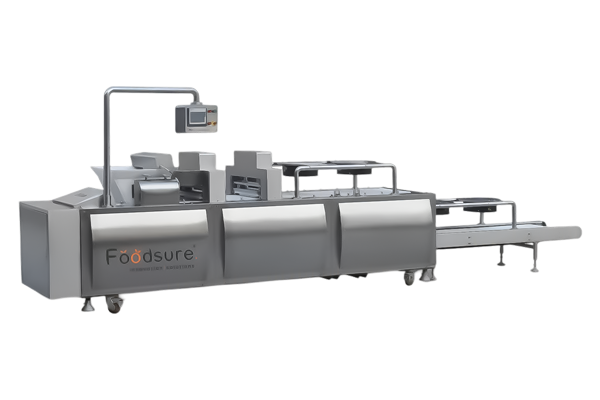
Protein bar machines may be semi-automatic or fully automatic, depending on the needs of a specific protein bar startup.
Semi-Automatic Protein Bar Machines
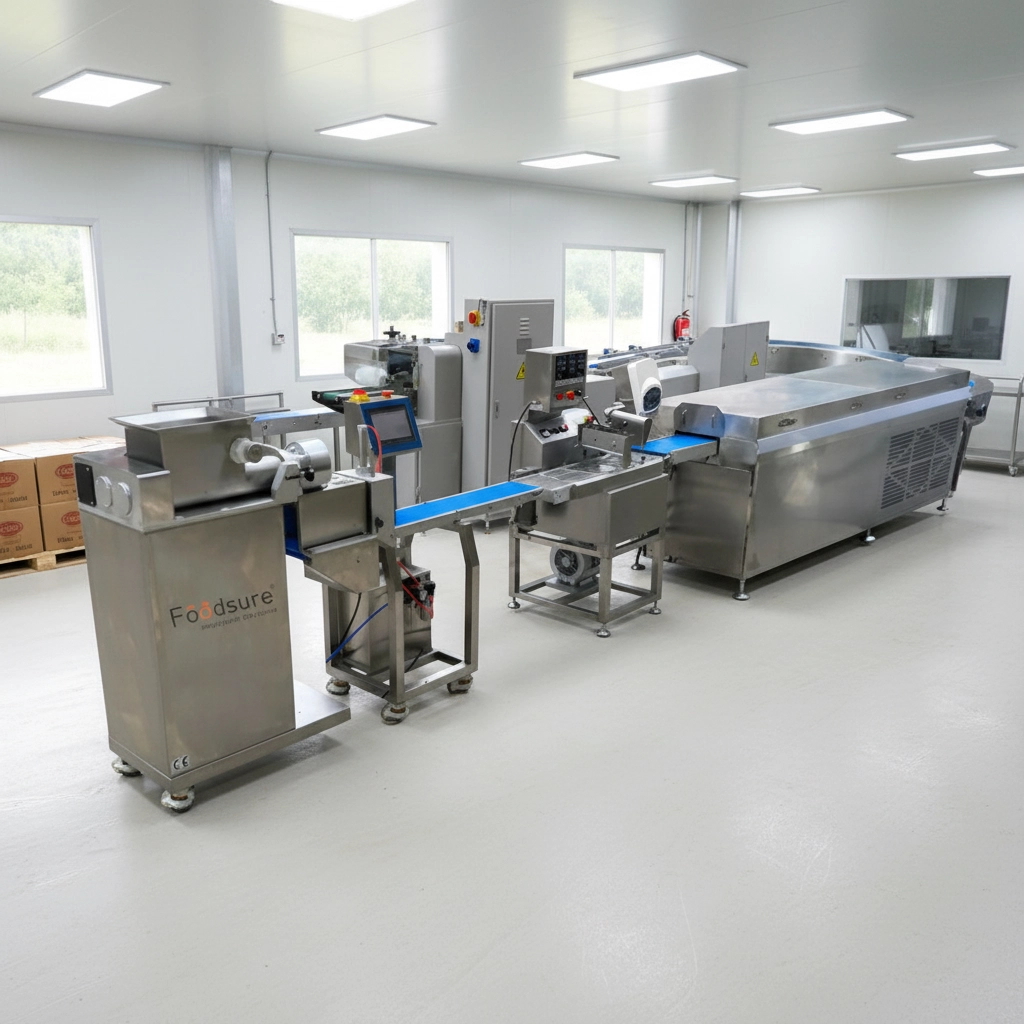
- Semi-automatic machines can work for small or medium businesses, as they require a person to perform one or more steps, such as feeding the product ingredients into the machine, forming the bars, or cutting the bars.
- Semi-automatic machines are also typically less expensive and more flexible, and you would also have a more hands-on approach throughout the protein bar-making process. This can be advantageous for start-up businesses or businesses experimenting with new formulations.
- However, the output is typically less (around 50-200 kg/hour) and will need more labour to achieve consistency throughout batching and packaging.
Fully Automatic Protein Bar Machines
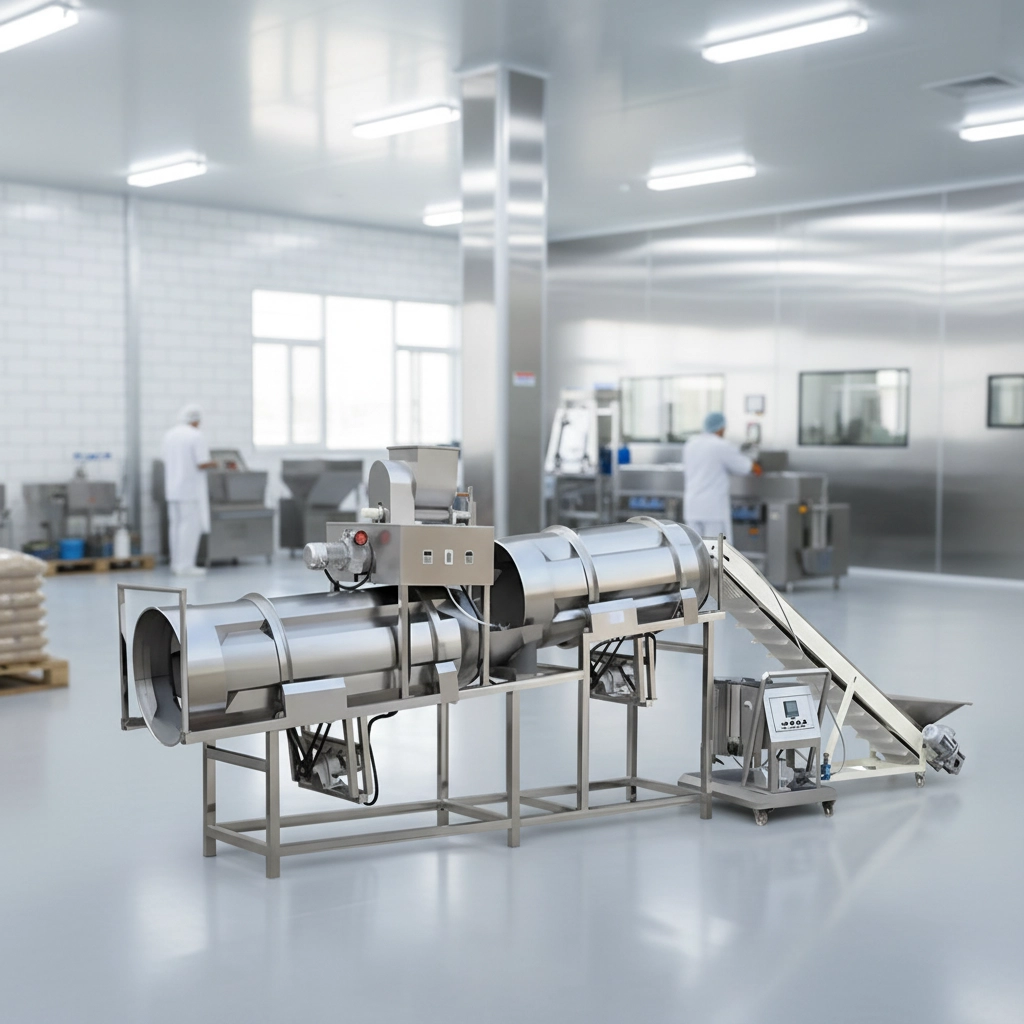
- On the other hand, completely automatic systems combine all the steps (mixing, forming, cutting, packaging, etc.) on a PLC or by digital controls on all steps to minimise labour, assure homogenous quality, and produce products. At a volume range of approximately 250 kg per hour to 500 kg per hour, to meet high-level production standards.
- The costs are higher than all previous systems; however, this system provides benefits in that it will use significantly less labour, increase production throughput, promote quality consistency, and offer worker hygiene protection.
- Overall, provide a more efficient process for mass production or scaled-up production if the company is mass-distributing the product.
Automatic vs Semi-Automatic Machines for Protein Bar Production
How to Handle Compliance and Labelling for Protein Bars
Here are some of the main compliance requirements for protein bar labelling and manufacturing within India:
- First of all, if you will be selling your product, you will need to apply for an FSSAI licence first. All batches would need to have positive lab tests, if you are using lab tests, for nutritional facts, microbes (if testing for), and shelf life.
- The labelling would need to have a nutrition facts panel detailing for every serving the total amount of protein, fats, carbohydrates, sugars, and calories. Allergens need to be indicated; some common allergens you may want to note are milk/whey protein powders, soy protein powders, and nuts.
- Provide traceability records of ingredient inputs from the supplier and raw materials, in addition to taking precautions such as Quality Control (QC) practices to be compliant with FSSAI.
All in all, if you are compliant with each area of FSSAI labelling and display laws, you would avoid fines and keep consumer trust high.
How a Protein Bar Machine Boosts Profits and Efficiency
| Cost Factor | Without Machine (Manual/Semi-Manual) | With Protein Bar Machine (Automated) | Savings / ROI Impact |
|---|---|---|---|
| Initial Investment | Low (hand mixers ₹10k–₹20k) | Moderate (₹3–6 lakhs avg.) | Higher upfront, but scalable |
| Labor Cost / Month | ₹60,000–₹80,000 (3 skilled staff) | ₹20,000–₹25,000 (1 operator) | Saves ₹40k–₹55k/month |
| Production Capacity / Day | 10–15 bars | 50–100 bars | 4–6x more output |
| Ingredient Wastage | 8–10% (splits, over-mixing) | 1–2% (controlled mixing) | Cuts wastage cost |
| Electricity / Month | ₹3,000–₹5,000 | ₹6,000–₹8,000 | Slightly higher, offset by savings |
| Consistency & Quality | Unreliable | Uniform & stable | Boosts customer loyalty |
| Payback Period | — | 6–12 months | The machine pays for itself fast |
How to Manage Costs and Scale Your Snack Bar Business
- Depending on the capacity of the system and level of automation, the capital expenditure (Capex) for own manufacturing could run between ₹5 lakh and ₹20 lakh. Operating expenditures (Opex) could be roughly ₹1 lakh to ₹3 lakh on a monthly basis, which would cover raw materials, packaging, labour, and utilities.
- Breakeven performance could be protein bar profit margin at approximately 8,000 to 12,000 bars sold a month. If all costs and marketing activities are handled well, the protein bar business India could be profitable between 12 and 18 months. Once breakeven is reached, there may be opportunities for scaling.
Opportunities may include the following:
Developing multiple alternatives of flavours, bar sizes, and SKUs that may appeal to an even larger consumer audience. B2B with schools, gyms, cafes, corporations, or health clubs could all be explored for bulk orders. Expanding, with a relative rise in market demand for healthy snacks in countries such as the Middle East and/or Southeast Asia.
Conclusion
At Foodsure Machines, we have 13+ years of experience working with entrepreneurs to start a protein bar business. With our trustworthy and dependable equipment, machine service and support, knowledge and expertise, we enable you to reduce waste, create consistency and quality, and scale your business effectively. Everything we do with you and your business is focused on making your business a better place to work, providing a consistent product, and generating budgets. Start your snack bar business with Foodsure Machines! Be trained and supported with our protein bar equipment by the industry experts.
FAQ
Q1.How to start a protein bar business in India?
Ans: To start a protein bar business in India, you must complete your recipe development work and obtain FSSAI certification and purchase the appropriate protein bar manufacturing equipment.
Q2. Is the protein bar business India market profitable?
Ans: Yes, the protein bar business in India is swiftly on the rise, and this is because consumers are increasingly consuming healthy and convenient snacks.
Q3. How much does it cost to manufacture a protein bar?
Ans: To some extent, the price of protein bars varies to the ingredients, packaging, and mechanization, but typically, it ranges from ₹8 through ₹15 per bar.
Q4. What equipment is needed for a protein bar startup?
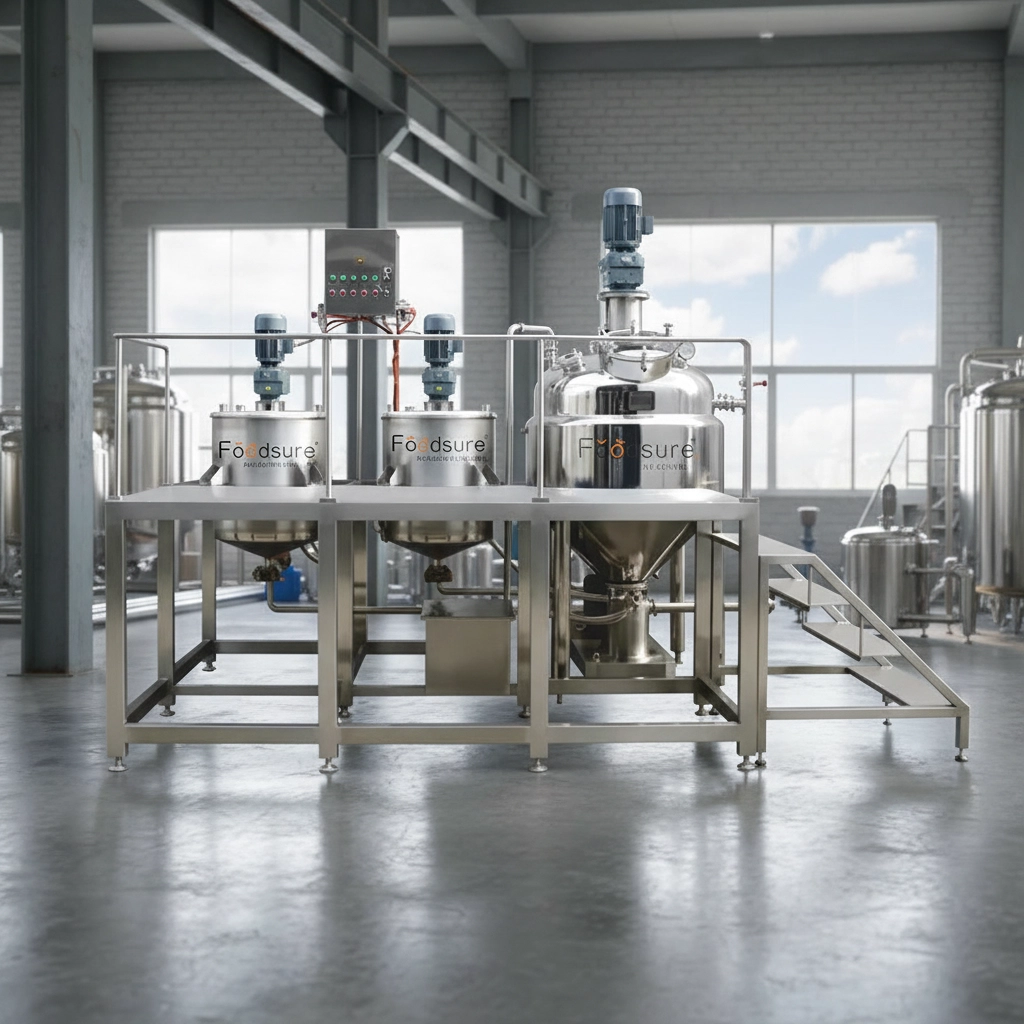
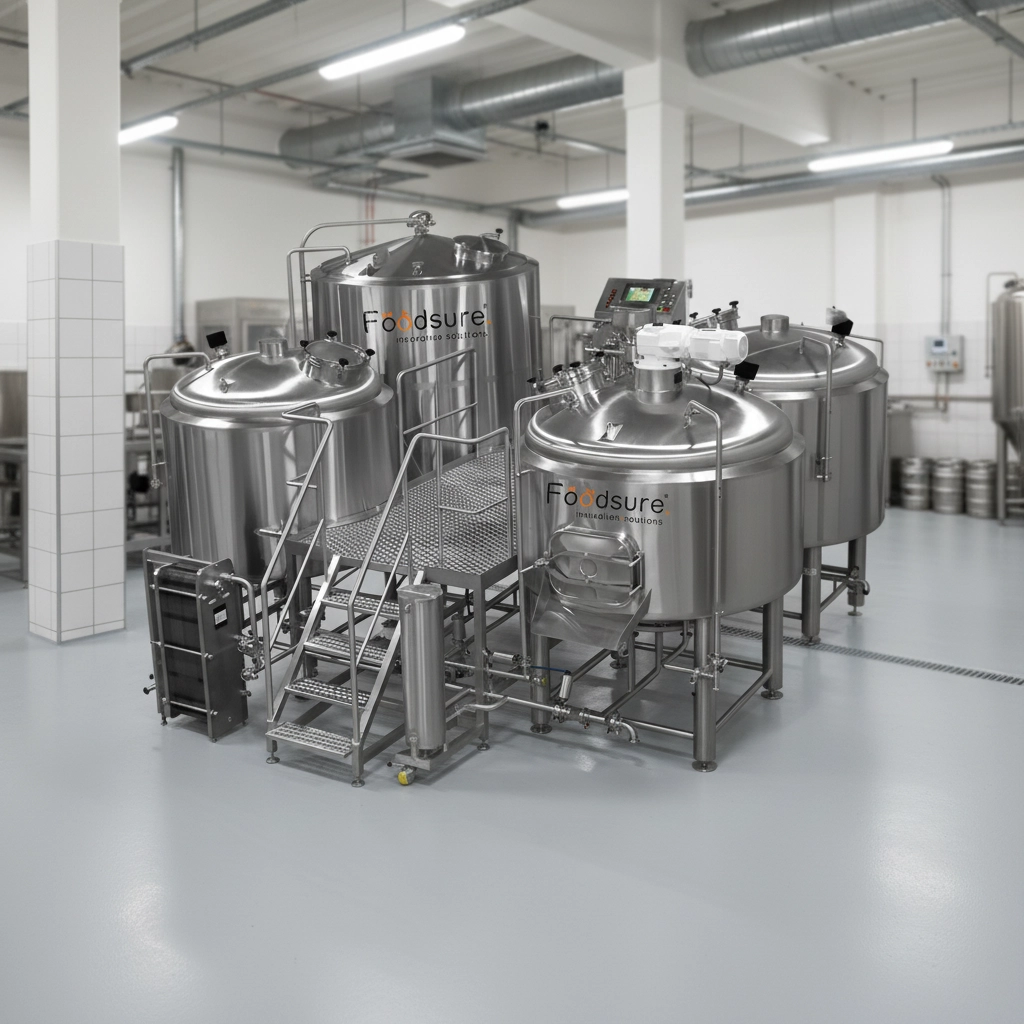
Ans: A startup protein bar company needs a mixer, a compacting/cutting machine for shaping the bars, a forming unit, a cutter system, and a system for packaging.
Q5. What is the role of a protein bar machine in production?
Ans: These systems take care of mixing, forming, and integrating cutting actions on the line, which would guarantee uniformity in size, texture, and production intensityistic.
Q6. Is a protein food business a good opportunity in India?
Ans: A protein-food company is booming in India as customers prefer to eat fitness foods and functional foods.
Q7. Can I start a protein bar business India with small investment?
Ans: Starting a protein bar business on a small scale in India using semi-automatic machinery and limited SKUs can indeed be an opportunity.
Q8. What licenses are required to start a protein bar business?
Ans: To begin operating a protein bar business three requirements must be fulfilled which include obtaining an FSSAI license and implementing correct product labeling and meeting food safety standards.
Q10. How can a protein bar startup scale production later?
Ans: The protein bar startup can achieve growth through two methods which involve upgrading their operations with a complete automated protein bar production system and extending their distribution reach.
Q11. What makes a protein food business successful?
Ans: A protein food business achieves success through its focus on delivering great taste and balanced nutrition and its development of powerful brand identity and its ability to produce products through efficient manufacturing processes.