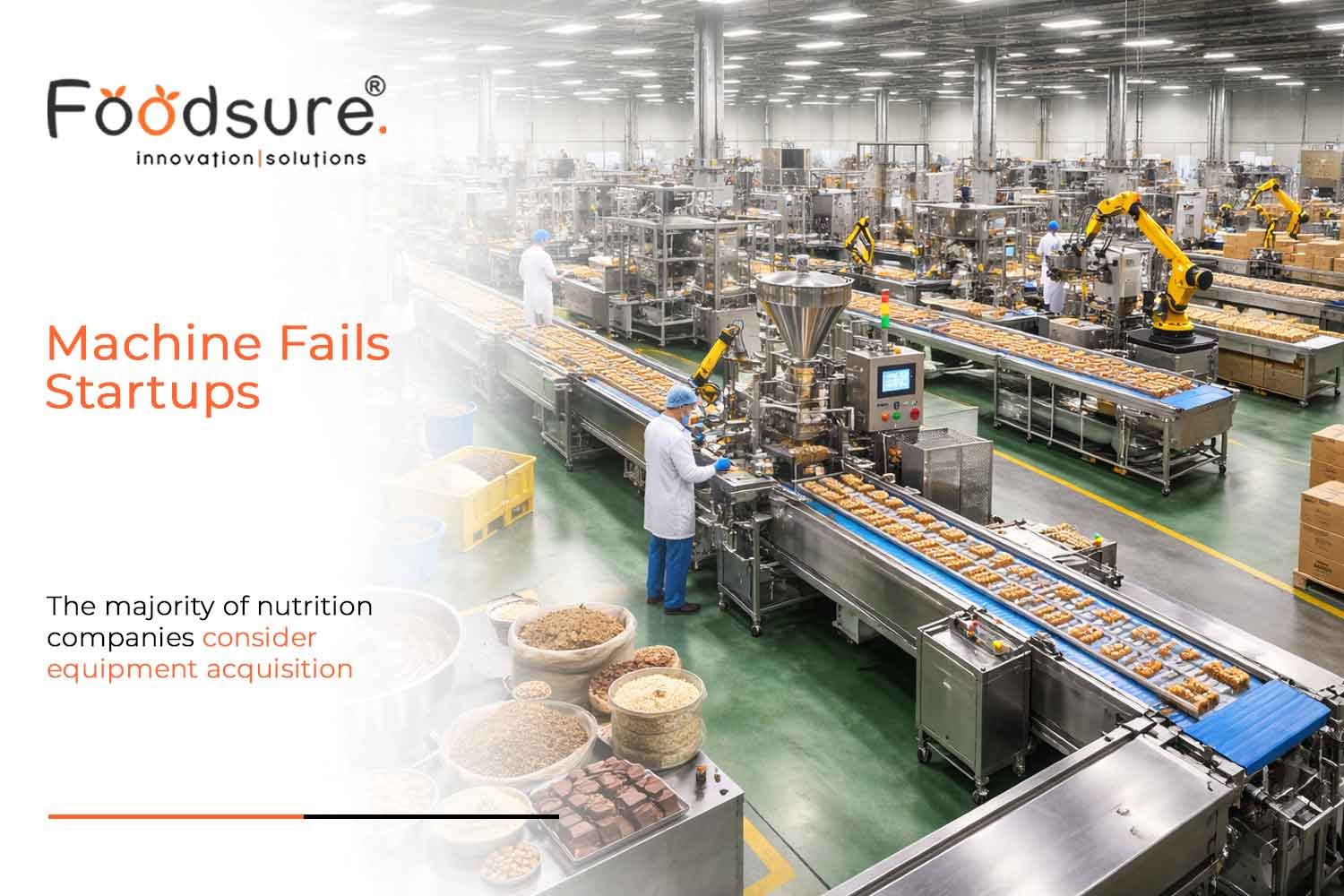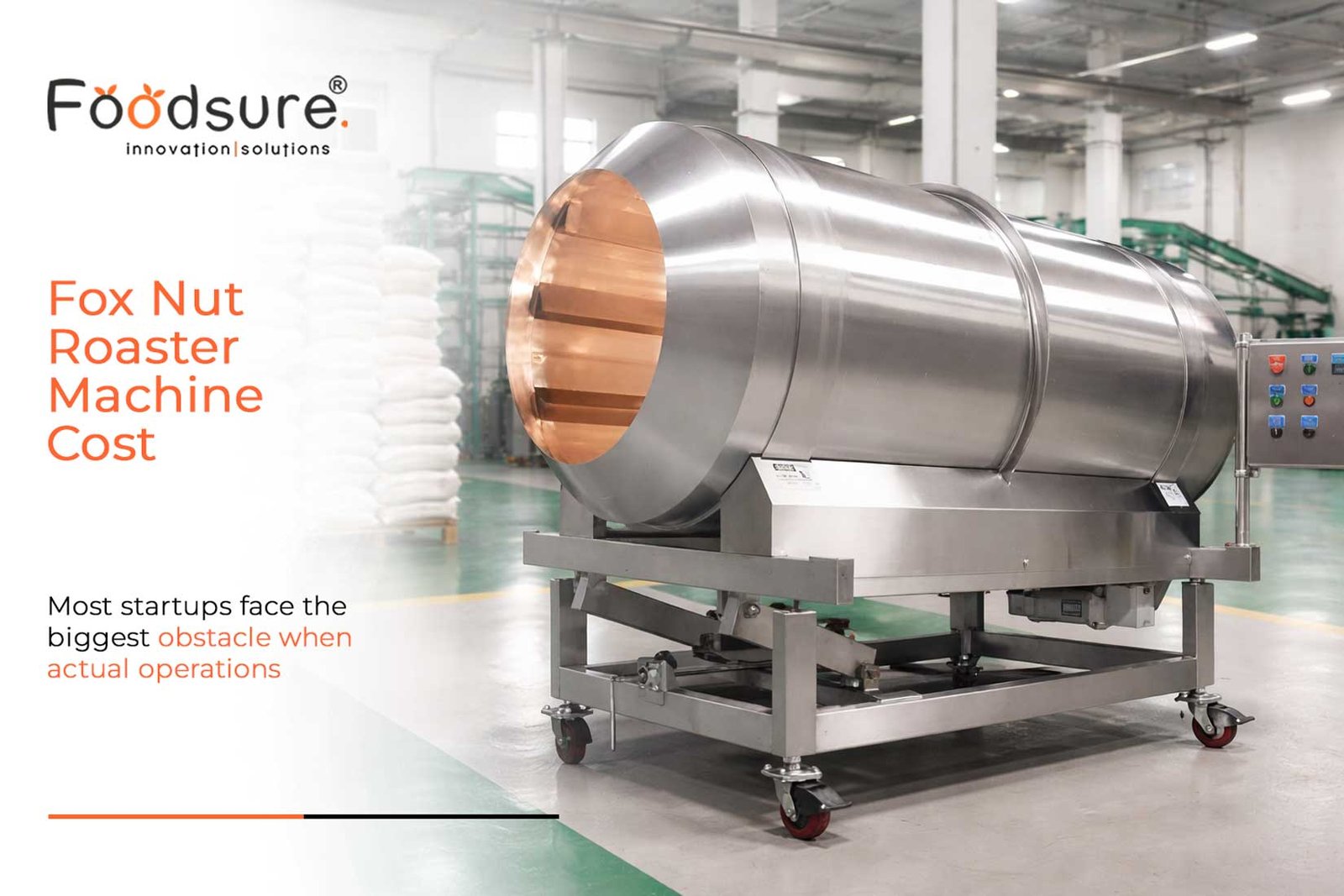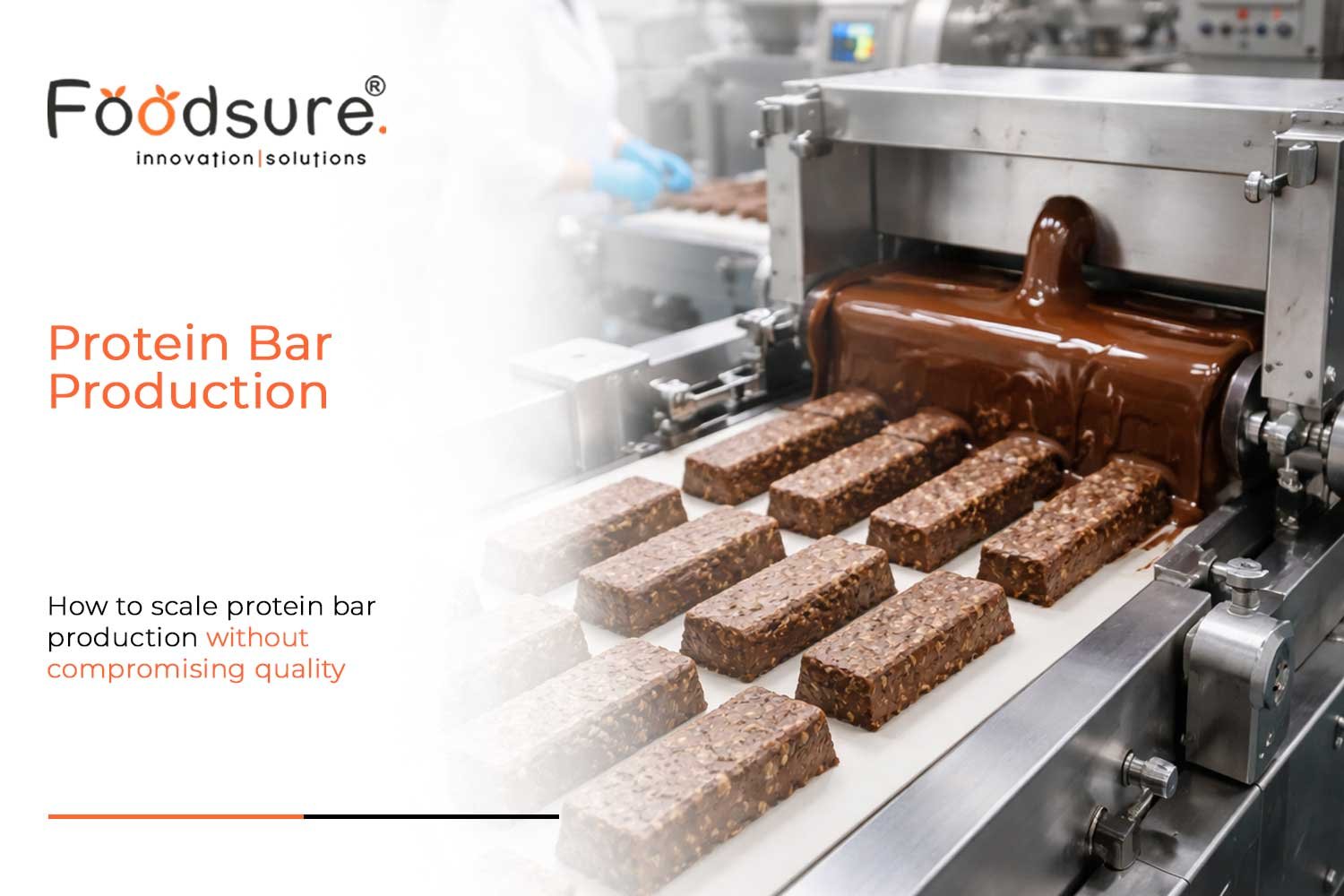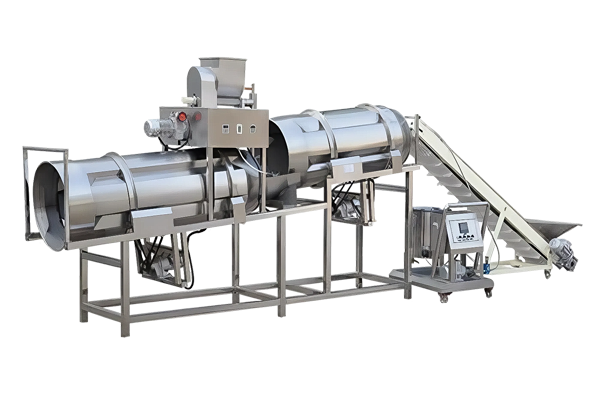
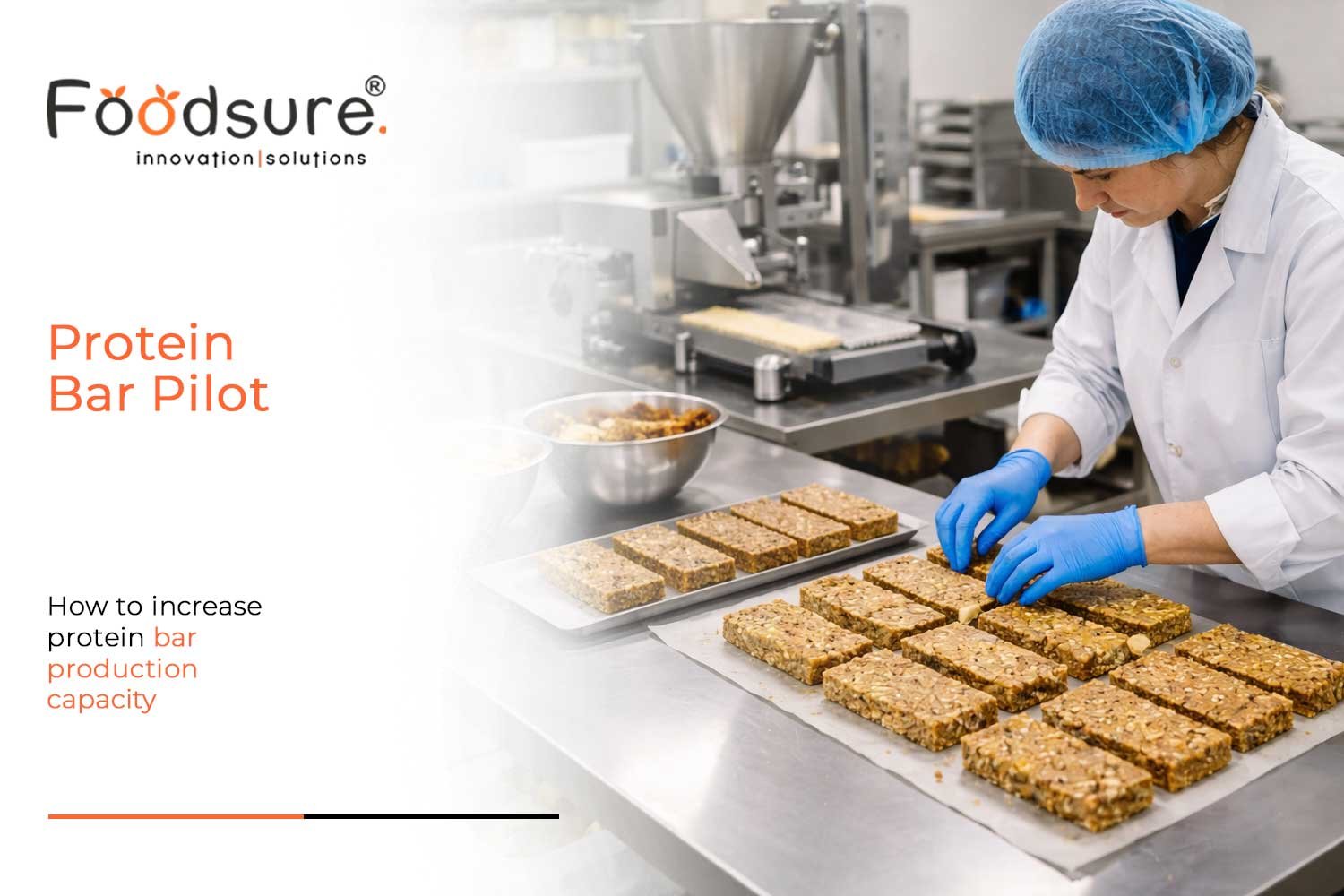
For many founders, the journey begins in a home kitchen or a shared commissary, hand-pressing slabs and cutting them with a knife. However, the manual process rapidly becomes a bottleneck as demand increases, posing a challenge in meeting larger orders, limiting output, and introducing inconsistencies. The transition from protein bar pilot to commercial production equipment is frequently the most significant step a brand can make in the direction of sustainable development.
This blog explores the tipping point for transitioning the protein bar pilot to commercial production equipment, as well as the commercial protein bar apparatus necessary to achieve this transition without compromising the quality of your bars or your bank account.
The Reality of Scaling Protein Bar Production From Pilot Batches to Commercial Demand
The process of scaling protein bar production requires businesses to handle production demands that exceed their current operational capacity. The protein production process depends on hustle to sustain pilot batches, but the operational demands of production will eventually reveal the weaknesses of its manual systems.
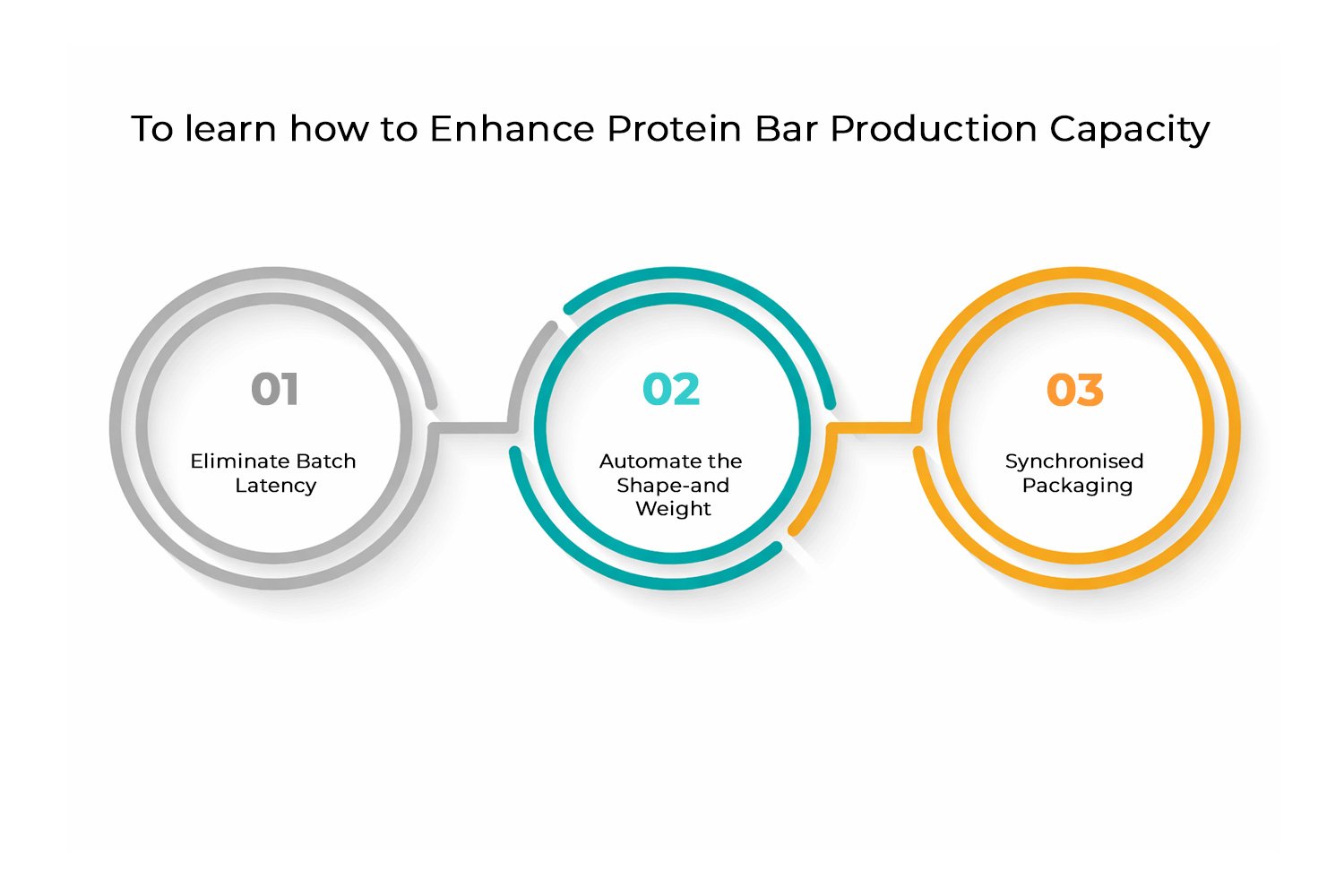
To learn how to enhance protein bar production capacity, you need to become familiar with the methods for raising production levels, which require maintaining product standards.
- Eliminate Batch Latency: Use continuous vacuum mixers instead of small-batch planetary mixers, which create dough resting bottlenecks that need to be eliminated.
- Automate the Shape-and-Weight: Your business needs to shift away from hand-pressing, which requires manual work, by using a special machine that creates extruded products for your business to create better quality products.
- Synchronised Packaging: Your output is only as fast as your slowest point. The combination of a high-speed cutter and an automated flow wrapper system eliminates all bottleneck problems that occur during line operations.
Signs You’ve Outgrown Manual Production and Need Commercial Protein Bar Equipment
Deciding when to upgrade to commercial protein bar production is less about a specific date and more about pain points in your overhead. Your team requires extra work hours because your current workload exceeds their capacity to handle backorders. The current business operation requires more than human effort because it has become an unmanageable burden.
Key Indicators for Upgrading
- Quality Inconsistency: Hand-pressing creates air pockets, which result in inconsistent weight measurements. A commercial protein bar machine uses precise extrusion to ensure every bar meets the exact gram-weight required by retailers.
- Rising Labour Costs: Your business makes equipment payments when your forming and cutting payroll expenses exceed 25% of your total COGS.
- Retail Expansion Pressure: Major distributors requireGFSI or HACCP standards. Protein bar production equipment is designed for easy sanitization which is nearly impossible with wooden tools or manual kitchenware.
What Changes When You Move to Protein Bar Pilot to Commercial Production Equipment
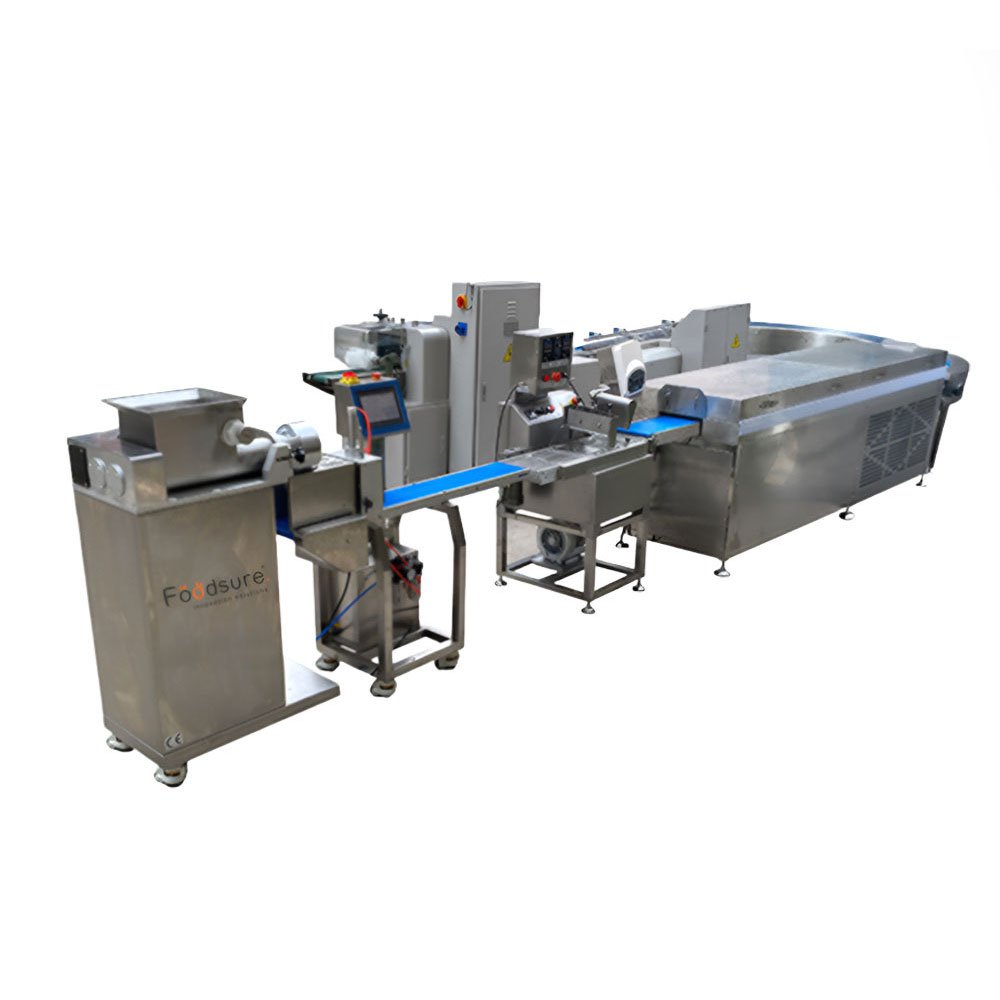
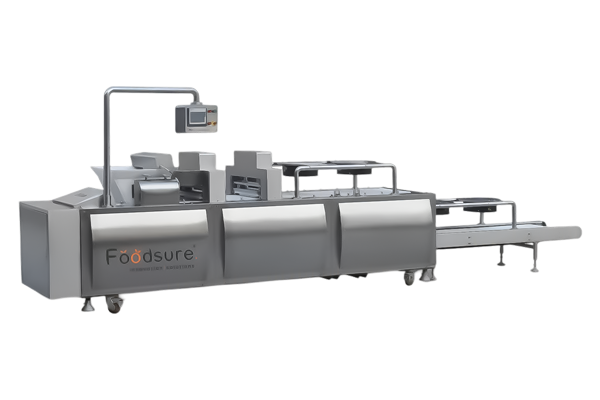
The protein bar extruder machine stands as an important development for the project. The commercial extruder produces a solid rope of dough through its constant pressure system, whereas hand-pressing creates air pockets that lead to material breakdown.
The automated system produces identical results for each product unit that meets the weight and shelf life stability standards required by major retailers while it boosts production capacity.
Technical Shifts in Commercial Production
| Machine Type | Capacity | Price Range | Best For | Service & Spare Parts | Weekly Cost (INR) | Monthly Cost (INR) | Yearly Cost (INR) |
|---|---|---|---|---|---|---|---|
| Semi-Automatic | 200–500 kg/hr | ₹4–10 lakh | Small to medium manufacturers | Available, moderate cost | ₹500–₹1,500 | ₹2,000–₹6,000 | ₹24,000–₹72,000 |
| Fully Automatic | 1000+ kg/hr | ₹15 lakh–₹1 crore+ | Industrial ketchup production | Available, higher cost | ₹2,000–₹5,000 | ₹8,000–₹20,000 | ₹96,000–₹240,000 |
How to Choose the Right Protein Bar Pilot to Commercial Production Equipment for Your Business
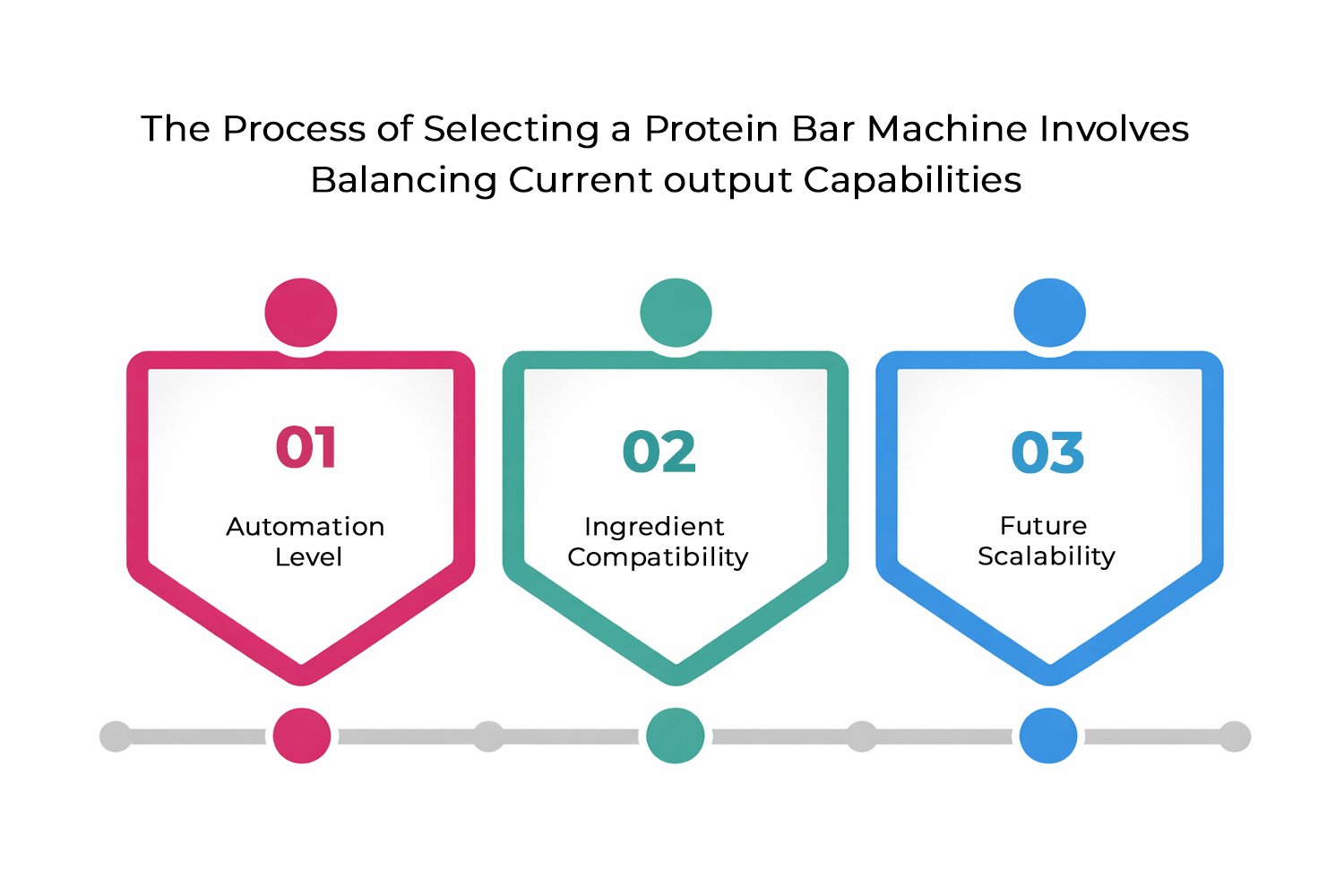
The process of selecting a protein bar machine involves balancing current output capabilities and predictions of upcoming operational requirements. For a protein bar machine for a small business, the first step is capacity planning. Buy a machine that can handle 3x your current volume to avoid a bottleneck, which will occur within six months.
Key Selection Factors
- Automation Level: Choose between a protein bar machine, which requires manual tray loading or a machine that operates as a complete production line.
- Ingredient Compatibility: Sticky cold-press doughs require different protein bar production equipment that uses dates or honey as the main ingredient. The extruder requires non-stick coatings and ultrasonic cutters for achieving clean finishes.
- Future Scalability: Look for modular designs. An expandable system allows you expand the system through the addition of an enrober for chocolate coating or an automated stacker without needing to replace your main operational equipment.
When Is the Right Time to Invest in a Protein Bar Manufacturing Machine?
The decision to move to a commercial protein bar machine is a calculation of ROI versus lost opportunity cost. The clock starts running when you either reject retail orders or spend more than 20% of your revenue on labour costs.
Most startups face protein bar production equipment costs that start at ₹18.2 Lakhs for semi-auto units and exceed ₹1.82 Crores for full industrial lines. Your competitors will gladly occupy the shelf space that you lose when you delay your initial investment despite its high cost.
Advanced Scaling Matrix: Pilot vs. Commercial Industrial
| Performance Metric | Pilot Stage (R&D) | Commercial Stage (Factory) | Advanced Technical Significance |
|---|---|---|---|
| Operational Goal | Process Validation | Margin Maximization | Pilot focuses on Proof of Concept; Commercial focuses on Standardisation |
| Downtime Management | Intermittent / Flexible | Predictive Maintenance | Commercial lines use IoT sensors to flag motor heat / vibration before breakdown |
| Weight Variance | ±5% – 10% | < ±1% | Precision extrusion prevents “Product Giveaway” and profit loss |
| Scrap Rate | 5% – 15% | < 2% | Industrial lines feature re-feed systems to recirculate dough trimmings |
| Cycle Time | High (Batch dependent) | Low (Continuous flow) | Measures time from raw ingredient intake to sealed pallet |
| OEE Target | Not Tracked | 85%+ (Gold Standard) | Tracks Availability × Performance × Quality |
| Capital Cost (Est.) | ₹9L – ₹18L | ₹1.82Cr – ₹5Cr+ | Higher CAPEX offset by lower variable labour cost per unit |
Take the Next Step Toward Commercial Protein Bar Manufacturing
Proper timing of scaling operations protects product quality and maintains profit margins while enabling business growth. Foodsure Machines provides brands with dependable equipment and professional support to achieve their operational transition requirements. Our solutions are designed to support your journey from protein bar pilot to commercial production equipment.
FAQs
Q1. When should you upgrade to commercial protein bar production?
Ans: You need to upgrade your system when manual work capacity reaches its limit, operational procedures become inconsistent, and increased order sizes create difficulties in maintaining service.
Q2. What is the best protein bar machine for small business startups?
Ans: A protein bar machine that is semi-automatic and can be up-scaled is the ideal machinery for entrepreneurs looking to get into commercial production.
Q3. How can you scale protein bar production from pilot to factory level?
Ans: During the conversion, automation of mixing, forming, and cutting operations becomes a necessity as manual handwork will not be possible for high productivity and regularity.
Q4. What is the typical cost of protein bar production equipment?
Ans: The costs of automation and capacity installation showcase a wide range of pricing, which starts at entry-level systems and extends to complete commercial production facilities.
Q5. How to increase protein bar production capacity efficiently?
Ans: To increase capacity for our operations, we need to implement three essential components, which include automation, optimised workflows and the acquisition of commercial-grade protein bar manufacturing equipment.