
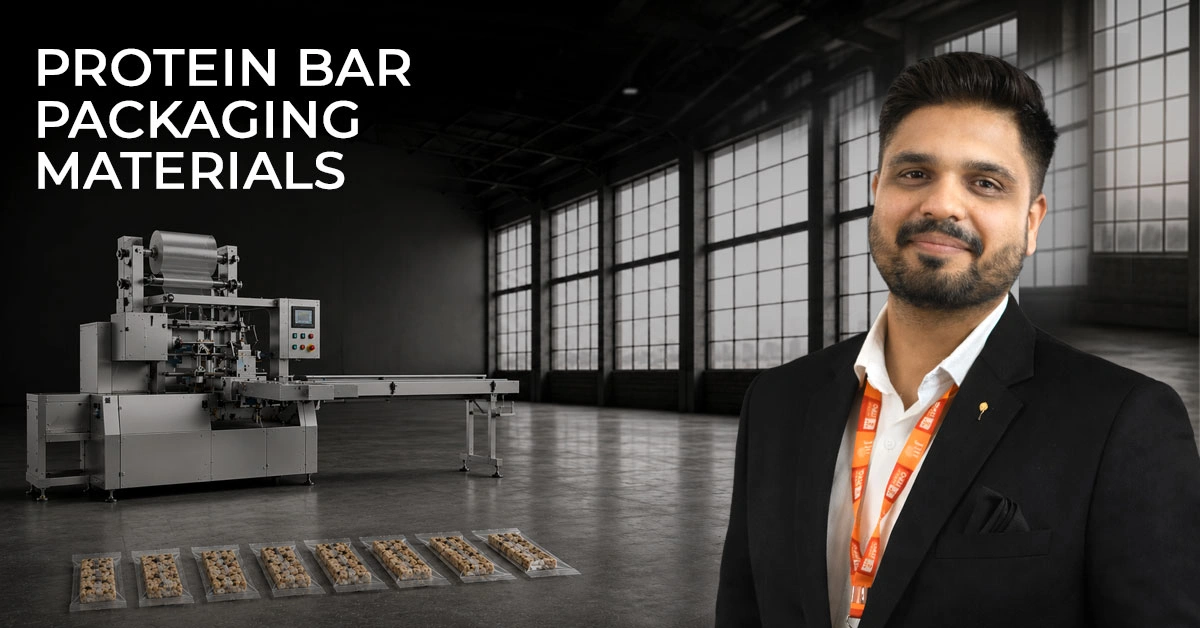
Picking the best protein bar packaging material is highly important for any protein bar company. The material that you decide on can keep your goods fresh, secured and appealing while simultaneously having a large influence on the branding and product expiry date of your business. At this time, businesses are striving for the optimum protein bar wrapping materials so as to obtain excellent product value and improve gross sales.
The top choices obtainable range from foil or plastic substances to paper-based options and then others. Some will provide certain pros while others will supply disadvantages for each and every product.
The majority of protein bar making companies and even organizations currently opt to employ versatile food packaging for their protein bars mainly due to ease of use and affordable charges. Nonetheless, in recent years, an emerging pattern among companies is seeking for biodegradable protein bar wrappers so that they might minimize damage to the natural environment. Other materials contain those which keep outside elements like humidity and even air away through the product ensuring that it can stay new in any form.
The wrapping of a protein bar also is critical if you’ve utilized your protein bar creation equipment as part of the generation approach.
When you choose to use a protein bar machine India you should pick your wrapper style first before even picking a protein bar manufacturing machine India considering all the protein bar making machine price India factors you have considered previously. Some also go as far as looking for the right whey protein bar machine because packaging materials and equipment costs often come hand in hand.
What Is Protein Bar Packaging Stuff?
Protein bar packaging materials refers to the stuff which is used to pack, preserve and store protein bars, thus keeping the manufactured product refreshing, protecting them from contaminants, extending its shelf-life and giving it more marketable appeal. It’s selected for its suitability with protein bars in terms of durability and moisture prevention, and the packaging also meets industry regulations and requirements.
Best Packaging Materials for Protein Bars
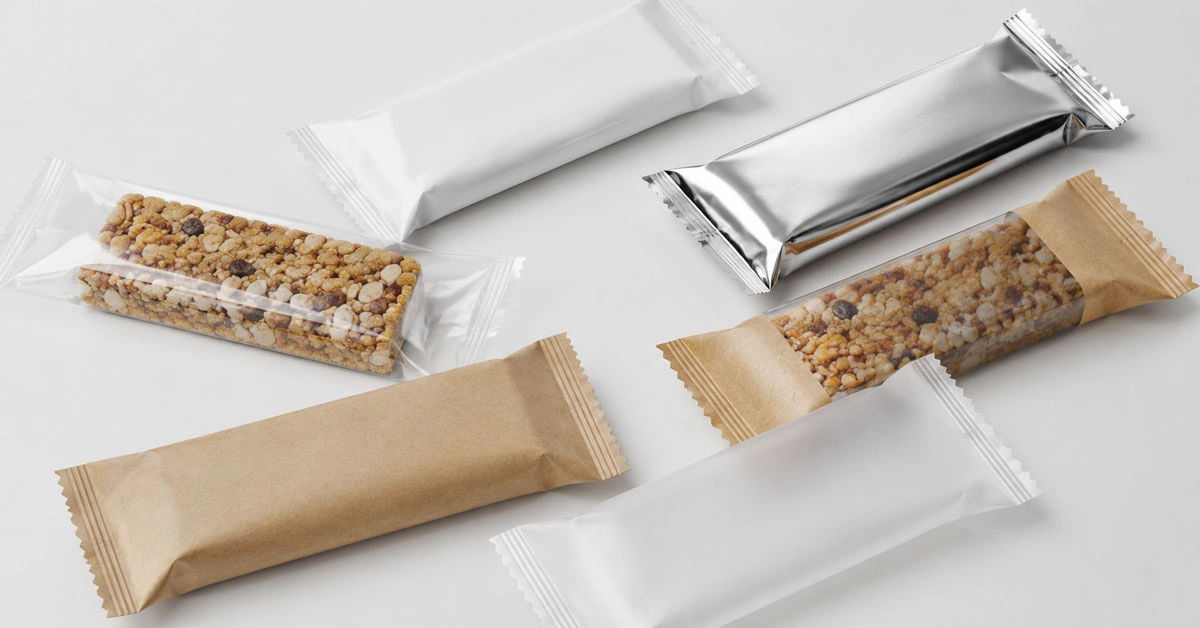
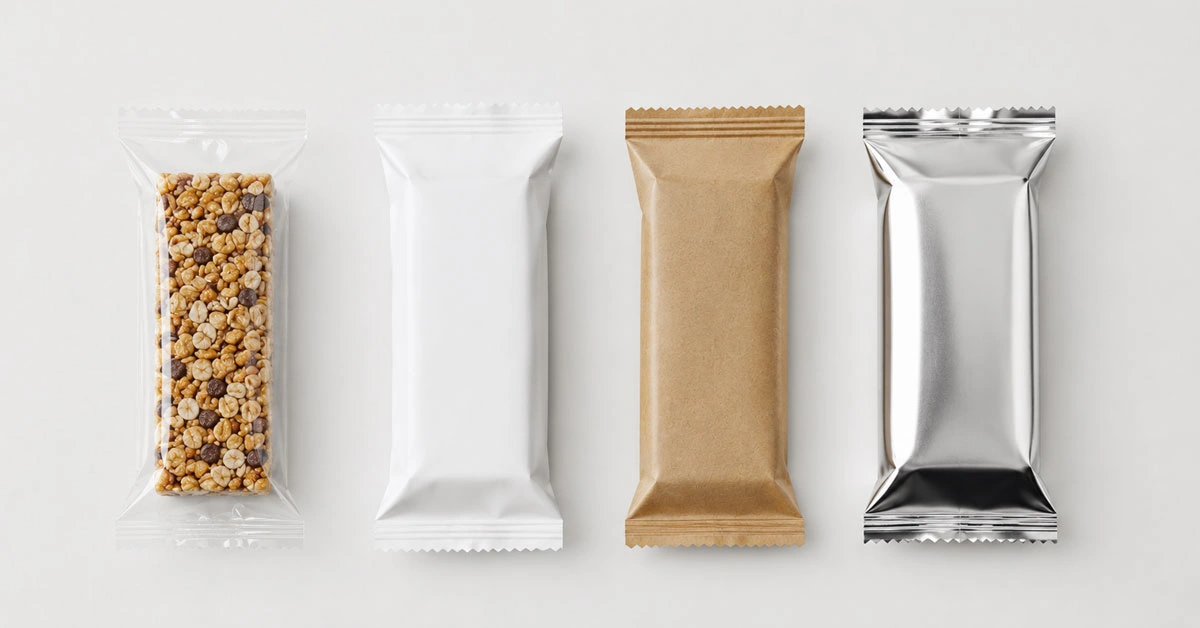
There are primarily 4 major kind of protein bar packaging material
Common Packaging Types
Plastic Wrappers (Polypropylene / PET) –
Plastic wrappers are protein bars’ most widely used packaging solution. These are cost-effective, flexible, and light to scale production of packaging. Furthermore, these wrappers effectively safeguard protein bars from air and moisture and have excellent seals that are easy to apply.
They can be simply printed for various branding and information to the products. However, these aren’t biodegradable, so there is an environmental threat of usage.
Foil-Based Laminates –
Foil laminates have long been ranked as among the protein bars’ most appropriate packaging materials as they can guarantee prolonged shelf life for protein bars, as they preserve these items against light, air and damp. Consequently they keep them fresh, flavorful, and preserve their authentic consistency. Since the package includes a foil barrier, they are considered great protein bar packages which can withstand the rigors of cross-country delivery and can represent the brand appropriately.
On the other hand, they might be more expensive than other protein bar wrappers. Also it might be difficult to recycle.
Paper-Based Packaging –
For brands that are in line with green manufacturing and sustainable protein bar packaging solutions, using paper comes as the go-to alternative. These kinds of protein bar packaging solutions preserve them against elements that keep them fresh for quite some time. These kinds of packages are readily available in a variety of styles and therefore they are eco friendly. But these do require a barrier such as a plastic coating if you want effective protein bar packaging that safeguards the bars.
Compostable & Biodegradable Packaging –
With modern advancements, these eco-friendly packaging types may seem a little pricy but it is worth using for the future of our planet. They naturally decompose within the designated period and help lower the burden to the ecosystem. These come with remarkable potential to revolutionize protein bar packaging and offer guilt-free consumption to the customers.
But these might also require a barrier to protect the bars, just like any paper packages. They can be susceptible to dampness or easily broken due to physical shock.
Advantages of Proper Packaging Materials
Improved Shelf Life
Protein bar packaging materials of superior grade safeguards protein bars against moisture and air. This is significant for maintaining taste, texture, and freshness for an extended period. It is critical for transportation and storage.
Strengthens Product Safety
Excellent product packaging makes sure of the fulfillment of protein bar wrapping requirements and standards. It prevents contamination and ensures food safety adherence. It fosters customer loyalty and reliability of the brand.
Improved Branding & Appealing
Flexible packaging materials for protein bars create more visibility on shelves.They help brands compete effectively in retail markets. Well-designed packaging materials also affect buying decisions.
Disadvantages of Packaging Materials
Negative Atmosphere Effect
Some protein bar wrapping stuff such as plastics are not atmospherically friendly. They create waste and pollution if not recycled correctly. Thus, it becomes hard to fulfil sustainability objectives.
Expensive Wrapping
A sustainable protein bar wrapping strategy can be rather costly. They increase the accrued expense on a product and fluctuate its pricing. Affordability is challenging for small firms.
Low Durability of Eco Solutions
Environment friendly wrapping material necessarily cannot assure genuine protection from contamination invariably. Moreover wrapping layers may be needed to accomplish protein bar wrapping requirements and standards.
Packaging Materials Comparison Table
| Material | Benefits | Limitations |
|---|---|---|
| Plastic | Low cost, flexible, moisture resistant | Not eco-friendly |
| Foil Laminates | High protection, long shelf life | Expensive, difficult to recycle |
| Paper | Eco-friendly, strong branding | Lower moisture resistance |
| Biodegradable | Sustainable, modern solution | Higher cost, limited durability |
This table displays how various protein bar packaging materials are differentiated based on the operational cost, product protection, and sustainability. Plastic is inexpensive but eco-friendly options are becoming more prevalent these days. Selecting the best packaging materials for protein bars depends on your enterprise’s needs and objectives. You must try to balance cost and sustainability properly. Also, following protein bar packaging requirements and standards is crucial to keep the product safe and high quality.
Flow Chart: Choosing the Right Packaging
(Plastic / Foil / Paper / Eco)
Explanation:
This flow chart assists firms select the correct protein bar packaging materials step by step. It begins with comprehending shelf life and budget. Then it concentrates on food stuff selection and sustainability. It simplifies decision-making for beginners. It also ensures adherence with protein bar packaging requirements and standards.
Function of FoodSure Machines in Packaging
FoodSure Machines assists enterprises with advanced solutions for protein bar production and packaging.
Services Offered
Full Production Line Setup
Foodsure Machines provide machinery set up like protein bar making machine and whey protein bar machine. These machinery assures effective manufacturing and uniform quality. They are suitable for small to large-scale firms.
Packaging Line Integration
Foodsure Machines provide solutions that help with flexible packaging for protein bars.
This makes sure smooth and buttery packaging operations and swift outputs.
They also aid to meet protein bar packaging requirements and standards.
Consultation & Pricing Support
Foodsure Machines directs enterprises to buy protein bar machine India and machinery installation plans.
They also give insights on protein bar making machine price india.
This aids in taking excellent investment resolution.
Conclusion
Choosing the correct protein bar packaging materials is prominent for product triumph. From plastic to sustainable protein bar packaging solutions, each solution has its merit and demerits. Enterprises must build a balance amidst cost, safety, and sustainability while selecting the best packaging materials for protein bars. With the correct strategy and assistance from companies alike FoodSure Machines, brands can achieve better quality, compliance, goodwill and market growth.
FAQs
What is the finest wrapping stuff for protein bar packaging?
The best protein bar Wrapping stuff are metallic films, aluminum foil, plastic packings and sustainable materials. The chief function is to stop the air and moisture from entering to prevent the protein bars from spoilage and to sustain their refreshness, durability and stability during transit and on shelves.
Which wrapping stuff can aid in keeping the long lasting freshness?
Aluminum foil and metallized films are among the finest packing stuff for protein bar packaging because they aid in sustaining the long lasting freshness. Because of the incredible properties of blocking air, moisture and light, these things maintain the original freshness, taste and texture for a long duration of time.
Is it even worth it to select a sustainable material wrapping?
Obviously, environment -friendly medium alike compostable film and paper film is totally worth it as it is effective for protection and great for ecological balance. While paper-made packaging is not as solid as plastic wraps, it works fine to preserve protein bars for consumption and fit the eco-conscious brands.
What should I bear in mind when selecting material for protein bar wrappings?
While choosing packaging stuff, it is very crucial to keep the shelf life, costs in mind, Protection Level, shelf life, stability of the wrapping material, packaging machinery usage, sealing capability; product contamination prevention and attractiveness.
What is the most cost-effective stuff among all the packaging for protein bars?
The most affordable and extensively used material for protein bar wrapping are plastics like polyethylene (PE) and polypropylene (PP). As these films are durable, light in weight and it provides an effective seal to keep the bars protected, it is widely adopted by several big protein bar manufacturers.




