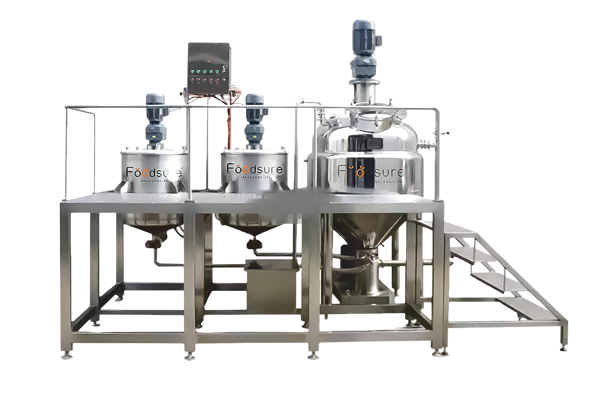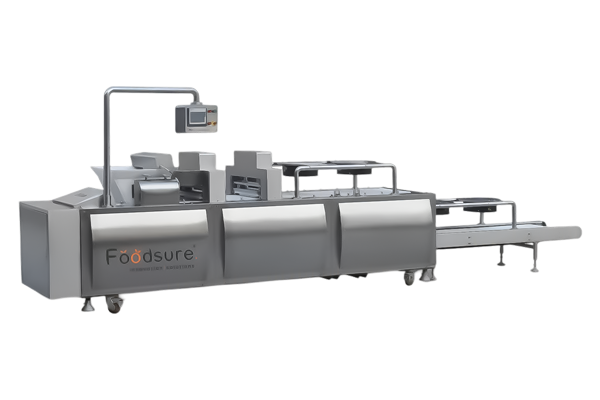
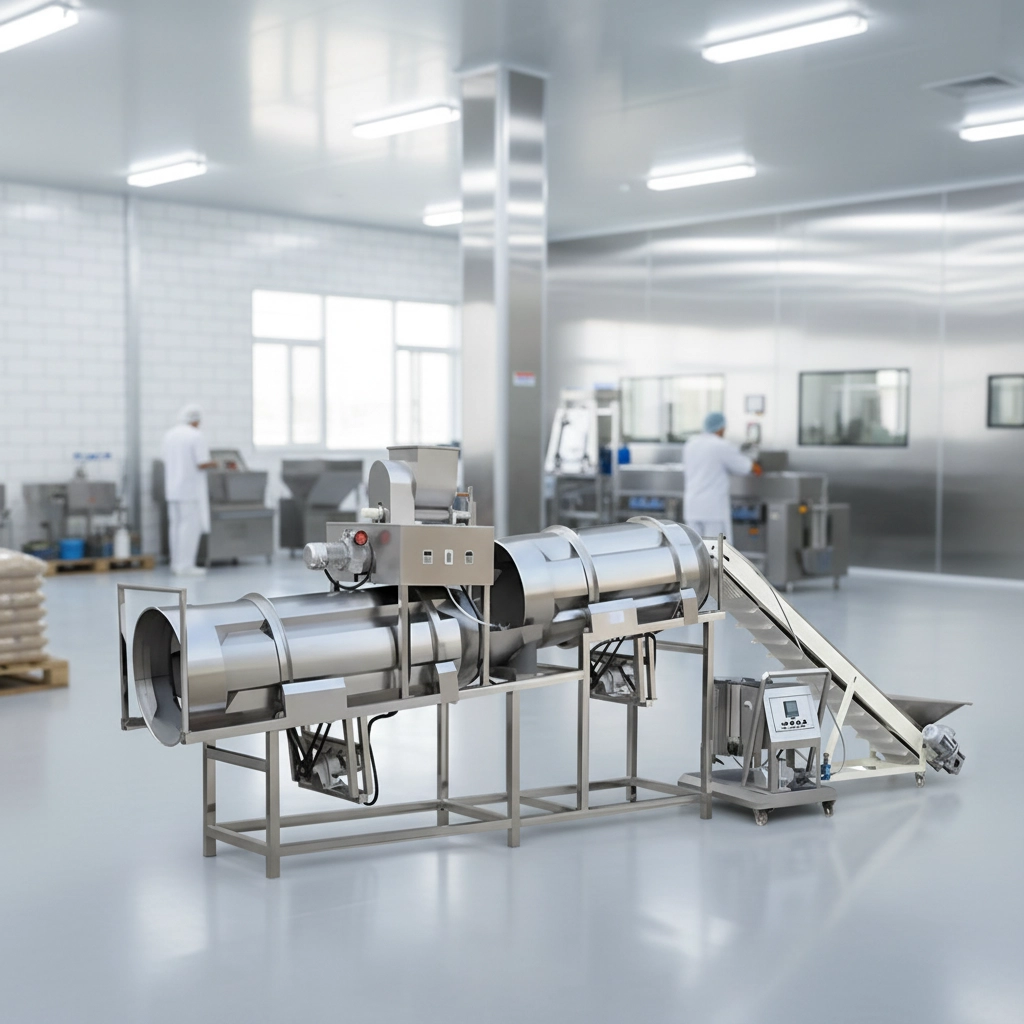
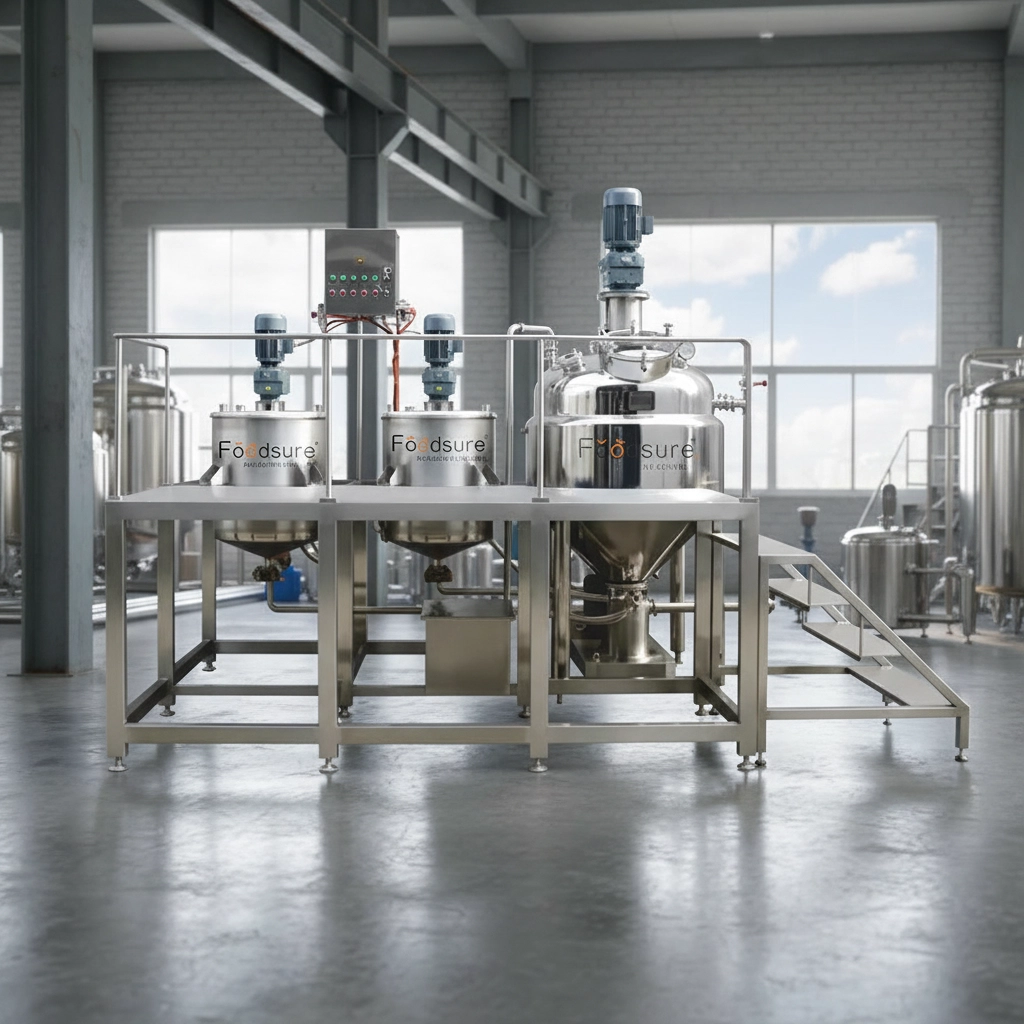
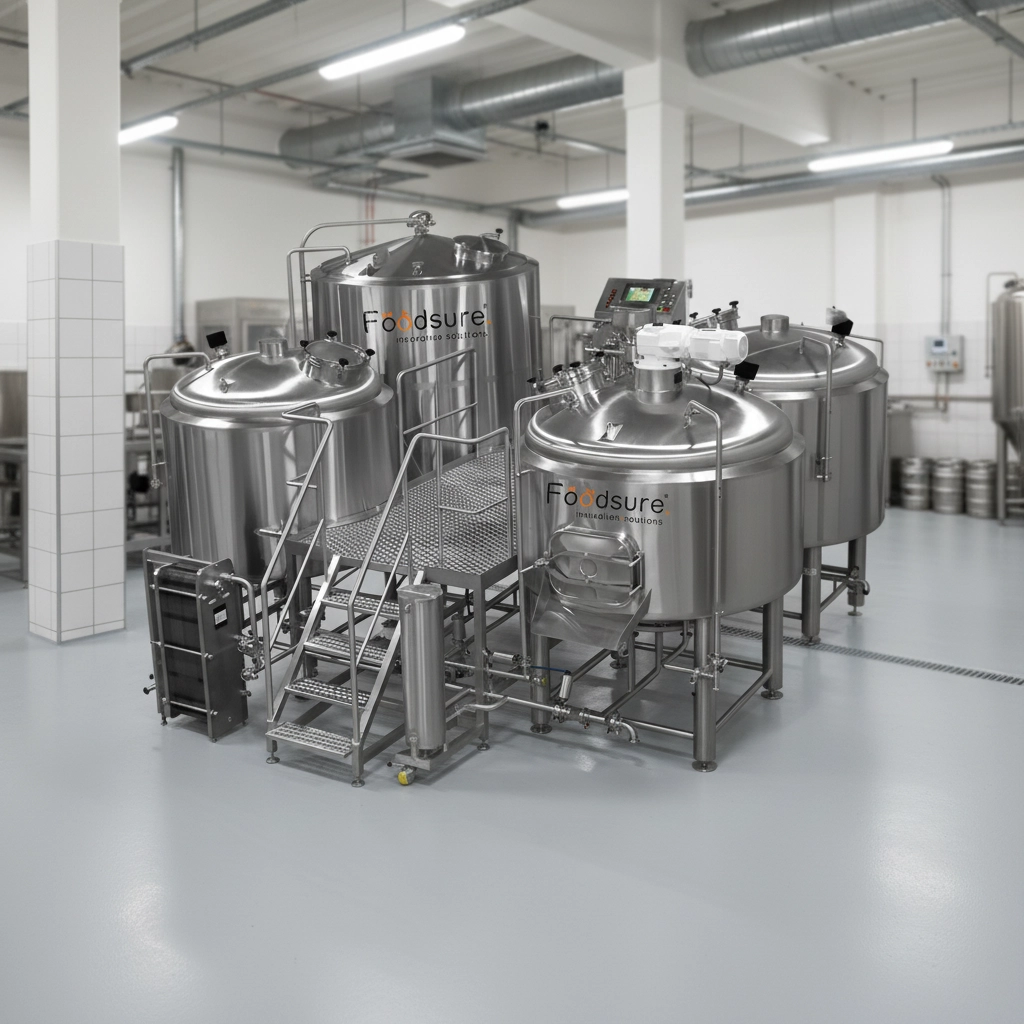
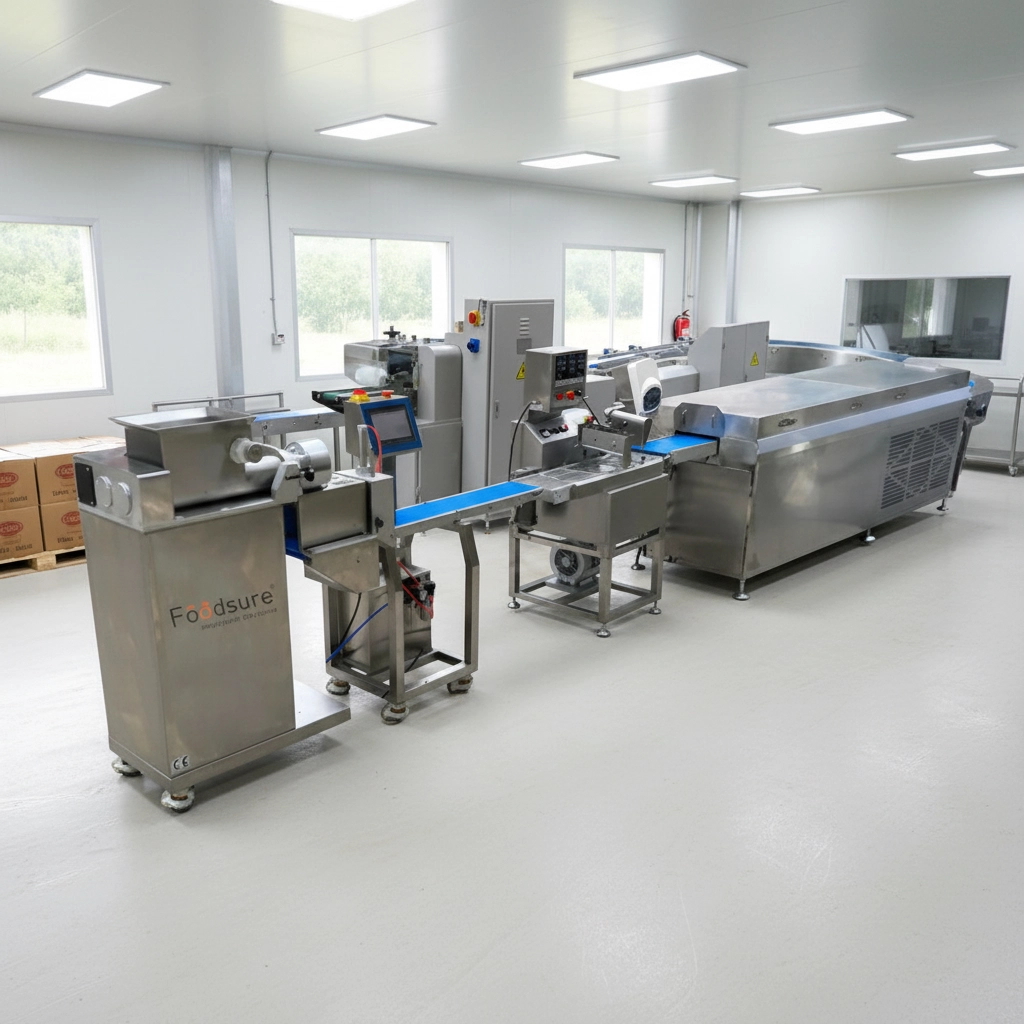

The protein snack market is exploding to ₹1,200+ crore by 2026, but protein bar machine price are all over the place. If you are checking the protein bar making machine price in 2026, here’s the real question: What actually delivers ROI? This guide has your answer, showing which machines work best for small-scale, mid-range, and high-end production to boost efficiency, output, and profits.
Quick Snapshot – Which Protein Bar Machine Is Right for Your Small Business?
- Small-scale manufacturers (<1000 kg/h): Entry-level machines handle multiple bar types with consistent quality. Ideal for startups or test kitchens.
- Mid-range manufacturers (1000–2000 kg/h): Semi-automatic machines give longer, smoother production and higher consistency.
- Large-scale / export-focused (>2000 kg/h): High-end automatic lines deliver maximum output with strict hygiene control and minimal downtime.
Pro Tip: Match your Protein bar extruder machine price capacity with your daily production target, too much capacity = wasted investment, too little = missed revenue.
Read More: Choosing the Best Protein Bar Machine in 2026: A Complete Buyer’s Guide
Protein Bar Machine Price Tiers in 2026 – Find the Right Fit for Your Business

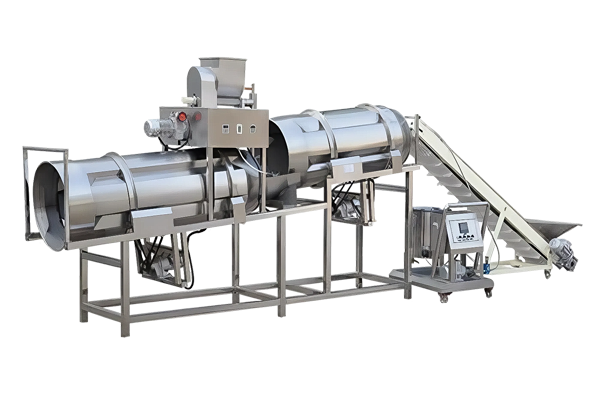
The part most buyers skip straight to the Protein bar extruder machine price . It’s not random. It depends on capacity, how the protein bar production line is built, how much automation it has, and how well it handles sticky mixes.
| Tier | Price (INR) | Best For | Key Benefits | Output (Bars/Hour) |
|---|---|---|---|---|
| Entry-Level Machines | ₹3.5–8 lakh | Beginners, test kitchens, low-volume production | Low upfront cost; manual work required | 200–600 |
| Mid-Range Machines | ₹8–18 lakh | Small to medium manufacturers | Balanced speed, consistency, less manual effort | 800–2,500 |
| High-End Commercial Machines | ₹18–45 lakh+ | Scaling brands, export units | High output, automated controls, better hygiene, fewer operational issues | 3,000–6,000 |
What You Get for Every Protein Bar Making Machine Price Tier in 2026
- Entry Tier: Bar Output between 200-600 Bars per Hour. Low-cost option of the manufacturer; Operators will perform extensive hands-on work. This type of extruder is good for testing new recipes or making small quantities.
- Mid Tier Bar Outputs between 1,000-2,500 bars per hour. Increased consistent weight output. Easier to clean and maintain for reduced time and decreased error risk on production equipment. Good for developing brands and expanding them with limited resource pressure.
- High Tier: The company uses an advanced motor drive system and supplemental cooling functions combined with smart controls to completely automate production. Depending on the production system, the company can produce anywhere from 3,000 to 6,000 bars of product in an hour.
Read More:Automatic vs Semi-Automatic Machines for Protein Bar Production (2025 Guide)
Protein Bar Making Machine Price In India 2026
| Machine | Output (bars/hour) | Key Features | Price |
|---|---|---|---|
| Compact Protein Bar Extruder (Entry Tier) | 300–800 | Good for startups, low maintenance | ₹4 lakh – ₹7 lakh |
| Semi-Auto Extruder + Cutter (Mid Tier) | 800–1500 | Better shape accuracy, low power load | ₹8 lakh – ₹12 lakh |
| Automatic Protein Bar Line (Mid-High Tier) | 1500–2500 | Automated feeding & cutting, ideal for scaling brands | ₹14 lakh – ₹19 lakh |
| Heavy-Duty Protein Bar Line (High Tier) | 3000–4500 | Continuous production, full stainless steel | ₹22 lakh – ₹30 lakh |
| High-Capacity Industrial Line | 5000–6000 | Cooling conveyor, shaping rollers | ₹30 lakh – ₹45 lakh |
| Customizable High-Mix Extruder | 1000–3500 | For granola or nut-heavy mixes, built to order | Custom Quote |
Protein Bar Making Machine Cost Breakdown and What You Are Paying For
Purchasing a product should also take into consideration the other expenses you will have and how much you will actually be paying out of pocket.
- Cost for setting up and training: This depends on how complicated it is to set up or train on protein bar manufacturing equipment India, but you should estimate that setting up and training will cost between ₹20,000 and ₹ 1 lakh.
- Cost for replacement parts: The cost for replacement parts usually ranges from ₹8,000–20,000 per month. Specifically, some items such as belts, bearings, and other components may need to be replaced sooner than you may expect.
- Annual maintenance: contracts will typically run from approximately ₹20,000–1.5 lakh/year, which would be considered as preventive maintenance on bar production machines that is destined for a factory-type environment.
Protein Bar Making Machine Price – Real Examples That Make Sense
1. Small Manufacturer Example
- Machine: Mid-range semi-automatic line
- Output: 800 bars/hour
- Selling Price per Bar: ₹15
- Gross Margin per Bar: ₹4
- Daily Production: 2 shifts × 8 hours = 12,800 bars/day
- Daily Profit: 12,800 × ₹4 = ₹51,200
- Machine Cost: ₹9 lakh
- Estimated Break-Even: ₹9,00,000 ÷ ₹51,200 = 18–19 working days (4.5–6 months assuming 22–24 working days/month)
Insight: The ROI is realistic only when operations run consistently, downtime is minimal, and the product mix is optimized. Entry-level or inconsistent lines will extend the break-even period.
2. Scaling Brand Example
- Machine: High-end automatic production line
- Output: 3,000 bars/hour
- Selling Price per Bar: ₹20
- Gross Margin per Bar: ₹5.5
- Daily Production: 2 shifts × 8 hours = 48,000 bars/day
- Daily Profit: 48,000 × ₹5.5 = ₹2,64,000
- Machine Cost: ₹24 lakh
- Estimated Break-Even: ₹24,00,000 ÷ ₹2,64,000 = 9–10 working days (~3–4 months assuming 22–24 working days/month)
Insight: Scaling bar production machines drastically shorten ROI—but only if the line runs reliably, quality is consistent, and preventive maintenance is performed. Any downtime can significantly affect return timelines.
Optional Additions to Boost Credibility:
- Energy Cost: Small line consumes = 8–10 kWh/day; high-end line 25–30 kWh/day
- Labor: Small line requires 2–3 operators; high-end line requires 4–5 operators per shift
- Space Requirement: Small line 80–100 sq.ft; high-end line 200–250 sq.ft
- Waste Factor: Assume 2–3% rejects for small lines, 1–2% for high-end machines
Read More: Everything You Need to Know About Protein Bar Machines
What to Check Before Buying a Protein Bar Making Machine

- Daily Production Target: Know exactly how many bars you need each day. Too much capacity and you’re wasting money.
- Mix Types: Nut-heavy, granola, or sticky mixes change how the machine handles production and how often parts need replacing.
- Recipe Changes: If you switch recipes often, pick a machine that adjusts quickly without slowing the line.
- Cooling Requirements: Some bars need conveyors or chillers to hold shape. Skip it, and you’ll see more rejects.
- Automation Level: Full automation protein bar machine cuts labor but costs more upfront. Semi-auto or manual can work if your team is ready to handle it.
- Power Load: Your protein bar manufacturing equipment India must match your facility’s electrical setup. Underpowered lines lead to problems, and upgrades cost more than planning ahead.
Read More: Top 5 Protein Bar Machine Manufacturers in India (2026)
Conclusion
At Foodsure Machines, we make sure you know exactly what protein bar making machine price means for your business. We guide every choice, so your line runs smoothly, your investment pays off, and your production grows without wasted time or surprises.
FAQs
Q1. How to manufacture protein bars?
Mix ingredients, extrude or mold, then bake or cool; contact us to pick the right machine.
Q2. What are protein bars made of?
Protein sources, nuts, seeds, sweeteners, and binding agents.
Q3. How much does a protein bar making machine cost?
₹3.5 lakh – ₹45 lakh depending on automation and capacity.
Q4. Is the protein bar business profitable?
Yes, with consistent production and the right machinery.
Q5. How to start a protein bar business from home?
Use a small-scale machine for test batches; we can guide setup and sourcing.
Q6. What is the best protein bar type to sell?
Nut, granola, or high-protein bars are most popular in India.
Q7. Can I make bars without baking?
Yes, no-bake bars work well with semi-automatic or automatic machines.
Q8. What is the margin on protein bars?
₹3–6 per bar depending on ingredients and production efficiency.
Q9. How much space is needed for a protein bar machine?
80–250 sq.ft depending on machine size and automation.
Q10. Where can I buy a reliable protein bar machine in India?
Foodsure Machines provides turnkey solutions for startups and growing brands.