
Investing in a protein bar machine in India is a significant decision that facilitates the transition of a food venture from manual production to scalable industrial production. The Indian nutritional market is rapidly evolving, and the margin for error is minimal. The selection of the protein bar equipment can lead to significant capital loss, inconsistent product quality, and operational challenges.
We have created a list of 11 critical concerns that every founder must address in order to assist you in navigating this high-stakes investment. These enquiries are intended to guarantee that your equipment is compatible with your current formulation requirements and that it has the required adaptability for future expansion.
Why Choosing the Right Protein Bar Machine in India Matters

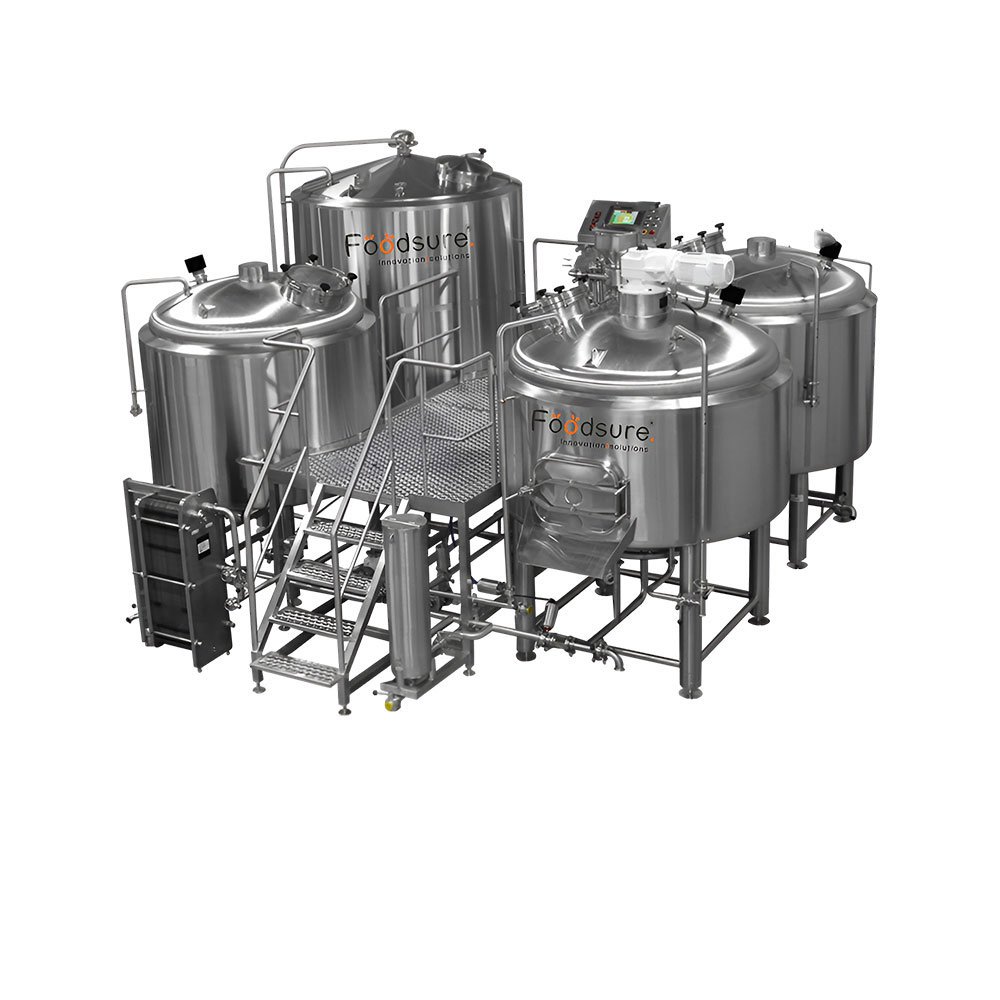
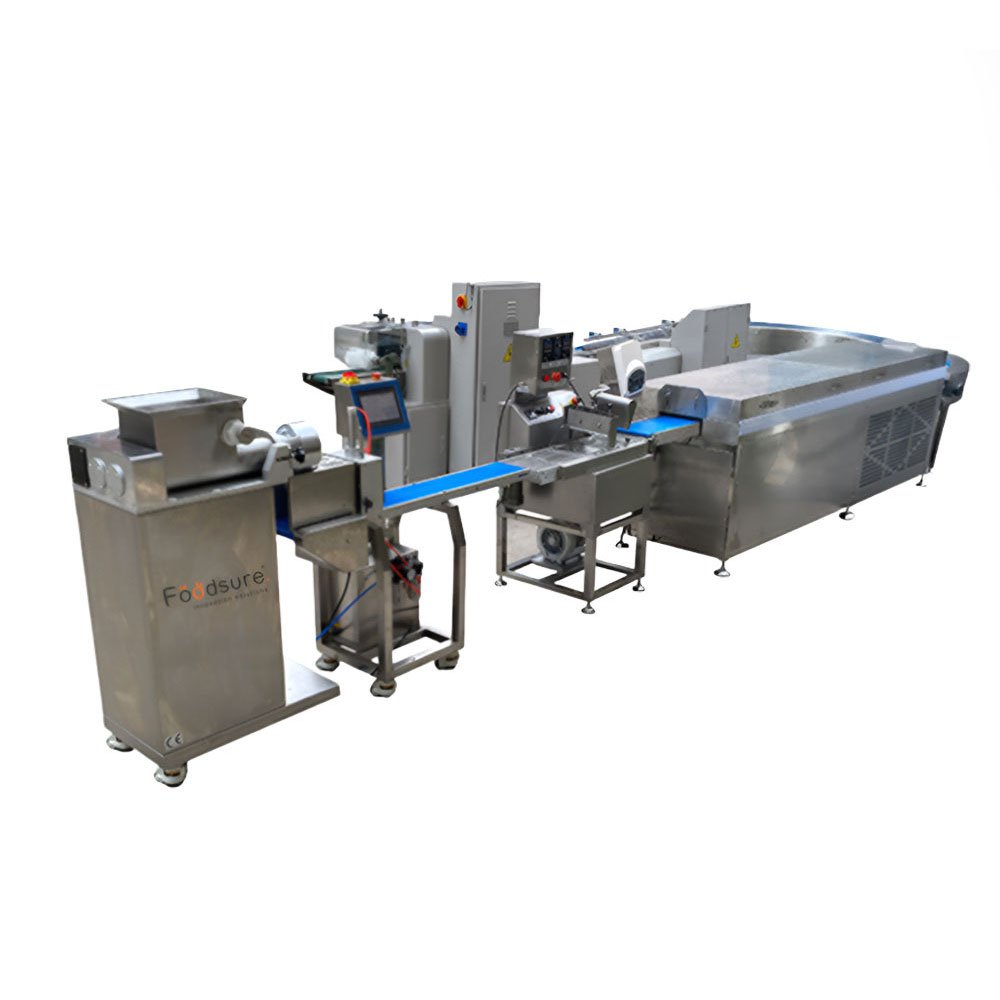
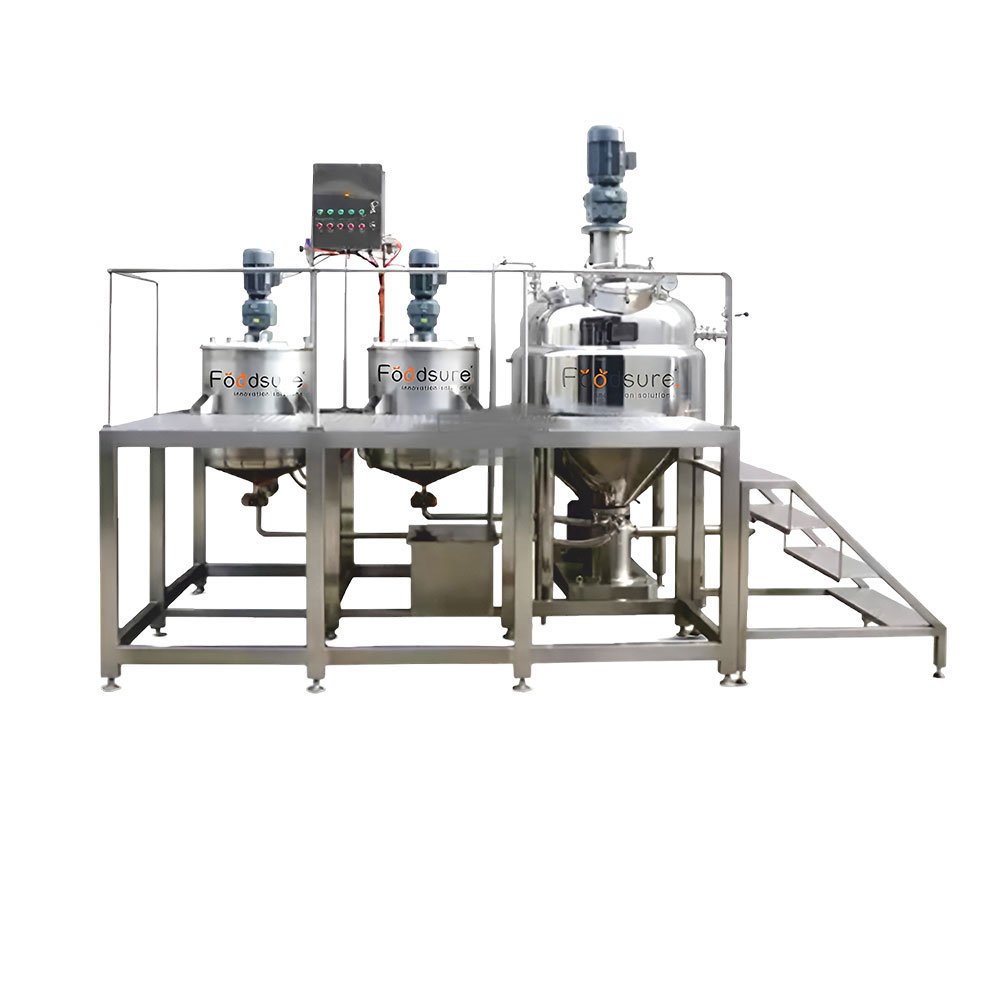
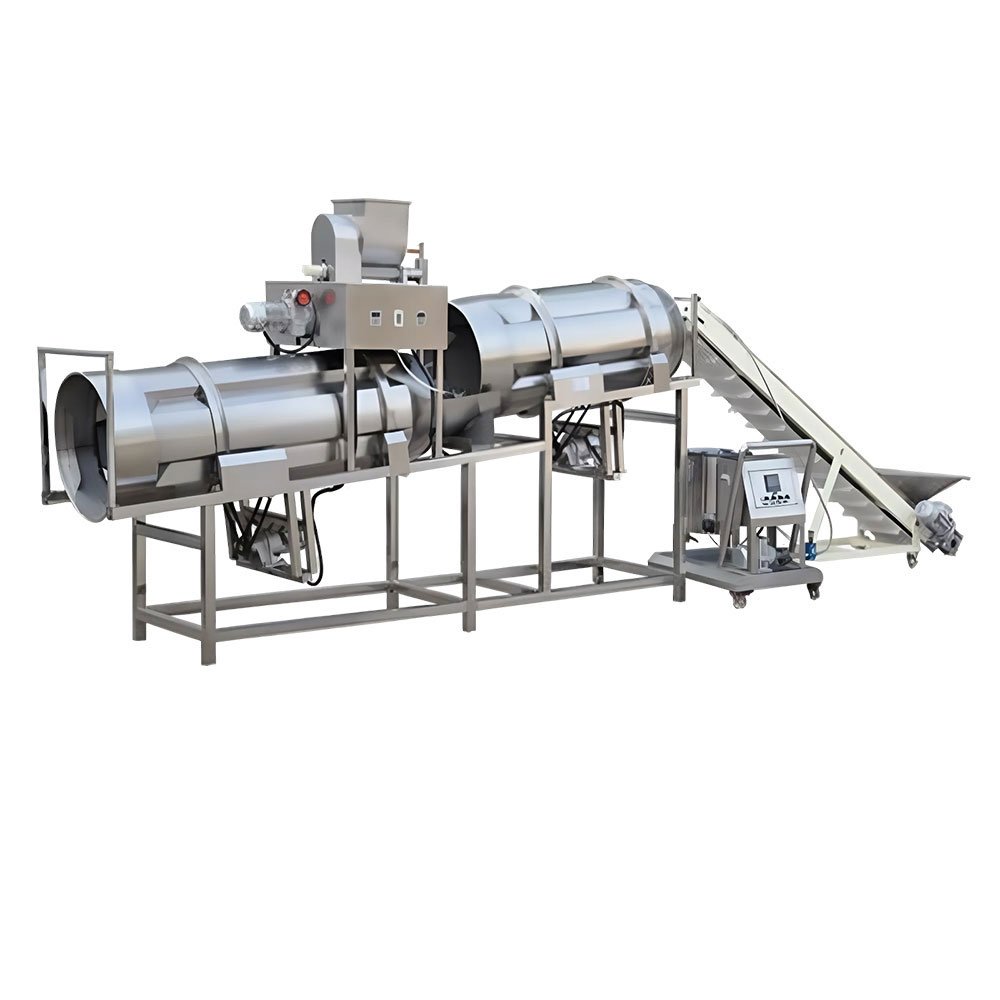
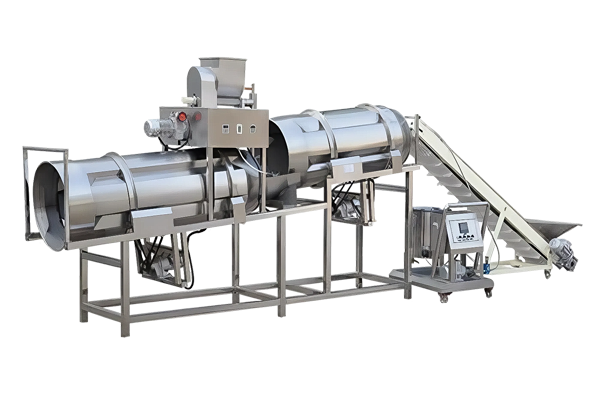
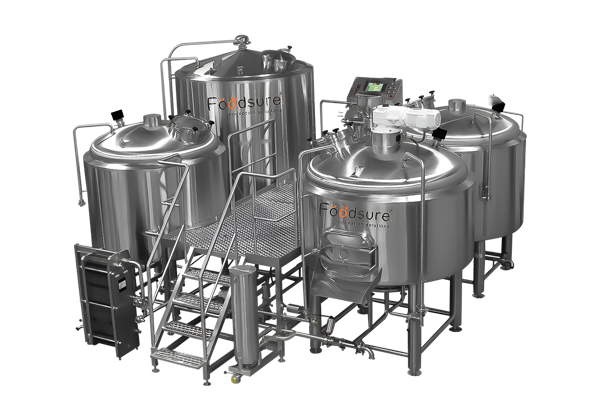
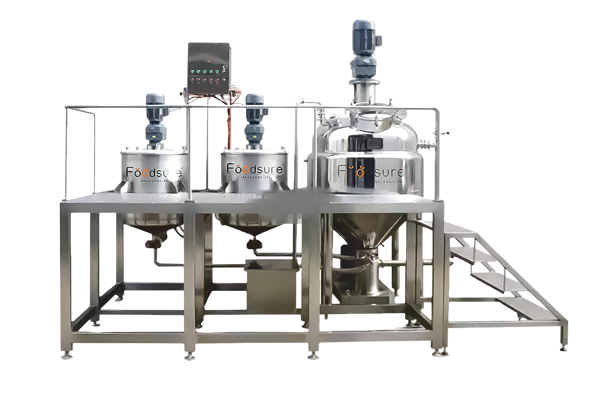
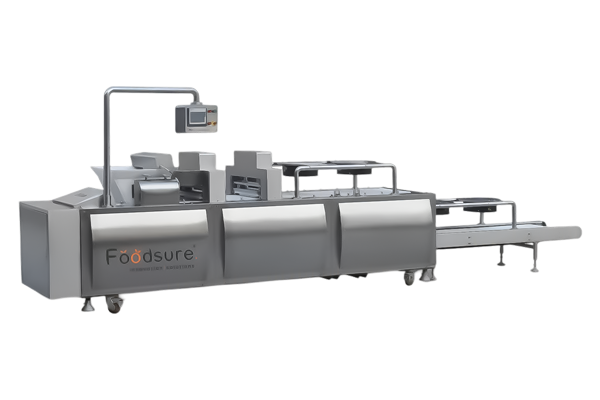
Protein bar manufacturing equipment
The selection of an appropriate protein bar production machine determines whether a business will achieve success or experience operational halts. In India, businesses need to focus on precise execution because it offers their greatest competitive advantage.
- Financial Precision: High-quality sensors prevent product giveaway, which maintains weight accuracy and protects your financial gains.
- Operational Reliability: Industrial-grade components eliminate downtime problems, and they need less upkeep than inexpensive equipment.
- Scalability: The flexible extruders enable you to change between whey-based bars and plant-based or bite-sized products without needing to purchase new equipment.
- Compliance: The construction uses food-grade materials, which provide FSSAI-ready hygiene standards that protect against expensive contamination risks.
11 Critical Questions Every Founder Must Ask Before Buying a Commercial Protein Bar Machine in India
Investing in a protein bar line in India (typically ₹7L to ₹45L+) requires looking past the brochure. These advanced questions test operational challenges and return on investment for companies.
1. How does the motor handle “Cold-Press” dough?
Look for high-torque motors with Variable Frequency Drives (VFD). The standard motors cannot handle the high-protein Indian recipes because they stall when they encounter the dense, sticky pastes.
2. What is the certified weight variance?
A top-tier machine should offer ±0.5g to 1g accuracy. The business will lose revenue because anything above this limit results in product giveaway, which costs lakhs at high-volume operations.
3. Can the extruder process high-inclusion recipes?
The protein bar extruder machine should use a gentle twin-screw or roller system that incorporates nuts and seeds without crushing them into a paste, preserving the premium texture.
4. Is the machine washdown-ready for FSSAI?
Demand SS316 food-grade stainless steel for contact parts and a design that allows full disassembly for deep cleaning in under 20 minutes to prevent allergen cross-contamination.
5. How is barrel heat managed during long shifts?
The extruder needs an active cooling jacket or thermal insulation system to maintain proper temperature because excessive heat will damage dough and cause burn of sensitive whey proteins.
6. What is the dead volume at the end of a batch?
The best protein bar machines minimise waste to under 500g. The high dead volume results in awaste of valuable protein dough whenever you change recipes.
7. Does the cutter use servo-sync technology?
Yes. The system needs PLC synchronisation with an encoder to achieve precise cutting, which matches conveyor speed, avoiding jagged edges and inconsistent bar patterns.
8. Is there an integrated cooling tunnel?
The active cooling bed in India requires a humidity control system that needs to operate before the bar reaches its packaging line for successful operation, because it prevents sticky bars, which block the flow-wrapper.
9. What is the Mean Time Between Failures (MTBF) for blades?
The Teflon-coated blades made from high-tensile steel should achieve a minimum operational lifespan of 1000+ hrs. The manufacturer needs to demonstrate local availability of these two items, which should be delivered within 24 hrs.
10. Can the PLC store multiple recipe presets?
The smart HMI system must provide 10-20 preset options that operators can use to switch between Vegan Pea Protein and Whey Crisp through a single-touch interface, which reduces their setup time.
11. What is the Total Cost of Ownership (TCO) per 10k bars?
Beyond electricity, operational costs include labour costs for two workers on semi-automatic protein bar machines and one worker on automatic machines and the expenses for replacement parts. The goal is to achieve operational costs between ₹0.15-₹0.40 for each produced bar.
How to Select the Best Protein Bar Machine in India for Startups and Scale Profitably

The sunk cost trap becomes preventable when you assess costs that exceed the original price. The protein bar machine’s capacity to make ingredient savings becomes more important than its operational speed because raw material expenses in India represent 75% of your total COGS.
- The Wastage Audit: It requires you to assess all product waste that occurs during your operations. The Dead Volume of a machine that retains 1kg of dough in the hopper for each batch operation will generate annual costs exceeding ₹5L. The design selection should focus on reducing all leftover material.
- The 18-Month Break-Even Rule: The machinery needs to produce sufficient labour savings and yield increases to cover its expenses within a period of 14-26 months. The organisation requires automation at a level that matches its current operational capacity.
- The Technical Due Diligence (TDD): That process needs to verify the existence of servo-sync cutting technology. Mechanical cutters create smear effects on the bar, which result in weight changes that cause FSSAI non-compliance fines.
- The hidden operational expenditures of power and spare parts: It requires you to establish the total cost of ownership. The cheaper Indian models use generic motors, which lead to 30% higher electricity usage, and they do not provide local voltage spike protection through VFD systems.
Conclusion
Selecting the right Protein Bar Machine in India determines your business expansion speed and your ability to maintain profit margins. Our mission at Foodsure Machines is to assist founders in developing production lines that operate efficiently and meet future requirements. Your investment will deliver consistent product quality through our expertise, which ensures smooth business operations and enduring market expansion.
FAQ
What is the price of a Commercial protein bar machine in India?
The cost of a Commercial protein bar machine in India starts at ₹7 lakhs and can reach up to ₹45 lakhs based on three factors, which are automation level, production capacity and built-in features.
What is the Protein bar machine price in India for startups?
The protein bar machine price in India falls within the range of 7 to 12 million rupees at the start-up levels for models of a semi-automatic build. Below this price range, the cost of fully automatic machines starts from the given sum.
How do you calculate the Total cost of ownership of protein bar machine?
The total cost of ownership of protein bar machine includes all expenses that arise from its electricity consumption, labour costs, maintenance expenses, spare part requirements and ingredient waste throughout its entire operational period.
What is the ROI of protein bar manufacturing machine?
The ROI of protein bar production equipment requires a period of 14-24 months to reach profitability because the system enhancements will decrease operational expenses and increase productivity.
What is required for a Protein bar production line setup in India?
The protein bar production line setup in India needs an extruder, forming and cutting system, cooling tunnel and packaging machine, which must meet FSSAI compliance standards.