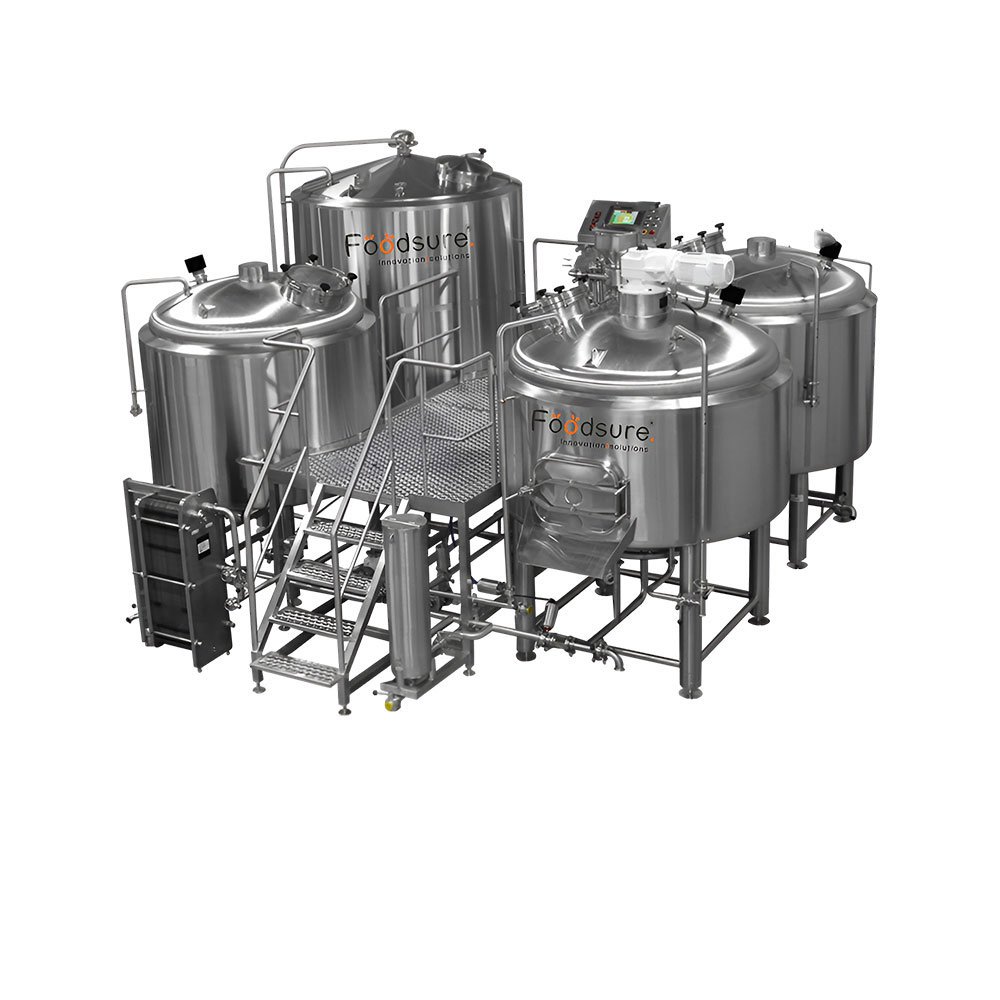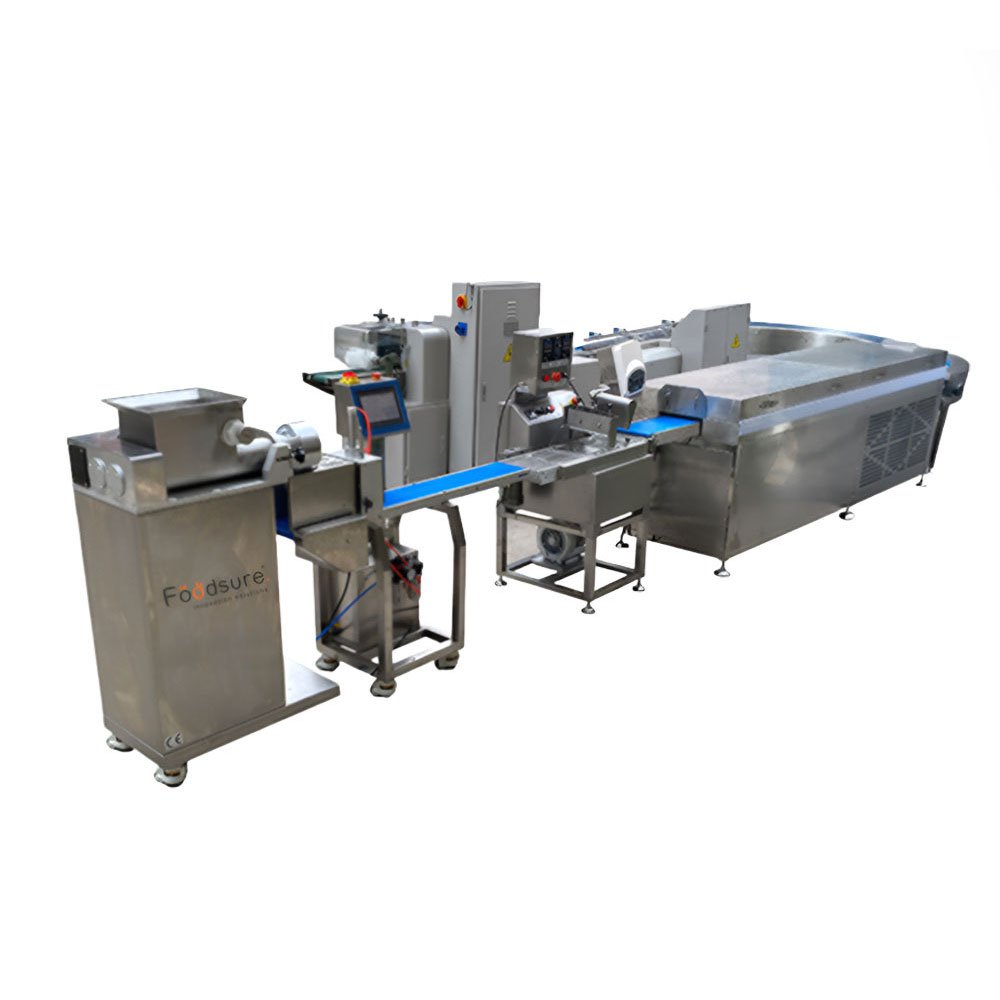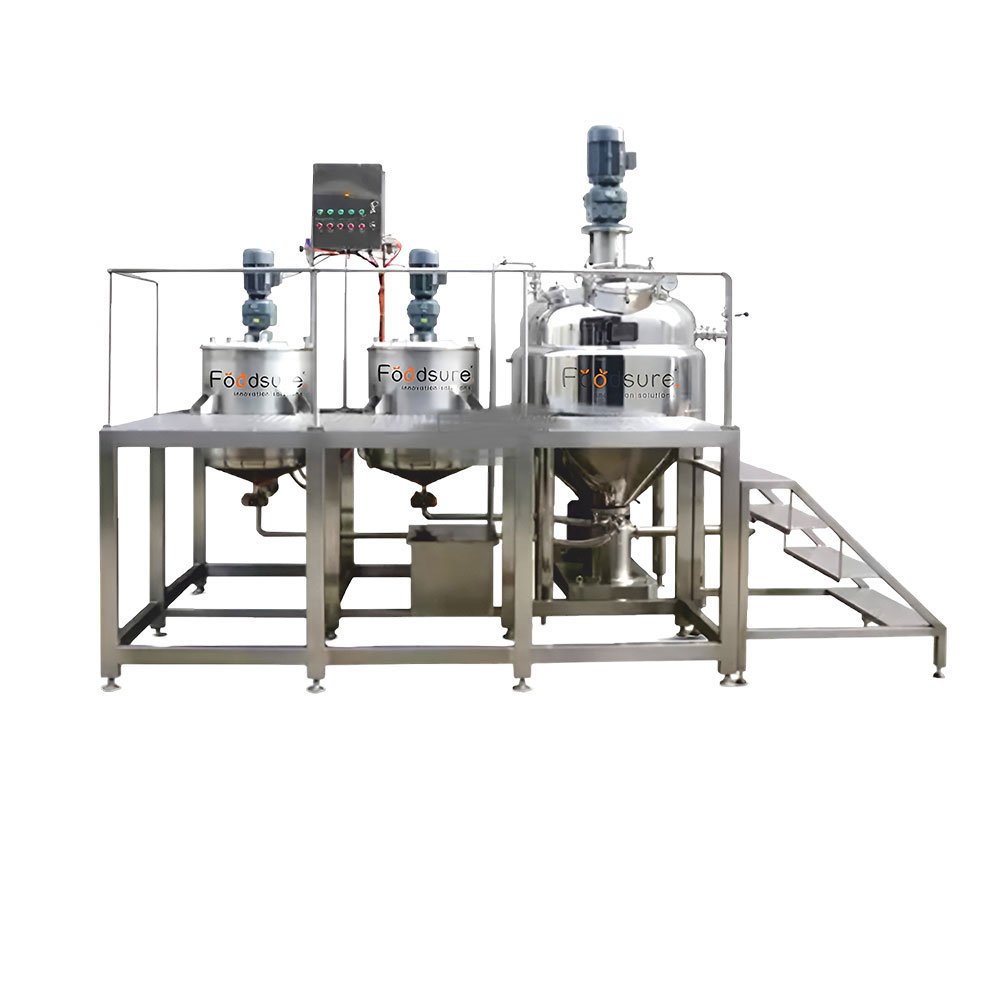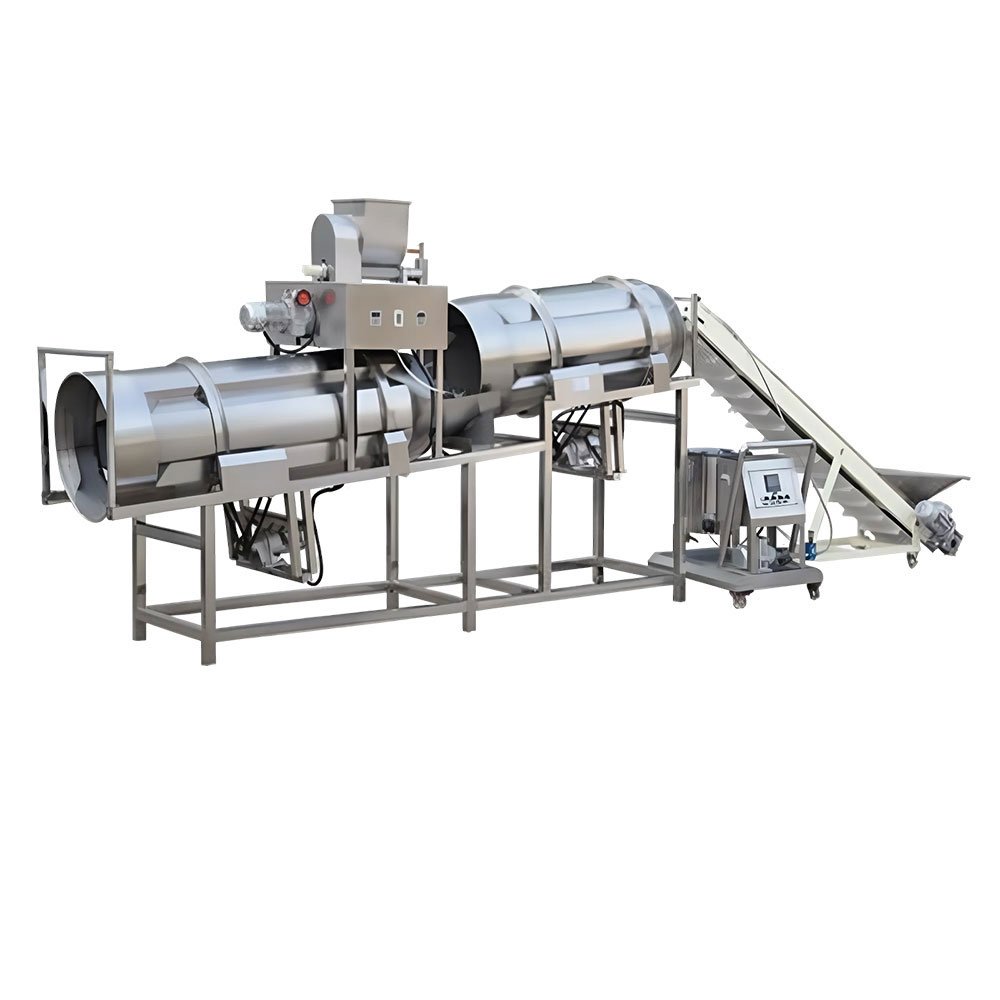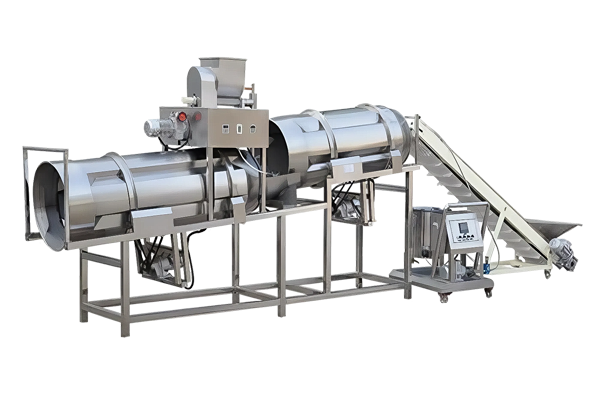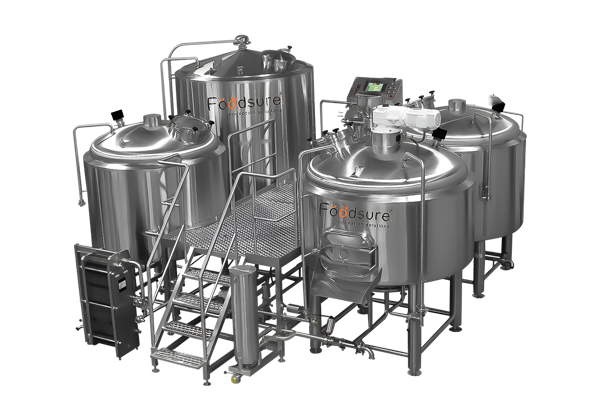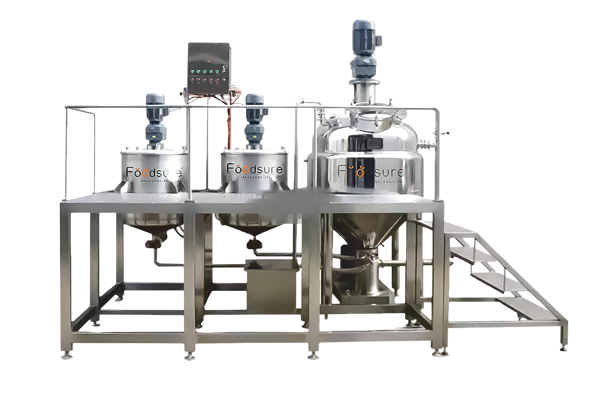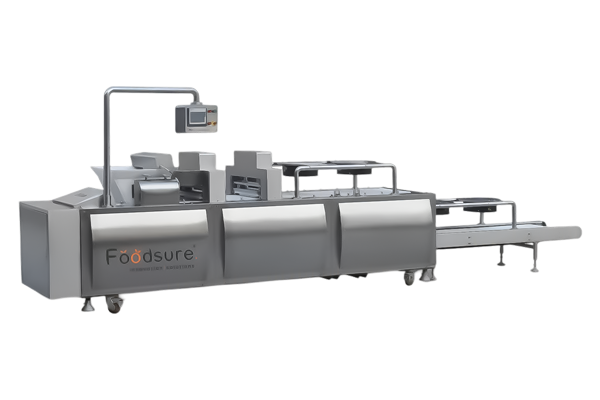

Protein bar ventures frequently attribute texture failures to formulation variables, including protein type, syrup ratio, and moisture balance. However, in commercial production, the root cause is often equipment-related. Bars that disintegrate, remain sticky, or lose structural integrity after being cut may be the result of a protein bar machine affecting texture, rather than the recipe itself.
This blog defines the technical factors that influence binding, the impact of machinery, and the efficient identification, resolution of protein bar making machine-driven texture issues.
The Hidden Truth – Texture Problems Often Start With the Machine, Not Ingredients
Human-operated manual batch processing requires workers to handle materials with a soft touch. Automated protein bar industrial machine use their mechanical force to create high-shear energy, which transforms molecular structures through its powerful force.
The Structural Reality
The hidden truth lies in how protein bar machines manipulate polymers and emulsions:
- Shear-Induced Breakdown: High-speed mixers or extruders bar machines can shear long-chain starches or proteins, which results in decreased viscosity. The process results in a chewy product, which turns into a sticky substance that leaks.
- Frictional Heating: Friction inside pumps and screw conveyors produces temperature increases that occur at specific locations. This process can cause heat-sensitive binders to set too early while fat crystals lose their intended mouthfeel.
- Compression Stress: Rotary moulders or vacuum fillers create pressure, which leads to air-cell structure destruction. This process results in a product that becomes dense and hard.
Successful scaling requires structural matching: The Specific Mechanical Energy (SME) of the machine needs adjustment until it matches the ingredient’s structural capacity.
5 Protein Bar Manufacturing Machine Factors That Destroy Bar Texture

To bridge the gap between a standard bar recipe and high-speed protein bar industrial performance, you must account for the Structural Behavior of the mass under mechanical load. The five components that create these engineering realities show their basic existence.
1. Incorrect Compression Pressure
- Excess pressure causes liquid binders such as syrups and glycerin to escape from the mixture, which results in bars becoming hard with time.
- Insufficient pressure prevents ingredients from properly binding together, which results in bars that break apart easily and lack strength.
- Pressure control requires continuous operation to achieve proper material softness and structural integrity.
2. Poor Mixing Uniformity
- During the process of mixing protein powders, lumps form around the liquids.
- Areas of the mixture do not receive equal treatment because the mixing process fails to achieve complete uniformity.
- The process results in differing textures and multiple quality levels throughout a single production run.
3. Heat Generated During Processing
- Friction inside the machine generates heat during the processes of mixing and extrusion.
- The binder’s thermal characteristics change when excessive heat exposure occurs, which results in alterations to its flexible and soft properties.
- The cooling process makes bars reach a hardness level that exceeds their anticipated brittleness.
4. Roller Design and Sheeting Control
- Excessive pressure on the mixture occurs through improper roller settings.
- The process causes internal structural changes that result in uneven texture during biting.
- Storage of the bar becomes weaker because poor sheeting control creates tiny cracks, which develop throughout the storage period.
5. Cutting System Impact
- The bars experience internal damage because cutting systems generate excessive force during operation.
- The process creates tiny internal fractures that remain hidden from view.
- The existence of these defects will shorten both products’ shelf life and the period of product stability.
Real Founder Case: Recipe Was Perfect, Machine Was Wrong
The startup faced an expensive challenge when it tried to expand its operations. The protein bar achieved excellent results during its pilot tests, but the first commercial production run showed multiple cracks within 48 hours.
The Cost of Misdiagnosis
- The founder spent several months and more than 10000 lakh to modify the binder and protein ratio after he assumed a formulation error. The bars remained unstable after the team developed the new formula.
- Our assessment changed the study from examining ingredients to testing equipment. The protein bar extruder machine, which produced different texture results, turned out to be the main problem.
The Mechanical Solution
- The protein bar production line created too much mechanical shear when it operated the forming stage. The process generated internal stress, which treated the dough like a battery because it built up energy that made the bars break when they rested on the storage shelves.
- The protein matrix could move freely through the system because we changed the compression settings and reduced the speed of the extrusion process.
The Result:
The startup returned to its initial clean-label product recipe. The bars achieved permanent flawlessness after their production process ended and maintained their high-quality texture until the end of their shelf period.
How the Right Machine Fixes Binding, Chewiness, and Shelf Stability

The protein bar machine operates through its design to achieve three specific functions, which include
- The system controls compression.
- It enables soft mixing, which achieves complete distribution.
- Maintains temperature stability throughout the forming process.
- It produces materials with constant thickness and density.
- Cutting, which maintains the structural integrity of the material.
The factors enhance the protein bar machine affecting texture while also improving packaging performance, shelf stability and consumer experience. The selection of machinery for growing brands functions as a decision that determines their product quality instead of a choice that handles their operational needs.
Who Should Consider Upgrading Their Machine?
You need equipment optimisation when you experience these problems:
- Bars break after cutting or packaging.
- Sticky surfaces occur because of oil separation.
- Batches show different density measurements.
- The production process has scaling problems, which begin with the testing phase.
- The system shows high rejection rates.
Early machine factor selection allows companies to prevent their future brand damage and financial losses.
Conclusion: Texture Success Is Engineering, Not Just Formulation
At Foodsure Machines, we understand that the protein bar machine affecting texture produce hidden problems that cause cracks and produce inconsistent binding. Our mission is to assist startups in achieving their optimal machinery performance through our equipment optimisation services, which extend beyond recipe development. Our expertise ensures your production process will succeed from the initial pilot stage to full-scale manufacturing.
FAQ
Q1: Can a protein bar machine affect texture?
Yes, the protein bar-making machine’s impact on the bonding of the ingredients may result in cracking, extremities or a poor consistency of the bar.
Q2: How to fix protein bar texture issues in commercial production?
Change compression settings, speed of extrusion, and temperature to bind the mixture.
Q3: Which protein bar making machine is best for consistent texture?
Machines that operate at controlled pressure levels, maintain consistent mixing processes and conduct proper extrusion operations create bars that have uniform texture and chewing properties.
Q4: How do high-speed mixers or extruders bar machines impact bar quality?
Shearing and heat in the production process need to be managed to prevent clumping and changes in the texture of the bind.
Q5: Can a protein bar extruder machine improve shelf stability?
Yes, the qualification of material into bars is essential to ensure that bars retain their structure, bond, and shelf life properties.