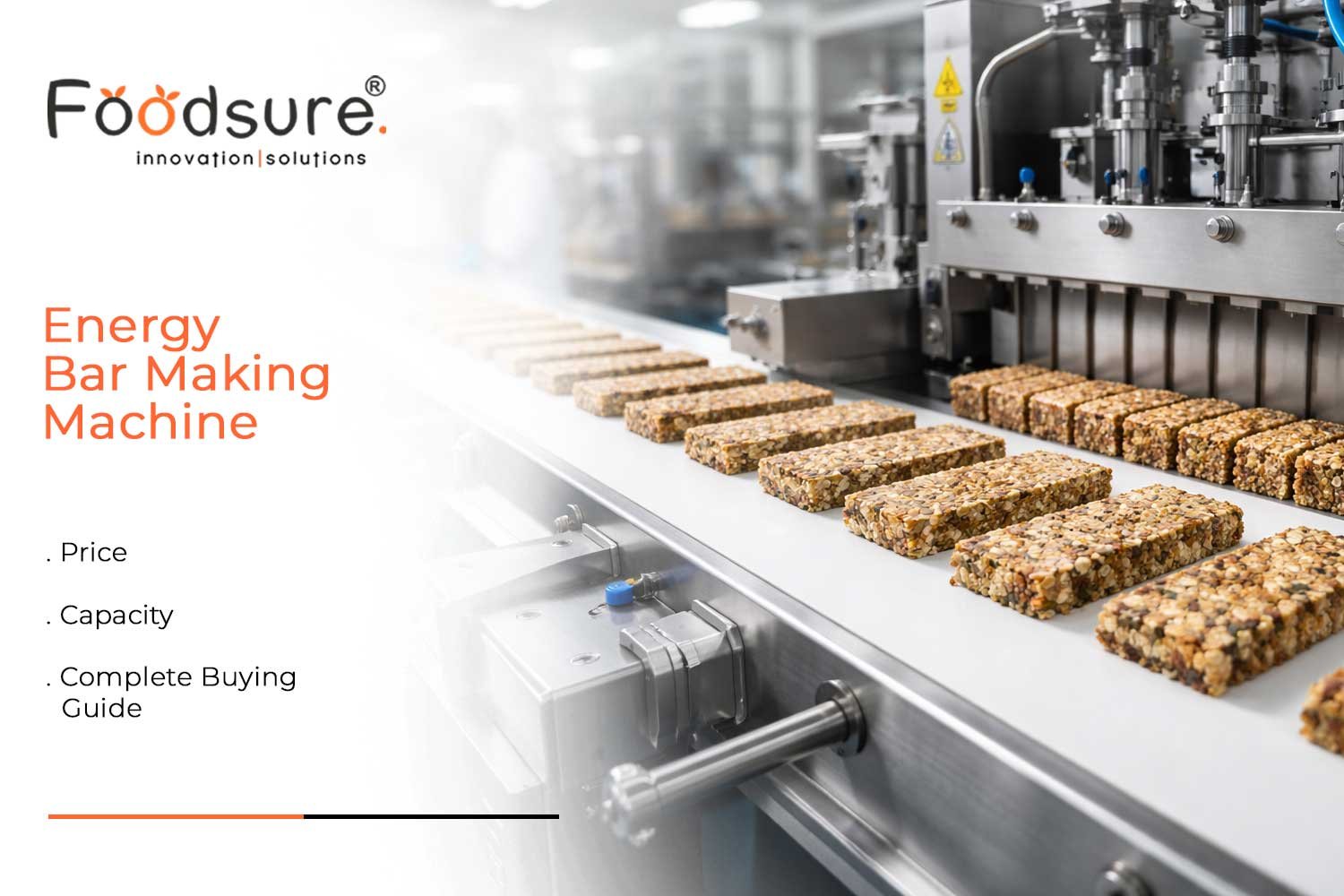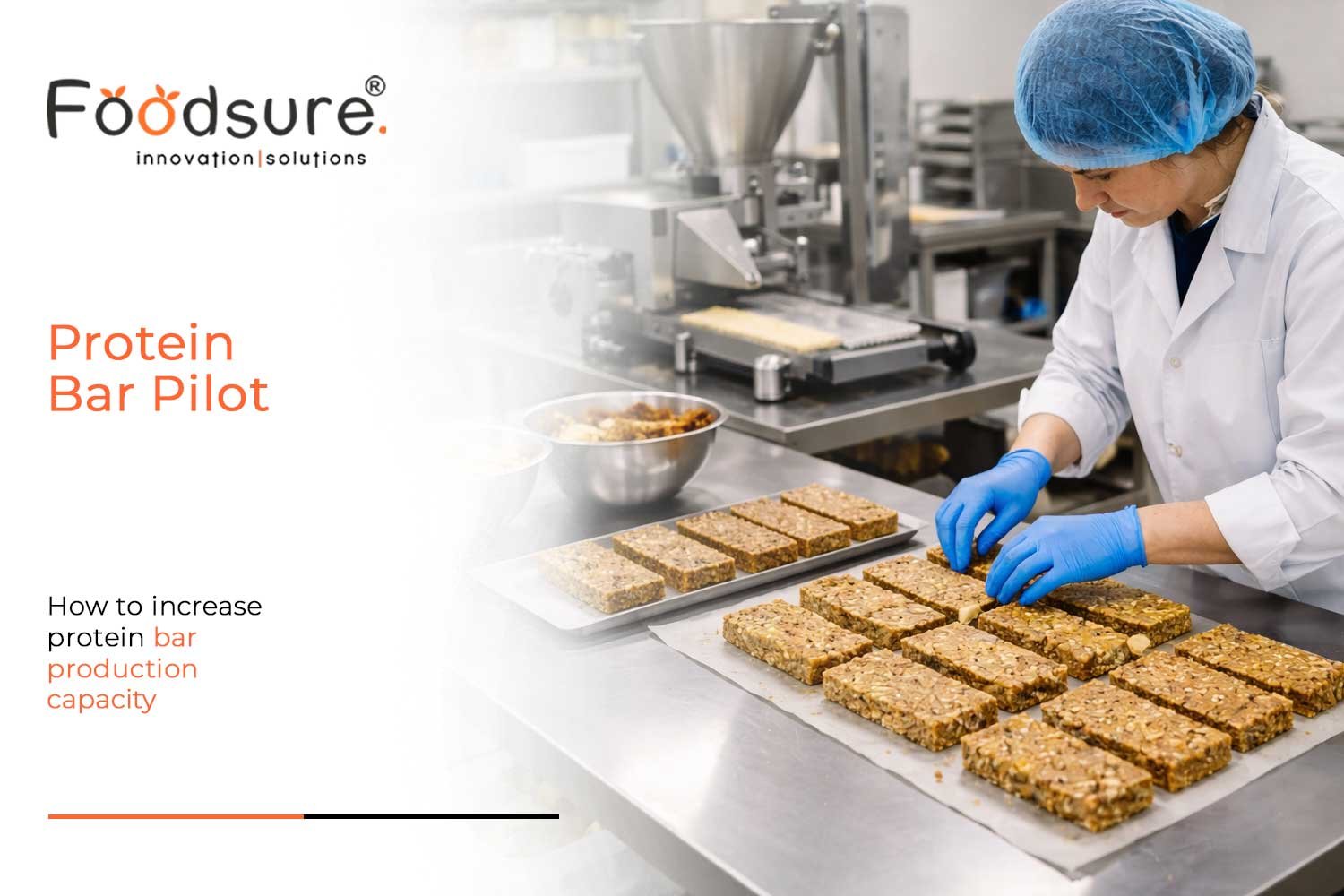
Over 70% of startups lose profits to slow bar handling, sometimes ₹1–3 lakh every month. Is your line facing the same hidden leak? This guide reveals the Protein Bar Cutting & Wrapping Machine that eliminates bottlenecks, boosts speed, and finally gives you consistent, retail-ready bars.
Why the Protein Bar Cutting & Wrapping Machine Matters More Than You Think
If you have ever tried scaling a protein bar business, you already know this part slows you down first. Cutting and wrapping create most of the problem, which makes bars crack and also causes the sizes to shift. Hygiene also becomes a part of this problem. And the team tries to keep up until they simply cannot.
The reliable protein bar cutting and wrapping machine fixes these issues at the root. It gives you:
- Consistent bar size.
- Lower rejects and wastage.
- Faster wrapping without the usual jams.
- Stronger hygiene control.
- Higher daily output.
- Less dependence on manual labor.
That means it gives you a predictable production of protein bars. This guide will show you how to choose the right protein bar making machine, what specifications to pay attention to, and the mistakes first-time buyers usually regret later.
Read More: Protein Bar Production Process: A Beginner’s Guide to Step-by-Step Manufacturing
Who Actually Needs a Protein Bar Cutting & Wrapping Machine?
This protein bar production line isn’t for everyone. It’s for anyone who wants production to be predictable, fast, and consistent. Let’s break it down:
- Startups making 300–5,000 bars a day and hitting limits with manual work.
- Small food factories are tired of slow cutting and wrapping by hand.
- Nutrition bar brands are growing faster than their current setup can handle.
- OEMs and co-packers are adding a new line to take on more orders.
- Contract manufacturers are looking to expand capacity without adding extra staff.
How a Protein Bar Cutting & Wrapping Machine Solves Everyday Bottlenecks
Most protein bars typically fail at the mixing and baking stage. Here is a breakdown of those failures:
- Not all protein bars are created equal. Many protein bar lines experience inconsistent sizes and weights. This makes it very difficult to ensure that the bars are consistent in their weight and size.
- The manual process for cutting protein bars generates significant amounts of broken product and waste, which may go unnoticed.
- The manual process for packing protein bars creates a bottleneck on the production line and makes it difficult to keep up with the demand for these products.
- Multiple line operators handling the same protein bars over a short time frame creates a potential for cross-contamination.
- It puts additional strain on everyone working in the line. Increased demand causes a slowdown in production lines.
How a Protein Bar Cutting & Wrapping Machine Actually Works
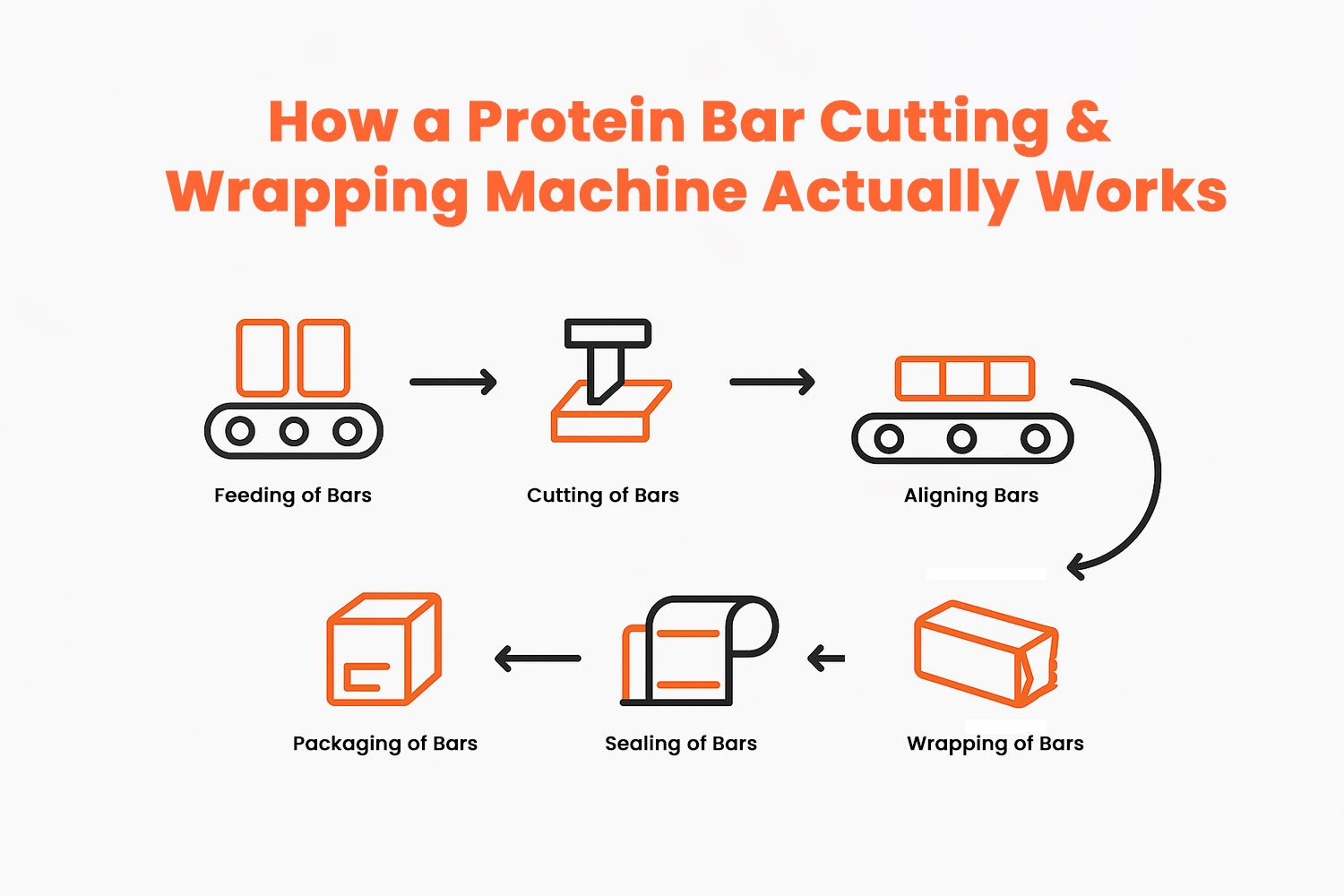
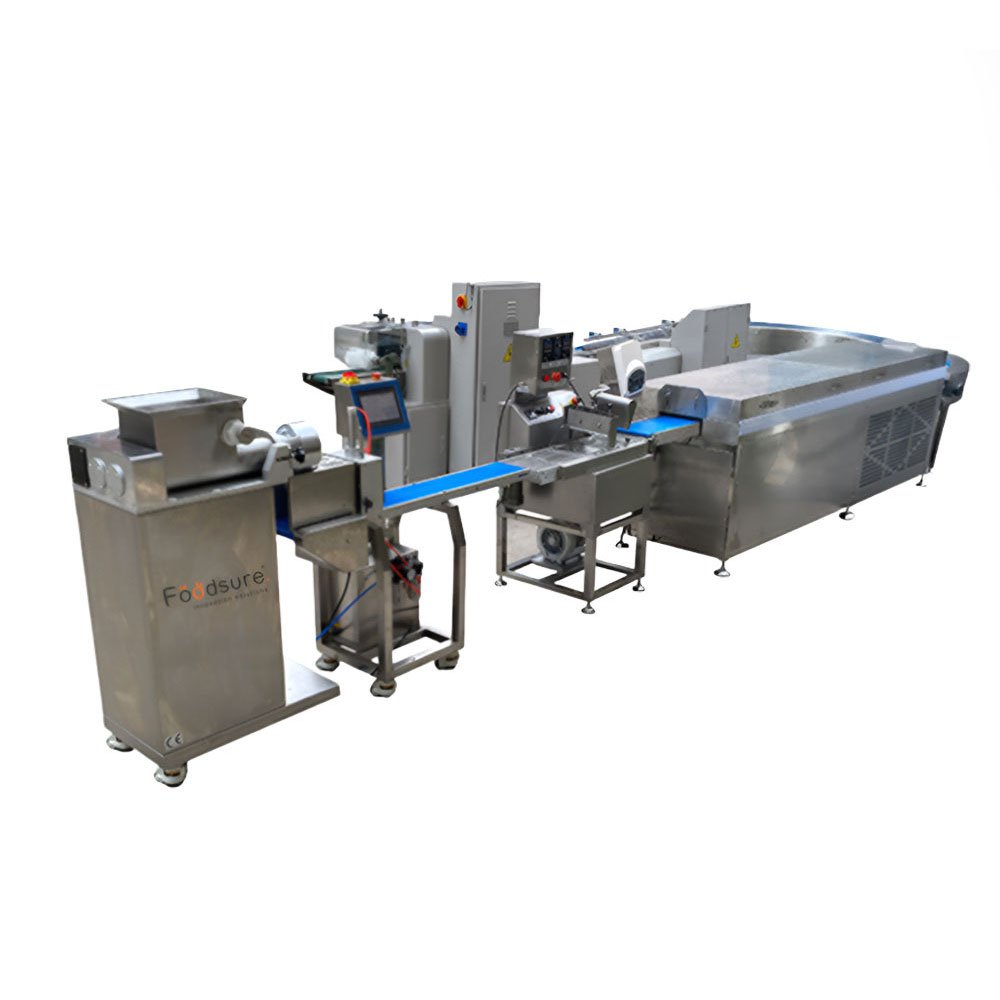
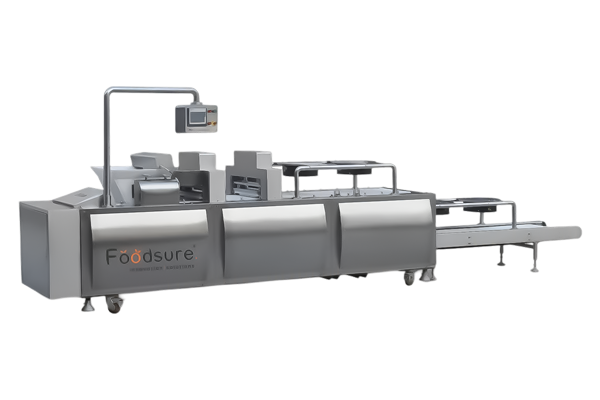
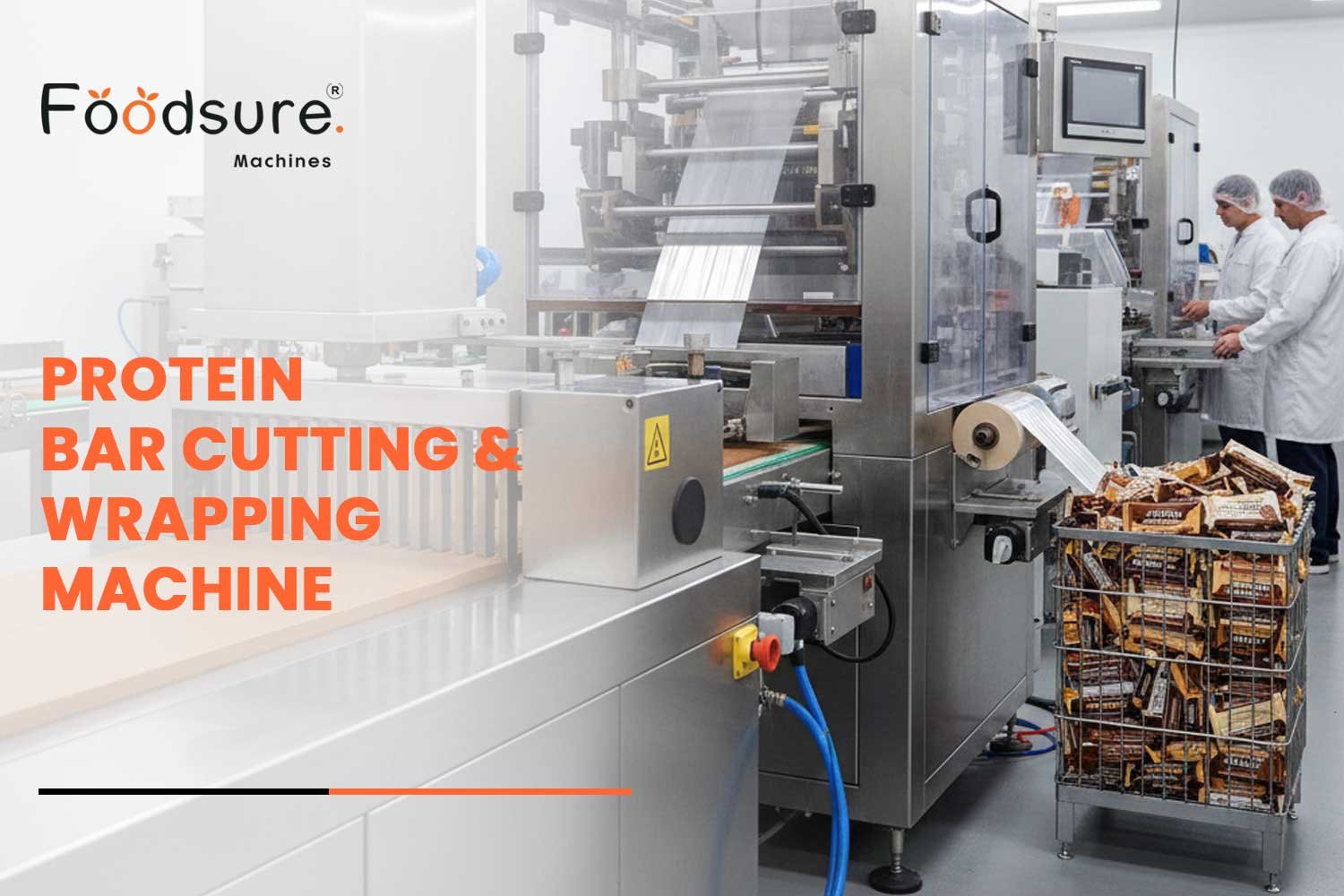
The protein bar machine has been artificially assembled in order to automate the major phases of producing bars. These phases include:
- Feeding of Bars: Bars are fed onto the conveyor. These bars can either come as pre-cut bars or bars that have been extruded.
- Cutting of Bars: Bars are cut to precise weight and length with Blades to eliminate any excess material and thus reduce scrap.
- Aligning Bars: Bars are aligned so they can be conveniently wrapped up on time.
- Wrapping of Bars: Bars are wrapped up in a quick and consistent manner with either paper or film, creating a consistent look and feel to all of our products.
- Sealing of Bars: After all of the bars have been wrapped up, they are sealed to keep them in optimal condition, whether they are being stored or shipped to another location.
- Packaging of Bars: After all the bars have been sealed, they are sent to storage or shipment.
What to Look for When Choosing a Protein Bar Cutting & Wrapping Machine
| Specification | What to Look For | Why It Matters |
|---|---|---|
| Bars Per Minute | 40–200+ | Your throughput & ROI depend on this |
| Cutting System | Servo, blade quality | Controls accuracy & wastage |
| Wrapping Style | Flow wrap / pillow | Influences shelf life & branding |
| Film Compatibility | Printed, matte, metalized | Helps future packaging upgrades |
| Machine Footprint | Compact design | Important for small factories |
| Power Load | 2–5 kW | Predict operational costs |
| Changeover Time | <10 minutes | Important for multiple recipes |
| Spare Parts Availability | Local supplier | Reduces downtime |
| Warranty | 1 year minimum | Trust factor & support |
| Compliance | FSSAI, CE optional | Buyer assurance |
Semi-Automatic or Fully Automatic: Which Protein Bar Machine Is Right for You?
An analysis of semi-automatic and fully automatic machines generally consists of the following:
1) Semi-Automatic Protein Bar Machines
Typically, the operator is required to put bars into the machine, although there may be some involvement in the wrapping process. However, the operator will typically be able to do so more cheaply. In addition, semi-automatic machines are typically much easier to maintain than full automatic machines and are typically better suited to lower volume production.
2) Fully Automatic Protein Bar Machines
Fully automatic machines perform all of the functions of loading, cutting, wrapping, and sealing the product automatically with no operator required. Fully automated machines typically operate faster than semi-automatic machines and produce more consistent results, and require less independent labor to operate.
Read More: Automatic vs Semi-Automatic Machines for Protein Bar Production (2025 Guide)
How Installation and Support Work for Your Machine
Acquiring a machine is only the beginning. The real key to your success is getting the machine up and running as soon as possible.
- Installation and Testing – The first step after purchasing a new machine is to install it properly and test it to make sure it’s ready for operation on day one.
- Operator Training – Operators will receive training in all areas of machine care and how to operate the machine securely.
- Ongoing Support – As the manufacturer provides ongoing support for your company, including help with machine repairs and replacements, you will not have interruptions in production.
Conclusion
Foodsure Machines provides you with a dependable protein bar cutting & wrapping machine that will help to address the difficulties that come with increased production of protein bars. We offer training for your personnel, installation of the machine, and continued support for all customers.
FAQ
Q1. What does this machine do?
Ans: It cuts bars to the right size and wraps them consistently, so every bar looks and sells like it should.
Q2. Why should I invest in one?
Ans: It saves time, reduces waste, and keeps production predictable.
Q3. Semi-automatic or fully automatic – which should I pick?
Ans: Semi needs a bit of manual work; fully automatic handles feeding, cutting, and wrapping almost entirely on its own.
Q4. How many bars can it handle each day?
Ans: Small to mid-scale machines usually manage 300 to 5,000 bars, depending on your setup.
Q5. Can it adjust to different bar sizes?
Ans: Yes, you can change cutting and wrapping settings to match your product.
Q6. Do I get training with the machine?
Ans: Absolutely. Your team will learn to operate, clean, and maintain it efficiently.
Q7. How much maintenance does it need?
Ans: Regular cleaning and simple part checks are enough to keep it running smoothly.
Q8. Does it improve hygiene?
Ans: Yes. Less manual handling means cleaner bars and safer production.
Q9. What wrapping materials can it handle?
Ans: Films, foils, and standard bar wrappers work without trouble.
Q10. How much labor does it save?
Ans: One operator can do the work of several people on a manual line.
Q11. Is spare parts support available?
Ans: Yes, reliable support ensures downtime is minimal.
Q12. Who should buy this machine?
Ans: Startups, growing brands, co-packers, or anyone whose manual line can’t keep up with demand.