

Getting your own protein bar into the marketplace is a thrilling experience, but there is much more involved beyond ensuring the product is delicious. The process behind any successful protein bar involves planning and many steps, including product development, manufacturing, regulation, packaging, branding, and distribution. Selecting the right protein bar machine is also an important part of commercialization, as production efficiency and product consistency often depend on suitable manufacturing equipment.
A lack of a commercialization plan will see even the best products fail to make an impact in the competitive marketplace. This guide explains the entire process of protein bar commercialization and how companies can go about getting their products to market.
What Is Protein Bar Commercialization?
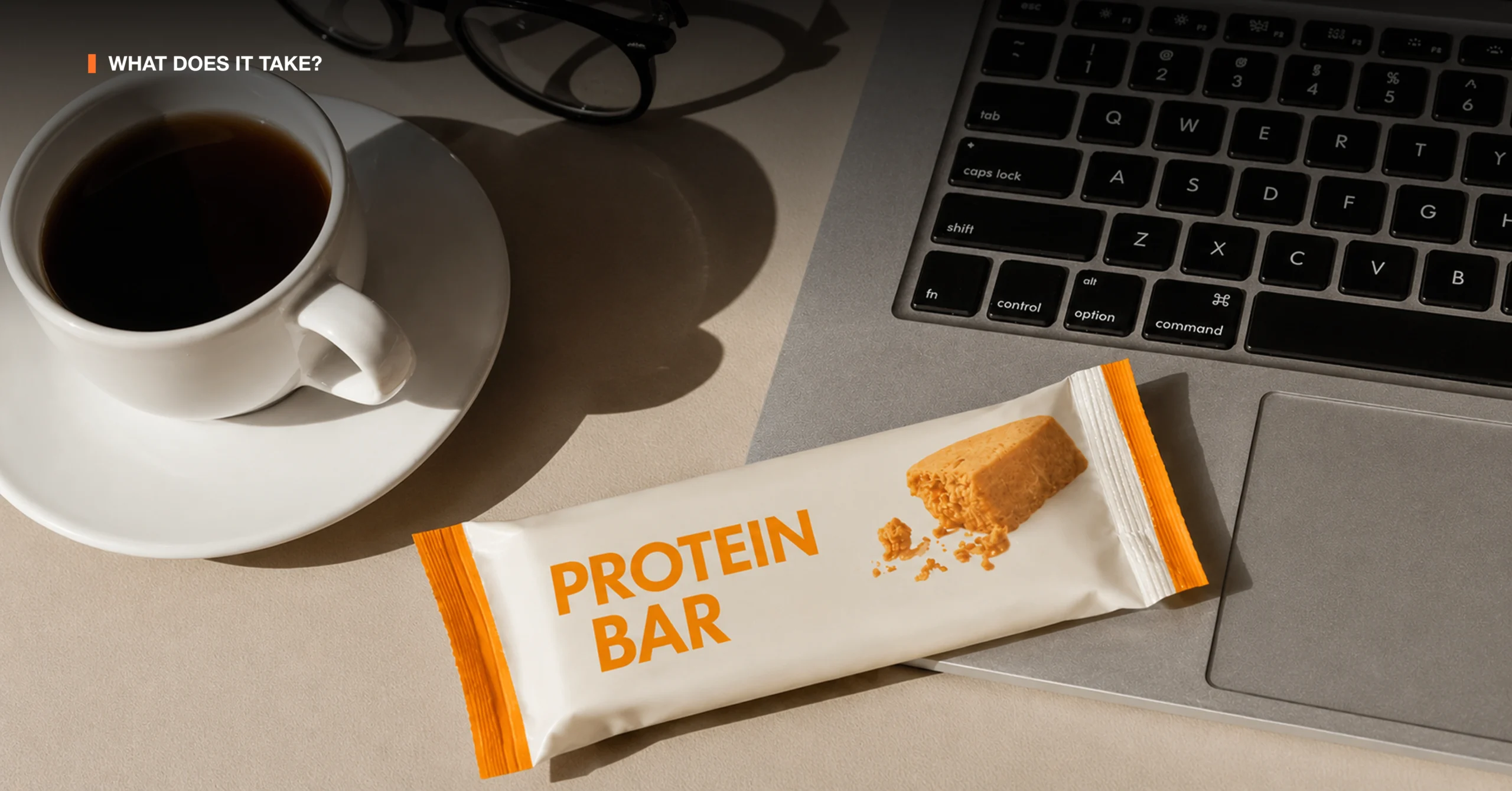
The term “protein bar commercialization” means the process through which an idea turns into a commercially viable product. It entails far more than product development and includes processes such as formulation, manufacturing, packaging, branding, regulation, distribution, and launch into the market.
When preparing a guide for a successful protein bar product launch, the emphasis will be on making sure that the product is easy to manufacture, profitable to sell, and scalable to grow.
It is often assumed that businesses underestimate the difficulties associated with commercialization. A product that has performed well in trial runs may encounter difficulties during mass production when the manufacturing process has not been sufficiently taken care of.
For these reasons, a well-constructed protein bar commercialization guide is essential.
Read More :- protein bar production line
Step 1: Validate Your Product Idea
A good protein bar starts with a good understanding of the market needs.
Before making investments in machines and other production facilities, companies should consider:
- Target customers
- Market trends
- Nutrition needs
- Market competition
- Pricing needs
The process of validating the idea is helpful in determining whether there is an actual need for such an idea in the market. Knowing the preferences of consumers in advance will enable producers to make good decisions concerning the use of ingredients, flavors, and packaging.
Businesses planning to start a protein bar business often benefit from conducting market research before entering product development.
Step 2: Develop a Commercially Viable Formulation
Formulation development is one of the most important stages in the protein bar manufacturing roadmap. A protein bar should meet several criteria at once, such as being nutritious, tasty, stable, processable, and affordable. Numerous products have failed due to the fact that their formulations have been designed only on the basis of nutritional considerations.
Ingredient selection in terms of proteins, sweeteners, binding agents, fibers, and functionality ingredients significantly impacts both quality and processability. Meanwhile, texture is one of the main parameters that determine customer acceptance, thus it is critical to find the right ratio of softness and stability. Shelf-life performance evaluation should be conducted as well to ensure the quality maintenance during shelf life. Appropriate formulation planning ensures the development of scalable products for commercial protein bar production.
Step 3: Build a Strong Protein Bar Manufacturing Roadmap
A defined protein bar manufacturing roadmap will give insights into production needs, equipment, capacity planning, and scalability.
In the absence of a roadmap, the producer will be faced with production challenges, quality challenges, and unnecessary costs incurred during production.
The roadmap should indicate:
- Production capacity needs
- Equipment needs
- Quality standards
- Packaging needs
- Growth needs
It is important to have an established plan for production to prevent business challenges in the future.
Step 4: Select the Right Manufacturing Equipment
Production machinery has direct effects on efficiency, consistency, and profitability.
The selection of the proper protein bar machine is crucial for achieving commercial success and ensuring quality products.
State-of-the-art machinery aids manufacturers in the following ways:
- Increasing productivity
- Decreasing dependency on labor
- Reducing the wastage of products
- Ensuring consistency
- Planning for future expansions
The machinery selected should be in accordance with present production requirements as well as future business objectives. With increasing demands, the chosen machinery will help in expanding production capacities without hindering operational performance.
Step 5: Establish Commercial Protein Bar Production Systems
When transitioning from product development to commercial protein bar production, proper planning and process validation are very important. There are some major differences between commercial and small-scale production, which make it necessary to set up systems that will facilitate the process.
Standardization of the production process is necessary for decreasing the variance from batch to batch to ensure consistency in terms of quality. However, efficient quality control systems would be helpful in identifying any problems early on and decreasing manufacturing risk factors. Constant production monitoring would assist companies in assessing their productivity and enhancing efficiency in their operations. Moreover, having a stable supply of ingredients and effective planning of the production process are important for ensuring continuous production and meeting the demands of the market. A proper protein bar manufacturing roadmap helps keep production systems efficient for future commercial success
Step 6: Develop Your Protein Bar Market Entry Strategy
Even the best product can struggle without an effective protein bar market entry strategy. Businesses must determine how they will position, distribute, and promote their products within competitive markets.
Target Customer Identification
Consumer demography information helps increase the efficiency of marketing activities.
Brand Positioning Definition
Clear brand positioning helps differentiate products from others.
Distribution Channels Selection
Manufacturers could opt for one of the following channels:
- Retail stores
- E-commerce websites
- Direct-to-consumer sales
- Fitness centers
- Health food stores
Pricing Strategy
Competitive pricing helps strike a balance between profitability and market demand. Market entry strategy for protein bars greatly increases the chances of product success.
Step 7: Prepare for Product Launch
A structured protein bar product launch guide helps businesses coordinate commercialization activities efficiently.
Before launch, manufacturers should consider:
- Packaging design
- Compliance issues
- Scheduling of production
- Logistics of inventory
- Marketing programs
Product launches often fail not because of a poor product but due to a lack of proper planning. Planning will ensure the availability of products when there is increased demand.
Common Challenges During Commercialization
-
Production Scaling
A product that performs excellently in pilot production may not behave the same way when produced on a larger scale. The behavior of ingredients, mixing effectiveness, and conditions under which a process is carried out vary as the volume of production increases. This calls for proper planning during scale-up to avoid inconsistencies in quality, low efficiency, and unexpected problems in production.
-
Cost Control
Managing production costs while still achieving quality continues to be a challenge. Increasing costs of ingredients, labor, and packaging can exert pressure on profit margins.
-
Market Competition
Protein bars are in high competition; hence, there is a need to differentiate. Some of the competitors in this industry already have a good presence in the market. Forming a value proposition will make the brand more visible and accepted by consumers.
-
Supply Chain Disruptions
There could be some problems regarding the availability of the ingredients that are important for the manufacture of the product. Any delay in obtaining these components might lead to delays in manufacturing the products.
-
Expectations of Consumers
The modern-day consumer desires a product that has high nutrition, taste, and packaging convenience. Transparency in products, clean label, and quality consistency are also important expectations for consumers to have from a product.
How Foodsure Machines Supports Protein Bar Manufacturers
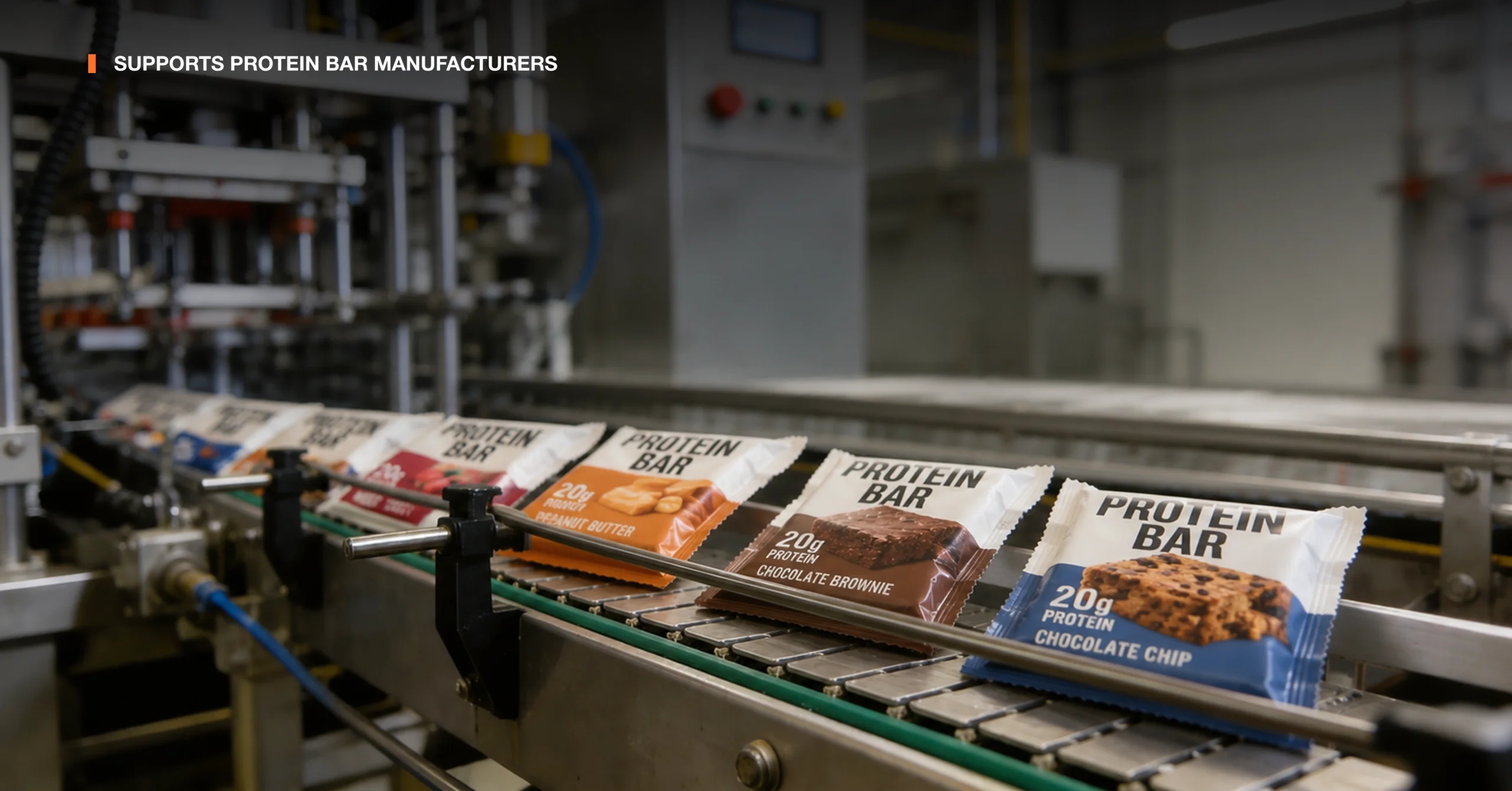
Foodsure assists food manufacturers through several phases of the product development and commercialization process. In the selection and design of machinery and manufacturing processes, the idea is to help businesses that want an efficient manufacturing setup.
Manufacturers interested in learning about the entire procedure of making protein bars may refer to sources that provide details on how to formulate and manufacture them.
Businesses considering commercial machines may refer to protein bar machines that help scale up the protein bar manufacturing process.
Foodsure enables businesses to make an efficient manufacturing process based on their growth plans and future.
Contact us for assistance in your protein bar manufacturing needs.
Ready to Start Your Protein Bar Commercialization Journey?
Making your protein bars a hit product in the marketplace needs proper planning and an effective production system. Organizations that use an effective protein bar commercialization guide can position themselves in a way that will enable them to lower risks and grow sustainably.
Protein bars have a wide range of applications and are easy to market. Companies that take protein bar marketing seriously have a higher chance of success when launching their products by following a proper protein bar marketing plan.
Regardless of whether you would like to start a protein bar business or add to the existing range of goods, adequate marketing planning will increase your chances of success greatly.
Contact us now for protein bar manufacturing services!
Conclusion
The process of effectively commercializing protein bars includes far more than simply coming up with a new product. Formulation, manufacturing processes, machinery used, branding, and distribution strategies must all be coordinated by companies to ensure their sustainability. With the use of a protein bar manufacturing roadmap and an efficient protein bar production system, as well as a market entry strategy, this goal can be accomplished.
Frequently Asked Questions
What is a protein bar commercialization guide?
A protein bar commercialization guide is an effective tool that allows converting a protein bar idea into a commercially available product.
How do I start a protein bar company?
In order to start a protein bar business, it is necessary for manufacturers to test the market need, create formulations, set up production, choose equipment and develop a market entry strategy.
What does a protein bar manufacturing roadmap consist of?
A protein bar manufacturing roadmap consists of formulation, equipment, production, quality control, scalability, and operation steps.
Why is a protein bar market entry strategy needed?
The protein bar market entry strategy helps businesses place their products right, choose the right distribution channels, determine pricing strategies, and ensure the success of launching their products on the market.
What is commercial protein bar manufacturing?
Commercial protein bar manufacturing is about the production of protein bars in large volumes.




