
The growth of the Indian pea protein powder industry has been significant in recent years, and there is a valid explanation for this phenomenon. The fact that it is clean, hypoallergenic, and well researched makes pea protein powder a product that offers optimal nutrition. No matter whether you are vegan, lactose intolerant, or just need more effective supplements, we have compiled a list of the top five Indian brands for you.
Pea protein powder is a plant-based protein supplement made from yellow peas. It is rich in protein, naturally dairy-free, and widely used in sports nutrition, vegan diets, protein bars, and meal replacement products.
What Makes Pea Protein Powder Different From Every Other Plant Protein
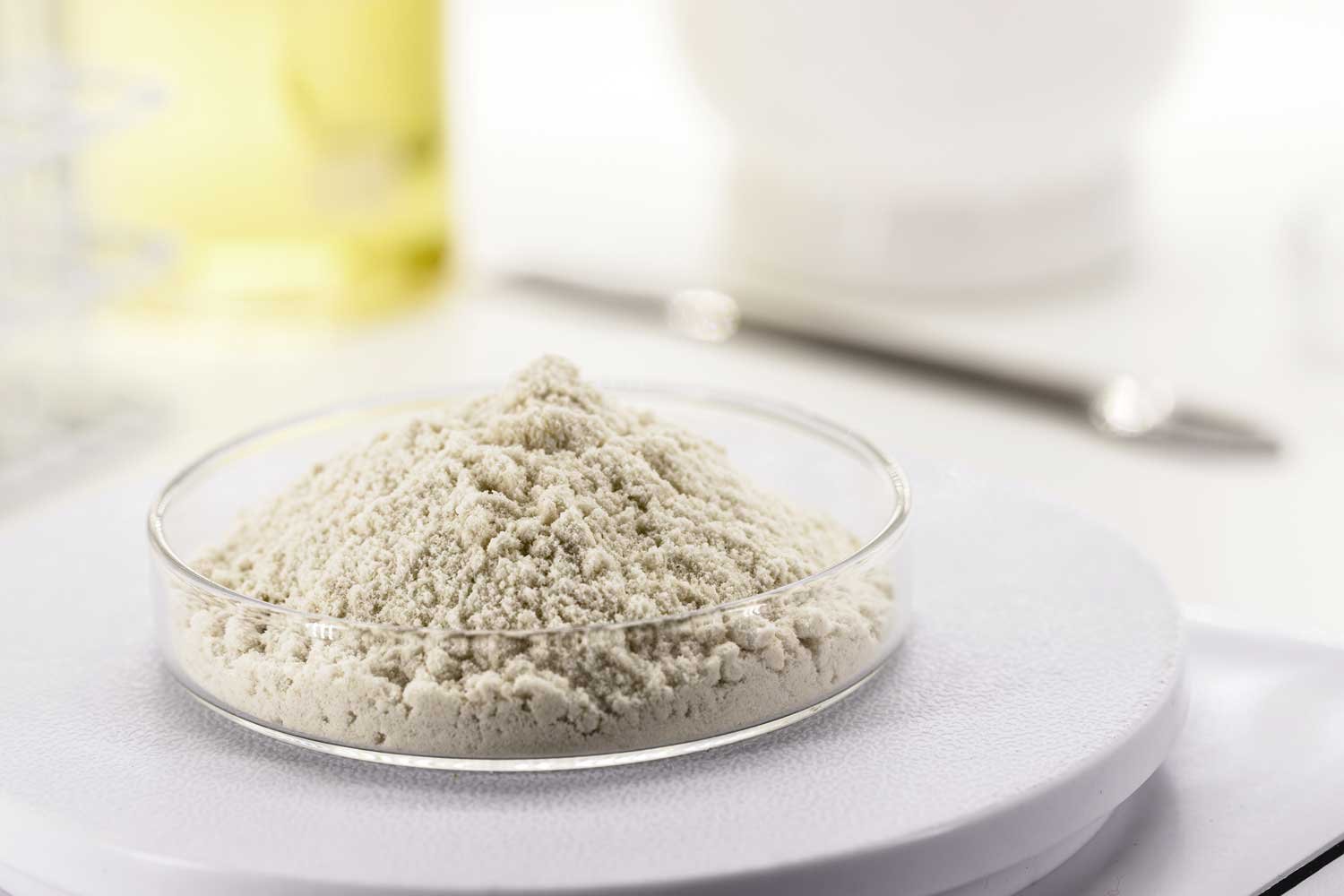
Split yellow peas are milled, extracted using water, and then dried to form a protein extract that does not contain any of the eight most common allergens found in food products. Pea protein isolate powder has a protein content of between 80 and 85 percent, containing all nine amino acids and digesting without causing any gas formation compared to soy and whey concentrates.
Read More :- protein powder blending machine
Best Pea Protein Powder Compared: Side by Side
| Brand | Type | Protein/Serving | Price/Kg (Approx) | Best For |
|---|---|---|---|---|
| OZiva Plant Protein | Pea & Rice Blend | 25–30g | ₹2,500–₹3,200 | Women & wellness-focused users |
| Nakpro Plant Protein | Pea & Brown Rice | 25g | ₹1,400–₹1,900 | Budget-conscious users & Trustified-certified buyers |
| AS-IT-IS Pea Isolate | Pea Isolate | 25g | ₹1,200–₹1,600 | Clean-label consumers & no-additive preference |
| MuscleBlaze bGREEN | Pea & Rice Blend | 25g | ₹1,800–₹2,400 | Gym-goers & brand-conscious users |
| Plix Plant Protein | Pea Isolate + Enzymes | 20–25g | ₹2,000–₹2,800 | Users with sensitive digestion |
Best Pea Protein Powder in India: Our Top 5 Picks
1. OZiva Plant Protein
Type: Pea and rice protein powder blend with Ayurvedic herbs.
Protein: 25 to 30g per serving.
Certifications: FSSAI, vegan certified.
Best for:Targeted customers looking for the premium pea protein powder in India with additional functional properties other than just the protein content.
2. Nakpro Plant Protein
Type: Pea and brown rice protein powder blend.
Protein: 25g per serving.
Certifications: FSSAI, Trustified certified.
Best for: Customers looking for the budget friendly pea brown rice protein powder with guaranteed labeling accuracy.
3. AS-IT-IS Pea Protein Isolate
Type: Naked pea protein powder, isolate.
Protein: 25g per serving.
Certifications: FSSAI, clean label.
Best for:People seeking naked protein powder without any flavoring or preservatives that can be added to their meals.
4. MuscleBlaze bGREEN Plant Protein
Type: Pea rice protein powder blend.
Protein: 25g per serving.
Certifications: FSSAI, non GMO.
Best for: Gym lovers require quality pea and rice protein powder that can be obtained from the most reliable Indian brand.
5. Plix Plant Protein
Type: Pea protein isolate with digestive enzymes.
Protein: 20 to 25g per serving.
Certifications: FSSAI, vegan certified.
Best for: People with delicate stomachs who prefer a digestion friendly pea protein isolate supplement powder with additional enzymes.
Pea Protein Powder Benefits: What the Research Actually Shows
- Muscle building: Several studies have revealed that pea protein powder generates similar muscle building effects as whey protein if equated on their leucine content and overall daily protein consumption.
- Satiety: the long time taken for pea protein powder to digest has an impact on its ability to induce satiety for longer periods with minimal calories.
- Cardiovascular health: one of the highest sources of plant-based arginine, which improves the health of the heart arteries.
- Digestion friendly: being hypoallergenic and free from GMOs, pea protein powder causes far fewer digestive complaints compared to soy or dairy protein.
- Who would benefit: vegetarians, vegans, lactose intolerant individuals, and elderly people.
Pea Protein Powder Nutrition (Per 100g)
| Nutrient | Approximate Value |
|---|---|
| Protein | 80–85 g |
| Carbohydrates | 3–6 g |
| Fat | 2–5 g |
| Fibre | 2–4 g |
| Calories | 370–400 kcal |
Pea Protein Isolate vs Concentrate: Which Form Should You Choose?
- Isolate: Contains 80% to 85% protein, low fiber and carbohydrate content, quicker absorption. Ideal for athletes and people on strict macro diets. Isolated protein powder from peas is expensive but contains more protein per gram.
- Concentrated protein powder: Contains 65% to 75% protein content, retains more fiber and iron from peas. Cheaper option that can be used regularly for general well being.
- Easier on digestion: Both products are easier on the stomach compared to soy and whey protein powders. The isolated version of protein from peas is recommended for those experiencing bloating when consuming other protein sources.
Read More :- automatic protein powder mixing machine
Pea Protein Powder vs Whey: An Honest Comparison
- Protein and amino acids: Leucine levels per gram are slightly higher in whey than pea protein powder. The combined effects of pea protein powder and brown rice protein powder equate the total profile of amino acids in whey.
- Digestion: Whey gets absorbed faster by the body. The digestion process of pea protein powder is slower, but this benefits it because of satiety reasons.
- Price and availability of the products in India: In terms of cost, domestic pea protein isolate powder currently ranges between Rs. 1,200 and 1,900 per kilogram, putting it on par with low range whey.
- In favour of whey: For people without any dairy problems and wanting quick post workout leucine absorption. In favor of pea protein powder: All others, particularly those with digestion problems or lactose intolerance and vegans.
| Feature | Pea Protein | Whey Protein |
|---|---|---|
| Plant-Based | ✔ | ✘ |
| Dairy-Free | ✔ | ✘ |
| Vegan | ✔ | ✘ |
| Digestibility | Good | Good (unless lactose-sensitive) |
| Suitable for Lactose Intolerance | ✔ | ✘ |
Pea and Rice Protein Powder: Why the Combination Outperforms Either Alone
The pea protein contains high amounts of lysine but low amounts of methionine and cysteine. The brown rice protein precisely compensates for this deficiency. A mixture of the two proteins provides an amino acid content equivalent to that of whey in its ability to build muscles, hence making it the preferred choice for premium plant proteins.
- Pea and brown rice protein powder versus pea rice protein powder: these phrases mean the same thing. Brown rice means the protein from whole-grain rice and is slightly more fiber rich. From a user standpoint when purchasing supplements, the nutritional value is not much different.
- When to opt for blended protein: for those who need muscle mass building or post workout recovery, blending protein is preferable. For those who prefer to keep it simple or wish to cook with it, the unblended protein is preferred.
Naked Pea Protein Powder: Is the Clean Label Worth It?
Naked pea protein powder is nothing but pure pea protein isolate. No artificial flavouring, no sugar, and no emulsifier. This is ideal for people wanting to know exactly what goes inside their body. It is also the most flexible choice when it comes to cooking since it does not affect the taste or texture of any Indian dish.
Who needs to be naked and why? People looking to add protein powder to dal, shakes, rotis, and energy balls need a product without any added flavouring. Those who need a ready to consume shake and enjoy the taste of their shakes should go for a flavoured product.
Pea Protein Powder Benefits for Specific Goals
- Muscle gain: Use a blend of a pea and brown rice protein powder at 25 to 30 grams post workout. The blend works well because of the complementary amino acids contained therein that maximize muscle protein synthesis.
- Weight loss: Use an unflavored pea protein isolate powder or naked pea protein powder without any added sugar. Using a scoop of this supplement between meals helps in appetite control without adding too many calories.
- Women: Pea protein powder does not affect hormones negatively like the soy protein powder does due to the presence of phytoestrogens. Pea protein powder contributes towards healthy bones as well as muscles.
- Seniors: Pea protein powder is beneficial for older people since it is easily digestible, contains little fat, and supplies amino acids consistently to avoid age related muscle wastage problems.
Read More :- protein bar machine
How to Use Pea Protein Powder for Best Results
- Timing: For maximum results, consumption within 30 to 60 minutes post-workout is the optimal timing. Having a morning shake on non training days ensures that daily protein intake remains consistent.
- Dose: 1.2 to 2 grams of protein per kilogram of body weight daily. One or two servings of pea protein powder will suffice for most individuals in this range.
- Kitchen suggestions from India: incorporate naked pea protein powder in dal without altering its taste, knead it in roti dough, or combine pea rice protein powder with bananas, peanut butter, and oat milk for a quick morning meal.
- Ingredients to avoid: refrain from combining pea protein powder with high tannin drinks such as black tea right after consuming, as tannins have a minor impact on protein absorption.
Scale Your Pea Protein Product with Foodsure Machines
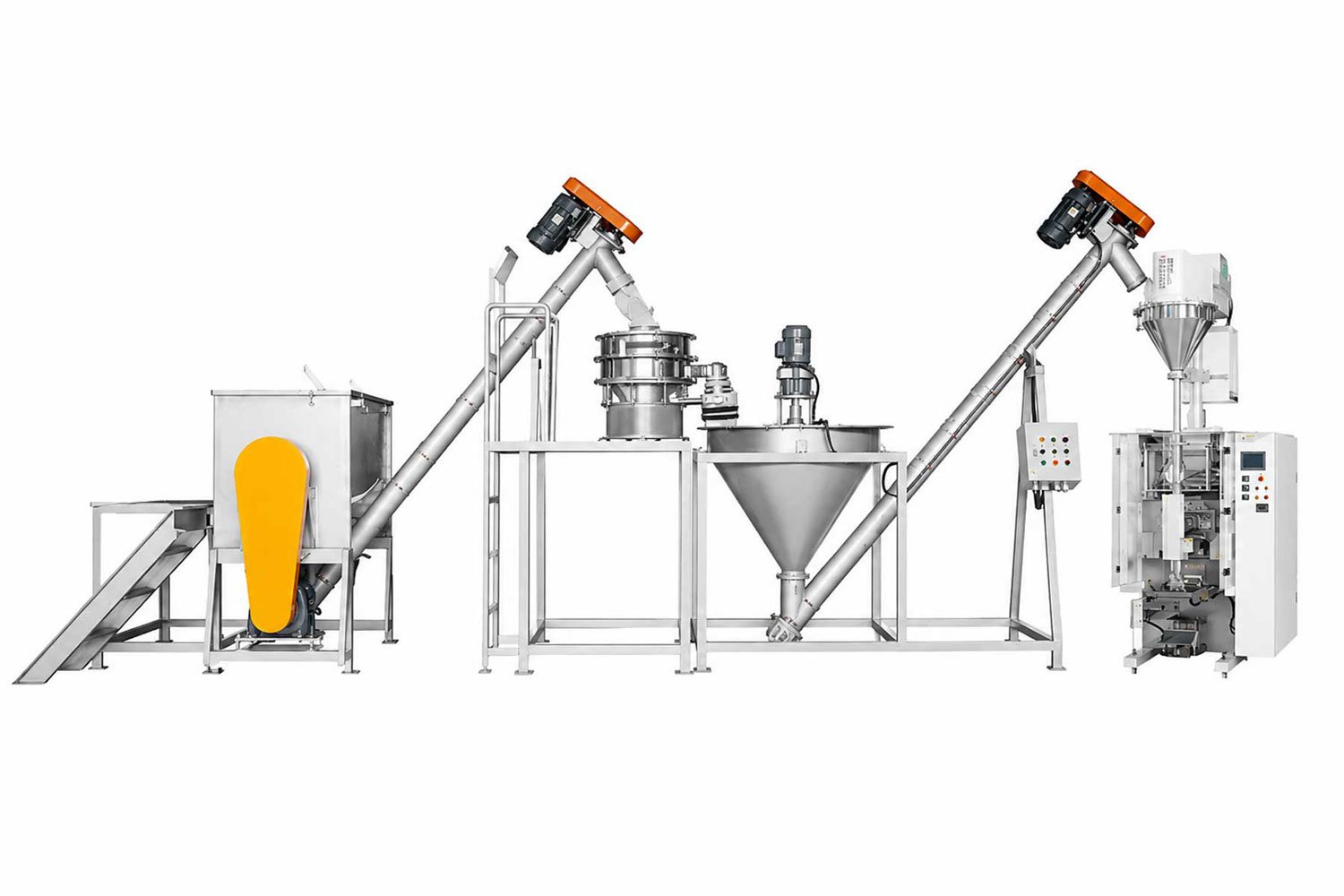
There is a need for the top pea protein powder in India that is offering genuine business opportunities for brands of all sizes. The Foodsure Machines provides production line machinery for making protein bars, dietary supplements, and functional foods utilizing pea and rice protein powder as the primary raw material. Explore top protein bar brands in India for market benchmarking, and review the protein bar production line guide to see how Foodsure Machines helps brands move from formulation to commercially scalable production.
Contact us at wecare@foodsure.in
Frequently Asked Questions (FAQs)
What are the main pea protein powder benefits?
Pea protein powder health benefits encompass building muscle like whey, high satiety, improved heart health using arginine, easy digestion, and vegetarian or vegan or lactose free options.
Is pea and rice protein powder better than pea protein?
In terms of muscle building, it is better. The combination of pea and rice protein powder provides complete amino acids by providing methionine that is lacking in pea protein only.
What is naked pea protein powder, and is it safe?
It is basically pea protein that does not contain any extra ingredients. It is entirely safe for use and recommended for those who require an exact list of ingredients or intend to cook using them.
Which is the best pea protein powder in India?
The best choice is OZiva for people who focus on overall wellness. The best value and pea and brown rice protein powder certified by Trustified is Nakpro. The best naked pea protein powder choice in India is AS-IT-IS.
Is pea protein powder vs whey a fair comparison for muscle building?
Yes. Pea protein powder is known to be effective at producing muscle growth similar to whey protein powder when consumed in equal amounts of total protein daily.
Is pea brown rice protein powder safe to consume every day?
Of course. Pea brown rice protein powder can be safely consumed daily by one to two scoops a day.




