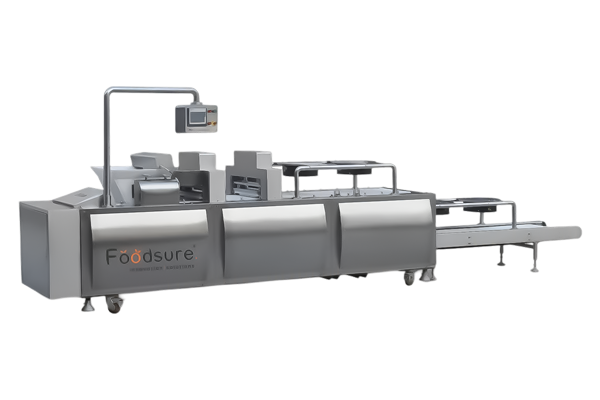
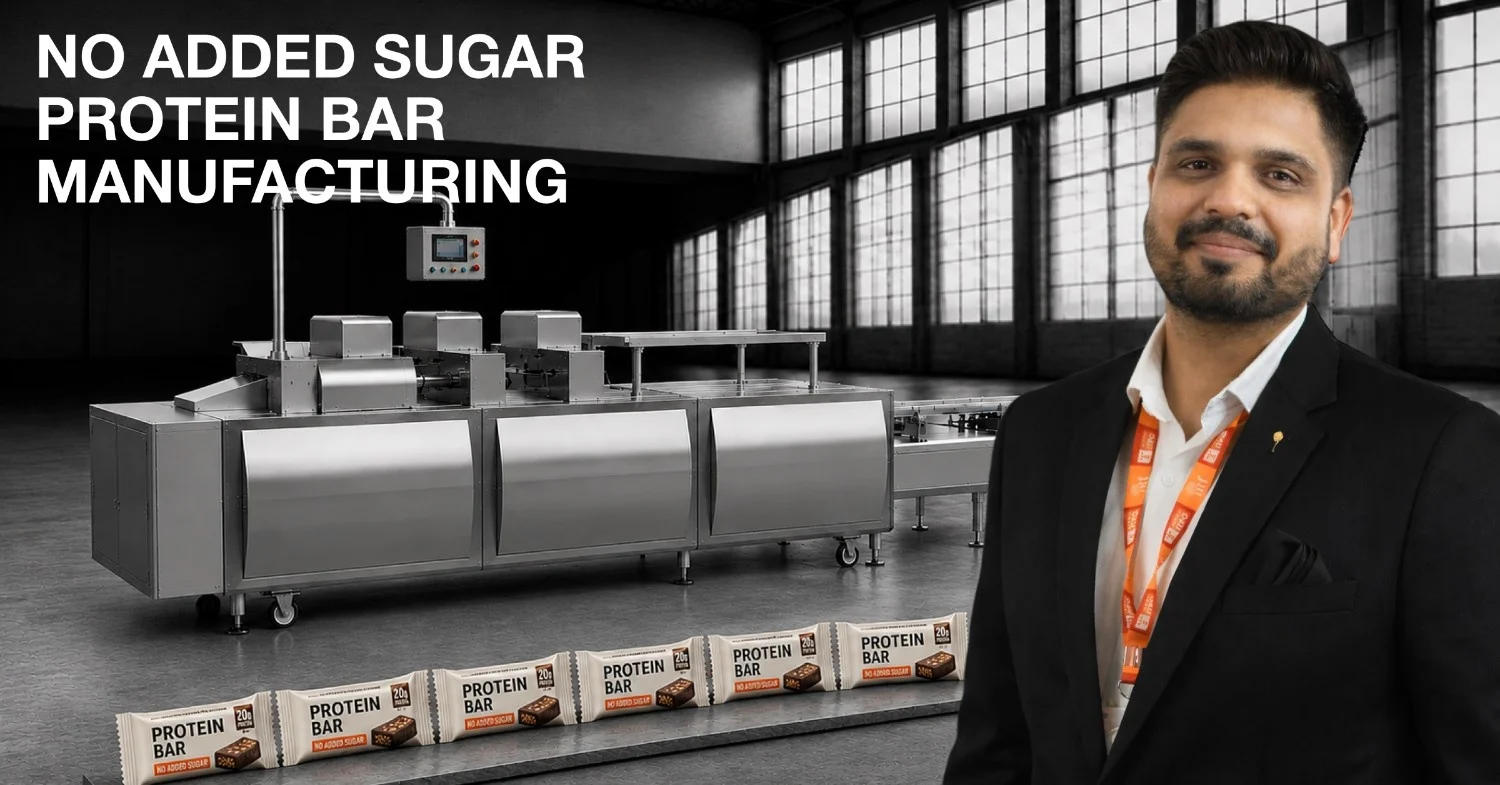
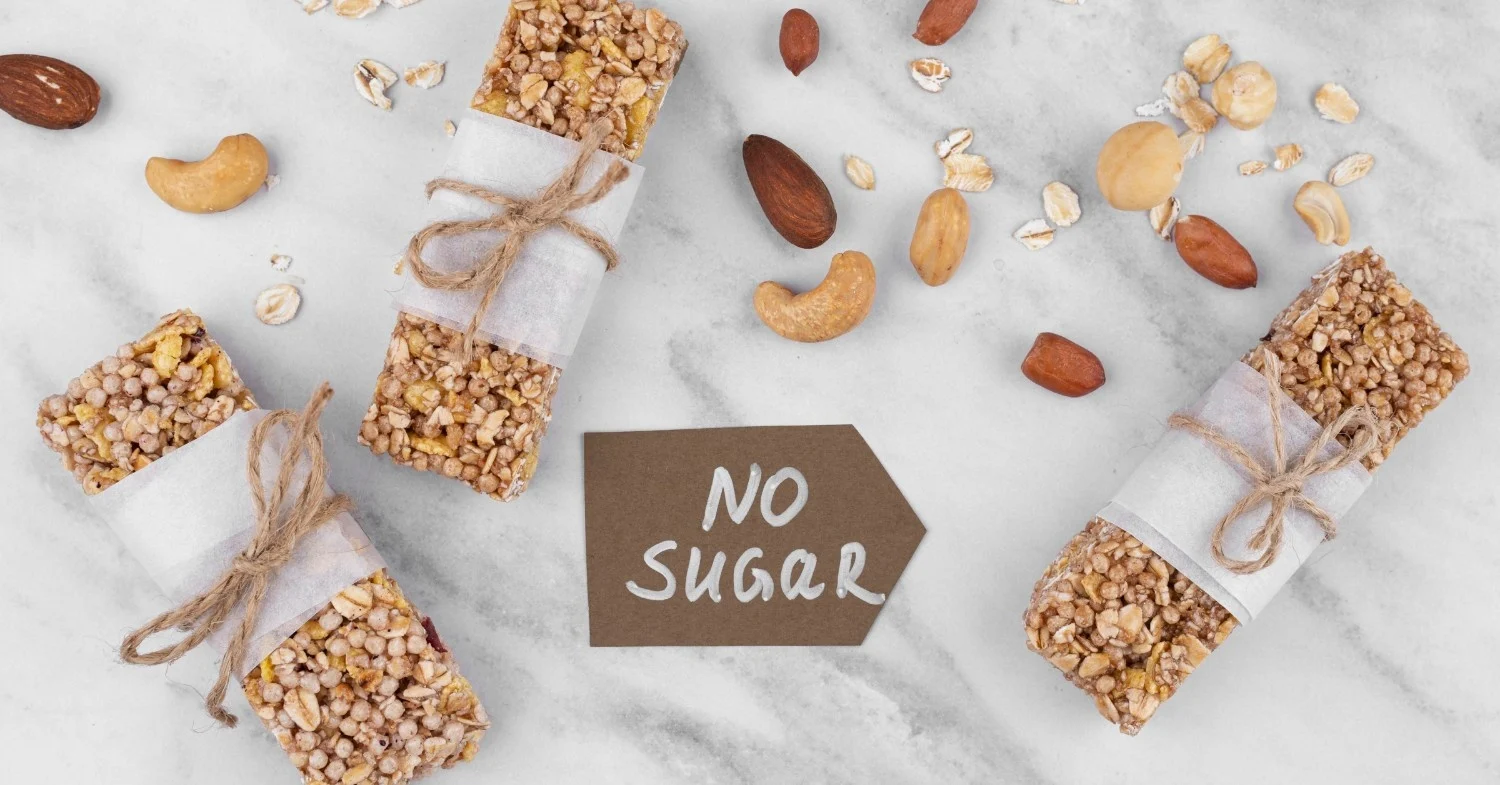
When it comes to maintaining health as well as meeting daily nutritional standards, consumers have begun making healthier lifestyle choices. With increasing levels of consciousness pertaining to sugar and its adverse effects on the health, demand of no added sugar protein bars have soared amongst athletes, fitness addicts and health freaks as well to satisfy their cravings with a sugar-free snack enriched with proteins. It is for the very same reasons that no added sugar protein bar manufacturing is quickly growing as a significant and prospering industry in the realm of food technology.
So in this article, let us come to an understanding on the manufacturing of no added sugar through protein bar machine. By manufacturing no added sugar bars and ensuring its quality and feasibility to consumers in a market like today’s, food businesses can create a viable profitable business. Modern factories and manufacturing facilities typically utilize automatic systems in this production process to facilitate efficiency and standard consistency. This process has gained considerable prominence since it also entails several health benefits, particularly for health conscious people, making it quite suitable.
Overview – An Introduction To No Added Sugar Protein Bars Manufacturing
The Manufacturing Process of No Added Sugar Protein bars involves combining protein enriched ingredients along with the blend of natural sweeteners and a series of functional additives to get the best and nutritious snack bar made from sugar free proteins. The main concern for the manufacturers is to give a proper blend of taste and a healthy composition to the product without being loaded with any artificial sugar and refined sugars.
Flow Chart of No Added Sugar Protein Bar Manufacturing
Manufacturing Flow Chart
This flow chart demonstrates the whole no added sugar protein bar manufacturing workflow from raw material sourcing to final product wrapping. Every stage is structured to sustain nutritional value and product uniformity. Automatic machines within the manufacturing assist to boost the efficiency while supporting food safety requirements.
Raw Materials Required For No Added Sugar Protein Bars
The foundation of successful no added sugar protein bar formulation lies in selecting high-quality raw materials.
| Raw Material Category | Examples | Purpose |
|---|---|---|
| Protein Sources | Whey Protein, Pea Protein, Soy Protein | Protein enrichment |
| Whole Grains | Oats, Quinoa Flakes | Texture and energy |
| Natural Sweeteners | Dates, Monk Fruit, Stevia | Sweetness without added sugar |
| Nut Butters | Almond Butter, Peanut Butter | Binding and healthy fats |
| Fiber Sources | Chicory Root Fiber, Oat Fiber | Digestive support |
| Functional Ingredients | Vitamins, Minerals | Nutritional enhancement |
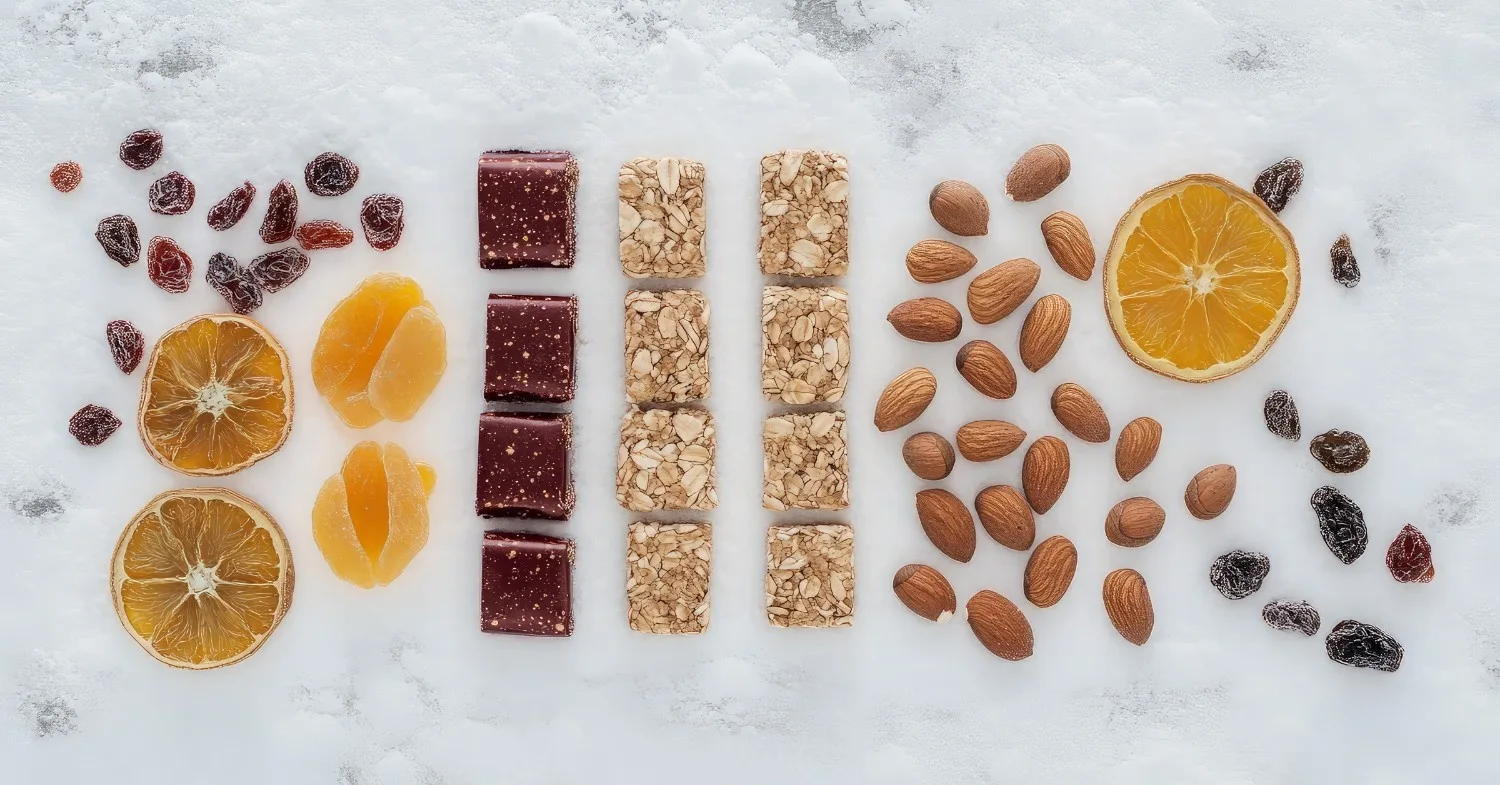
General Ingredients –
Protein Powders –
Whey, soy, and plant-based proteins build the major nutritional value. They supply prominent amino acids and aids in attaining target protein grades. Producers choose protein sources based on product positioning.
Natural Sweeteners –
Dates, stevia, monk fruit, and erythritol provide sweetness without added sugar. These compositions help protein bar manufacturing with natural sweeteners while keeping the desired flavour profiles and calorie control.
Whole Grains –
Oats and quinoa provide fiber, texture, and sluggishly-releasing energy in terms of carbohydrates. They escalate the product structure while improving the nutritional value. Whole grains also improve consumer interest.
Nut and Seed Butters –
Almond, peanut, and sunflower seed butters add nutritious cholesterol and improve its texture. These compositions too act as natural binders. Their flavour improves the whole sensory feel.
Functional Nutrients –
Vitamins, minerals, probiotics, and fiber improves the product functionality. These ingredients assist producers create differentiated products. Functional additions can target particular health advantages.
Complete Production Line for No Added Sugar Protein Bars
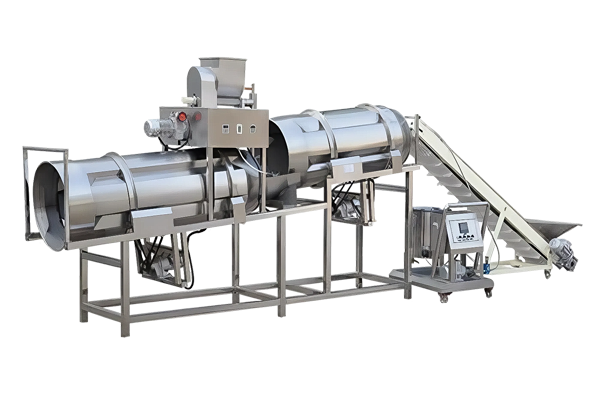
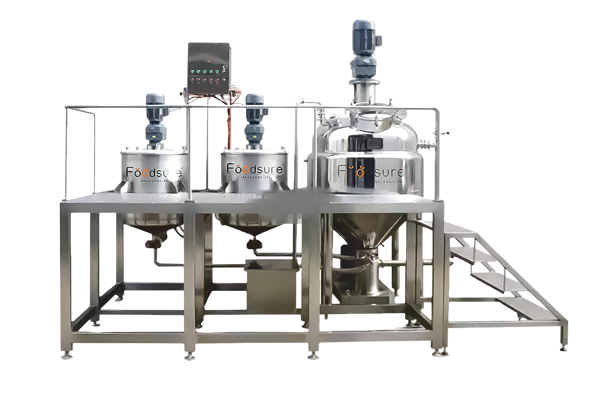
A fully automatic no added sugar protein bar manufacturing facility includes integrated machinery operating altogether to assure efficient manufacturing.
| Equipment | Function |
|---|---|
| Raw Material Feeding System | Transfers ingredients automatically |
| Industrial Mixer | Blends ingredients uniformly |
| Syrup Preparation Tank | Processes natural sweeteners |
| Extruder/Forming Machine | Shapes bar mixture |
| Cooling Tunnel | Stabilizes product structure |
| Cutting Machine | Produces uniform bars |
| Coating Machine | Applies optional coatings |
| Packaging Machine | Wraps finished products |
The table below presents the equipment that is used to make a sugar free protein bar, each having their own role in the sugar free protein bar production process. Through advanced automation the consistency and effectiveness of production have been maximised.
How To Manufacture No Added Sugar Protein Bars
1. Quality Inspection of Raw Materials.
As soon as raw ingredients arrive, they must undergo strict testing of humidity, purity, consistency and adherence to product specifications.
2. Batching and Weighing Ingredients.
According to the approved no added sugar protein bar recipe, a batch of required raw ingredients must be weighed with care.
3. Mixing and Blending.
All mixed together must the components be a protein, grain, and fibers, as well as any natural sweetener utilized.
4. Preparation of Natural Sweeteners.
All the prepared mixture is being put into a protein bar machine maker. After having gone through multiple cycles, the ingredients begin to transform. 5. Forming and Extruding the Protein Bars. Automated form and extruding machinery will produce large slabs of the protein bar mix.
6. Cooling
The slabs then will pass through a cooling process to help make the structure of the bars firmer.
7.Portioning the Bars.
Automated cutters are used to cut uniform protein bar bars out of the slabs with specific size and shape.
8. Optional Coating.
To make delicious natural sweet snacks, some brands would decide to coat their no added sugar bars.
9. Packaging.
The protein bar is then sent to a packaging machine that will tightly seal each piece of snack.
10. Final Quality Check and Storage.
The last step is checking for food safety and appearance and storing them ready to be shipped out to be enjoyed!
Foodsure Machines and Services
Foodsure machines offers complete solutions for protein bar production and functional snack manufacturing.
| Foodsure Solution | Service Offered |
|---|---|
| Production Equipment | Complete manufacturing systems |
| Process Engineering | Production optimization |
| Installation Support | Equipment commissioning |
| Technical Training | Operator skill development |
| Maintenance Programs | Preventive equipment care |
| Customized Line Design | Tailored production solutions |
Foodsure machines partners with manufacturers in the protein bar manufacturing industry to support their production processes with machinery and technical knowledge. This assistance can lead to enhanced process efficiency and fewer problems. Full, end to end support gives you access to a scalable manufacturing partnership.
Advantages of Automated No Added Sugar Protein Bar Manufacturing –
Increase Production Efficiency –
Automation minimizes production downtime, increases output, streamlines throughput via continuous operations and supports meeting a continuously increasing consumer market.
Consistent Product Quality –
An automated production setup provides consistent blending and handling of the mix, ensuring that every no-sugar added protein bar is consistent in flavour and nutritional value. Variation in ingredients is less of an issue.
Reduced Operational Cost –
Automation, especially through reduced labour and less material wastage, can significantly reduce overall costs associated with protein bar production over time. This leads to higher profitability for the manufacturer.
Improved Food Safety –
Automation, particularly the reduction of manual touching during the protein bar manufacturing process, can lead to a dramatic reduction in contaminant risk. Compliance and food safety are also typically improved.
Conclusion –
The manufacturing of no-added sugar protein bars uses a mix of innovative technology and the most ingredients and methods to create safe products free from refined sugar. Understanding how no added sugar protein bars are made can guide manufacturers to create a seamless, top quality production. A successful process for no added sugar protein bar manufacture involves ingredients prep, mixing, formed protein bars processing, cutting and packaging. Whether you’re creating a sugar-free protein bar that is gluten-free or entirely paleo and grain-free, reliable machinery and the knowledge of how to make sugar-free protein bars is essential for your business.
Foodsure machines offer machinery, technical, and operational assistance to clients interested in scalable, profitable protein bar production.
Frequently Asked Questions(FAQs)
01 How are no added sugar protein bars manufactured?
No added sugar protein bars are manufactured through mixing proteins, fibers, whole grains, natural sweeteners, and healthy fats, which is formed, cooled, cut, packaged, and finally undergo quality control before being made commercially through automated production systems.
02 What sweeteners are used for no added sugar protein bars?
The natural sweeteners that are commonly used include dates, monk fruit, stevia, erythritol, and allulose.These help to sweeten the bars without using added sugar, but contribute to excellent flavor,texture, shelf-life,and overall desired nutrition in no added sugar protein bars.
03 What type of machinery is needed for producing protein bars?
Generally, the production line needs to have a series of machines like mixers, syrup preparation tanks, extruders, cooling tunnels, cutters, coater and packaging lines. All this machinery plays a vital role in automating protein bar production, improving consistency, optimizing yield, and assuring product quality.
04 What is the significance of protein bar formulation?
Proper formulation is key to creating delicious and satisfying protein bars with acceptable taste, texture, and nutritional content as well as ideal shelf-life and optimum process ability. When it is optimized, it can be seen that various ingredients synergize effectively in protein bar production processes.
05 Why is automated manufacturing useful for the production of protein bars?
Automatic protein bar manufacturing enhances productivity and uniformity while minimizing waste, reducing manufacturing costs and the chance of human error. Automatic systems help to manage consistent processing conditions, uniform final product quality, large-scale manufacturing and meet with higher consumer demands more efficiently.