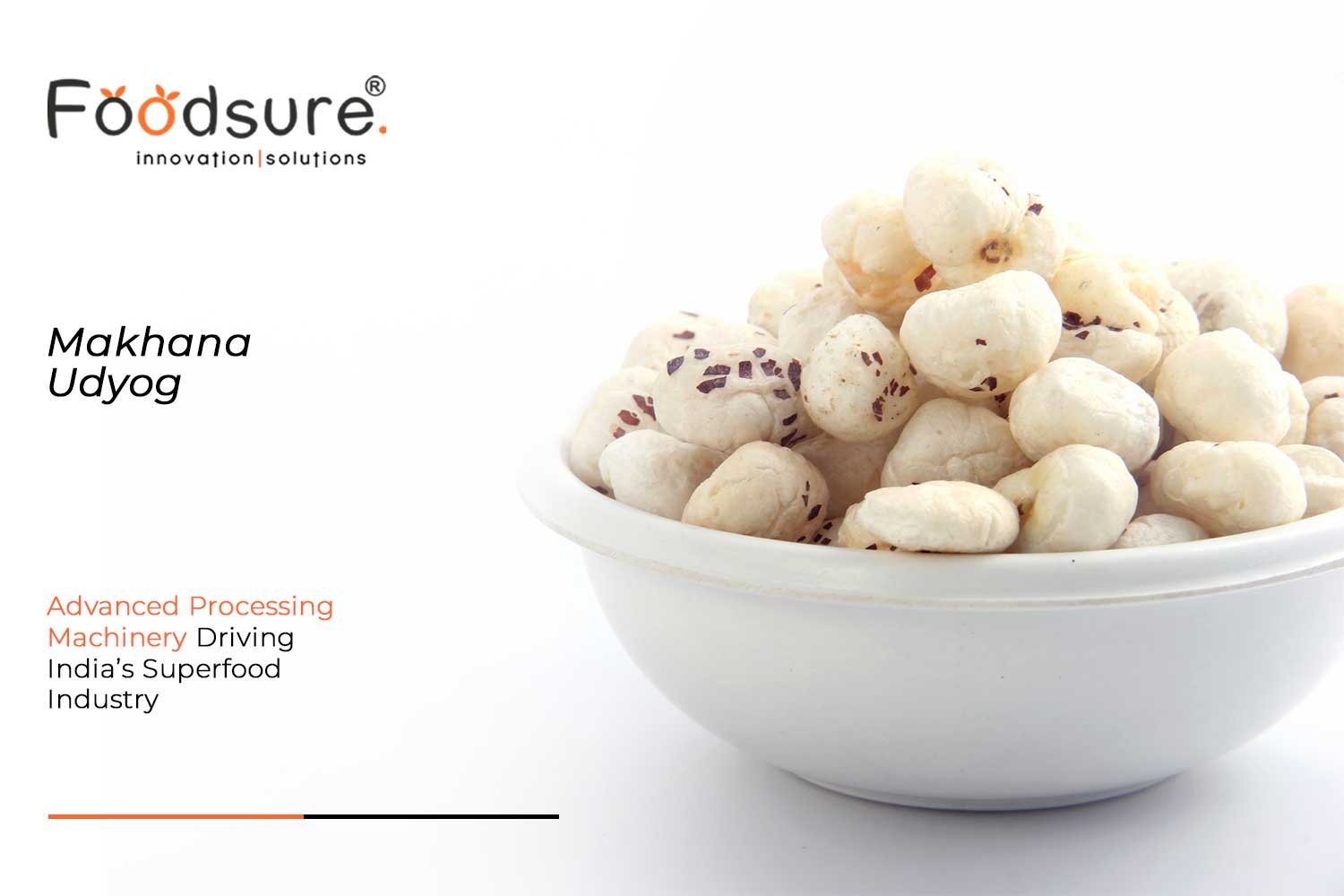
It’s the season for Makhana (Fox Nuts) or “gold” as some may call it. From the small farms of North Bihar’s pond beds, it has evolved into a fiercely competitive multi-billion-dollar Makhana Udyog. This “white gold” is no longer just a religious treat, but a superfood on the gourmet menus of Dubai to New York.
And the key to this boom? A technological revolution. From labour-intensive artisanal work to automation, makhana has become “gold”. 2026 is driving automation for Bihar’s future.
Why Now is the Best Time for Makhana Udyog in India
Health trend and strong government support are a “perfect storm” for the Makhana Udyog.
- The Health Trend: Snackers are moving away from potato chips and towards gluten-free, low-GI and high-protein snacks. Makhana is a “better-for-you” snack.
- Makhana Udyog Bihar: Bihar is the heartland of the industry, with nearly 90% of the world’s production. The Mithila Makhana GI Tag has also helped to promote the region’s brand and ensure quality and authenticity.
- Government Support: In a historic initiative, late last year, the Union Government established the National Makhana Board. This is providing an enormous boost of ₹476 Crore, through a Central Sector Scheme (2025-2031) on quality seed, research and exports.
Breaking Down the Makhana Udyog Setup: From Seed to Shelf
Setting up a Makhana Udyog involves understanding the value chain. It’s not just roasting, it’s a manufacturing process.
Phase 1: Sourcing of Raw Material
It all begins with a pond. The key to success is to get the best quality seed (Gulla) from the Seemanchal region of the districts Purnea, Katihar and Madhubani. The new Sabour Makhana-1 variety, released in 2016, has improved yields.
Phase 2: The Infrastructure
To set up a new makhana laghu udyog:
- Land: Minimum 2,000 – 3,000 sq ft for making and storage.
- Power: Industrial power for roasters.
- Hygiene: Epoxy floor and SS304 for export.
Phase 3: The Technology
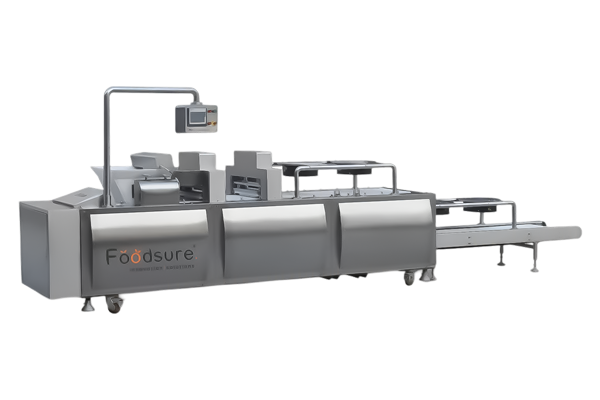
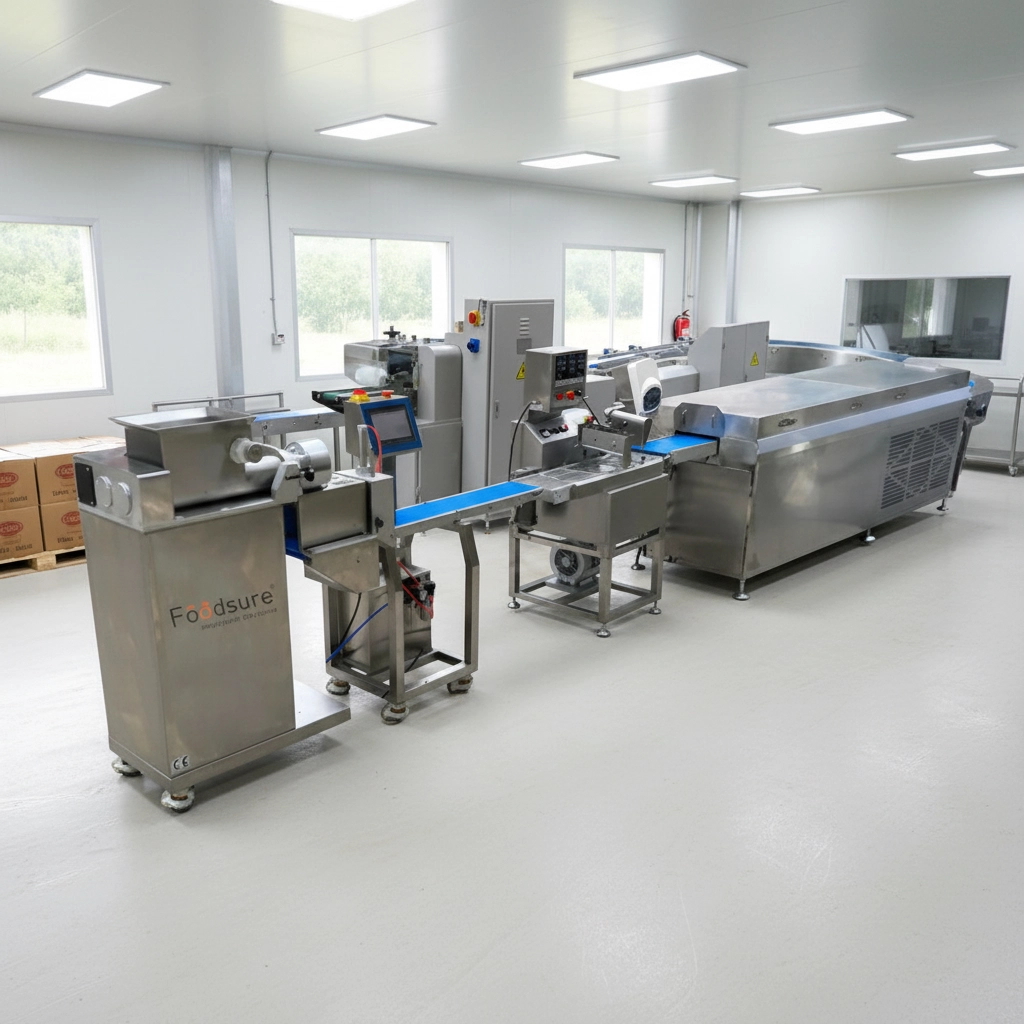
This is where Foodsure Machines can help. Manually, the breakage rate is 15%+; with machines, the breakage rate is 5% or less, allowing you to make more and better quality products.
Machines for a High-Yield Makhana Processing Unit
Technology will help “sellers” become “exporters”.
- Automatic Roasting Machines: Foodsure Machines’ specially designed roasters ensure uniform roasting. This helps retain the all-important 5% moisture content – the “sweet” spot for crunchiness.
- Mechanical Grading & Sorting: Vibratory and rotatory graders provide uniform grading, so you can market “Jumbo” grades at a higher price.
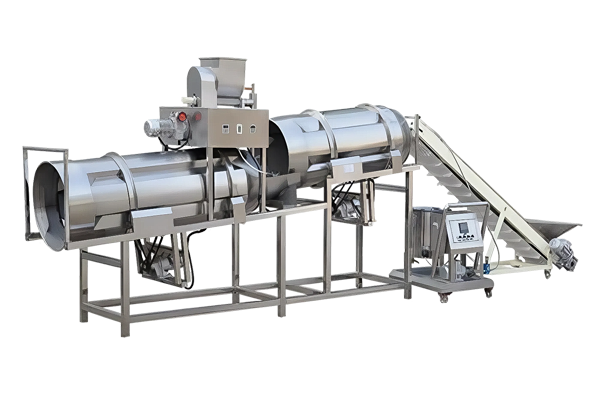
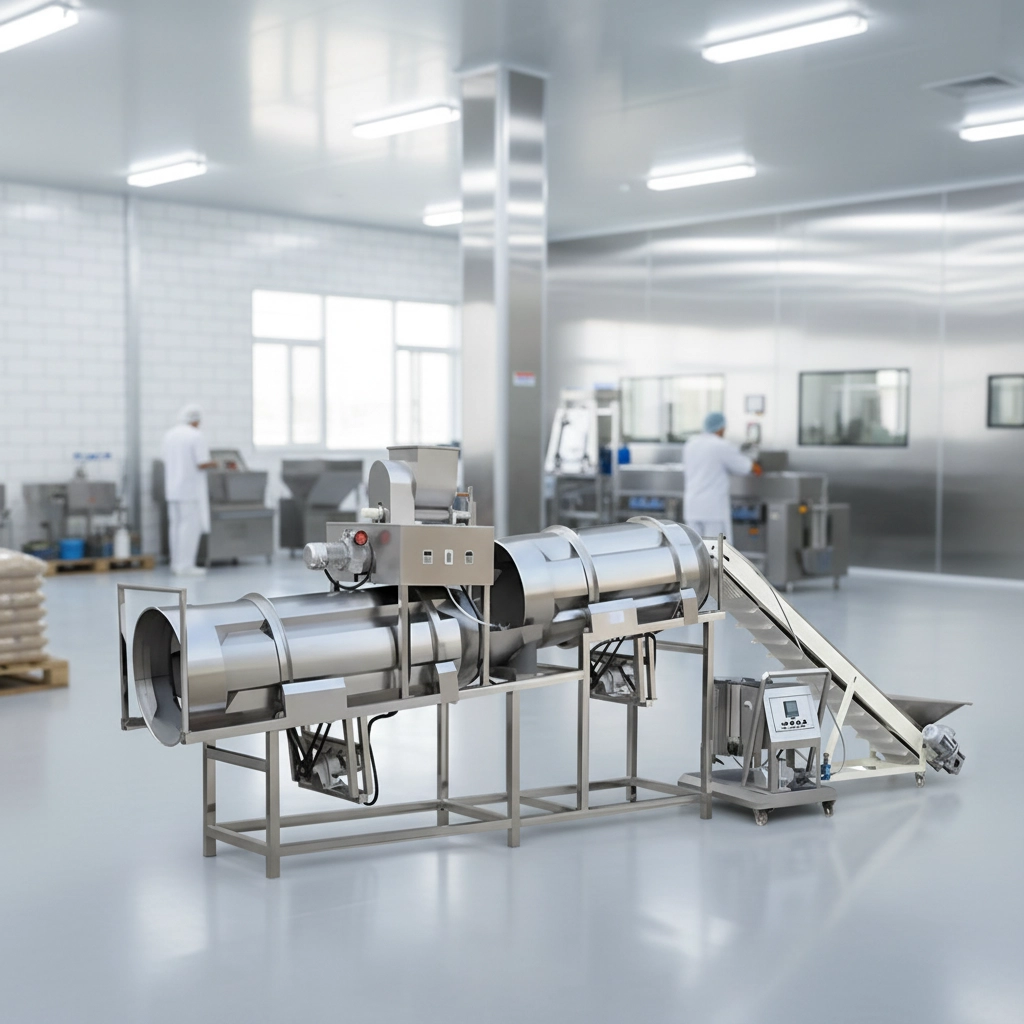
- Flavour coating & seasoning cutter machine: makhana vyapar is now a “flavour” business. Coating drums allow you to coat Makhana with Peri-Peri, Mint or Himalayan Pink Salt without it getting soggy.
- New Packaging: Nitrogen gas is used to seal the pouches to avoid oxidation and prolong the shelf life of the product to over 6 months, making them “store-ready”.
Financial Outlook: Makhana Processing Unit Cost and Profitability
Is it a profitable business? The numbers indicate yes.
| Scale of Operation | Cost of Makhana Processing Unit | Target Market |
|---|---|---|
| Small-Scale (Laghu Udyog) | ₹5 Lakhs – ₹15 Lakhs | Local retail & regional B2B |
| Industrial-Scale | ₹25 Lakhs – ₹50 Lakhs | National brands & export |
Makhana Business Profit
It’s a lucrative business. The cost of raw seeds is about ₹300 – ₹400/kg. The processed, branded and flavoured products cost about ₹1,000 – ₹1,500/kg.
Challenges in Traditional Makhana Udyog and Foodsure Machines Solutions
The traditional processing is arduous; operators sit in a hot environment, breaking nuts. This leads to:
- High Breakage: Hand cracking breaks the nut shell.
- Variability: Quality is inconsistent.
- Low Capacity: Difficult to export 2 tonnes of makhana.
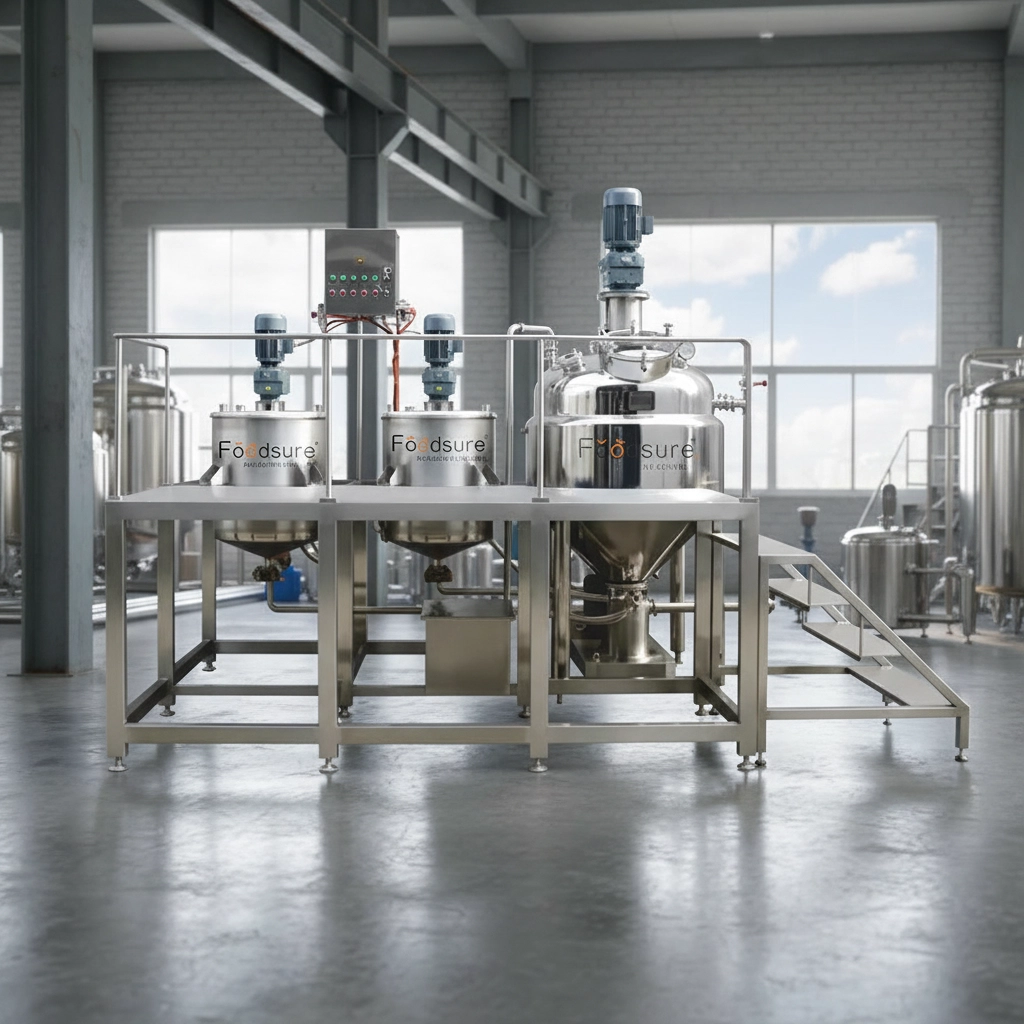
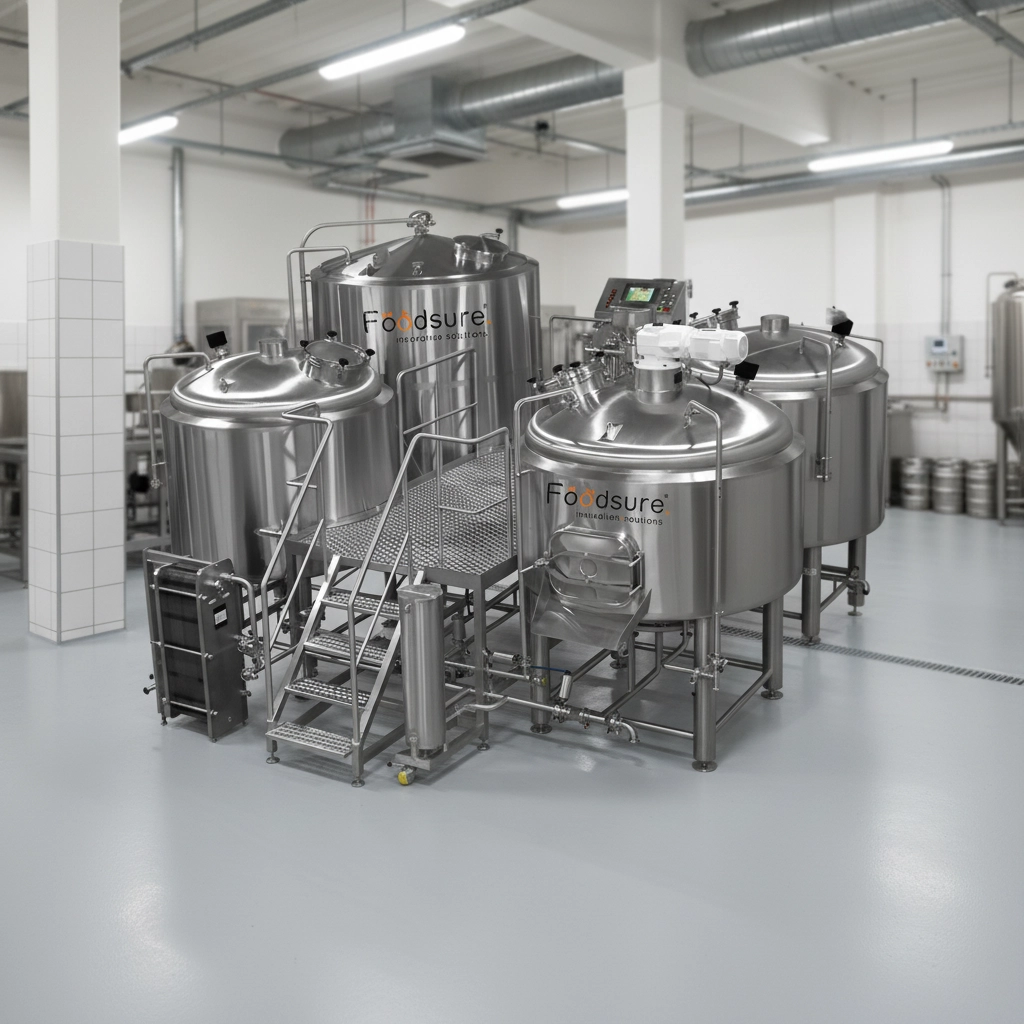
Foodsure Machines Solution: We have SS304 food-grade stainless steel equipment fitted to guarantee a safe, hygienic process (FSSAI and other international standards). Our automation helps a makhana laghu udyog to scale rapidly and efficiently – the 100th bag produced is as good as the 1st.
Steps to Start Your Own Makhana Laghu Udyog
- Market Research: Decide whether you want to serve the B2B (bulk) or B2C (branding) market.
- Licensing and Registrations: Get your Food Safety and Standard Authority of India (FSSAI) license, Micro, Small and Medium Entrepreneur (Udyam) registration, Goods and Services Tax (GST) and Import Export Code (IEC) for export.
- Choose Machinery Partner: Consult with the experts, such as Foodsure, for services starting from designing a factory to installation.
- Packaging: Go for “eye-catchy” packaging. In makhana vyapar, the customers first see and then eat.
The Future of Makhana Udyog in 2026 and Beyond
Makhana Udyog is going to achieve 100% industrialisation. The risks are negligible with the subsidy of up to 75% on the cost of cultivation (about ₹72,750 per hectare) by the government of Bihar and the new National Makhana Board, which will take care of the supply chain issues.
Technology is the bridge; Without it, you are just a trader, but with it, you are a superfood entrepreneur.
Ready for the ride?
Get a customised makhana udyog setup with Foodsure Machines and take your first step toward building a successful superfood brand.
FAQs
How much does a makhana processing unit cost?
For a small-scale (laghu udyog) makhana unit, the investment is ₹5 – 15 Lakhs. The cost of an industrial makhana processing unit with high automation is between ₹25 – 50 Lakhs.
What are the profits of the makhana business?
The profit from a makhana business is good, with a net margin of 40-60%. Processing makhana into flavours and brands, you can sell processed makhana at 3 times the price of seeds.
Why Bihar for Makhana Udyog?
Makhana Udyog Bihar produces 90% of the world’s makhana. The state has the Mithila Makhana GI Tag, technical subsidies, and access to good-quality raw materials.
Which machines are required?
An average makhana udyog set-up involves an Automatic Roaster, a Grading Machine for size sorting, a Seasoning Drum for adding flavour, and a Nitrogen-flushed Packing Machine for preservation.
How does automation help Makhana Vyapar?
Foodsure’s automated machines reduce breakage from 15% (hand-operated) to 5% or less, maintaining quality and enabling you to export on a large scale.