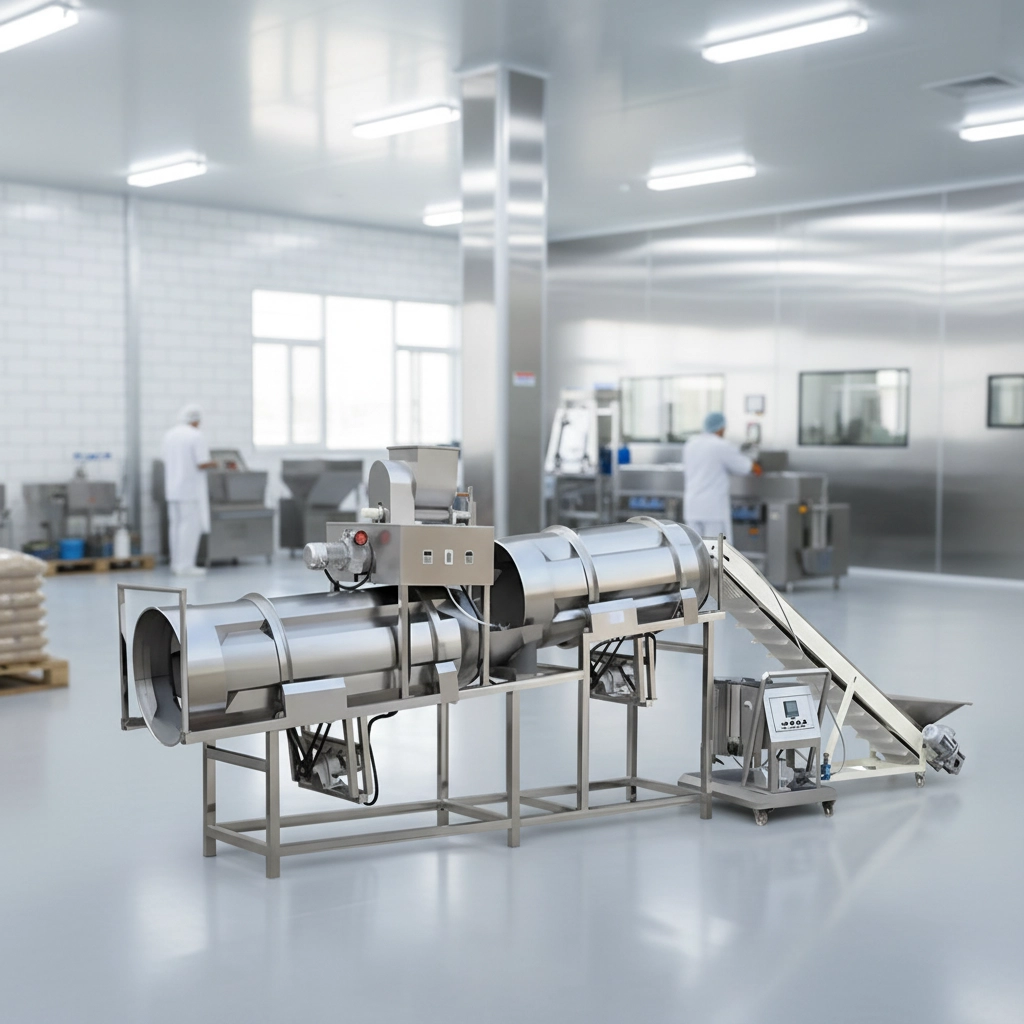
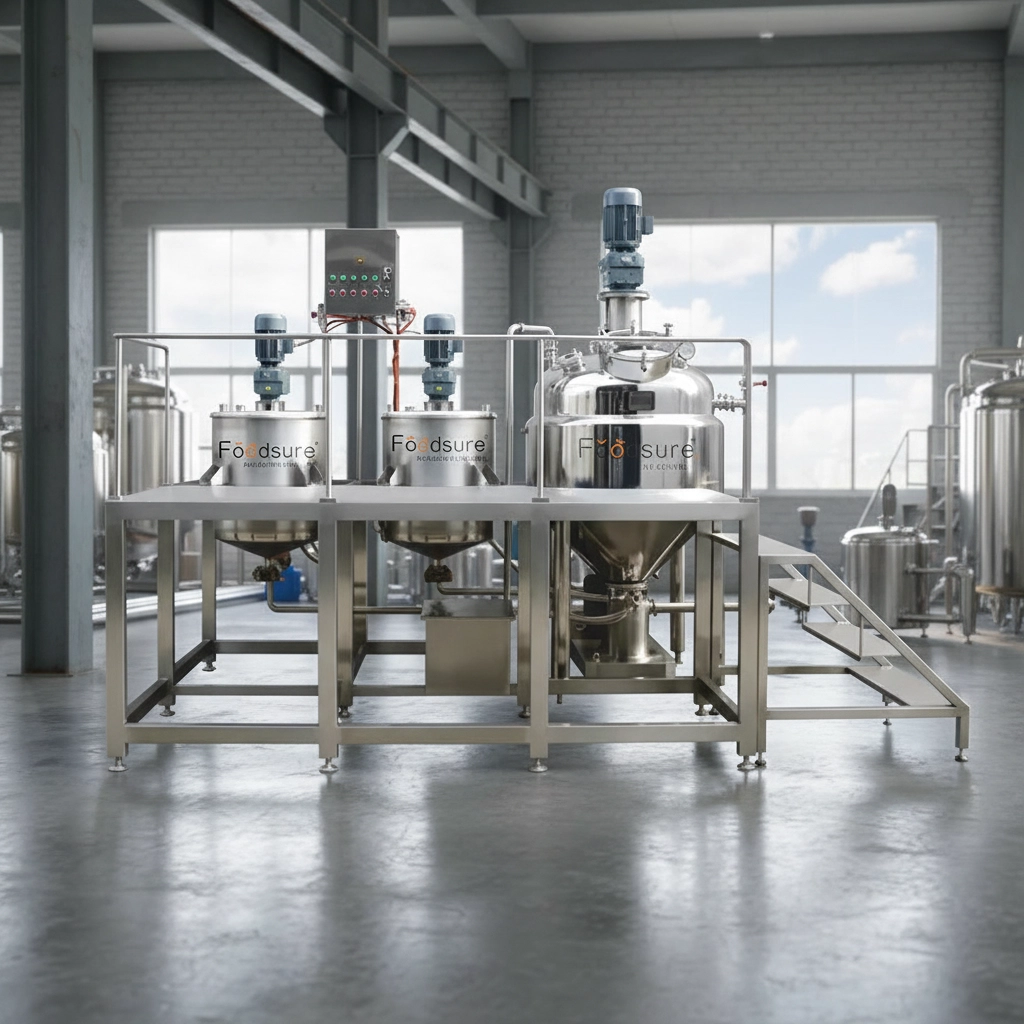
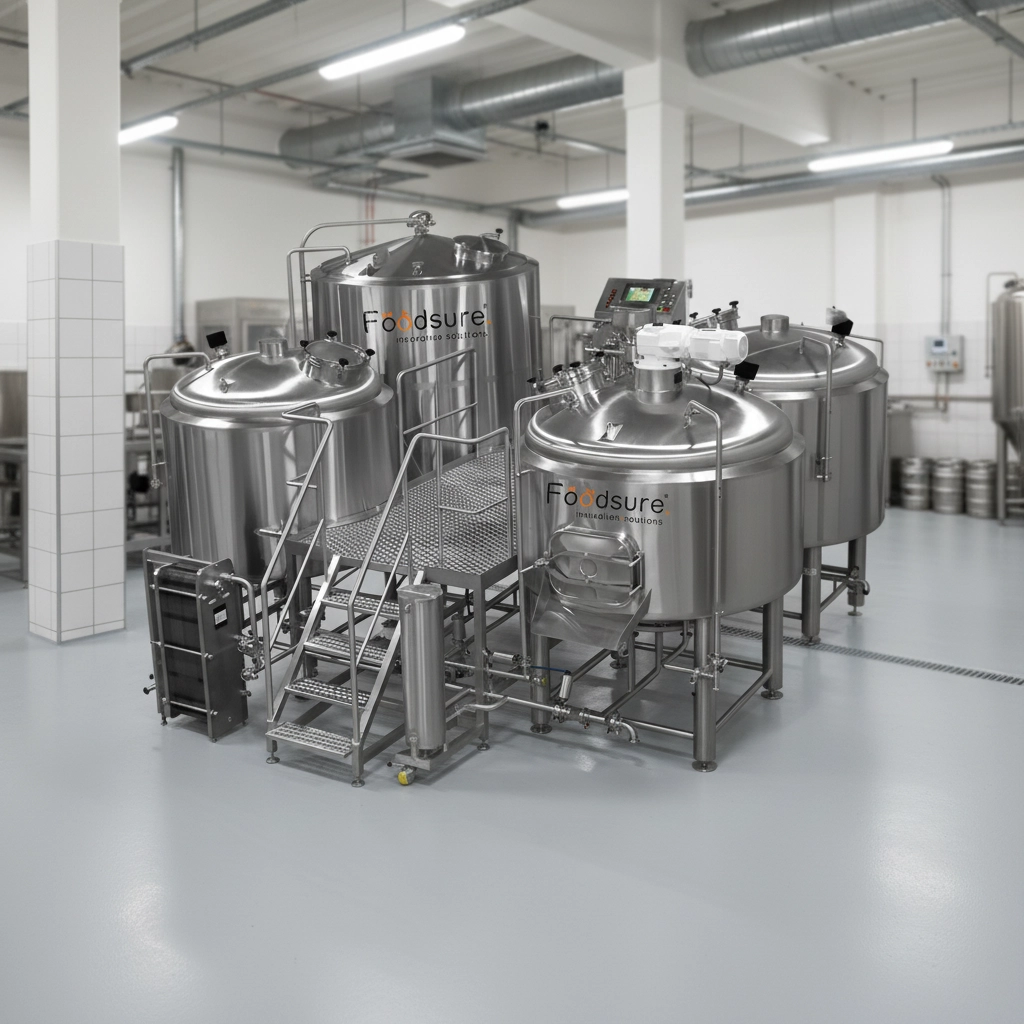
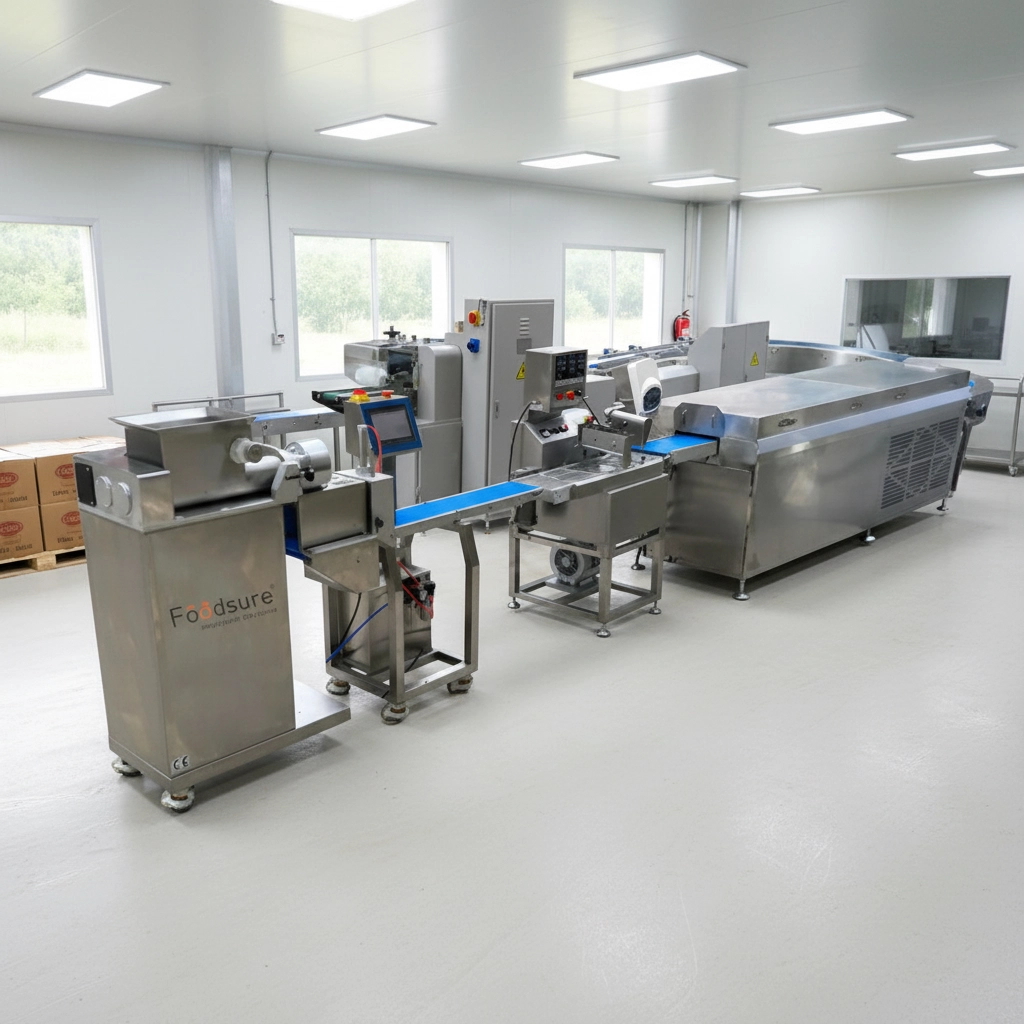
The makhana industry is undergoing a major transformation. Once a small, cottage-based trade, it has evolved into a complex global supply chain. As fox nuts gain popularity as a superfood in international markets, the need for precise, large-scale production in Indian processing units has become more critical than ever.
The makhana cutting machine (also called a sheller or cracker) is the most crucial investment in large units of food processing. It is the engine that makes yield, food safety, and safeguards your profit margins. Here, we explore the 12 game changers of blending high-performance cutting technology in your plant.
1. Massive Reduction in Manual Labor Costs
Hundreds of workers are not needed since the tedious shell cracking is automated.
- Wage Savings: A single makhana cutting machine is equivalent to 20-30 individuals.
- Logistical Convenience: No more headaches in recruitment and seasonal labor shortages.
- Operation Control: Concentrate on the production parameters as opposed to dealing with huge crews.
2. Unmatched Precision and Higher Yield

Kernels are bruised during the manual cracking process, but with precision engineering, your product is safeguarded.
- Minimal Breakage: Have waste less than 5% vs 15% in manual systems.
- Calibrated Pressure: Shells are cracked without pulling on the fragile nut by adjustable rollers.
- Bottom-Line Impact: Better yield will bring lakhs of revenue to large-scale processors.
3. Seamless Integration with a Makhana Grading Machine
The cut is clean to make the rest of the line perfect.
- Clean Separation: Don’t get stuck shells clogging your makhana processing machine.
- Best Sorting: Clean kernels can be sorted by a machine to grade makhana with 100% accuracy.
- Standardization: Achievement of high-value, Grade A export quality.
4. Total Consistency and Product Uniformity
Machines do not get fatigued, and your brand quality is never affected by the shift.
- Standardized Results: Force and precision are the same at hour one as at hour twelve.
- Buyer Trust: Adheres to the rigid uniformity requirements of retail stores and exporters.
- Less Rework: Spend less time discarding quality-check batches.
5. Optimized Performance for the Makhana Roasting Machine
The response of seeds to thermal treatment is directly affected by the quality of the cut.
- Even Heat: Uncracked seeds that are evenly cracked are predictable in their behavior with the makhana roasting machine.
- Balanced Moisture: Accurate cuts guarantee loss of moisture in kernels at a constant, safe rate.
- No Charring: Does not allow small kernels to burn, and large kernels to undercook.
6. Higher Throughput for Seasonal Demands
Manage the seasonal spikes in harvest easily so that your supply chain is moving all year round.
- Volume Capacity: Contemporary units are capable of 100 kg to 500 kg/hour.
- Meeting Deadlines: Process huge quick-commerce or export orders within minutes.
- Reliability: Stop being affected by the availability of labor in the area during peak seasons.
7. Superior Food Safety and Hygiene
Pass FSSAI and international standards by eliminating the human factor.
- SS304 Construction: It is constructed using food-grade stainless steel, which can be easily sanitized.
- Low Touchpoints: Product is handled in a hygienic semi-closed environment.
- Certification Ready: Go through ISO audits with a professional, automated configuration easily.
8. Analyzing the ROI: Makhana Machine Cost India
Consider your makhana machine cost India as a long-term asset, not as a cost.
- Quick Payback: Labor and yield savings can typically justify the cost in 8-12 months.
- Long-Term Asset: Quality machines of a reliable manufacturer of makhana machines have a life span of decades.
- Reduce Unit Cost: Automation will lower your unit cost per kg and increase competitiveness.
9. Durability and Industrial Resilience
Machines used by professionals are designed to resist the abrasive character of makhana shells.
- Hardened Steel: Hardened alloys are a type of alloy that can withstand high friction without depleting.
- Modular maintenance: Interchangeable components make sure that your production line never goes to waste.
- Heavy-Duty Motors: The high torque motors discourage overheating during the 24/7 shifts.
10. Efficient Waste and Shell Management
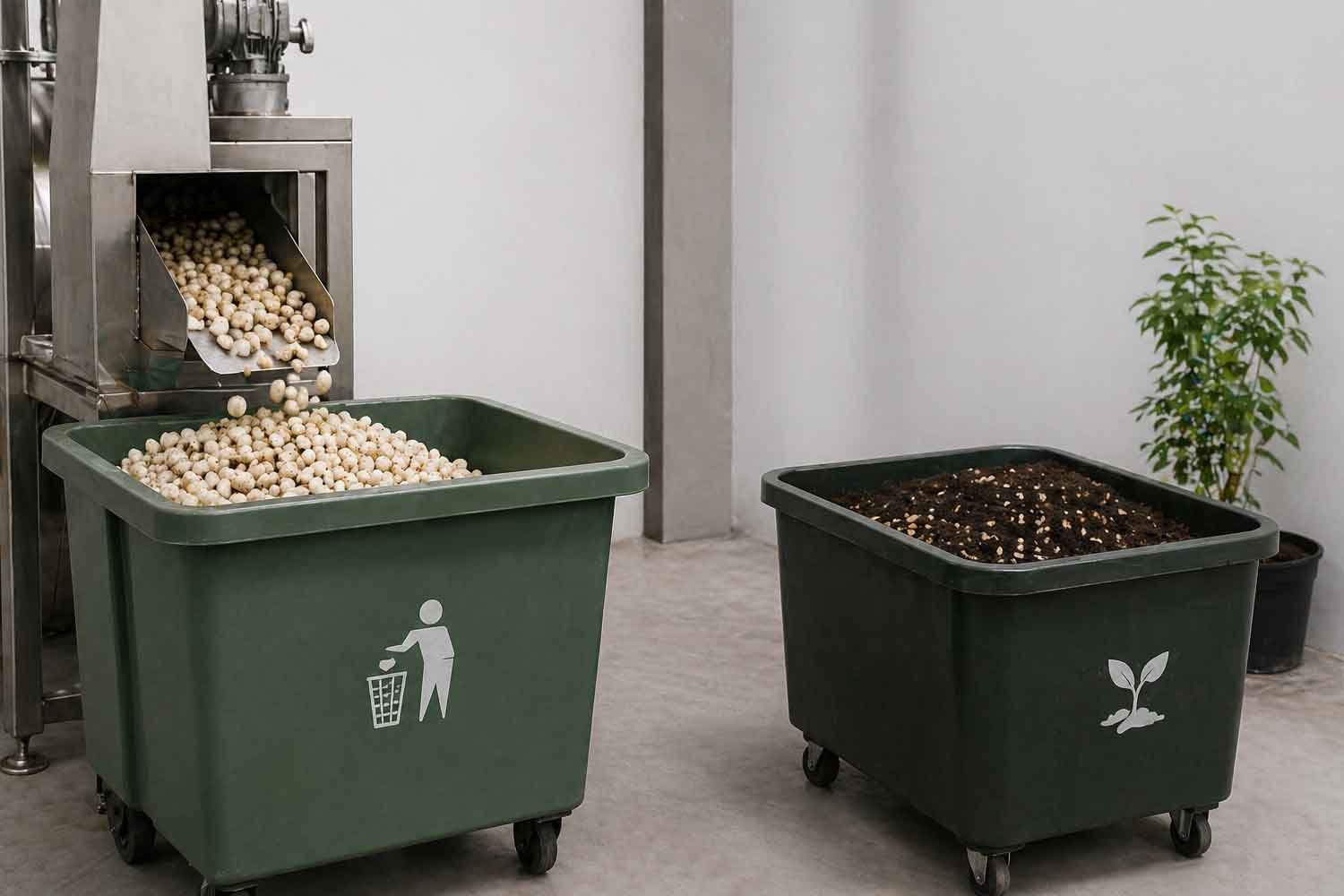
Handling loads of shells discarded without the logistical nightmare of picking.
- Automated Collection: This entails integrated conveyors, which collect shells at one point.
- Secondary Revenue: Sell shells as biofuel or to make organic fertilizer.
11. Scalability and Future-Proofing
Automation now is a way to make expanding your business tomorrow a lot easier.
- Plug-and-Play: It is simple to increase makhana cutting machine units with the increase in demand.
- Data Readiness: With built-in sensors, monitor output, and optimize efficiency.
12. Energy Efficiency for Modern Operations
Not only can it reduce utility costs, but it can also create an eco-friendly brand that is sustainable.
- Optimized Power: High-efficiency motors produce maximum torque using minimum wattage.
- Sustainable Branding: Entice conscious buyers in countries with a smaller carbon footprint.
Understanding the Financials: Makhana Machine Price and Setup
The price of the makhana machine is the question that many people usually ask when establishing a large-scale unit. But an effective entrepreneur gazes at the whole ecosystem. The first makhana cutting machine up to the last packaging should all be in unison.
A cheap, unbranded machine may turn out to be more expensive to maintain and decrease the quality of a product. Never go by the cheapest sticker price, but by the best quality.
Conclusion
The Makhana industry has become an international supply chain. In large-scale units, the makhana cutting machine is essential due to high product output, low labor expenses, and quality standards of high premiums in export markets.
Need to Automate Your Makhana Processing?
At Foodsure Machines, we deal with end-to-end food processing. Our experts will assist you in constructing a lucrative, robotic future.
Ready to upgrade your makhana processing unit?
Get a personalized quote and take the first step toward industrial excellence with high-performance makhana cutting machines for large-scale food processing units.
FAQs
How much does the makhana machine cost in India?
The cost of the makhana machine to India begins at 2 -3 lakh rupees per basic machine, and can even be up to 15 Lakhs+ with fully automated lines.
What is the benefit of the makhana cutting machine?
A makhana cutting machine applies a calibrated pressure to crack shells with minimum breakage, thus enhancing the final output significantly.
What is the reason to use a makhana grading machine?
A grading machine separates makhana seeds according to their size, and this is essential to ensure the quality and easy roasting.
Does the makhana machine last long?
Yes, machines of a reputed makhana machine manufacturer use modular SS304 components, which are suitable for heavy industrial applications.
Is the makhana machine operator dependent?
Contemporary machines are user-friendly and need minimum training for the current personnel.