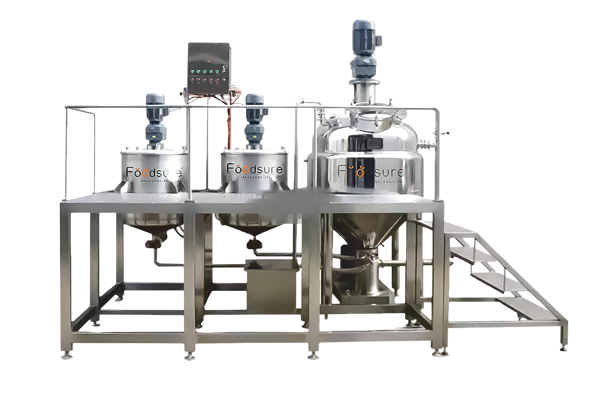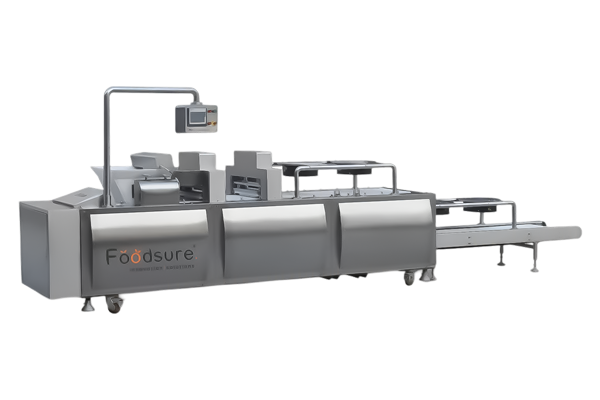
Starting a makhana processing unit is fascinating, but first-time startups often fall into the trap of buying low-cost makhana machines. While the upfront price seems attractive, hidden operational, maintenance, and quality costs within the first six months can slash profits. In this blog, we break down the numbers and show how to protect your investment and scale profitably.
Month 1: Startup Costs & Setting Up Your Makhana Processing Machine
- The price of low-cost machines: A 50 Kg/day low-cost makhana unit costs ₹2–3 lakh.
- Installation costs: One-time expenses of ₹30,000–50,000 will be incurred for installation, basic utilities, and minor staff training.
- Technical drawbacks: The lower-priced machines are often equipped with less durable and inferior-quality parts, such as motors, gears, and heaters that need to be frequently calibrated or even changed during the installation process. These minor defects could cost ₹10,000–20,000 in the first month.
- Production issues: Poorly constructed machines can cause uneven roasting and frequent breakdowns, delaying production and early deliveries.
| Cost Factor | Approx. Amount (₹) |
| Machine Purchase | 2,50,000 |
| Installation & Setup | 40,000 |
| Staff Training | 5,000 |
| Unexpected Parts Adjustment | 5,000 |
Month 2: Daily Operational Challenges in Makhana Processing
- Frequent minor breakdowns: In the case of low-cost makhana machines, problems soon appear as belt slippage, uneven heating, sensor issues, or motor overheating. Although these problems do not halt the production completely, they lead to intermittent stoppages, which in turn lessen the daily output.
- Manual supervision increases: Roasting temperature, feed rate, and discharge timing have to be constantly monitored by the operators, which results in a higher dependence on skilled labour.
- Energy inefficiency: The combination of poor insulation and the use of outdated heating elements results in electricity bills being higher by ₹5,000–8,000 when compared to efficient machines.
- Rising labour costs: Wages for monitoring, manual sorting, and reprocessing, which are considered as extra hands, constitute an increment of ₹10,000–15,000 to the monthly labour expenses.
| Cost Factor | Approx. Amount (₹) |
| Labour | 12,000 |
| Electricity | 6,000 |
| Minor Repairs | 15,000 |
| Material Waste | 7,000 |
Month 3: Hidden Operating Costs in Makhana Processing Start Adding Up
- Inconsistent roasting quality: The makhana making machine that costs less and is used for making makhana has difficulty controlling temperature and feed, thus giving rise to burnt kernels, uneven puffing, and higher breakage. As a result, the saleable output is reduced by 8–12% per batch.
- Raw material wastage: The poor-quality makhana that should be sold at a premium price just gets downgraded or disposed of, quietly taking away margins.
- Buyer rejections: Inconsistent size, colour, and texture are the most common causes of returned or rejected consignments, which cost ₹5,000–10,000 per month.
- Spare part expenses: The changing of belts, heaters, sensors, and bearings frequently adds another ₹3,000-5,000 to the monthly expenses.
| Cost Factor | Approx. Amount (₹) |
| Material Wastage | 8,000 |
| Client Returns | 7,000 |
| Spare Parts & Shipping | 4,000 |
| Downtime Revenue Loss | 10,000 |
Month 4: Maintenance and Efficiency Issues in Makhana Machines
- Frequent breakdowns: After four months, the degradation of the motors, heaters, and transmission parts of low quality becomes a usual thing. The startups generally require 2–3 trips by a technician each month for quick repairs and recalibration, even for minor ones.
- Production downtime: The operating hours are lost with each breakdown, so the monthly output is reduced by 10–15% and, consequently, the revenue of ₹8,000–15,000 is lost.
- Maintenance expenses: The costs of technicians, their transportation, and spare parts are gradually increasing the overhead.
- Labour inefficiency: The workers are less productive as they have to supervise manually and do rework; per-kg processing costs are higher.
| Cost Factor | Approx. Amount (₹) |
| Technician Visits | 12,000 |
| Downtime | 10,000 |
| Labor | 13,000 |
| Electricity | 6,000 |
Month 5: Operational Stress and Profit Dip in Makhana Processing
- Cumulative hidden costs: By month five, maintenance, energy inefficiency, labour overtime, spare parts, and wastage usually account for extra costs of ₹55,000–1,00,000 per month, much higher than the initial estimates.
- Revenue erosion: The volume of saleable product is reduced, and revenue is cut monthly, as the machine stoppages, inconsistent output quality, and rejected batches are frequent.
- Higher cost per kg: The processing cost per kg is growing dramatically, which in turn makes it difficult to compete with pricing without losing margins.
- Scaling limitations: The startups are concluding that the low-cost makhana machines cannot cope with the demand and operate for longer hours.
| Cost Factor | Approx. Amount (₹) |
| Labor | 12,000 |
| Electricity | 6,000 |
| Material Wastage | 8,000 |
| Repairs & Spare Parts | 15,000 |
| Client Returns | 7,000 |
| Downtime | 10,000 |
Month 6: Break-Even Reality Check for Makhana Processing Units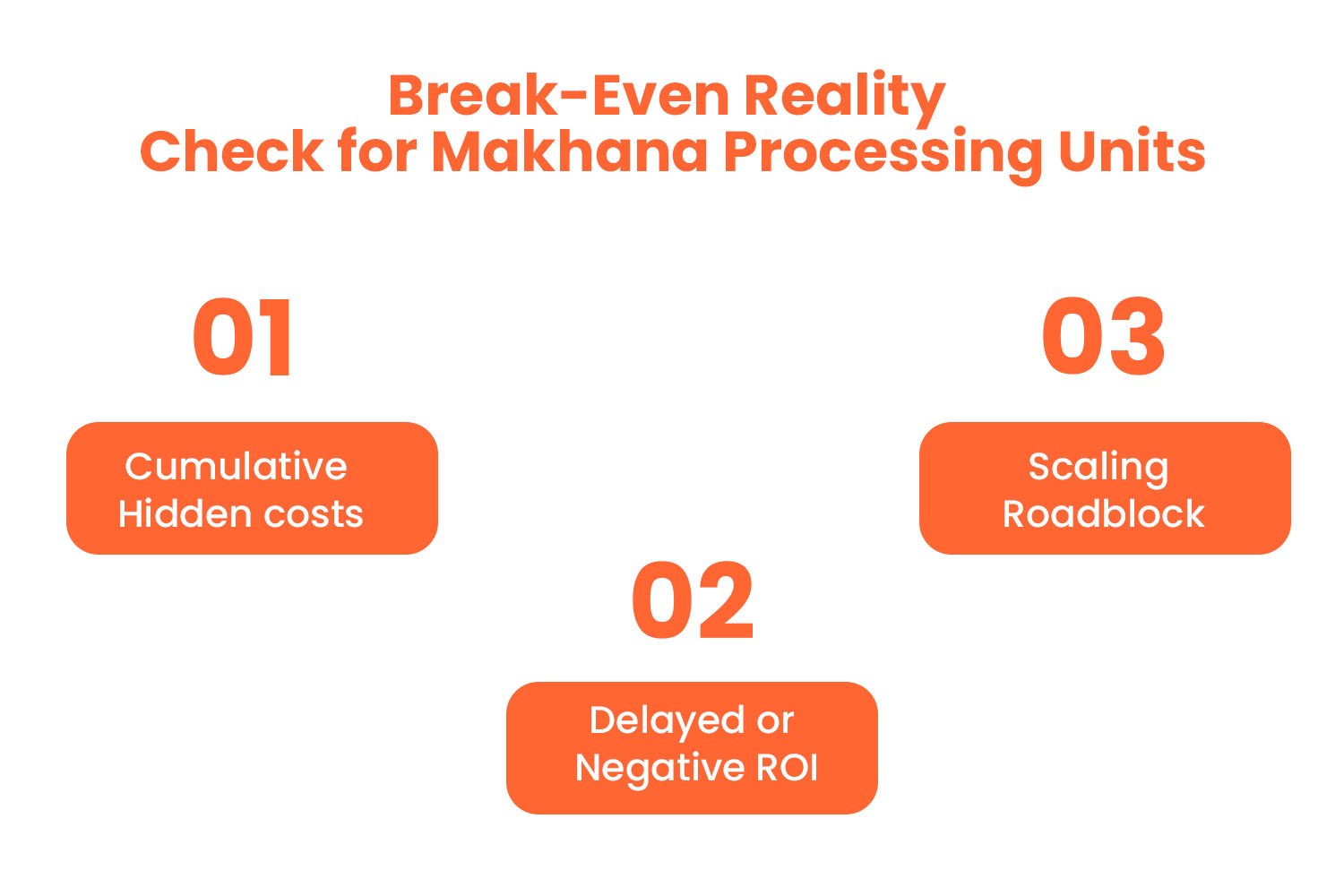
- Cumulative hidden costs: By the sixth month, the sum of the separate costs relating to repairs, spare parts, energy losses, labour inefficiencies, downtime, and wastage can amount to between ₹3-6 lakh; this amount is often equal to or more than the cost of the original machine.
- Delayed or negative ROI: Due to increased operating costs and not having a constant output, many startups are unable to meet the break-even timelines. In some cases, the monthly cash outflow is higher than the revenue, resulting in marginal or negative ROI.
- Scaling roadblock: The equipment is not capable of supporting the higher capacity or longer working hours, thus making it necessary to reinvest earlier than planned.
Read more: ROI Makhana Processing Machine For Village Units
| Cost Type | Total 6-Month Impact (₹) |
| Labor | 70,000 |
| Electricity | 36,000 |
| Repairs & Spare Parts | 75,000 |
| Material Wastage | 45,000 |
| Downtime | 60,000 |
| Client Returns | 42,000 |
| Total Hidden Costs | 3,28,000–6,00,000 |
How Startups Can Avoid the 6-Month Profit Trap with the Right Makhana Machine
- Map true ROI before purchase: Go beyond the makhana machine price. Calculate the ROI by including all the other factors, such as maintenance, energy consumption, total labour hours, losses due to downtime, spare parts, and wastage of raw materials. What at first glance seems inexpensive can later become very costly in operations.
- Account for recurring operating costs: Every month, inefficient heaters, poor insulation, and manual monitoring increase the electricity and labour costs, which largely determine the profitability of your unit.
- Start small-scale smart: An industrial makhana making machine with a capacity of 50 Kg/day is useful to confirm demand, make the processes smooth, and know the real operating costs before going for the next batch of capacity.
Read more: Top Industrial Makhana Roasting Machine | Best 2025
Conclusion
During the first half year, inexpensive makhana manufacturing machines usually make a loss due to hidden costs and downtime. However, at Foodsure Machines, we are here to assist you in steering clear of these snares. Our products target dependable output, reduced operating costs, and quick ROI, helping your business grow sustainably, without costly setbacks.