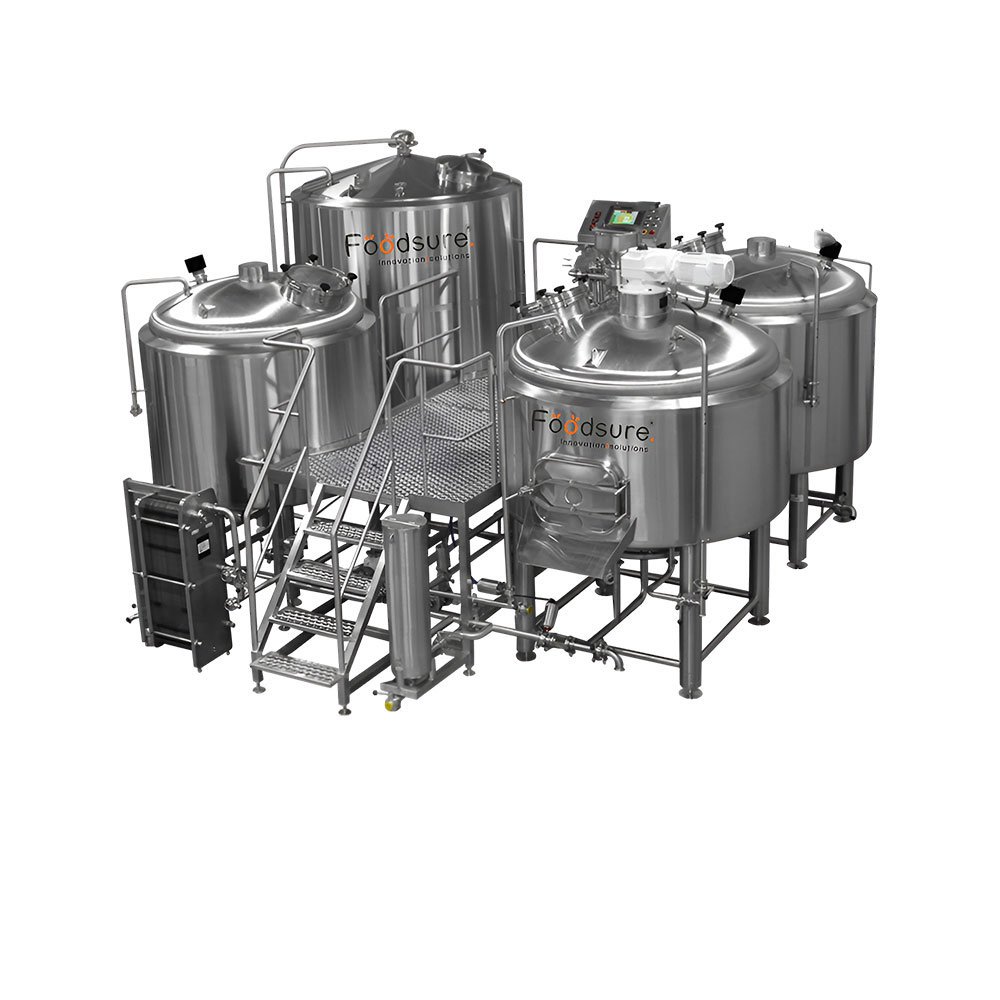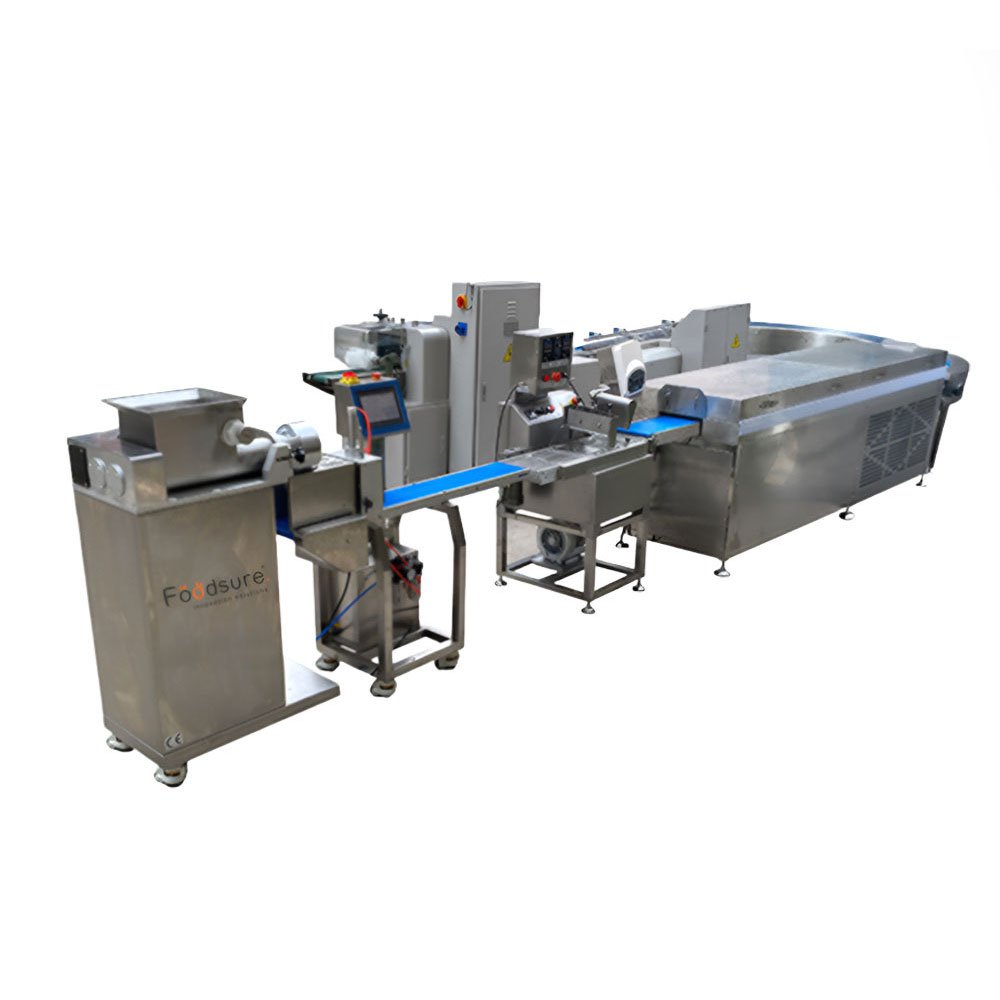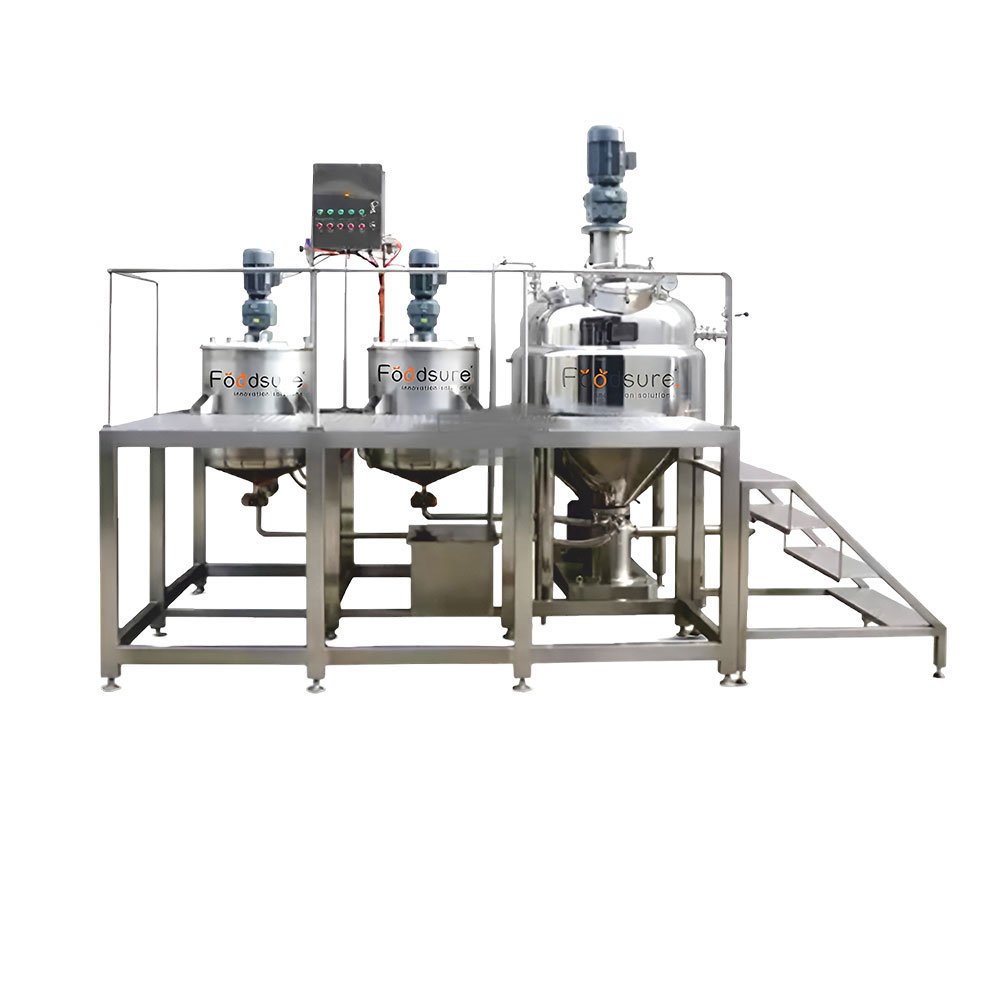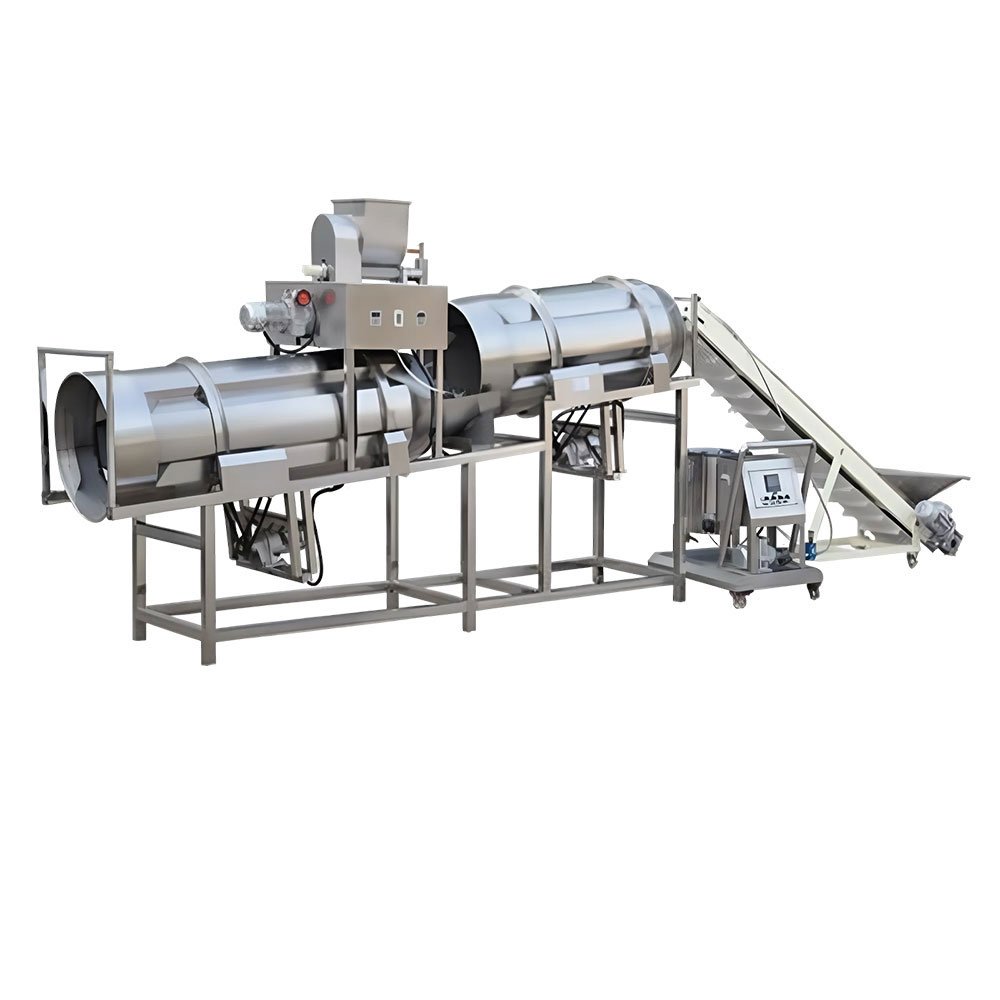
Across India, numerous micro food entrepreneurs are evolving from basic operations to more advanced food processing companies. This is a genuine opportunity as demand is increasing for packages and also value-added food. However, there is one important variable that can significantly influence the value of that expansion: the food processing company you select to work with. In other words, your partner in food processing will be far more than a machine; they will provide automation, hygienic compliance, and capacity planning.
The Hidden Problems with Outdated Food Processing Companies
Many small-scale manufacturers begin to use local fabricators or rent/source equipment. This is a great way to start, but problems present themselves pretty soon:
- Some of the causes of variability for product quality are grounded in either manually operated machinery or semi-autonomously operated machinery.
- There is more waste due to inconsistencies or variability in preparation/processing or grading or heating, or combining.
- There is more downtime in production because of the inability to source consumable parts or service work on time locally.
- There is difficulty in meeting the standards of food safety for FSSAI or BRCGS.
- There is a limit to production opportunities because you aren’t able to scale up any of your machinery to meet the demand.
All of this means that you have lost production due to waste, lost money, and a risk to your Business. So, practically every successful food entrepreneur in India today will also look to a trusted vendor for a combination of even food processing and/or packaging lines of machinery.
Scalable Solutions from Food Processing Companies in India That Grow with You
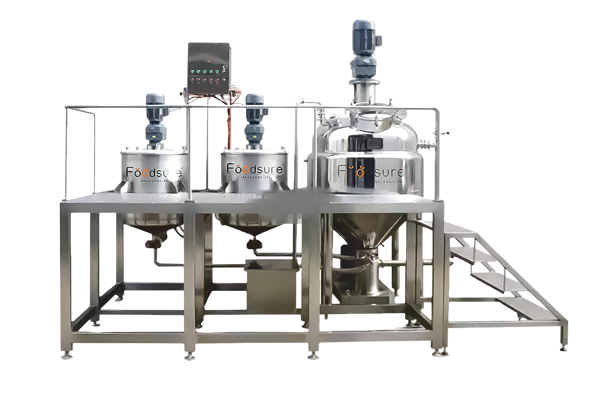
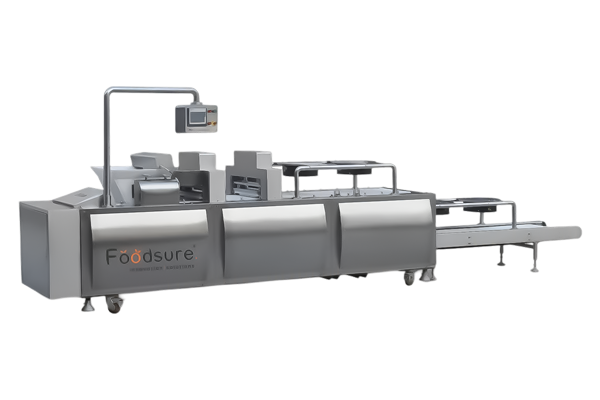
Contemporary food processing enterprises in India establish flexible operations, from small pilot facilities to large commercial plants. Instead of buying individual machines, you are buying a complete production line that has been designed and tested with an emphasis on efficiency and hygienics, and consistency.
- The facilitates an integrated line:
- Mixing, grinding, and emulsifying systems for various food products (sauces, non-dairy, snacks, etc.)
- Automated control panels that minimize manual operation and support uniformity
- CIP (Clean in place) technologies, which save a lot of time, plus support hygienics
- Energy-efficient roasting, extruding, and packaging lines for large and small formats
How to Choose the Best Food Processing Company in India: A Quick Checklist
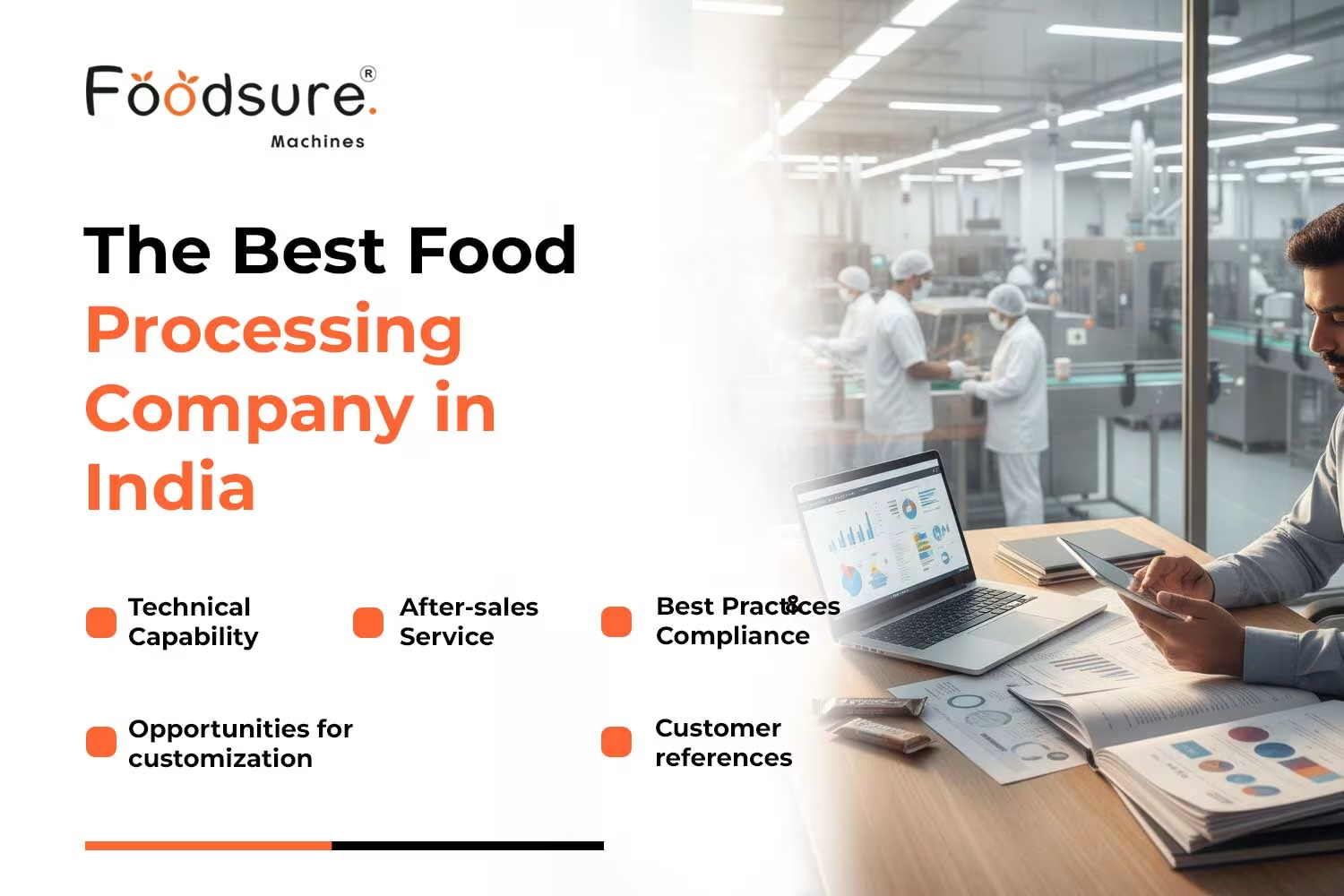
Before endorsing a supplier, review these factors. Quality suppliers will meet or exceed what is listed below.
1. Technical Capability
Do they have category knowledge of your product? A company that designs and supplies production equipment for specific food markets (snack food, dairy, and sauces) will provide much more service level than a general machinery supplier.
2. After-sales Service
Make sure to ask about the availability of spare parts, technician response time, and annual maintenance. In India, a dependable after-sales service can be the difference between dependable production and capital losses due to downtimes.
3. Best Practices & Compliance
You should look for machines made from SS-304/316 food-grade steel, which have GMP requirements and CIP operation. Reputable companies you can be sure will develop machines and processes in sanitation that will help you plant products pass audits to FSSAI, ISO, or BRCGS audits without panic at the last moment.
4. Opportunities for customization
Every business has a unique business model. A suitable partner will assist you in getting started with a smaller line (e.g., 50 kg/hr) and then grow on it without replacing everything.
5. Customer references
Ask current customers for knowledge. FPOs, or entrepreneurs in sedimentary regions such as Bihar, Madhya Pradesh, and Gujarat, will often be available for on-ground experience about energy consumption, product quality, and maintenance.
How Food Processing Units Are Powering the Next Generation of Startups
Connecting the kitchen to market: Modern food processing units enable businesses to transition from small-batch recipes to production that is consistent and scalable.
- Automated for efficiency: Compact and semi-automatic equipment reduces reliance on manual labor while providing uniform quality.
- Compliance-ready design: Designed to comply with both FSSAI and export compliance, thus reducing audits and licensing burdens for new entrepreneurs.
- Minimized waste and quick output: Systems with effective controls minimize the loss of raw materials while reducing time, critical to startups balancing costs.
- Scalable for growth: Protein bars, non-dairy whip cream, makhana, and modular processing lines enable easy scaling based on market demand.
- Support for rural entrepreneurs: Small-scale processing units allow FPOs and local startup businesses to develop branded, high-value products in rural communities.
Conclusion
Foodsure Machines sells dependable, applaudable equipment for the manufacturing process that supports startups and small manufacturers in India as a form of return in consistency, quality, compliance, and sustainable growth. Foodsure services reduce complexity and allow for greater customer cost management, allowing for peace of mind and growth in an effective and effective manner. All of this is why Foodsure, as a company, its customers find a dependable partner in sustainability – qualified, profitable, modern food processing units.
FAQ
Q1. Which are the premier food processing equipment manufacturers that you think of in India?
Some noteworthy manufacturers are Foodsure Machines and those integrators local to the area that offer a full service to food startups or small manufacturers.
Q2. What criteria do you use to determine the best food processing partner?
When selecting a processing partner, examine their technical competence, their ability to support with regulations, their after-sales support, and their ability to scale.
Q3. Are small entrepreneurs able to access innovative or new processing systems?
Yes, they can.
Q4. Which food processing business is most profitable in India?
Snacks, dairy, frozen foods, and ready-to-eat segments are the most profitable.
Q5. Which food processing business is most profitable in India?
Snacks, dairy, frozen foods, and ready-to-eat segments are the most profitable.
Q6. Is starting a food processing company profitable?
Yes, food processing offers high margins with growing demand and exports.
Q7. What is the meaning of a food processing company?
A food processing company converts raw farm produce into packaged, consumable food products.
Q8. Which is India’s No. 1 FMCG food company?
Nestlé India ranks No. 1 among FMCG food processing companies.
Q9. Which is the best food processing company in India?
Nestlé India is considered the best for scale, quality, and brand trust.
Q10. How to start a small food processing business with ₹50,000?
Begin with home-based pickle, sauce, spice, or snack processing and local sales.
Q11. Which is the richest food processing company in the world?
Nestlé is the richest food processing company globally.s.
Q12. Which country is No.1 in food processing globally?
The USA leads the world in food processing industry size and exports.