
As one of the leading ready-to-eat snack products in the market, granola bars are desired by the consumers due to its many advantages including convenience, good nutrition profile and long shelf-life. Granola bars are usually composed of a mixture of cereal grains, nuts, seeds, fruits, sweeteners, and other functional Granola Bar Ingredients. However, these ingredients do not provide any sticky structure by themselves. Binder system is used in the product development and production of granola bars to overcome this limitation.
The binder system holds all ingredients together to provide the final product its texture, shape, and desired physical characteristics. Manufacturers of different kinds of bars (chewy, crunchy, protein-fortified, clean-label) should select the proper binder to be successful. Different Granola Bar Binders provide diverse functionality to enhance moisture retention, shelf life, process ability and consumer appeal. An adequate knowledge of binder systems would enable the manufacturer to enhance the product quality and optimize the efficiency of their modern Cereal Bar Manufacturing.
Granola Bar Binder Systems Definition
Binder system is the edible glue like sweet syrup matrix in which the dry ingredients (oat, nuts, seeds and fruit) are dispersed. Its precise mixture of sweetners, fats, water and hydrocolloids will create chewiness and bindness as well as provide the desired shelf life and prevent bars from getting too hard and crumbling.
Flow Chart: Role of Binder Systems
This flow chart explains what happens with our binder systems when we make granola bars. It all begins when we mix our ingredients together, then introduce our binder. The binder holds the raw granola bars together! As we combine and mix ingredients, the binder evenly coats ingredients and forms together so they stick to one another allowing our granola bars to be compressed together! When it cools, our binder then solidifies, firming our granola bars and creating a product that will not fall apart. Lastly, our bars will continue to packaging where they will be stored and kept fresh for consumers!
Read More :- start a protein bar business
Role of Binder systems
Binder systems play several important roles in the granola bars which impact the quality, stability and consumers’ preferences.
Following are the key functions served by the binder systems:
1.Holding ingredients together
The primary function of the binder system in granola bars is to hold the oats, nuts, seeds, and all other ingredients together as a mass to maintain its form and resist separation of ingredients during processing and during consumption of the product.
2.Achieving desired texture and chewiness
The selection of the binder system is of utmost importance in order to impart the characteristic soft and chewing texture that makes a granola bar a consumer-preferred snack.
3. Reducing Handling Breakage-
The inclusion of binder systems enhance the mechanical structure and strength of the granola bar. This helps prevent breakdown, disintegration, or crumbling when packaging, transport, storage and handling.
4. Preventing moisture loss
Binder systems prevent the moisture from leaving the bar which can lead to the product losing its texture and softness. Retaining moisture helps in maintaining the fresh and soft feel of the product.
5.Increasing the shelf-life
The binders help in the maintenance of the product’s freshness and structure throughout its life. This in turn improves the shelf-life performance.
6.Consistent product performance
Using specific binders ensures consistent quality, texture and performance of the product across different batches produced. Ultimately, the success of any binder system depends on its capacity to sustain the cohesion of the granola bars.
Read More :- top protein bar machine consultants in india 2026 guide
Common Binders Utilized in Granola Bars Production
Choosing the right Granola Bar Ingredients is very important for the effective function of these binders.
Description of different types of binders and their roles.
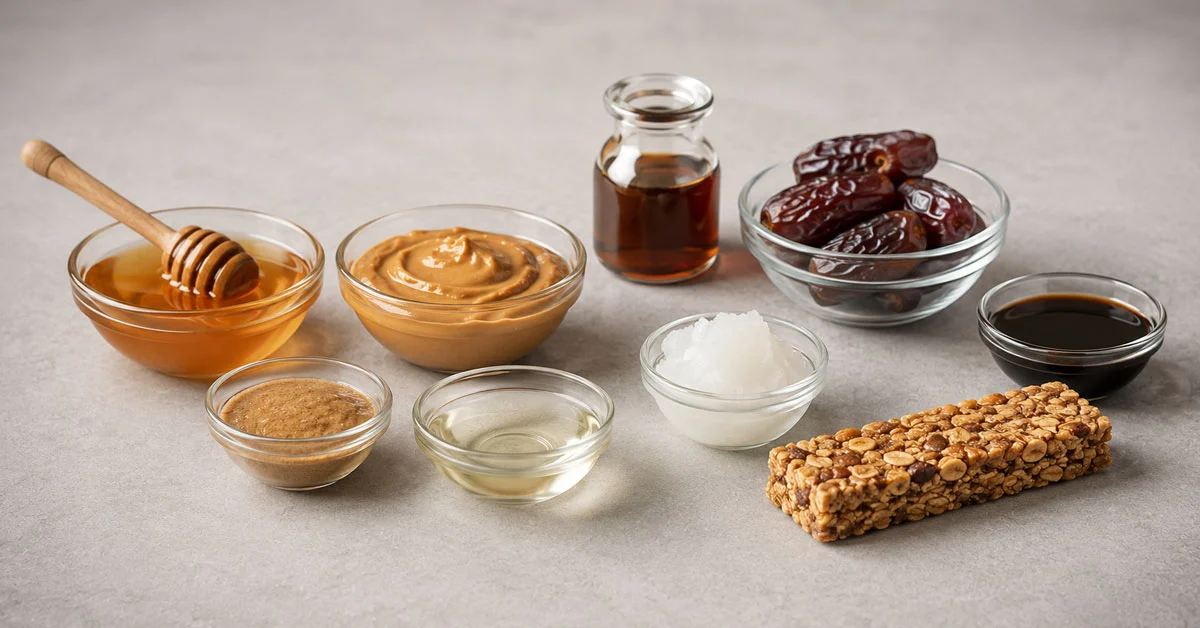
Table 1: Description of different types of binders and their roles.
| Binder | Function | Usage |
|---|---|---|
| Honey | Natural sweetener and binder for better cohesion and texture. | Traditional granola bars. |
| Glucose Syrup | Improves ingredient cohesion and chewy texture. | Commercial granola bars. |
| Corn Syrup | Enhances binding strength and stability. | High-volume production. |
| Brown Rice Syrup | Natural binder with mild sweetness. | Clean-label products. |
| Molasses | Provides binding and rich flavor. | Premium granola bars. |
| Inulin | Supports binding and adds dietary fiber. | Health-focused products. |
| Glycerol | Retains moisture and softness. | Soft-texture granola bars. |
| Pectin | Forms gels for cohesion and stability. | Fruit-based granola bars. |
| Starch Syrups | Provide structural support and consistency. | Cereal-based granola bars. |
This is a selection of the more popular binder systems used in granola bars and their function and application in the product: Honey and brown rice syrup – natural binders, suitable for both conventional and clean-label granola bars. Glucose syrup, corn syrup – providing a cohesive system and binding, very widely used in high-volume industrial granola bar production. Molasses – with very good binding power and desirable taste characteristics, can be used in higher-end granola bars Inulin – helps increase the fiber content, provides some binding Glycerol – maintaining moisture and tenderness, Pectin and starch syrups – can help providing some structure/binding in the product, in fruit- and cereal- based bars
The use of honey in this type of binder systems is popular for granola bars as they are the natural binder that can be incorporated into formulations to help bind the various ingredients together, as well as providing sweet taste, improved mouthfeel and texture, and enhanced moisture. They are most common in classic and deluxe formulations of granola bars.
Natural Binding Agent:
Within a honey-based binder system, honey acts as the natural substance responsible for binding oats, nuts, seeds, and various other ingredients together. Its inherent stickiness helps to form a firm matrix and preserve the shape of the granola bar.
Texture and Flavor Contribution:
As a component of a honey-based binder system, honey offers a chewy, soft texture with natural sweetness. This contributes to the palatable profile of the granola bar.
Moisture Retention:
A honey-based binder system is efficient at retaining moisture content of the granola bar matrix, thereby preventing the bar from becoming dry during storage and ensuring product stability and freshness over time.
Syrup-Based Binder System
Syrup-based Binder systems employ an ingredient such as corn syrup, glucose syrup, or brown rice syrup, to achieve adhesion among particles. They are the binder systems of choice in terms of processing ability and consistent binding results, and are generally used in the manufacture of commercially produced, full-size granola bars.
Strong Binding Performance:
In a syrup-based binder system, an agent such as glucose syrup, corn syrup, or brown rice syrup is employed for enhanced particle adhesion, yielding a bar that is resistant to breakage and crumbling.
Processing Efficiency:
This type of binder system is characterized by excellent flow and mixing properties which facilitates efficient and uniform ingredient dispersion during industrial processing for mass production and consistent results.
Texture Control:
The use of a syrup-based binder system offers significant latitude in adjusting bar characteristics such as chewiness, firmness, and mouth feel as it is relatively easy to manipulate properties of various syrup types used for this purpose.
Hydrocolloid-Based Binder System
Hydrocolloid-Based Binder System
Hydrocolloid binders Hydrocolloids like pectin, guar gum, or xanthan gum may bind the food structure together and produce a jelly-like network. Often they give product stability and improve the moisture retention of foods, thereby influencing other properties like texture and shelf-life stability depending on the formulation.
Gel-Forming Capability:
The hydrocolloid based binder system which comprises hydrocolloids like pectin, guar gum, and xanthan gum, will form a matrix forming hydrocolloid gel thereby holding together different constituents, providing the structural integrity and the shape to the granola bar.
Moisture Management:
Ability to manage moisture with hydrocolloid binders the water within the bar is physically trapped or locked-in, thus ensuring consistency during its shelf life by preventing migration in the final product.
Nutritional and Functional Benefits:
The hydrocolloid binder system supports creation of high fibre, reduced sugar granola bars. It enhances the function of the product & consumers demand for healthier food solutions.
Fiber-based binder system
Using functional fibers (inulin, chicory root fiber, and soluble corn fiber) in our fiber-based binder systems, we can offer binders that enhance product texture and are simultaneously a good source of fiber. Many health-focused applications utilize this system in granola bar products to cater to the rising demand for nutritious and functional food.
Binding and structural stability:
Fibers such as inulin, oat fiber, chicory fiber, and soluble corn fiber can help to bind ingredients within the granola bar together, improving structural stability and cohesion.
Nutritional enhancement:
The fiber-based binder increases the dietary fiber of the granola bar, which promotes digestive function and general nutrition. It is ideal for use in health-focused and functional food products.
Texture improvement:
Fiber-based binders may be useful for producing a softer texture, interacting with water and other ingredients to provide a desired texture and eat experience.
Moisture retention:
Many dietary fibers bind with water to hold moisture within the product structure and keep granola bars fresh over time, preventing the product from becoming too dry.
Clean-label and reduced sugar applications:
Fiber-based binders can substitute for part of the sugar syrups used to bind granola, which makes the product ideal for clean-label applications and enables a cleaner nutrition bar.
Usage
- High fiber bar
- Fruit bar
- Reduced sugar products
The role of hydrocolloids is central to modern Granola Bar Formulation.
Fiber based binding systems
Functional as well as nutritional roles are present in fiber based ingredients.
Typical fiber based binders:
- Inulin
- Oat fiber
- Chicory root fiber
- Soluble corn fiber
Functionality
- Increased fiber content
- Improved texture
- Improved moisture management
- Health oriented market positioning
It is common for manufacturers to blend the fiber based binder with other Granola Bar Ingredients to enhance functionality.
Factors Affecting Binder Selection
Table 2: Binder Selection Criteria
| Factor | Impact |
|---|---|
| Product Texture | Determines chewiness or crunchiness |
| Shelf Life | Influences stability |
| Ingredient Cost | Affects production economics |
| Label Requirements | Supports clean-label claims |
| Processing Conditions | Impacts manufacturing efficiency |
| Nutritional Goals | Supports health positioning |
The selection of a Granola Bar Binder relies on the goals for the final product and on the intended audience’s preferences.
Above you’ll see the most significant aspects determining what kind of binder system is suitable for the granola bars being produced along with the reason as to why each factor plays a role. Product texture will have a determining effect as to if the bar will be chewed or crunchy, and shelf-life relates to how much the product will last in storage. Ingredient cost impacts the overall bottom line of producing, while label considerations dictate that only clean-label worthy ingredients be considered. In addition, the process involved with making the bar, as well as health concerns, weigh in to how you should proceed.
Binder usage In granola bar production
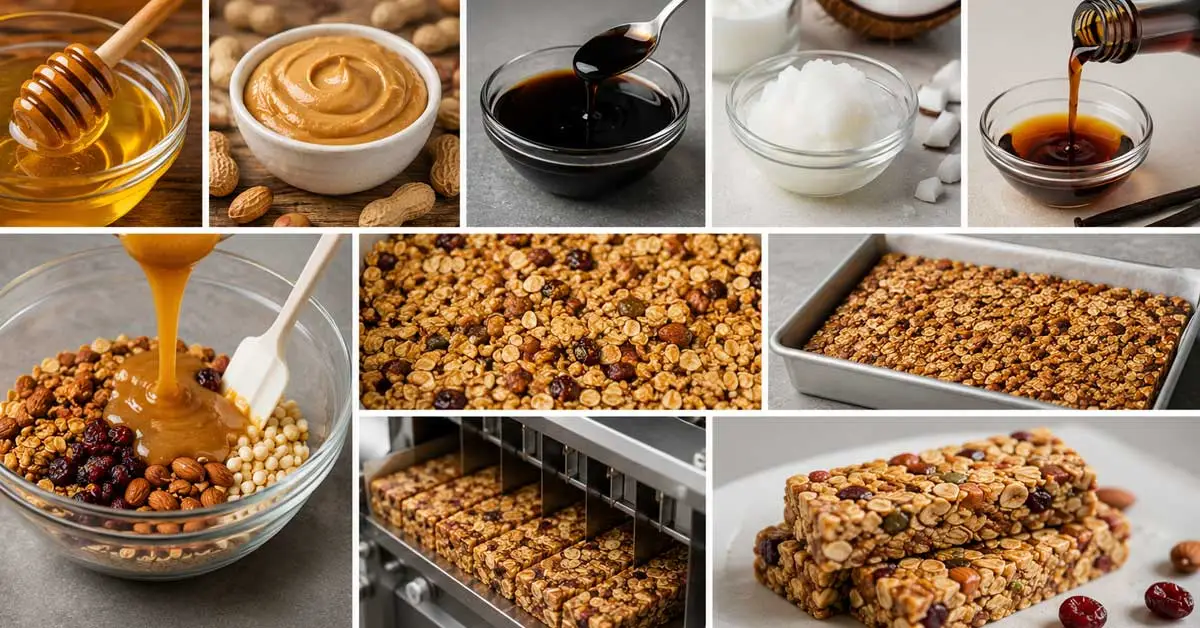
Flow Chart: Application process for the binder
This step is an essential step of the total Snack Bar Production Process.
The binder application process begins with binder preparation, where the selected binder is measured and formulated. If necessary, the binder is heated to reduce viscosity and improve flowability before being mixed with the dry ingredients. During mixing, the binder is distributed evenly to achieve uniform coating, ensuring proper adhesion between ingredients. The coated mixture is then compressed into sheets, cut into bars, and allowed to cool so the structure can set. Finally, the finished bars are packaged to maintain quality and extend shelf life.
Difficulties When Choosing Binder System
Food manufacturers face several problems:
- Stickiness
Sticking too much can lead to problems during the processing, packaging and handling of granola bars. And can impact the consumer properties (e.g. Mouthfeel).
- Crumbles
Poor binding is detrimental and the bar will fall to pieces or shatter in production, in turn lowering both product quality and the overall customer experience.
- Moisture migration
Over a prolonged period moisture could be able to be transferred between different ingredients. This can make some parts of the bar over moist and other parts dry.
- The bar gets hard with age
However, moisture level changes and ingredient interactions occurring during storage cause the bar to become hard and thus decrease palatability. Texture and other sensory parameters of the bars have to be considered to get acceptability.
- Ingredient compatibility
There are varying compatibility with different ingredients. Manufacturers need to confirm that the chosen binder will combine adequately with the intended ingredients for adequate texture, stability, and longevity.
Food technologists must optimize Granola Bar Formulation using experiments and small scale production to fix these problems.
Recommended ways to use a binder system
Recommended procedure:
- Maintain the binder system at constant temperature-.
The same temperature keeps the form of the binder the same for mixture of form and enough supply for good processing. This temperature maintained for the mixer or any other part results in good processing.
- Mix thoroughly all ingredients-
Even spreading the binder. When the binder is properly incorporated through thorough blending it will be evenly distributed through the composition. The result is good coherency in the bar, an improved texture and sharp structure.
- Monitoring the moisture content of the mixture.
Measuring the moisture content allows the control of moisture content to the required level, and can prevent the product from either drying out or clumping together. Moisture content can be key to keeping stability and shelf-life of a product.
- Check the product’s shelf life-
Shelf- life testing: Varies the storage period for the product to establish change for flavor and texture stability
- Correctly proportionate amount of binder system compared to solid particles.
Binder to solid ratio: Make proper adjustment, should be sticky, don’t make too hard sticky. Proper adjustment will be stable production and quality.
This way they can improve cereal bar manufacturing efficiency and ensure a steady product quality.
Quality Control Parameters
Important Parameters
| Parameter | Outcome |
|---|---|
| Moisture Content | Product stability |
| Texture Profile | Consumer acceptance |
| Binding Strength | Reduced breakage |
| Water Activity | Extended shelf life |
| Ingredient Distribution | Uniform quality |
Granola Bar Binders’ performance should be closely monitored to maintain consistency during production.
This table lists the primary quality control specifications used in evaluating granola bar production to assure reproducible product performance. Moisture content is measured to ensure the stability of the granola bars and avoid over-drying or spoilage. The textural properties of the granola bars are analyzed to confirm appropriate firmness, chewiness, and texture perception. The strength of binding among the components is tested to prevent product breakage. Water activity levels are monitored to impede the proliferation of microorganisms and extend shelf-life. Even distribution of components throughout the bar is also examined.
Read more :- protein filling packaging machine price
FoodSure Machines
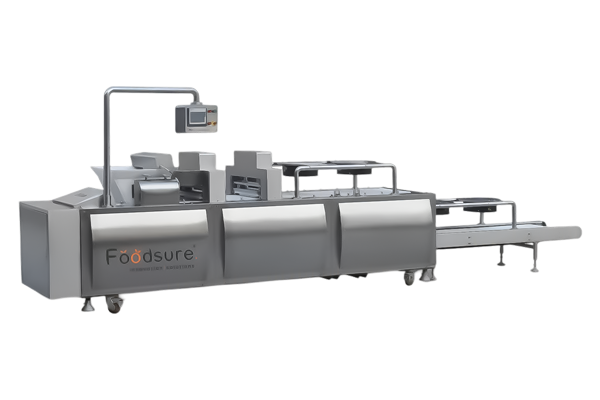
FoodSure Machines provides modern technological solutions to support production efficiency during the manufacturing process of granola bars. FoodSure Machines-ingredient handling systems, mixing and blending equipment, bar forming machines, cutting systems, packaging equipment and quality inspection solutions.
FoodSure Services
product development support, process optimization, plant setup consultation, regulatory compliance and quality assurance assistance and technical support and training. FoodSure machines and services help manufacturers to streamline the Snack Bar Production Process efficiently and guarantee the application of a consistent ratio of Granola Bar Ingredients.
Conclusion
Binder systems play a crucial role in the formulation and manufacture of structurally sound and high-quality granola bars. It enhances the overall texture and shelf-life of the product and its stability. The right choice of a binder system will depend on desired texture attributes, ingredient characteristics, processing techniques and its shelf-life potential, and will guarantee production consistency and the satisfaction of the consumers.
FAQs
1. What are some of the most common binders utilized in granola bars?
The common binders include; Honey, glucose syrup, corn syrup, brown rice syrup, pectin, and inulin.
2. How is a binder system important during the production of granola bars?
A binder system is important as it holds the components together to form a cohesive matrix and to provide a stable structure to the granola bar as it improves shelf life and reduces breakage.
3. Are natural binders possible in granola bars?
Yes, they can be and they are utilized in granola bar production. These include honey, brown rice syrup, molasses and fruit-based binders.
4. What are some of the main factors for choosing the most suitable binder system for a granola bar?
Key considerations in choosing the most appropriate binder system for granola bars include; intended product texture, ingredient cost, nutritional requirements, shelf-life and the process to be utilized.
5. What function does the binder play during the snack bar production process?
Binders help in providing structure and coherence and also act to distribute ingredients and improve the structural stability of the bars during transport and storage.