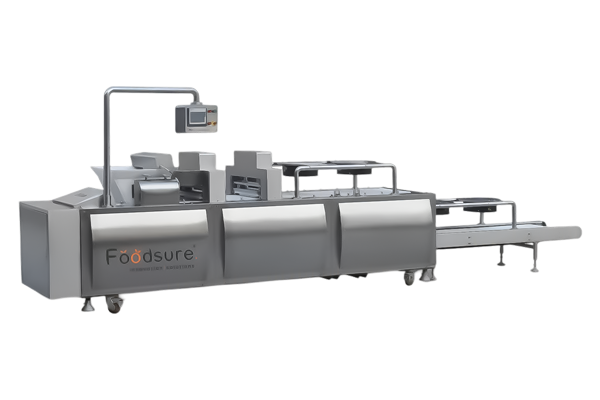
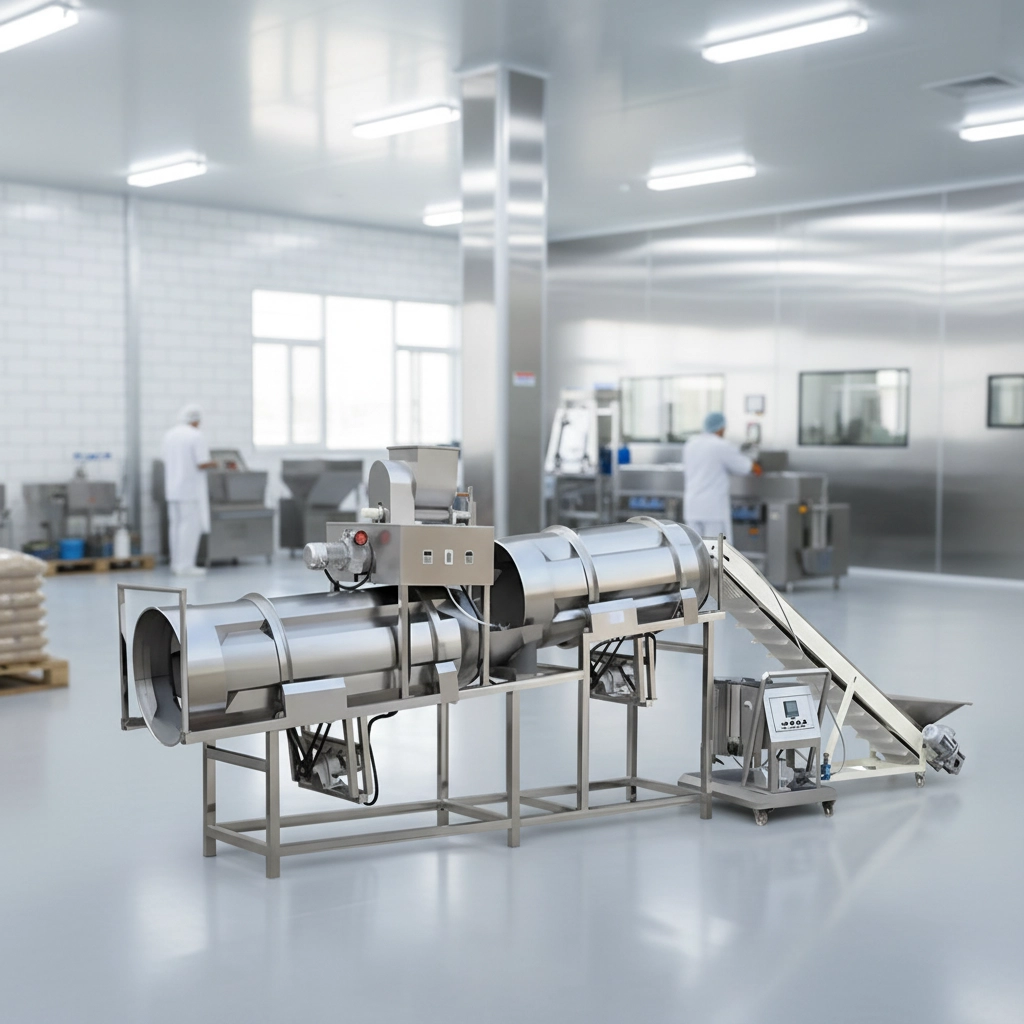
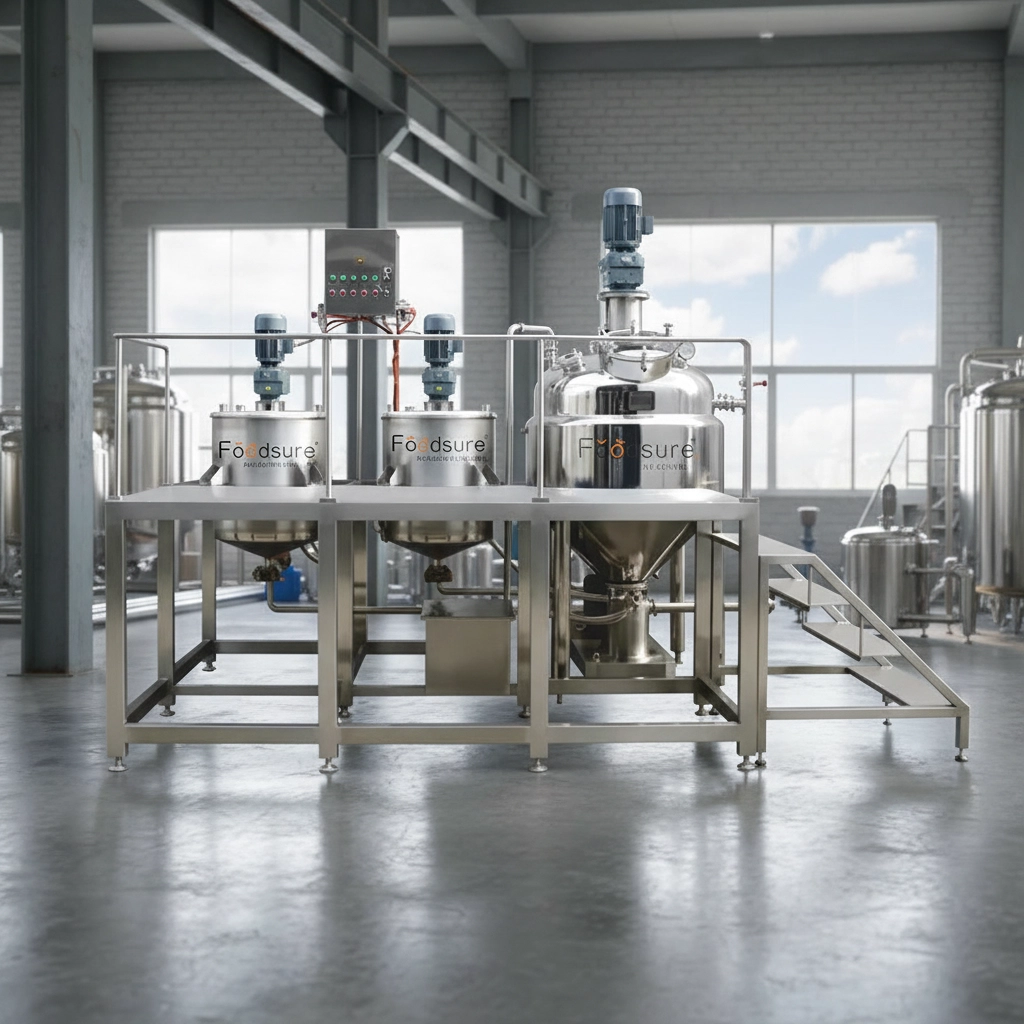
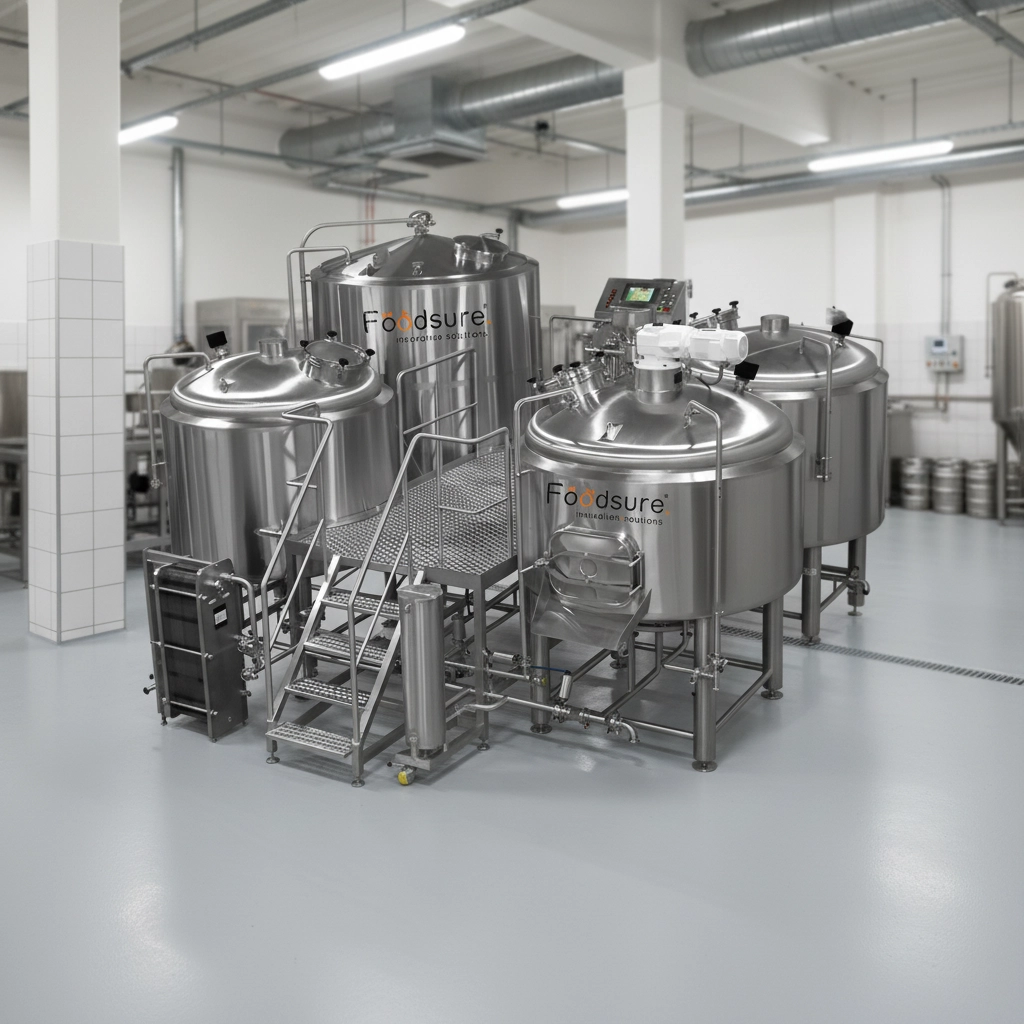
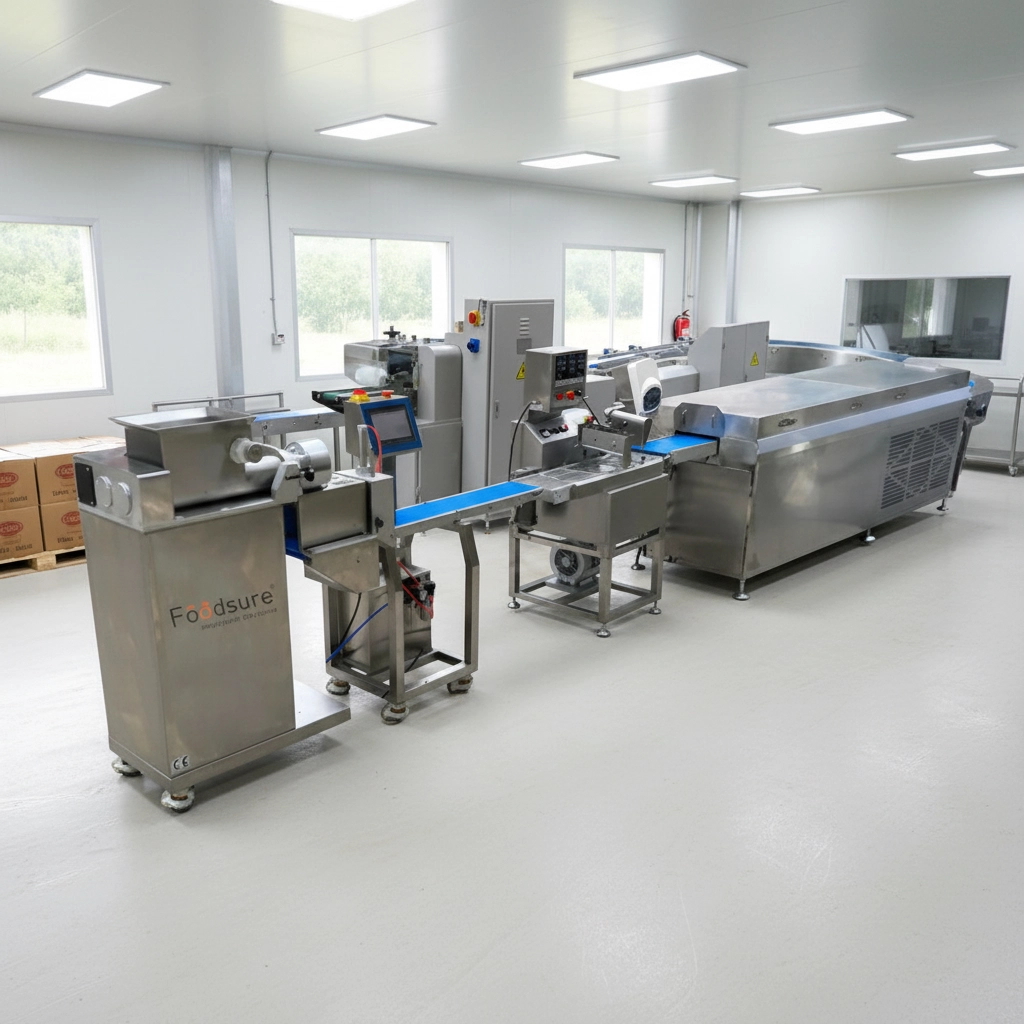
There is a paradigm shift in the Indian food processing industry. Coming through 2026, the industry has shifted from the conventional backyard kitchen to high-tech industrial centres. Fueled by an unprecedented influx of consumer interest in packaged snacks, ready-to-eat foods, and health-conscious drinks, the Boom of Food Tech is no longer a prophecy but the reality at hand.
The investment stakes are extremely high in the case of a food startup or a growing manufacturer. The equipment you make a decision on today will determine your future profit margins in the next 10 years. Picking the appropriate food-making machine can sometimes be the difference between a growing brand that will take up the shelves of Blinkit and Zepto and a production line that stalls due to technical issues.
This guide is a final checklist of the six key specifications every Indian manufacturer has to ensure before signing a purchase order.
Why Choosing the Right Food Making Machine is Critical for Indian Startups
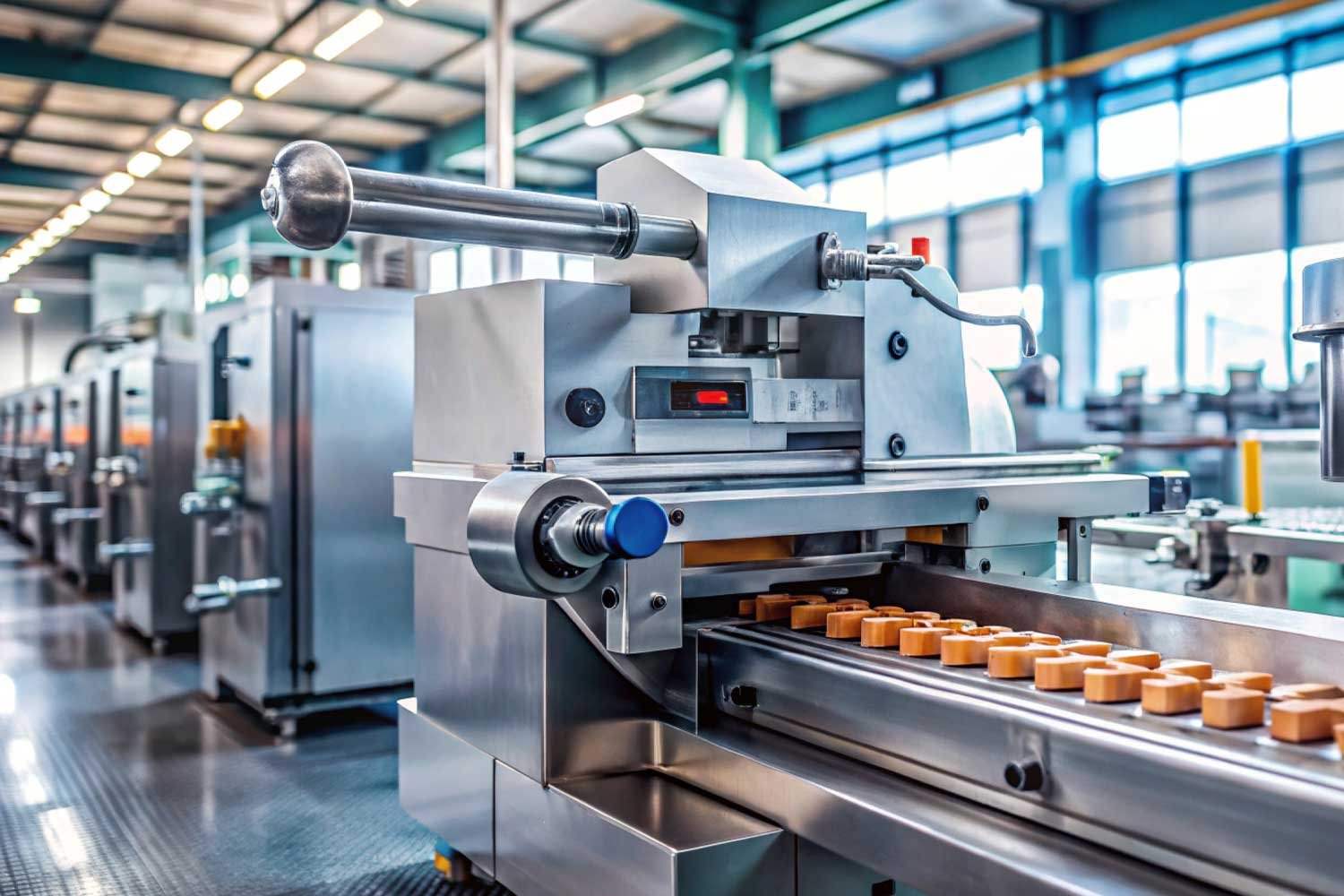
In the case of an Indian food startup, the capital outlay in the initial machinery is mostly the highest expense.
- Efficiency vs. Labor: India has traditionally depended on human labor, but the increased cost and turnover rates of the labor force make automation an important necessity. A special food production machine minimizes human error and saves a lot of time in production.
- Standardization: It is the mark of an effective brand. When using a food processing machine, the texture, viscosity, and emulsification have to be the same in all jars. This can only be ensured at scale with a precisely engineered food manufacturing machine.
- Regulatory Alignment: FSSAI standards in 2026 are stricter than ever. Machines that have dead corners or low-quality materials may cause the growth of bacteria, which will cause failed audits and recalls that damage the brand.
6 Specs to Verify in Your Next Food Making Machine
1. Production Capacity & Scalability (Output Per Hour)
The biggest error is to purchase to meet the current requirements without looking at future development. The manufacturers should estimate their existing demand in comparison to a projected increase over 2 years. When your automatic food making machine has a capacity of 500 liters per hour, and your marketing team experiences a viral growth surge, then you will have a production bottleneck.
- The Risk: If your food making machine is undersized, it overworks the motors, causing them to break down frequently. Seek machines that have removable parts to increase capacities.
2. Material Grade & Build Quality (SS 304 vs. SS 316)
Corrosion is a silent killer in the Indian climate, which is highly humid and has fluctuating temperatures.
- SS304: Can be used in the majority of dry food applications.
- SS316: A need for acidic or salty products (such as sauces). In considering industrial food processing equipment, make sure that all contact parts are at least SS 316 to avoid leaching and rusting so that your product is still “clean label” and safe.
3. Power Consumption and Electrical Compatibility
India has unreliable industrial power grids. You have to check whether the facility has a single-phase or three-phase connection. A high-output food making machine tends to have a three-phase connection to enable stability.
- OpEx Savings: Inquire about the efficiency of energy ratings. Newer industrial food processing equipment has Variable Frequency Drives (VFDs), which vary the amount of power consumed depending on the load, which reduces your electricity bill considerably each month.
4. Automation Level (Manual, Semi-Automatic, or Fully Automatic)
Your decision will be determined by your technical work availability.
- Fully Automatic: It is expensive at the time of purchase and has a low labour dependence. This is the gold standard of automatic food making machine setups, in order to achieve quick commerce speed.
- Semi-Automatic: Ideal when it comes to startups that require a human in the loop to check quality or package it differently. The ROI of the Plug-and-Play models is high, especially in brands that are introduced on 10-minute delivery apps, where stockouts will result in instant de-listing.
5. Ease of Maintenance and Spare Part Availability
The death-knell of profits is downtime. Find out the local service centers before you food machinery manufacturers in India by asking the vendor to provide a list of local service centers.
- CIP (Clean-In-Place): Make sure the food making machine has CIP capabilities. This will enable you to wash the inside pipes and tanks without having to tear down the whole unit, which will save hundreds of man-hours and promote hygiene.
6. Versatility and Multi-Functional Capabilities
Is your machine able to work with other SKUs? As an example, a high-quality food production machine would also be able to manufacture salad dressing or tartar sauce with a few changes.
- Modular Attachments: Search for machine production equipment that is capable of being changed in terms of heads or settings. This flexibility will allow you to change the direction of your product without purchasing a completely new machine.
Need the right food making machine for your factory?
Get expert guidance on the 6 most important specs to verify first: capacity, stainless steel grade, automation, hygiene design, power load, and long-term operating value.
Common Pitfalls When Buying a Food Making Machine in India
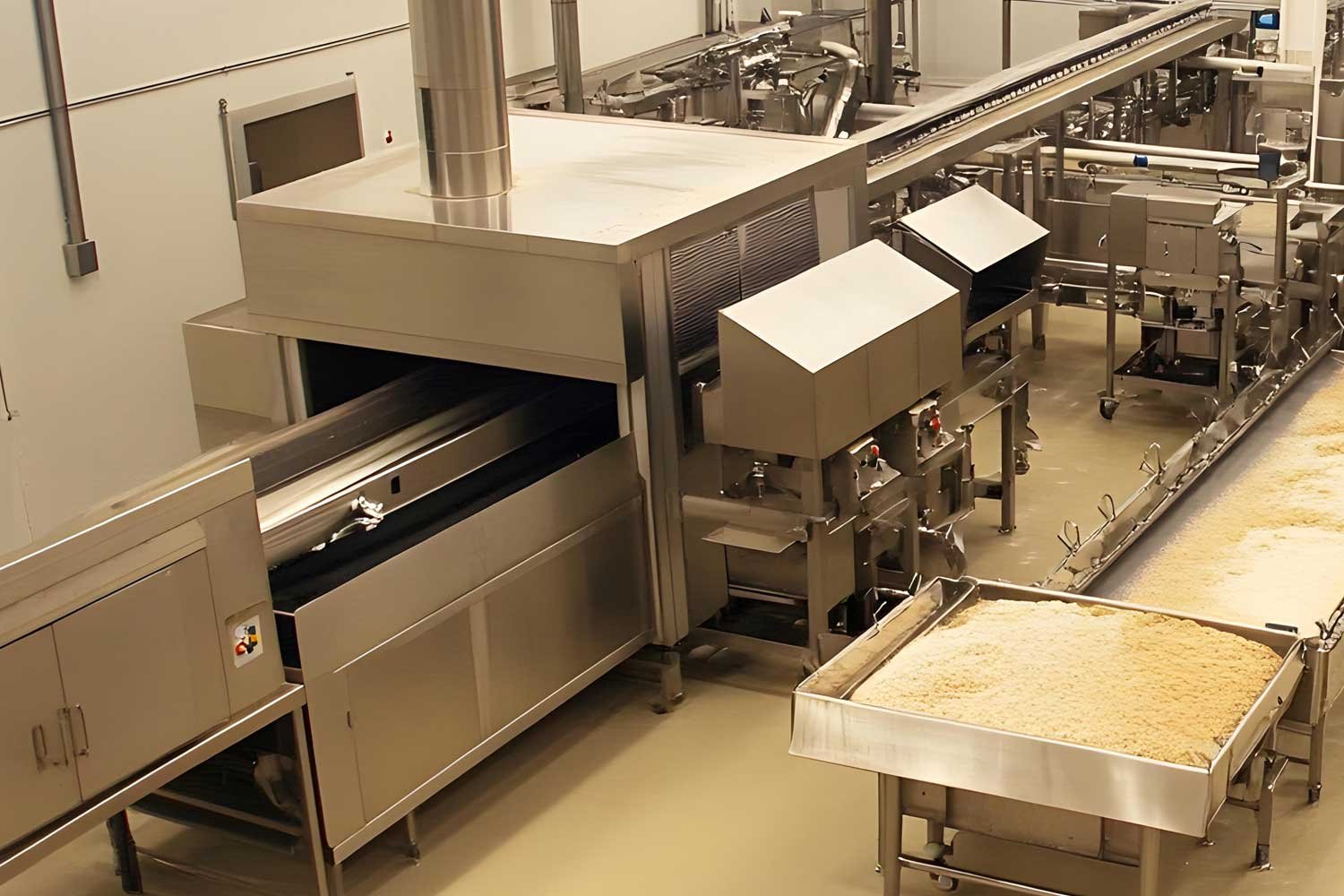
- The Ghost Manufacturer Problem: Numerous vendors are intermediaries and offer no after-sales services. Always ensure that the manufacturer has a good track record in the Indian market.
- Neglect of TCO: Slicker price is the tip of the iceberg. Installing, training, spare parts, and power consumption are all to be factored in to calculate the Total Cost of Ownership (TCO).
- Missing the FAT: Do not miss the Factory Acceptance Test (FAT). The machine should be tested with your own ingredients (or a simulant) before it leaves the factory floor.
Conclusion
A food making machine is not only a purchase but the basis of scalability of your brand. Checking the production capacity, material grades, and the levels of automation, you turn a piece of hardware into a strategic asset.
The challenge of market failure is the last thing you need on a food production machine scale, or when entering a new wellness category, so technical due diligence is your best friend.
Ready to take a concept to market?
We offer end-to-end support of food startups at Foodsure Machines. We help founders to build with clarity and confidence, whether it comes to the right choice of machine production equipment or managing FSSAI compliance.
Buying a food making machine for your factory?
Get expert guidance on the 6 key specs every Indian manufacturer should verify first, including capacity, stainless steel grade, automation level, power load, hygiene design, and pricing.
FAQs
SS 304 vs. SS 316: Which is better?
SS 304 is used in dry foods, though SS 316 is needed with acidic products, such as a food production machine, to avoid rust.
Semi-auto or automatic?
Go fully automatic where it needs to be consistent at high speed and scale to D2C; semi-automatic where it can be cost-effective to forgo initial investment when there is available labor.
What is the correct choice of capacity?
Select a food making machine that is 20% higher than your present peak demand to eliminate immediate bottlenecks as you expand.
Are spares readily available in India?
This is only possible when you purchase vendors whose service centres are local. You should always ensure that there are parts available before food machinery manufacturers in India.
What is the reason I should have a CIP system?
Clean-In-Place works with your automatic food making machine and does not need any teardowns to sanitize the machine, leading to significant savings in the daily downtime of conducting maintenance.