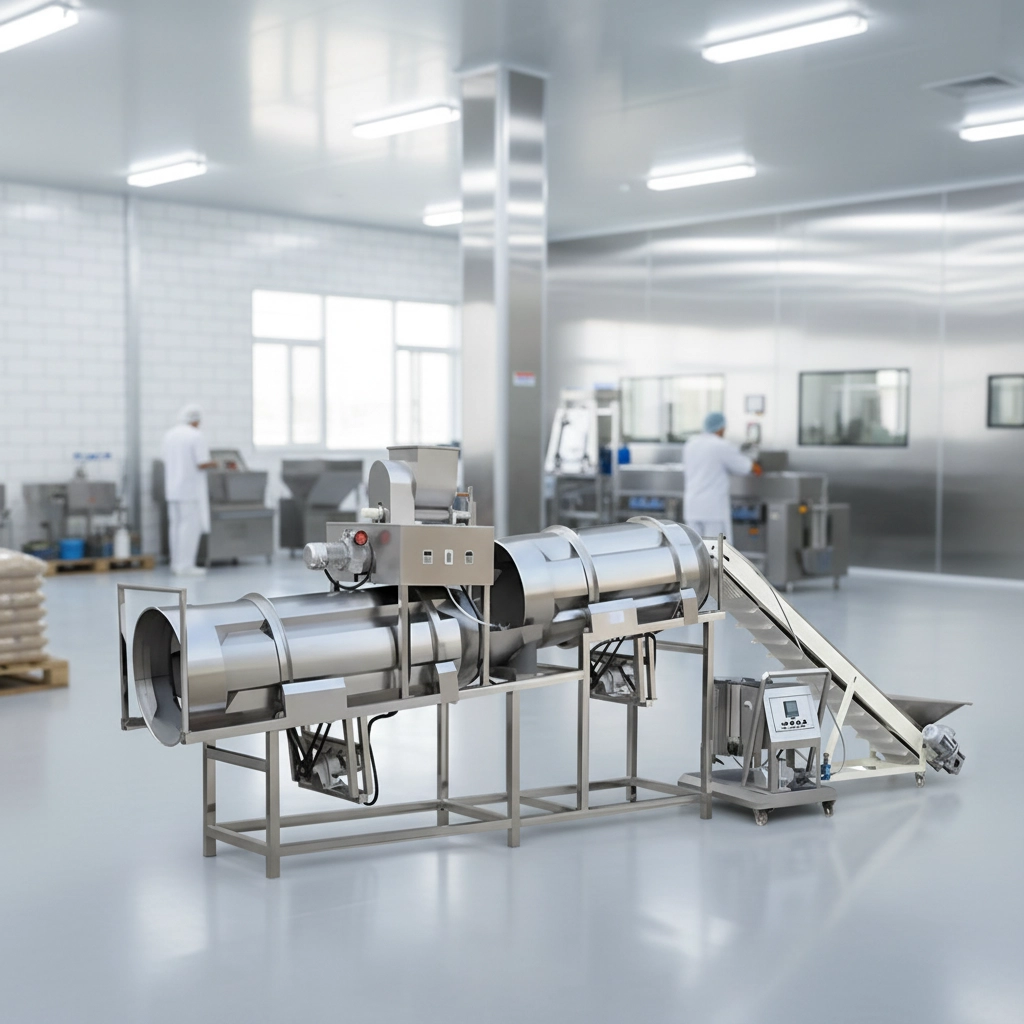
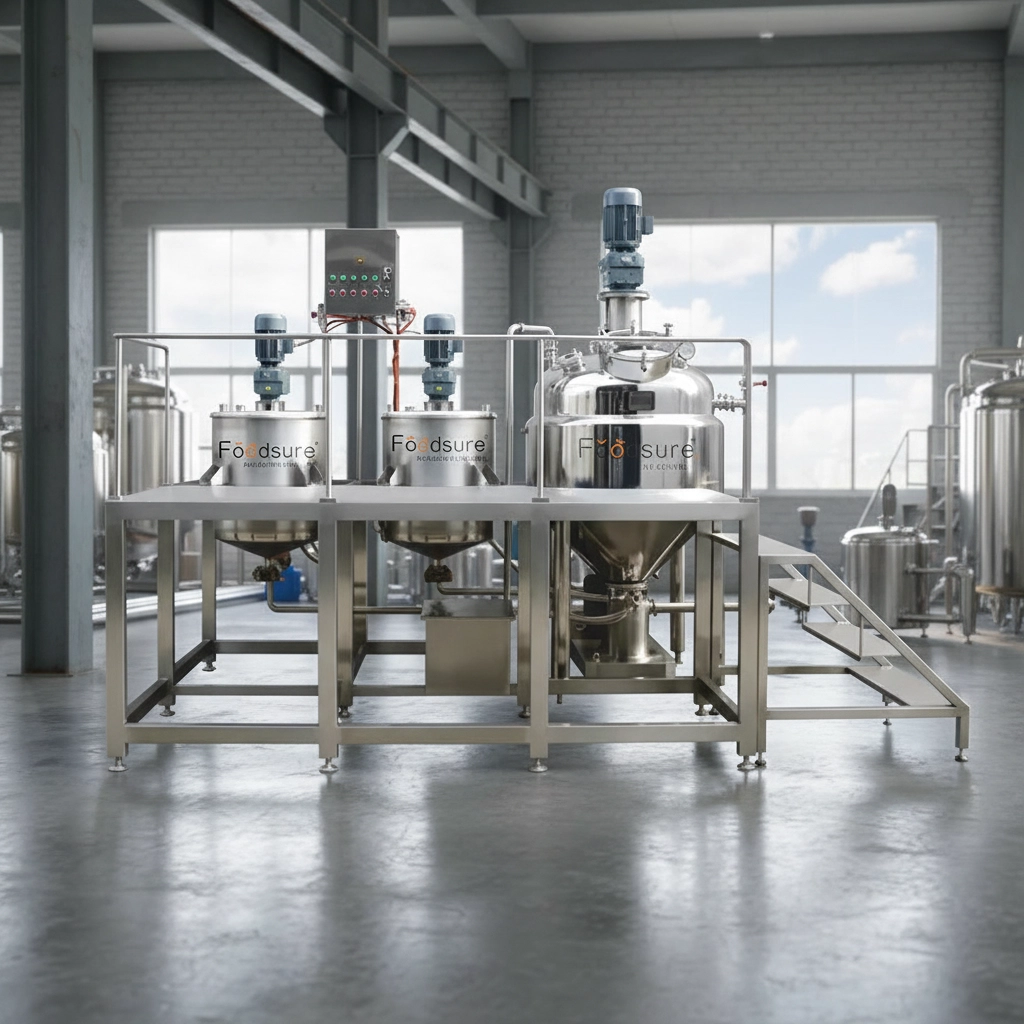
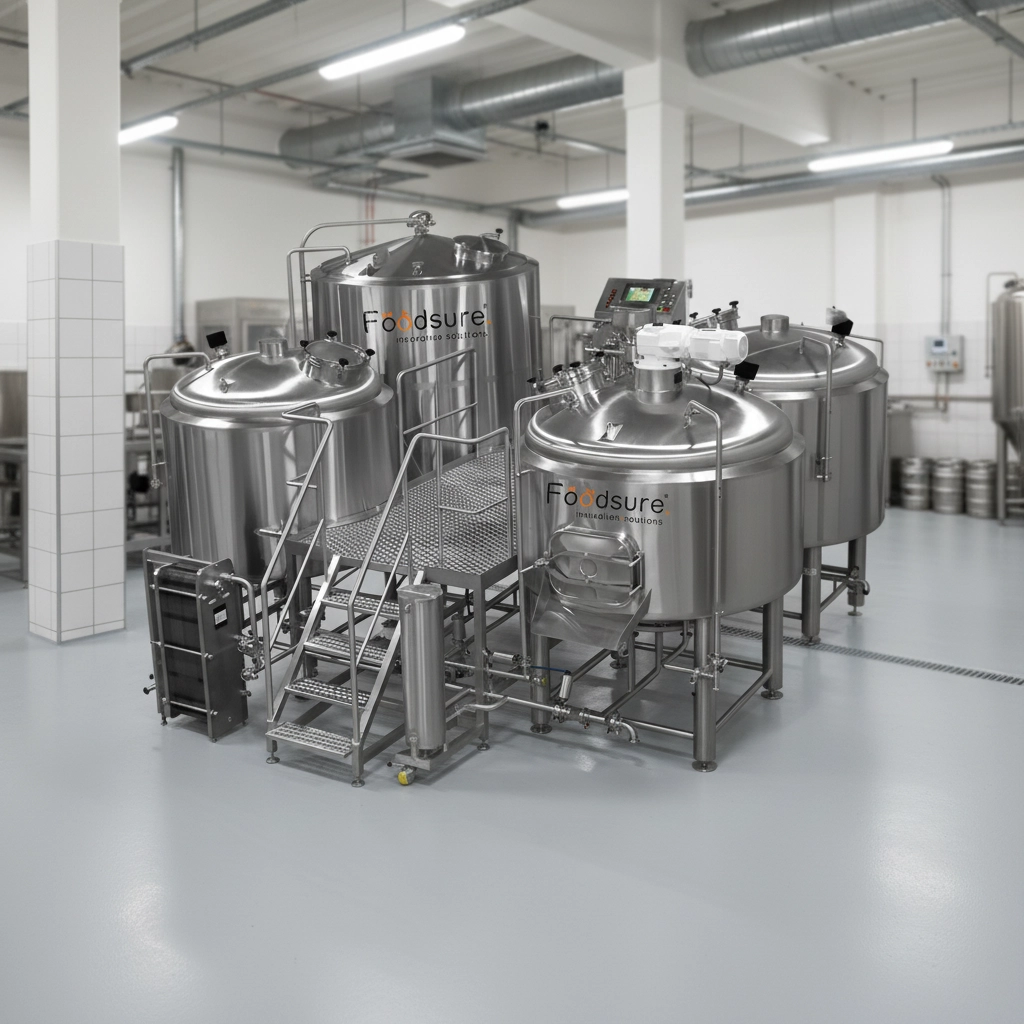
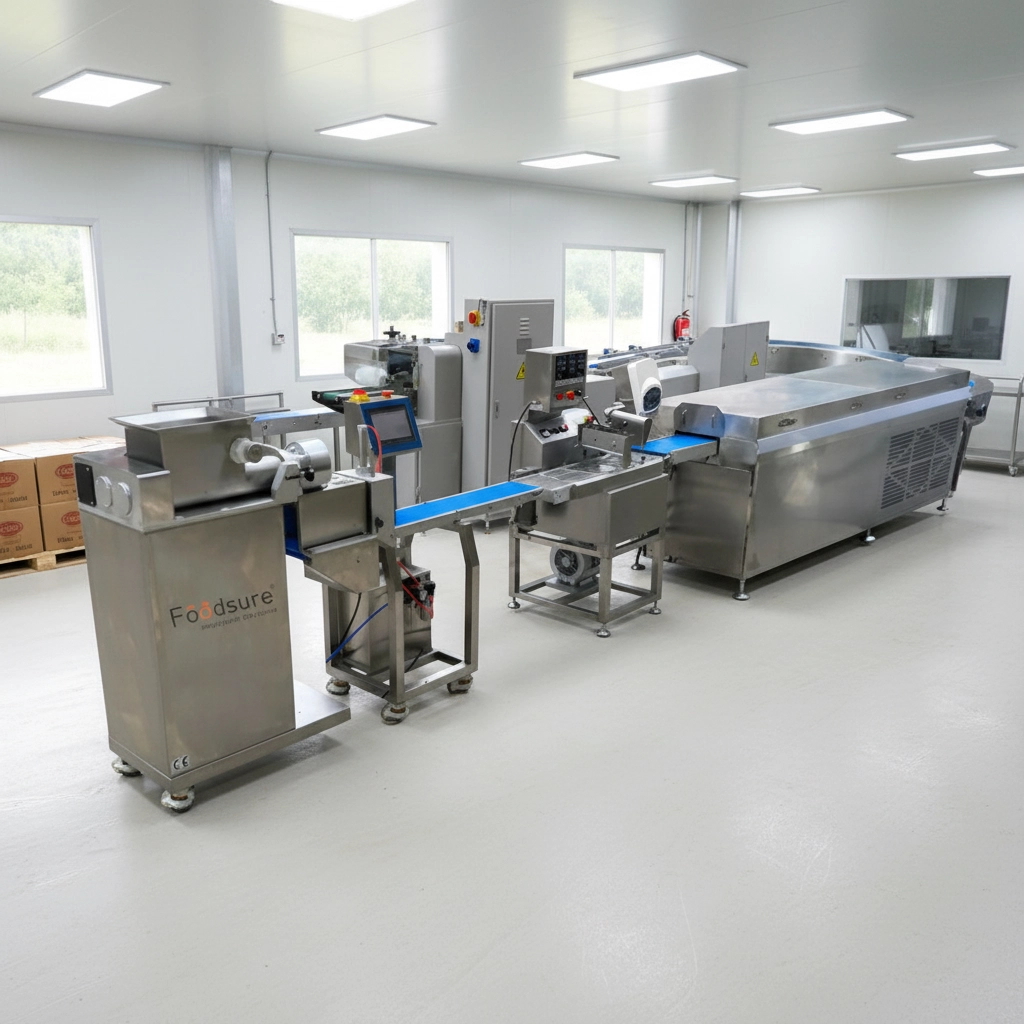
The Implementation of Automatic Protein Powder Mixing Machines is a strategic requirement, as opposed to a purchasing decision. Companies whose operations require them to use manual blending are subject to two key issues are use of inefficient operational processes and the management of hidden costs from rejected batches and increased compliance risks. Additionally, businesses need adequate production capacity so that, as they grow, they can produce within it.
The system combines three core issues are inconsistent performance, being dependent on human resources, and inability to track audits properly into one system that users can control. The capital allocation teams and leadership need to determine whether there is something different about how long the manual operation can be cost-effective prior to automation becoming obvious.
Process Reality: Operational Shift with a High-Capacity Powder Mixer Machine
An automatic protein powder mixer machine transforms mixing from an operator-driven activity into a controlled, repeatable process cycle.
End-to-End Automated Flow
Material Handling
- Pneumatic or vacuum conveying eliminates manual loading.
- Dust-free transfer reduces product loss and improves hygiene.
Precision Dosing
- Load cells ensure ±0.1% accuracy.
- Eliminates overuse of costly ingredients (flavors, vitamins, amino acids).
Controlled Blending
- RPM, cycle time, and mixing pattern are pre-programmed.
- The system makes adjustments according to three factors, which include bulk density, particle size distribution, and flow characteristics.
Real-Time Quality Monitoring
- Inline sensors track blend homogeneity.
- The system stops processing off-spec batches.
Closed Discharge System
- Direct transfer to filling/packaging lines.
- The automatic powder blending machine provides complete protection against external pollution.
Impact:
- Human touchpoints reduced by 70–90%.
- Machine systems now control batch reproducibility, which previously depended on operator control.
Performance Benchmarks for an Automatic Protein Powder Mixing Machine
In 2026, there is a greater divide between manual and automated systems in regard to Export-Grade Compliance with regard to testing stability using the Coefficient of Variation (CV), which is why anything over 1% CV would not meet the stringent stability requirements that need to be met to meet export standards in International Markets (EU and North America).
| Metric | Manual Mixing | Semi-Automatic | Automatic Machine |
|---|---|---|---|
| Blend Uniformity (CV) | 5–15% | 2–5% | <1% |
| Batch Repeatability | Low | Moderate | PLC-Precision |
| Daily Throughput | 100–200 kg | 200–800 kg | 500–5,000+ kg |
| Labor (Per Shift) | 3–5 Staff | 2–3 Staff | 1 Operator |
| Contamination Risk | High | Medium | Closed System |
| Dust Emission | Heavy | Moderate | Zero (Vacuum) |
Key Insights:
The factories that produce high-margin nutraceuticals and sensitive amino acid blends require Automatic Protein Powder Mixing Machines to ensure their products deliver precise vitamin micro-doses which match label specifications. The protein powder mixing equipment for factories delivers complete accuracy by preventing batch-to-batch variation, helping your brand maintain compliance with global food safety standards while achieving the maximum return on investment for raw materials.
ROI Breakdown for Automatic Protein Powder Mixing Machine
The organization will move from manual labor work to operating an Automatic Protein Powder Mixing Machine for better operational efficiency and higher output results. The manufacturing environment in 2026 will create conditions that make this investment necessary because it will lead to significant decreases in hidden resource loss, which includes both material and labor waste that affects factory operations.
CAPEX Range (India & Global Benchmarks)
₹35 lakh – ₹2 crore.
Depends on:
- Batch size (50L–5000L).
- Automation level (PLC, SCADA, IoT integration).
- Material grade (SS304 vs SS316L).
Operational Gains (OPEX Reduction)
Labor Optimization
- 40–60% reduction in manpower at the mixing stage.
Ingredient Savings
- 1–3% reduction in wastage due to precision dosing.
- High-cost inputs, which include whey isolate and specialized flavors, need this component.
Batch Rejection Reduction
- The system achieves almost complete elimination of rework batches.
- Results in savings of time, utilities, and raw materials.
Throughput Increase
- The system produces 2-3x more output without requiring additional space.
ROI Snapshot: Financial Impact Analysis
| ROI Factor | Detailed Financial Impact |
|---|---|
| Labor Savings | ₹8–20 lakh/year |
| Waste Reduction | ₹5–15 lakh/year |
| Increased Output | 20–40% Revenue Upside |
| Batch Reliability | Near-Zero Rework Costs |
| Payback Period | 12–18 months |
Decision Rule:
- The factory generates more than 500 kilograms during each production shift, which results in significant financial benefits for the company.
- Risk Mitigation provides the actual worth that exists beyond the numerical data. A 1,000 kilogram Whey Isolate batch requires complete rejection because of improper mixing, which results in costs higher than the yearly expense for maintaining an automated system.
- Your brand protection in a market that requires complete label accuracy will result in financial savings through the establishment of consistency.
Hidden Costs in Automatic Protein Powder Mixing Machine Investment
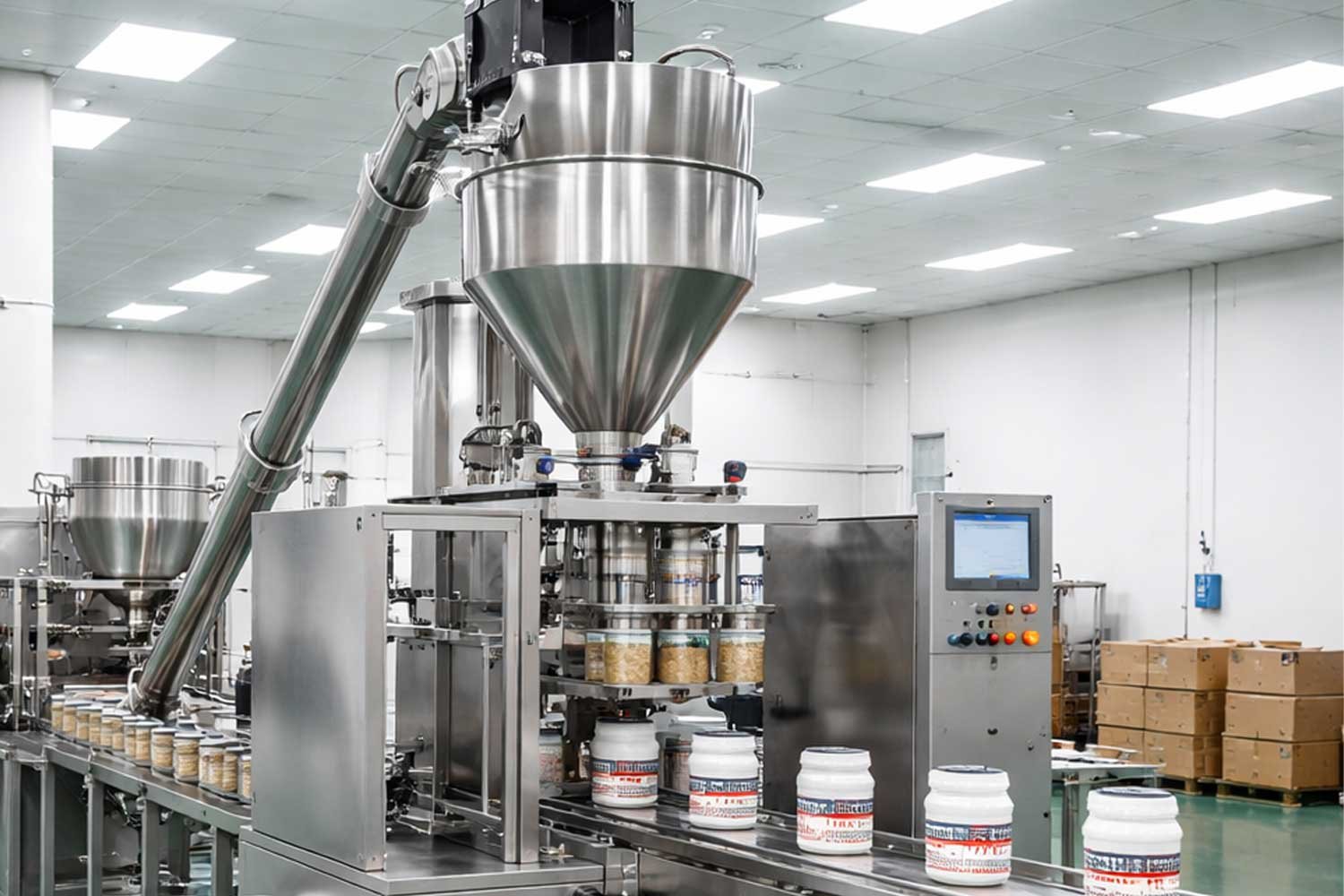
The Total Cost of Ownership (TCO) requires assessment before purchasing an Automatic Protein Powder Mixing Machine because it extends beyond the machine’s purchase price. The technical aspects of your operation will decide whether your business can maintain profitability throughout its shift to automated systems.
Key Infrastructure & Compliance Pointers:
- Infrastructure Adjustments: Automated blenders need three-phase electrical systems and dedicated compressed air systems, which operate at 6-8 bar pressure.
- Dust Extraction & HVAC: The process of high-speed mixing generates multiple static and airborne particles that must be controlled through a Dust Collection System; otherwise, equipment will experience motor failures and safety violations.
- Validation & Compliance (IQ/OQ/PQ): Installation Operational Performance Qualification documentation costs become essential for export-oriented and GMP-certified facilities to demonstrate machine compliance with 2026 standards.
- Installation Buffer: The process of installing equipment requires between 5 and 15 days to complete production delays, which involve equipment positioning and software calibration.
- Annual Maintenance (AMC): You should allocate 3-7% of your machine expenses every year for load cell recalibration and seal replacements needed to protect against cross-contamination.
Audit & Compliance in Automatic Protein Powder Mixing Machine
The 2026 regulatory framework treats paper-based records as a security risk. An Audit requires factories to use an Automatic Protein Powder Mixing Machine as their main proof of safety when they operate in European markets, American markets, or their most expensive domestic markets.
- GMP-Compliant Design: Must feature SS316L contact parts for pharmaceutical-grade corrosion protection.
- FSSAI + HACCP Alignment: Built-in Critical Control Points (CCPs) for contamination monitoring.
- FDA 21 CFR Part 11: Digital batch records with unalterable electronic signatures.
- ATEX/NEC Certification: Essential for Dust Explosion Safety in fine-powder environments.
- CE / UL Marking: The passport for machinery if you plan to export production lines or products.
Why Automation Wins Audits:
- Digital Traceability: Instant recall of every batch’s exact mixing time, RPM, and ingredient weight.
- Recipe Lockdown: Prevents unauthorized on-the-fly adjustments by operators that could alter nutritional values.
- Reduced Intervention: The system operates with less human involvement because human activity serves as the primary method through which protein supplements get contaminated.
Result:
Automation ensures faster audit approvals and a significantly lower risk of product recalls. The transition from human memory to machine-logged data creates a single source of truth for auditors. The ability to see everything is what separates a standard inspection process from a mandatory facility shutdown that happens because of regulatory violations.
Core Mixing Technologies in Automatic Protein Powder Mixing Machine
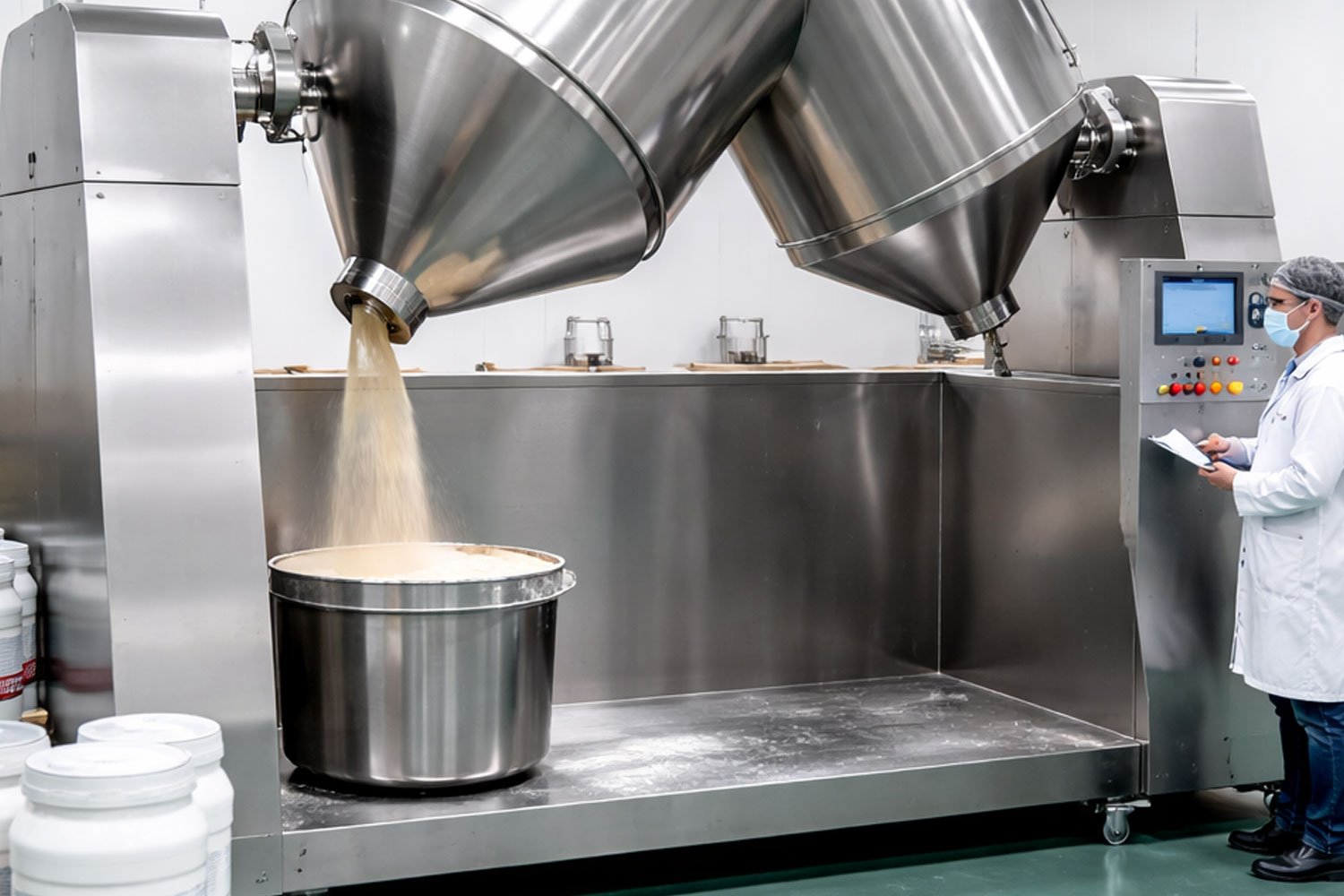
Your selection of an Automatic Protein Powder Mixing Machine requires an assessment of physical characteristics that define your formulation. The use of “one-size-fits-all” solutions results in particle degradation because it causes materials to separate into distinct layers, which destroys both texture and nutritional composition of the finished product.
Core Mixing Technologies:
- Ribbon Blender: The industry workhorse for high-volume whey or soy protein. The system operates by using its double-helix agitator, which moves materials through two different directions that include radial and axial movements. The system operates at high efficiency during bulk mixing processes, but continuous operation beyond its designed time limit will lead to heat production.
- Paddle Mixer: The system operates through gentle fluidization, which creates a smooth flow. This permits delicate materials to maintain their original state while facilitating movement between two different weight categories.
- V-Blender / Twin Shell: The system operates through a tumbling movement. The system achieves Pharmaceutical-Grade Uniformity through the use of temperature-sensitive materials, as it lacks internal components that move, resulting in a very low CV below 1%.
Selection Logic:
- Ribbon Blender works best for high-throughput operations that process standard whey.
- Paddle Mixer serves as the best option when dealing with materials that require multiple density ranges.
- Blender serves as the ultimate system for handling premium-quality medical nutraceutical products.
The machine uses the wrong mechanism, leading to overmixing and protein structure destruction. The machine’s mechanical movement should match your raw materials. bulk density and shear sensitivity characteristics to achieve top-quality results that avoid clumping.
Ideal Investment Scenario for an Automatic Protein Powder Mixing Machine
The decision to invest in an Automatic Protein Powder Mixing Machine needs to follow your factory’s growth plan for 2026. Automation works as a force multiplier because it needs to reach a particular operational scale, which prevents it from becoming an unused financial burden.
Strong Investment Case:
- Production Volume: The company produces more than 500 kilograms of products during every work shift.
- Market Target: The company supplies E-commerce brands and retail chains and international markets, which include the EU, GCC, and US markets that require batch-to-batch precision.
- Operational Complexity: The organization needs to handle multiple SKU changes, which include Chocolate, Vanilla, Isolate, and Vegan products, because digital recipe repeatability is essential for preventing human error.
- Pressure Points: The organization is currently dealing with quality complaints and inconsistent results from nutritional laboratories, and it faces intense regulatory audit demands.
Weak Investment Case:
- Low Volume: The facility needs to produce less than 300 kilograms of products per shift because the cost of manual labor is still cheaper than this volume.
- Limited Variety: The company needs to handle only 2-3 basic product formulas that can tolerate high levels of variation.
- Low Compliance Stakes: The organization serves local markets that do not need stability testing for their products.
- Utilization Gap: The machine needs to remain inactive for more than half of the weekly operating time.
Why the Automatic Protein Powder Mixing Machine Is the Future Standard
The Automatic Protein Powder Mixing Machine has transformed into essential equipment that supports Transparency requirements by the year 2026. The market needs access to products that require third-party lab verification because digital logs must prove Batch-to-Batch integrity for products that need access to the market.
The Shift Toward Smart Manufacturing:
- IoT Integration: Modern mixers operate through IoT Integration, which enables them to utilize Real-Time Density and Moisture Sensors for changing their mixing cycles during operations because excessive mixing causes damage to protein structures.
- Predictive Maintenance: The AI-driven sensors enable operators to receive alerts about seal wear and motor strain before breakdowns happen, which helps to eliminate unexpected downtime.
- Sustainability Edge: Automated systems achieve waste reduction of 1-3% while they send energy torque through their systems, which creates a pollution-free production space that earns Green Certification and attracts environmentally aware international business partners.
Conclusion
An Automatic Protein Powder Mixing Machine is no longer a future upgrade; it is a critical investment for factories aiming to scale with consistency, compliance, and efficiency. The operational challenges that manufacturers encounter can be solved through our reliable, high-performance solutions, which we develop according to actual production requirements.
At Foodsure Machines achieve three main objectives, which include decreasing operational variability and increasing production capacity while enabling sustainable business expansion. The establishment of a competitive and audit-ready facility requires our assistance, which helps you proceed with your objectives.
Is an Automatic Protein Powder Mixing Machine Worth It?
Get ROI analysis, production efficiency insights, and machine recommendations tailored for your factory setup.
✔ ROI & Cost Breakdown
✔ Automation vs Manual Comparison
✔ Capacity & Output Planning
FAQ
What is a PLC powder mixer?
An automatic powder blend will reduce the need for manual labor while providing greater consistency in the production of powder products, which leads to increased unit volumes produced by the manufacturing facility.
How does an automated powder blender improve production?
An automated powder blend (or mixer) will provide a lower number of pounds (or gallons) of blended product to be produced as compared to manual blending. This results in lower costs associated with producing blended powder products.
What is a smart powder mixer used for?
A computerized powder mixer uses sensor systems and data collected during the production process to determine the optimum mixing conditions.
Is an automatic powder mixing machine for food factory suitable for large-scale production?
Yes, there are automatic powder mixers designed for food processing facilities that provide high capacity, continuous, and sanitary production/operation environments.
Why choose a PLC controlled powder mixer?
The use of a PLC (programmable logic controller) to control a powder mixer allows for accurate recipe control, traceability, and compliance with good manufacturing practices (GMP) and auditing requirements.