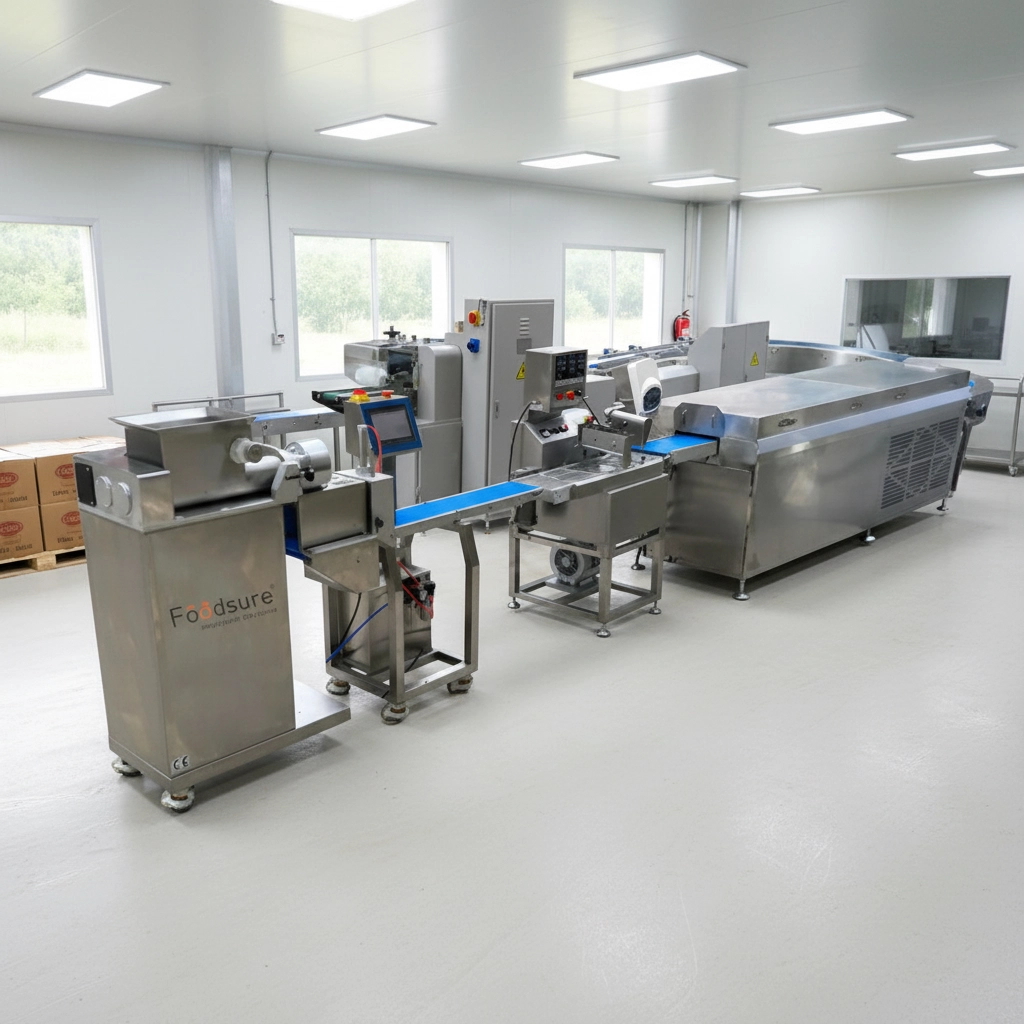
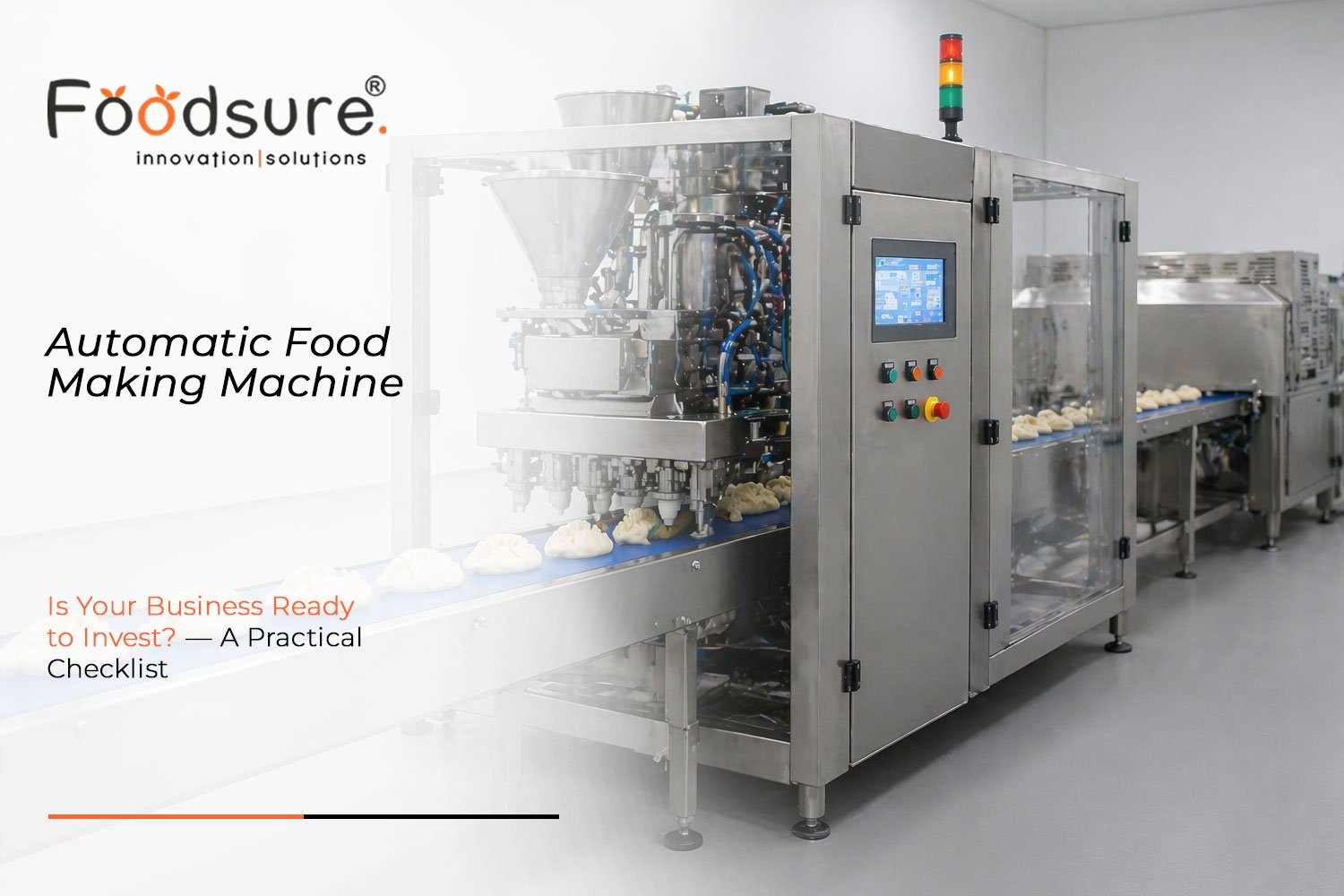
A silent transformation unfolds through the active Indian food markets, which serve as its culinary centres. The mid-sized businesses in the food industry are shifting their production methods from traditional home-made recipes to modern automated food manufacturing processes. The secret family recipe establishes brand identity, but only an automatic food making machine enables business growth.
Your current challenges with variable batch quality, increasing employee problems, and difficulty fulfilling major distributor orders show that you share your struggles with other people. The food industry will require an automatic food making machine in 2026 because these systems have become essential for maintaining market competitiveness.
The Automation Imperative: From Kitchen to Factory
The transition from manual labour operations to a technology-based work environment serves as a strategic method that protects your business’s profit margins. Many entrepreneurs hesitate at the initial cost, but the long-term benefits of a food machinery investment far outweigh the price tag.
The following explanation shows why the automatic food making machine operates as a genuine “Profit Multiplier” for your business:
- Operational Reliability: The automatic food making machine delivers greater operational value than its individual components because it produces stable production results throughout its operational lifespan.
- Combatting Rising Costs: The rising cost of labour in India has made manual production unfeasible, creating a situation where automatic food making machine are essential for businesses.
- Stricter Hygiene Compliance: The system develops operational procedures that meet FSSAI regulations to help your facility maintain compliance with current safety standards.
- Gold Standard Consistency: The automatic food making machine works without human input to produce products that maintain identical quality from the first package until the thousandth package.
Why Your Choice of Machine Matters
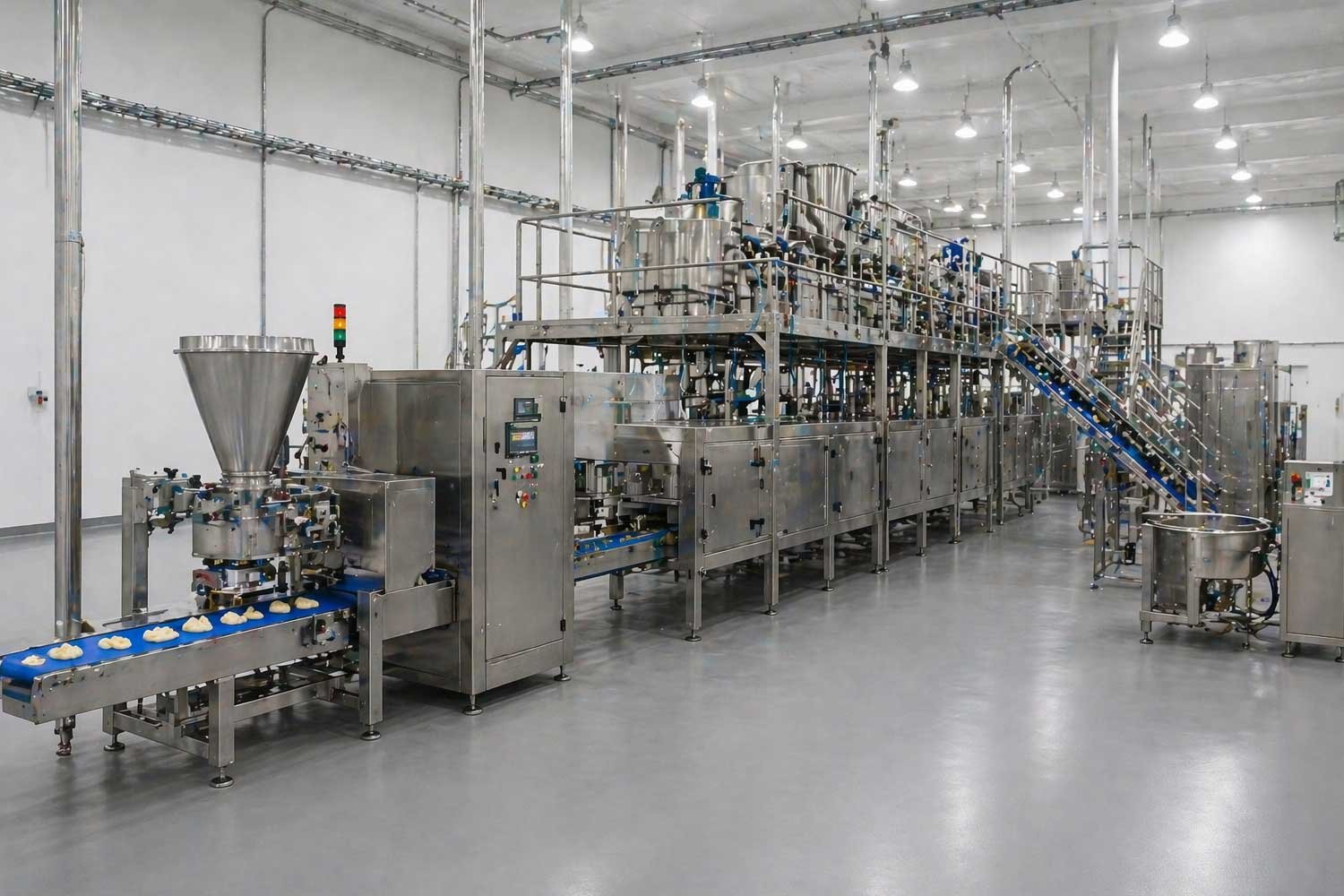
Not all machines share the same level of capability. Your food machinery investment must align with your product’s physical properties. Specialised automation systems provide solutions to particular manufacturing challenges through their capabilities.
The Makhana Machine
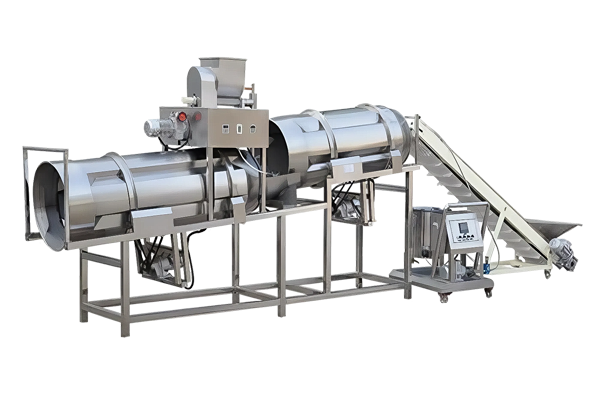
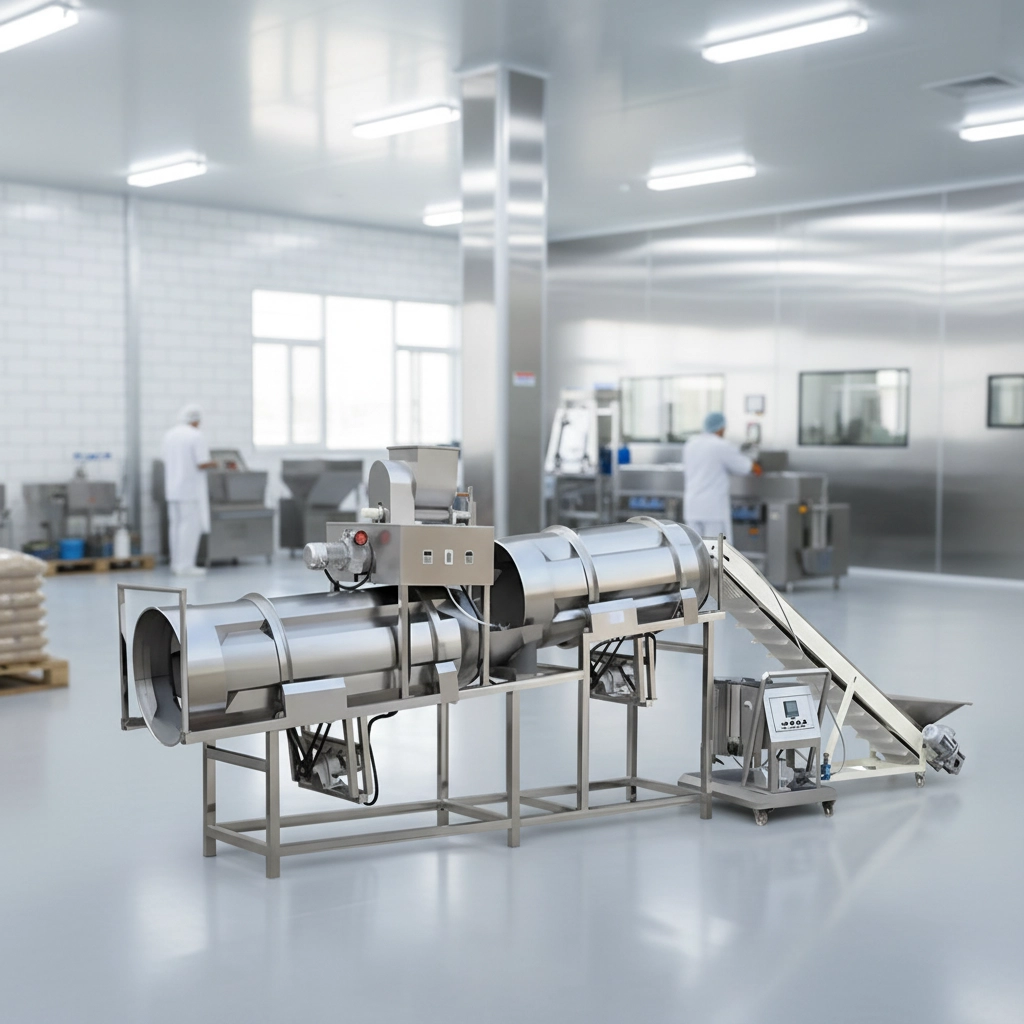
Traditional makhana (foxnut) roasting requires hot manual labour, which produces uneven results and breaks the nuts. The automatic makhana plant uses controlled heat distribution to create a perfect crunch, which maintains zero moisture for extended shelf life.
The Mayonnaise Machine
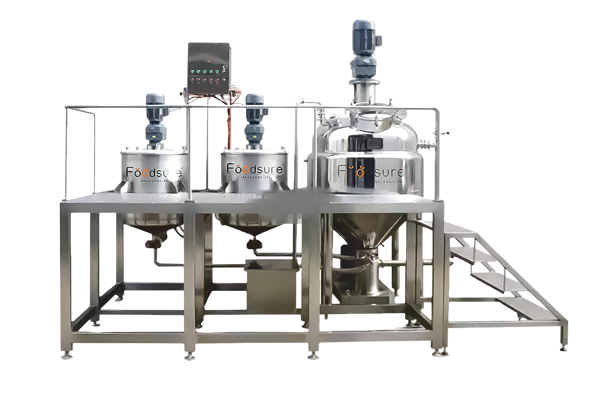
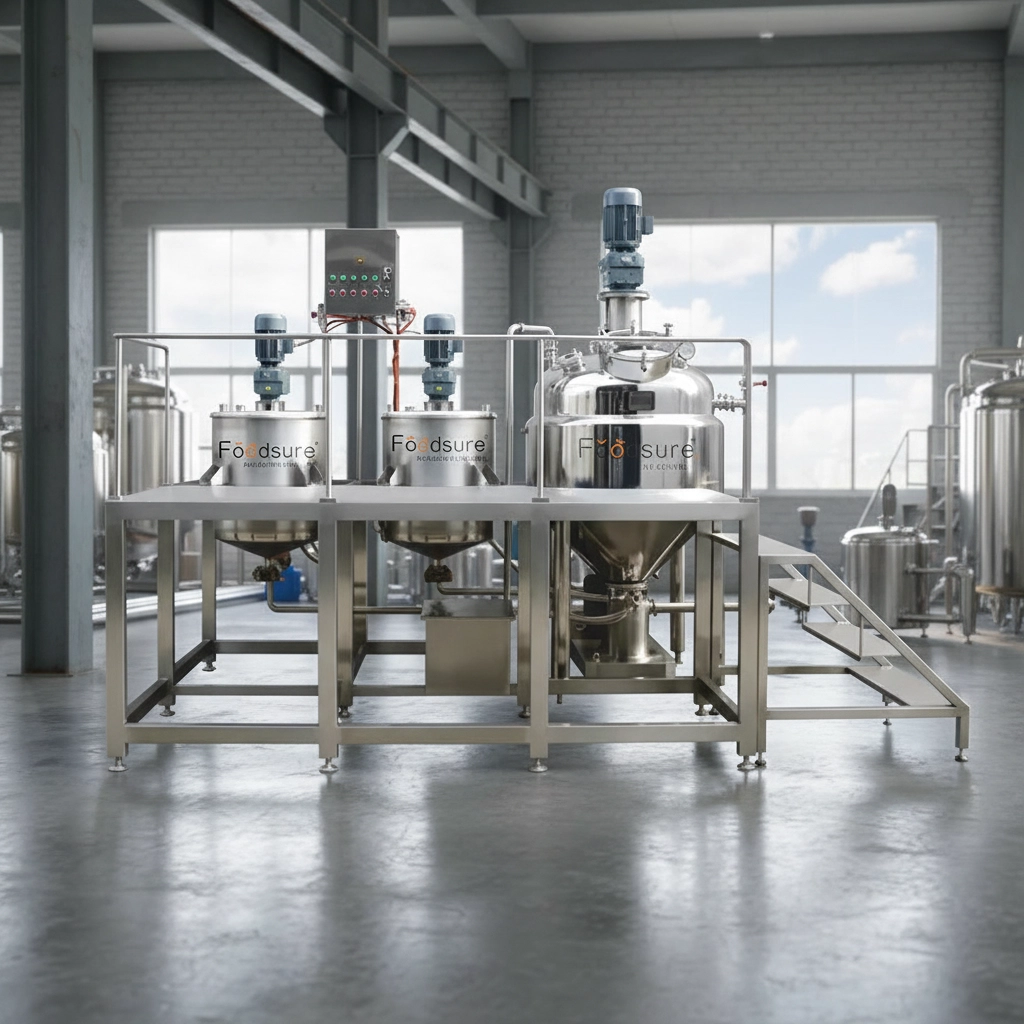
Mayonnaise exists as a sensitive emulsion. The batch will “break” when mixing speed fails to reach optimum levels because the oil will separate. An industrial mayonnaise maker uses high-shear mixing technology to produce a silky-smooth texture that remains stable in fluctuating Indian temperatures.
The Protein Bar Machine
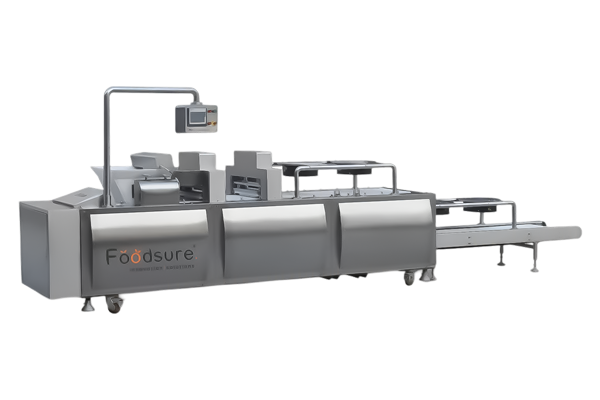
Protein masses have a reputation for being both sticky and dense. Manual cutting creates sharp edges, which result in inconsistent weight distribution. A protein bar production line extrudes the mass with precision, ensuring every bar is the same weight, protecting your profit margins from “over-filling.”
The Tomato Ketchup Machine
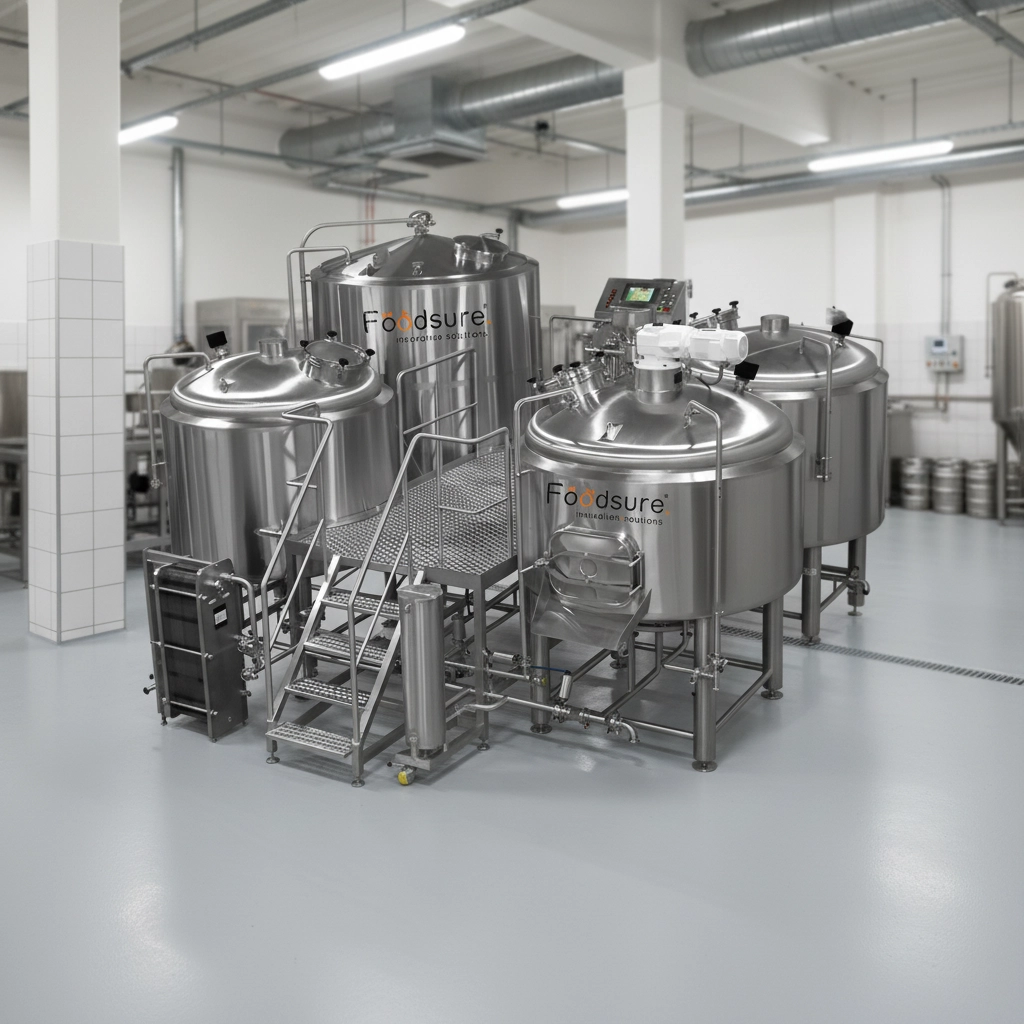
The transition from a pot on a stove to a ketchup processing unit is a game-changer. The machines utilise vacuum processing to maintain the bright red colour and natural tomato flavour, while requiring fewer preservatives for preservation.
The 4 Pillars of Investment Readiness
| Pillar | Critical Focus Area | Actionable Checklist Item |
|---|---|---|
| 1. Financial & ROI | The Cost of Inaction | Have you computed daily losses due to manual error and ingredient wastage? |
| 2. Financial & ROI | CapEx vs. OpEx | Have you included machine cost (CapEx) and monthly utilities / maintenance (OpEx) in your budget? |
| 3. Financial & ROI | ROI Formula | Does your payback period (Total Cost / Monthly Savings × 12) equal less than 24 months? |
| 4. Infrastructure | Space & Flow | Does your floor plan retain a “U” or “L” shape flow (Raw Material → Processing → Packing)? |
| 5. Infrastructure | Facilities | Does your facility have approved 3-phase power and required steam / water supplies? |
| 6. Infrastructure | Labor Shift | Are you planning to move personnel from manual roles into skilled technician roles? |
| 7.Standardisation | Machine-Friendly Recipe | Have you tested your recipe for pumpability and mechanical extrusion? |
| 8. Standardisation | Sourcing Consistency | Does your supplier assure consistency of raw materials (e.g. acidity, size, moisture)? |
| 9. Compliance | Material Standards | Does the machinery comply with FSSAI / ISO standards and use SS304 or SS316 food-grade steel? |
| 10. Compliance | Shelf-Life Quality | Will automated airtight sealing provide the shelf-life extension required by your market? |
Step-by-Step Equipment Selection Guide
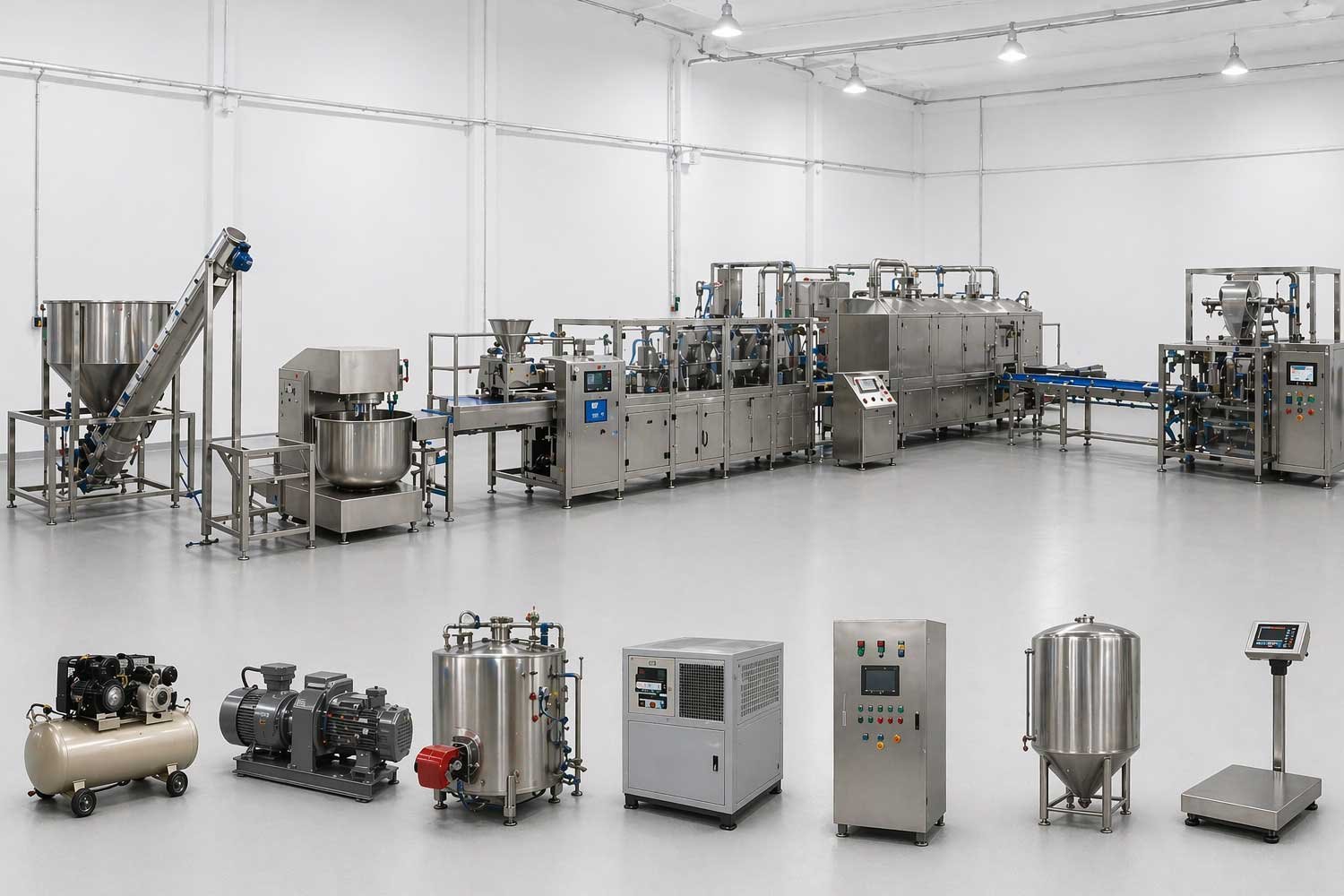
People need guidance about selecting their automatic food making machine based on their business requirements. Follow these steps:
- Define Your 2-Year Capacity: If you currently sell 500 units every day, then you should purchase a machine which can process 2000 units to support your future business expansion needs.
- Vendor Evaluation: Don’t just look at the price tag. The questions that need answers include whether they maintain inventory for spare parts and whether they provide an Annual Maintenance Contract.
- The Pilot Test: All automatic food-making machine purchases require testing through a trial period. The vendor lets you bring your own ingredients to their facility so you can conduct a test batch, which will show whether the texture matches your brand’s core identity.
Implementation: The First 90 Days
Your food machinery investment is most important during the first three months.
- Day 1-30: Installation and calibration. Be sure that the machine lies flat on your factory floor, or the machine will be damaged through vibration.
- Days 31–60: Training. Develop familiarity with the staff with the Start/Stop and emergency procedures. This is what we call the Staff Buy-in period, when they discover that the machine is a means of assisting them, not taking over their jobs.
- Days 61–90: Optimisation. Begin monitoring your electricity and waste. Fine-tune the settings to get the highest possible output with the lowest energy use.
Conclusion
The purchase of an automatic food-making machine serves as the starting point for your business transformation. When you discontinue serving solely as a localised vendor, your business has leapt into integrated branding.
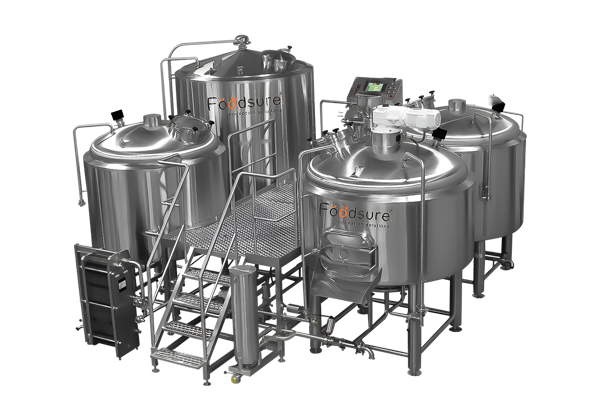
At Foodsure Machines, we offer specialised makhana plants and high-speed ketchup lines which have been developed to meet the needs of Indian entrepreneurs.
Are you prepared to expand your business operations?
Request a quote from Foodsure Machines today and turn your production challenges into a profitable, scalable business operation.
Frequently Asked Questions
Is food manufacturing automation worth it?
Yes, it is worth the investment to buy an automatic food making machine, as it turns your production process, which was a high-wastage and manual one, into a high-precision “profit multiplier” with a stable ROI.
How to choose an automatic food making machine for business?
You need to consider 2-year growth goals, the pumpability of your original recipe and the capacity of the vendor to offer local servicing to their machine, in order to select an automatic food-making machine to do business.
How much, on average, would an automatic food production machine cost in India?
In India, the price of an automatic food production machine depends on the capacity and the type of product, although in the vast majority of cases, the business pays back within a period of less than 24 months due to the savings in labour and waste.
What is the benefit of an automatic food making machine in increasing the shelf life of products?
A quality food processing machine improves the shelf life through the use of No-Touch hygiene standards and automated sealing via airtight packaging that cannot be duplicated by manual methods.
Why is investing in food machinery a strategic long-term action?
Food machinery investment is a good idea as you can increase the volume of production within a short time, as well as satisfy the high volume of orders by distributors, with each batch of food complying with the FSSAI standards.