
Increasingly, there is greater demand for healthy food options, including South Asia, which is not an exemption for such needs. The focus has shifted towards the need to be more concerned about protein, quality of ingredients, and convenient nutrition. Such changes present great opportunities for those companies capable of producing high-protein snacks effectively.
For the entrepreneur intending to reach the market of Bangladesh, establishing a High Protein Snack Manufacturing Business in Bangladesh could prove a good option, considering that Bangladesh provides low cost of manufacturing, agricultural raw materials, a food processing industry, and, at the same time, a growing market of functional foods.
In whatever way you are planning to conduct your business in the future, whether selling your products under your own brand, producing for retailers, or private labels, you should know the right production model.
What Is a High Protein Snack Manufacturing Business?
The production of high protein snacks manufacturing is all about creating ready to eat foods that have more proteins compared to regular snacks. The products are meant for those who want to achieve some form of fitness or balance their nutrition intake through healthy options.
Examples of these products are as follows:
- Protein bars
- Protein bites
- Roasted chickpeas
- Roasted lentils
- Protein chips
- High protein cookies
- Granola clusters
- Nuts snacks
- Seeds mixes
- Extruded protein puffs
In contrary to regular snack manufacturing, a High Protein Snack Manufacturing Business is concerned with balancing nutrients, consistency of ingredients and manufacture process control.
Why is the demand for high-protein snacks increasing in Bangladesh?
Consumer tastes in Bangladesh have shifted dramatically over the last few years. Healthy dieting has ceased to be associated only with athletic and fitness circles. Consumers of all classes and age groups are becoming aware of the benefits of eating products providing nutrition instead of empty calories.
There are several factors promoting the market development:
Growing Fitness Trend
People attend gyms, play sports, adhere to proper nutrition. Foods rich in protein are a perfect addition to such way of life.
Urban Busy Lifestyle
Convenience protein snacks do not require any preparation and can be consumed during work, traveling, or studying at school.
Awareness of the Need for Balanced Nutrition
Consumers started paying attention to the contents of the products more attentively. Products containing high levels of protein, having less sugar, and featuring fewer ingredients are more attractive for the customers.
Retail Development
Supermarkets, drug stores, online grocers, and nutrition stores are still developing the sales network of functional foods throughout Bangladesh.
The demand for the product increases owing to growing consumers’ interest in nutrition, active participation in sports, busy lifestyle, preference for healthy options instead of regular snacks, and modern retail development.
Understanding the High Protein Snack Industry
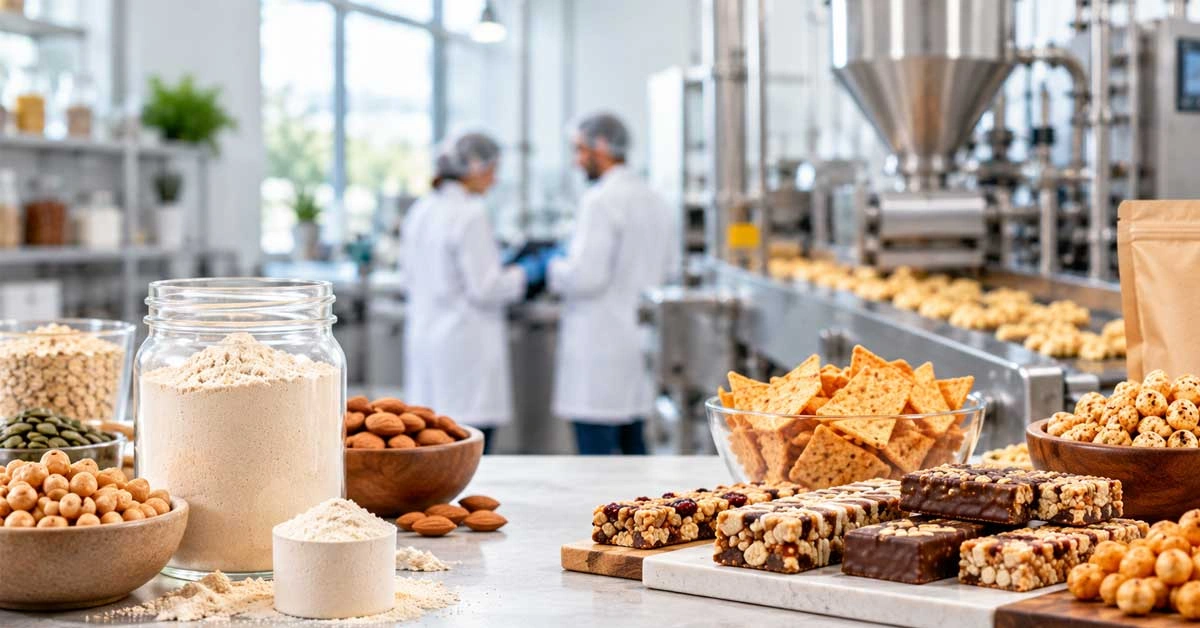
A High Protein Snack Manufacturing Business does not end with protein bar manufacturing. Consumer tastes depend on their dietary preferences, prices, and nutritional needs.
Companies usually manufacture several types of products from one factory by changing their formulas, manufacturing process, and packaging.
Successful companies never rely on only one type of product. Instead, they create a variety of products for various consumer groups, from fitness fans to families looking for nutritious snacks.
Popular High Protein Snack Categories
High protein snacks are available in several formats, allowing brands to target different consumer preferences, nutritional needs, and consumption occasions. From convenient bars and bites to savory snacks and protein-rich extruded products, each category offers different opportunities for product development and market positioning.
Protein Bars
One of the fastest-growing segments globally, protein bars combine convenience with balanced nutrition. They are widely consumed before workouts, after exercise, or as meal replacements.
Roasted Protein Snacks
Roasted chickpeas, lentils, soybeans, and peanuts offer affordable, naturally protein-rich alternatives to fried snacks.
Protein Chips
Made using legumes, pulses, or plant protein concentrates, protein chips are gaining popularity among younger consumers looking for healthier alternatives to traditional potato chips.
Protein Cookies
These products combine indulgence with nutrition, making them attractive to consumers who want healthier desserts.
Granola and Seed Clusters
Granola mixed with nuts and seeds provides protein, fibre, and healthy fats in a convenient format.
Functional Snack Mixes
Trail mixes, roasted seed blends, and nut combinations continue to attract consumers looking for minimally processed snack options.
Is a High Protein Snack Manufacturing Business Profitable?
Yes, a High Protein Snack Manufacturing Business will be highly profitable when the right positioning and efficiency in manufacturing are observed.
Profitability is achieved depending on the following:
- Type of product
- Sourcing of ingredients
- Efficiency in manufacturing process
- Packaging cost
- Branding
- Distribution
- Scale of manufacturing
- Exportation
High protein snacks always have higher selling prices compared to ordinary packed snacks due to health and quality connotations attached to them.
Businesses with efficiency in manufacturing and good branding always perform better compared to the businesses dealing with price competition.
Choosing the Right Business Model
Before investing in machinery or production facilities, decide how you want to enter the market for your High Protein Snack Manufacturing Business.
Private Label Manufacturing
Manufacture products for supermarkets, retailers, and established brands under their labels.
Best for: Businesses focused on production rather than marketing.
Own Brand Manufacturing
Develop your own brand identity and sell directly to consumers through retail stores and online channels.
Best for: Entrepreneurs building long-term brand value.
Contract Manufacturing
Produce snacks for multiple companies using their recipes and packaging requirements.
Best for: Manufacturers seeking consistent production volumes.
Export-Focused Manufacturing
Set up production in Bangladesh while supplying distributors and retailers across Bangladesh and other South Asian markets.
Best for: Businesses planning regional expansion from the beginning.
What Makes a Protein Snack Brand Successful?
Getting a product out is easy. Creating a brand that consumers come back for needs something else.
Effective makers of protein snacks tend to concentrate on:
- High-quality products
- Consistency in protein levels
- Great taste and texture
- Ingredients that are all clean label
- Pleasing packaging
- Food safety compliance
- Manufacturing processes that scale well
- Distribution partners who work well with you
This becomes even more relevant for a High Protein Snack Manufacturing Business in Bangladesh, where consumers begin to compare products based on both their nutritional value and the experience of eating them.
Step-by-Step Guide to Setting Up a High Protein Snack Manufacturing Business
Now that you have pinpointed the opportunities, the next challenge would be developing an effective manufacturing system to produce safe, consistent and scalable products. At this juncture of time, your decisions are going to affect the quality of the products, the cost structure and future scalability.
Be it supplying goods to the supermarkets in Bangladesh or producing for private label manufacturers, everything starts from here. That is, choosing the right products, investing in the right machinery and developing the right process.
Step 1: Decide Which High Protein Snacks to Manufacture
Before purchasing equipment, decide what products you want to sell. Different snacks require different processing methods, ingredients, and production lines.
Some of the most profitable options include:
It is usually advisable to start producing one or two products when you are entering into the market for the very first time. This would make the entire production process easier.
Step 2: Conduct Market Research for Bangladesh
For a High Protein Snack Manufacturing Business in Bangladesh, manufacturing should always follow customer demand, not assumptions.
Before finalising recipes or packaging, study the Bangladeshi market to understand:
Consumer Preferences
- High-protein snacks
- Plant-based products
- Low-sugar alternatives
- Gluten-free options
- Vegan snacks
- Natural ingredients
Popular Sales Channels
- Supermarkets
- Health food stores
- Gym cafés
- Pharmacies
- Convenience stores
- E-commerce platforms
Competitor Analysis
Evaluate competing brands based on:
- Protein content
- Ingredient quality
- Pricing
- Packaging
- Serving size
- Customer reviews
This research helps identify market gaps that your products can fill instead of competing solely on price.
Step 3: Develop Commercial-Ready Recipes
A recipe that works in a home kitchen rarely performs the same in commercial production.
Commercial formulations should focus on:
- Nutritional consistency
- Batch-to-batch uniformity
- Shelf stability
- Taste
- Texture
- Ingredient compatibility
- Cost efficiency
Common protein sources include:
Animal-Based Proteins
- Whey Protein Concentrate
- Whey Protein Isolate
- Milk Protein
- Casein
Plant-Based Proteins
- Soy Protein
- Pea Protein
- Rice Protein
- Chickpea Protein
- Lentil Protein
Many manufacturers also blend protein sources to improve amino acid balance and texture.
Step 4: Source Quality Raw Materials
For a High Protein Snack Manufacturing Business in Bangladesh, ingredient quality directly affects the taste, nutritional profile, and shelf life of your finished product.
Typical raw materials include:
Protein Ingredients
- Whey protein
- Soy protein isolate
- Pea protein
- Rice protein
Base Ingredients
- Oats
- Millets
- Chickpeas
- Lentils
- Quinoa
- Brown rice
Healthy Fats
- Almonds
- Cashews
- Peanuts
- Walnuts
- Flaxseed
- Chia seeds
- Pumpkin seeds
Natural Sweeteners
- Dates
- Honey
- Jaggery
- Stevia
- Coconut sugar
Functional Ingredients
- Cocoa
- Coffee
- Fruits
- Natural flavours
- Spices
- Fibre blends
- Vitamins and minerals
Working with reliable suppliers ensures consistent ingredient quality and reduces production disruptions.
Step 5: Choose the Right Manufacturing Machinery
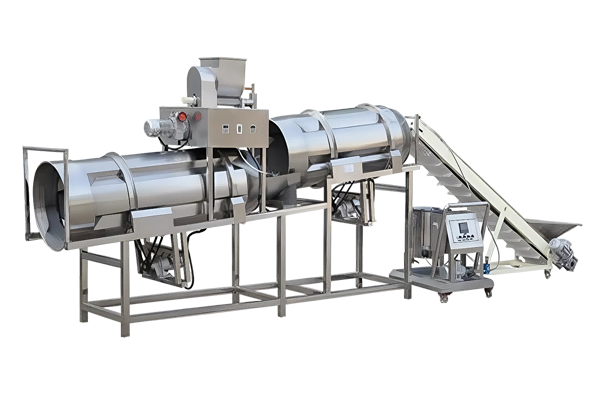
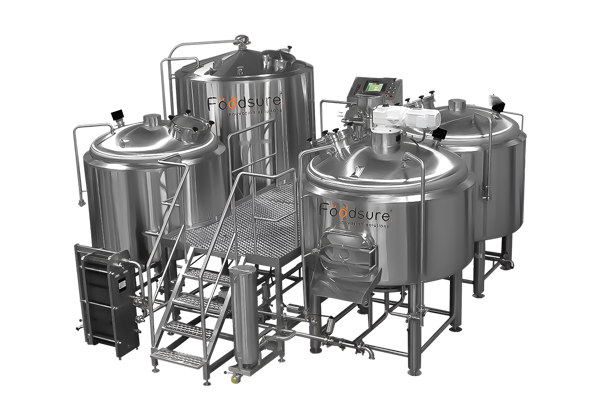
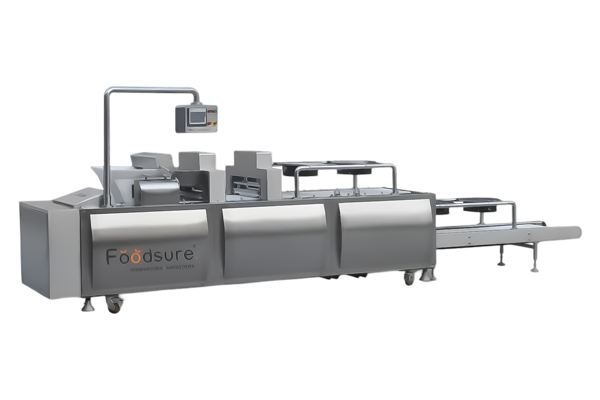
The equipment you purchase for a High Protein Snack Manufacturing Business determines production efficiency, labour requirements, and future scalability. For businesses evaluating machinery options, High Protein Snack Machine Bangladesh can be considered based on the required product format and production capacity.
While machinery varies depending on the product, a typical protein snack production facility may include the following.
Ingredient Handling Equipment
- Raw material storage systems
- Ingredient weighing stations
- Feeding systems
These help maintain recipe accuracy and reduce material wastage.
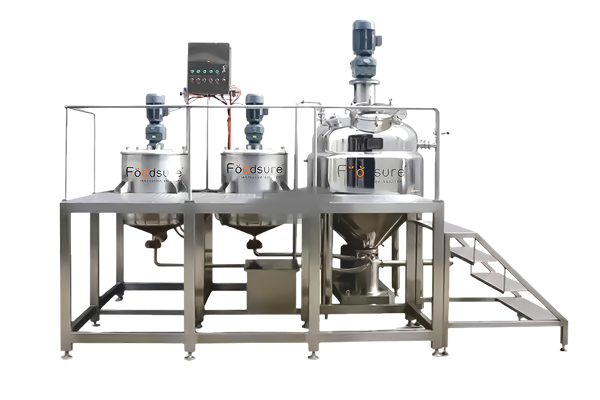
Mixing Equipment
Industrial mixers combine proteins, grains, binders, sweeteners, flavours, and functional ingredients into a uniform mixture.
Consistent mixing improves:
- Product texture
- Nutritional uniformity
- Batch consistency
Forming Machines
Depending on the product, manufacturers may use:
- Protein bar forming machines
- Ball forming machines
- Extrusion systems
- Sheet forming equipment
These machines maintain uniform size and weight while improving production speed.
Baking or Roasting Equipment
Products such as roasted chickpeas, cookies, and granola require controlled heating.
Industrial ovens and roasting systems ensure:
- Even cooking
- Better flavour development
- Controlled moisture levels
- Improved shelf life
Cooling Systems
Cooling prevents condensation before packaging and helps preserve product texture.
Cutting Equipment
For products like protein bars and granola slabs, automated cutting machines provide consistent dimensions and reduce product waste.
Packaging Machines
Packaging protects products from moisture, oxygen, and contamination.
Common options include:
- Flow wrap machines
- Pillow pack machines
- Multi-head weighing systems
- Nitrogen flushing systems
- Cartoning machines
Good packaging extends shelf life while improving shelf appeal.
Typical Protein Snack Production Flow

Most manufacturing facilities follow a structured production sequence.
Each stage should include quality checks to maintain consistency and comply with food safety standards.
Factory Space Requirements
The required factory size depends on production capacity and product range.
A small-to-medium facility generally includes:
Designing the factory with a logical product flow helps reduce cross-contamination and improves operational efficiency.
Production Capacity Planning
Select equipment based on your expected demand over the next three to five years rather than just your current sales projections.
Typical production capacities include:
Quality Control During Manufacturing
High-protein snacks are marketed as premium nutritional products, so quality control should be built into every production stage.
Key checks include:
Raw Material Testing
Verify:
- Moisture
- Protein content
- Microbiological safety
- Foreign matter
In-Process Monitoring
Inspect:
- Mixing consistency
- Product weight
- Shape
- Texture
- Temperature
Finished Product Testing
Evaluate:
- Nutritional values
- Moisture content
- Shelf life
- Taste
- Packaging integrity
Routine testing helps reduce product recalls and strengthens customer confidence.
Packaging Considerations
Packaging is more than a marketing tool. It also protects product quality during transportation and storage.
Good packaging should:
- Prevent moisture absorption
- Limit oxygen exposure
- Preserve freshness
- Display nutritional information
- Meet Bangladeshi labelling requirements
- Support retail presentation
Many manufacturers also choose recyclable or sustainable packaging materials to align with changing consumer expectations.
Technology Trends Shaping Protein Snack Manufacturing
Modern food manufacturers are increasingly adopting automation to improve efficiency and maintain consistent quality.
Some emerging technologies include:
- PLC-controlled production lines
- Automated weighing systems
- Vision inspection systems
- Metal detection
- Inline quality monitoring
- Smart production tracking
- Digital recipe management
- Energy-efficient processing equipment
Although automation requires higher initial investment, it often reduces long-term labour costs and improves production consistency.
Common Mistakes When Setting Up a Manufacturing Facility
Many new businesses invest heavily in machinery before validating product demand or production requirements.
Some common mistakes include:
- Purchasing oversized equipment too early
- Ignoring future expansion plans
- Choosing low-quality raw materials
- Underestimating packaging costs
- Skipping quality control procedures
- Poor factory layout planning
- Inadequate staff training
- Overlooking preventive equipment maintenance
Avoiding these issues can save high costs and minimise operational disruptions.
Business Registration and Compliance Requirements
Setting up a manufacturing facility is only one part of the journey. To sell your products confidently in Bangladesh, you also need to comply with food safety regulations, labelling standards, and export requirements.
For a High Protein Snack Manufacturing Business in Bangladesh, the exact approvals depend on whether you’re selling only in Bangladesh or exporting Internationally, but investing in compliance from the beginning builds trust with retailers, distributors, and consumers.
Business Registration Checklist
Before starting commercial production, ensure your business has the required registrations and approvals.
Basic Requirements
- Business registration
- Tax registration
- Manufacturing licence (where applicable)
- Factory approval
- Trade licence
- Environmental compliance (if required)
- Fire and workplace safety approvals
If you plan to export Internationally, work with a customs and export consultant to understand documentation requirements before shipping your first order.
Food Safety Certifications That Add Market Credibility
While not every certification is mandatory for startups, recognised food safety standards improve buyer confidence and make it easier to enter organised retail chains.
Some widely accepted certifications include:
Understanding Product Labelling Requirements
Your packaging should provide consumers with clear and accurate information.
Typical label elements include:
- Product name
- Ingredients list
- Allergen declaration
- Nutritional information
- Net weight
- Manufacturing date
- Best-before date
- Batch number
- Storage instructions
- Country of origin
- Manufacturer details
Clear labelling supports regulatory compliance while helping customers make informed purchasing decisions.
How Much Does It Cost to Start a High Protein Snack Manufacturing Business?
The investment required for a High Protein Snack Manufacturing Business depends on your production capacity, level of automation, factory size, and product portfolio.
Below is a general breakdown of major cost areas.
Rather than investing heavily from day one, many manufacturers begin with a moderate production capacity and expand as demand grows.
Operational Costs to Consider
Besides the initial investment, ongoing operating costs will determine long-term profitability.
These generally include:
- Raw material procurement
- Employee salaries
- Electricity and fuel
- Packaging materials
- Equipment maintenance
- Quality testing
- Transportation and logistics
- Warehouse expenses
- Marketing and promotional activities
Monitoring these costs regularly helps maintain healthy profit margins.
Is the High Protein Snack Business Profitable?
Yes, the business has strong earning potential when products meet market demand, and production is managed efficiently.
Profitability depends on factors such as:
- Product positioning
- Manufacturing efficiency
- Ingredient sourcing
- Packaging quality
- Distribution reach
- Customer retention
- Production volume
Brands that focus on quality, consistency, and strong retail partnerships often achieve better long-term returns than businesses competing only on price. For more information please read our article on Protein Snack Business Guide.
Conclusion
Starting a High Protein Snack Manufacturing Business in Bangladesh while targeting the international market offers an opportunity to combine cost-efficient manufacturing with growing consumer demand for healthier food choices.
Success, however, depends on much more than installing machinery. Businesses that invest in product development, food safety, efficient production, reliable suppliers, and market-focused branding are better positioned to build sustainable growth.
Instead of trying to compete on price alone, focus on delivering consistent quality, transparent labelling, and products that align with changing consumer preferences. As demand for protein-rich foods continues to grow across South Asia, manufacturers that build scalable operations today will be better prepared for tomorrow’s opportunities.
Have a Question? Let’s Connect
Need expert guidance on food processing machines, production setup, or process optimization? Our team is ready to help you choose the right solution for your business.
Frequently Asked Questions
How much investment is required to start a high protein snack manufacturing business?
The investment for a High Protein Snack Manufacturing Business varies depending on production capacity, factory size, automation level, and product range. Startups typically begin with a smaller production line and scale operations as demand increases.
Which protein source is best for manufacturing snacks?
There is no single best option. Whey protein, soy protein, pea protein, rice protein, chickpea protein, and blended protein formulations are commonly used based on the target consumer and product type.
Can I manufacture in Bangladesh and sell internationally?
Yes. Many businesses establish manufacturing facilities in one country while exporting finished products to neighbouring markets. However, products must comply with the import regulations and food labelling requirements of the destination country.
What are the most profitable protein snack products?
Popular categories include:
- Protein bars
- Roasted chickpeas
- Protein cookies
- Protein chips
- Granola clusters
- Nut and seed mixes
- Protein bites
Profitability depends on product quality, branding, distribution, and manufacturing efficiency.
What certifications improve buyer confidence?
Food safety certifications such as HACCP, ISO 22000, and GMP demonstrate that products are manufactured under controlled processes. Additional certifications, including Halal or Organic, may support access to specific customer segments.