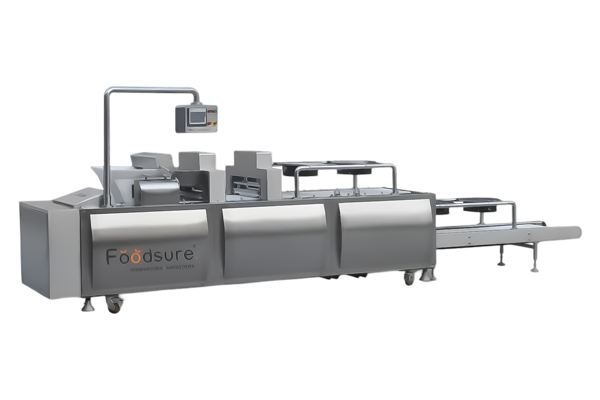

The world of protein snack is not only reserved for sportsmen anymore. Consumers in Bangladesh have started focusing on healthy and convenient ways of nourishment. High protein biscuits, roasted products, cereal bars, peanut protein bars, granola bars, seed mixes and functional snacks are slowly finding their place on the shelves of supermarkets, e-commerce platforms and even local retailers.
It means that there is an opportunity to open your business related to protein snack manufacturing. With the rise of the middle class in the country, the rise of urban population, gym culture and ready-to-eat products demand, starting a protein snack business has never been easier.
Be it a plan to produce protein bars, roasted makhana snacks, granola clusters, nut products or any other high protein foods – it would be possible only after following several necessary steps. It includes choosing profitable products, setting up production facilities, getting proper equipment, investing the money needed and knowing what people want.
This article will take a closer look at each stage of opening a protein snack manufacturing company in Bangladesh.
Bangladesh’s Protein Snack Industry Is Entering a High-Growth Phase
There is an increase in the demand for nutritious packaged foods in Bangladesh because of the shift in lifestyle, disposable income, presence of modern retail channels, and increased nutritional awareness. There is a tremendous opportunity in the production of protein-packed snack foods in Bangladesh due to these changes.
The food consumption habits in Bangladesh have transformed during the past decade. Traditional snacks continue to be preferred by most consumers in their households, but there is an increased demand for healthier foods without impacting their taste preferences.
Several reasons for this change are:
- Urbanization
- Increase in number of workers
- Increased number of supermarkets
- Awareness about protein diets
- Increased participation in exercise
- Exposure to global food trends via social media
Current customers now read labels before making purchases and prefer foods which contain high protein, less sugar, clean label, and functional health benefits.
These shifting customer preferences have prompted the creation of new categories of snacks which were rare a few years ago.
Why Protein Snacks Are Becoming Popular
Protein is no longer just an essential nutrient in bodybuilding. It has become a part of students’, office employees’, parents’ and elderly people’s diets, as well as that of health-conscious families.
Among some of the top-selling products are:
- Protein bars
- Energy bars
- Granola bars
- Peanut protein snacks
- Roasted chickpeas
- Seeds snacks
- Nuts snacks
- Makhana snacks
- High-protein cookies
- Oat nutrition snacks
These products have gained popularity because of their portability, nutritional benefits and convenience in snacking.
Why Bangladesh Is an Attractive Market for Protein Snack Manufacturing

Bangladesh has several advantages for food entrepreneurs considering protein snack production.
Large Consumer Base
With a population exceeding 170 million, Bangladesh offers a substantial domestic market. Even niche food categories can scale quickly when supported by strong distribution networks.
Urban centres such as Dhaka, Chattogram, Khulna, Sylhet, Rajshahi, and Gazipur continue to drive demand for packaged convenience foods.
Rising Health Awareness
Nutrition awareness has grown through healthcare campaigns, social media creators, gyms, sports communities, and nutrition professionals.
Consumers are paying greater attention to:
- Daily protein intake
- Weight management
- Healthy snacking
- Muscle recovery
- Balanced nutrition
- Children’s nutrition
This growing awareness supports demand for functional snack products instead of traditional fried alternatives.
Expansion of Modern Retail
Bangladesh’s retail landscape has evolved significantly.
Modern supermarkets, convenience stores, pharmacy chains, online grocery platforms, and quick-commerce services now stock healthier packaged food products alongside traditional snacks.
These channels make it easier for emerging brands to reach customers without building their own nationwide retail network immediately.
Export Potential
Bangladesh’s food processing sector continues to expand its international footprint.
Manufacturers producing export-quality protein snacks can explore opportunities in markets such as:
- Middle East
- Malaysia
- Singapore
- Nepal
- Sri Lanka
- India
- Europe (subject to compliance requirements)
Export-ready facilities that maintain strict food safety standards are often better positioned for long-term growth.
What Types of Protein Snacks Offer the Best Business Opportunities?
One of the biggest advantages of entering this industry is product diversification.
Rather than depending on one product, manufacturers often build portfolios that serve multiple customer segments.
Protein Bars
Protein bars remain one of the fastest-growing categories globally.
They appeal to:
- Gym members
- Students
- Office professionals
- Travellers
- Sports enthusiasts
Manufacturers can develop multiple flavours while maintaining a common production line.
Granola Bars
Granola bars combine grains, nuts, seeds, dried fruits, and protein ingredients into convenient snack products.
These products target breakfast replacement and healthy snacking markets.
Makhana Snacks
Roasted fox nuts are gaining popularity because they are naturally light and versatile.
Different seasoning options allow brands to target multiple customer preferences while maintaining relatively simple manufacturing processes.
Roasted Protein Snacks
Products made from chickpeas, soybeans, lentils, peas, and peanuts continue to attract consumers looking for healthier alternatives to fried snacks.
These products generally require lower oil content while delivering higher nutritional value.
High-Protein Cookies
Cookies enriched with whey protein, oats, peanut flour, soy protein, or plant protein blends are increasingly popular among consumers seeking healthier indulgence.
Mixed Seed Snacks
Pumpkin seeds, sunflower seeds, flaxseeds, chia seeds, sesame, and other nutrient-rich ingredients can be packaged individually or as premium snack mixes.
These products often command higher retail prices because of their perceived nutritional value.
Consumer Trends Driving Bangladesh’s Protein Snack Market
Understanding customer behaviour is often more valuable than following competitors.
Several consumer trends are shaping the future of Bangladesh’s healthy snack industry.
Convenience Comes First
Consumers prefer products that require no preparation.
Portable snack packs are increasingly replacing traditional homemade snacks during work, travel, and study hours.
Clean Labels Matter More Than Ever
Modern consumers increasingly read ingredient labels before purchasing.
Products with:
- fewer artificial additives
- recognisable ingredients
- lower sugar
- balanced nutrition
- higher protein
often build stronger trust among repeat buyers.
Affordable Premium Products Are Winning
Bangladesh remains a price-sensitive market.
Rather than targeting luxury pricing, successful brands often position themselves as affordable premium products that deliver better nutrition without becoming inaccessible to average consumers.
Digital Commerce Is Expanding Rapidly
Consumers now discover new snack brands through:
- TikTok
- Food influencers
- Online grocery platforms
- Brand websites
A strong digital presence can significantly reduce customer acquisition costs during the early growth stages.
Who Is Buying Protein Snacks?
Identifying your target audience helps shape product development, pricing, branding, and marketing.
The primary customer segments include:
| Consumer Group | Purchase Motivation |
|---|---|
| Gym Members | Muscle recovery and protein intake |
| Students | Convenient and filling snacks |
| Working Professionals | Healthy office snacks |
| Parents | Nutritious lunchbox options |
| Travellers | Portable energy foods |
| Weight-Conscious Consumers | Low-calorie, protein-rich alternatives |
| Sports Enthusiasts | Recovery nutrition |
| Busy Families | Ready-to-eat healthy options |
Each segment values slightly different product attributes. Understanding these preferences allows manufacturers to create targeted product lines instead of relying on a one-size-fits-all approach.
Why Local Manufacturing Makes Financial Sense
Importing finished protein snacks often increases costs due to freight, duties, distributor margins, and fluctuating exchange rates.
Local manufacturing provides several competitive advantages:
- Better control over production quality
- Faster product development
- Reduced logistics costs
- Greater flexibility in packaging sizes
- Improved inventory management
- Easier product customization for local tastes
- Higher long-term profit margins
Manufacturers can also respond more quickly to changing consumer preferences by introducing new flavours, seasonal products, or limited-edition offerings without relying on overseas suppliers.
Step-by-Step Guide to Starting a Protein Snack Manufacturing Business in Bangladesh
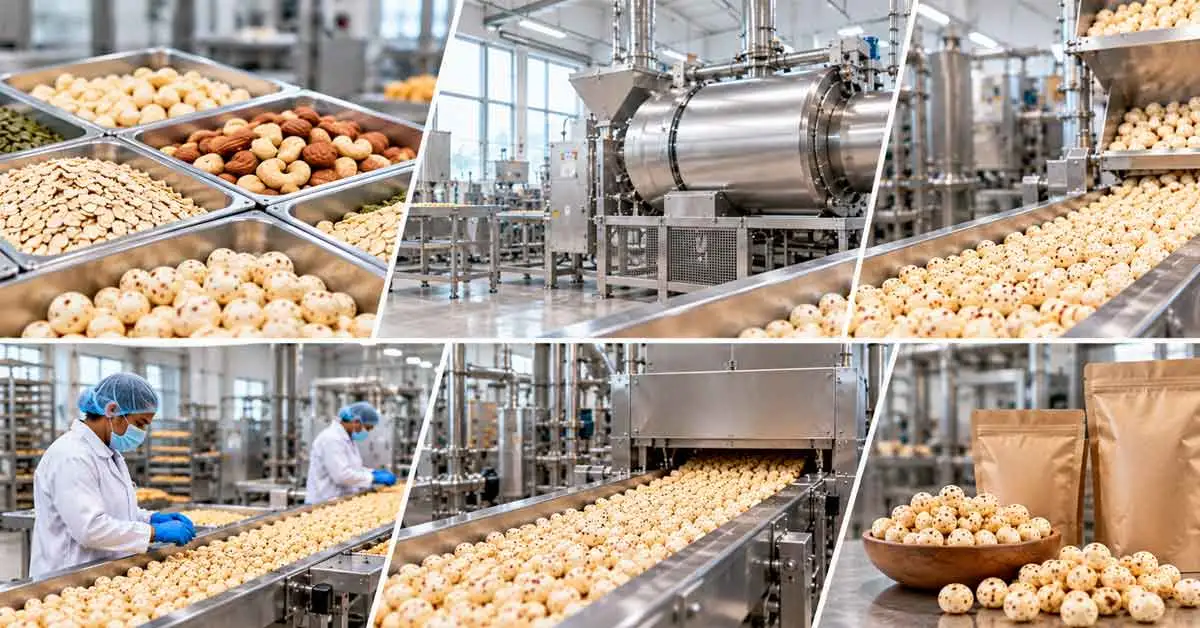
Starting a protein snack business involves much more than choosing a product. Every stage, from market validation to factory commissioning, directly affects product quality, production efficiency, and long-term profitability.
The businesses that scale successfully usually invest time in planning before investing in machinery. A clear roadmap helps avoid unnecessary expenses and production delays.
Step 1 Define Your Product Category
Choose a product category based on market demand, ingredient availability, production complexity, and your target customers. Many successful manufacturers begin with one or two products before expanding their portfolio.
Before purchasing machinery or leasing a facility, decide exactly what you want to manufacture.
Popular options in Bangladesh include:
- Protein bars
- Energy bars
- Granola bars
- Oat bars
- Peanut protein bars
- Roasted makhana snacks
- Roasted chickpeas
- Mixed seed snacks
- High-protein cookies
- Nutrition bites
Each product requires a slightly different production process, ingredient blend, and packaging approach. Your choice should align with customer demand and your investment capacity.
Questions to Ask Before Finalising Your Product
- Who is the ideal customer?
- Will the product target retail or wholesale buyers?
- Is it suitable for exports?
- Can ingredients be sourced consistently?
- How competitive is the category?
- Can the product be differentiated through flavour, nutrition, or pricing?
A focused product strategy makes production planning much easier.
Step 2 Study the Bangladesh Market Before Investing
Many first-time manufacturers invest in equipment before validating demand. This often leads to slow inventory movement and pricing challenges.
A market study should answer three important questions.
What Products Are Already Selling?
Visit:
- Supermarkets
- Health food stores
- Pharmacy chains
- Local grocery retailers
- Fitness centres
- Online marketplaces
Observe:
- Price ranges
- Packaging styles
- Product sizes
- Ingredient claims
- Protein content
- Customer reviews
These insights help identify market gaps instead of copying existing products.
Understand Consumer Preferences
Bangladeshi consumers increasingly value products that are:
- High in protein
- Affordable
- Low in sugar
- Convenient
- Good tasting
- Made with familiar ingredients
Consumers also appreciate transparent nutritional information and clear ingredient labels.
Analyse Your Competitors
Evaluate competing brands based on:
| Evaluation Factor | Questions to Consider |
|---|---|
| Product Quality | What ingredients are they using? |
| Pricing | Which price range dominates? |
| Packaging | Premium or economical? |
| Distribution | Where are products available? |
| Brand Positioning | Fitness, family nutrition, or convenience? |
| Customer Feedback | What complaints appear repeatedly? |
Finding unanswered customer needs creates stronger business opportunities than competing solely on price.
Step 3 Prepare a Detailed Business Plan
A strong business plan reduces financial risks and improves decision-making.
Include the following sections.
Investment Estimate
Calculate expected costs for:
- Factory setup
- Machinery
- Utilities
- Raw materials
- Packaging
- Staff salaries
- Licensing
- Marketing
- Working capital
Unexpected expenses are common during the first few months, so maintaining contingency funds is advisable.
Revenue Forecast
Estimate:
- Daily production capacity
- Expected sales volume
- Wholesale pricing
- Retail pricing
- Gross margin
- Monthly operating expenses
- Break-even period
Conservative financial planning generally produces more sustainable growth than overly optimistic projections.
Production Goals
Define measurable targets such as:
- Daily production
- Monthly sales
- Product expansion timeline
- Distribution coverage
- Export readiness
These goals provide direction for future investments.
Step 4 Select the Right Factory Location
Factory location affects logistics, labour availability, operating costs, and future expansion.
An ideal location should offer:
- Reliable electricity
- Adequate water supply
- Good transportation access
- Availability of skilled workers
- Space for future expansion
- Compliance with local industrial regulations
Manufacturing clusters around Dhaka, Gazipur, Narayanganj, Chattogram, and other industrial regions often provide better infrastructure for food production businesses.
Step 5 Source High-Quality Ingredients
Product quality starts with ingredient quality.
Choose suppliers that provide consistent specifications and proper documentation.
Typical ingredients include:
Protein Sources
- Whey protein
- Soy protein
- Pea protein
- Milk protein
- Rice protein
- Plant protein blends
Functional Ingredients
- Oats
- Peanuts
- Almonds
- Cashews
- Pumpkin seeds
- Sunflower seeds
- Chia seeds
- Flaxseeds
Natural Sweeteners
Depending on product formulation, manufacturers may use:
- Honey
- Dates
- Jaggery
- Malt syrup
- Natural fruit concentrates
Flavour Ingredients
Popular flavours include:
- Chocolate
- Peanut butter
- Vanilla
- Coffee
- Mixed berries
- Coconut
- Mango
- Banana
Maintaining supplier consistency helps preserve product quality across production batches.
Step 6 Understand the Protein Snack Manufacturing Process
Protein snack manufacturing generally involves ingredient preparation, mixing, forming, cooling or baking (depending on the product), cutting, inspection, packaging, and quality testing.
Although production varies by product type, the basic workflow remains similar.
Ingredient Preparation
Raw materials are inspected, weighed, and prepared according to the production formula.
Consistency at this stage determines flavour and nutritional accuracy.
Mixing
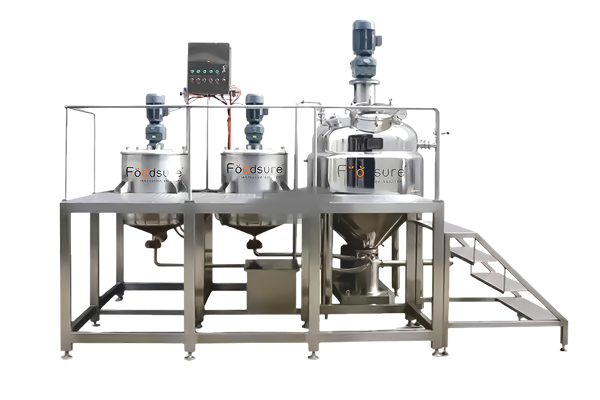
Dry and liquid ingredients are blended using industrial mixers until a uniform consistency is achieved.
Proper mixing ensures:
- Even protein distribution
- Consistent texture
- Better product stability
Forming
The mixture is shaped using automated forming systems designed for the required product dimensions.
Different forming technologies are used for:
- Protein bars
- Granola bars
- Nutrition bites
- Snack blocks
Precision during forming reduces product wastage.
Baking or Cooling
Some products require baking.
Others use cooling tunnels to stabilise texture before cutting and packaging.
Processing conditions depend on product formulation.
Cutting
Automatic cutters divide products into uniform sizes.
Uniform dimensions improve:
- Packaging efficiency
- Shelf presentation
- Portion consistency
Quality Inspection
Before packaging, products undergo inspection for:
- Weight consistency
- Shape
- Texture
- Appearance
- Packaging integrity
Routine quality checks help minimise product recalls and customer complaints.
Packaging
Finished products are packed using automated packaging systems.
Packaging should protect products against:
- Moisture
- Oxygen
- Contamination
- Physical damage
High-quality packaging also improves shelf appeal.
Machinery Required for a Protein Snack Factory
The machinery configuration depends on production capacity and product type.
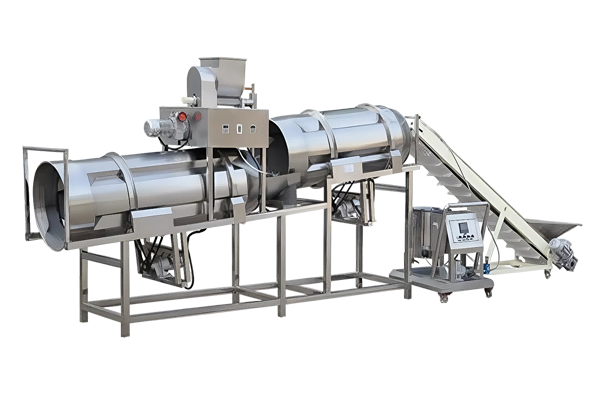
A typical manufacturing setup may include:
| Machine | Purpose |
|---|---|
| Ribbon Blender | Uniform ingredient mixing |
| Dough Mixer | Product formulation |
| Bar Forming Machine | Continuous shaping |
| Slab Former | Uniform sheet formation |
| Cooling Conveyor | Product stabilisation |
| Automatic Cutter | Accurate portion cutting |
| Flow Wrap Machine | Individual packaging |
| Metal Detector | Food safety inspection |
| Check Weigher | Weight verification |
| Coding Machine | Batch and expiry printing |
As production grows, manufacturers often integrate fully automated production lines to improve efficiency and reduce labour dependency.
How Much Investment Is Required?
Investment varies depending on:
- Production capacity
- Automation level
- Product range
- Factory size
- Packaging requirements
The total project cost generally includes:
Capital Investment
- Land or factory lease
- Machinery
- Utilities
- Electrical installation
- Production line setup
- Laboratory equipment
Operating Investment
- Ingredients
- Packaging materials
- Labour
- Maintenance
- Marketing
- Distribution
- Inventory
Businesses planning long-term expansion should consider machinery that allows future capacity upgrades rather than replacing the entire production line.
Regulatory and Food Safety Compliance in Bangladesh
Compliance is essential for building consumer trust and accessing modern retail chains.
Depending on your business model and target market, manufacturers should comply with applicable food safety, labelling, and regulatory requirements in Bangladesh.
Areas that require attention include:
- Food manufacturing licences
- Product labelling regulations
- Nutritional declarations
- Ingredient traceability
- Hygiene practices
- Quality management systems
- Worker safety
- Good Manufacturing Practices (GMP)
- Hazard Analysis and Critical Control Points (HACCP), where applicable
For businesses planning exports, additional international food safety certifications may be required by overseas buyers.
Factory Layout Planning
A well-designed layout improves workflow and reduces contamination risks.
A typical production facility includes:
- Raw material storage
- Ingredient preparation area
- Mixing section
- Forming line
- Cooling or baking section
- Cutting area
- Packaging room
- Finished goods warehouse
- Quality control laboratory
- Dispatch area
The movement of materials should follow a one-way flow to minimise cross-contamination and improve operational efficiency.
Common Mistakes New Manufacturers Should Avoid
Many businesses encounter avoidable setbacks during the initial stages.
Some of the most common mistakes include:
- Choosing machinery based only on price
- Ignoring market research
- Purchasing low-quality ingredients
- Underestimating working capital requirements
- Weak packaging design
- Poor inventory planning
- Inadequate quality control
- Launching too many products at once
- Neglecting food safety documentation
- Failing to build a reliable distribution network
Addressing these issues early can save significant time and resources.
Common Challenges and Practical Solutions
| Challenge | Practical Solution |
|---|---|
| Rising raw material costs | Build relationships with multiple suppliers and negotiate long-term contracts. |
| Strong market competition | Differentiate through quality, nutrition, flavour innovation, and branding. |
| Inconsistent production | Invest in reliable machinery and standard operating procedures. |
| Short product shelf life | Optimise formulations and use high-quality packaging materials. |
| Slow sales after launch | Strengthen digital marketing, retail partnerships, and sampling campaigns. |
| Customer retention | Introduce loyalty programmes, gather feedback, and improve products continuously. |
What Makes a Protein Snack Business Profitable?
While every business operates differently, profitable manufacturers usually share several characteristics.
They focus on:
- Consistent product quality
- Efficient production
- Cost control
- Reliable supplier relationships
- Strong branding
- Wide distribution
- Customer feedback
- Continuous product innovation
Profitability is built over time through operational discipline rather than short-term sales spikes.
Conclusion
If you’re planning to establish a protein snack manufacturing unit in Bangladesh, partnering with an experienced machinery manufacturer can simplify the process.
Foodsure Machines offers complete protein snack production solutions designed for startups as well as large-scale manufacturers. From product development support and production line planning to installation and after-sales assistance, the right technology can help improve efficiency, maintain product consistency, and prepare your business for future growth.
Connect with the Foodsure Machines team to discuss your production goals and identify a manufacturing solution that matches your business requirements.
Have a Question? Let’s Connect
Need expert guidance on food processing machines, production setup, or process optimization? Our team is ready to help you choose the right solution for your business.
Frequently Asked Question
What is the investment required to start a protein snack manufacturing business in Bangladesh?
The investment depends on production capacity, factory size, level of automation, product range, packaging requirements, and quality standards. Entrepreneurs should budget for machinery, facility setup, raw materials, utilities, licensing, packaging, labour, and working capital before beginning production.
Businesses planning long-term growth often choose scalable equipment that supports future expansion without replacing the complete production line.
Is the protein snack business profitable in Bangladesh?
Yes. The growing demand for healthy, convenient, and protein-rich foods has created a promising market for manufacturers. Profitability depends on efficient production, product quality, pricing strategy, strong distribution, and consistent branding.
Companies that continuously innovate and maintain strict quality standards generally achieve better customer retention and higher margins.
Which protein snacks are most popular in Bangladesh?
The market continues to expand across several categories, including:
- Protein bars
- Energy bars
- Granola bars
- Roasted makhana snacks
- Roasted chickpeas
- High-protein cookies
- Nut mixes
- Seed mixes
- Oat-based snacks
- Functional nutrition bites
Consumer demand varies by age group, lifestyle, and purchasing power.
Which machinery is required for protein snack manufacturing?
A standard production line may include:
- Ribbon Blender
- Dough Mixer
- Slab Former
- Bar Forming Machine
- Cooling Conveyor
- Automatic Cutter
- Flow Wrap Packaging Machine
- Metal Detector
- Check Weigher
- Batch Coding Machine
The final configuration depends on product type and desired production capacity.
Can protein snacks be exported from Bangladesh?
Yes. Manufacturers meeting international food safety, quality, and packaging requirements can explore export opportunities in the Middle East, South Asia, Southeast Asia, and other growing packaged food markets.
Export readiness requires consistent production standards, proper documentation, and buyer-specific compliance.
How long does it take to establish a protein snack manufacturing unit?
The timeline depends on machinery procurement, factory construction or renovation, regulatory approvals, utility installation, product development, and trial production.
Businesses with proper planning typically complete these stages much faster than those making decisions during installation.
What ingredients are commonly used in protein snacks?
Common ingredients include:
- Whey protein
- Soy protein
- Pea protein
- Oats
- Peanuts
- Almonds
- Cashews
- Dates
- Honey
- Pumpkin seeds
- Chia seeds
- Flaxseeds
- Cocoa
- Natural flavours
Manufacturers usually customise formulations according to target customers and nutritional goals.
How can new businesses compete with established snack brands?
Instead of competing only on price, focus on:
- Better product quality
- Unique flavours
- Clean ingredient labels
- Attractive packaging
- Strong digital marketing
- Reliable customer service
- Consistent product availability
Building customer trust often becomes a stronger competitive advantage than aggressive discounting.