Selecting the right fillings for protein ball manufacturing is just as important as choosing the outer protein blend, as both directly influence product quality, shelf-life, and manufacturing efficiency. The choice of filling is just as important as that of the outer dough since it impacts the quality, shelf-life, and production of the product.
Choosing the best fillings for encrusted protein balls also depends on factors such as texture, ingredient compatibility, nutritional goals, and processing stability during commercial manufacturing.
Regardless of whether you want to produce functional snacks, energy balls, or high-protein products, proper filling selection can ensure smooth commercial production. The current blog post discusses popular fillings, key selection criteria, and other aspects of making high-quality encrusted protein balls.
This blog helps businesses understand filling selection, ingredient compatibility, and manufacturing considerations to improve product quality and production efficiency.
Why Fillings Matter in Encrusted Protein Ball Manufacturing
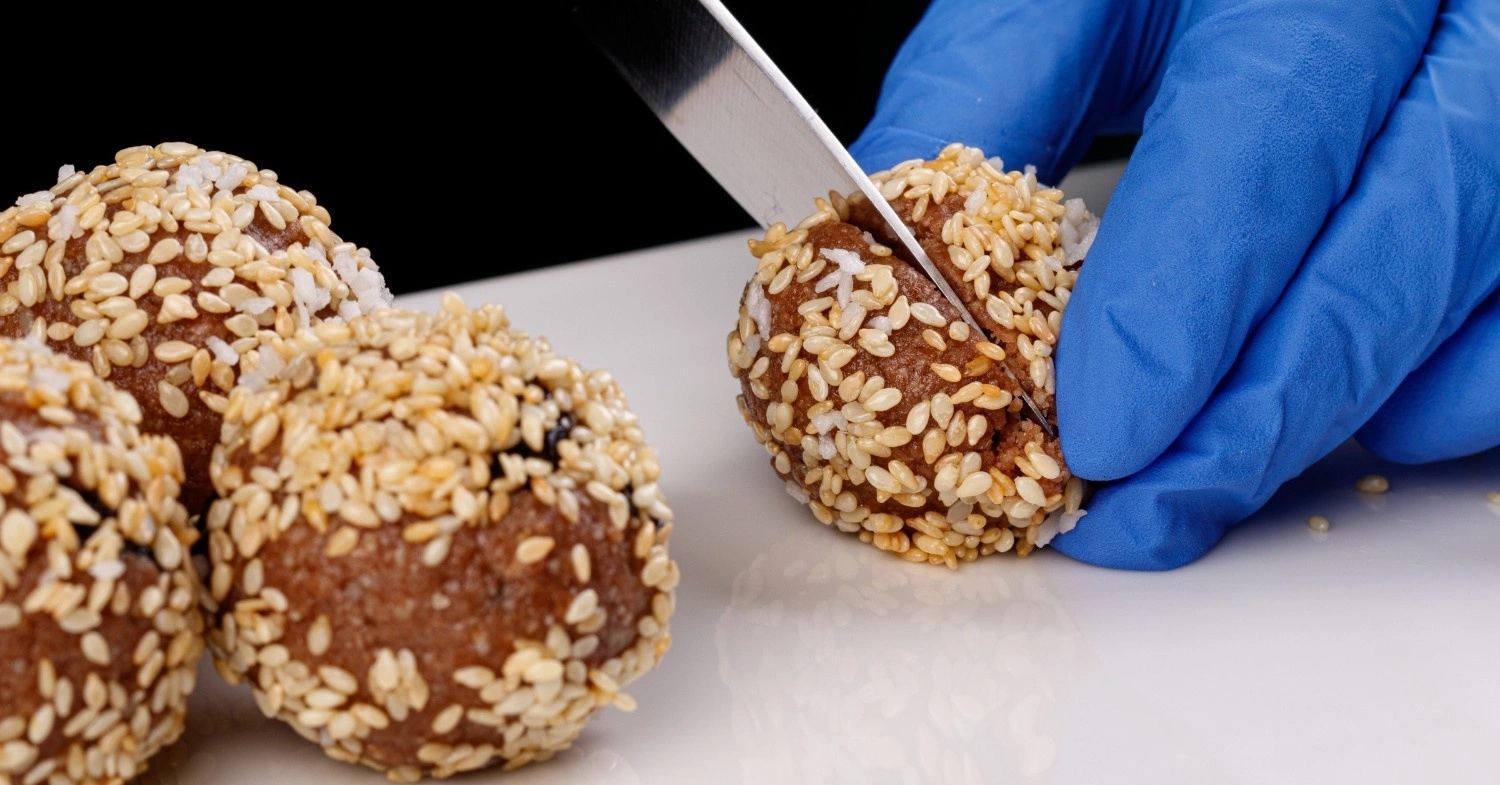
The filling is often what distinguishes one protein ball from the next. While the exterior gives shape to the food, the interior makes it tasty, nutritious, and enjoyable. The right filling not only adds to the quality of the product but also helps achieve an efficient manufacturing process.
For commercial manufacturers, not only does the filling have to be tasty but also be able to withstand mixing, forming, packaging, storage, and shipping. Bad choices of filling can cause leakage, change in texture, decrease in shelf life, and difficulty in manufacturing. Making the right choice from the start will help minimize manufacturing problems.
Factors to Consider When Selecting Protein Ball Fillings
Before choosing a filling, manufacturers should evaluate several technical and commercial factors. Proper selection helps improve production efficiency while maintaining product quality.
Nutritive Quality
It is important that the filling works towards achieving the nutritional goals set out for the finished product. Based on the market in focus, the manufacturer can look at adding proteins, healthy fat, dietary fiber, or any other ingredient that offers functionality. Well-balanced nutrition allows manufacturers to sell their products in fitness, wellness, meal replacement, or healthy snacks categories as per customer expectations.
Compatibility of Texture
It is essential for the filling to be compatible with the outer protein shell so that an enjoyable eating experience is provided to the consumers. Soft fillings may cause leakage during the manufacturing process, whereas very hard fillings can influence the shape of the product.
Moisture Balance
The moisture content of products is very important in ensuring that they stay stable. Products with too much moisture content can make the outer layer soft, and too little can affect the mouthfeel. Proper moisture management will ensure that products stay fresh and also increase their shelf life.
Shelf-Life Stability
Commercial products need to stay stable within their shelf life period. It is recommended for manufacturers to use fillings that stay stable without any problems of ingredient separation and flavor changes. The stability of the filling ensures that products stay fresh.
Processing Compatibility
All fillings are not ideal for automatic processing. The filling must retain its integrity while being fed through the encrusting machines without clogging, leakage, or slowing down the rate of production. Choosing process-compatible fillings allows manufacturers to have greater productivity and smoother business operations.
Types of the Best Fillings for Encrusted Protein Balls
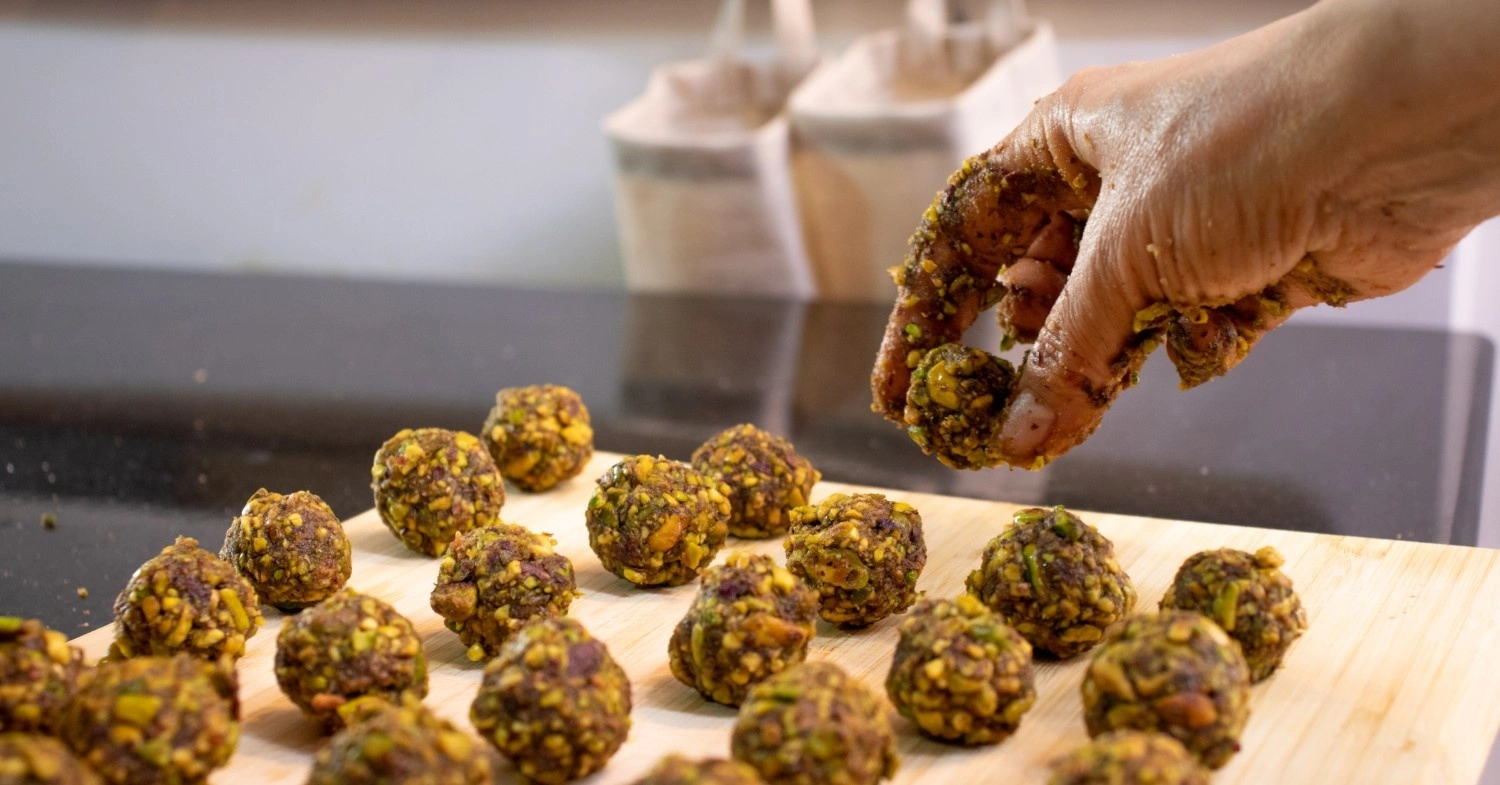
There are numerous filling options available depending on product positioning, nutritional goals, and consumer preferences. Each filling offers unique functional and sensory benefits.
Nut Butter Fillings
Nut butters are still among the most popular options for protein balls. Peanut butter, almond butter, and cashew butter are used for their creamy texture, as well as healthy fat and protein content. These fillings have been widely used in sports nutrition products due to their good flavor, smoothness, and high consumer acceptance.
Chocolate Fillings
Chocolate fillings are still a popular choice for consumers who need both a tasty and nutritious snack. Dark chocolate, cream from cocoa powder, and protein chocolate fillings make the filling more premium. In addition, these fillings go well with different protein sources.
Fruit-Based Fillings
Fillings derived from fruits like dates, berries, mango, apple, or a blend of fruits add natural sweetness and great flavors. Fruits also act as a source of vitamins, minerals, and fiber. Fruit-based fillings are frequently used in products marketed as clean labels aimed at customers who want snacks with naturally added sweetness.
Caramel Fillings
Caramel fillings are known for their great flavor and texture. Most manufacturers tend to ensure that the caramel filling has a low sugar content or high protein content based on what is trending currently in the market. Proper formulation is needed to ensure that the product is not sticky.
Coconut Fillings
Coconut fillings enhance not only the taste but also the texture of the snacks, making them creamy. The products include coconut paste, coconut cream, and coconut flakes. Moreover, coconut goes well with other ingredients such as chocolate, nuts, and fruits; hence, a variety of products can be made.
Seed Butter Fillings
Products which are made from the seed butter of sunflower, pumpkin, and sesame seeds can be used as an alternative to nut butter as fillings as they can prove to be excellent for individuals having allergic reactions towards nuts. These products contain healthy fat and minerals with their own unique flavor.
High-Protein Cream Fills
The increasing use of cream fills high in protein using whey protein, milk protein or plant protein has become more acceptable as an ingredient in sports nutrition products. With protein cream fills, a higher level of protein content can be achieved without compromising on taste. Protein cream fills should be properly formulated to provide good mouthfeel and good processability.
Popular Protein Ball Filling Ideas for Commercial Production
Different protein ball filling ideas are suitable for different product categories depending on consumer preferences, nutritional goals, and manufacturing requirements.
| Filling Type | Common Ingredients | Key Benefits | Suitable Applications |
|---|---|---|---|
| Nut Butter | Peanut, Almond, Cashew Butter | Creamy texture, high protein, healthy fats | Sports nutrition, energy snacks |
| Chocolate Filling | Dark chocolate, Cocoa cream | Rich flavor and premium appeal | Dessert-style protein balls |
| Fruit Filling | Dates, Berry paste, Mango puree | Natural sweetness and fiber | Healthy snacks |
| Coconut Filling | Coconut paste, Coconut cream | Tropical flavor and smooth texture | Functional snacks |
| Seed Butter | Sunflower, Sesame, Pumpkin Seed Butter | Nut-free alternative | Allergy-friendly products |
| Protein Cream | Whey protein, Plant protein blends | High protein content | Fitness and recovery snacks |
Protein Ball Filling Development Process
Selection of the right filling entails more than just settling for the most popular flavor. Manufacturers must consider the function of the ingredients, their nutritional value, and compatibility with the processing procedure.
Common Challenges with Protein Ball Production Ingredients
Selecting fillings might be simple at first glance, but there are many technical problems manufacturers can face while producing their products on a commercial scale. Selecting proper protein ball production ingredients is very important because these factors will affect texture, nutrition, shelf life, and efficiency of production.
Filling Leakage
Incorrect filling may lead to leakage during encrusting, packaging, or transportation. It impacts the product quality and production waste. Correct filling formula and settings ensure reducing leakage and enhancing production effectiveness
Moisture Transfer
There may be some migration of moisture between the filling and outer layers. Incorrect moisture balance will either soften the outer layer or produce a too-dry product. Proper moisture management enhances the stability of products during storage.
Texture Variation
Inconsistent texture across production batches can result from variations in quality and formulation of the ingredients used. Consumers expect uniformity in every protein ball’s texture. Formulations provide consistency in the quality of products.
Ingredient Separation
Separation of some of the fillings can occur during storage due to migration of the oils or ingredient instability. This results in negative effects on both appearance and consumer acceptability. Choosing compatible ingredients helps overcome this problem.
Shelf Life Stability
There are certain fillings that are more prone to flavor degradation, oxidation, or spoilage. Testing for shelf life can help manufacturers detect issues before marketing the product. Formulas that have stable characteristics minimize loss of products but satisfy consumers.
How the Right Equipment Supports Filling Consistency
Commercial production demands that equipment is able to accommodate various types of fillings without losing product uniformity. Appropriate choice of equipment will help manufacturers increase efficiency and minimize production losses.
Good design of production systems enables:
- Accurate distribution of fills
- Uniform product size
- Minimal loss of ingredients
- Enhanced production efficiency
- Increased product uniformity
Firms considering commercial production usually incorporate a protein bar machine into the production line.
Best Practices for Commercial Encrusted Protein Ball Recipes
Successful encrusted protein ball recipes require careful balancing of ingredients, production parameters, and quality control.
Optimization of Filling Viscosity
Fills must be smooth enough to go through the equipment, but at the same time not be too fluid or too viscous. Optimal viscosity ensures the formation of the appropriate shape and reduces leakage.
Sweetness and Taste Balance
A fill is supposed to enhance the outer coating without dominating the flavor of the whole product. The balance of flavors results in consumer satisfaction and makes them buy more.
Ingredient Ratios Standardization
Ingredient ratios will make every production batch similar in nutrition and taste properties. This makes manufacturing easier and more efficient.
Manufacturing Efficiency Verification
Pilot runs and process verification facilitate the detection of any problems with formulation or equipment before large-scale production begins. Process verification minimizes manufacturing risk and increases efficiency.
How Foodsure Machines Supports Protein Ball Manufacturers
Through cooperation with food companies, Foodsure Machines aims to make the development and commercialization of filled nutrition products easier by providing technical assistance, manufacturing help, and machinery advice. The emphasis here lies on assisting in creating efficient manufacturing processes, which provide high-quality products and promote the future growth of businesses. Foodsure Machines also assists manufacturers in selecting suitable fillings for protein ball manufacturing based on product type, processing requirements, and commercial production goals.
If you are interested in learning more about Foodsure Machines experience in food processing, please check out the About Us section.
If you plan commercial production of your food product, you may find our protein ball manufacturing process interesting as well. Production of your product requires equipment, and our protein bar machine solutions will be helpful for you.
Contact us for any questions related to product development, equipment, or commercial manufacturing.
Ready to Develop High-Quality Encrusted Protein Balls?
The choice of the best fillings for encrusted protein balls is among the key decisions made during product development. Appropriate filling contributes to the quality of the product and increases its consumer appeal.
Regardless of whether you are developing a new product or extending your product range, the proper choice of raw materials and the optimization of the manufacturing process may help improve manufacturing efficiency and the company’s sustainable development.
Please feel free to contact us to learn more about protein ball manufacturing.
Conclusion
Best fillings for encrusted protein balls should ideally exhibit all the above properties of great taste, nutritional benefits, processing stability, and manufacturing capability. Selecting the right protein ball production ingredients will ensure that manufacturers make products that have the same consistency throughout production and meet the changing customer needs.
Manufacturers who select appropriate ingredients, optimize processes, and select appropriate equipment can make their protein ball business successful.
Frequently Asked Questions
01. What are the best fillings to use for encrusted protein balls?
Some of the best fillings to use for encrusted protein balls include nut butter, chocolate, fruit fillings, coconut, seed butter, protein cream, and caramel, depending on the required nutrition profile.
02. What filling ideas for protein balls are commercially feasible?
Commercially popular protein ball filling ideas include peanut butter, almond butter, chocolate cream, fruit filling, coconut filling, and protein cream due to their good processing stability and consumer acceptance.
03. What ingredients are used in protein ball production?
Commonly used protein ball production ingredients include protein powders, nut butters, seed butters, cocoa, dates, natural sugars, fibers, functional ingredients, and healthy fats.
04. What is done to avoid filling leakage when making protein balls?
To reduce leakage, filling viscosities and moisture balance should be optimized, along with correct formulation validation and proper commercial production equipment.
05. What significance does the selection of filler have on the protein ball manufacturing process?
Selection of fill is important to increase the quality of taste, texture, nutrition, shelf life stability, and efficiency of manufacture of protein balls.