Go to any gym, drug store, or grocery store, and you will be faced with aisles of products that bear striking similarities in terms of their packaging and size and in some instances flavor. The truth is that energy bar vs protein bar is not the same thing. Picking the wrong bar based on your intended use is a subtle sabotage of your goals.
There are many who purchase their bars with the assumption that they are making a good choice. Unfortunately, without knowing more about the bars, you could very well be eating trail mix that was meant for someone with a sedentary lifestyle while preparing for a run.
This article takes a look at how energy bars and protein bars differ and what makes them uniquely suited for certain purposes.
What Is an Energy Bar?
Energy bars are based mainly on carbohydrates. Their main purpose is to provide quick and easy energy, before going on a hiking trip, long-distance running, or even just intensive working sessions.
- Primary Macronutrient: Carbohydrates and Natural Sugars
- Objective: Instant and prolonged energy production
- Typical Ingredients: Oats, dates, honey, dried fruits, nuts, seeds
Types of Energy Bars
- pre-workout Energy bars
- Energy Bars for Outdoor and Trail Activities
- Meal Replacement Energy Bars
- Whole Food Energy Bars
Most Common Problems Related to Energy Bars
- Excess sugar intake causes rapid energy surges and energy dips
- Regarded as healthy snacks despite their high caloric value
- Not recommended for fat loss or workout recovery
Read More :- energy bar machine
What Is a Protein Bar?
Key Characteristics of Protein Bar
- The main element that determines the protein bar is protein. Protein bars come in four types, including whey, casein, soy, and pea protein. The bar aims at improving muscle recovery, promoting satiety, and ensuring muscle development.
- Protein (15-30g) – Main ingredient
- Function – Recovery, appetite control, muscle development
- Main elements of protein bars – Proteins (isolates), nuts, seeds, dark chocolate
Types of Protein Bars
- Whey protein bars
- Plant-based protein bars
- Low-carb protein bars
- Keto protein bars
- Meal replacement protein bars
Most Important Concerns regarding Protein Bars
- Artificial sweeteners and additives are often used in protein bars by commercial brands
- In excessive amounts, protein bars strain the kidneys among inactive individuals
- Costlier than energy bars
Read More :- protein bar making machine price
Difference between Energy bar and Protein bar Side-by-Side Breakdown
Nutritional Comparison: Energy Bar vs Protein Bar
| Nutrient | Energy Bar | Protein Bar |
|---|---|---|
| Protein | 3-10g | 15-30g |
| Carbohydrates | 25-45g | 15-25g |
| Sugar | 10-25g | 5-15g |
| Fat | 5-12g | 6-14g |
| Fiber | 2-5g | 3-8g |
Comparison of Ingredients : Energy Bar vs Protein Bar
| Bar Type | Avg Calories | Primary Source | Satiety Level |
|---|---|---|---|
| Energy Bar | 180-280 kcal | Carbs/Sugar | Moderate |
| Protein Bar | 200-300 kcal | Protein/Fat | High |
| Meal-Replace | 250-350 kcal | Mixed | Very High |
| Keto Bar | 170-240 kcal | Fat/Protein | High |
| Natural Bar | 150-220 kcal | Whole Food | Moderate |
Energy Bar vs Protein Bar Benefits What Each Does Best
Energy Bars Benefits
- Fast energy source for aerobic activities such as jogging, cycling, and trekking
- Nutritious pre-exercise snack that is easily digested
- Enhances concentration levels for extended periods while working or studying
- Suitable for tasks requiring maximum effort where quick access to carbohydrates is essential
Protein Bars Benefits
- Encourages muscle restoration and building after workouts
- Provides high satisfaction levels leading to minimized snacking
- Maintains muscle mass during low-calorie intake periods
- Snack choice between meals when real food sources are unavailable
Knowledge of the differences between energy bars and protein bars is crucial for proper utilization of their unique benefits.
Read More :- energy bar manufacturing workflow
Protein Bar vs Energy Bar Nutrition Comparison at a Glance
Typical Nutrition Label Breakdown
In assessing the nutrition of a protein bar vs an energy bar, the truth lies in its labeling.
| Label Element | Energy Bar | Protein Bar |
|---|---|---|
| Protein | 3-10g | 15-30g |
| Net Carbs | 20-40g | 10-20g |
| Added Sugar | 8-20g | 2-10g |
| Sodium | 80-150mg | 150-250mg |
| Protein/Cal Ratio | Low | High |
What to Look for on the Label
- Protein content per calorie content: Should have at least 10g protein per 100g calories
- Natural vs added sugar: Prefer natural sugars like dates and honey
- Processed foods: Do not consume maltitol, excessive amounts of gum, artificial flavors
- Protein limits: Total protein from bars should not exceed 50% of your daily protein requirements
When to Eat Energy Bar vs Protein Bar Timing Guide

The Right Times to Consume Energy Bars
- Up to 30–60 minutes prior to exercising or strenuous activities
- During marathon events in sports like cycling or hiking races
- While experiencing mid-morning/afternoon slumps
- Prior to going out on a hike or cycling race
The Ideal Times for Consuming Protein Bars
- Within 30–60 minutes after working out to make use of the anabolic period
- Between major meals to help control eating too much at each
- In the late evening to aid overnight muscle repair – casein proteins work best
- When using as a meal replacement because whole foods are unavailable
Mistaken Times for Eating Protein or Energy Bars
- Consuming a protein bar just prior to cardio – will impair your workout
- Eating an energy bar following exercise – will not give muscles the recovery they require
- Using either bar all the time in place of meals and not checking macros
Understanding the right times to consume energy bars versus protein bars may actually be even more important.
Which Is Better: Energy Bar Vs Protein Bar?
Better Choice Depending on Training Aim
- Weight loss –> Protein bar: more filling, less sugar, more balanced macronutrients
- Endurance events –> Energy bar: quickly absorbed carbohydrates for continuous performance
- Muscle mass gain –> Protein bar: constant flow of amino acids for recovery
- Snacking overall –> Depends solely on daily macronutrient requirements
Better Choice Depending on Daily Activity Level
- Sitting job/ sedentary lifestyle –> Protein bar, consumed moderately
- Outdoors lover –> Energy bar for quick energy
- Mixed training routines –> Both bars in adequate portions, depending on schedule
Can You Use Both Together?
Yes , and even for hard core athletes, this may be the optimal choice. Having an energy bar prior to a training and a protein bar after ensures all necessary macronutrients are taken without any crossover. If training days are intense, this combination will cover all bases without under-fueling and under-recovery.
When choosing between protein and energy bars, you need to choose the one best suited to your aims, not the one looking more attractive. So on comparing which is better energy bar or protein bar, the answer relies heavily on your main fitness goals, nutrition demand and timings of food intake. In a comprehensive energy bar vs protein bar nutrition comparison, energy bars are low in protein, high in carbohydrate diet that aim at giving instant nutrients and energy so are consumed before workouts travelling sporting events and long working hours.
Whereas protein bars aim at protein enhancement, energy absorption, light feeling in stomach, muscle recovery so are preferred post physical activity, mineral needs in the body, meal replacement aid and very high protein diets. Energy bar vs protein bar eating timings are largely variable and both are strongly experienced functional foods due to their increasing demand and utility in current times. The choice depends on the individual needs and dietary habit.
How Energy Bars and Protein Bars Are Manufactured
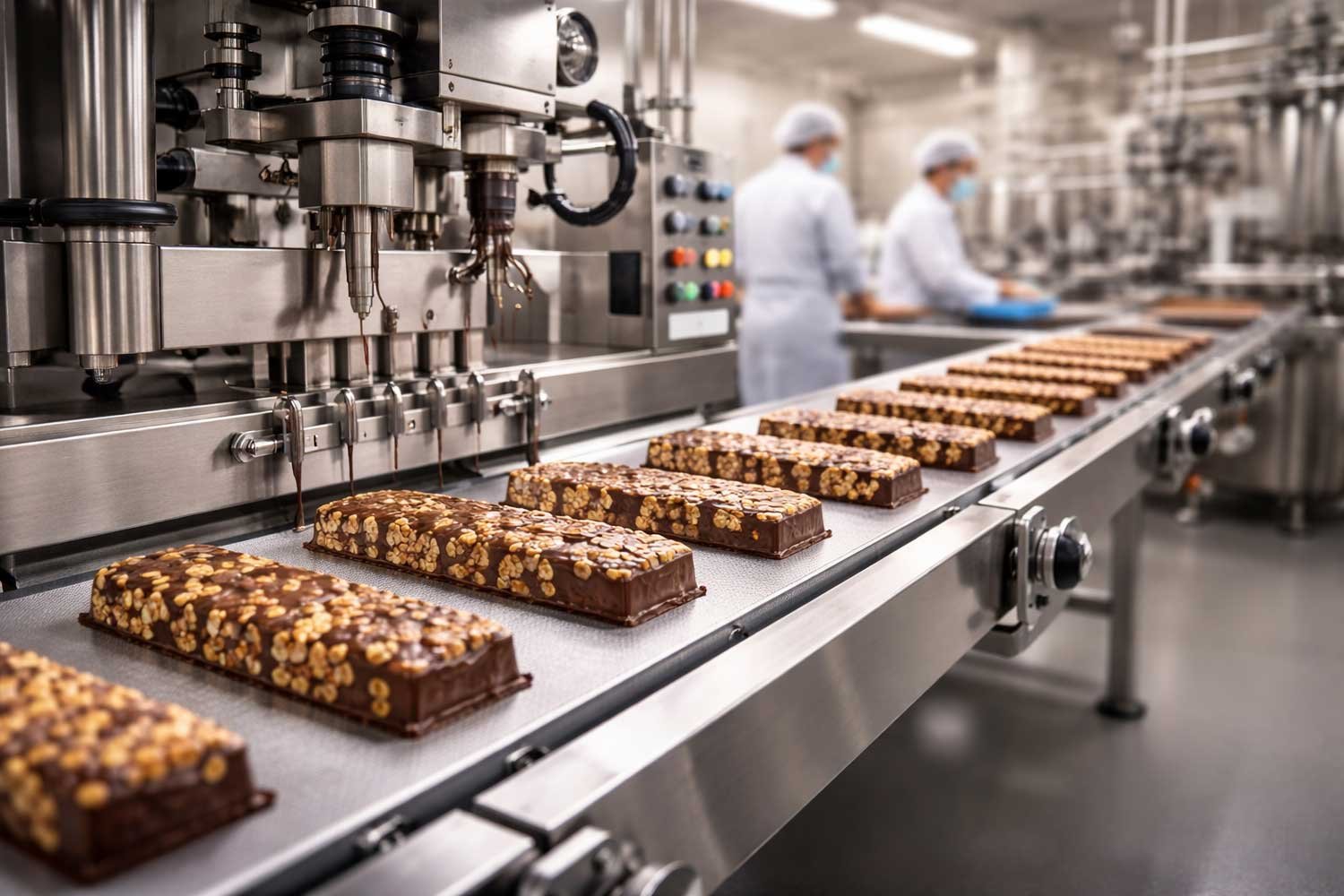
Core Production Processes
- Ingredient procurement and testing (water content, microbial restrictions)
- Blending, mixing, and shaping – cold pressing, baking, or extrusion process
- Coating and enrobing – chocolate, yogurt, or glazing options
- Cutting, slicing, wrapping, and packaging processes
Equipment Employed in Bar Making
- Mixers and blenders for dry and liquid components
- Slab molding and rolling machines for standard density bars
- Cutting machines for uniform bar sizes
- Coating machinery for chocolate or yogurt layers
Packaging equipment like flow packing and pillow pack for long-term storage
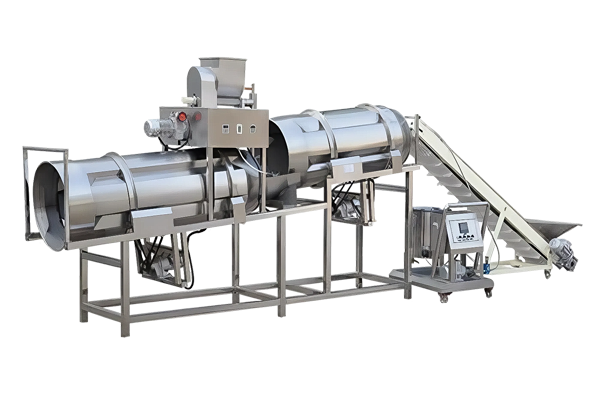
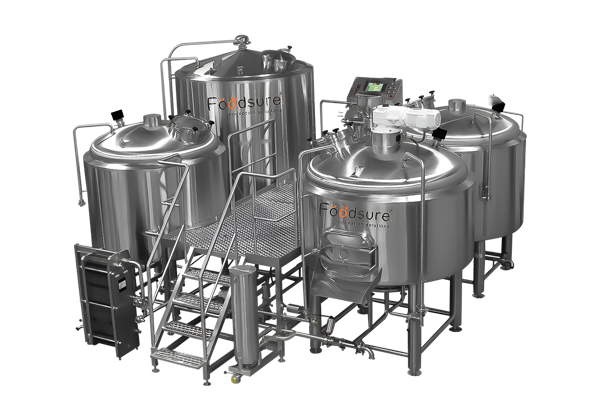
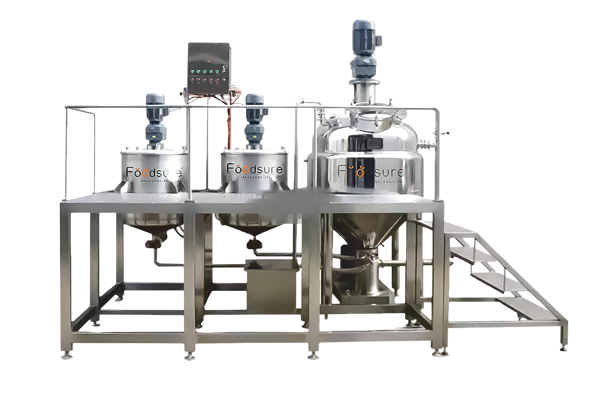
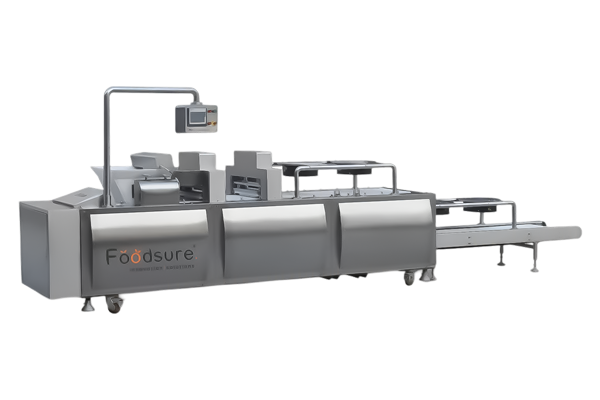
Foodsure Machines provides custom-designed food-grade manufacturing lines for energy bars and protein bars, aiding companies to increase their capacity while keeping their nutritional value intact and maintaining stringent hygiene levels.
Conclusion
When it comes to energy bars vs protein bars, there is no one clear winner. There’s always a right answer depending on the situation. An energy bar is crafted for providing fast bursts of energy due to quickly absorbed carbohydrates. A protein bar is made to help you recover, stay fuller for longer and maintain lean muscles. Timing is just as important as the choice between energy and protein bars. But neither of them can substitute whole foods in terms of your primary food sources
If you’re looking to enter the market of nutraceutical snacks and foods, Foodsure Machines will offer you ready-to-go production lines
Select based on the aim. Consume according to time. Expand for this reason.
Want to know if this setup is right for your unit? Contact us anytime.
Launch Your Protein Bar Brand 🚀
Ribbon Blender Machine setup support in India.
FAQs
How do energy bars and protein bars differ from each other?
Energy bars contain carbohydrates and are designed to provide immediate energy for physical activities. The protein bars are rich in protein content and target muscle recovery and satisfaction — two completely different purposes packed into one product.
Can I use an energy bar as a meal substitute?
While there are some products made for this reason, many of them have insufficient amounts of protein and dietary fibers to become your actual meal. Always consult the nutritional label to make sure.
Do protein bars assist with weight loss?
Absolutely. If you pick your protein bars wisely, you will see how well they can control appetite and ensure muscle mass retention throughout your weight loss journey.
At what times can I use energy bars and protein bars respectively?
You should consume energy bars 30–60 minutes prior to training to get your body ready for work. To restore your body’s condition after training, use protein bars in the same timeframe.
Are energy bars and protein bars interchangeable?
Not at all. Although the packaging might be similar, their compositions, ingredients, and purposes vary greatly. The mistake of swapping these two products is quite common among active people.