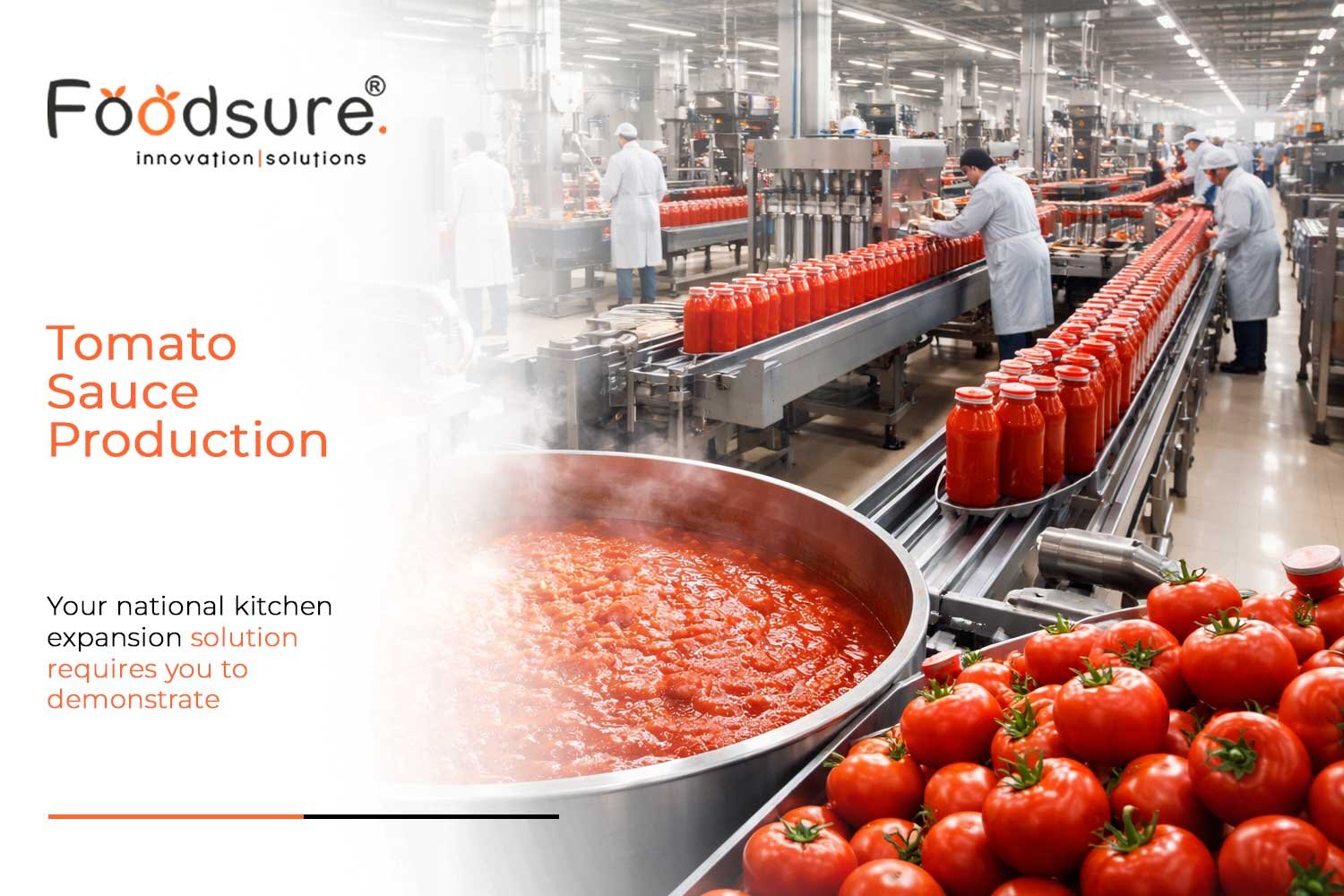
For food processing founders and Farmer-Producer Organisations (FPOs), there comes a day when manual labour can no longer keep up with demand. Your organisation currently faces three primary challenges, which include rising fuel costs, production of variable product batches and management of your large seasonal workforce.
Your national kitchen expansion solution requires you to demonstrate why total automation will become the future standard for tomato sauce production. The answer requires more than speed because it includes exactness, profitability and superior quality that meets industry standards.
Why Fully Automatic Tomato Sauce Machines are the Future
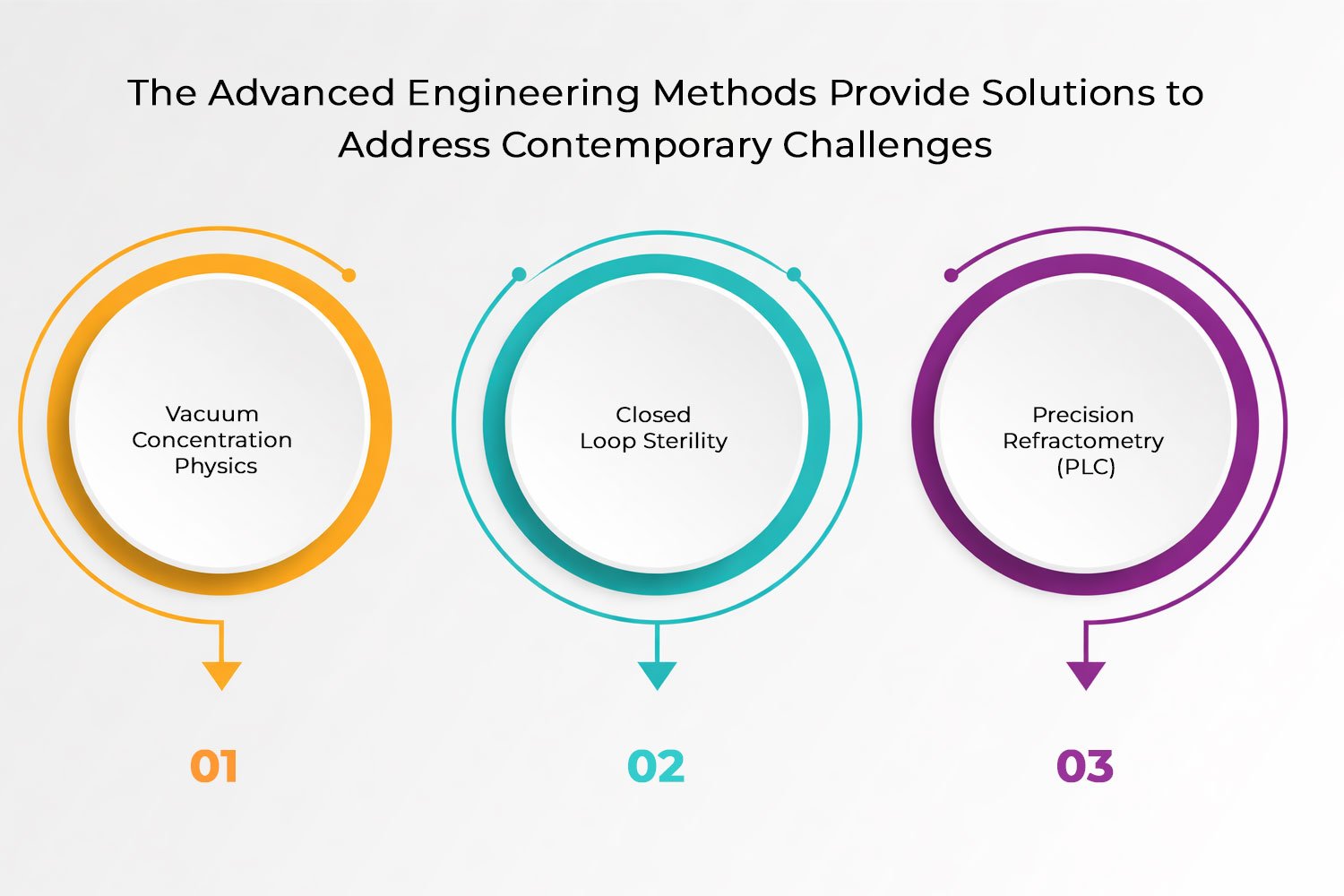
Companies require automation implementation to achieve successful results in competitive environments. The advanced engineering methods provide solutions to address contemporary challenges in tomato sauce production.
Vacuum Concentration Physics: The vacuum evaporators function at atmospheric pressures between 0.2-0.3 bar through a boiling process. The tomato ketchup production line enables moisture to escape at lower temperatures, which prevents the production of cooked metal taste and Maillard reaction-induced browning typical of open kettles.
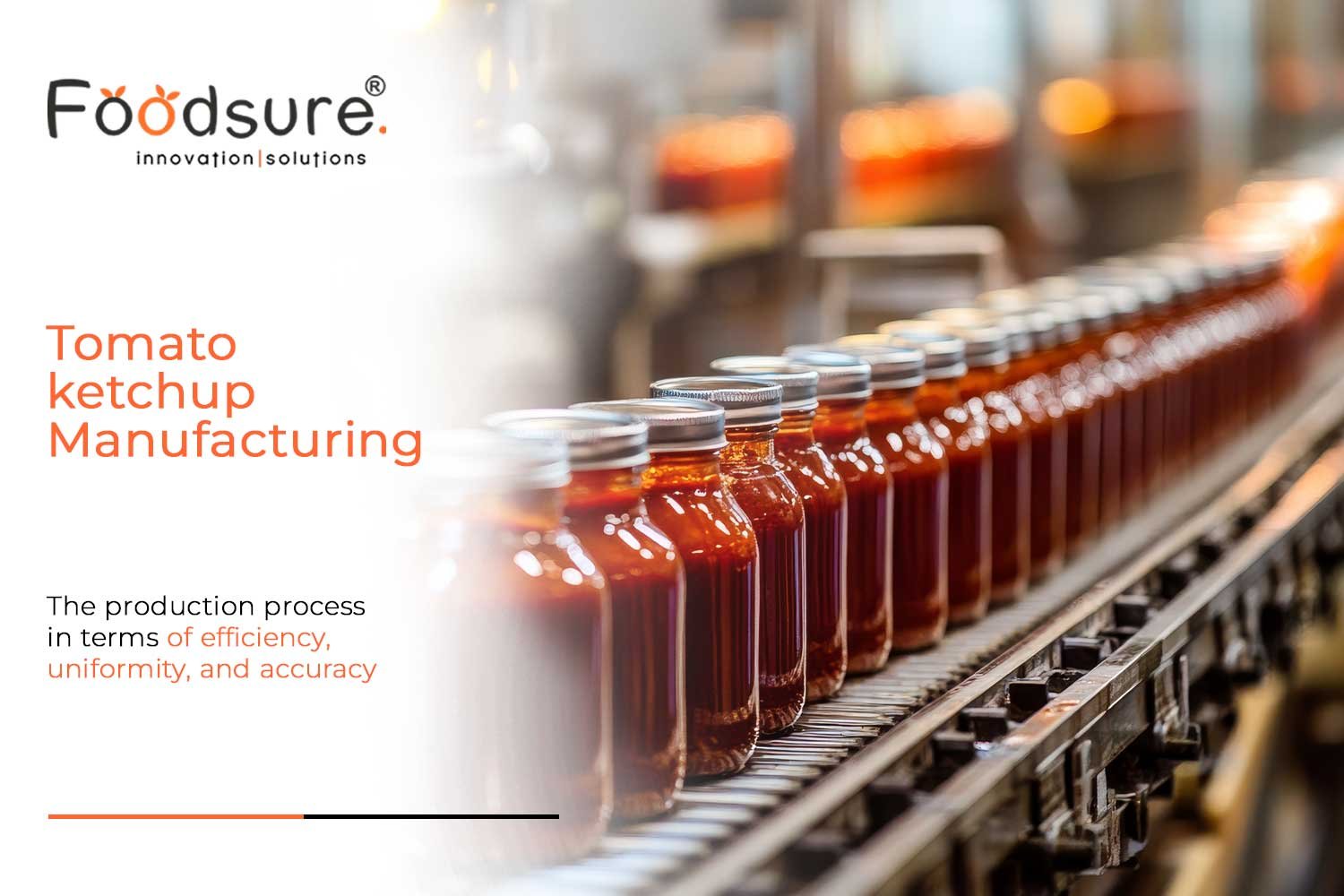
Closed-Loop Sterility: The automatic tomato sauce production lines create conditions that two bacterial types require to grow. The direct connection between the pulper and filler system prevents oxidation and microbial contact, which helps the product maintain shelf life through natural means without using excessive chemical stabilisers.
Precision Refractometry (PLC): Modern PLCs use inline sensors to measure Brix (Total Soluble Solids) in real-time. The tomato sauce machine automatically adjusts steam flow to achieve the desired thickness while maintaining retail standards for all bottles regardless of the raw tomato’s initial water content.
Key Technologies in a Fully Automatic Tomato Processing Plant
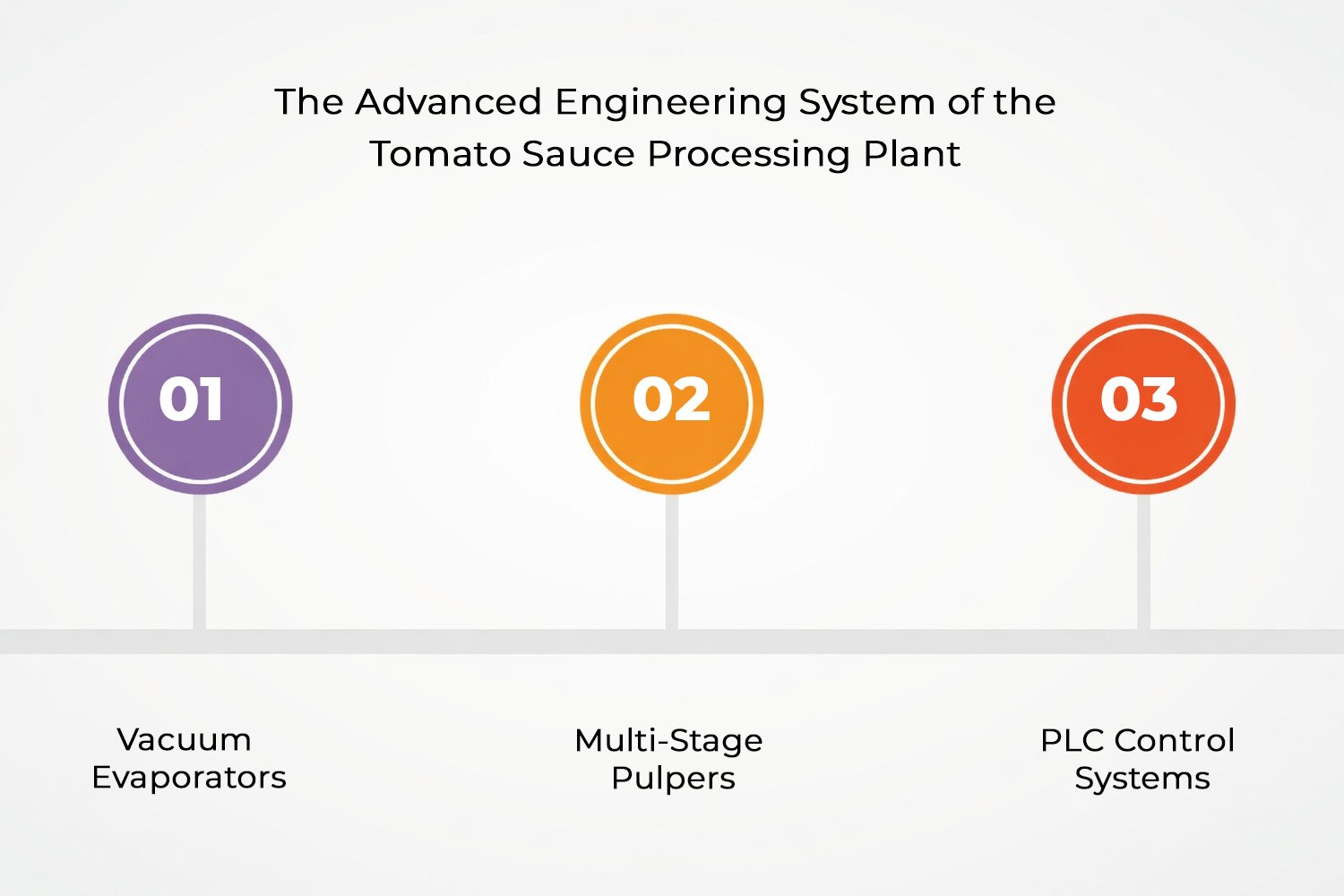
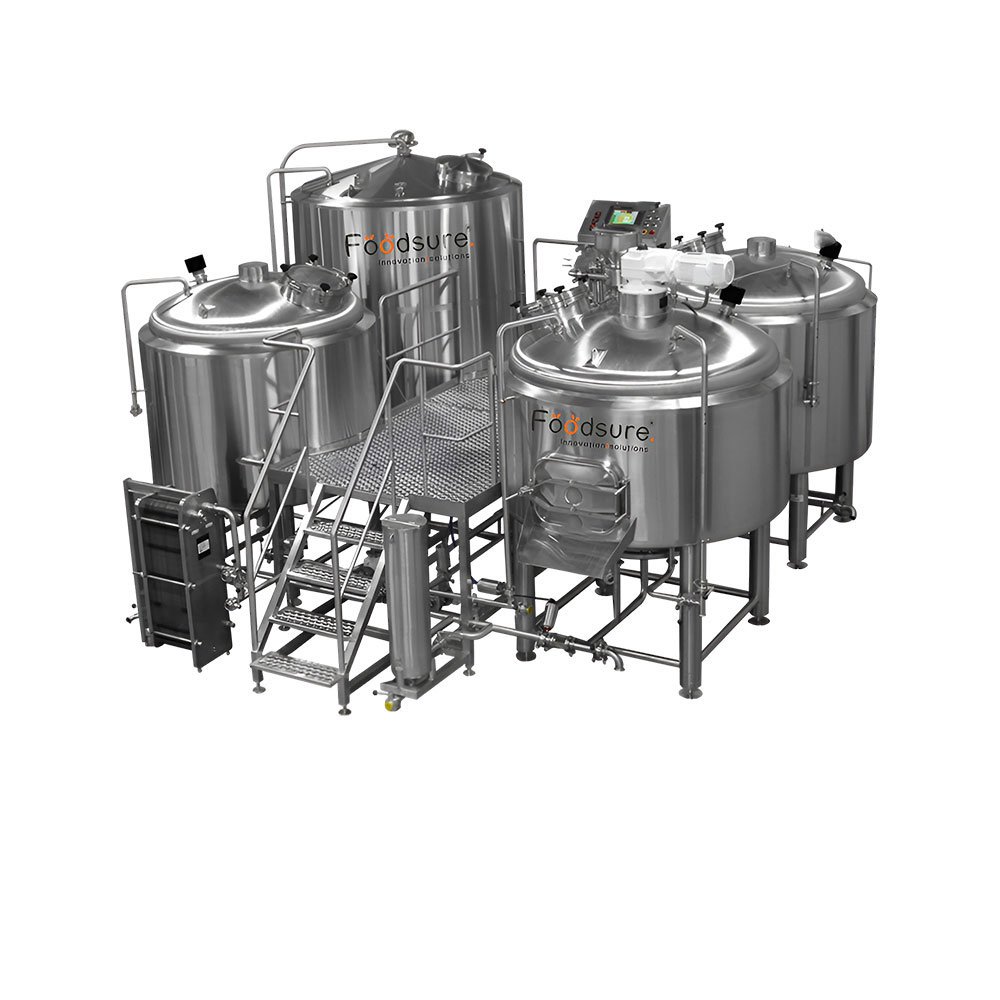
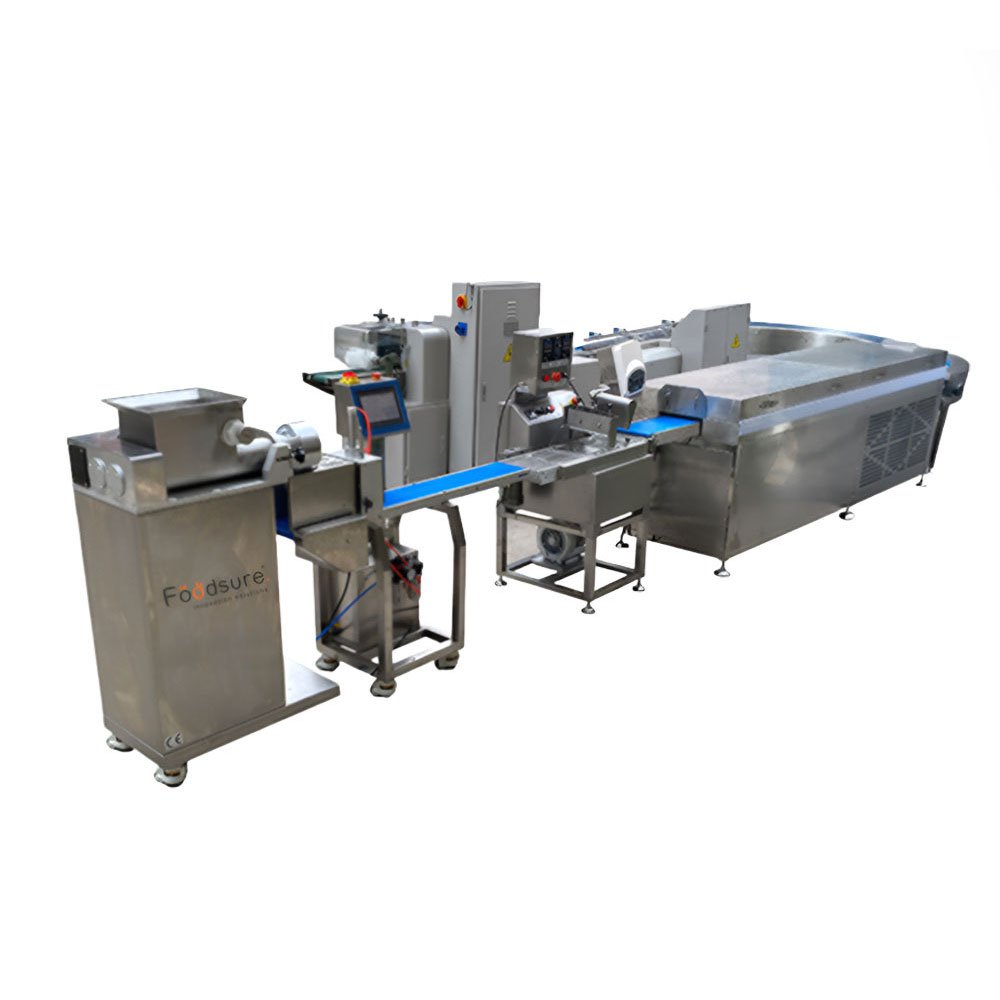
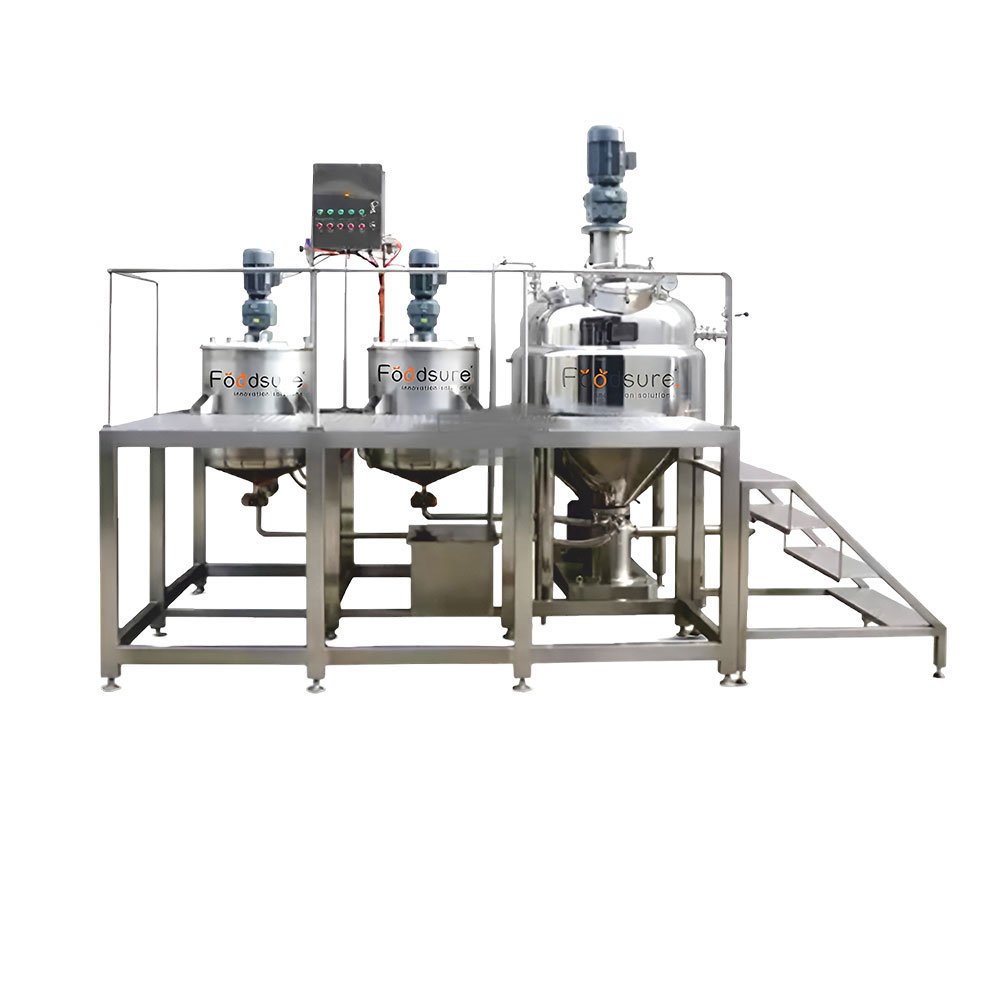
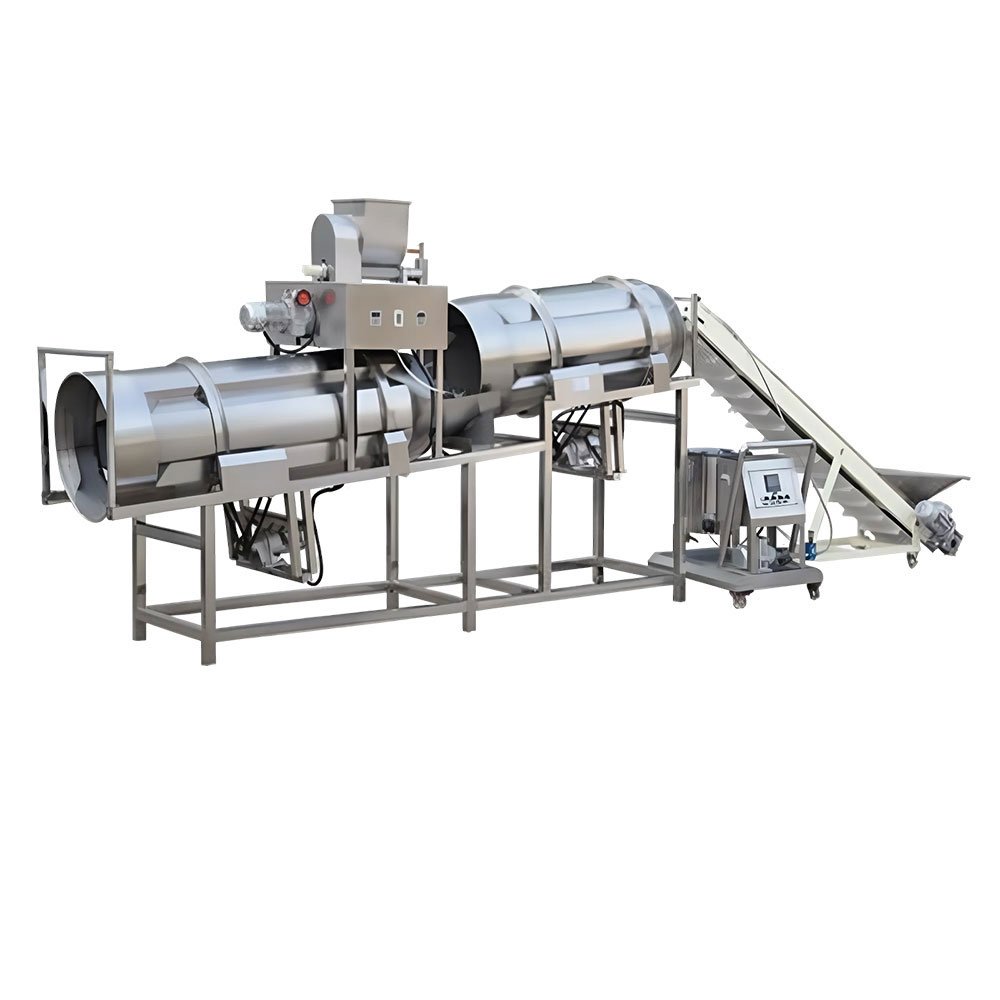
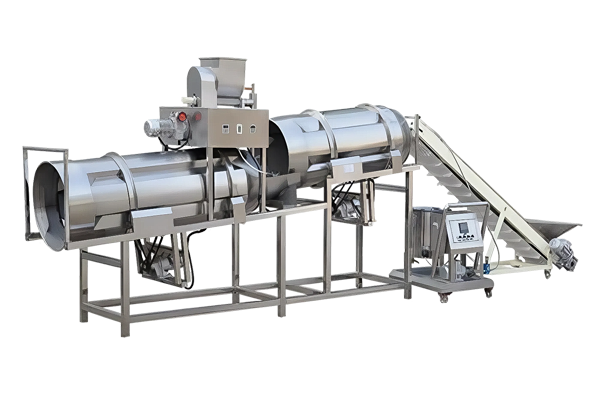
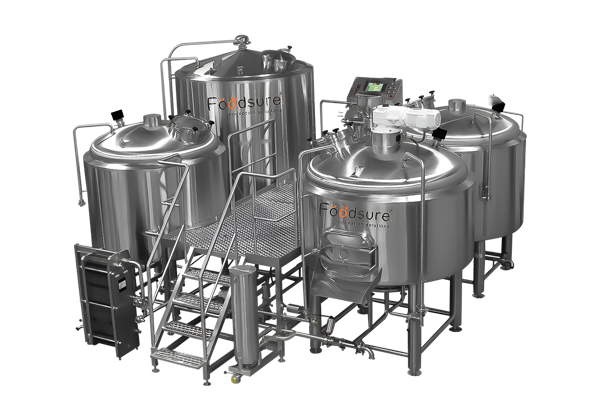
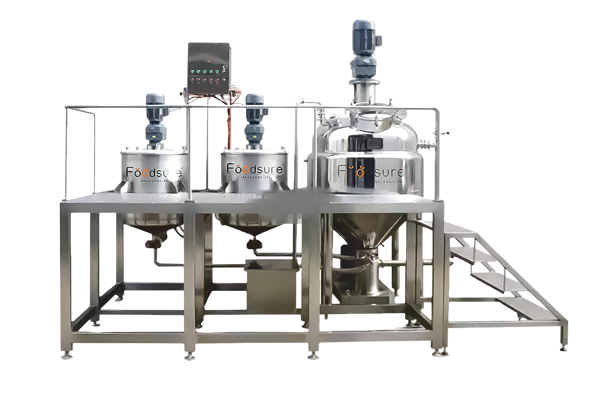
The advanced engineering system of the tomato sauce processing plant processes raw agricultural produce into high-value products through precise automated operations. Your production efficiency will experience a complete transformation through these three fundamental elements:
Vacuum Evaporators: The process of boiling pulp under vacuum conditions at 60°C enables the production of tomato sauce, which maintains its fresh flavour and natural red colour, thereby protecting the tomato’s red pigment and its vitamin content.
Multi-Stage Pulpers: Through centrifugal force operation, Multi-Stage Pulpers machines separate skin and seeds while achieving their 98% juice extraction rate that exceeds manual squeezing methods.
PLC Control Systems: The industrial tomato sauce machine of PLC Control Systems monitors temperature, pressure and flow conditions through real-time measurement. This automated process eliminates human mistakes while producing consistent batch thickness and flavour results.
Read more: Tomato Sauce Business Guide | 5 Ways To Win Big
The Founder’s Decision Matrix: Manual vs. Fully Automatic
| Feature | Manual / Semi-Auto Process | Fully Automatic Line | Founder’s ROI Impact |
|---|---|---|---|
| Daily Output | 200–500 kg (capped by shift) | 2,000–10,000+ kg (24/7) | 5x–20x Revenue Potential |
| Labour Cost | High (10–15 workers/shift) | Low (1–2 skilled operators) | 60% reduction in OpEx |
| Consistency | Chef-dependent (variable) | PLC-controlled (identical) | Higher Brand Trust |
| Product Color | Darker/Brownish (oxidation) | Vibrant Red (Vacuum) | Premium Market Pricing |
| Compliance | Hard to maintain HACCP/ISO | Built-in Sanitary Design | Export-Ready Status |
Advanced Information: Heat Recovery & Energy in Modern Tomato Sauce Production
The Future of Tomato Sauce Production in 2026 depends on thermodynamic efficiency, which the system achieves through Multi-Effect Evaporation (MEE) and its secondary heat exchangers. The tomato sauce manufacturing machine does not vent exhaust because they use latent heat from the vapour flash to pre-condition raw pulp during the pre-heating process.
Thermal Synergies: Plants achieve energy efficiency through thermal synergies because a closed-loop condensed water return system enables them to reach pasteurisation temperatures with reduced energy consumption.
The Bottom Line: The circular approach decreases boiler load by 30%, which results in significant carbon emissions reduction and safeguards your profit margins from unpredictable industrial fuel cost changes.
Conclusion
The future of Tomato Sauce Production belongs to automated, precision-driven plants. Foodsure Machines develops complete automatic production lines that decrease waste while increasing production capacity. We are ready to support your growth.
Upgrade to Fully Automatic Tomato Sauce Machines for Higher Output & Consistency
Connect with Foodsure Machines experts to explore fully automatic tomato sauce production lines engineered for efficiency, product consistency, reduced manpower, and scalable commercial growth.
FAQ
Q1. How much does it cost to establish a fully automatic plant in India that produces tomato sauce?
Ans: The cost of a fully-automatic tomato sauce plant in India can be highly variable, depending on the plant’s capacity, degree of automation, and compliance standards.
Q2. Which equipment would be needed to establish a tomato sauce processing plant?
Ans: The establishment of a tomato sauce processing plant needs pulping equipment with vacuum concentration equipment, homogenising equipment, storage equipment and automatic filling equipment.
Q3. How does an automatic tomato sauce production line improve product consistency?
Ans: The automatic tomato sauce production line uses PLC-controlled systems to maintain consistent Brix, temperature, and thickness measurements throughout each production batch.
Q4. What is the minimum capacity required for a commercial tomato ketchup manufacturing unit?
Ans: The tomato ketchup commercial production starts with a capacity of 500 kg/hr in gross operations.
Q5. How much space is needed for a fully automatic tomato sauce manufacturing plant?
Ans: Any fully automatic tomato sauce manufacturing plant covers upwards of 2,000-5,000 sq. ft. of land, based on production quantum.