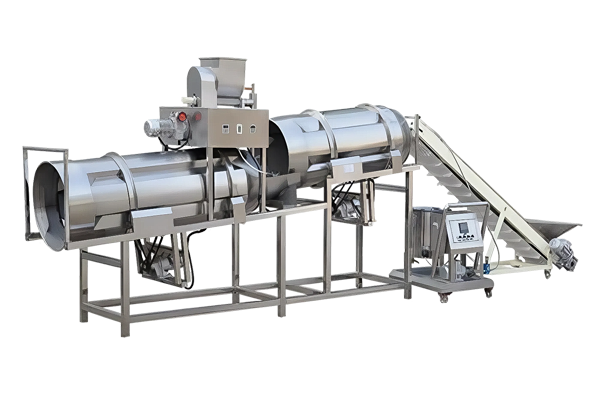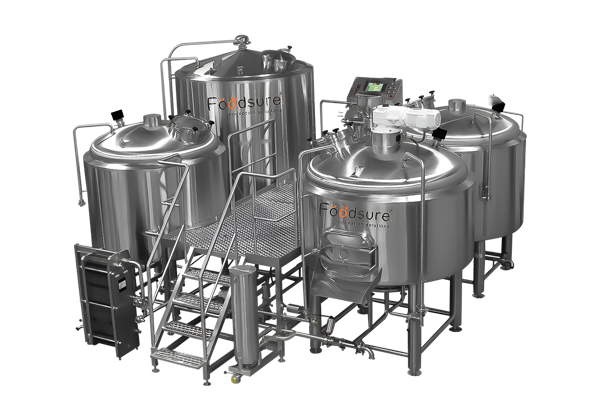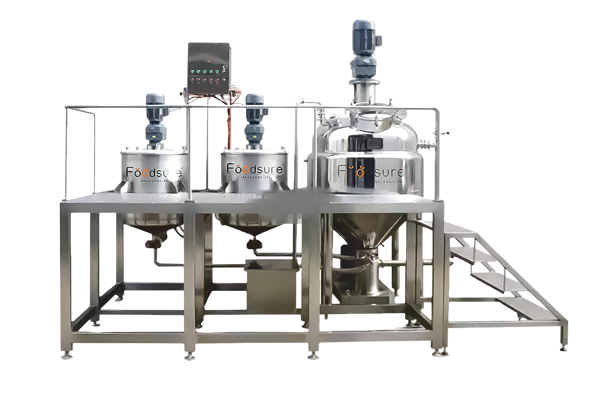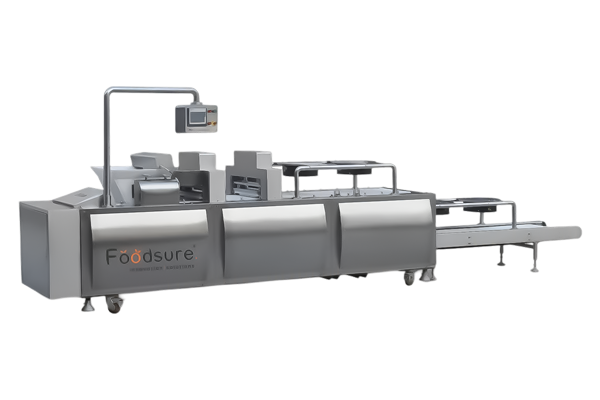
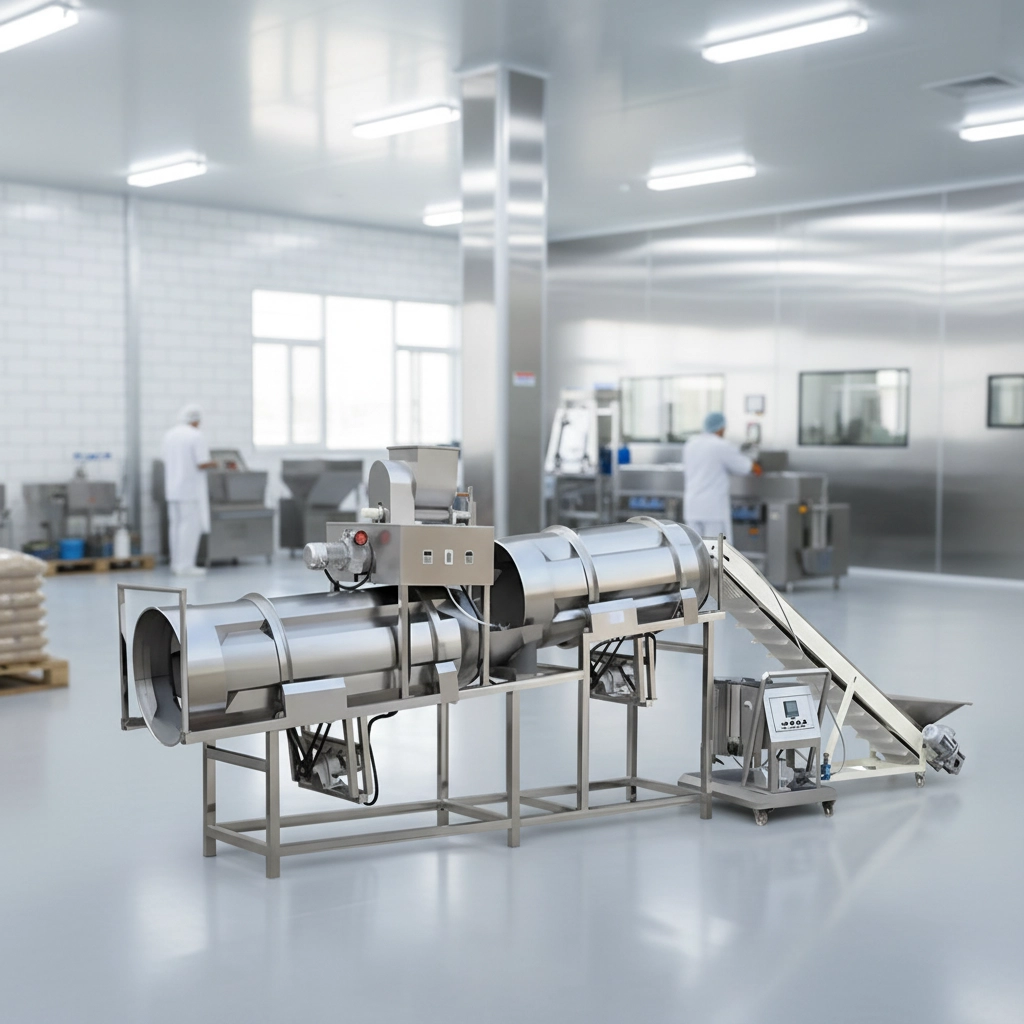
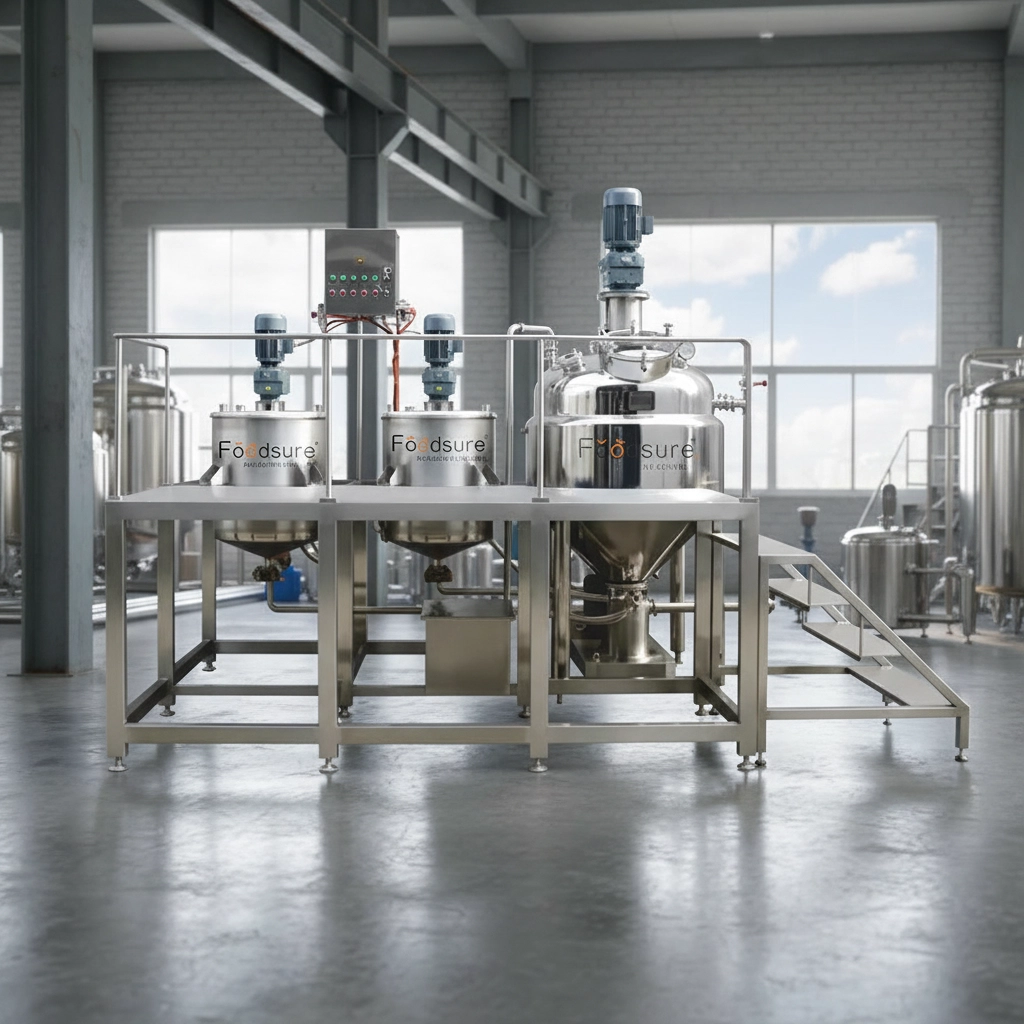
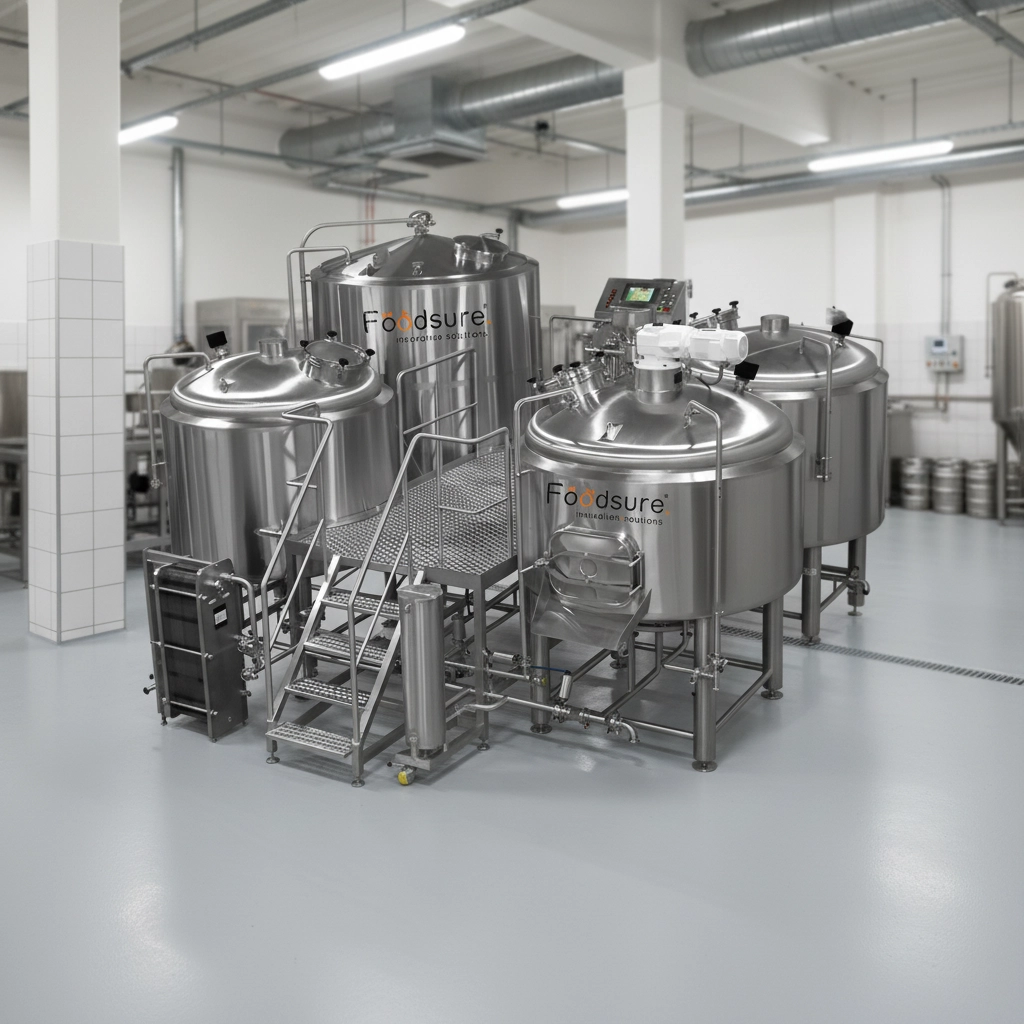
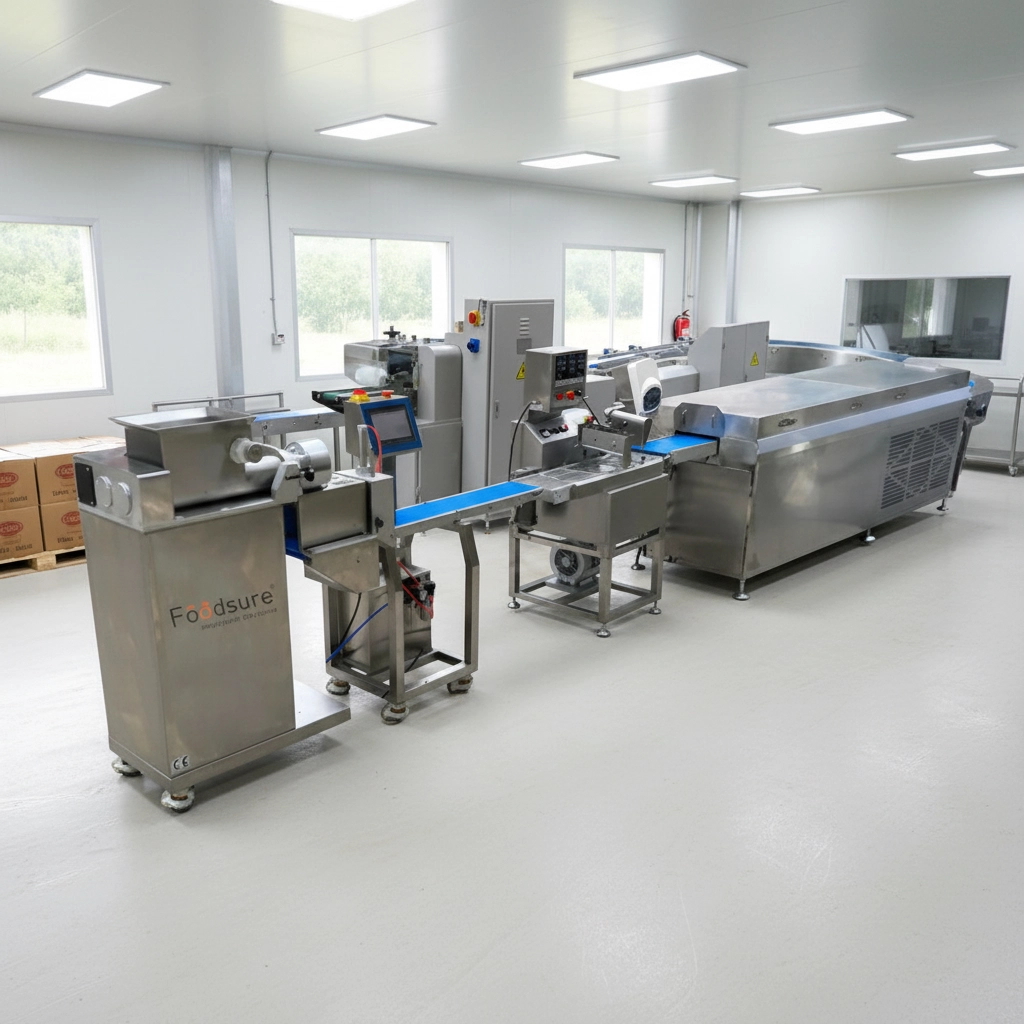
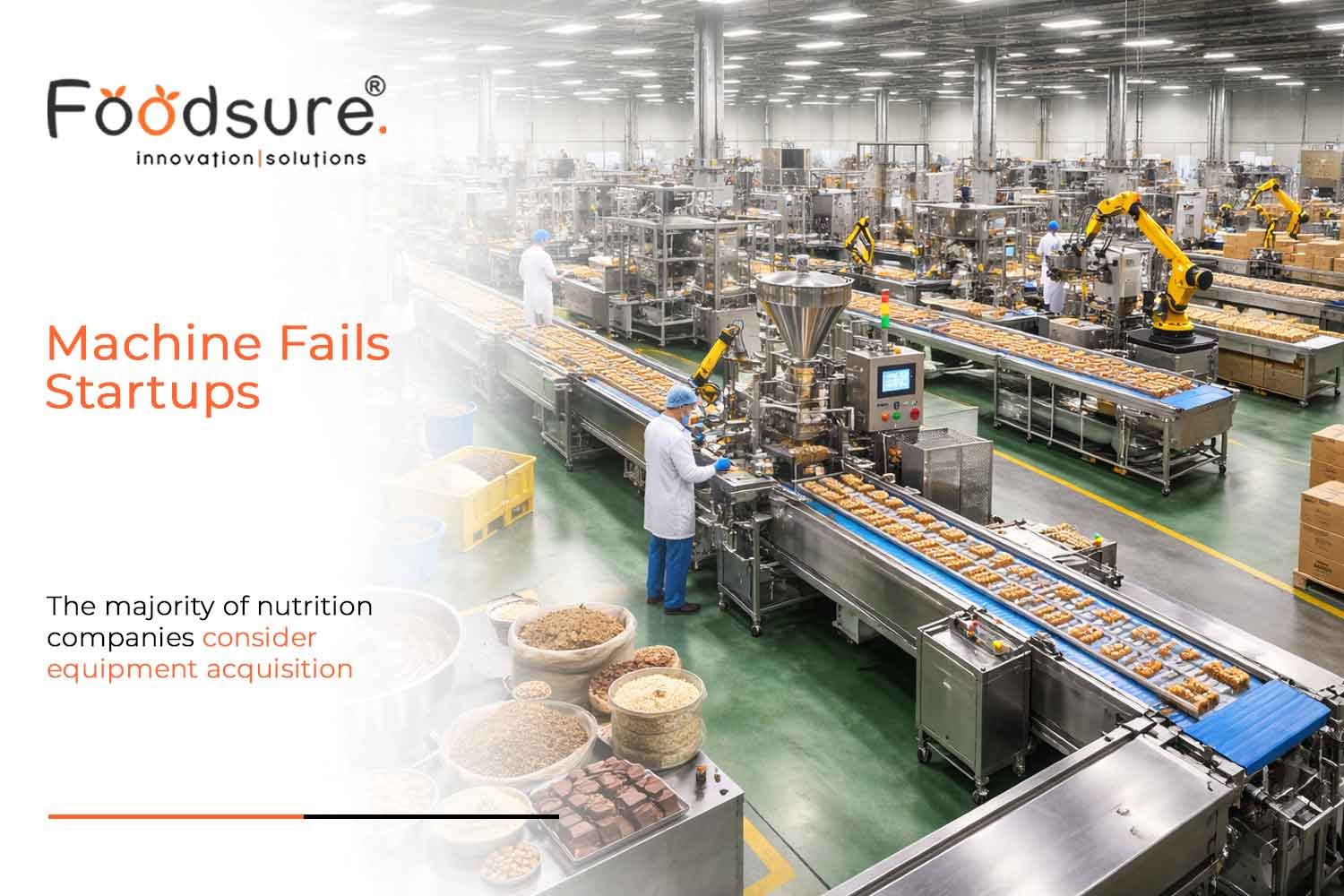
The majority of nutrition companies consider equipment acquisition as their most important step when they want to build an operation that creates nutritional bars. most machine fails startups at this point.
Multiple business cases show that founders choose to buy protein bar manufacturing equipment for their small enterprises. They later realise they cannot sell their products because the texture becomes unpredictable, and the product loses quality during processing and the safe storage period. The actual situation shows that machine failures lead to startup problems because companies treat their equipment as standalone items instead of viewing it as a complete system, which includes formulation, processing and stability testing.
The information that you need to know about protein bar manufacturing machine technology needs to be learned before you proceed with your investment.
The Hidden Reality: A Machine No Longer Makes a Product a Success.
A protein bar is not just a recipe pressed into shape. The product exists because the ingredients react to mechanical force, temperature and moisture changes which occur during processing.
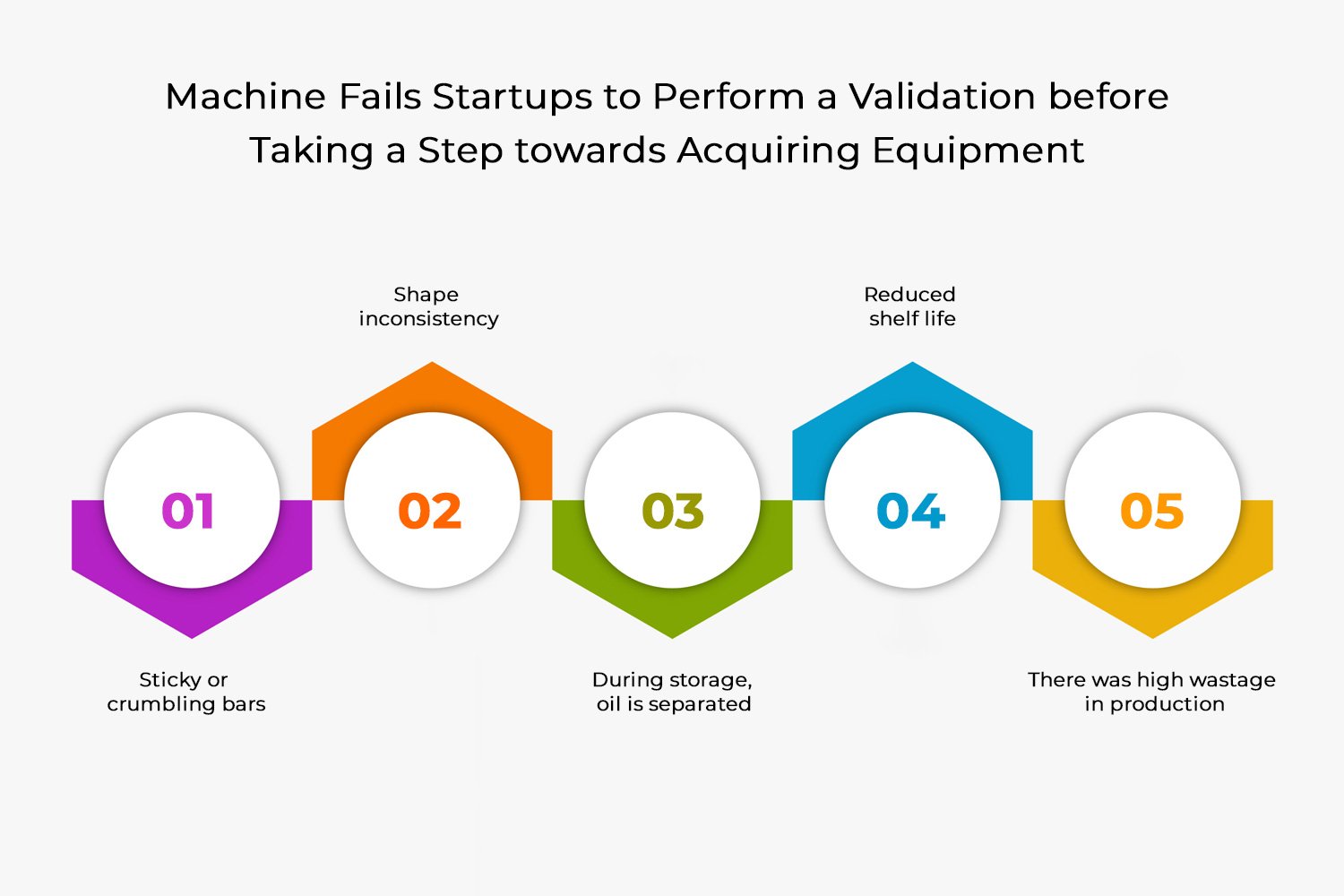
Where Machine Fails Startups to perform a validation before taking a step towards acquiring equipment, they are likely to face:
- Sticky or crumbling bars.
- Shape inconsistency.
- During storage, oil is separated.
- Reduced shelf life.
- There was high wastage in production.
Step 1: Validate Your Recipe at Pilot Scale First
What works in a kitchen will not always apply to commercial production.
The shear force, compression pressure and mixing intensity differ significantly between pilot production and factory production of scaled-down protein bars. The formula that is apparently ideal in the experiment may have completely different effects once implemented on industrial equipment.
Pilot trials help you:
- Equalise proportions of ingredients.
- Improve binding and texture.
- Reduce processing losses.
- Anticipate the large-scale performance.
The cost of protein bar production equipment becomes more precise because this step determines the necessary machine specifications based on the processing behaviour of the formulation.
Step 2: Machine Compatibility Determines Texture and Output
Different machines put different mechanical forces. Using the wrong machine in the manufacture of protein bars can lead to over-hardening, the separation of the layers, low cutting accuracy or deep density.
The equipment used is necessitated by:
- Protein source (blended, plant, whey).
- Syrup and binder system.
- Fat content.
- Presence of nuts, crisps, and seeds (inclusion size).
Choosing the appropriate protein bar processing equipment improves the quality of a product, besides its productivity.
Step 3: Shelf Life Testing Non-Negotiable.
The majority of Machine Fails Startups to include stability tests, and instead, they only consider the production capacity before the problems emerge in the market.
The consequences of shelf-life failure may be:
- Product returns.
- Retail rejection.
- Brand reputation damage.
- Financial losses.
Water activity, moisture migration, fat oxidation and Packaging barrier properties have been regarded as the reasons behind the stability of the shelf. Even the highly processed bars might have a short shelf life, even without the intervention of testing.
Step 4: Automation Level Should Match Your Growth Plan
Early automation can cause strain on cash flow, and inadequate automation can congest capacity.
The right way to go about it is to get a piece of equipment, which:
- Matches current demand.
- Allows future scalability.
- The quality is always high.
The strategic planning can help the founders understand how to increase the capacity of the protein bars without necessarily pushing the financial front to the limit.
Step 5: Choose a Technical Partner, Not Just a Machine Supplier
Most successful brands do not simply buy protein bar equipment; they create production systems through the assistance of specialists.
It is advantageous to work with an already developed partner like Foodsure Machines because:
- Recipe guidance.
- Process optimisation.
- Assistance with the choice of equipment.
- Production troubleshooting.
- Scale-up planning.
- This combined approach will reduce much risk in its launch and growth.
Investment Truth: The Machine Alone Is Only 40% of Success
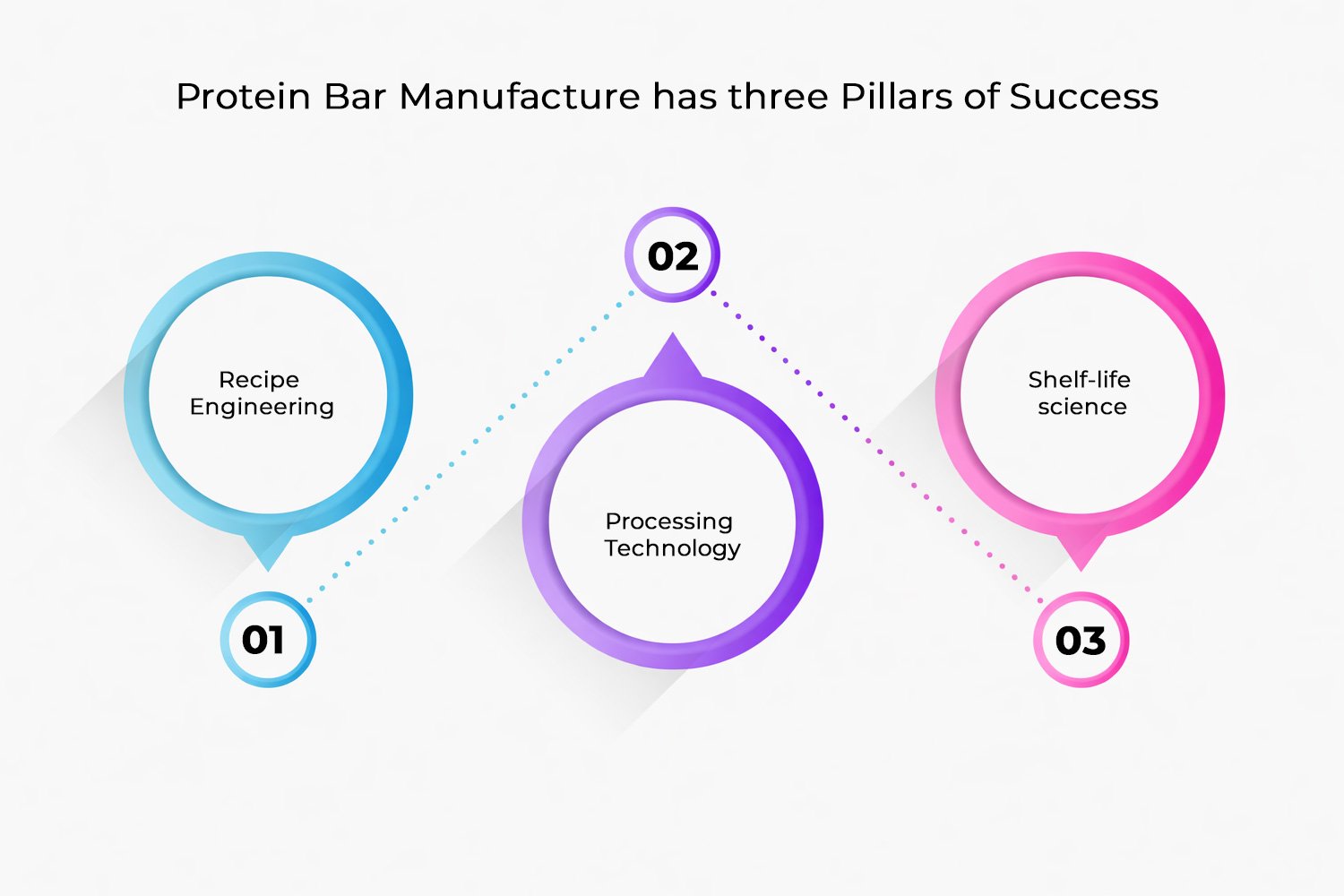
Protein bar manufacture has three pillars of success:
- Recipe engineering.
- Processing technology.
- Shelf-life science.
Any negligence of any of them could increase the chances of equipment malfunctions as it starts its operation, regardless of the degree of sophistication. This is just one form of knowledge that will make months of misery and money saved in the long run.
Conclusion
Protein bar manufacturing is more than buying equipment; that’s why machine fails startups without the right system. At Foodsure Machines, we help founders decrease their business risks by providing our expertise in three areas, which include recipe validation, machine selection and scalable production planning.
START YOUR PROTEIN BAR BUSINESS THE RIGHT WAY
Get Complete Protein Bar Solution — Machine, Recipe & Shelf Life Support
Buying only a protein bar machine is not enough. Foodsure Machines helps startups with the right machine selection, custom recipe development, and shelf-life stability support to ensure successful commercial production and market launch.
FAQ
Q1. Why protein bar machine fails startups?
Ans: Most start-up machine failures are due to improper checking of their formulation, wrong selection of equipment, or no confirmation of the shelf life.
Q2. How to choose protein bar manufacturing equipment for small business?
Ans: Protein bar manufacturing equipment should be selected based on the behaviour of the formulation, capacity requirements, and future scaling plans.
Q3. What are common mistakes when buying protein bar production equipment?
Ans: The most common mistakes made are ignoring pilot trials, focusing solely on price, and not matching equipment to the properties of ingredients.
Q4. How to test shelf life of protein bars before launch?
Ans: Testing the shelf life of products implies measuring the specific data and characteristics like water activity, moisture migration, fat stability in relation to conditions of storage, and the compatibility of any packaging.
Q5. What is the complete guide to buy protein bar equipment for startups?
Ans: The complete guide for purchasing protein bar equipment includes three main steps which are pilot testing and process optimisation, equipment selection, and scalability planning.