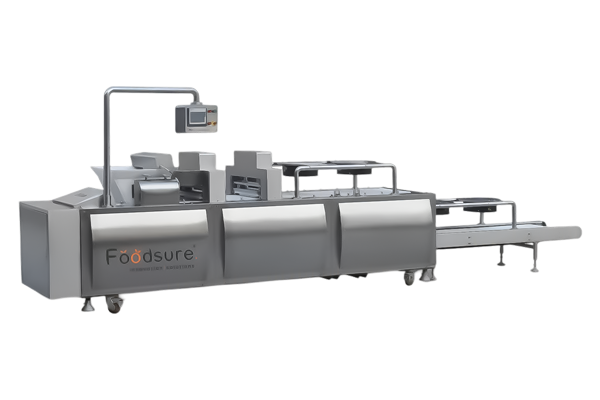
Maintaining consistency at increased volumes can be a difficult task, despite the fact that scaling protein bar production is a significant milestone. Processing technology frequently causes modifications in texture, constituent behaviour, and shelf life, rather than formulation. This blog will explain the primary factors that influence scale-up and practical strategies for enhancing production while safeguarding the integrity of the product and the quality of the clean label.
The Clean Label Scaling Challenge in Protein Bar Production
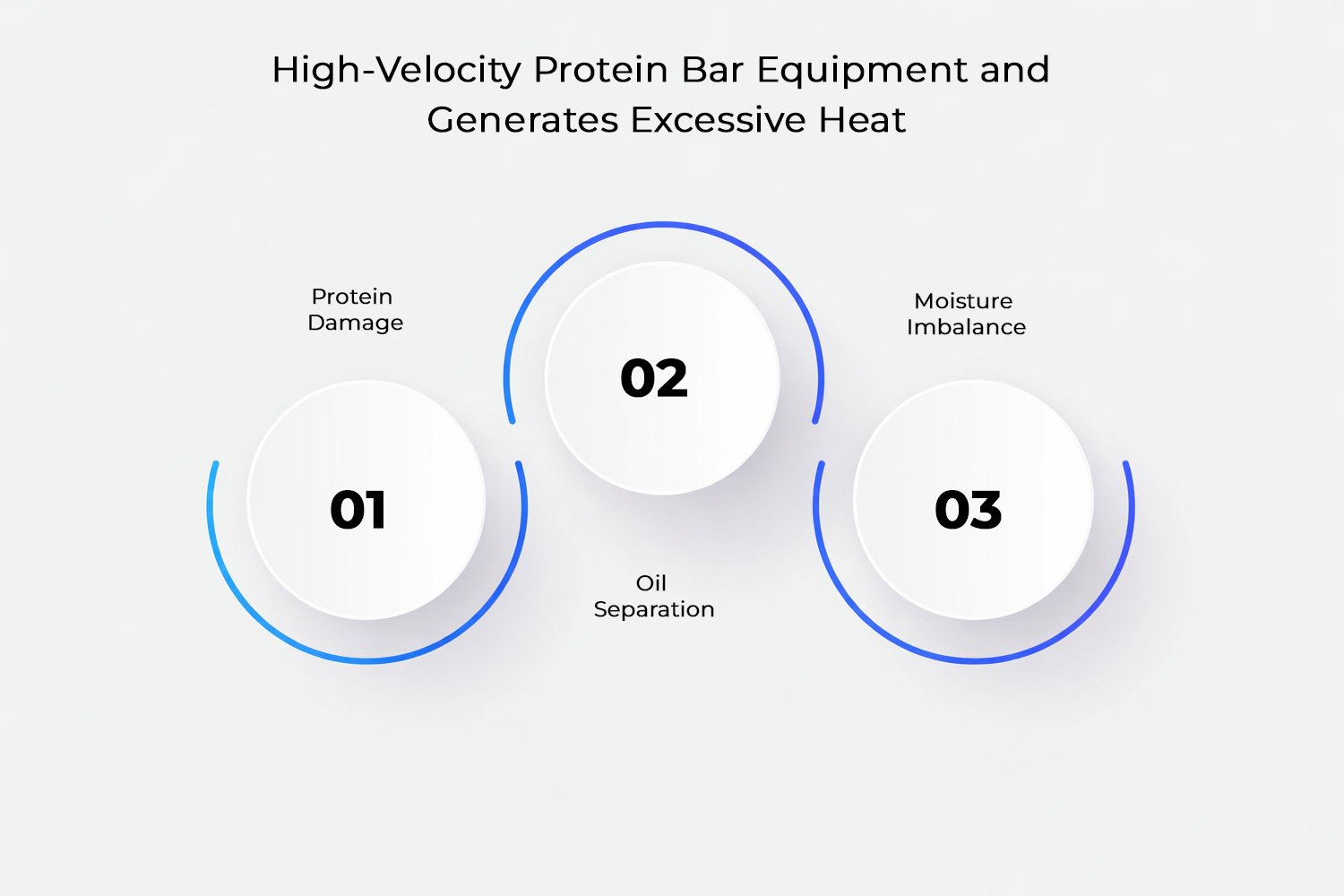
The primary challenge that arises during extensive manufacturing operations results from the protein bar making machine system, which produces high-velocity protein bar equipment and generates excessive heat.
- Protein Damage: Fast mixing and extrusion create friction heat, which damages proteins. The bar reaches unexpected hardness because its components sustained an extended time, which transforms a soft bar into a solid structure that resembles a brick.
- Oil Separation: High pressure inside the protein bar machine can push oils out of the mixture. Clean-label products lack strong emulsifiers such as soy lecithin, which results in uneven fat distribution that creates oiling out.
- Moisture Imbalance: A continuous mixing protein bar machine can change how moisture spreads in the ingredients. The texture and shelf life of the bar decrease when its components compete to use water.
Why Clean Label Quality Gets Damaged in Protein Bar Production During Scale-Up
Scaling protein bar production introduces higher mechanical force, pressure, and heat, which directly affect sensitive clean-label ingredients that lack artificial stabilisers. The result is often texture inconsistency, oil separation, or reduced shelf stability, not because of formulation errors, due to processing conditions.
Essential Components
- High Shear Mixing Stress: The process of strong mixing leads to protein network damage, which breaks down the natural binding agents, resulting in defective structures that have uneven distribution of their materials.
- Friction-Generated Heat: The operation of equipment creates permanent friction, which produces heat that affects fat melting and alters sugar properties, resulting in changes to product texture.
- Extrusion Pressure Impact: The process of high-density material formation leads to excessive compression, which causes inclusion materials to break and their associated oils to escape from containing structures.
- Moisture Redistribution: The process of large-scale operations creates water distribution changes, which result in decreased product softness and shorter shelf life throughout its storage period.
5 Smart Ways to Scale Protein Bar Production Safely
As production volumes increase, the process of sustaining product quality becomes more challenging. Successful brands approach their growth through strategic methods, which involve improving process control, choosing appropriate equipment and conducting step-by-step performance testing to maintain clean label quality.
Key Strategies:
- Use Low-Shear Mixing Technology: The process uses gentle mixing techniques to protect protein structures while keeping their hydration balance and preventing excessive dough processing, which is essential for plant proteins, natural syrups and fibre-rich formulations.
- Control Processing Temperature: The friction heat generated during continuous production processes results in changes to fat behaviour and binding properties. The equipment uses speed control and heat management systems to maintain consistent texture.
- Adopt Modular Scaling Instead of Large Jumps: The method of increasing capacity through gradual steps creates lower operational risks, which enable businesses to optimise processes while keeping knowledge of ingredient properties.
- Optimise Automation Parameters: The automation system needs to handle small-batch processes through its existing functions without creating extra mechanical power requirements. The correct pressure and forming speed with exact portioning measurement establish consistent results, which protect included materials from damage.
- Conduct Pilot-Scale Validation: Real production environment testing of formulations enables early detection of structural and moisture problems, which helps avoid expensive commercial mistakes and extended troubleshooting time.
Equipment Matters More Than Formulation During Scale
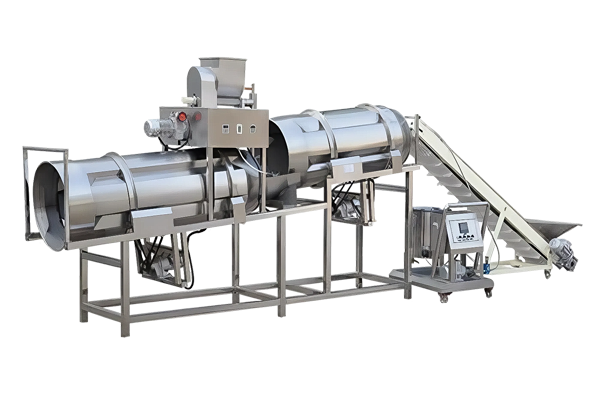
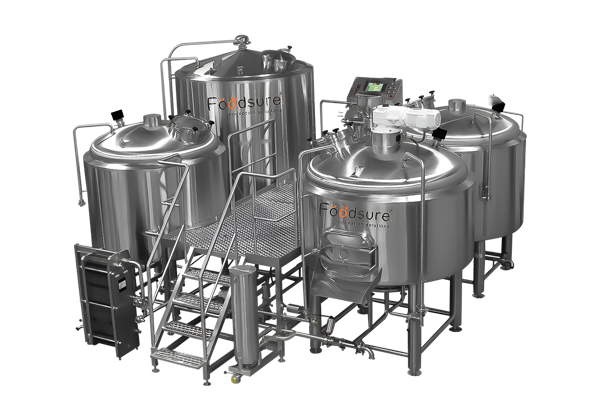
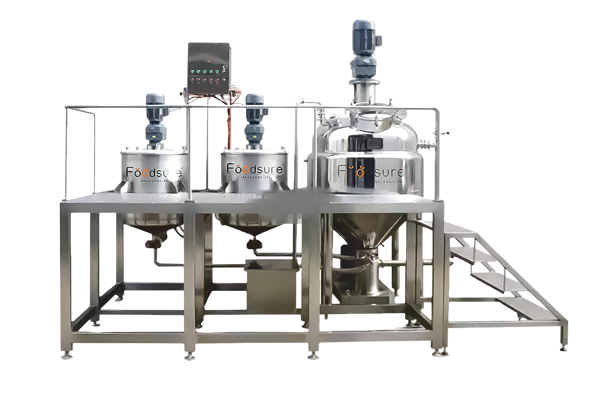
The protein bar manufacturing machine controls all operational aspects, including mixing force and pressure, heat and material flow, which results in direct effects on clean label product texture, binding strength and shelf stability.
The protein bar processing equipment design enables stable processing operations, which allows production facilities to produce products with the same quality as their small-scale operations.
The main elements of the system are as follows:
- Controlled Mixing Energy: Protects protein structure while stopping excessive processing of materials.
- Gentle Forming Technology: Maintains the structural integrity of bars while preserving the original content of the bars.
- Uniform Material Flow: Reduces batch variation while creating consistent product output.
- Precision Portioning Systems: Provides exact measurement of both weight and product visual characteristics.
Signs Your Protein Bar Production Is Ready to Scale
The process of scaling becomes essential when existing production methods reach their limits for expansion, operational stability and financial growth. The correct time to increase capacity enables businesses to sustain product excellence and fulfil market requirements while preventing operational delays that could harm their brand image.
Key Indicators:
- Demand Outgrows Manual Capacity: The order volume exceeds the production capabilities of small-batch operations, which can handle deliveries at their maximum capacity.
- Inconsistent Batch Quality: The process shows its boundaries through the observed differences in product texture and weight, which occur between production runs.
- Rising Labour Costs: The increase in required staff members results in decreased profit margins and lower operational productivity.
- New Market Opportunities: The retail, private label, and export markets demand that businesses produce larger quantities of goods.
- Production Delays: The extended lead times decrease the pace of business development and the process of fulfilling customer orders.
Scale Protein Bar Production Without Losing Your Brand Promise
For clean label brands, consumer trust is built on consistent quality, ingredient transparency, and reliable product experience. The protein bar production process needs to maintain these three elements through exact control of both processing conditions and equipment performance. The design of production systems enables brands to maintain ingredient functionality while expanding their capacity without affecting product identity and claims.
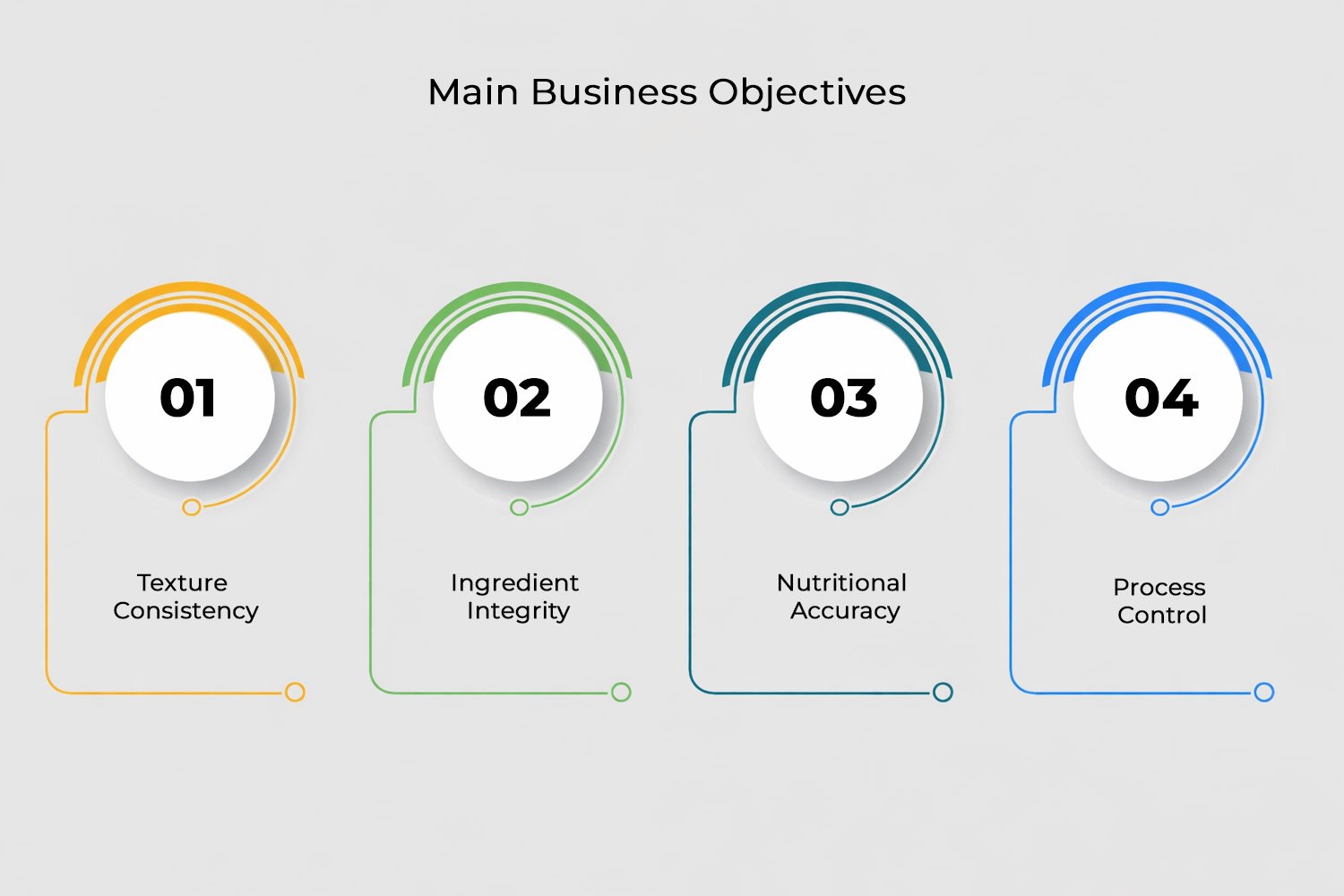
Main Business Objectives:
- Texture Consistency: Maintain the same mouthfeel across batches.
- Ingredient Integrity: Protect proteins, fats, and inclusions from damage.
- Nutritional Accuracy: Ensure label claims remain stable at scale.
- Process Control: Use equipment that replicates small-batch behaviour.
Conclusion
Successful protein bar production requires a proper balance between process control and equipment design. Foodsure Machines helps brands grow their business while maintaining clean-label product standards. Our solutions replicate small-batch precision through large-volume production, which maintains consistent texture and product integrity and operational performance.
FAQ
Q1. How to scale protein bar production without compromising quality?
Ans: By using controlled processing, appropriate equipment for the task and validating pilot-scale before full production.
Q2. What is the clean label protein bar manufacturing process at large scale?
Ans: It is about low-shear mixing, temperature control, gentle shaping, and precise portioning, in protecting the ingredients from losing quality.
Q3. What is the best equipment for commercial protein bar production?
Ans: Equipment delivering controlled mixing energy, consistently handling flow, and ensuring proper forming will result in high consistency of results.
Q4. What are the common protein bar production challenges during scale up?
Ans: Texture irregularity, onboard oil separation, imbalance of moisture, and damage to ingredients are the most frequent issues found.
Q5. How to choose protein bar manufacturing machine for clean label products?
Ans: Choose a machine designed for gentle processing, temperature stability, and minimal mechanical stress on ingredients.